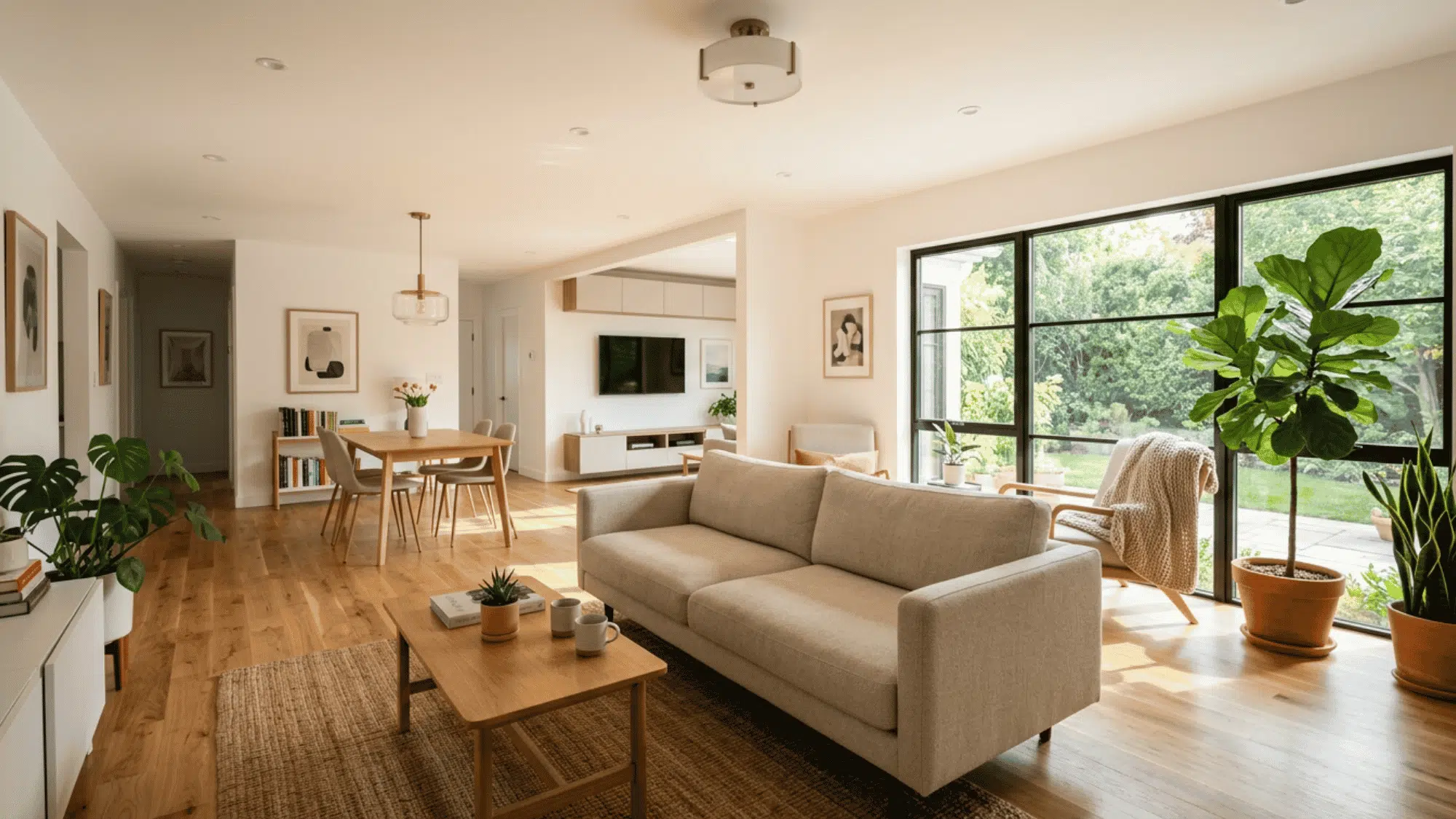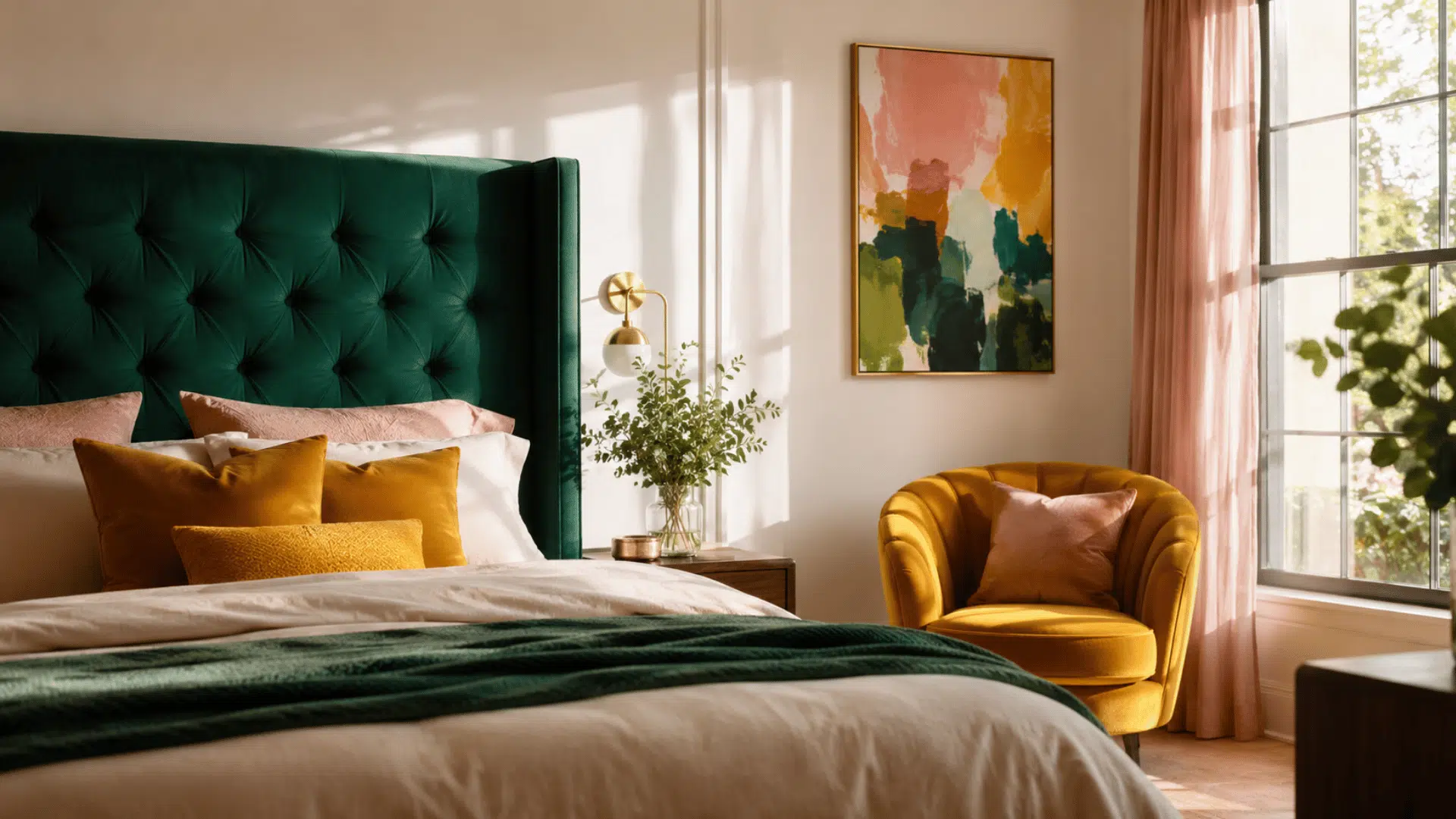
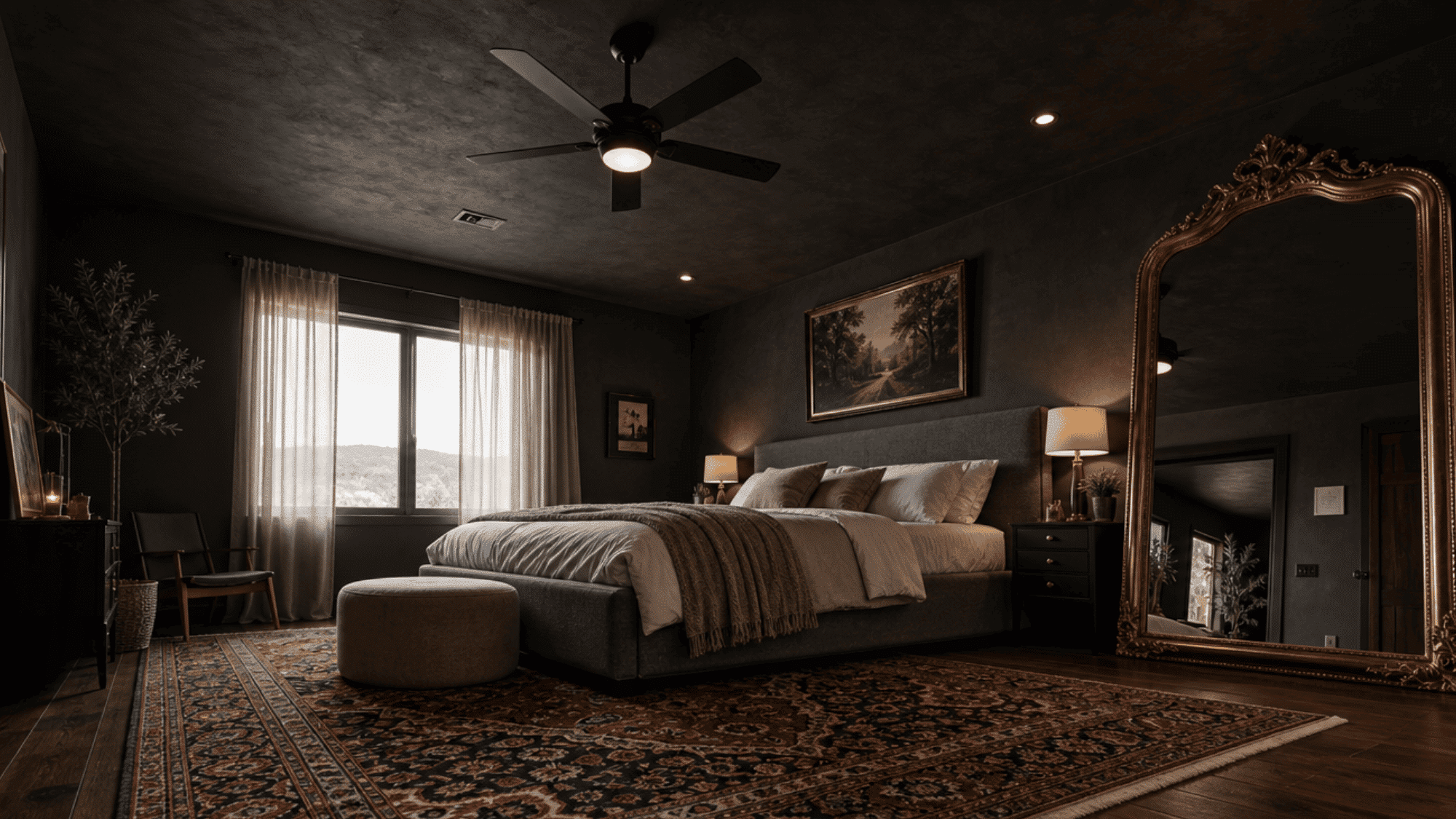
Painting the ceiling the same color as the walls is one of the simplest changes a homeowner can make, and one of the easiest to get wrong.
There’s a reason interior designers keep bringing up this particular paint trick when clients want a room to feel different without a full renovation.
Some homeowners swear by it, others try it once and go straight back to a plain white ceiling.
The difference usually comes down to a few overlooked details rather than personal taste alone. Lighting, room size, and shade selection all play a bigger role than most people expect.
If you’ve been staring at your ceiling wondering whether it’s worth the extra can of paint, this one’s for you.
Is Matching Ceiling and Walls Actually a Good Idea?
For most homes, yes, when the shade suits the room, matching walls and ceiling creates a smoother, more finished look.
Three things decide whether it works: room size, the amount of natural light coming in, and the specific shade picked.
A small, dim room can turn cave-like in a dark tone, while that same tone might make a large, sun-filled room feel grounded and intentional.
Ceiling height matters too. Lower ceilings tend to look shorter in a bold or dark color, while a lighter shade on both surfaces can make the same ceiling feel taller than it is.
Get those three factors right, and the room reads as one cohesive space instead of four walls capped by an afterthought.
What Actually Changes when You Match The Colors
Matching the ceiling and walls with the same color can change the overall appearance of a room. The effect also depends on the room’s lighting, so comparing cool white vs daylight lighting can make paint selection easier.
Creates a Continuous Look
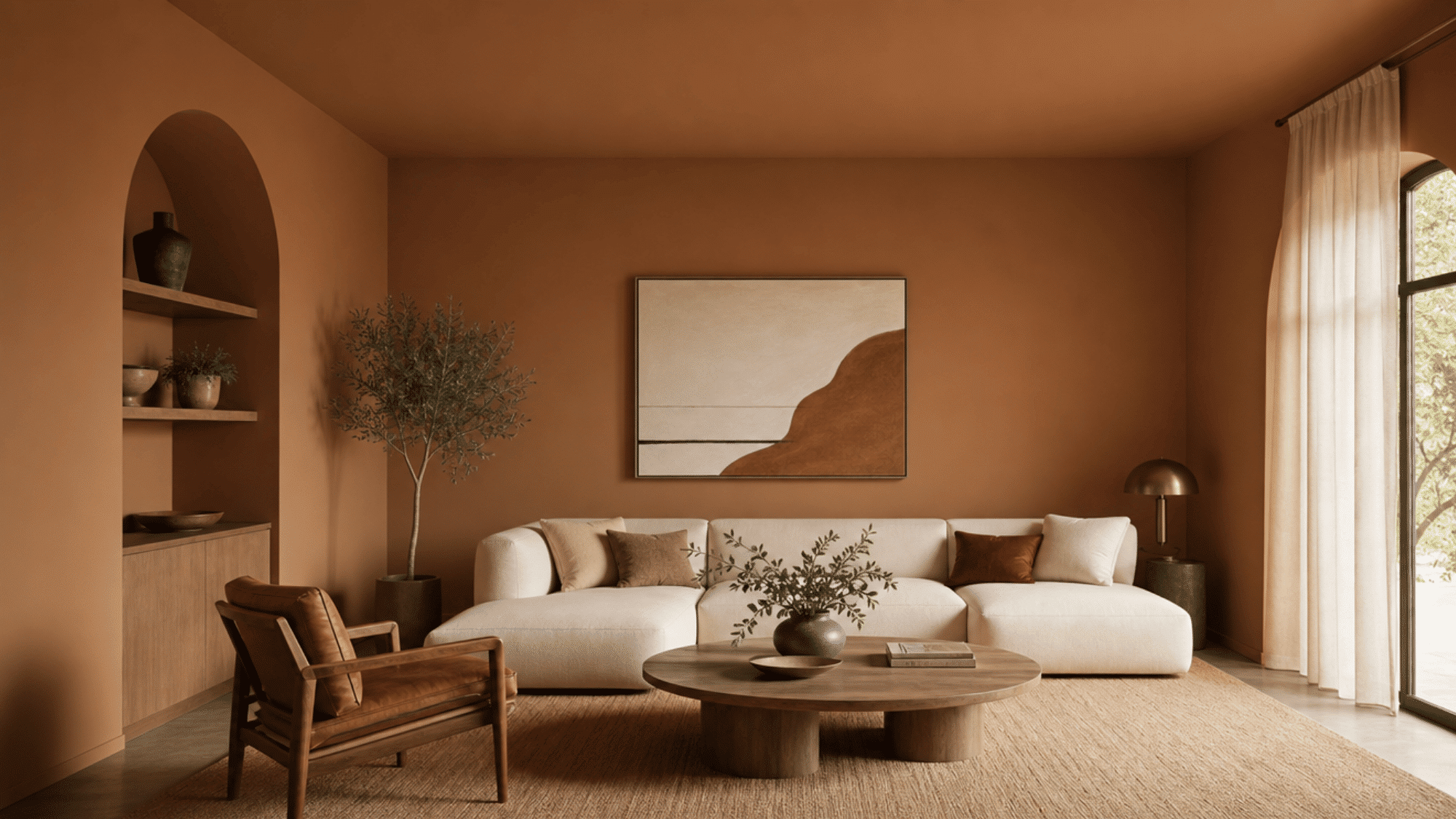
Painting the ceiling the same color as the walls removes visual breaks between surfaces, creating a smooth and cohesive appearance.
This approach helps the room feel more balanced and connected.
A consistent color flow also creates a cleaner design by allowing furniture, artwork, and decorative elements to stand out without competing with different paint shades.
Makes Spaces Feel Larger
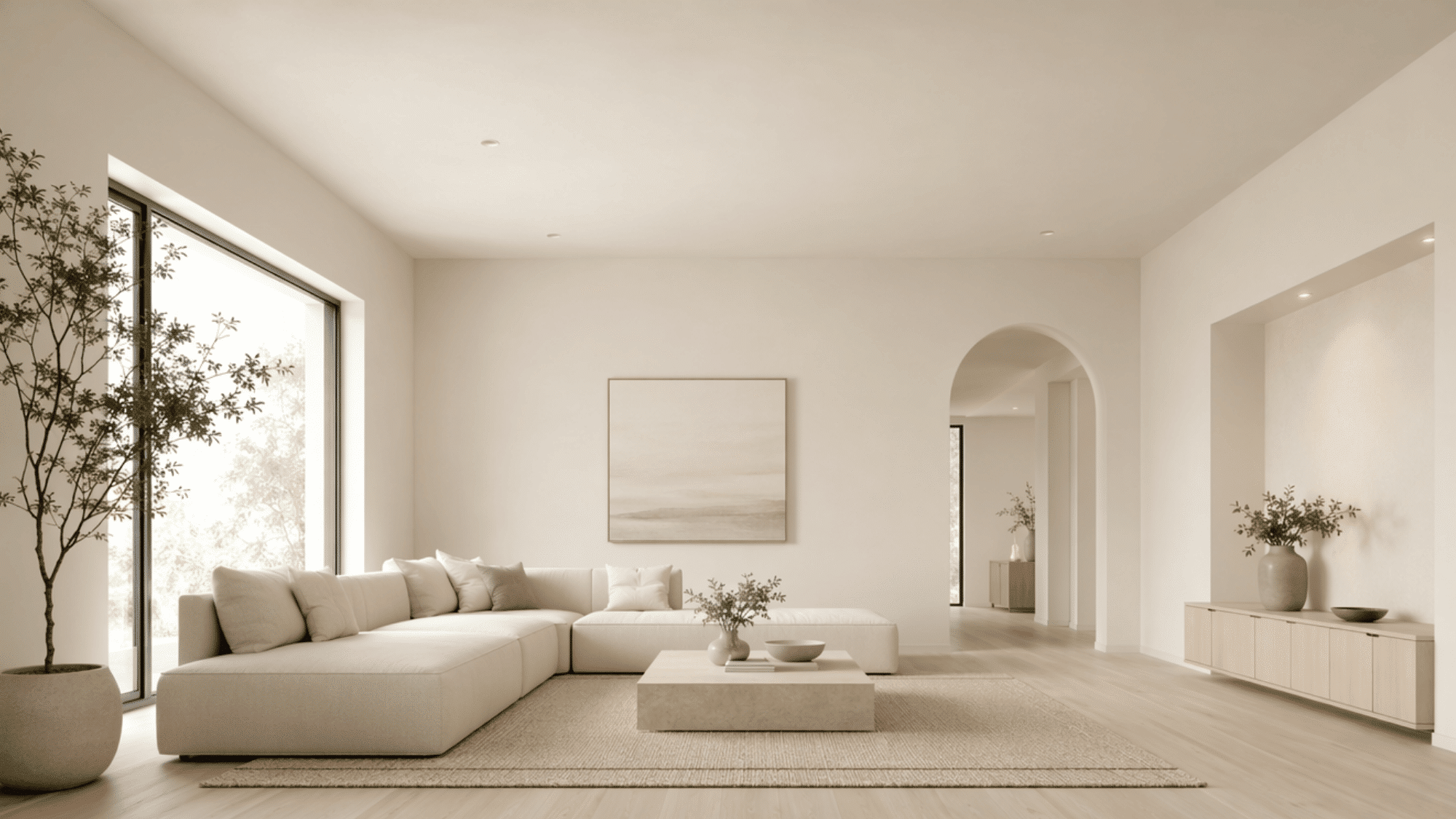
Matching ceiling and wall colors can make a room appear more open by creating a smoother visual flow.
Light shades, such as soft whites and neutrals, help reduce harsh transitions and make smaller spaces feel brighter.
This approach creates a less divided appearance while maintaining a balanced and comfortable look throughout the room.
Adds a Cozy Feel
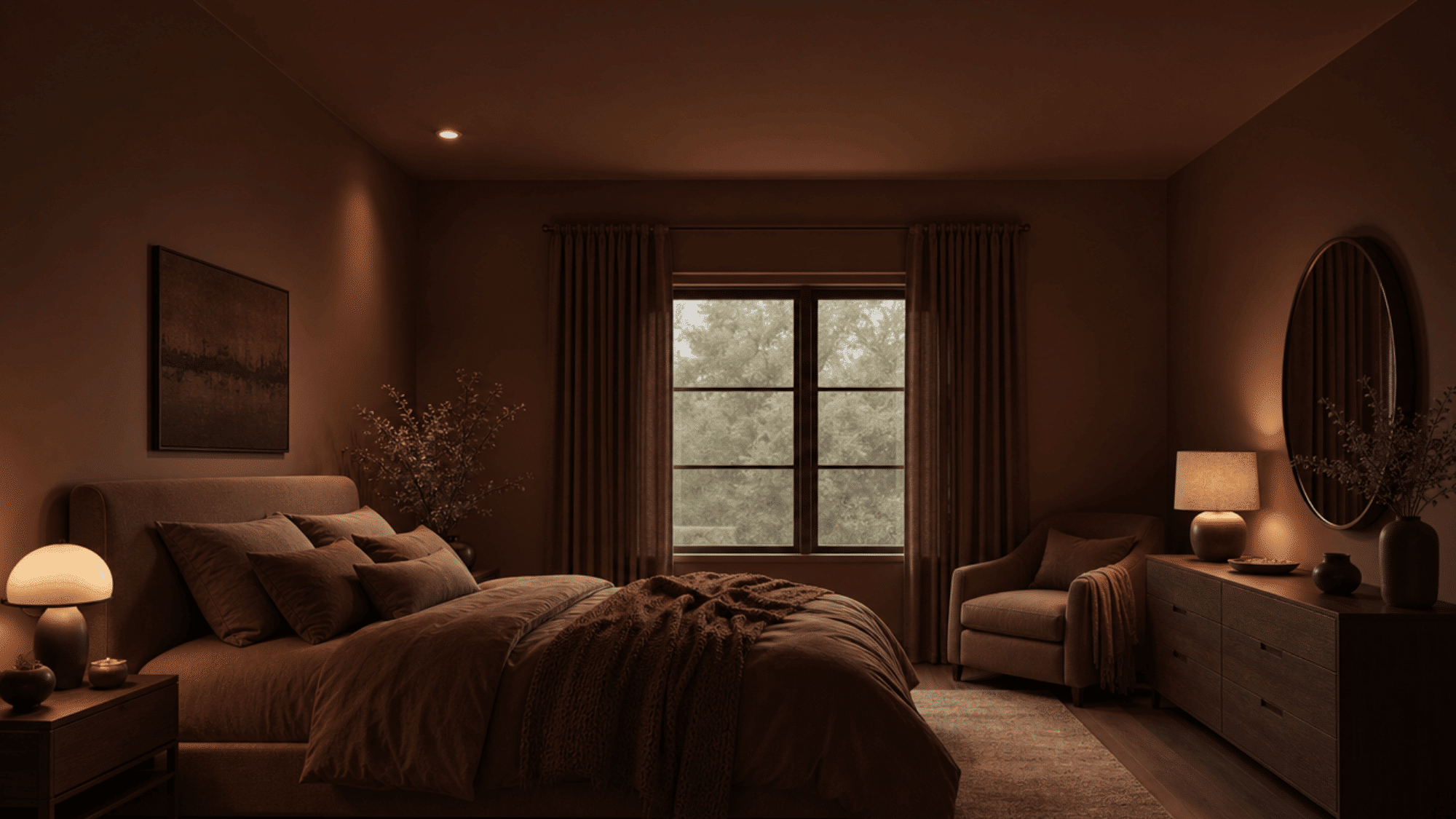
Using a single color on walls and ceilings can create a warm, comfortable atmosphere in a room. Deeper shades can add a cozy feel and make spaces appear more relaxing and enclosed.
This style works well in bedrooms, reading areas, and other spaces where homeowners want to create a calm and inviting environment.
This same idea shows up in color drenching in bedrooms, where one shade covers the walls, ceiling, and trim for a fully immersed, cocoon-like feel.
Bedrooms and small rooms feel calmer, living rooms and hallways flow better, and offices and bathrooms look clean and focused.
Improves Visual Balance
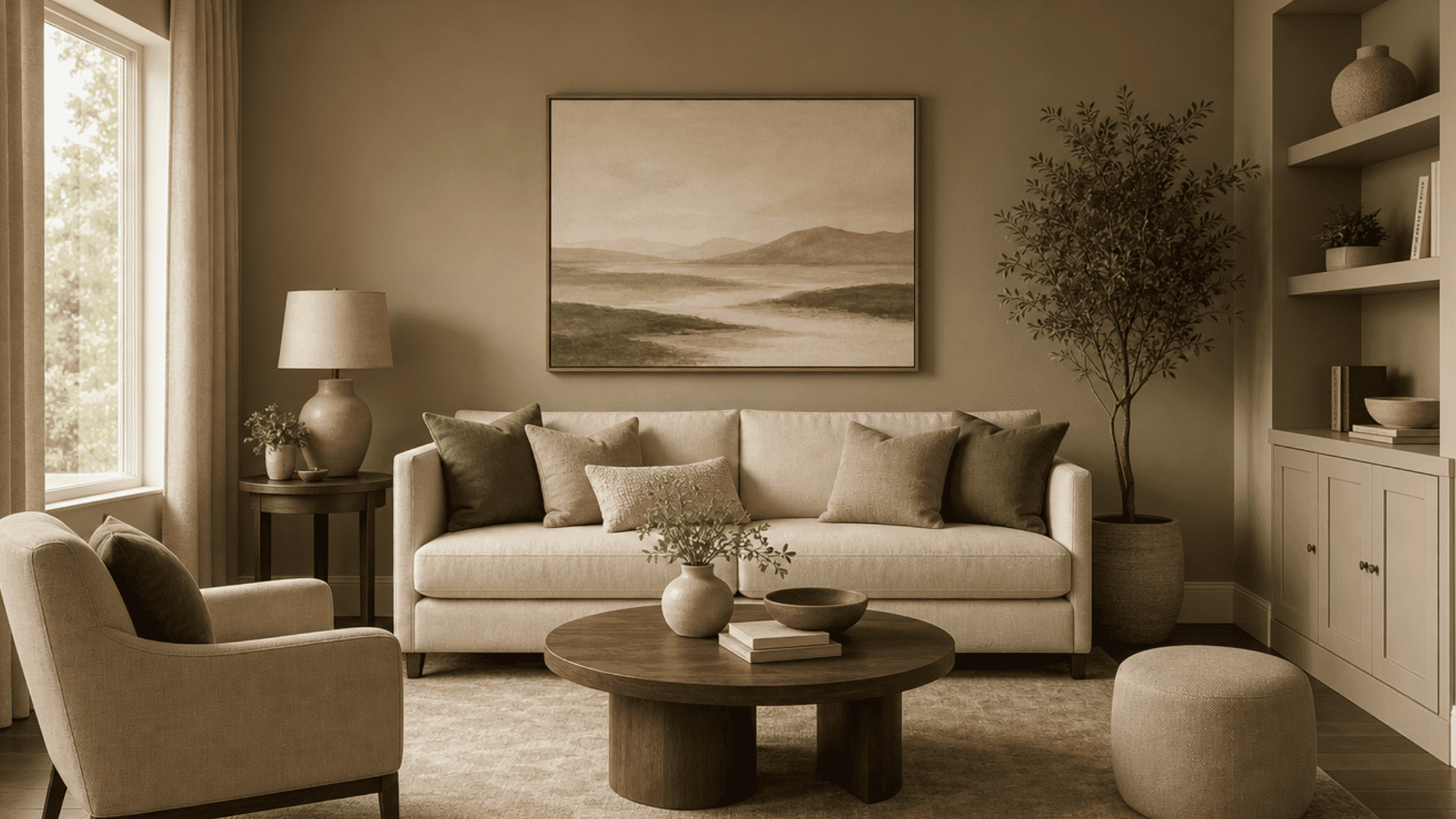
A matching color scheme creates a unified design that helps different room elements work together.
It reduces strong contrasts and gives the space a smoother, more organized appearance.
This approach can create a balanced look where furniture, decor, and architectural details blend naturally without competing for attention.
Changes Ceiling Perception
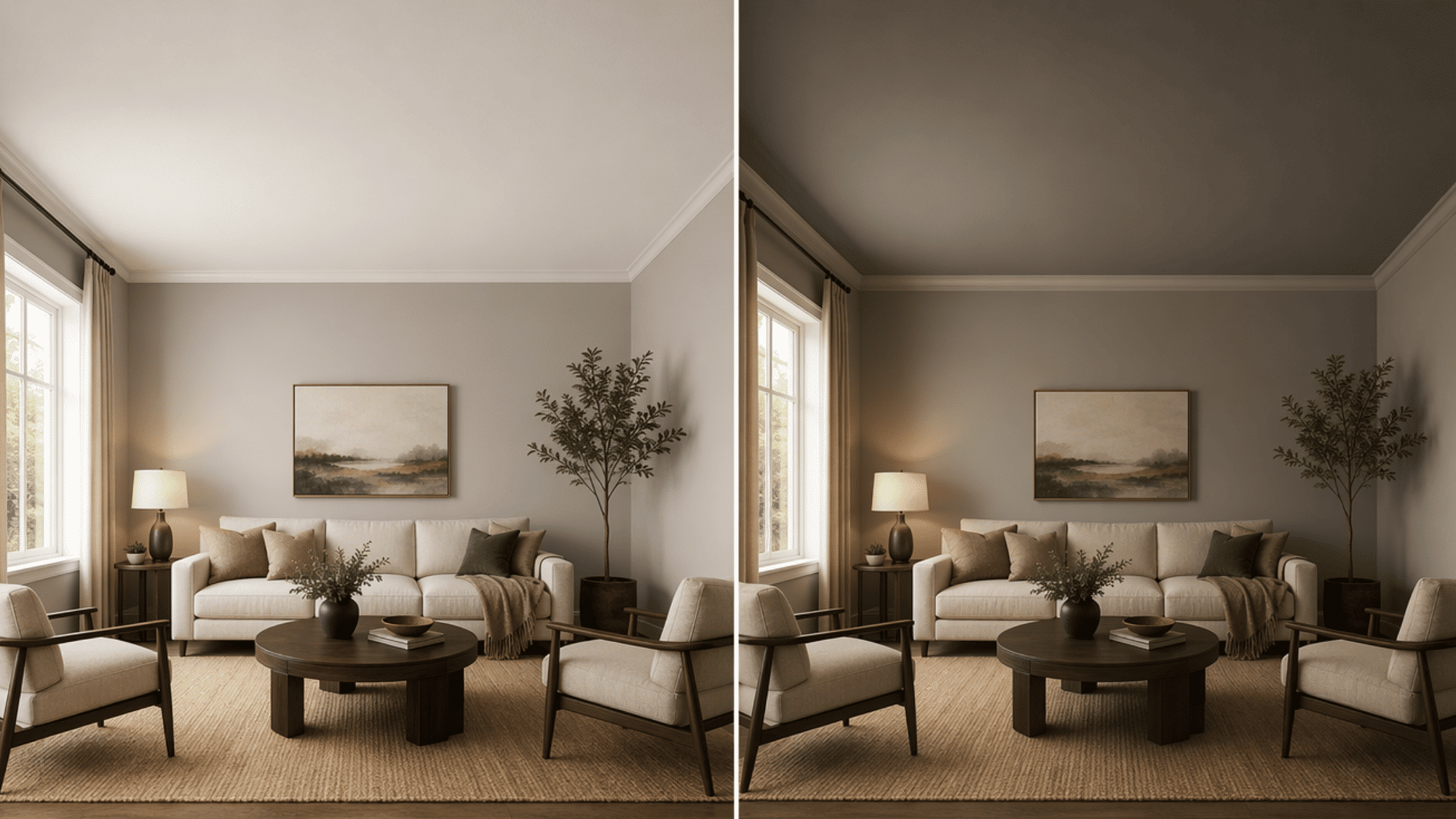
Using the same color on walls and ceilings can influence how a room’s height and overall appearance are perceived.
Lighter shades may create an open feel and make ceilings look taller, while darker tones can add warmth and create a more intimate atmosphere.
The final effect depends on lighting, ceiling height, and paint choice. Careful selection helps homeowners create the desired look while maintaining a balanced room design.
Choosing The Right Ceiling and Wall Color
Choose colors based on room size, natural light, and mood. Greige, soft beige, and warm white suit north-facing rooms, while pale blue, sage green, and light gray work well in south-facing spaces.
Shades above 60 (LVR), such as alabaster or cloud white, open up small or dim rooms. Deeper tones below 40, like charcoal, navy, or forest green, suit larger rooms or evening-use spaces.
Existing furniture matters too; neutral palettes pair well with bold decor, while patterned rooms often look better in a single quiet tone.
It’s also worth knowing the difference between flat and matte paint finishes beforehand, since either can change how the color reads once it’s on the ceiling.
Testing a sample on both surfaces before committing is always worth the extra step.
Drawbacks Of Matching Colors
Painting the ceiling and walls the same color can create a unified look, but it may not work well for every room. The final effect depends on the shade, lighting, and space.
- Can Make Rooms Feel Smaller: Darker colors across walls and ceilings may make some spaces feel more enclosed.
- Reduces Visual Contrast: Matching colors can blur the distinction between the ceiling and walls.
- May Hide Architectural Details: Features like crown molding or ceiling designs may stand out less.
- Can Feel Overwhelming: Bold colors used throughout a room may create a heavy appearance.
- Limits Design Flexibility: Using a single color may reduce opportunities for contrast and visual interest.
Conclusion
Using the same color for the ceiling and the walls is an easy way to balance the decor, although the effect will ultimately depend on the specific conditions of the room.
The right color will help to create the appropriate atmosphere as well as enhance the overall design of the house.
Homeowners who plan to paint their walls or ceiling should consider the particular room and the atmosphere that is needed.
It is important to choose a proper color scheme to create a great effect.
Tell us what you think about the color of your ceiling and walls.
Frequently Asked Questions
Can The Ceiling and Walls Have Different Finishes?
Yes, different finishes can add subtle depth even with the same color throughout.
Should Trim Match The Ceiling when Walls are The Same Color?
Either way works. Matching keeps it seamless; contrasting adds definition. It depends on what look you’re after.
Does Painting The Ceiling The Same Color Make a Small Room Look Smaller?
Not necessarily; light, high-LRV shades keep small rooms open, while darker colors are more likely to make them feel smaller.