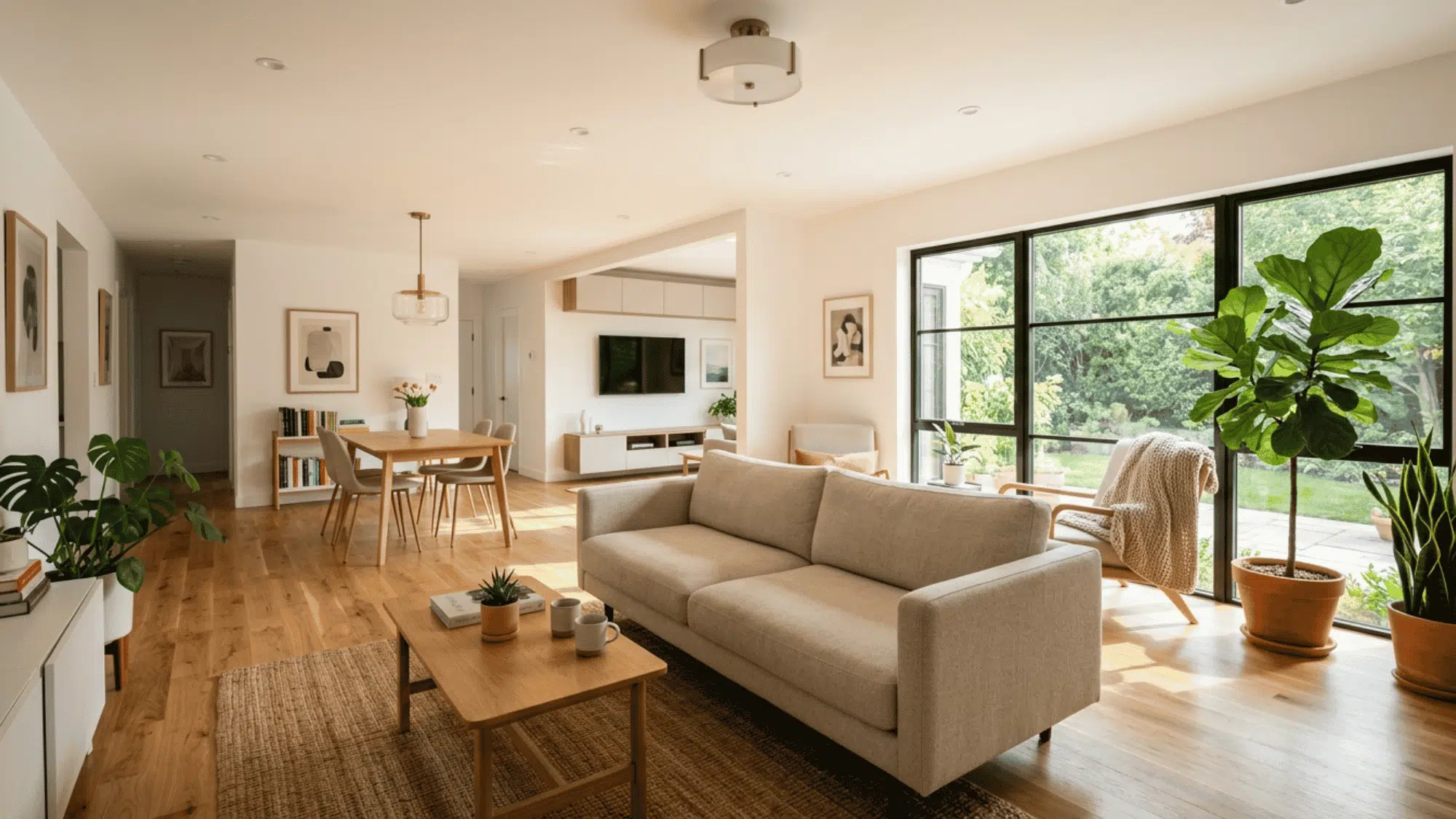
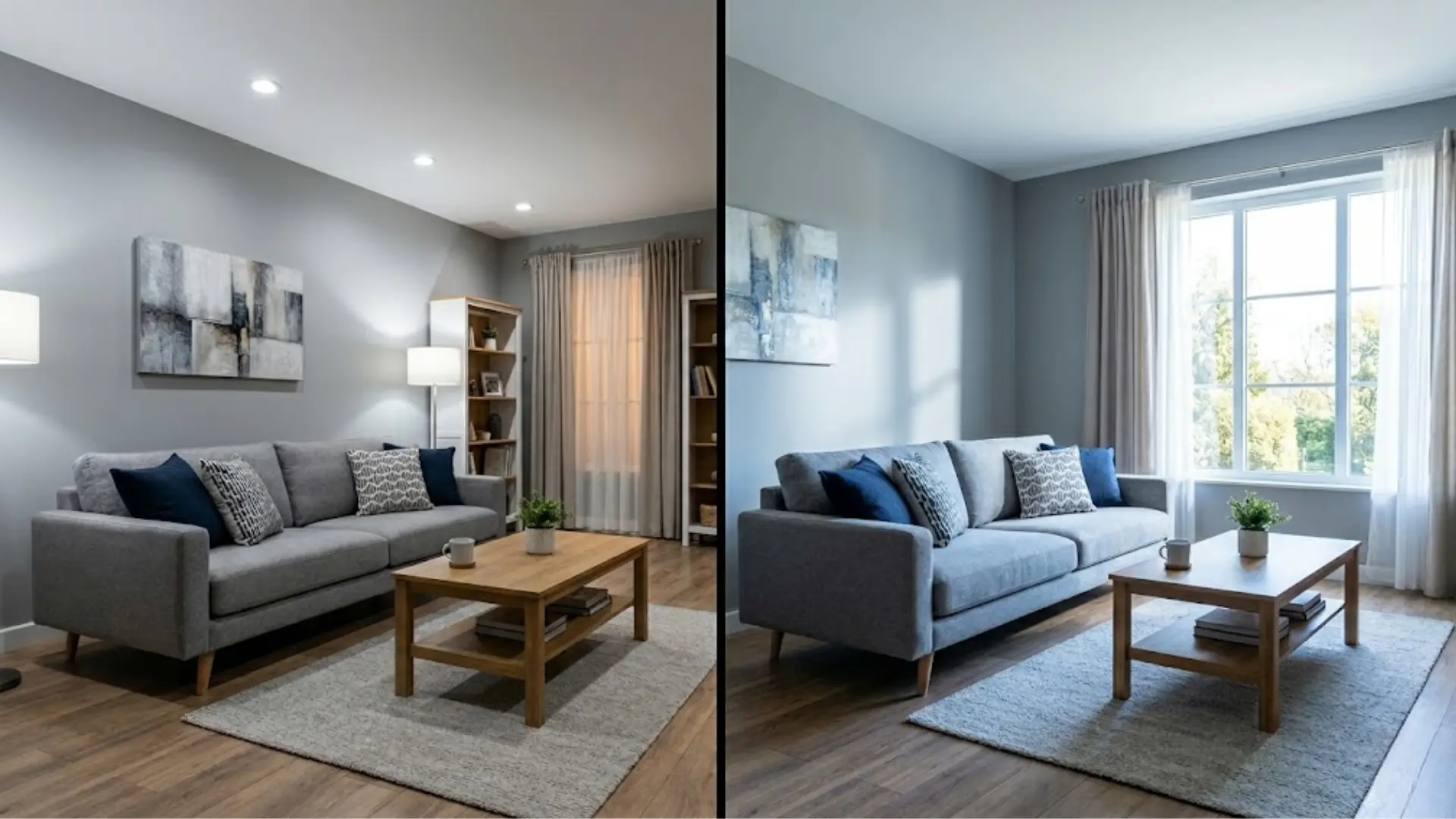
These two options look similar on store shelves, but they create completely different atmospheres in your home or workspace.
Cool white gives you that crisp, energizing feel that keeps you alert without feeling harsh.
Daylight, on the other hand, mimics bright midday sunlight and works best for tasks that require precision and color accuracy.
Here’s when to use each one, what they actually look like in real rooms, and how to avoid the mistakes most people make picking between them.
Differences Between Cool White vs Daylight Lighting
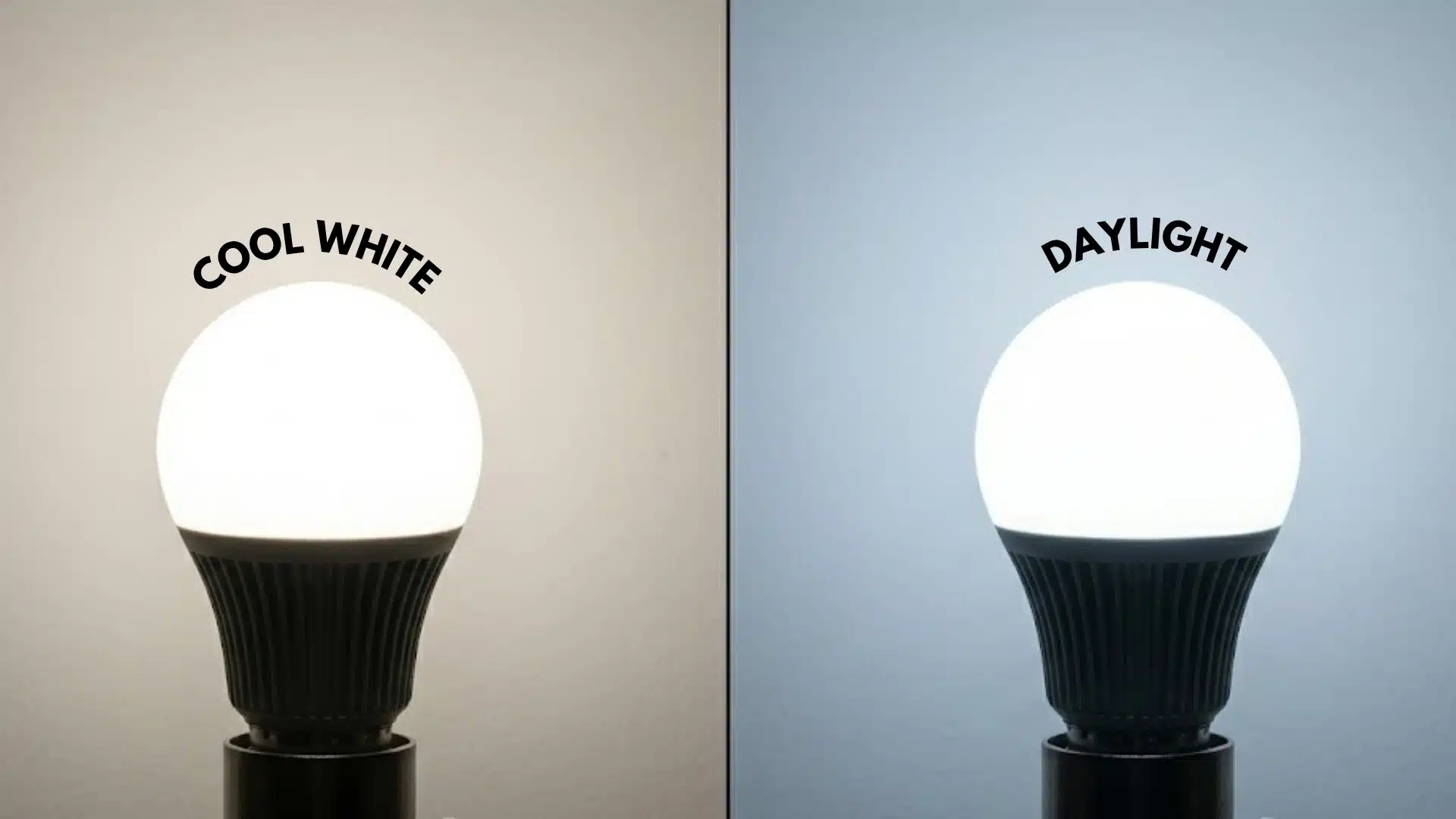
Understanding the core differences between cool white and daylight helps you make confident lighting decisions for any space. These distinctions go beyond just numbers on a box and affect how you experience rooms daily.
1. Visual Tone
Cool white and daylight are measured in the Kelvin light scale, which describes the color tone a bulb produces.
Cool white (4000K-5000K) produces a neutral, balanced tone that sits comfortably between warm and cool without leaning too far in either direction.
The light appears clean and modern without the yellow cast of warm bulbs or the blue tint of daylight options.
Daylight (5000K-6500K) creates a bright, bluish-white tone that closely mimics the color of midday sunlight streaming through windows.
This stark, energizing tone makes spaces feel larger and more open, but can appear too clinical in specific settings.
2. Brightness & Clarity
Cool white offers good clarity for most tasks while maintaining a comfortable atmosphere that doesn’t strain your eyes during extended use.
The neutral tone provides enough contrast to see details clearly without creating the harsh shadows that can occur with extremely bright lighting.
Daylight delivers maximum brightness perception and superior clarity, revealing fine details that other bulbs might miss in your workspace.
The higher Color Rendering Index (CRI) of most daylight bulbs means colors appear closer to how they look under natural sunlight, which matters for tasks requiring precision and color-matching accuracy.
Both cool white and daylight bulbs typically produce between 650 and 800 lumens at standard wattages, so actual brightness depends on lumen output rather than Kelvin rating alone.
3. Best Use-Case
Cool white excels in multi-purpose spaces where you need versatility for a range of activities throughout the day and evening.
Kitchens, bathrooms, home offices, and hallways all benefit from cool white’s ability to energize without overwhelming your senses or creating discomfort.
The neutral tone also works better in spaces with modern design elements like stainless steel, white cabinetry, or minimalist decor.
Daylight belongs in task-specific areas where function and accuracy trump ambiance and comfort considerations every time.
Workshops, garages, craft rooms, and commercial spaces require the superior visibility and color accuracy that only daylight bulbs can provide consistently.
Cool White vs Daylight: Key Differences at a Glance
Cool white and daylight lighting fall under higher color temperature ranges, but they create noticeably different effects in terms of brightness, tone, and usability.
| Feature | Cool White (4000K–5000K) | Daylight (5000K–6500K) |
|---|---|---|
| Color Tone | Neutral white | Bright bluish-white |
| Best For | Kitchens, bathrooms, offices | Workshops, garages, clinics |
| Mood | Fresh and alert | Energizing and sharp |
| Color Accuracy | Good | Excellent |
| Relaxation Suitability | Moderate | Low |
Best Lighting for Residential Spaces
Different rooms in your home have unique lighting needs based on how you use them throughout the day. Matching the right color temperature to each space improves both comfort and functionality for daily activities.
1. Kitchen
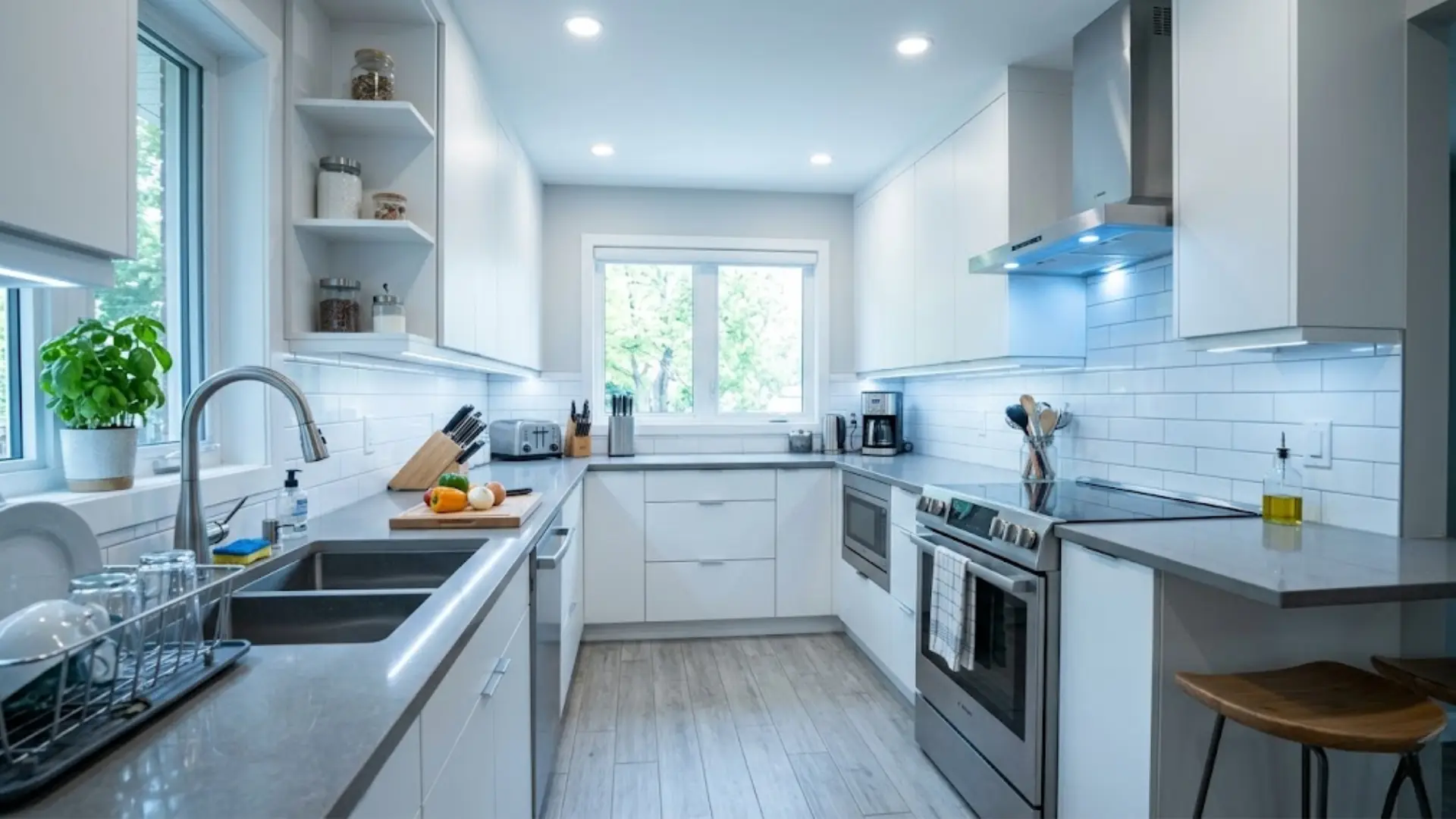
Cool white works best with minimalist kitchen features because it provides clear visibility for cooking and cleaning without feeling too harsh.
The neutral tone helps you see food colors accurately, which matters when preparing meals and plating dishes.
If your kitchen doubles as a gathering space, cool white maintains an inviting atmosphere while keeping the area well-lit for safety.
Avoid daylight in kitchens unless you need extremely bright task lighting for detailed prep work or professional cooking.
2. Bathroom
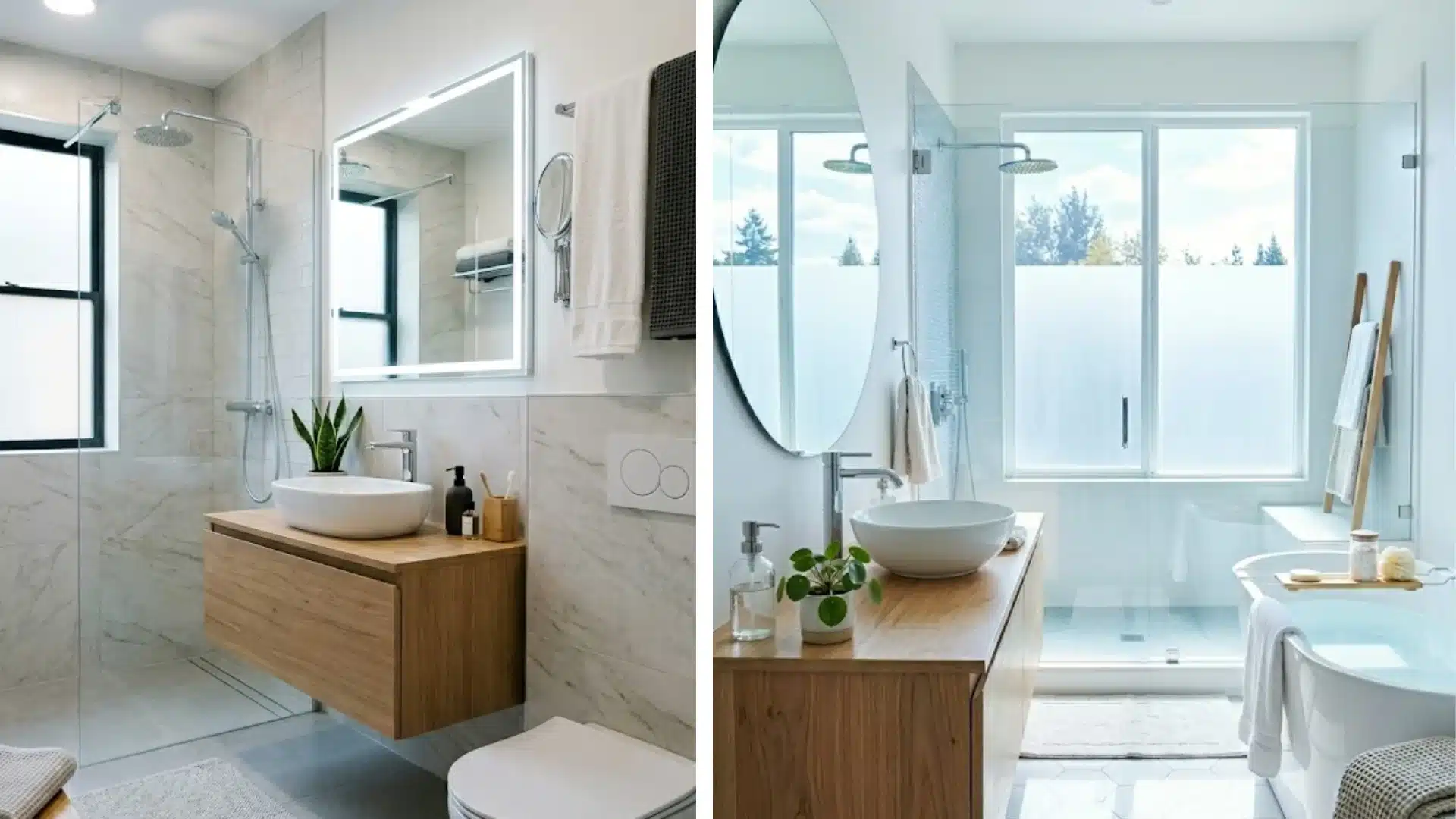
Bathrooms benefit from cool white or daylight, depending on your daily routine and grooming needs.
Cool white offers balanced lighting for showering and general grooming without feeling too intense on your eyes in the morning.
Daylight works better for applying makeup or shaving, as it shows accurate skin tones and eliminates shadows around mirrors.
For bathrooms used at night, cool white feels less jarring than daylight when you suddenly turn on the lights.
A combination I recommend often: install a daylight fixture directly above the vanity mirror for grooming accuracy, and use cool white for the overhead.
3. Bedroom

Bedrooms need warm lighting to promote relaxation and better sleep quality throughout the night.
Cool white and daylight both feel too stimulating for spaces where you unwind and prepare for rest after a long day.
Research published by the National Institutes of Health confirms that exposure to blue-enriched light in the evening delays sleep onset and reduces sleep quality.
Reserve cool white or daylight for walk-in closets where you need to see clothing colors accurately when getting dressed.
4. Living Room
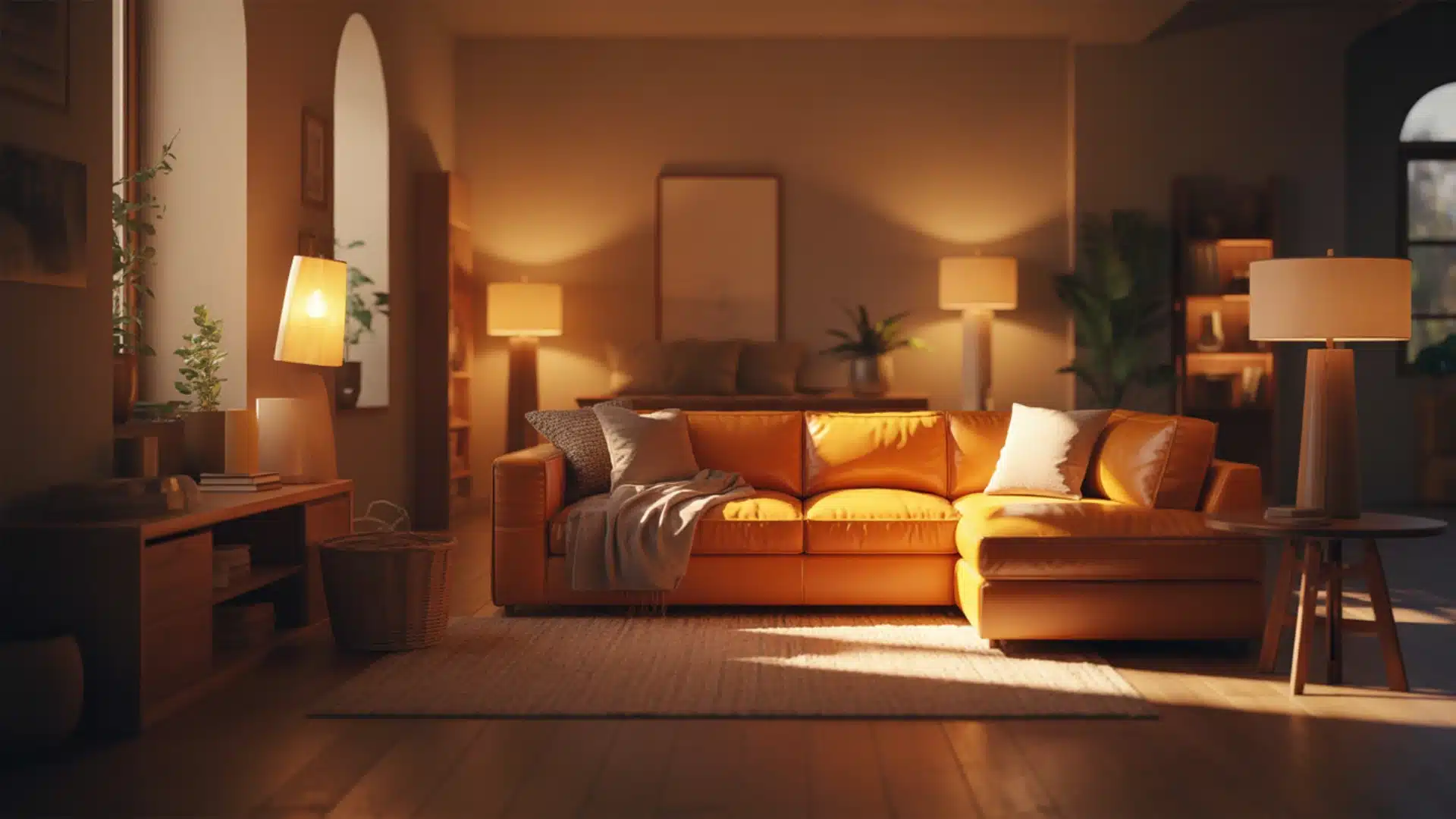
Living rooms work best with warm or soft white lighting to create a cozy, welcoming environment for family time.
Cool white can feel too stark for spaces where you relax, watch TV, or entertain guests in the evenings and on weekends.
If your living room doubles as a workspace or hobby area, use layered lighting with warm ambient lighting and a cool-white task lamp.
Daylight is rarely appropriate in living rooms unless you’re working on detailed projects that require high visibility and precision.
Best Lighting for Commercial Spaces
Commercial environments require strategic lighting choices tailored to the work performed and customer experience goals. The right color temperature improves productivity, safety, and satisfaction in professional settings.
1. Offices
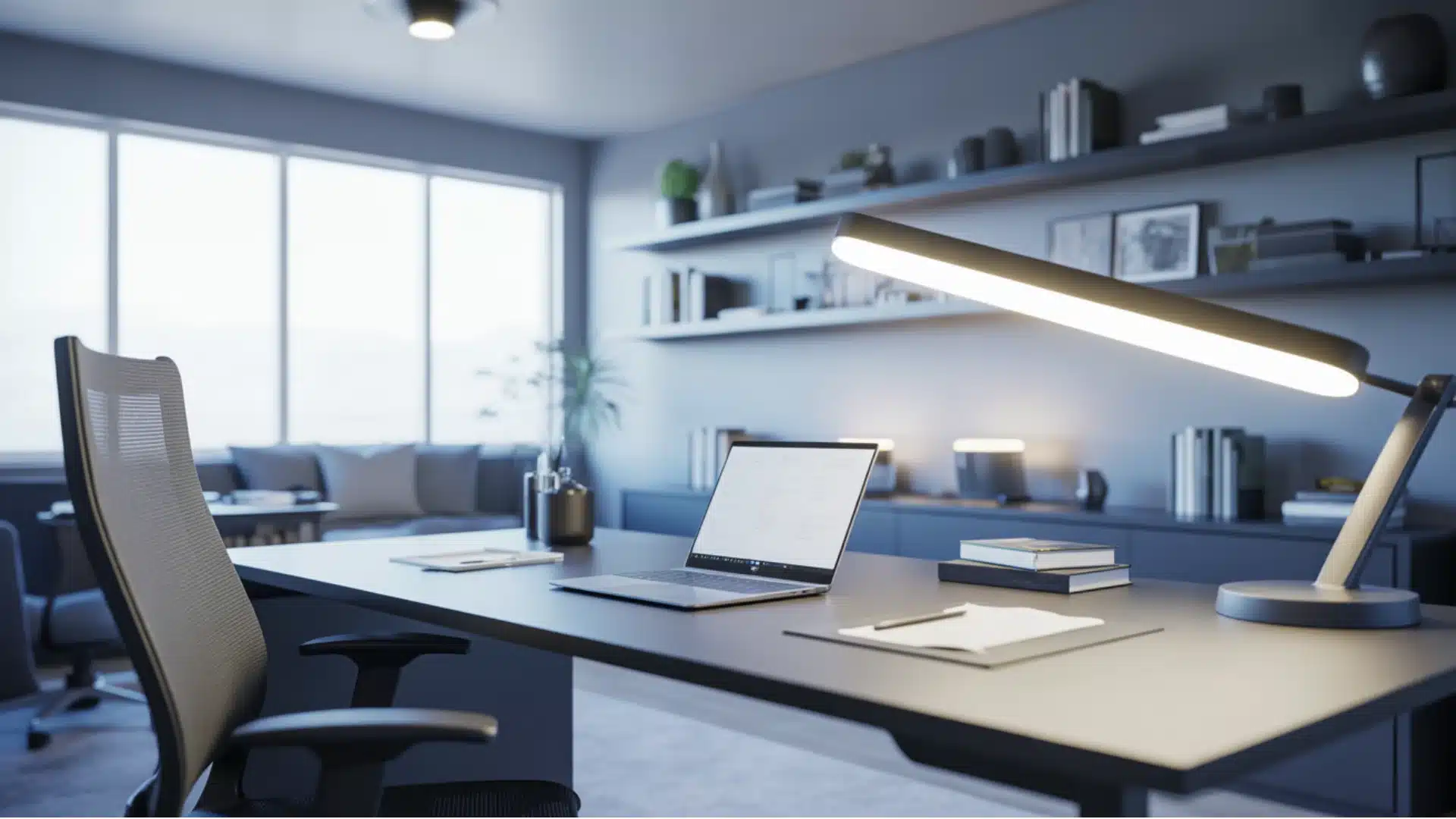
Offices perform best with cool white lighting throughout shared workspaces to keep employees alert and focused during work hours.
This temperature reduces the harsh contrast that daylight can create on computer screens, making it ideal for extended desk work without eye strain.
Cool white also works well in conference rooms where presentations and meetings take place throughout the day.
For executive offices or break rooms, blend cool white with warmer accent lighting to create a more comfortable atmosphere for relaxation.
If your desk lamp uses a GU10 format rather than a standard A19, confirm the Kelvin rating before buying.
2. Retail Stores

Retail stores benefit from daylight or bright cool white to showcase merchandise accurately and attract customer attention.
High color rendering helps customers see true product colors, reducing returns and increasing overall satisfaction with their purchases and shopping experience.
Jewelry stores, cosmetics shops, and clothing retailers particularly benefit from daylight because it clearly reveals fine details and textures.
For boutiques with a luxury feel, consider mixing daylight spotlights with warm ambient lighting to create visual interest and inviting atmospheres.
3. Clinics and Studios
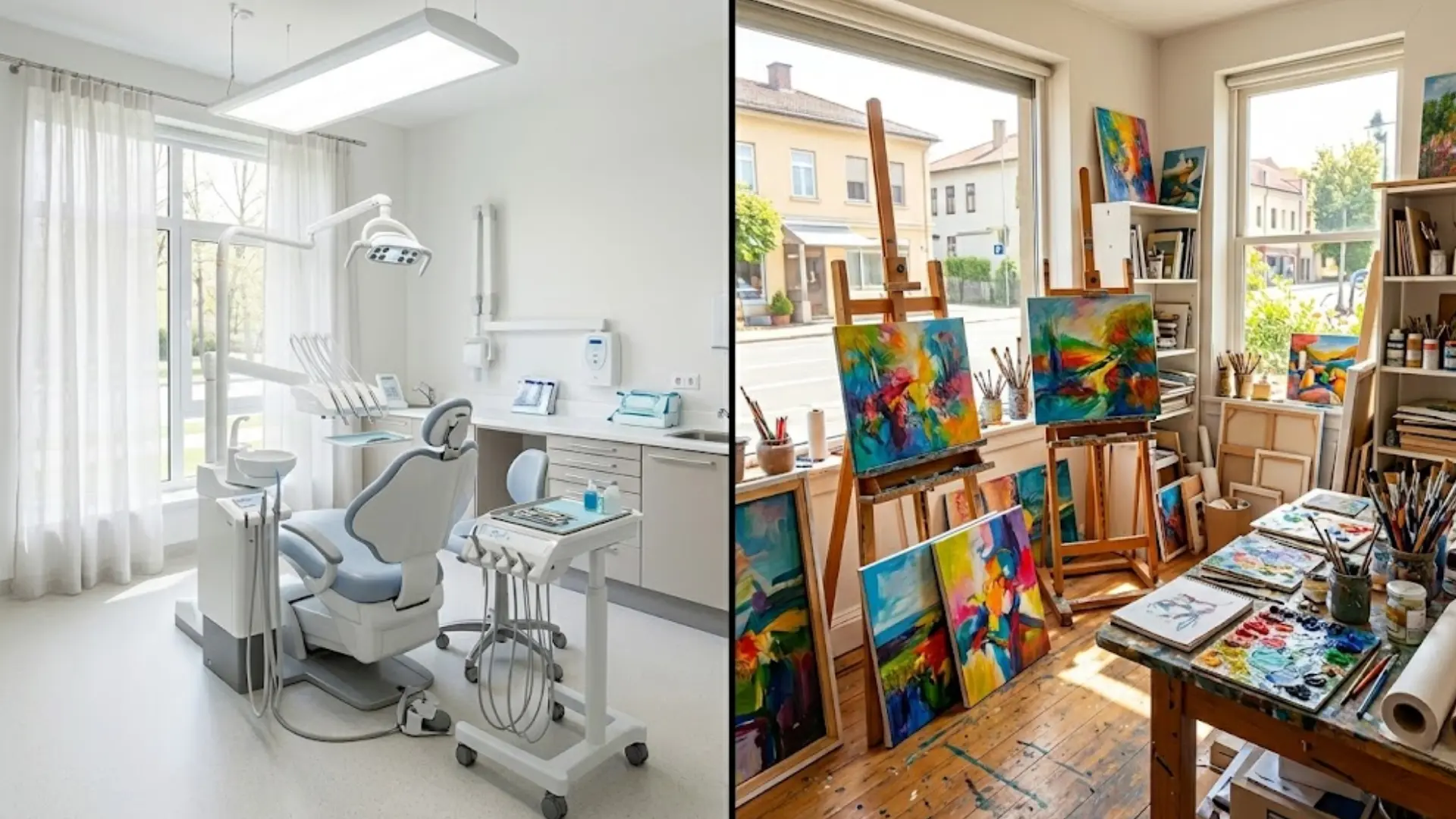
Medical clinics, dental offices, and art studios require daylight bulbs for precision work that demands accurate color rendering.
Doctors need to assess skin tone and identify symptoms correctly without color distortion that could lead to misdiagnosis or treatment errors.
Art studios use daylight to ensure artwork looks correct in various lighting conditions before sale or display.
Photography studios prefer daylight to match natural light conditions, and the blue-white tone eliminates color distortion that can compromise professional accuracy and client satisfaction.
Note: This section touches on medical settings for lighting design purposes only; it isn’t medical advice, and clinics should follow their own facility and accreditation standards for lighting.
4. Warehouses

Warehouses and industrial workshops need daylight for safety and efficiency in large-scale operations with heavy machinery.
High Kelvin bulbs improve visibility in spaces with high ceilings, enabling workers to read labels, operate equipment, and navigate aisles safely throughout shifts.
High-bay LED fixtures with a 120-degree beam angle work better than standard bulbs in spaces with ceilings above 12 feet.
As they push daylight-range light down to the work surface without the drop-off you get from lower-wattage formats.
For 24-hour operations, daylight helps workers stay alert during night shifts by mimicking daytime conditions and supporting natural circadian rhythms.
Cool White vs Soft White vs Warm White
Most households actually need all 3: cool white, soft white, and warm white in different rooms rather than committing to one temperature throughout.
The mistake I see most often is people buying a single box of bulbs for the entire house; it solves the cost problem but creates a comfort problem in half the rooms they install them in.
If you’re weighing the warmest option against the brightest one, understanding the soft white vs daylight might help you out with that specific comparison.
| Feature | Cool White | Soft White | Warm White |
|---|---|---|---|
| Color Temperature | 4000K – 5000K | 3000K – 3500K | 2700K – 3000K |
| Appearance | Bright, crisp, slightly bluish | Balanced, neutral white | Yellowish, cozy glow |
| Best For | Offices, kitchens, workspaces | Living rooms, bedrooms, and general use | Bedrooms, dining areas, relaxing spaces |
| Common Use Cases | Task lighting, garages, study areas | Everyday home lighting | Ambient lighting, decorative setups |
| Eye Comfort | Can feel harsh over time | Easy on the eyes | Very gentle and relaxing |
How Color Temperature Affects Mood and Visibility?
Color temperature plays a direct role in shaping both mood and visibility, making it an important factor when setting up any space.
- Lower Kelvin ranges around 2700K to 3000K create a warm glow that supports relaxation by signaling the body to slow down, which works well in bedrooms and living areas where comfort matters.
- Mid-range lighting around 3000K to 4000K offers a balanced feel that keeps spaces comfortable while still allowing clear visibility for everyday activities.
- Higher Kelvin values between 4000K and 5000K improve focus and alertness, making them suitable for workspaces, study areas, and kitchens where attention is needed.
- Light above 5000K delivers strong brightness and accurate color perception, which helps in tasks that require precision, such as detailed repairs or creative work.
Not all cool white and daylight LEDs are dimmable.
Cheaper bulbs at higher Kelvin ratings, in particular, tend to flicker or hum at low dim levels due to poor driver quality.
If you plan to put any of these bulbs on a dimmer switch, check the packaging for a dimmable rating and pair them with a compatible LED dimmer, not an old incandescent one.
Choosing the right color temperature based on activity helps create an environment that supports both productivity and overall well-being.
Quick Lighting Choice Guide
When deciding between cool white and daylight, consider how you actually use the space and what atmosphere supports those activities. This quick reference helps you make the right choice for every room.
Choose cool white lighting if:
- You need balanced lighting that works for multiple activities throughout the day without feeling too harsh or overwhelming.
- Your home office requires hours of focused work on computer tasks, reading documents, or video calls that demand concentration.
- Your space features modern design with stainless steel appliances, white tile, granite countertops, and clean, minimalist finishes throughout
Choose daylight lighting if:
- You perform detailed tasks that require precision and color accuracy for professional-quality results, without mistakes.
- Craft rooms require optimal lighting for sewing, painting, creating detailed artwork, working with small components, and engaging in intricate hobbies.
- Maximum visibility and color accuracy outweigh any concerns about ambiance, relaxation, or comfort when the space functions daily.
Conclusion
Cool white delivers the perfect balance of clarity and comfort for kitchens, bathrooms, and offices where you spend most of your time.
Daylight delivers maximum brightness and color accuracy for workshops, garages, and any task that requires precision and detail.
Understanding Kelvin ratings helps you avoid costly mistakes, such as mixing temperatures or using harsh lighting in relaxation spaces.
I recommend you walk through each room and think about what you actually do there throughout the day.
Match the light temperature to those activities, and you’ll notice an immediate improvement in comfort, productivity, and overall satisfaction with your space.
Have you tried mixing different light temperatures in your home? Share your setup or experience in the comments.
Frequently Asked Questions
Are Daylight Bulbs More Expensive to Run Than Cool White?
Daylight and cool white bulbs use similar wattage, so running cost depends on energy consumption, not color temperature. If wattage is equal, electricity usage and cost remain nearly the same.
Is Cool White The Same as Natural White?
Cool white and natural white are often used interchangeably, but natural white usually sits slightly warmer. Cool white appears brighter and crisper, while natural white feels more balanced and neutral.
Are Cool White Or Daylight Bulbs a Concern For People With Migraines?
Yes, higher Kelvin lighting can trigger discomfort for sensitive individuals. Blue-rich light may cause strain or headaches, so warmer tones or dimmable options are generally more comfortable for long exposure.