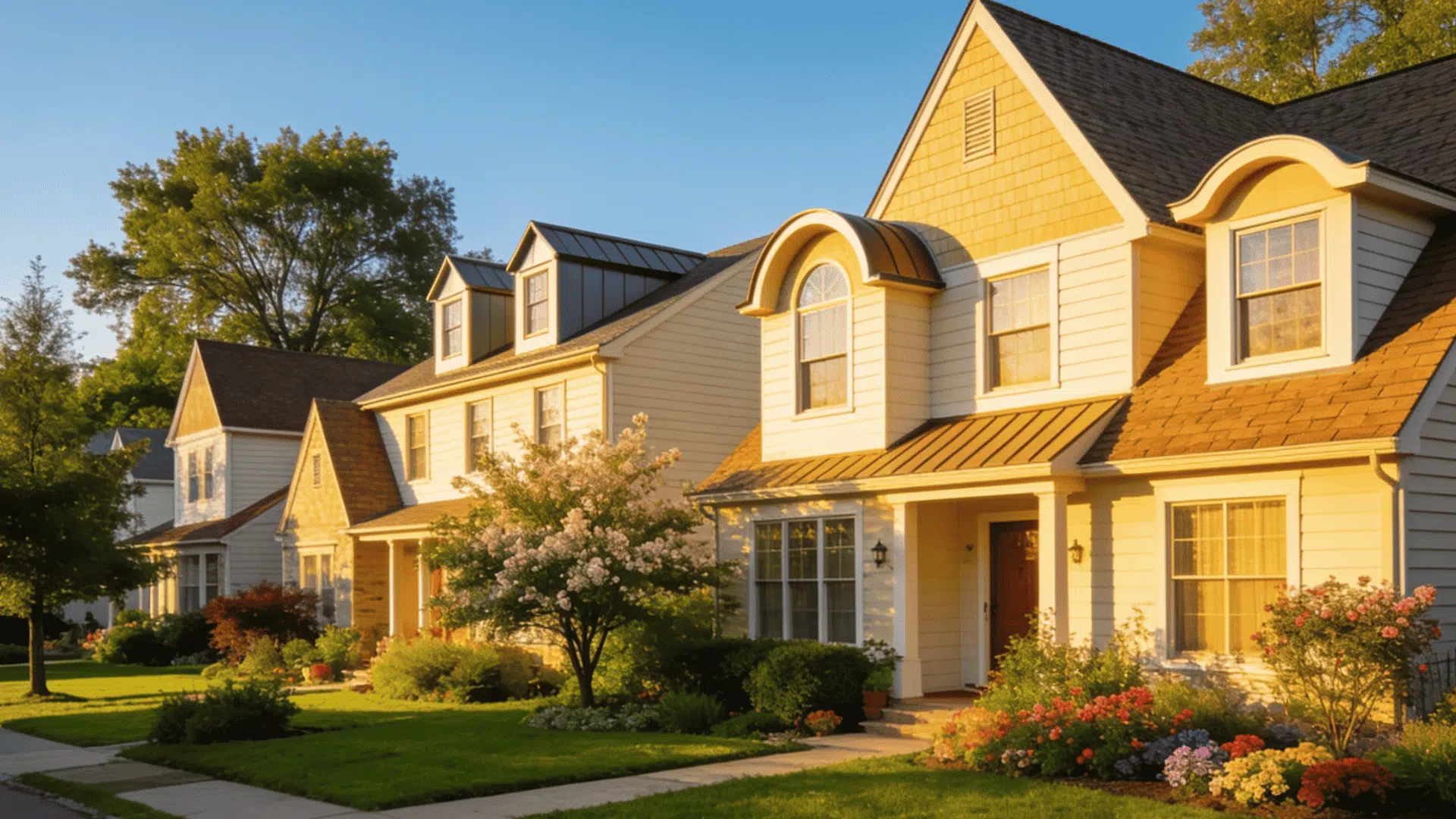
Your whole house can seem stuck in the past because of a kitchen that’s always too dark, or a bathroom with outdated fixtures.
You don’t have to do a complete remodel to correct these. Most rooms can be enhanced with a few specific changes that cost less than you might think.
The right home upgrade tips Decoradhouse homeowners rely on practical fixes over expensive overhauls.
This post covers room-by-room ideas you can start using this weekend. Read on to find what works for your space.
Start With a Renovation Plan That Actually Works
The quickest way to exceed your budget and stall during a renovation is to begin without a plan.
Before you start painting or ordering new fixtures, walk through each room and note the problems you encounter.
Avoid vague feelings like “the kitchen feels off.” Focus on specific issues such as “there is no counter space near the stove” or “the hallway closet door sticks every time.”
After you create your list, divide everything into three categories: must-fix, should-fix, and nice-to-have. This will help you avoid spending too much on a backsplash while neglecting a leaky faucet.
Renovation Tips DecoradHouse: Room-by-Room Ideas
Different rooms come with different problems, and what fixes one won’t always fix another. These tips are broken down by space so you can skip straight to yours.
Kitchen Renovations That Add Real Value
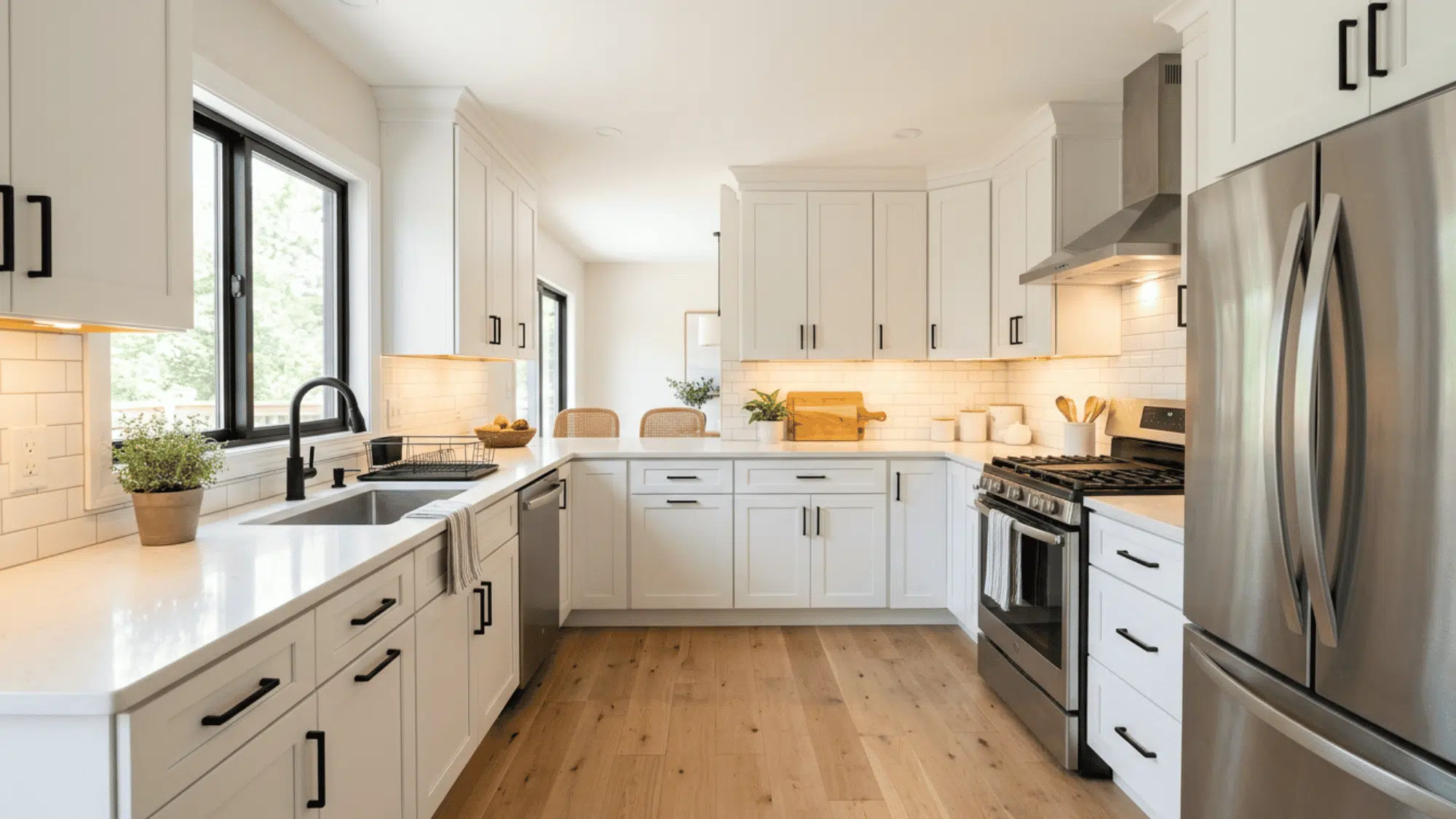
The kitchen is a great place to get value; you don’t have to get everything out to see a change.
The cost of painting or refacing cabinets is significantly lower than replacement costs, and the new cabinets will look pretty much the same as the old ones.
Changing the pulls and handles makes a difference, too. The under-cabinet LED lights are inexpensive, and they really help with cooking compared to just turning on a single overhead light.
Bathroom Upgrades That Feel Like a Spa
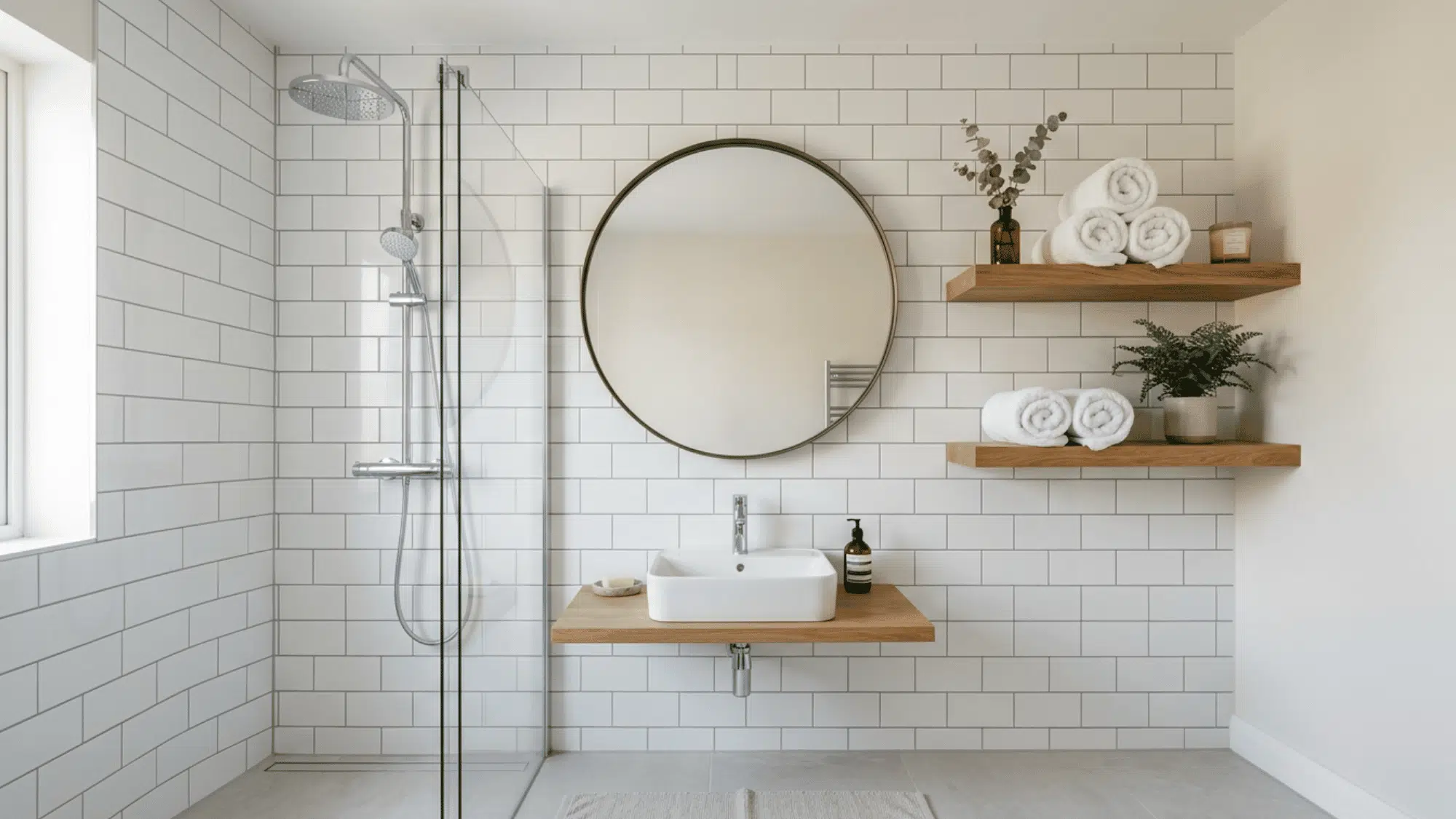
You don’t need marble floors to make your bathroom feel upscale. Start by replacing old faucets and showerheads.
A rainfall showerhead costs about $30 to $80 and completely changes the experience. Regrouting dirty tile makes the whole room look cleaner without needing to replace anything.
Add floating shelves instead of a bulky vanity to open up a small space. Swap the mirror for an oversized round or framed rectangular one to add instant personality.
Living Room Changes That Actually Matter
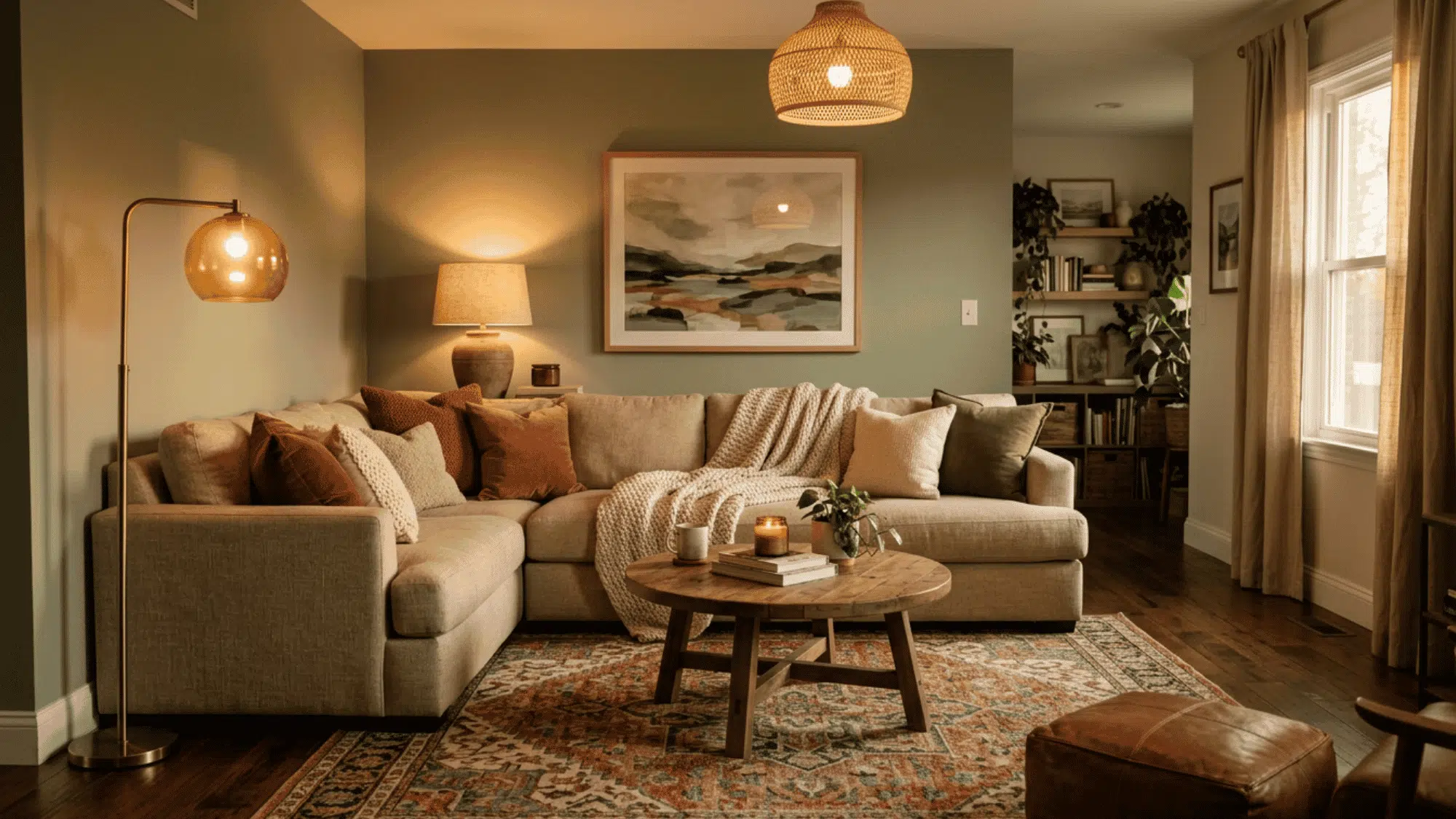
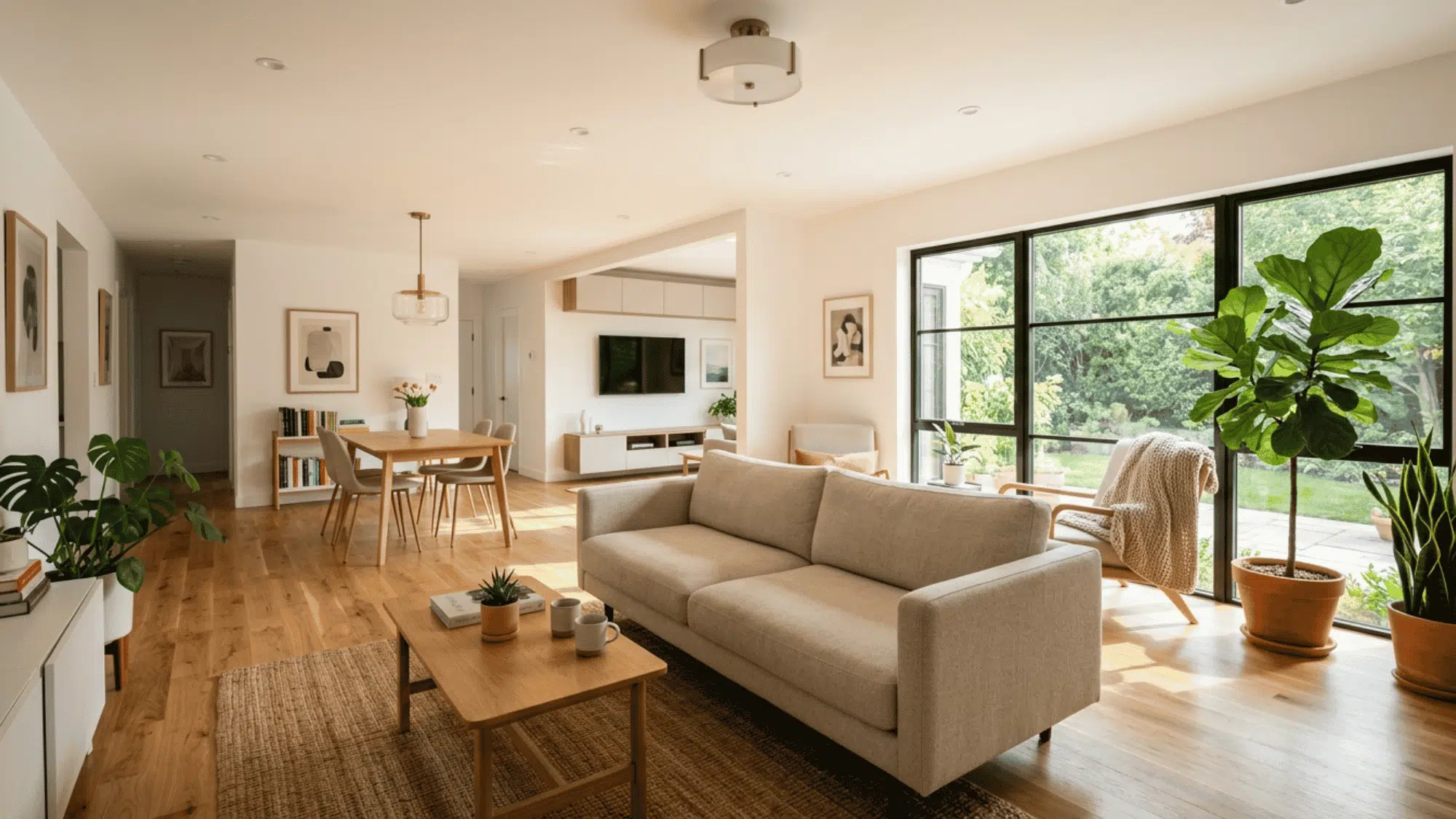
The living room gets the most daily use, so prioritize comfort over trends. Move furniture away from the walls and toward the center to create better conversation areas.
Layer your lighting by using a ceiling fixture along with floor and table lamps near seats. Dimmer switches cost less than $20 each and can change the entire mood.
Choose one large piece of art instead of a cluttered gallery wall to keep things tidy.
Bedroom Refresh on a Budget
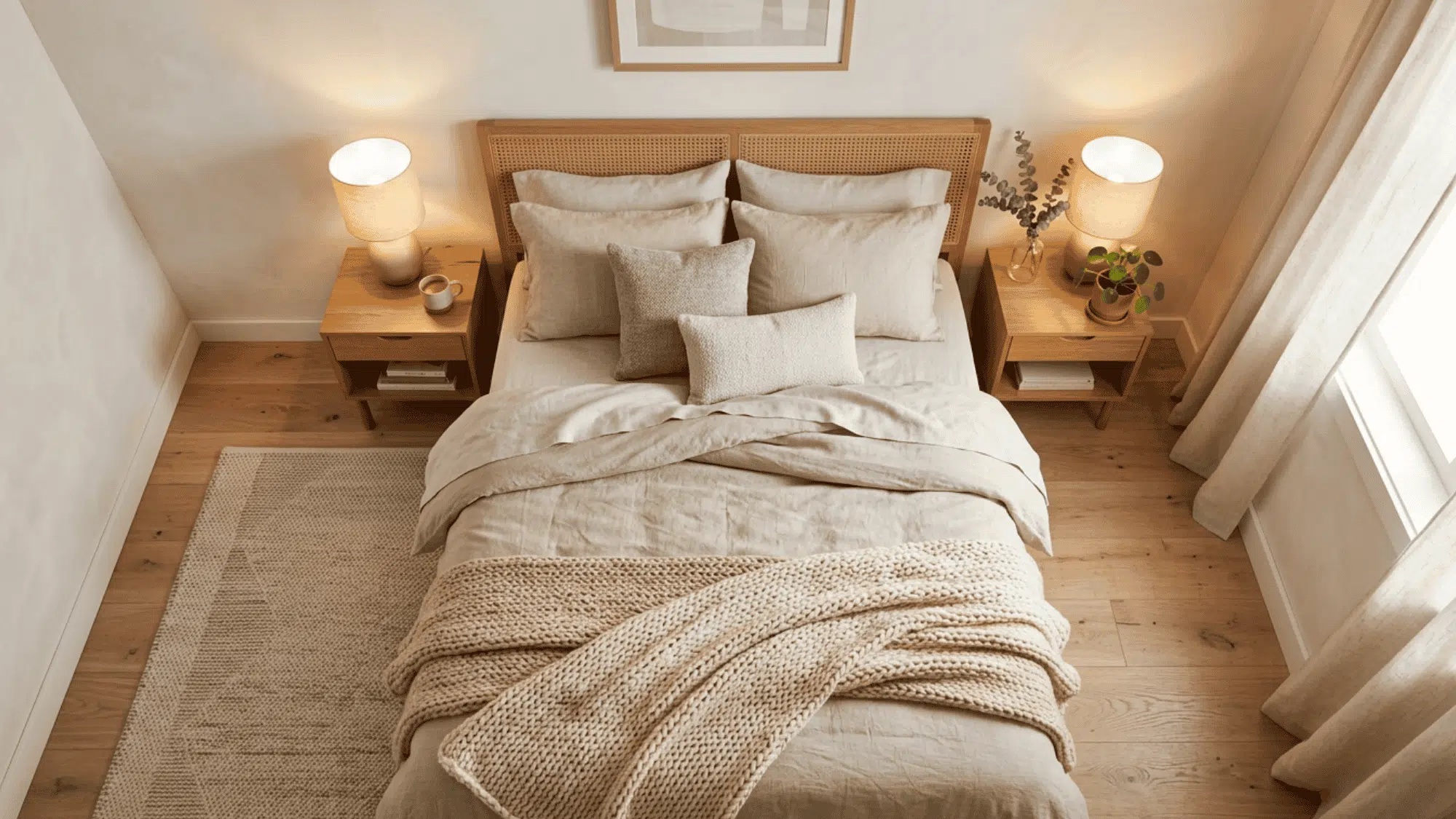
Your bedroom should feel restful, not cluttered. Begin with fresh bedding in neutral tones. Add texture with a throw blanket or layered pillows.
Replace bright overhead lights with warm bedside lamps. They create a calmer atmosphere at night. Clear off the nightstand and keep only what you actually use before bed.
A simple rug beside the bed adds warmth and softness, especially on hardwood or tile floors.
Entryway and Hallway Quick Fixes
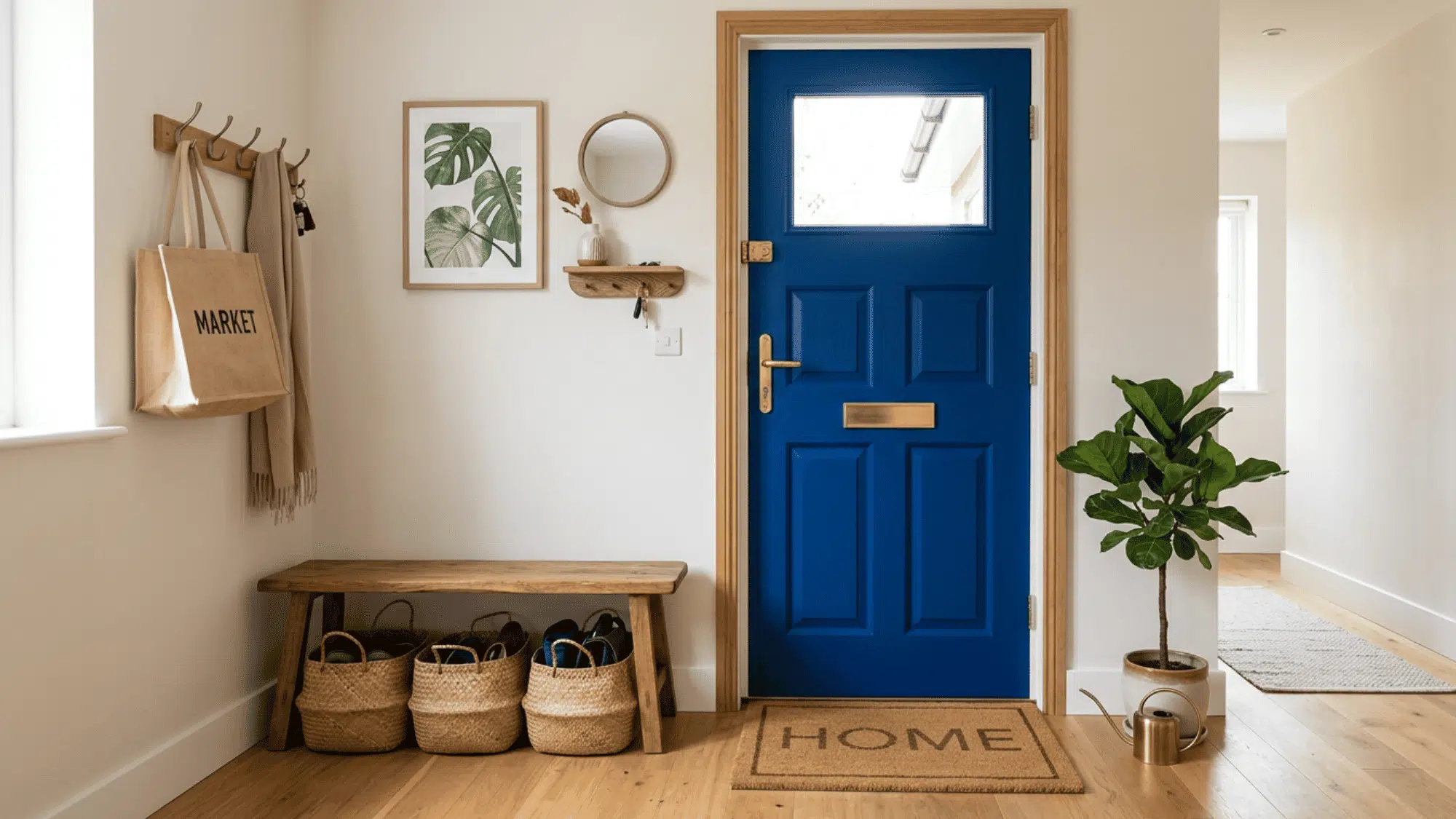
First impressions begin at the front door. A new coat of paint on the door is one of the least expensive upgrades that has a significant visual impact.
Install wall hooks and a small bench with baskets underneath to create a spot for shoes, bags, and keys.
Improved lighting in the hallway makes the entire home feel more spacious. A simple doormat and a potted plant complete the look without costing a lot.
A Step-by-Step Look at How Renovations Actually Work
Most of the stress from renovation comes from not knowing what happens next. Breaking the process into clear steps keeps things moving and prevents costly surprises.
1. Set Your Priorities First: Walk through your home and list what bothers you most. Rank each item by urgency so you fix real problems before spending on cosmetic changes.
2. Lock in a Realistic Budget: Add up material and labor costs, then add 10 to 15 percent extra for unexpected issues. Surprises always show up once work begins.
3. Decide What You Can Do Yourself: Painting, shelving, and minor landscaping are safe DIY tasks. Leave electrical, plumbing, and structural work to licensed professionals.
4. Tackle One Room at a Time: Finish each space completely before starting the next. Working on multiple rooms at once leads to burnout and half-done projects everywhere.
5. Inspect Everything Before Calling It Done: Check paint edges, fixture alignment, and grout lines closely. Small touch-ups right after finishing save you from bigger fixes later.
DIY vs. Hiring a Professional
Not every renovation is a weekend project, and not every task needs a contractor. Knowing where to save and where to spend makes your budget go further.
| Factor | DIY | Hiring a Professional |
|---|---|---|
| Best for | Painting, shelving, hardware swaps, minor landscaping, and peel-and-stick backsplashes | Electrical rewiring, plumbing, structural walls, roofing, and gas line work |
| Cost | Lower upfront cost because you mainly pay for materials and tools | Higher upfront cost, but it includes labor, expertise, and possible warranties |
| Time | Flexible, allowing you to work at your own pace | Often faster because the work follows a scheduled timeline |
| Skill level needed | Basic to moderate skills, with many tutorials available online | Licensed training, technical knowledge, and permits may be required |
| Risk | Mistakes may take longer and cost more to repair | Lower risk of errors, safety problems, and code violations |
| Permits | Rarely needed for cosmetic or decorative tasks | Often required for structural, electrical, plumbing, or gas work |
| Best savings tip | Handle preparation work, such as clearing rooms, removing wallpaper, or demolishing non-structural elements | Request at least three quotes, compare warranties, and check verified reviews before hiring |
Renovation Inspiration Tied to DecoradHouse
DecoradHouse stands out because it focuses on practical ideas for real homes and real budgets.
Most renovation content online leans heavily toward luxury remodels that cost tens of thousands of dollars.
The advice covers everything from refreshing kitchen cabinets to swapping bathroom fixtures and adjusting living room layouts.
What makes it useful is the emphasis on function first and appearance second. A room that works better also looks better.
DecoradHouse also takes decorator advice that balances current trends with long-term comfort. This way, your upgrades will still look good years from now instead of feeling outdated after one season.
Conclusion
Your home doesn’t have to be completely torn down to feel different. A few smart fixes in the right rooms can change how you live every day.
The renovation tips that decoradhouse homeowners often use are not flashy or expensive. They are practical, budget-friendly, and focused on real comfort.
Start with the room that frustrates you the most. Improve it, and let that positive boost carry you to the rest.
Bookmark this page, choose your first project, and get started this weekend. Your future self will appreciate it.
Frequently Asked Questions
What is the Best Season to Start a Renovation?
Spring and early fall are ideal because the weather is mild and contractors have more open schedules.
Do Renovations Always Increase Property Value?
Not always. Over-customized upgrades like bold paint colors or unusual tile patterns can turn off buyers.
What Renovations Require Building Permits?
Most structural changes, electrical work, plumbing rerouting, window replacements, and room additions require permits.