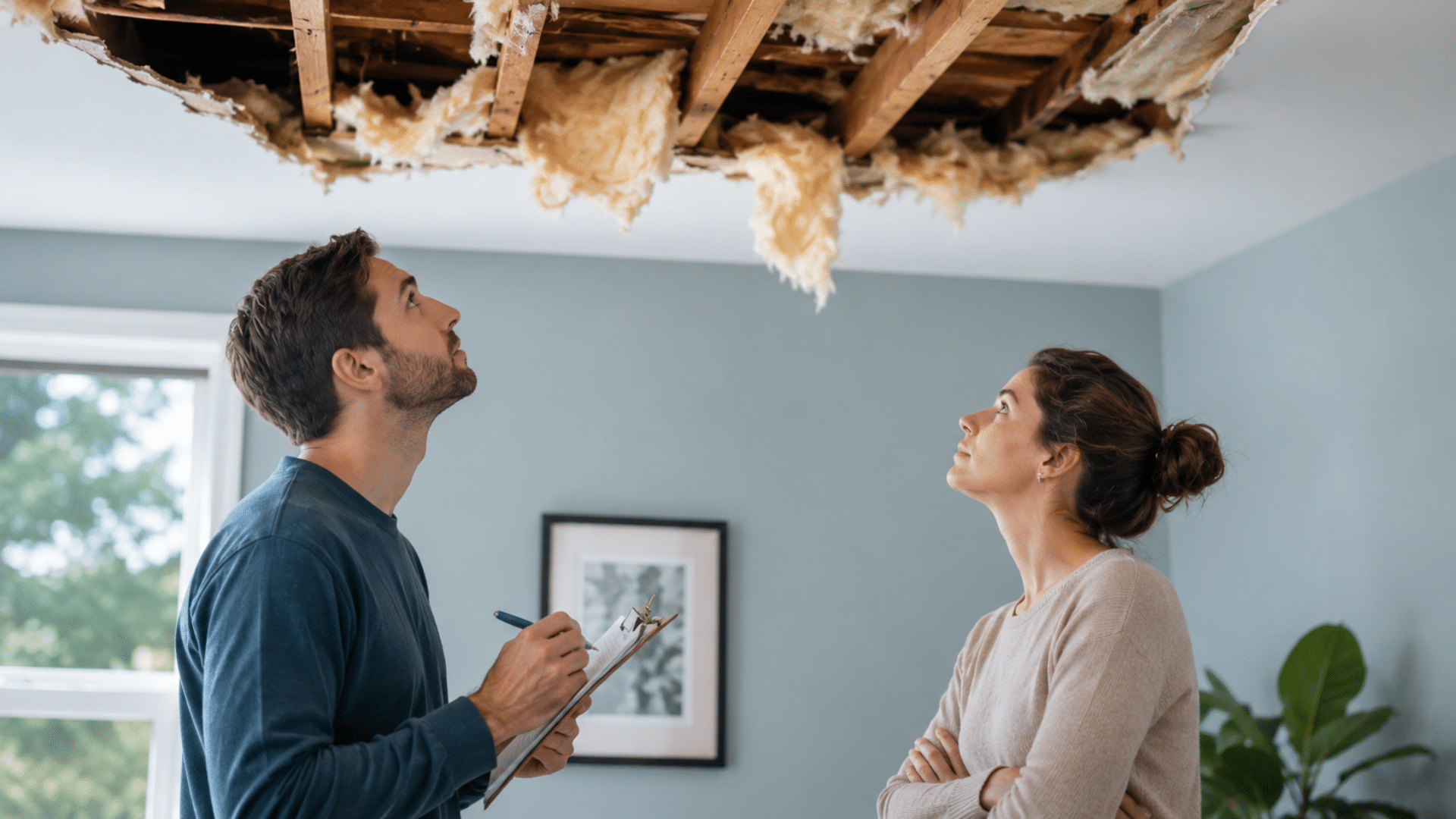
Leakage through a roof does not take long to become a big issue.
What might have started off as just a little bit of leakage can soon result in water-stained ceilings, damage to the walls, and the growth of mold, among other expenses.
When the leakage takes place, most property owners would be wondering whether the insurance would cover the costs of repair or whether they would have to meet all the costs out of their pockets.
This is because the issue of leakage is not as important as what actually causes the leakage.
Are Roof Leaks Covered in Homeowners Insurance?
Homeowners insurance may cover roof leaks when the damage results from a sudden and unexpected event included in the policy. Insurance providers usually look at the cause of the damage rather than the leak itself.
For example, if a storm damages the shingles and allows water to enter the home, the repair costs may be covered.
However, if the leak develops because the roof is old or has not been maintained properly, the homeowner may be responsible for the repairs.
Reviewing policy details can help homeowners understand what protection they have before a roofing issue occurs.
When Does Homeowners Insurance Cover Roof Leaks?
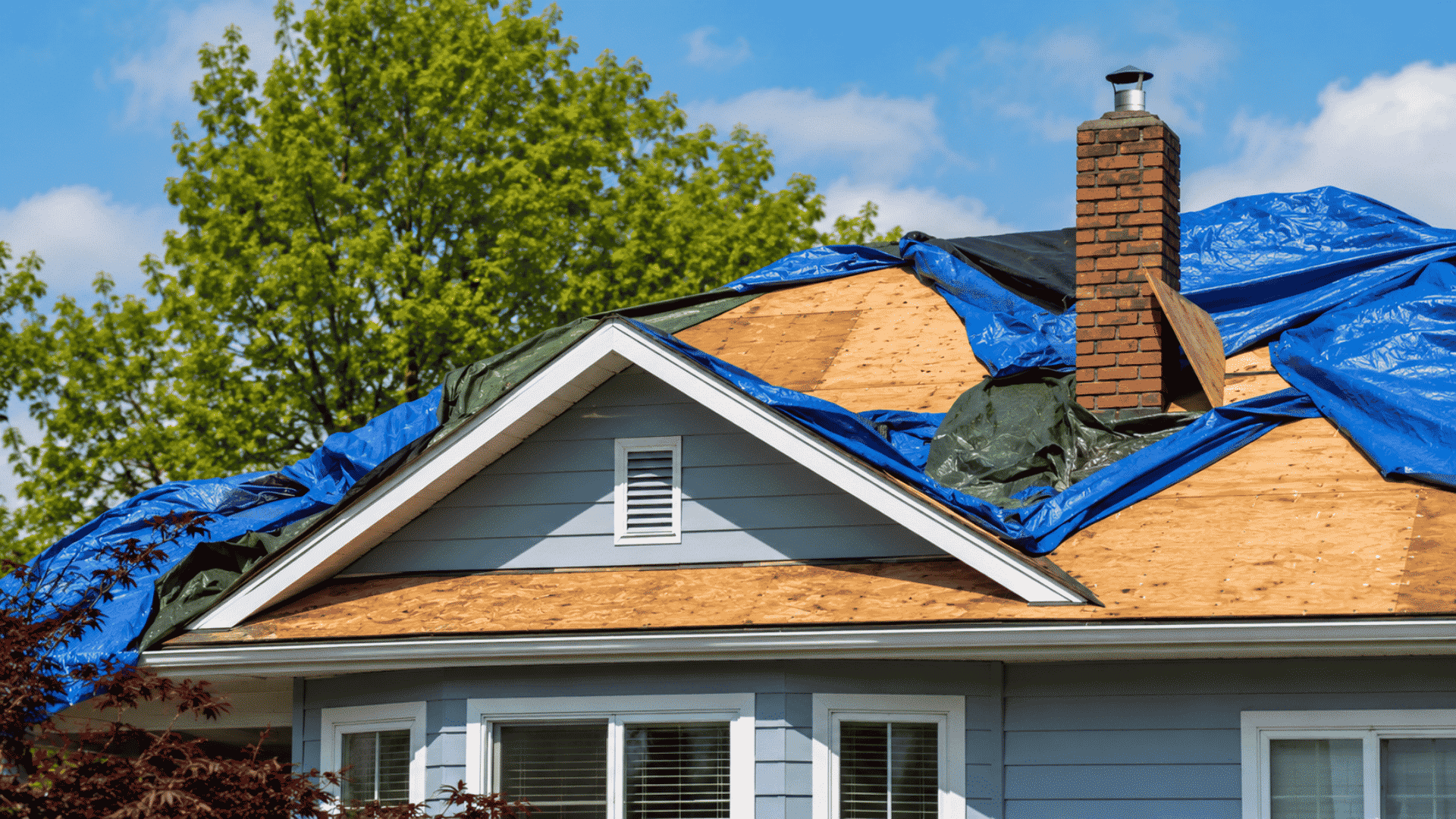
Roof leaks often begin with structural damage, making it helpful to understand how different roofing systems are built and protected. These situations are typically considered accidental damage.
Storm and Weather Damage
Severe weather is one of the most common causes of covered roof leaks. Strong winds, hailstorms, and heavy rainfall can damage roofing materials and create openings that allow water to enter the home.
If the damage results from a covered weather event, homeowners’ insurance may help pay for roof repairs and related interior damage.
Taking photos and reporting the damage quickly can support the claim process.
Falling Trees or Unexpected Objects
A roof damaged by a falling tree, branch, or another unexpected object may qualify for homeowners insurance coverage.
Since these incidents usually occur suddenly, they are often covered by standard policies. Insurance may help cover roof repairs and related interior damage caused by water entering the home.
However, coverage depends on policy limits, exclusions, and the specific circumstances surrounding the damage.
When Are Roof Leaks Not Covered By Insurance?

Homeowners’ insurance does not cover every roof leak. Most policies exclude damage caused by gradual problems, neglect, or issues that could have been prevented with proper maintenance.
Aging Roof and Normal Wear
Homeowners are typically responsible for maintaining and replacing an aging roof. Older homes may also have aging electrical systems that deserve attention during major roof repairs or renovations. Insurance generally does not cover damage caused by normal aging, including:
- Cracked or curling shingles
- Worn or damaged flashing
- Deteriorated roofing materials from age
- Gradual wear from long-term weather exposure
- Roof replacement due to old age
Poor Maintenance Issues
Insurance providers expect homeowners to maintain their roofs. Claims may be denied if leaks result from neglected maintenance, such as:
- Ignoring damaged or missing shingles
- Delaying necessary roof repairs
- Allowing clogged gutters to cause water buildup
- Failing to schedule regular roof inspections
- Overlooking minor leaks until they become major damage
Factors That Affect Roof Leak Coverage
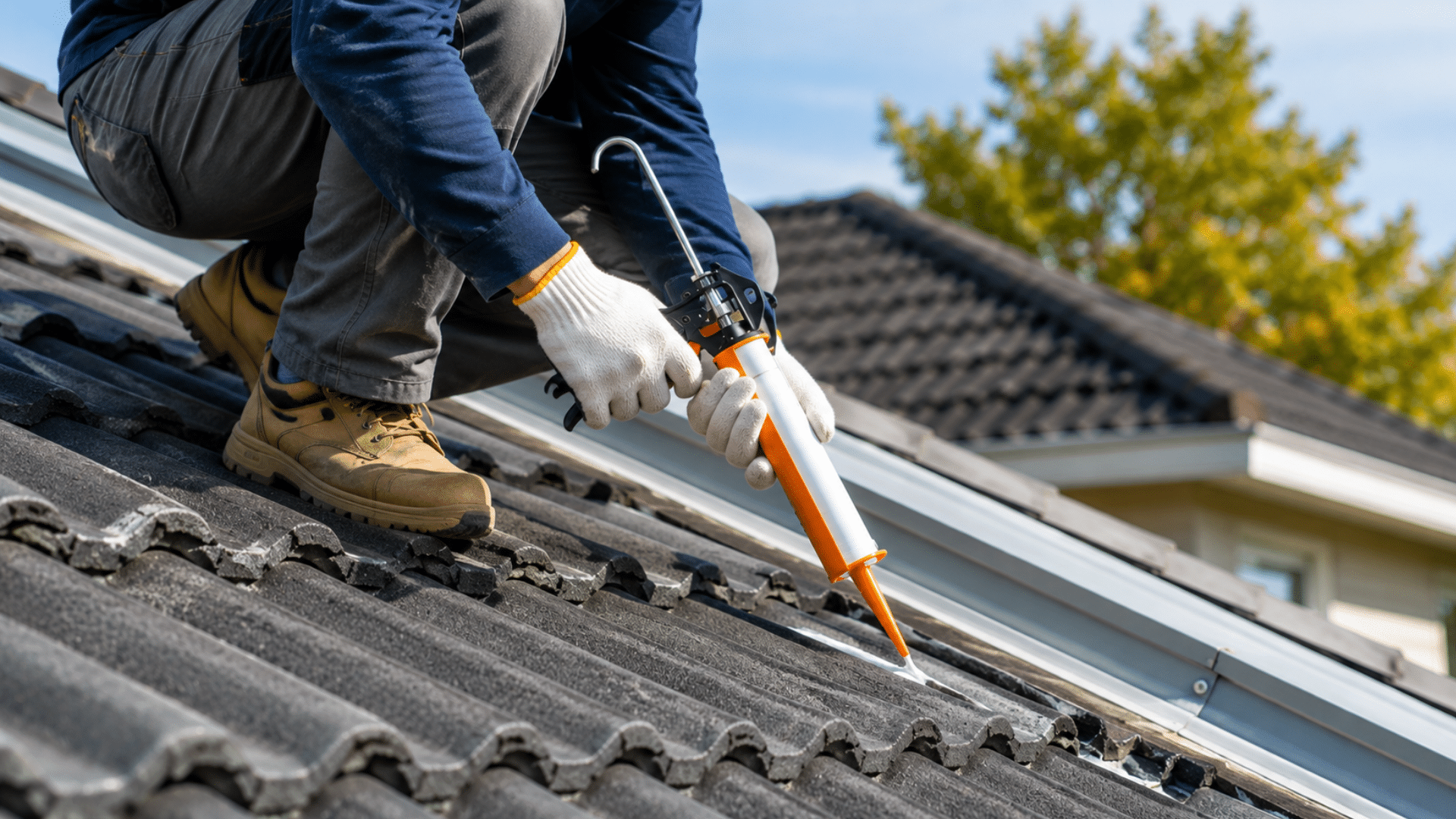
Several factors influence whether an insurance company approves or denies a roof leak claim. Insurance companies may also consider the home’s overall condition when evaluating damage after major weather events. Understanding these details can help homeowners make informed decisions.
Roof Age and Condition
The roof’s age and current condition can significantly affect insurance decisions.
A newer roof damaged by a covered event may have a better chance of approval compared to an older roof showing signs of deterioration.
Insurance adjusters usually inspect the roof to determine whether the damage resulted from a sudden event or long-term wear.
This evaluation helps insurers decide whether the repair costs qualify for coverage under the policy.
Policy Details and Deductible
Every homeowner’s insurance policy has different coverage limits, exclusions, and deductibles that affect roof leak claims.
The deductible is the amount a homeowner must pay before insurance helps cover approved repair costs. If the repair expenses are close to the deductible amount, filing a claim may not provide much financial benefit.
Reviewing policy details beforehand helps homeowners understand their coverage and make informed repair decisions.
Steps To Take After Finding A Roof Leak
Taking quick action after spotting a roof leak can help minimize damage and improve the insurance claim process. Keep these simple steps in mind to make the roof leak insurance claim process smoother and better supported.
| Step | What to Do |
|---|---|
| Document the Damage | Take clear photos and videos of the roof, water damage, ceilings, and affected belongings. Save repair estimates, receipts, inspection reports, and all communication related to the claim. |
| Contact the Insurance Provider | Report the damage as soon as possible. Submit the required documents, follow the insurer’s instructions, and cooperate with any requested inspections. |
How To Prevent Future Roof Leaks
Regular roof maintenance plays an important role in preventing leaks and protecting the home from costly damage. Homeowners can reduce future risks by following these preventive steps:
- Schedule Regular Roof Inspections: Routine checks help identify early signs of damage before they become expensive repairs.
- Clean Gutters Regularly: Removing debris prevents water buildup that can contribute to roof leaks.
- Replace Damaged Shingles: Repairing missing or broken shingles helps maintain roof protection.
- Check Flashing and Seals: Inspecting these areas reduces the risk of water entering exposed spots.
- Fix Minor Issues Quickly: Small problems can lead to larger repairs if ignored.
- Maintain the Roof Properly: Regular upkeep extends roof lifespan and supports long-term performance.
Conclusion
Understanding whether homeowners insurance covers roof leaks depends on the cause of the damage, policy coverage, and the roof’s condition.
Sudden events like storms, hail, and falling objects are often covered, while leaks caused by aging, neglect, or poor maintenance are usually excluded.
Homeowners can improve their chances of a smoother claim process by documenting damage, reviewing their policy, and contacting their insurance provider quickly.
Have you experienced a roof leak or dealt with an insurance claim before? Share your thoughts, questions, or experiences in the comments below to help other homeowners better understand roof leak coverage.
Frequently Asked Questions
Does Insurance Cover Roof Leaks During Heavy Rain?
Depends on whether the rain caused new damage or just found its way in through a problem that was already there.
Will Insurance Pay for a Full Roof Replacement After a Leak?
Sometimes, if the damage came from a covered event and your policy’s terms support it.
Does Insurance Cover Mold from a Roof Leak?
Some policies do, if the mold traces back to a covered leak and the claim meets the policy’s conditions.