A wet spot on the ceiling might seem small at first. You put a bucket under it, tell yourself it can wait, and move on.
Days later, the stain grows darker. That is exactly how roof leaks work. They begin quietly but become bigger problems if left alone.
I’ve spent a lot of time going through repair estimates, and the confusion almost always starts from the same place: homeowners calling a contractor with no baseline for what the job should cost.
Many homeowners search for roof leak repair cost and end up more confused than when they started.
Prices jump around a lot, and it is hard to know what is fair or what to expect before calling someone out. Getting estimates without any background knowledge can easily leave you overpaying.
This guide breaks down average repair costs, what drives prices up or down, cost by roofing material, and when insurance may help cover the bill.
What is the Average Roof Leak Repair Cost?
The national average for roof leak repair cost in the United States falls somewhere between $400 and $1,500 for most standard jobs.
For minor issues such as a few damaged shingles or a small crack in the seal, many homeowners pay between $150 and $500.
When damage is more serious, such as water soaking through the underlayment or affecting the roof structure, costs can reach $2,000 or more.
Labor alone accounts for a large share of the bill, typically 60%-70% of the total project cost.
The final roofing price varies based on roof size, location, and contractor. It’s best to get a professional inspection before settling on a price.
Note: The figures shown above are national averages across multiple job types and regions. Your quote could fall well below or above this depending on your roof’s condition and your local labor market.
Repair Cost by Level of Damage
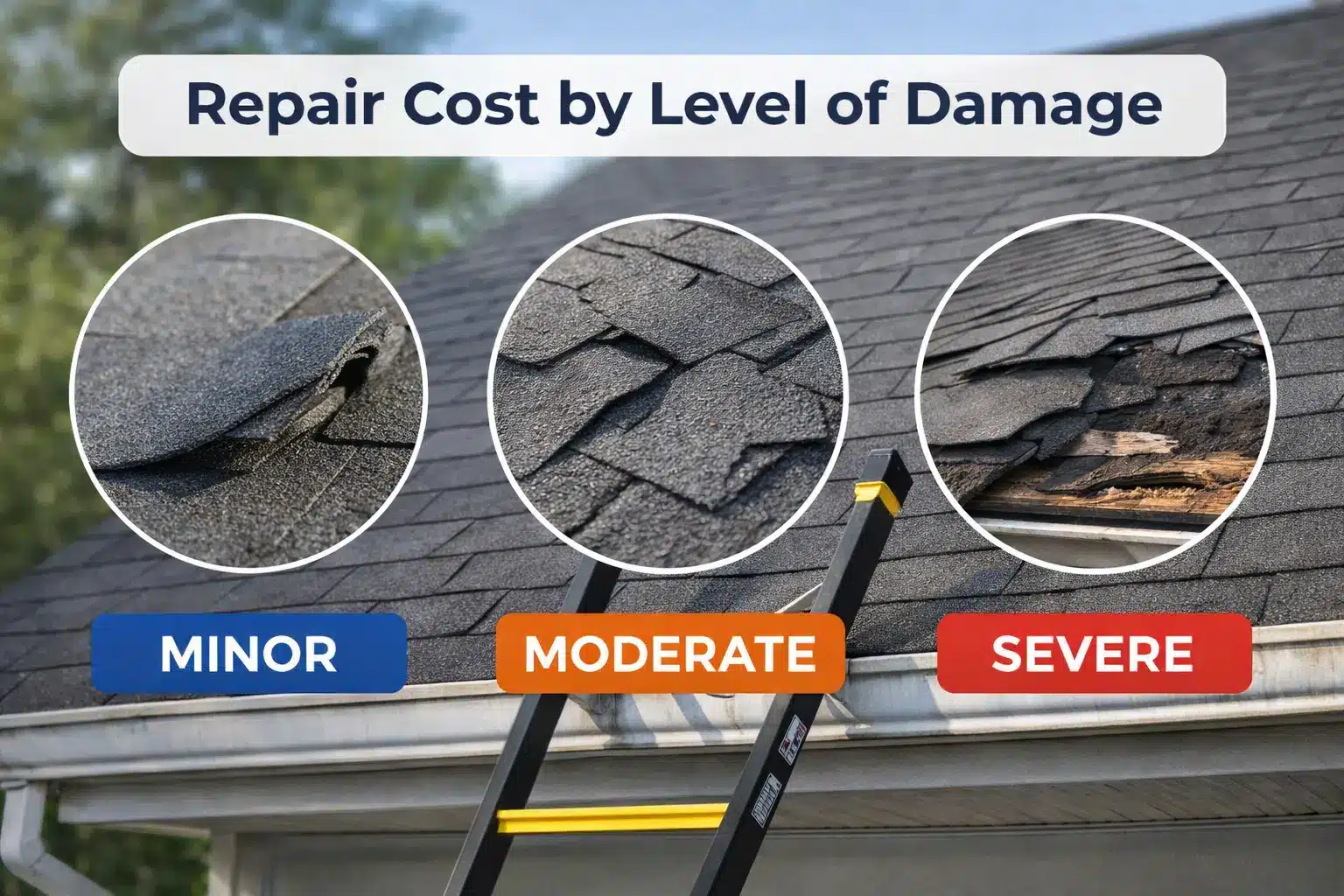
Every leaking roof situation is different. The amount you pay depends heavily on how severe the damage is and how long the leak has gone unnoticed. Repairs generally fall into three levels.
1. Minor Repairs
Minor repairs cover small areas where damage has not spread far.
This includes replacing a few missing or broken shingles, resealing a cracked vent boot, or tightening loose flashing around a chimney.
Costs for minor roof leak repair typically range from $150 to $500. These jobs usually take a few hours and do not require extensive labor.
If addressed quickly, minor leaks rarely turn into larger structural problems, which is why catching them early saves money in the long run.
2. Moderate Repairs
Moderate repairs involve more than a quick patch. They often include damaged roof valleys, worn underlayment, broken flashing sections, or water damage that has begun to spread across a larger portion of the roof.
The roof leak repair cost for moderate damage falls between $500 and $1,500 on average. More materials and time are needed, which increases labor costs.
A skilled roofing contractor may also need to inspect hidden areas to confirm no additional damage is present before finishing the job.
3. Major Repairs
Major repairs deal with structural or widespread water damage.
This includes replacing large roof sections, fixing sagging decking, treating mold from long-term moisture, or repairing broken roof trusses.
The major roof leak repair cost can start at $1,000 and go well above $5,000, depending on what needs fixing.
In some cases, a roof that has suffered extensive damage may need a full replacement rather than a repair.
Getting a professional inspection early helps you understand your options before costs rise any further.
Note: These ranges are national averages for reference only. Your actual cost will vary based on location, roof age, accessibility, and any hidden damage found once work begins. Always get written estimates from at least two licensed contractors before committing.
Common Causes of Roof Leaks
The source of the leak matters as much as the severity. Two homes with the same size stain on the ceiling can end up with very different bills once the roofer finds where the water is actually getting in.
- Pipe boots and vent seals: The rubber seals around plumbing vents dry out and crack over time. This is one of the most common entry points, and usually falls into the minor repair range since it’s a quick swap
- Flashing around chimneys and skylights: Metal flashing seals the joints where the roof meets a vertical surface. Once it separates or corrodes, water tracks along the gap, often landing in the moderate repair range
- Roof valleys: Where two roof planes meet, water volume is highest. A compromised valley usually means removing more shingles to get at the problem, which pushes cost toward the moderate-to-major range
- Damaged or missing shingles: Wind and hail can lift or crack shingles, exposing the underlayment. Cost depends on how many shingles are affected and whether water already reached the deck
- Clogged gutters: Blocked gutters force water to back up under the roofline instead of draining away. The fix itself is cheap, but any resulting rot underneath it is not
Knowing which of these applies to your roof is the fastest way to tell whether you’re looking at a $200 fix or a $2,000 one before the contractor even arrives.
Repair Costs by Roofing Material
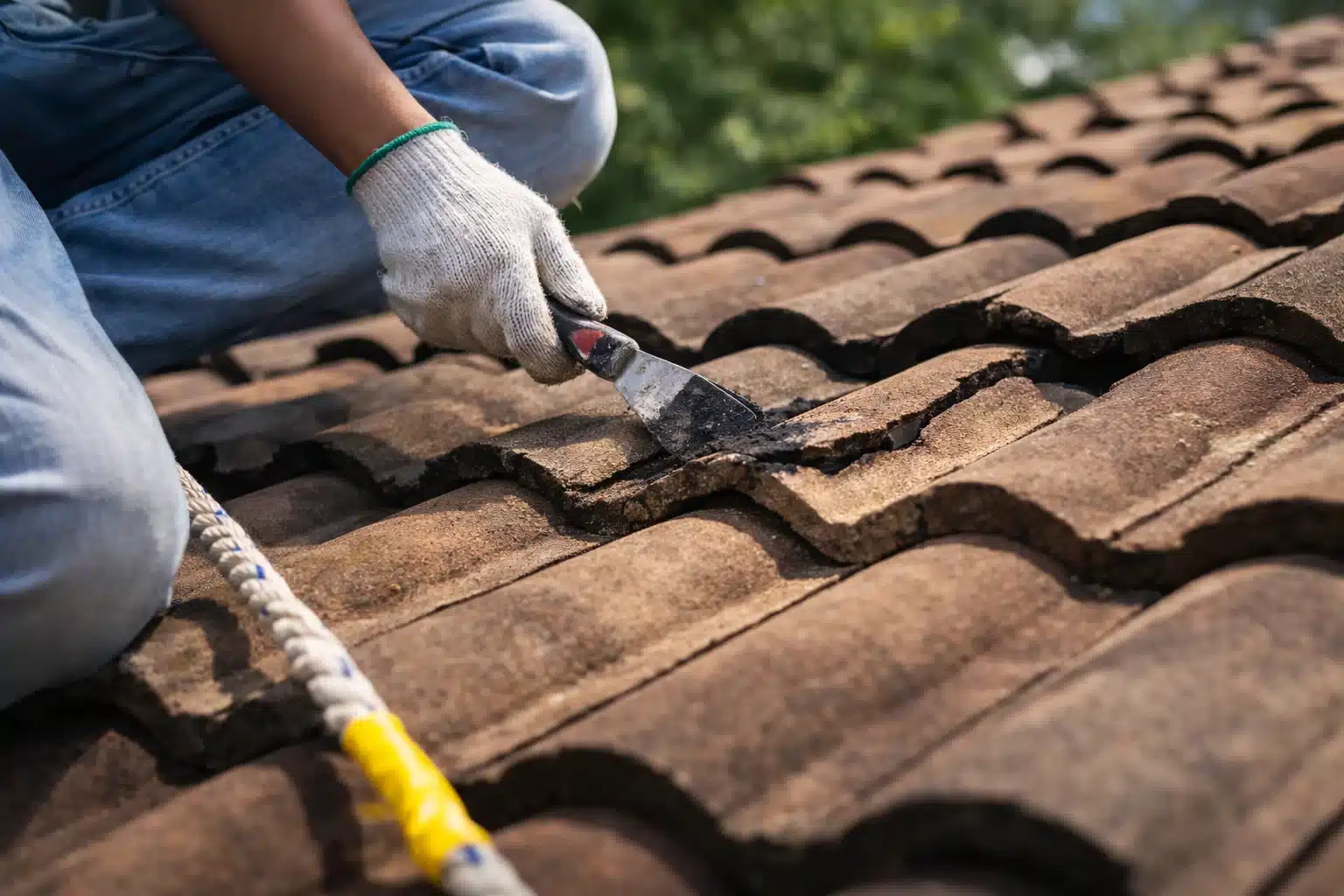
The type of roofing material on your home directly affects the cost of roof leak repair. Each material requires different tools, skill levels, and replacement parts.
- Asphalt shingles: Most affordable to repair. Minor repairs typically cost $150 to $400, while larger patch jobs can reach $1,200.
- Metal roofs: Durable but more expensive to fix because of the specialized labor involved. Repairs generally start around $300 and can exceed $3,500 for seam separation or panel damage.
- Tile roofs: Range from $500 to $2,500 depending on severity and tile availability.
- Slate roofs: Among the most expensive to repair. Costs typically run $500 to $3,000 based on damage and sourcing.
Note: Material costs vary by region. Slate and tile repairs can cost more in areas where those materials are less common due to limited contractor availability and sourcing. Confirm pricing with a local licensed roofer.
Key Factors That Affect Roof Repair Prices

No two roof repairs cost the same amount. Several factors can push the price higher or lower. Some of the main cost factors include:
- Roof material: Asphalt shingles are the most affordable to repair. Metal, tile, and slate roofs cost more because they require special skills and tools.
- Severity of damage: Small, localized leaks cost less than widespread damage that has soaked through multiple layers.
- Roof pitch: Steeper roofs require additional safety equipment and more time, which increases labor costs.
- Geographic location: Labor rates vary by state and city. Urban areas and high-cost regions tend to charge more for the same job.
- Accessibility: A leak near the roof edge is easier to reach than one near the center or ridge line, which affects how long the job takes.
- Timing: Emergency or after-hours repairs cost 25-50% more than scheduled appointments during regular business hours.
Should You Repair or Replace the Roof?
Well, this is worth asking before committing to significant repair costs.
As a rough benchmark: if the estimated repair cost exceeds 50% of what a full replacement would run, replacement is usually the better long-term investment.
Common signs that replacement may make more sense than another round of repairs:
- Multiple leaks in different sections of the roof
- Sagging in the roof deck or ridge line
- Shingles that are curling, cracking, or near the end of their rated lifespan
- Repeated repairs needed in the same area
A full asphalt shingle roof replacement typically starts around $12,000 for an average-sized home and rises with material grade and roof complexity.
If storm events have driven the damage, reviewing your options for wind and storm damage repairs before committing to a scope of work can also clarify whether insurance covers part of the cost.
Note: Replacement costs vary widely by roof size, material, and region. The 50% benchmark is a general guide, not a rule. A licensed inspector’s assessment should drive the final call.
DIY vs. Professional Roof Leak Repair
Some minor roof leaks can be handled without professional help, but many DIY repairs fail because the actual source of the leak is missed. Knowing when to call a roofing contractor can prevent costly repairs and safety risks later.
| Repair Option | Best For | Main Risk |
|---|---|---|
| DIY Repair | Small fixes like sealing vent pipes or replacing a few shingles | Incorrect repairs can worsen the leak |
| Professional Repair | Structural damage, recurring leaks, or large repair areas | Higher upfront cost but lower long-term risk |
| DIY Advantage | Saves money on labor for simple repairs | Requires proper tools and confidence |
| Professional Advantage | Accurate diagnosis and safer repair process | May cost more initially |
Warning Signs of a Roof Leak
Catching a leak early helps keep repair costs down. Many homeowners only notice problems after damage has become moderate or major. Common warning signs include:
- Water stains or dark patches on ceilings and interior walls
- Peeling paint or bubbling wallpaper near the roofline
- Mold growth or musty odors in the attic or upper floors
- Sagging ceiling areas that feel soft or damp to the touch
If you’re already seeing stains or soft spots, it helps to know what ceiling and drywall repair costs typically run, since roof leaks almost always bring an interior repair bill along with the roofing one.
Regular roof inspections, at least once a year and after heavy storms, can catch small issues early, before they become costly roof-leak repairs.
Does Insurance Cover Roof Leak Repairs?
Yes, homeowners’ insurance may cover roof leak repair costs if the damage is caused by a sudden, unexpected event. Filing a claim in those cases can significantly reduce what you pay out of pocket.
However, insurance typically does not cover damage caused by neglect, poor maintenance, or the natural aging of the roof. If a leak develops slowly over time due to worn materials, most insurance policies will deny the claim outright.
It’s worth understanding how homeowners insurance handles roof leaks in more detail before assuming any coverage exists, since the line between a “covered peril” and normal wear and tear is where most claims get denied.
Some policies also require documentation, such as photos, an inspection report, and a detailed contractor estimate, as part of the claims process.
Note: This section covers general insurance information, not advice for your specific policy. Talk to your insurer or agent before filing or skipping a claim.
Tips to Keep Your Repair Costs Low
A few smart steps can actually help reduce what you end up paying for a leaking roof repair. Preventive maintenance and quick action often cost far less than dealing with major damage later.
- Act fast: Small leaks cost much less to fix than leaks that spread into the roof structure or insulation. Delaying repairs is one of the most expensive mistakes homeowners make.
- Schedule regular inspections: A yearly roof inspection helps catch small cracks, loose materials, or early signs of wear before they turn into larger repair issues.
- Get multiple quotes: Comparing at least three contractor estimates gives a better understanding of local pricing and helps avoid overpaying for the same repair work.
- Ask about warranties: Reliable roofing contractors usually provide workmanship warranties that protect against repair failure or related issues after the job is completed.
- Plan for the off-season: Roofing companies are often less busy during late fall and early winter, which can sometimes lead to lower pricing and faster scheduling.
Conclusion
The pattern I see most consistently across repair cases: homeowners who paid the least called first.
Before the stain spread, before the drywall softened, and before urgency shifted the pricing in the contractor’s favor.
The cost of waiting is almost always higher than the cost of the original fix.
Before anything else, schedule a professional inspection, not a quote, not a contractor visit with a clipboard and a sales pitch.
Got questions about your roof or want to share your experience with a repair? Drop a comment below.
Frequently Asked Questions
How Long Does a Roof Leak Repair Take?
Most minor to moderate repairs are completed within 2 to 6 hours. Major repairs involving structural work, mold treatment, or decking replacement can take one to two full days.
Can a Roof Leak Repair Be Done in Winter?
Yes, in most cases. Contractors can complete repairs in colder months, though extreme cold or ice may delay some jobs. Emergency tarping and temporary patches can usually be applied in most weather conditions.
How Do I Know if a Repair Estimate is Too High?
Get at least three quotes and compare the scope of work, not just the total price. A significantly lower bid may mean fewer materials or less thorough prep. Avoid any contractor who demands full payment upfront before starting work.