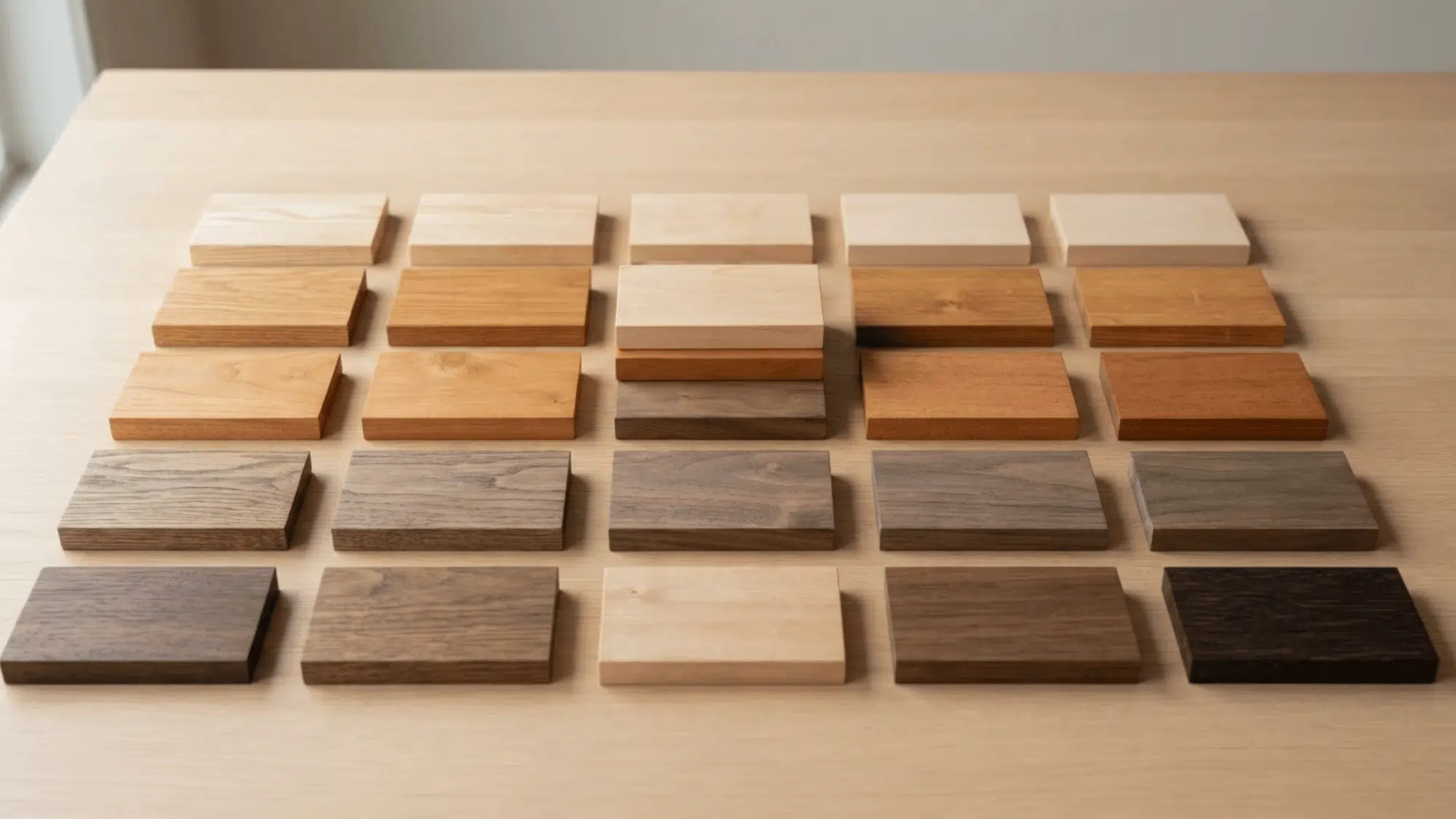
Why do two furniture pieces that look almost the same perform so differently over time?
The answer often comes down to the types of wood for furniture, along with the way each piece is built, dried, finished, and cared for.
One wood may resist dents and moisture, while another may scratch, warp, or lose value faster.
This blog compares popular furniture woods by color, grain, strength, price, repair needs and long-term value. It will also help you match the right wood to your space, budget, and daily use.
Keep reading to choose furniture that looks right and lasts longer.
What Are the Main Types of Wood Used for Furniture?
Furniture wood falls into several broad groups. Each group differs in structure, weight, cost, repair needs and how well it handles daily use over time. Explore these types of home furniture to understand common options used in different rooms.
- Wood Properties: Wood performance changes by species, moisture level, grain direction, drying, and processing. A hard label alone cannot tell you how furniture will behave.
- Solid Hardwood: Hardwoods come from broad-leaved trees, but the name does not always mean harder wood. Oak, maple, walnut, cherry, teak, and mahogany offer grain, solid weight, higher prices and repair potential.
- Solid Softwood: Softwoods come from cone-bearing trees. Pine, cedar, fir, and spruce are often lighter, easier to cut and more affordable, but they dent and scratch more easily.
- Engineered Wood: Engineered wood includes plywood, MDF, particleboard, and laminated boards. Its quality depends on the core, adhesive, veneer, thickness, sealed edges and how the furniture is built.
- Wood Veneer: Real wood veneer is a thin layer of natural wood fixed over a stable core. Laminate only copies wood’s look, often with printed paper or plastic.
- Reclaimed Wood: Reclaimed wood comes from older buildings, flooring, or furniture. It may show nail holes, mixed species and aged marks, so moisture, damage, and pests need careful checks.
Best Types of Wood for Furniture
Wood types differ in strength, grain, color, price and care needs. Comparing these traits helps you easily choose the right material for each piece of furniture.
1. Oak Wood
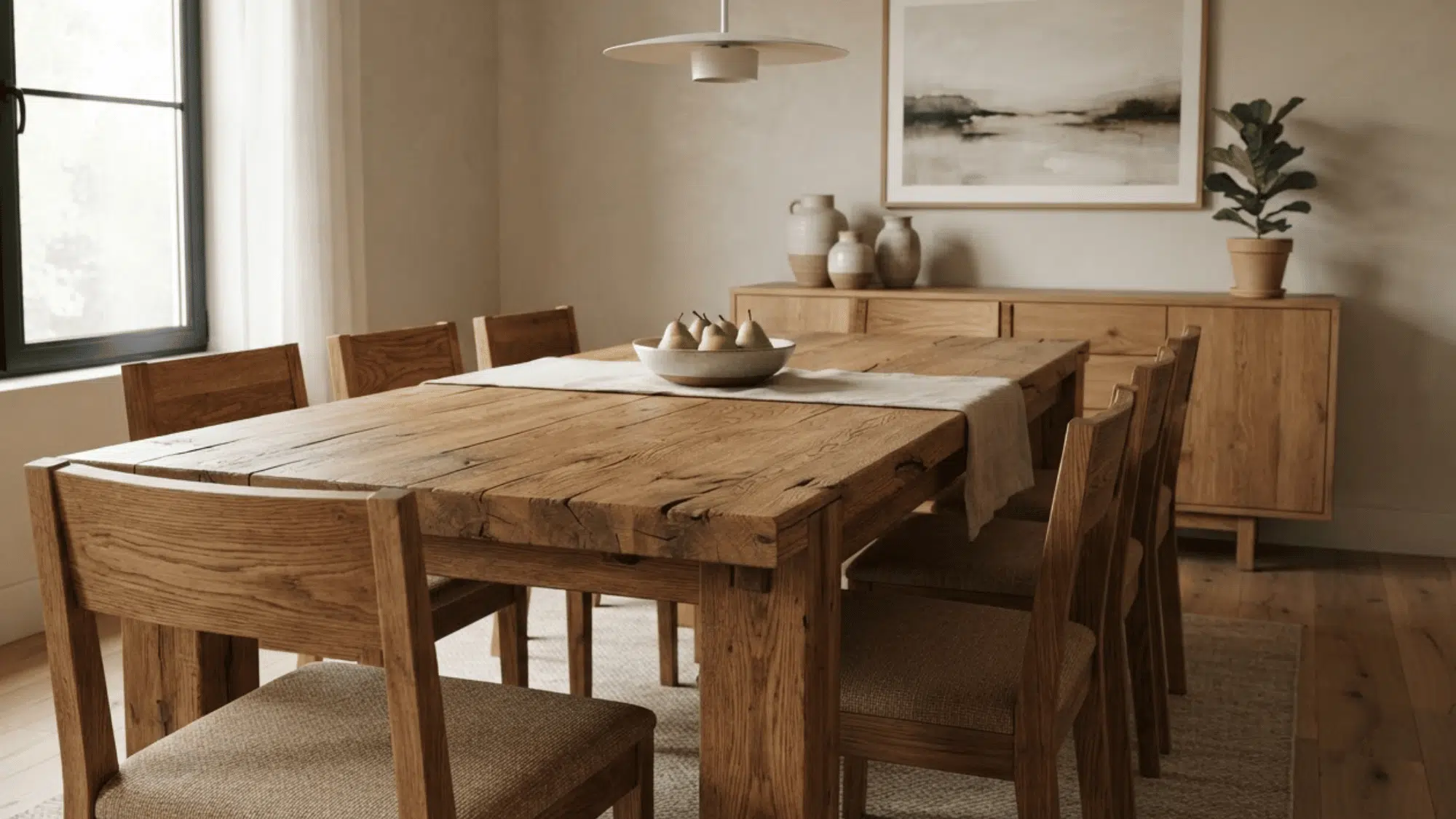
Oak is a strong, grain-rich hardwood used for busy furniture. White oak handles moisture better, while red oak often costs less and stains well indoors.
- Category: Hardwood
- Dent Resistance: High
- Moisture Stability: Good to high
- Price: Mid to high
- Best Uses: Tables, beds, cabinets
- Repair: Easy to refinish
2. Maple Wood
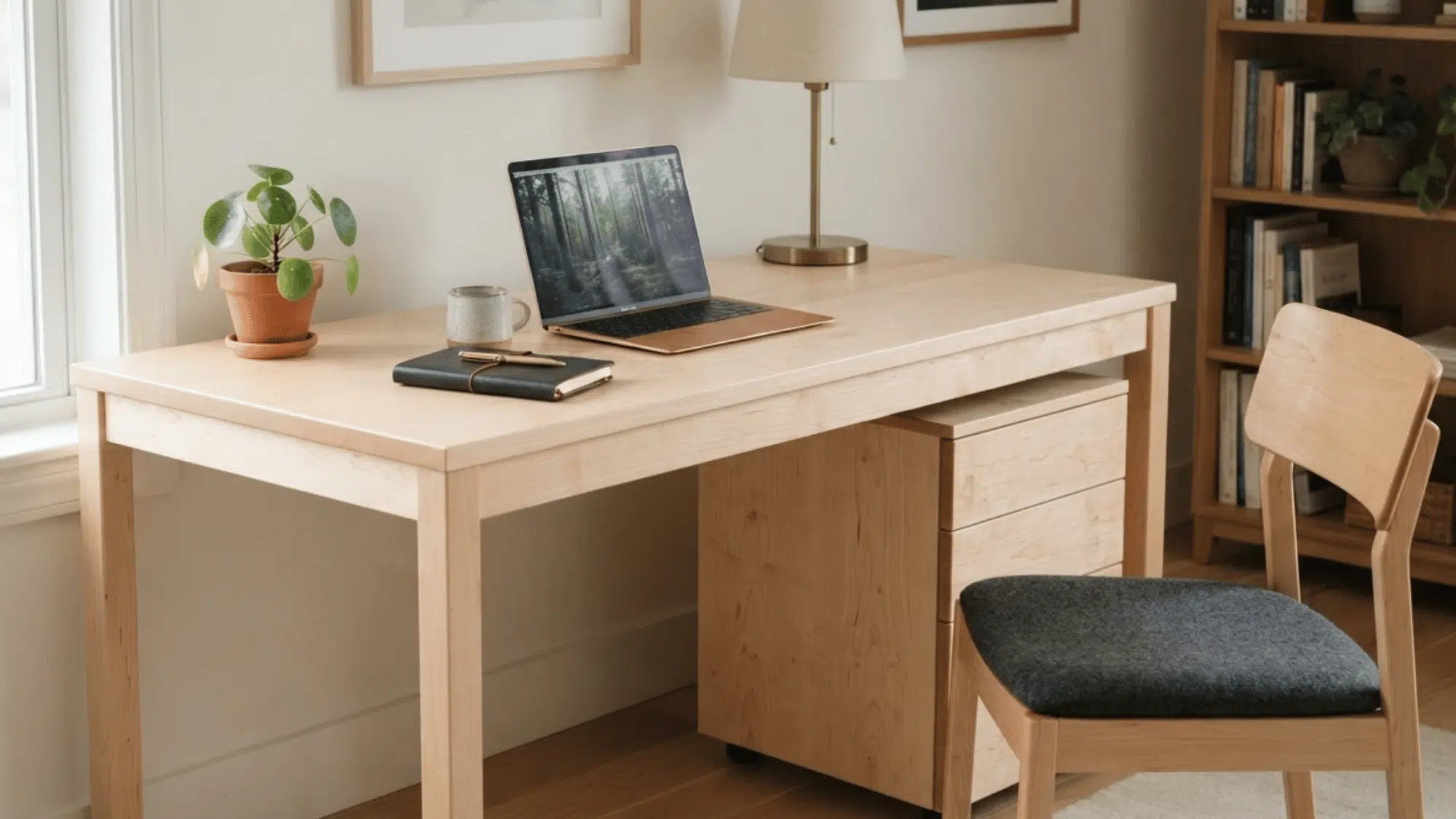
Maple has a pale, fine grain and a hard surface. Hard maple suits heavy use, while soft maple is lighter and easier to shape indoors.
- Category: Hardwood
- Dent Resistance: High
- Moisture Stability: Good
- Price: Mid to high
- Best Uses: Desks, drawers, tables
- Repair: Good
3. Walnut Wood
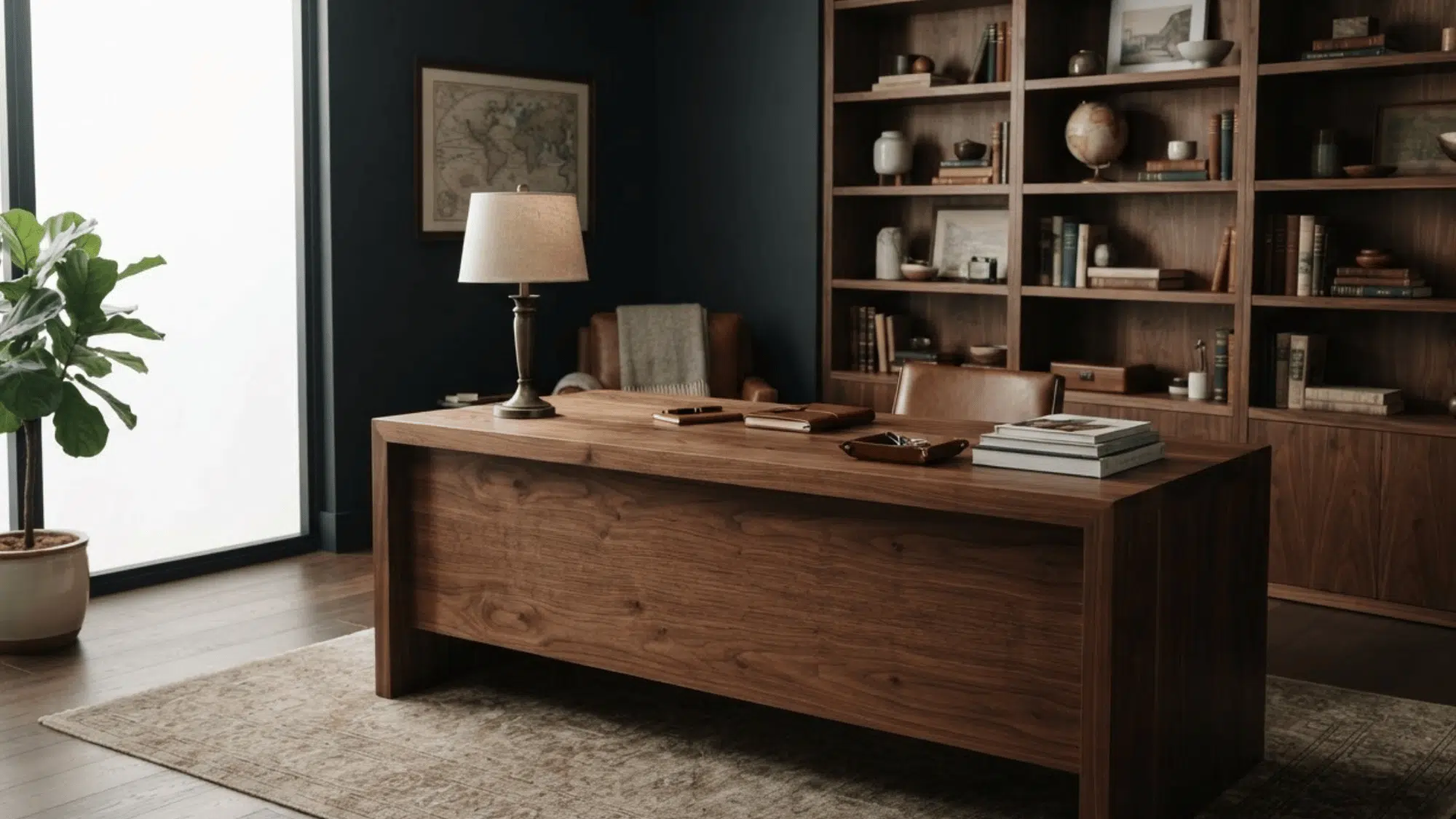
Walnut offers a deep brown color, smooth grain and a premium look. It works well for statement furniture, veneer, desks, cabinets and dining room tables indoors.
- Category: Hardwood
- Dent Resistance: Medium
- Moisture Stability: High
- Price: High
- Best Uses: Desks, tables, cabinets
- Repair: Easy to refinish
4. Cherry Wood
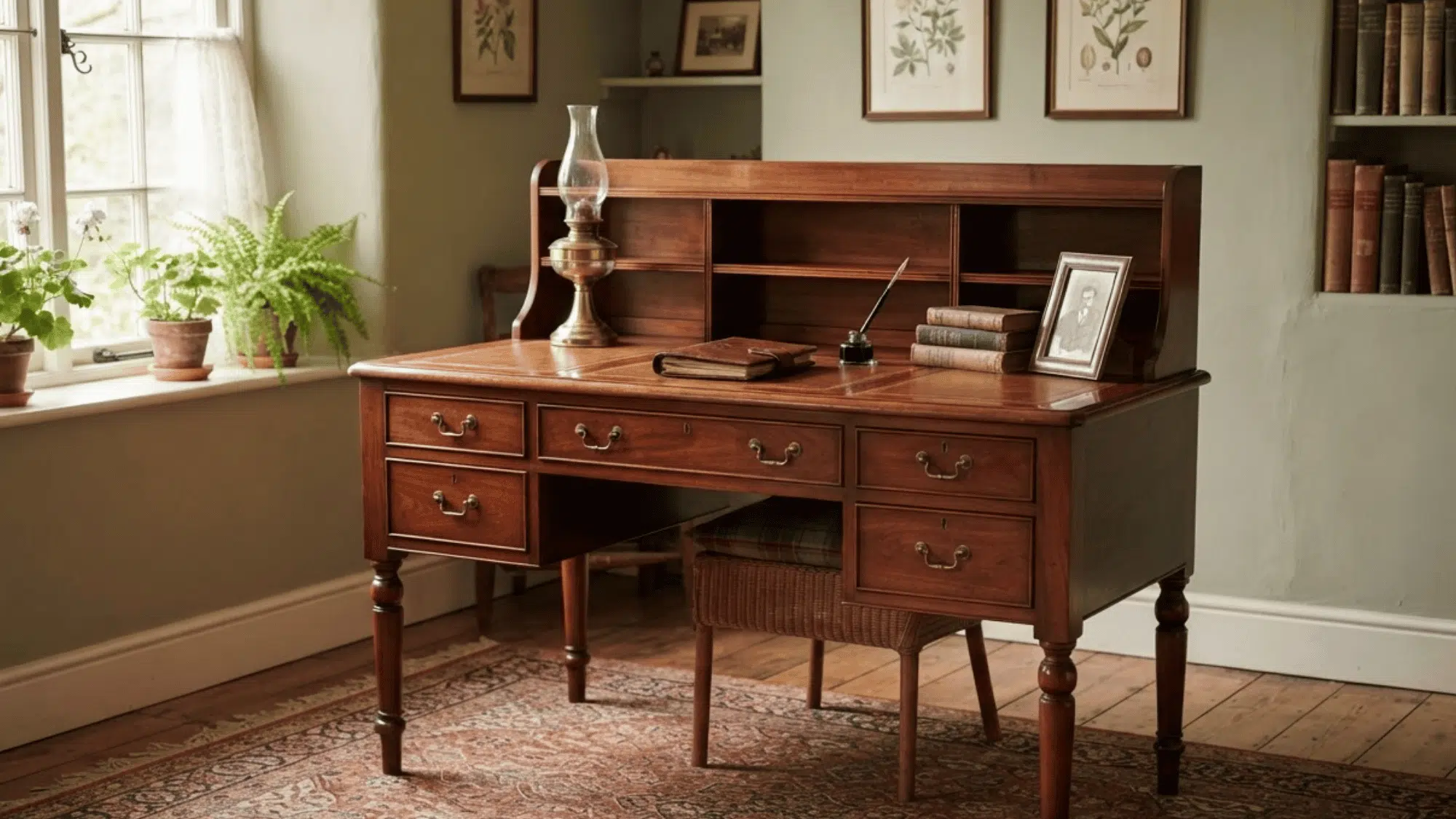
Cherry has a fine grain and warm red-brown tone that darkens with light. It suits traditional cabinets, desks, dining sets and carefully made furniture pieces.
- Category: Hardwood
- Dent Resistance: Medium
- Moisture Stability: High
- Price: High
- Best Uses: Cabinets, desks, dining sets
- Repair: Easy
5. Teak Wood
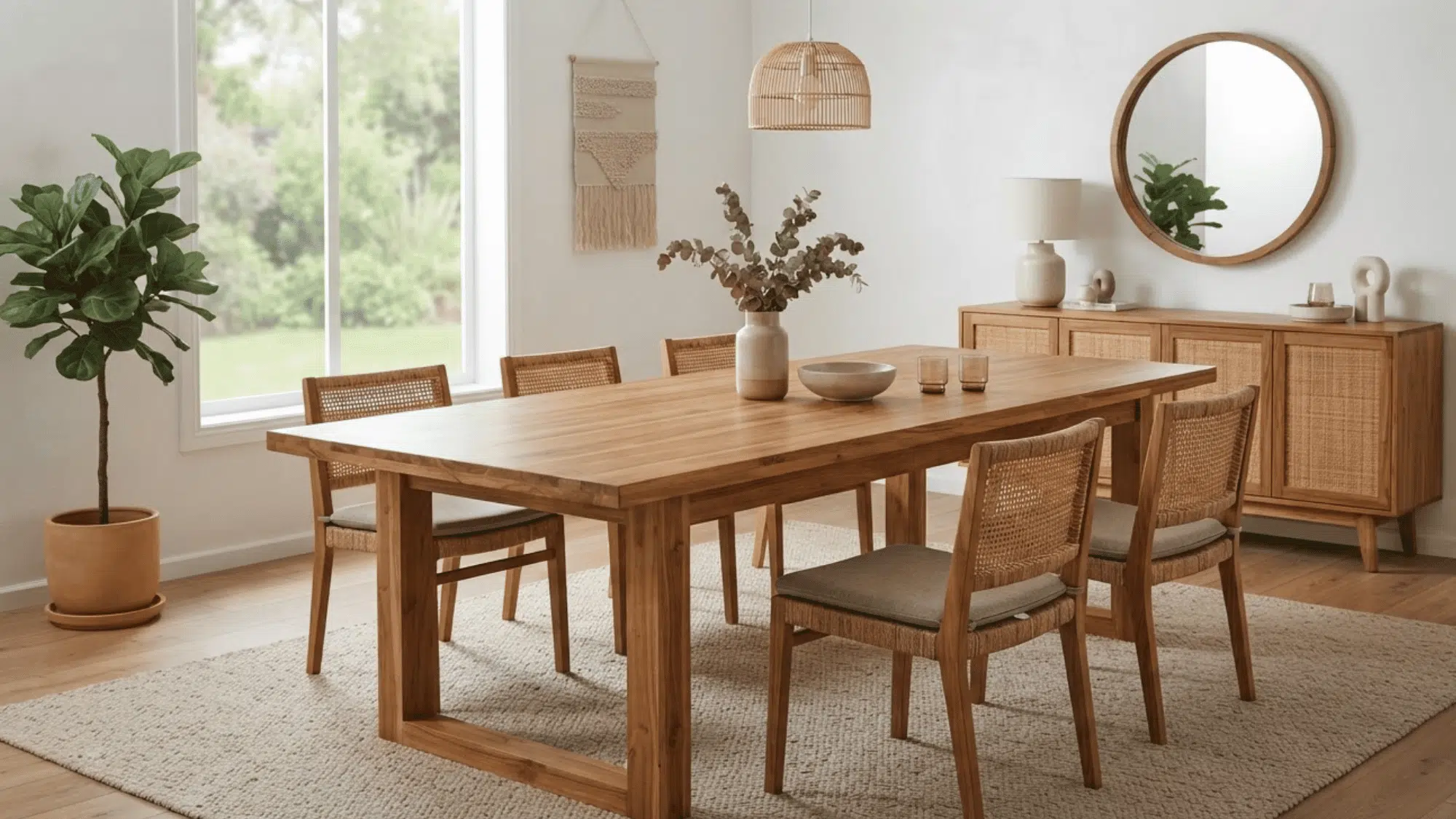
Teak contains natural oils that help resist moisture and decay. Its golden-brown grain suits premium indoor, outdoor, bathroom, and garden furniture for extended use.
- Category: Hardwood
- Dent Resistance: High
- Moisture Stability: Very high
- Price: Premium
- Best Uses: Outdoor and bathroom furniture
- Repair: Good
6. Mahogany Wood
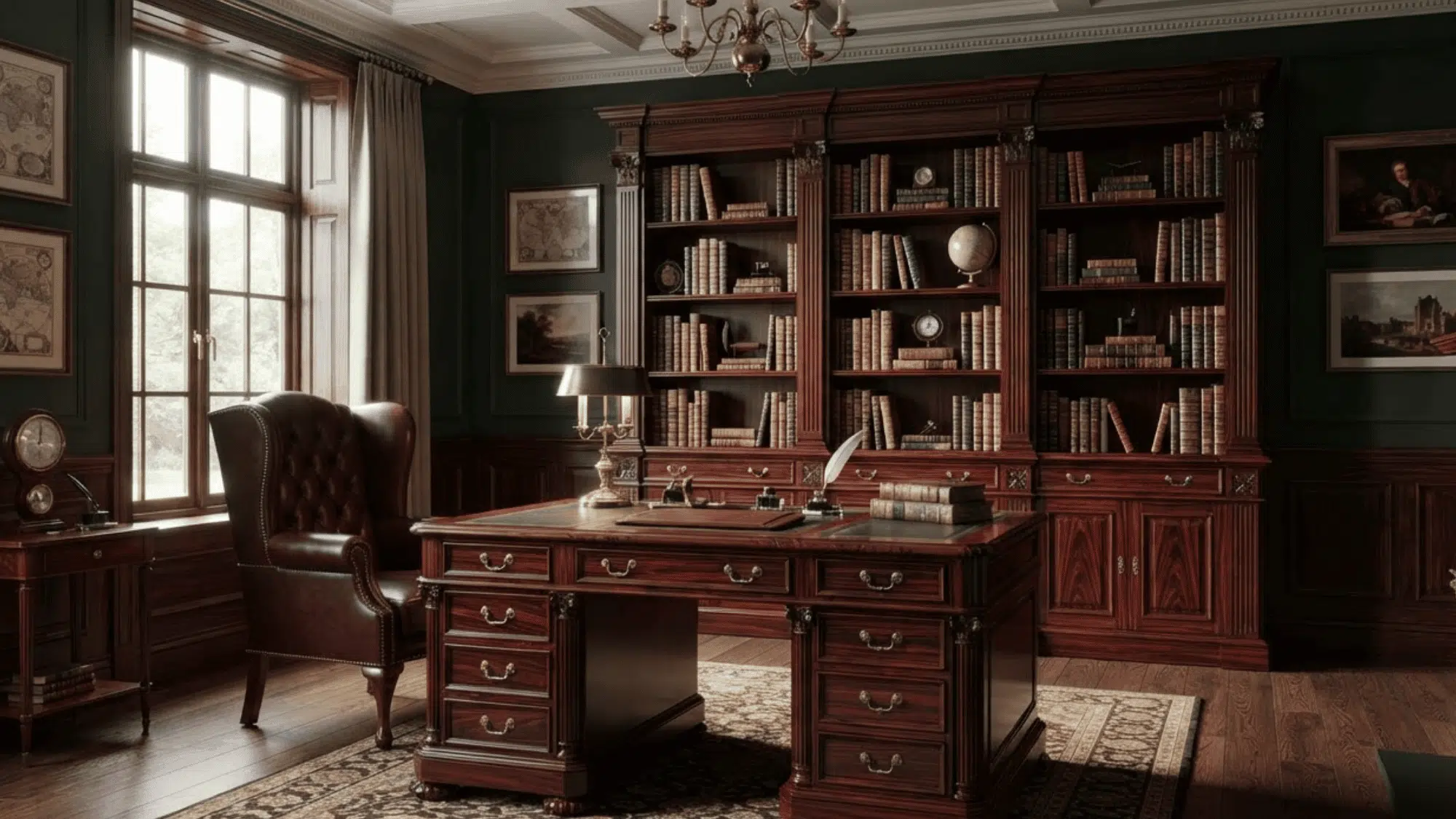
Mahogany often has a warm red-brown color and smooth grain. The retail name covers several species, so buyers should check origin, quality, and sourcing details carefully.
- Category: Hardwood
- Dent Resistance: Medium
- Moisture Stability: High
- Price: High
- Best Uses: Desks, cabinets, antique-style pieces
- Repair: Easy
7. Ash Wood
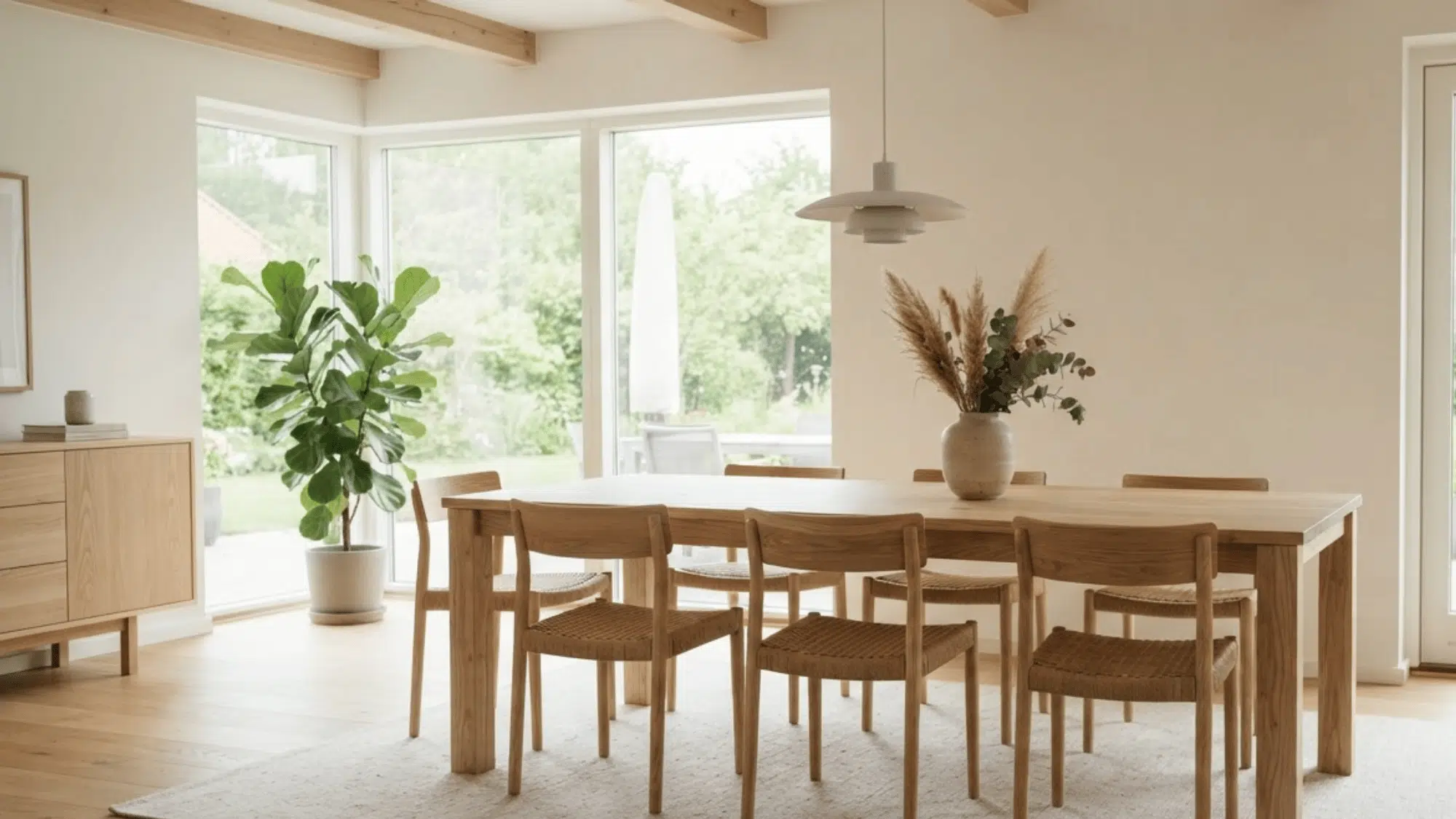
Ash is pale, strong, and flexible, with an open grain similar to oak. It works well for chairs, frames, tables and bent furniture parts.
- Category: Hardwood
- Dent Resistance: High
- Moisture Stability: Medium
- Price: Mid
- Best Uses: Chairs, frames, curved parts
- Repair: Easy
8. Beech Wood
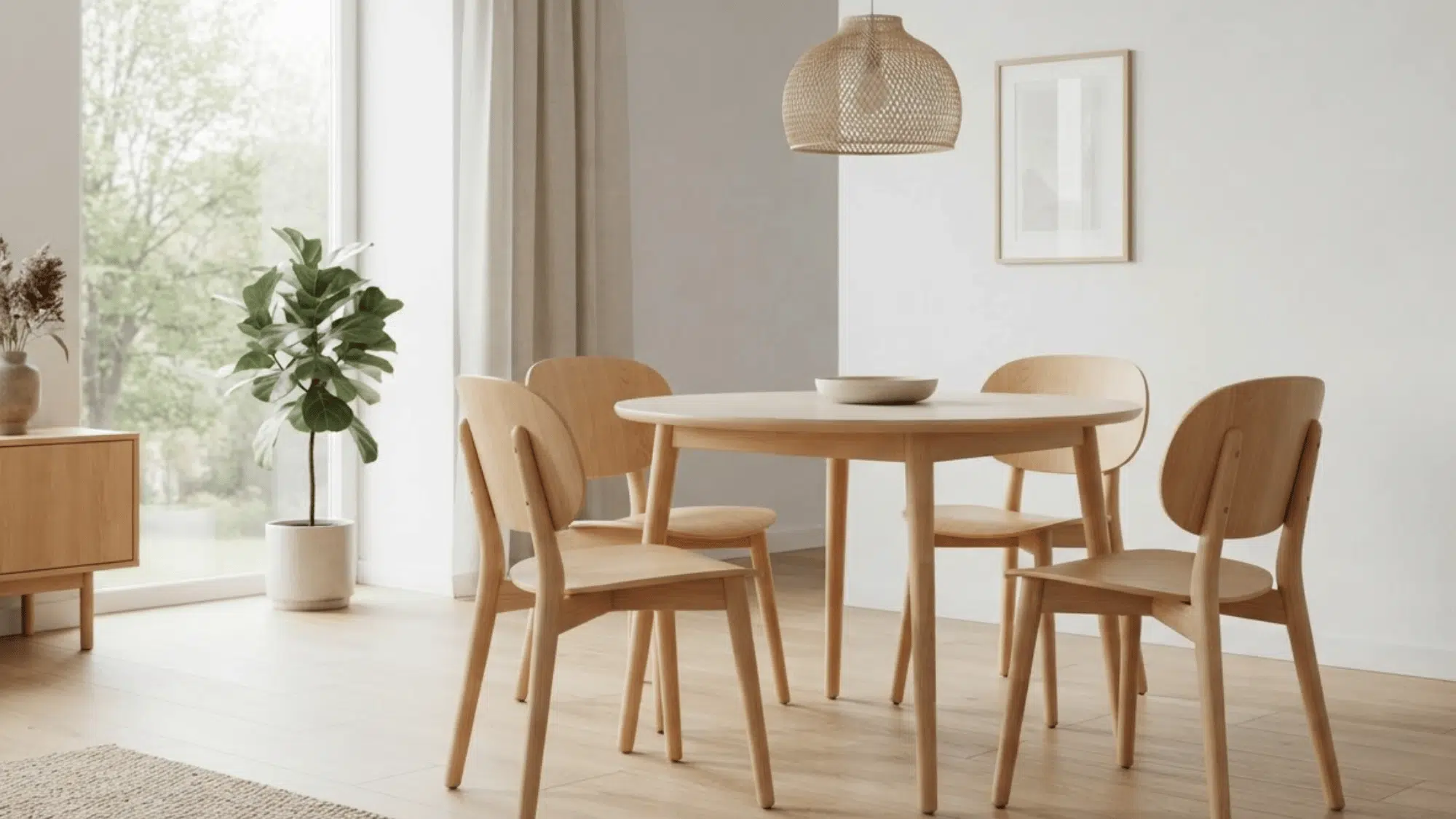
Beech has a pale, fine grain and a hard surface. It bends well with steam, making it useful for chairs, stools and curved furniture parts.
- Category: Hardwood
- Dent Resistance: High
- Moisture Stability: Medium
- Price: Mid
- Best Uses: Chairs, stools, tables
- Repair: Good
9. Birch Wood
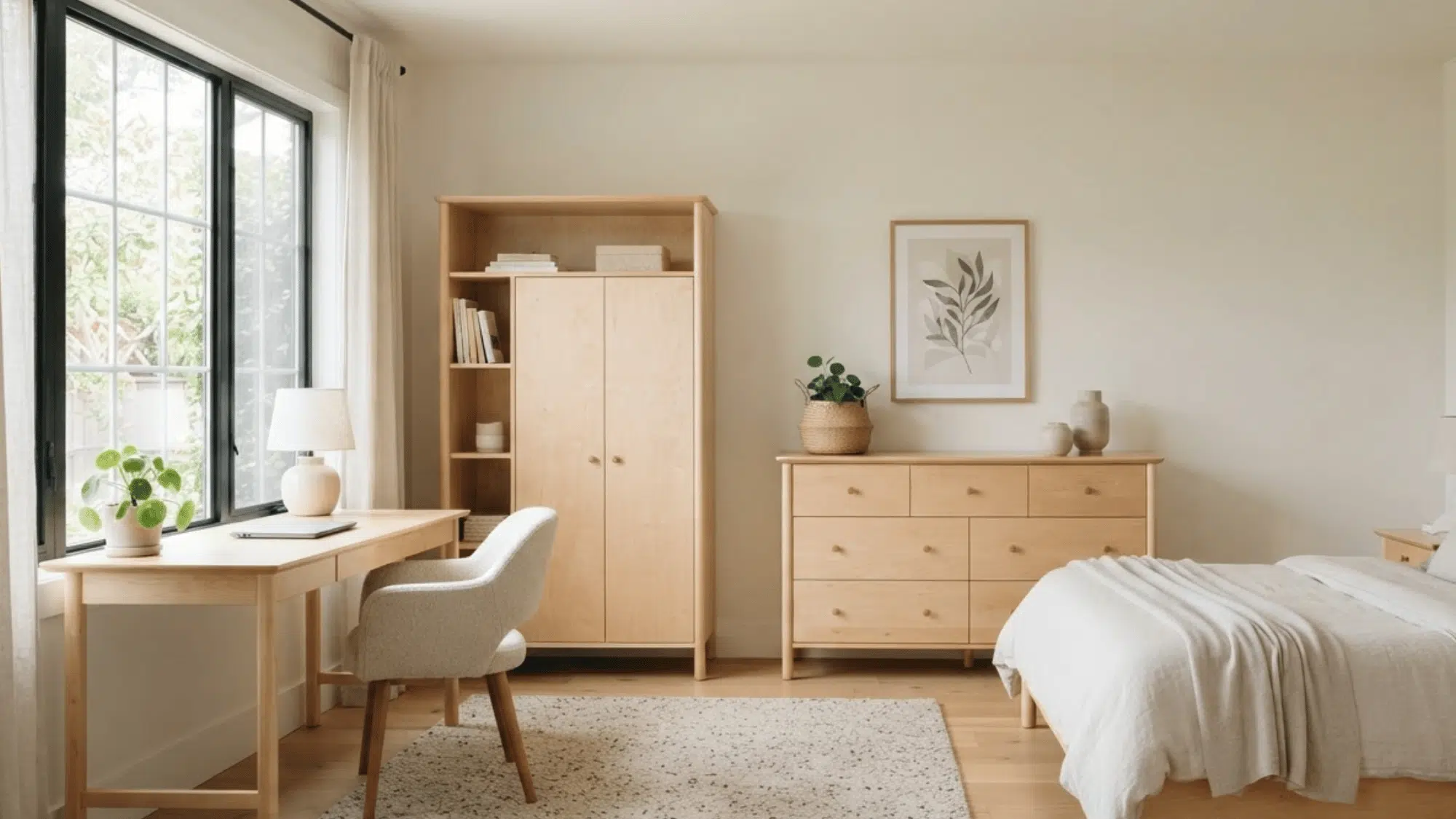
Birch has a smooth, pale grain and a moderate price. It is common in cabinets, drawers, chairs and plywood, but a dark stain may sometimes look uneven.
- Category: Hardwood
- Dent Resistance: Medium
- Moisture Stability: Medium
- Price: Low to mid
- Best Uses: Cabinets, drawers, plywood
- Repair: Good
How to Choose the Best Wood for Furniture
Choosing furniture wood takes more than picking a color. Wood selection is only one part of buying furniture.
1. Match Daily Use: Choose harder, stain-resistant wood for homes with children, pets, frequent spills, strong sunlight, or regular furniture moving and cleaning routines.
2. Check Construction: Check joints, panel thickness, frame support, drawer bases, hardware, finish quality, and unwanted movement before judging furniture by species alone.
3. Consider Local Climate: Pick stable wood for changing humidity, heated rooms, air conditioning, direct sun, or damp spaces such as bathrooms and basements.
4. Compare Repairability: Solid wood allows sanding, filling, and refinishing, while veneer needs careful patching and engineered panels may require part replacement instead.
5. Check Sourcing and Cost: Check FSC chain-of-custody claims, then compare purchase price, upkeep, repairs, refinishing, moving costs, and possible future replacement costs before buying.
Best Wood for Indoor Furniture by Type
Use this quick table to match each furniture type with wood that offers the right mix of strength, stability, comfort, and easy care. Solid wood furniture can often be refreshed through proper refinishing techniques.
| Furniture type | Best wood | Main reason |
|---|---|---|
| Dining tables | Oak, maple, teak | Resists dents and spills |
| Bed frames | Oak, ash, maple | Strong and stable |
| Sofas and chairs | Ash, beech, oak | Holds joints well |
| Cabinets and dressers | Maple, birch, plywood | Stable and smooth |
| Desks | Maple, oak, walnut | Firm and repairable |
| Children’s furniture | Maple, beech, rubberwood | Strong and smooth |
| Humid rooms | Teak, white oak, plywood | Handles moisture better |
Final Takeaway
No single wood suits every piece of furniture or every home. Oak may suit a busy dining table, while walnut may fit a statement desk.
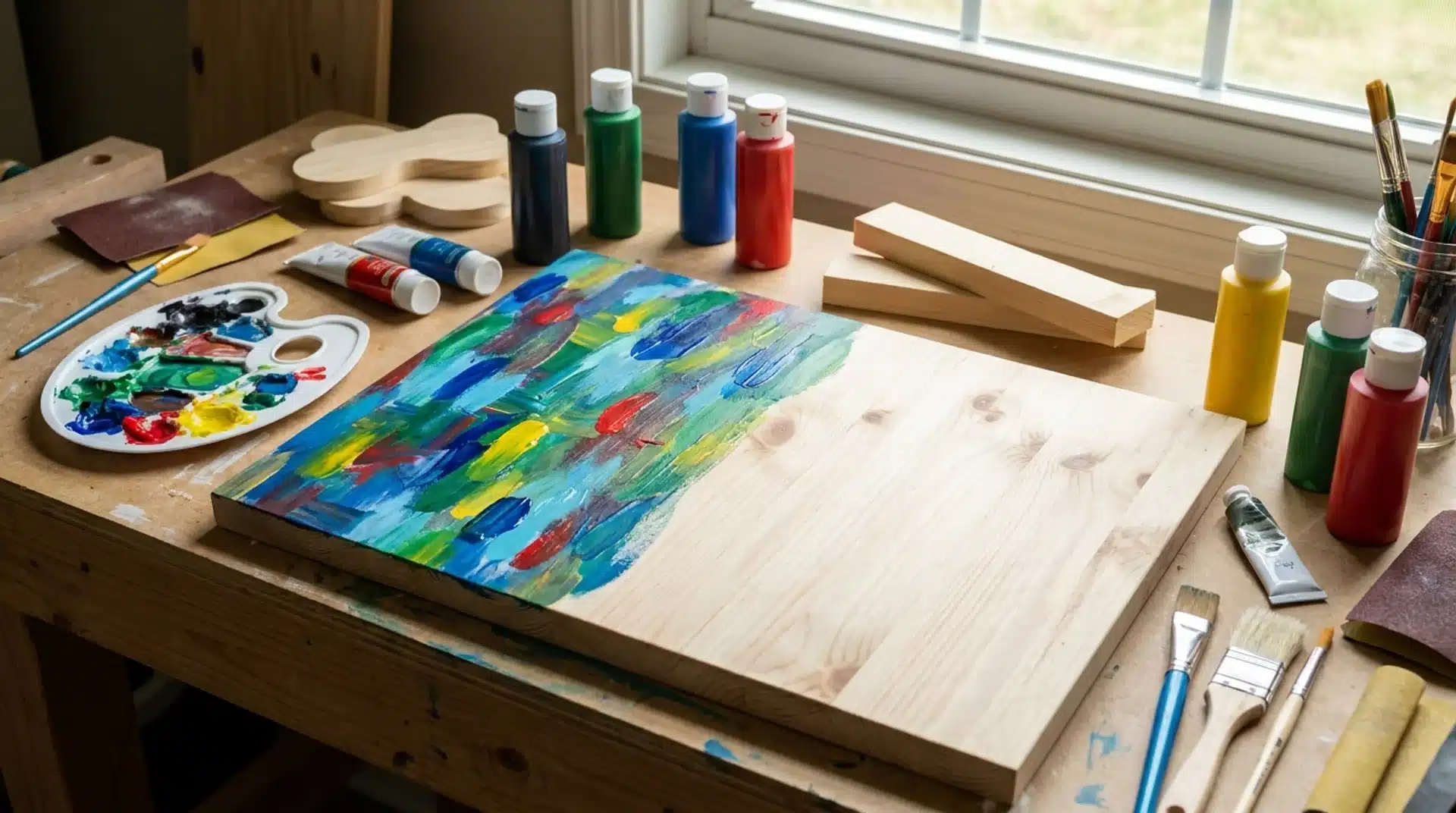
Older wooden pieces may also need paint removal before restoration. A proper paint stripping process helps prepare the surface without damaging the wood.
Pine can work well for a lower budget, and teak may suit damp or outdoor spaces. Think about daily use, local climate, build quality, grain, finish, care needs, repair options, and total cost before buying.
A well-built piece made from suitable wood can serve you for many years. Which furniture item and wood species are you considering? Share your choice in the comments below today.
Frequently Asked Questions
What Wood Can You No Longer Buy?
Brazilian rosewood is generally unavailable as newly harvested commercial lumber because it is subject to tight CITES Appendix I restrictions on trade. Documented pre-Convention stock may be legal.
What is a Cheap but Strong Wood?
Pine is usually a cheap but strong choice, especially southern yellow pine. It works well for beds, shelves, frames, and painted furniture.
What Wood Does Not Rot Easily?
Teak does not rot easily because its heartwood contains natural oils and resists moisture. Cedar and white oak also offer good decay resistance.