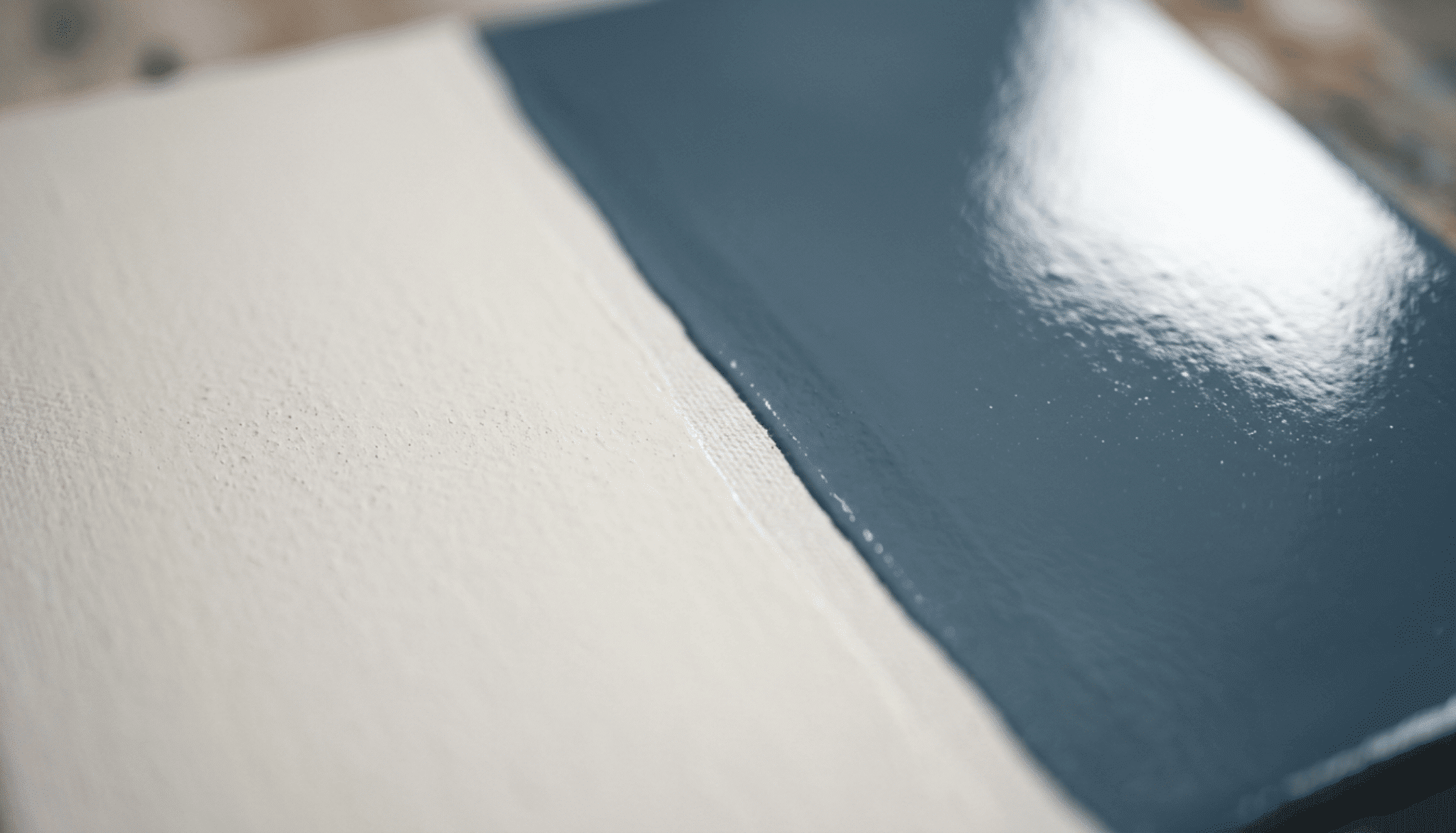
Semi-gloss holds up better on trim, doors, and cabinets, while satin gives walls a softer, low-glare look. Picking between the two gets confusing fast, since every paint can promises the same durability.
Homeowners want trim and doors that withstand daily bumps without looking cheap, dinged, or too shiny for the rest of the room.
This blog breaks down how satin and semi-gloss actually differ, which one resists scuffs and stains better, and where each finish makes the most sense on a real wall or door.
By the end, the right sheen for every door, trim run, and busiest room in the house becomes clear.
Satin vs Semi-Gloss: Key Differences
The only difference between satin and semi-gloss is the resin content, and it’s that content that governs both appearance and durability.
With less resin, satin has a soft finish with a very mild sheen that covers small wall imperfections but wears out faster in high-traffic areas exposed to grease, steam, or hands.
Semi-gloss has more resin in it, which results in a harder surface that does a much better job of repelling water, stains, and fingerprints than satin can.
That low-glare look sits close to flat and matte paint finishes, so it helps to know how those compare too.
For trim, doors, and high-traffic spots, this tradeoff between softness and toughness is exactly what decides which finish performs better.
Best Finish for Trim, Doors, and High-Traffic Areas
Since it is more resistant to scuffs, moisture, and stains, semi-gloss works well for trim, doors, and high-traffic areas. Satin is softer in appearance and has lower reflection for lighter-use areas.
Doors
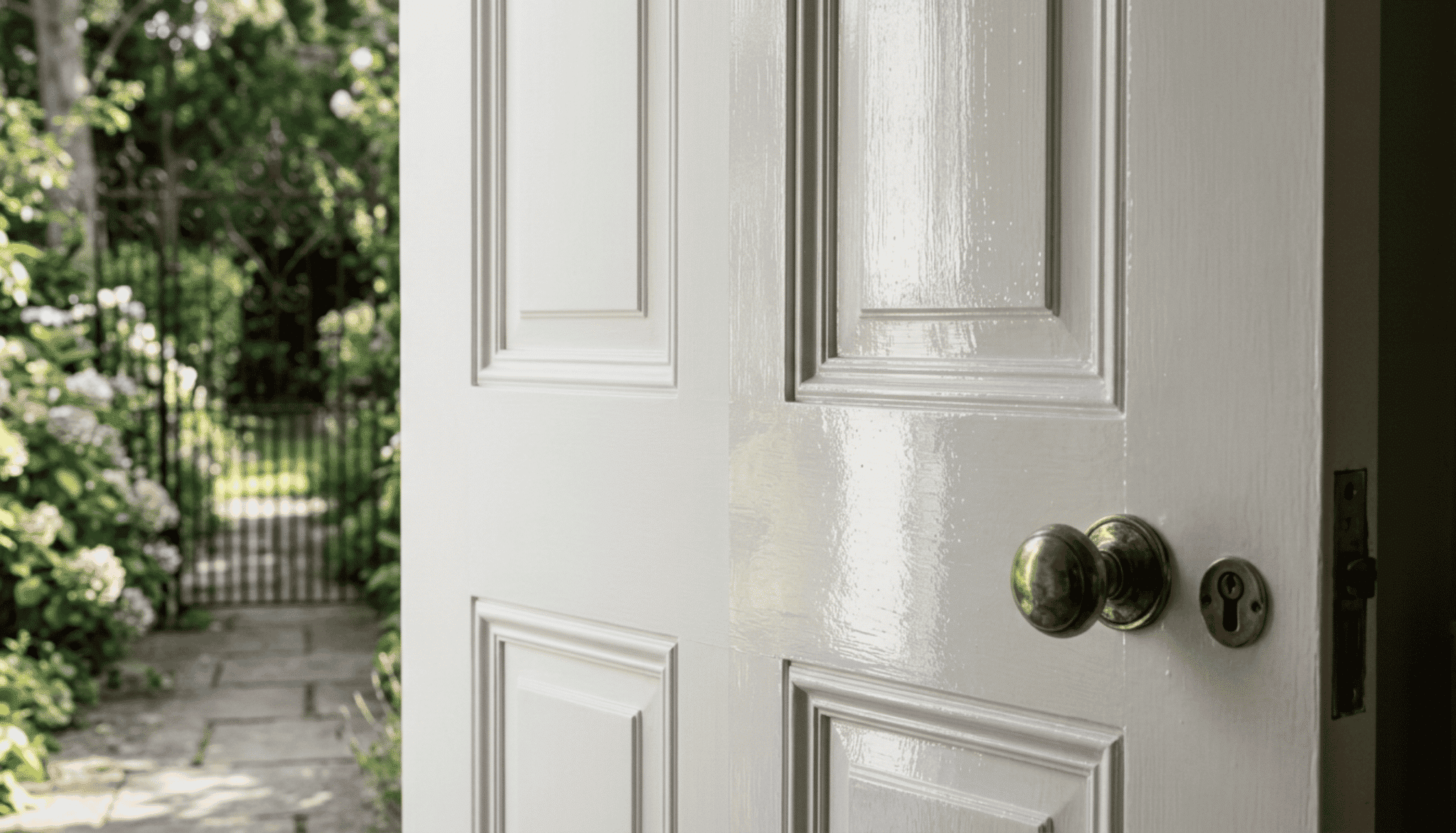
Semi-gloss, the more frequent option for doors, stands up to fingerprints and stains while offering a little luster around door details and hardware.
Front doors and kitchen-adjacent doors are hit, bumped, touched, and cleaned frequently, which makes that little extra toughness worth the additional luster.
Satin has a hold on interior doors that won’t see as much action (like a guest bedroom door or closet door out of the way from daily wear and tear where appearance takes precedence over heavy wear resistance.
Trim and Molding
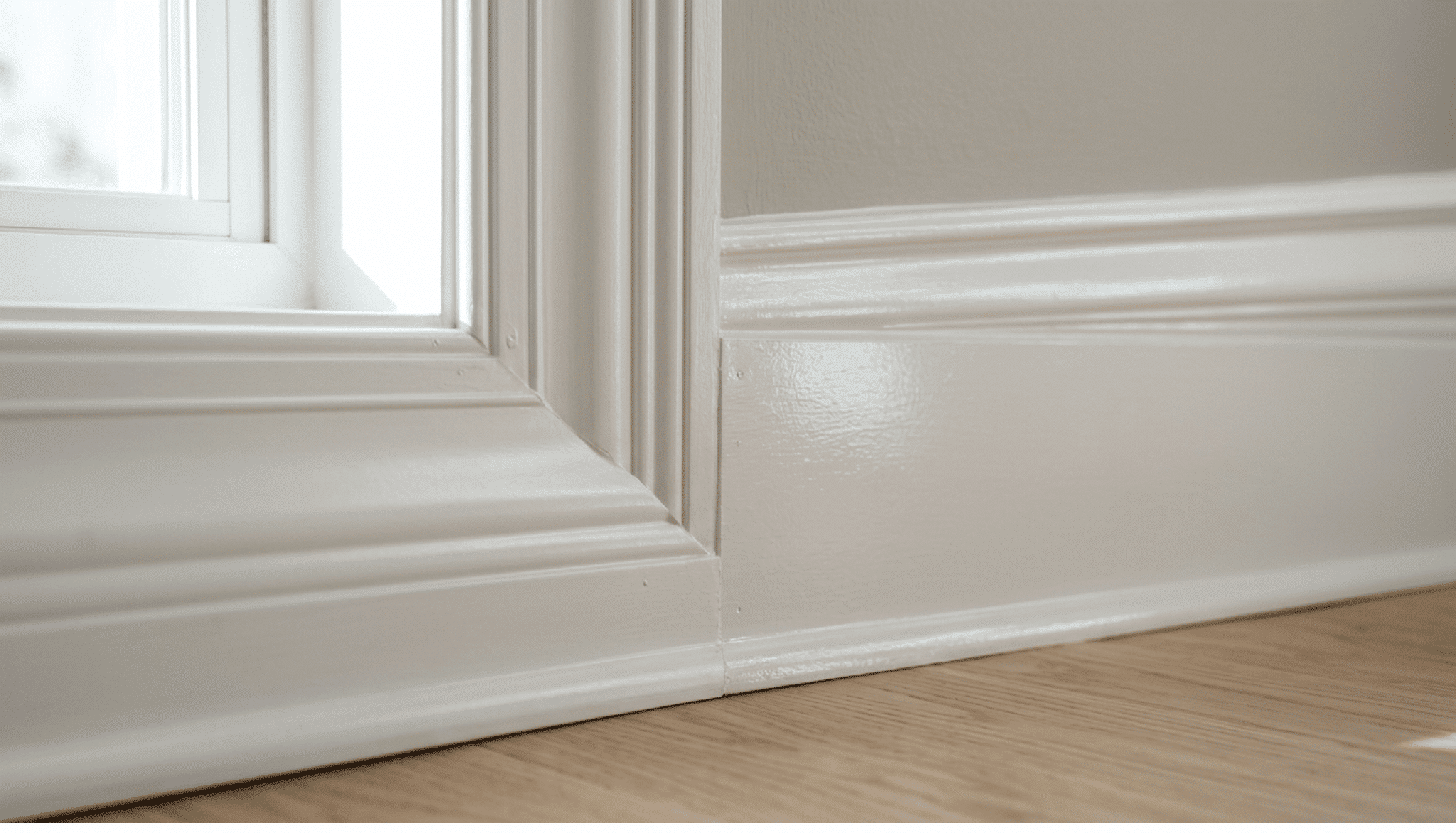
Semi-gloss highlights architectural details and holds up better to wear on baseboards, window casings, and stair rails that take frequent bumps and scuffs from daily foot traffic.
Its harder surface wipes clean easily, making it ideal for busy hallways and entryways. If black trim color ideas fit your style, semi-gloss is the more durable choice.
Satin suits trim in quieter rooms, or in homes with a more relaxed, matte-leaning style throughout, where a softer look outweighs the need for constant wiping and heavy scuff resistance.
High-Traffic Areas
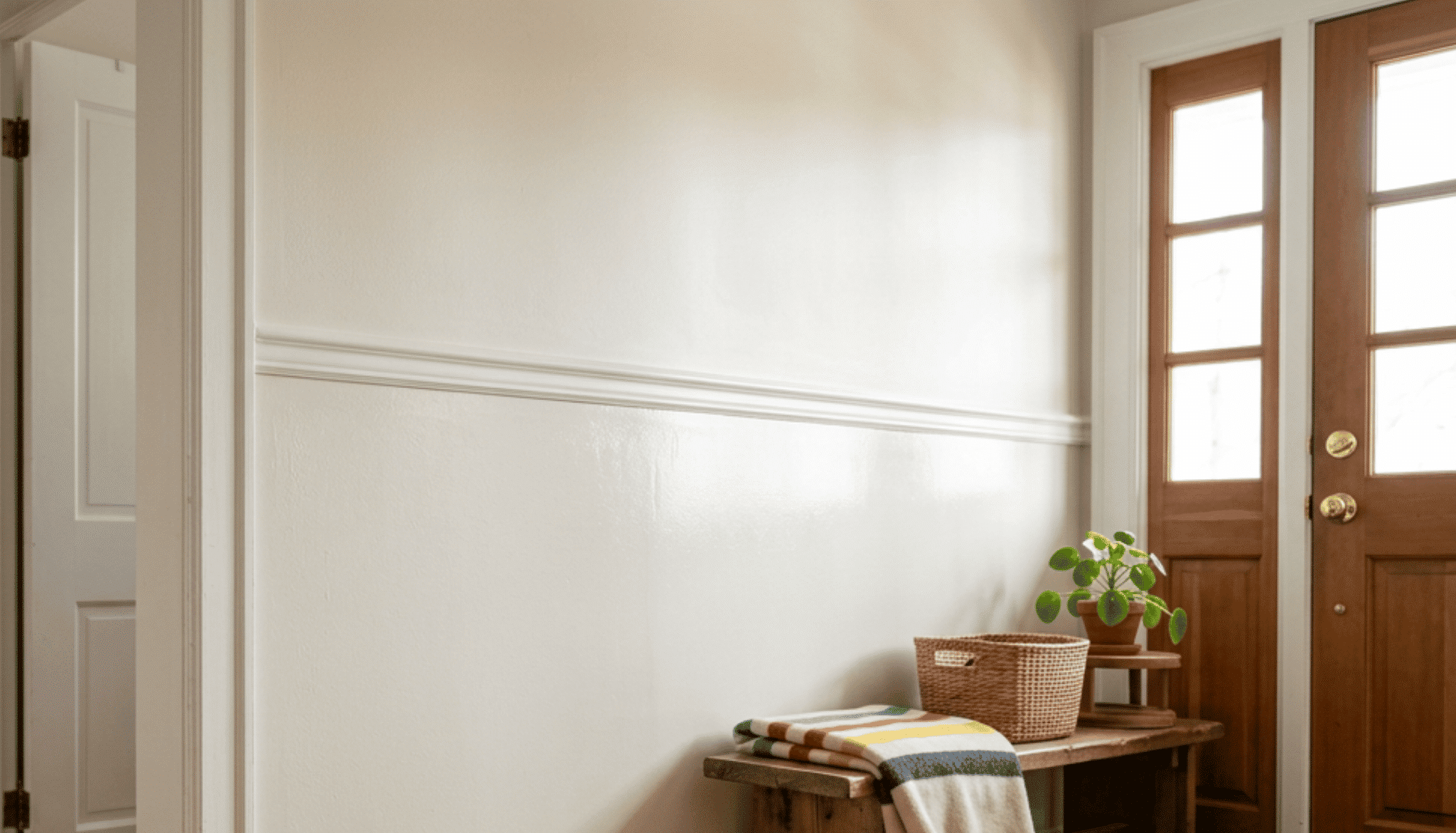
Entryways, hallways, and family spaces benefit most from semi-gloss, since these areas take the most wear and tear and cleaning throughout an average busy week.
Kids, pets, and daily foot traffic all wear down a finish faster here than almost anywhere else in the house, which makes durability the clear priority over shine.
Satin can still work in moderate-traffic zones where a comfortable, less shiny look is the priority, such as a formal dining room or a rarely used guest closet.
Satin vs Semi-Gloss Paint: Quick Comparison
A quick side-by-side view makes these key differences easier to scan before deciding which paint finish best fits your trim, doors, or high-traffic spots.
| Feature | Satin Paint | Semi-Gloss Paint |
|---|---|---|
| Shine Level | Soft, low glare | Bright, reflective |
| Durability | Good for moderate use | Strong for heavy use |
| Cleaning | Fine for light dust and marks, needs care on tough stains | Wipes clean easily, even with grease or fingerprints |
| Surface Look | Smooth and understated | Polished, shows detail |
| Common Uses | Walls, bedrooms, living spaces | Doors, trim, cabinets, kitchens |
Satin vs Semi-Gloss Paint: Which One Should You Choose?
Satin and semi-gloss both earn a place in the home, but the surface always decides the winner. The same wipe-clean logic applies when painting bathroom cabinets, where semi-gloss is often the go-to pick too.
Walls and lower-traffic rooms favor satin, since a soft, low-glare look matters more there than heavy-duty toughness.
Doors, trim, and busy areas favor semi-gloss instead, since these spots need a finish tough enough to wipe clean without wearing down over years of steady daily use.
A small paint sample brushed onto a scrap board or a hidden door panel settles the question fast. A few days spent living with that sample under normal household light say more than any paint chip ever could.
Final Takeaway
Satin and semi-gloss both earn their place. The surface decides which one wins. Satin fits walls and lower-traffic rooms, where a soft look matters more than heavy-duty durability.
Semi-gloss is ideal for doors, trim, and busy areas. It resists scuffs and wipes clean without wearing down.
That toughness holds up well near handles, corners, and other high-touch spots. Test a small section first. Brush a sample onto a scrap board or a hidden door panel.
Live with it under your own natural light for a few days. That short trial beats any paint chip. Grab a sample now and see for yourself before painting the whole room.
Have you used satin or semi-gloss paint in your home? Share your experience or favorite finish in the comments below to help other readers choose the right option.
Frequently Asked Questions
Can Satin and Semi-Gloss Be Used Together in One Room?
Yes. A common approach is satin on the walls and semi-gloss on trim, doors, and other details, which creates contrast without clashing.
Does Semi-Gloss Cost More Than Satin?
Semi-gloss can cost slightly more, largely due to its higher resin content and stronger resistance to wear.
Can Satin Go Over Semi-Gloss Paint?
Yes, but only with proper prep. Clean and lightly sand the surface first so the new coat adheres well and dries smoothly.