Have you ever entered a small room that felt cramped, even after moving the furniture?
Sometimes, rearranging the space is not enough to make it feel open and comfortable.
A few simple design choices can improve the room without requiring an expensive renovation.
Light paint colors, well-placed mirrors, better lighting, and properly sized furniture can make a noticeable difference.
Keep reading to find out useful tips for creating the illusion of a spacious and bright room.
Why Small Rooms Feel Cramped?
Despite rearranging the furniture, a small room can remain claustrophobic due to dark walls, poor lighting, and large furnishings.
They either prevent light from entering the room or disrupt unobstructed views through the room. Low furniture clearance and too many visual breaks can also make the floor area feel limited.
Poorly placed décor may draw attention to the room’s boundaries instead of creating a smooth flow. After you have identified the exact problem, it will be much easier to resolve it.
Slim metal furniture and raised designs also appear in many industrial interior design ideas, making them useful for keeping more floor visible.
Tricks to Make a Room Look Bigger
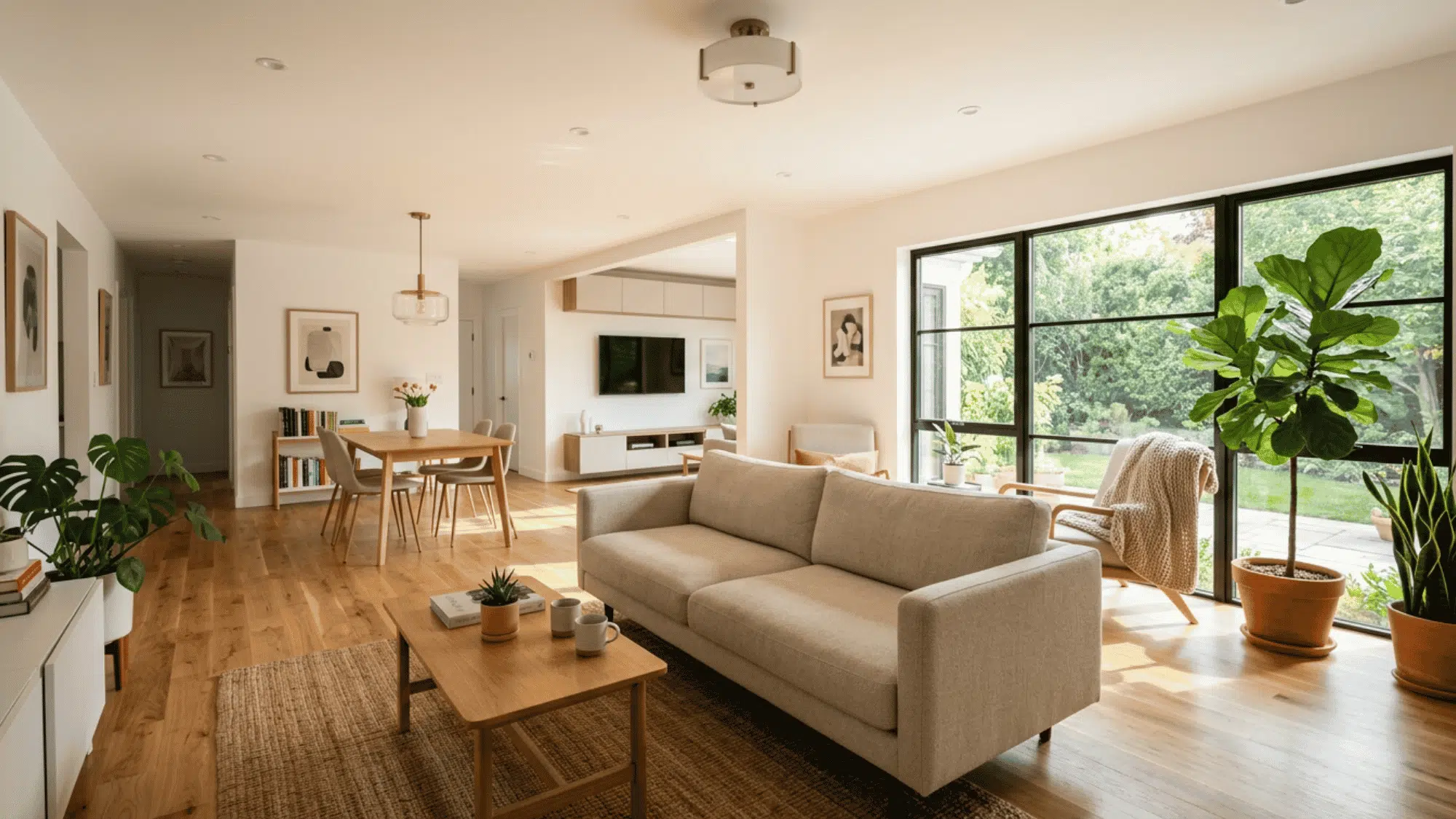
These simple ideas can make a small room look bigger by working together on color, light, and furniture. Each idea below adds up, helping any small space feel more open without a full renovation.
1. Use Light Colors on Walls
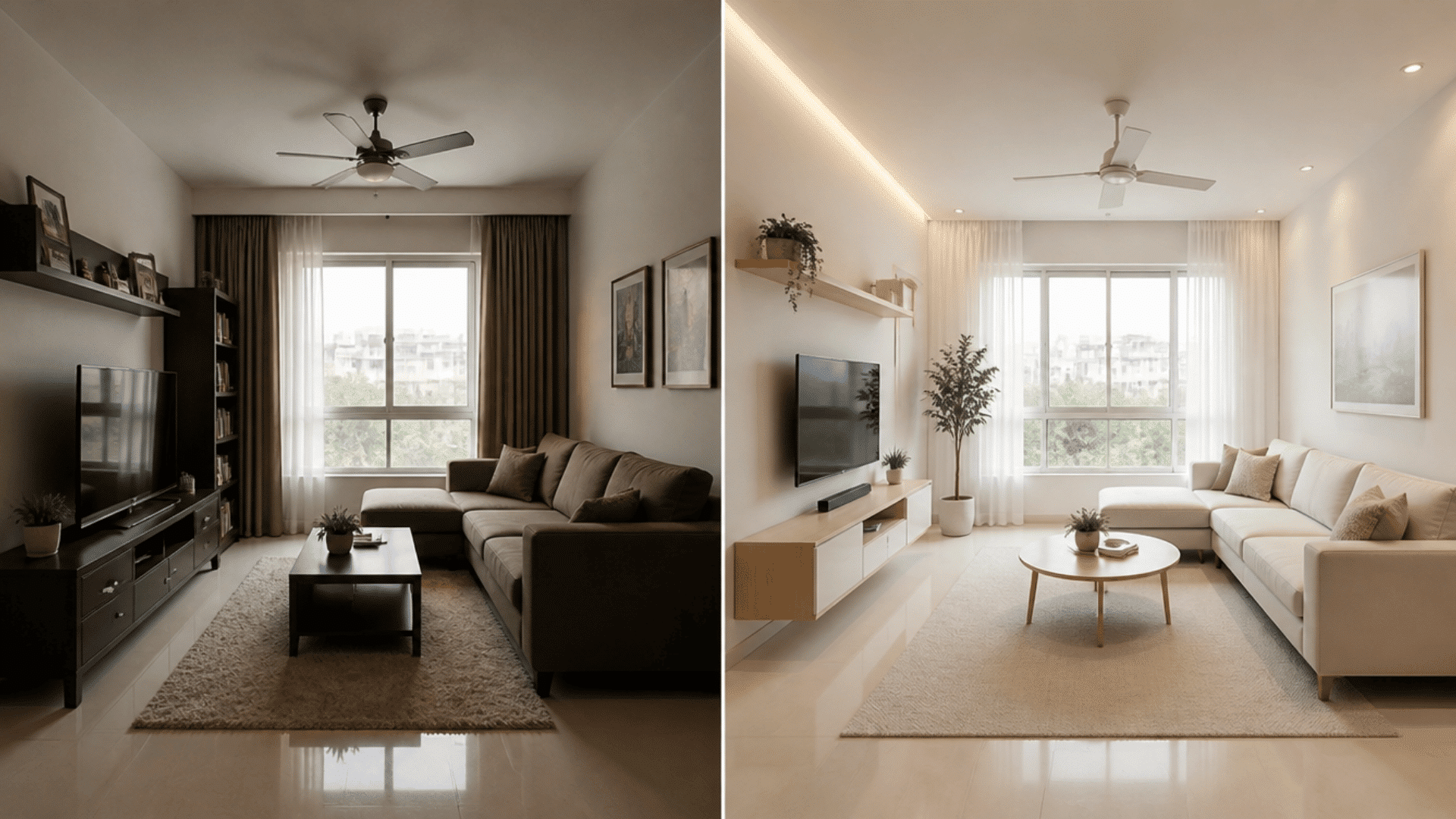
Light wall colors reflect both natural and artificial light, making a small room look more open.
- Choose soft white, light gray, pale blue, or warm beige for the walls.
- Paint the ceiling and trim in the same shade to soften hard borders.
- Add bold color through pillows, rugs, or artwork instead of the walls.
- Skip heavy, dark shades, since they absorb light and shrink the space.
2. Place Mirrors to Reflect Light
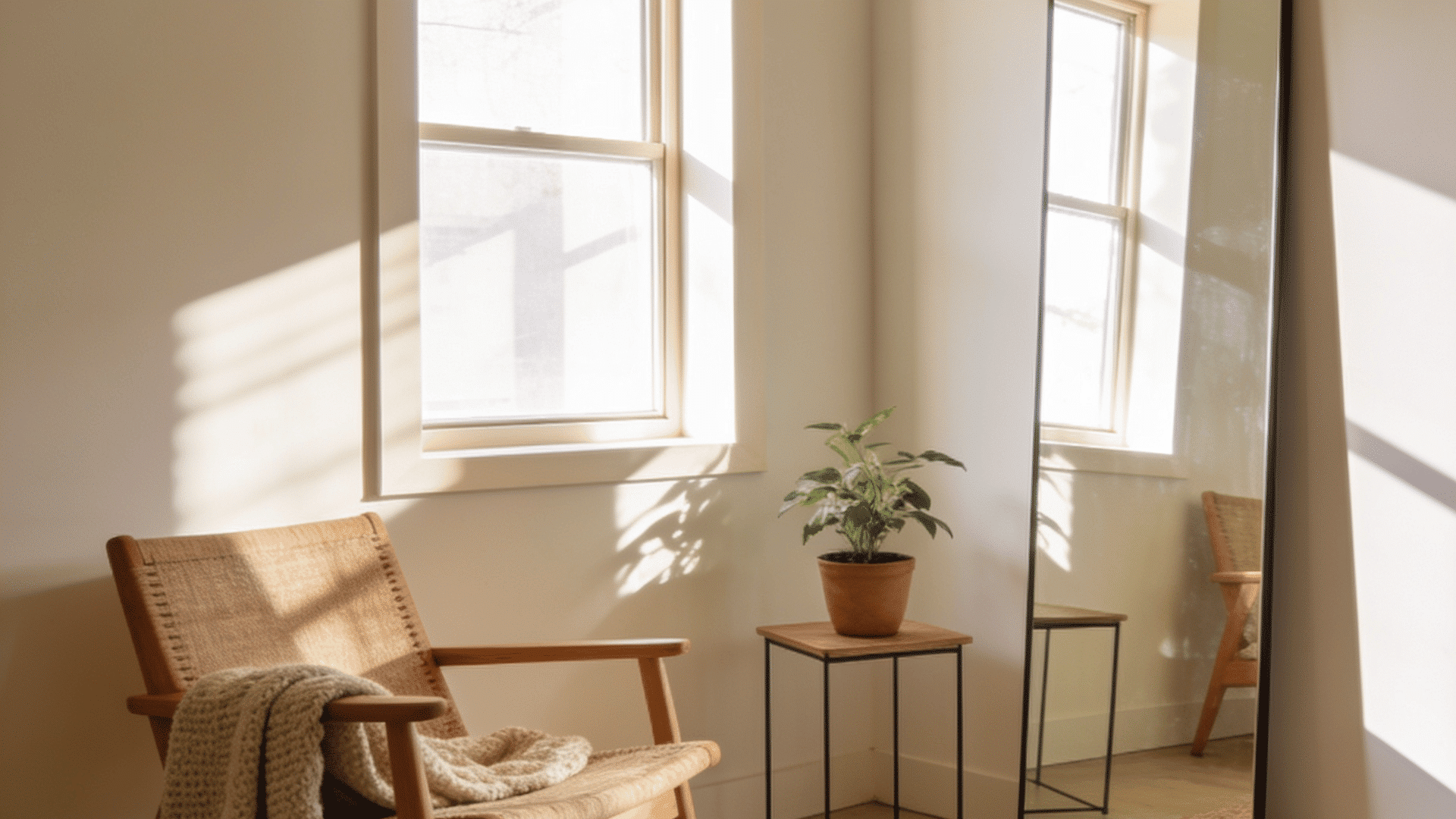
A large mirror reflects light and views, making a small room feel brighter, wider, and more open.
- Pick one large mirror instead of several small ones for a wider effect.
- Choose a simple frame that blends in without adding visual weight.
- Hang it across from a window to spread daylight through the room.
- Keep the reflected view uncluttered so the room appears cleaner and more spacious.
3. Choose Furniture that Fits The Room
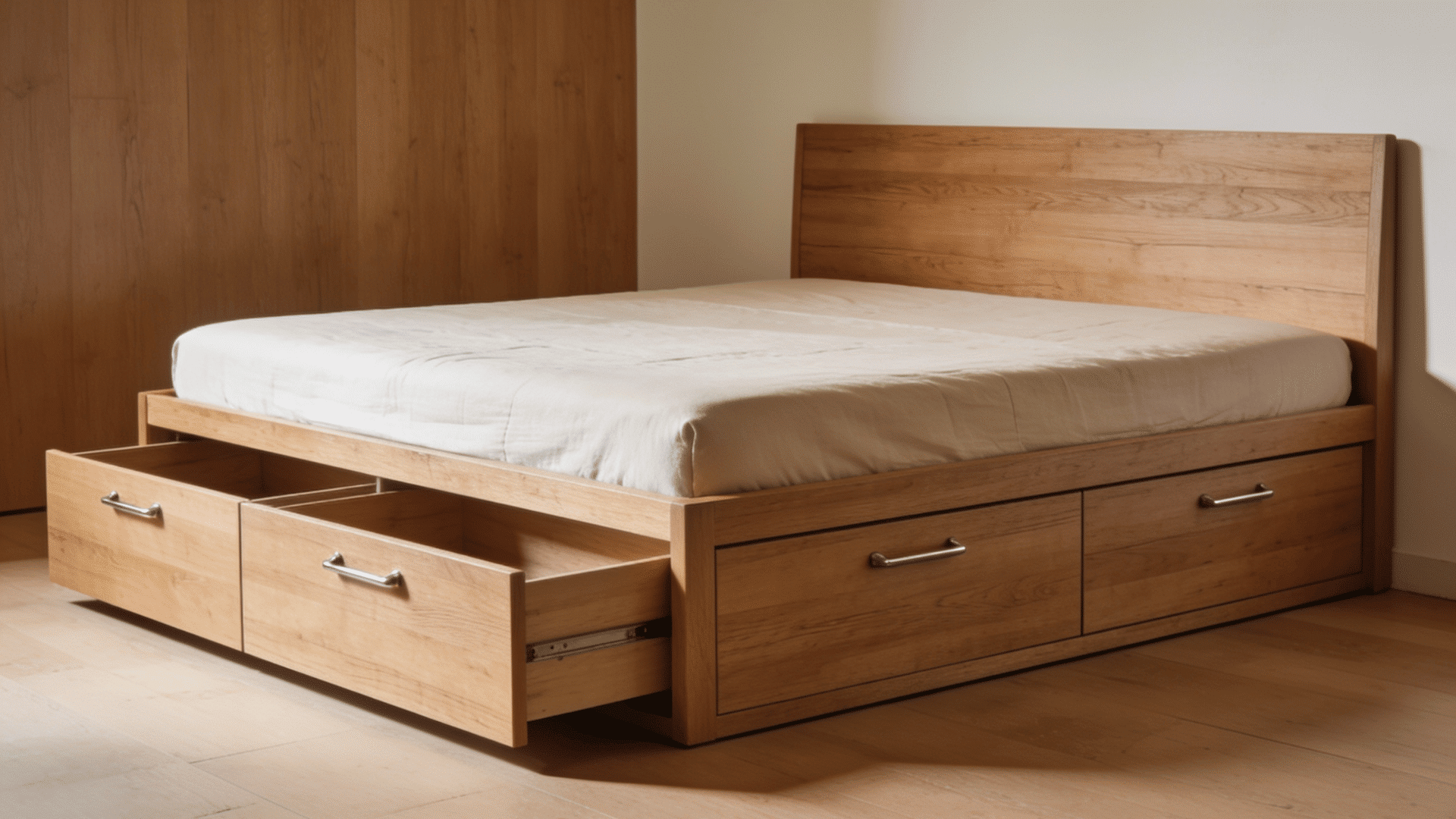
Oversized furniture crowds a small room and makes it harder to move through.
- Pick pieces sized to the room and leave a clear walking path.
- Choose furniture with slim or raised legs to keep the floor visible.
- Use multi-use pieces, like a storage ottoman or a fold-out sofa bed.
- A bed with built-in drawers cuts down on the need for extra pieces.
4. Let Natural Light in Fully
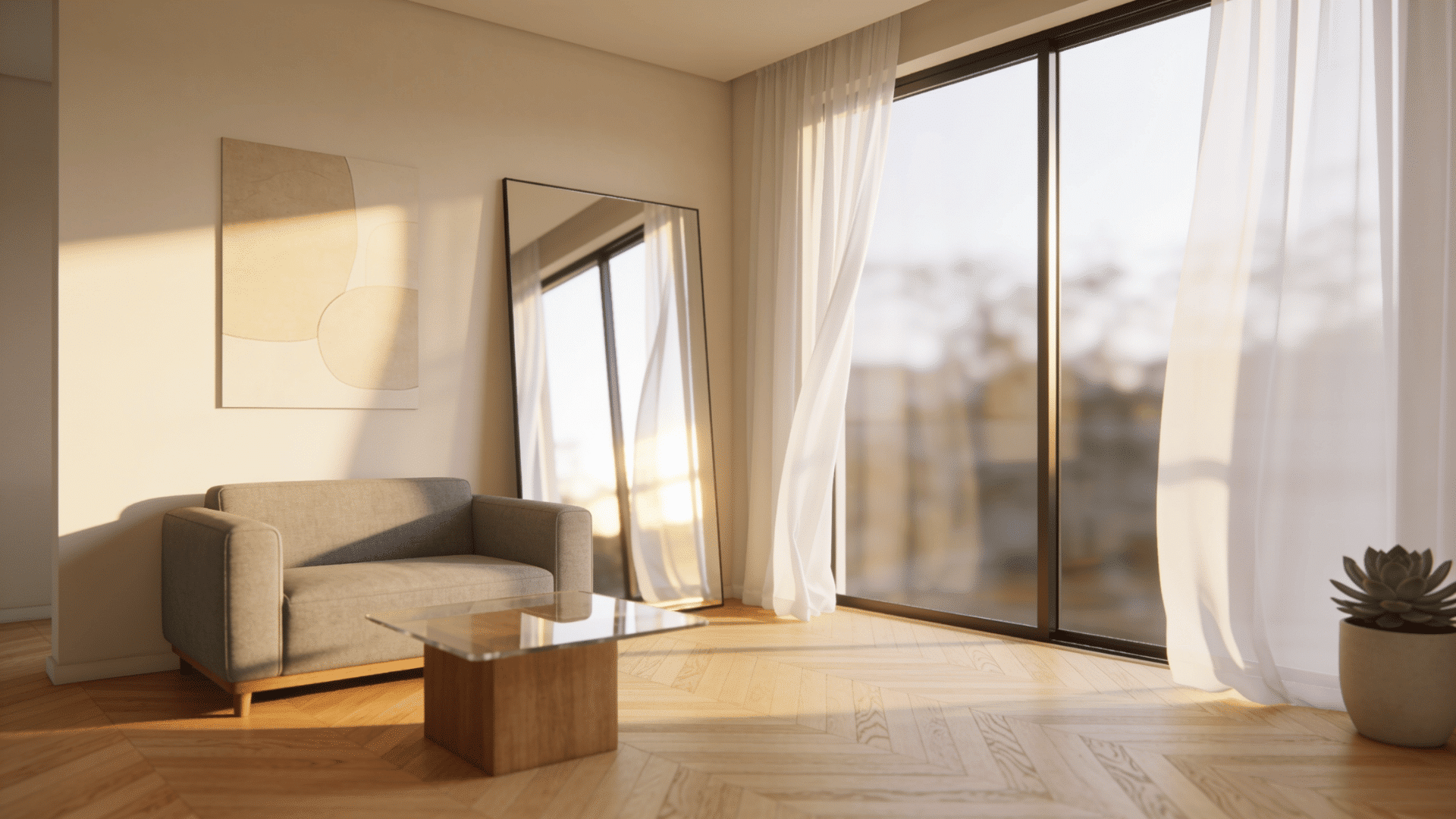
Natural light makes a small room feel brighter, fresher, and more open.
- Use sheer curtains or light-filtering shades that let daylight in.
- Keep tall furniture away from windows so it does not block the light.
- Hang curtain rods wider than the window to reveal more glass.
- Clean windows regularly and add lamps to corners that remain dark.
5. Create Visual Flow with Flooring
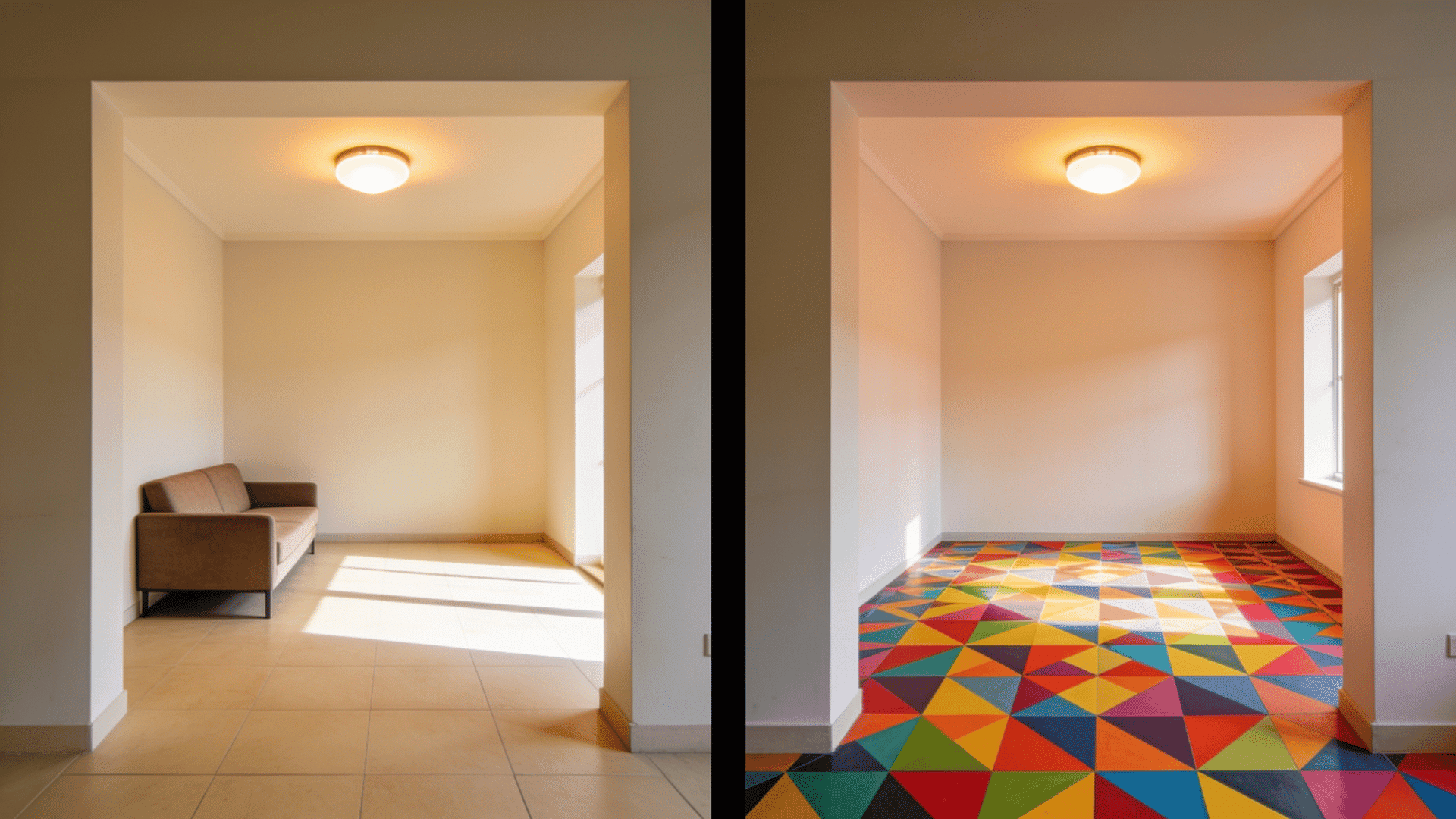
Matching flooring across connected rooms creates one smooth, wide-feeling space.
- Avoid too many flooring changes, since they break up the area visually.
- Use one large rug instead of a small one floating in the center.
- Choose light flooring to reflect more light and brighten the room.
- Skip dark tones or busy patterns, since they pull focus to the floor.
6. Declutter to Open Up Space
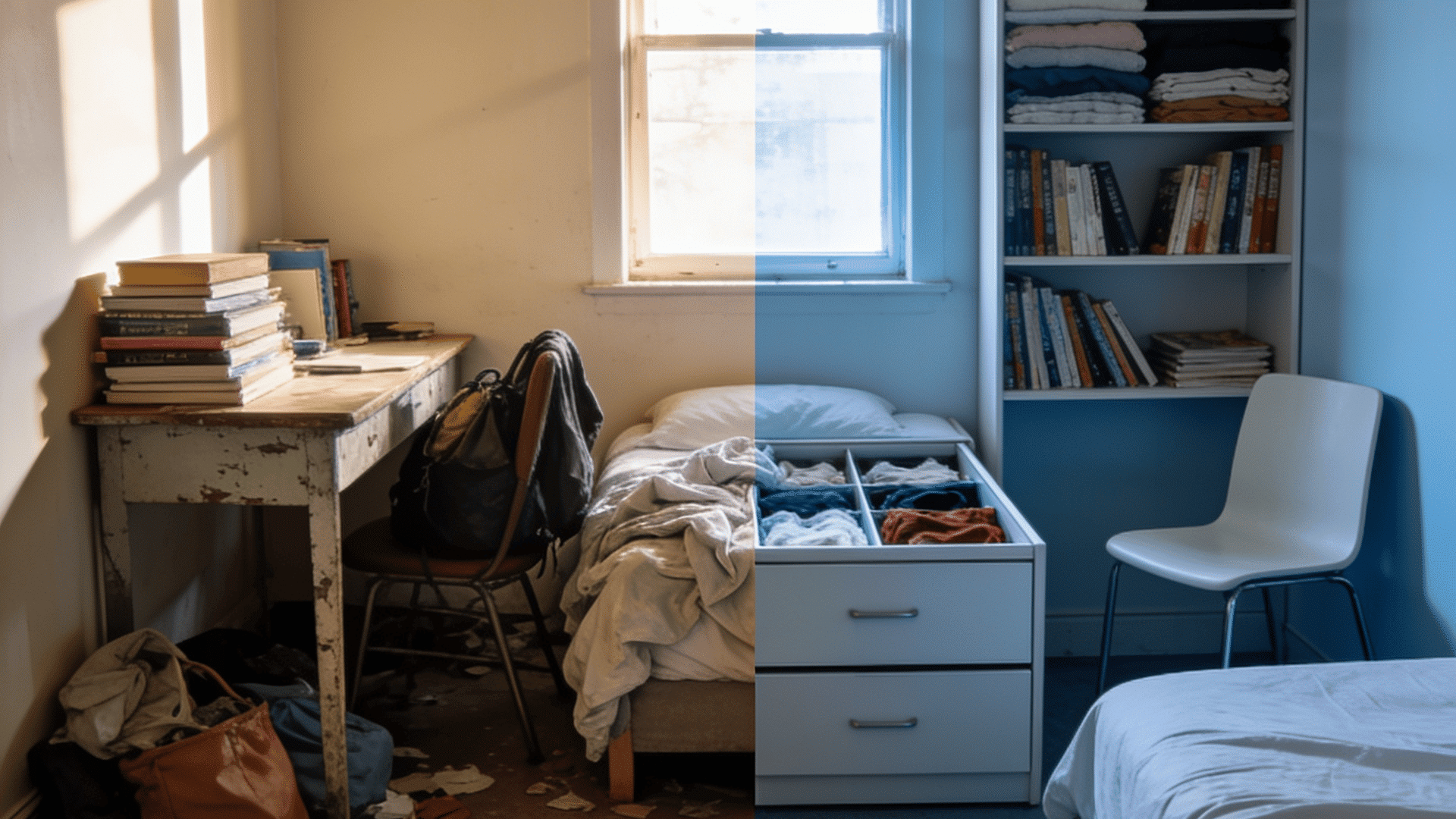
A room-by-room decluttering can help create more manageable spaces and protect frequently used surfaces.
- Clear out anything you no longer use, need, or enjoy.
- Keep daily items close by and store the rest in drawers or baskets.
- Leave some surfaces bare so the room reads as clean and calm.
- Add wall shelves or hooks to free up valuable floor space.
Mistakes that Make a Room Feel Smaller
Nevertheless, the best plans will fail due to a couple of common mistakes that should be considered while decorating small rooms.
Overfilling shelves and tables with decorations will spoil your decluttering efforts and make the room look messy.
A small rug placed in the center of the room divides the space into two parts. The use of heavy and dark drapes makes a room darker and makes the wall look heavier.
Several different types of floors in connected rooms divide the space. Look out for furniture that may fit well in a store but won’t look good in a small room.
In a small kitchen, minimalist kitchen features can reduce visible clutter while preserving useful storage.
Conclusion
Learning how to make a small room look bigger does not require expensive renovations or major design changes.
It will be possible for any small room to look bigger and brighter by using the right wall colors, placing mirrors strategically, and using the right-sized furniture.
Start with making just one change in your room, like changing the color of your walls, installing a big mirror, or replacing large pieces of furniture.
Ready to make a small room look bigger? Try these simple design ideas and share your opinion in the comments.
Frequently Asked Questions
Do Vertical Stripes Make a Room Look Taller?
Vertical stripes draw the eye upward, which can make ceilings feel higher and give the room a taller, more open feel.
Does a High Ceiling Make a Room Feel Bigger?
Yes, but if your ceiling is low, painting it the same light color as the walls helps soften that cramped feeling.
Do Dark Walls Always Make a Room Smaller?
No. Dark colors can add depth, but they require suitable lighting and a balanced color scheme in a small room.