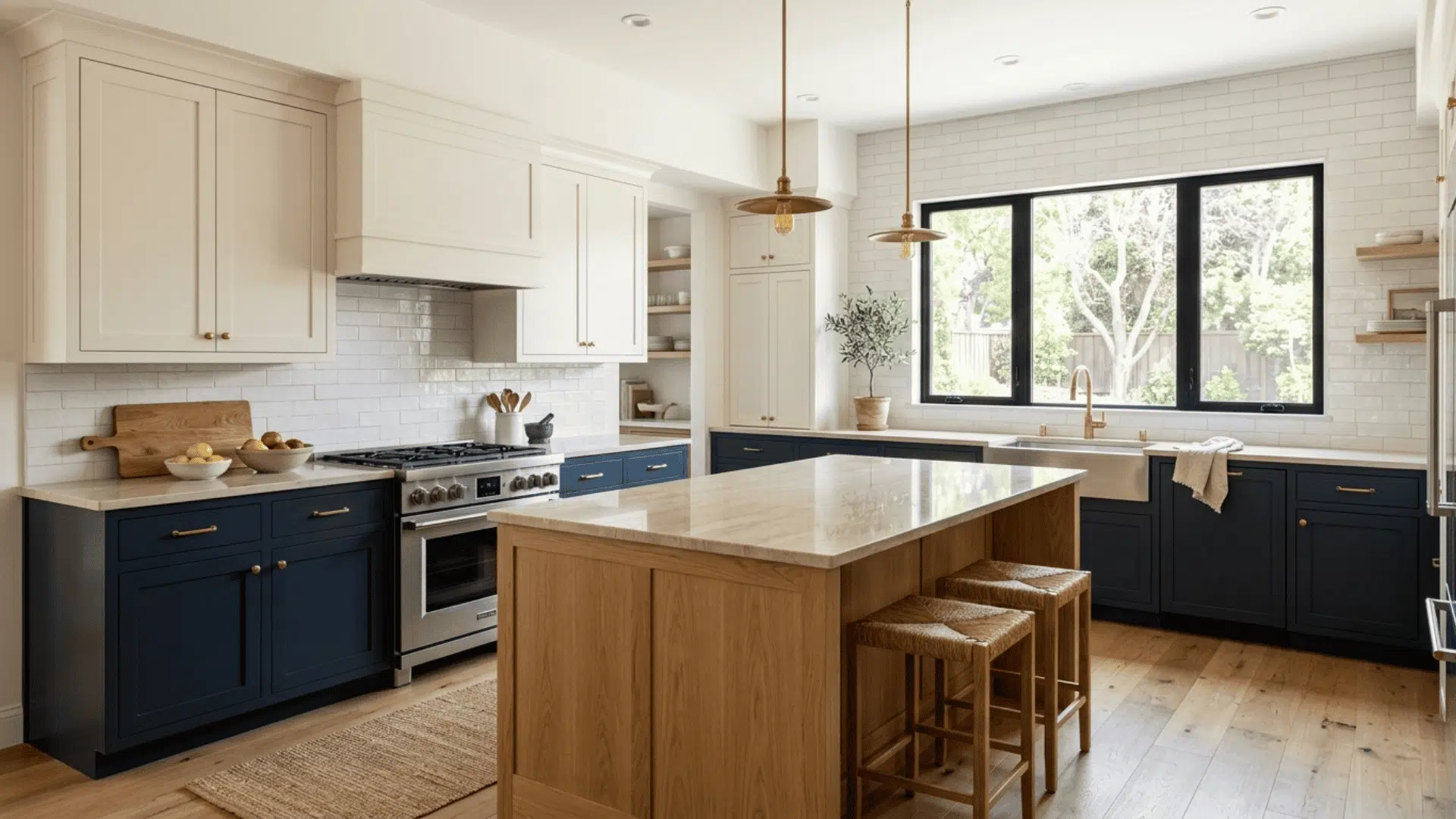
Kitchen cabinet colors can dramatically change the appearance of the entire room.
The perfect kitchen cabinet colors must be an equal combination of what is popular right now and what looks good for the years to come.
It all depends on everything else in the kitchen, from lighting to countertop, from flooring to style itself.
Read on and find out what colors are supposed to both look good now and for many years to come.
How Cabinet Color Changes a Kitchen
As you see, cabinet color occupies a considerable area in the kitchen, thus influencing its general appearance to a great extent.
Soft tones of color like white, cream, and light gray will create an effect of lightness and spaciousness.
Deep colors like navy, charcoal, and black will bring more contrast into the interior and are suitable for bigger kitchens. Soft green and blue hues will introduce color gently.
The right cabinet color can coordinate the countertops, backsplash, flooring, and hardware in the room.
In order to pick up the most appropriate color, one should try out samples on several cabinets and evaluate their looks at various hours of the day.
Best Kitchen Cabinet Colors to Try
The right cabinet color can make your kitchen feel brighter, warmer, or more balanced. These shades work with many layouts, finishes, and home styles.
1. Warm White
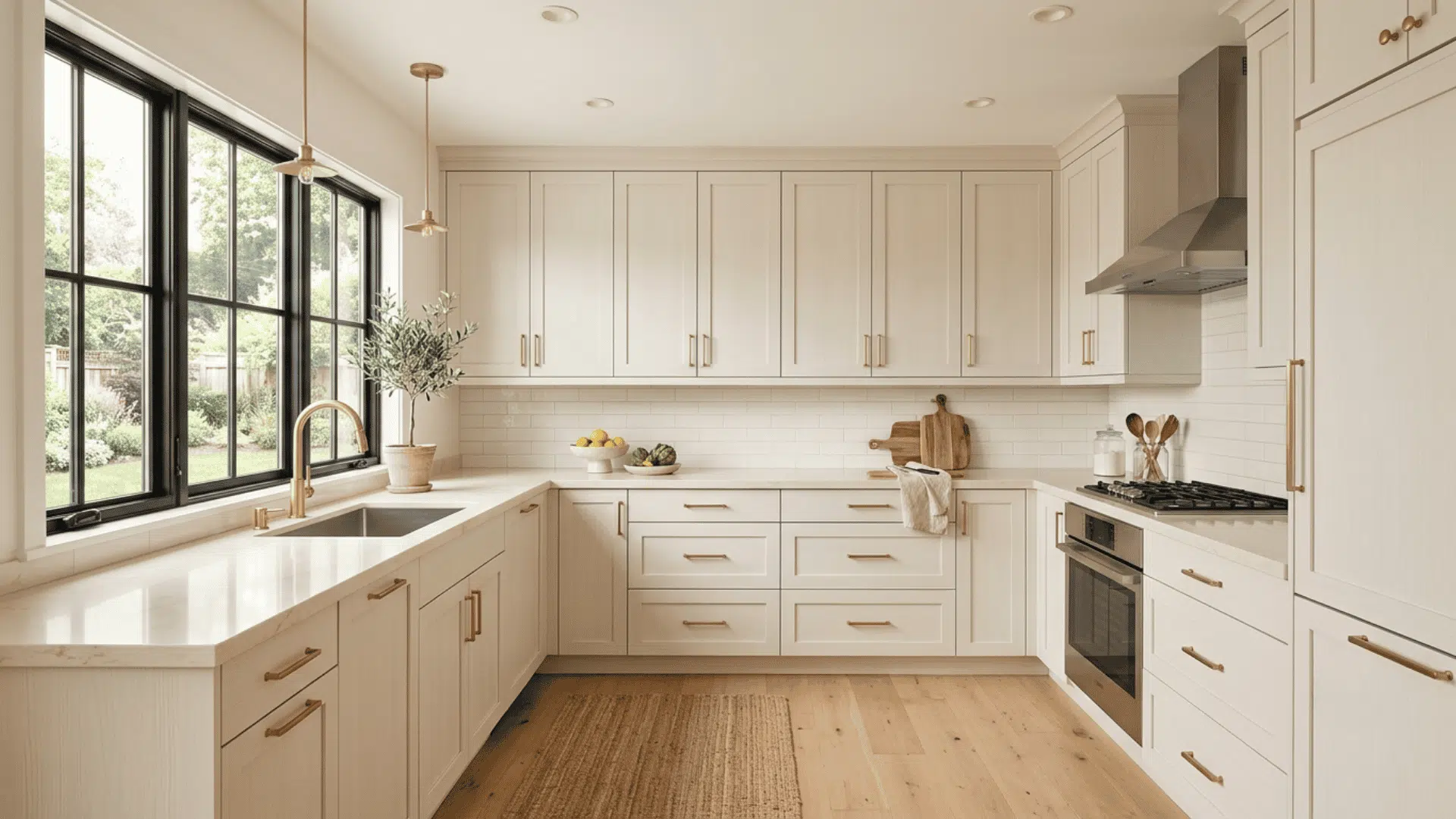
Warm white cabinets give the kitchen a clean look without feeling too sharp or cold. They pair well with wood floors, brass hardware, cream countertops, and soft wall colors.
This shade is useful in kitchens that receive limited natural light because it reflects light while keeping the room comfortable.
Choose a white with beige or yellow undertones, and test it beside your countertop to make sure the finishes do not clash.
2. Soft Cream
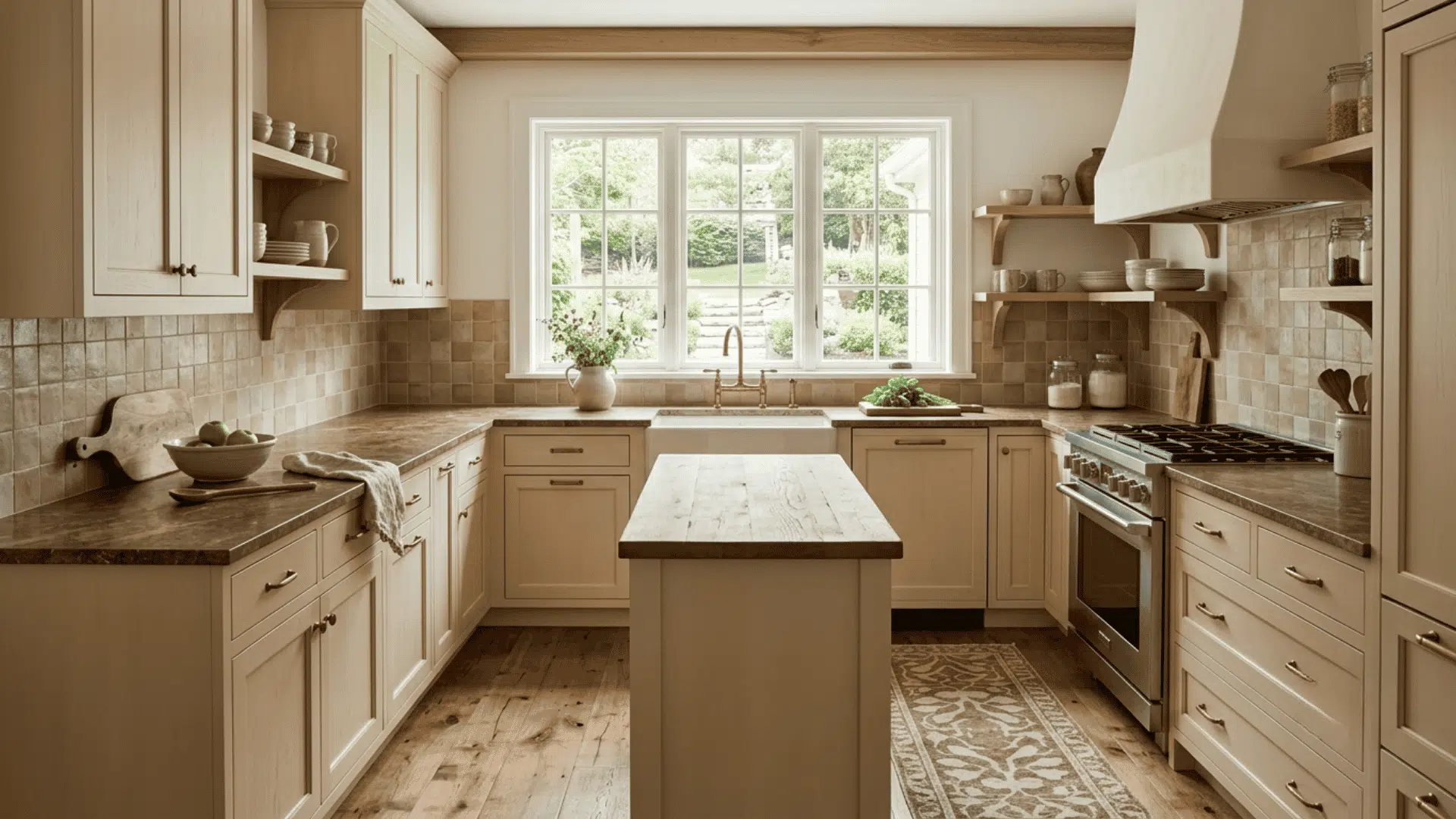
Soft cream adds more warmth than white while still keeping the kitchen light and open. It works especially well in farmhouse, cottage, and traditional spaces.
Pair cream cabinets with warm wood, brown stone, aged brass, or earthy tiles for a connected look.
Avoid creams that appear too yellow under your lighting. A sample painted on a cabinet door will help you see how the shade changes throughout the day and into the evening.
3. Greige
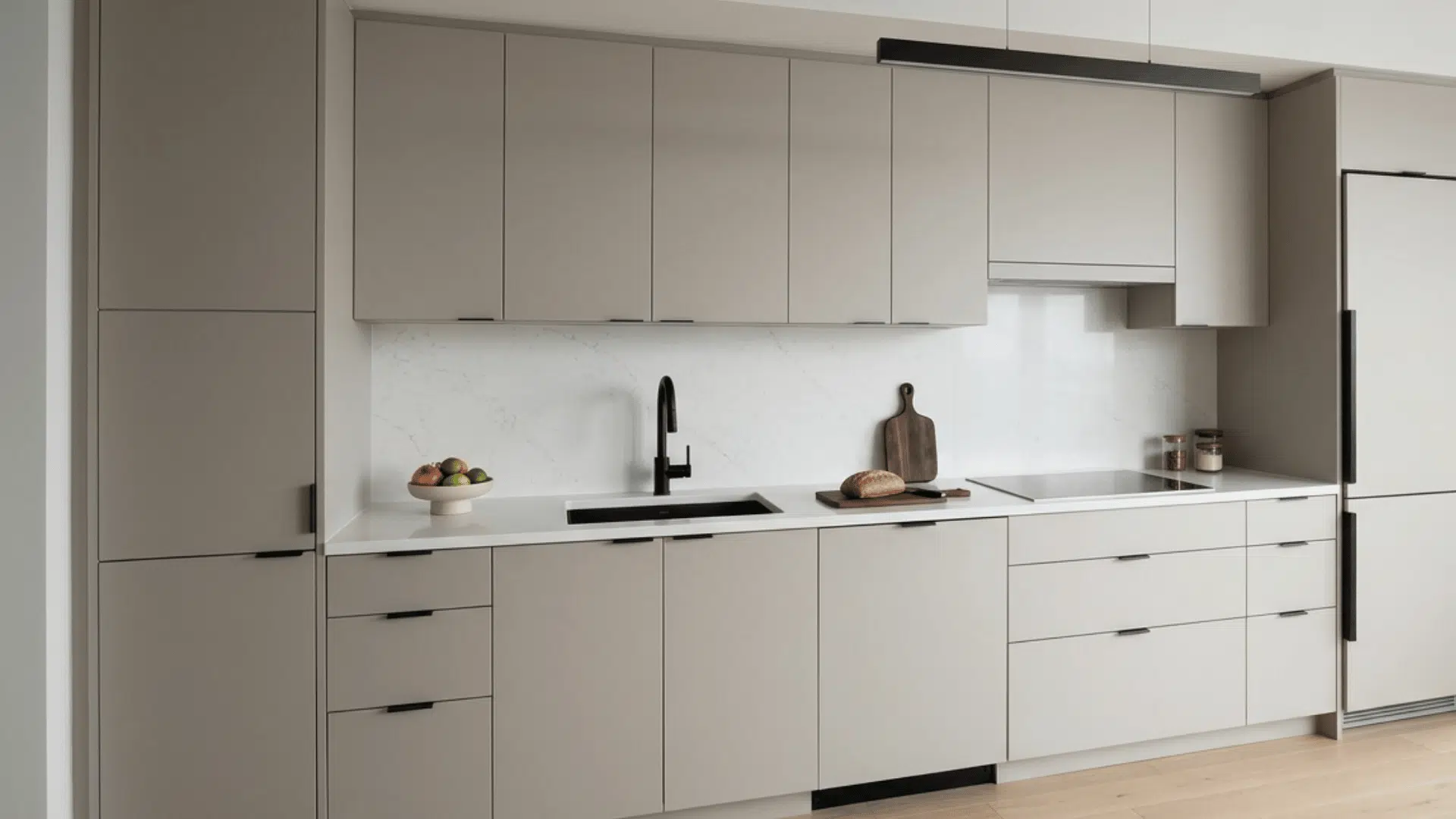
Greige combines gray and beige, making it easy to match with both warm and cool kitchen finishes.
It looks clean beside white quartz, natural stone, dark hardware, and many types of wood flooring. Lighter greige can help a small kitchen feel open, while a deeper shade adds more contrast.
Pay close attention to undertones, since some greige paints lean brown and others appear more gray in rooms with cool lighting.
4. Sage Green
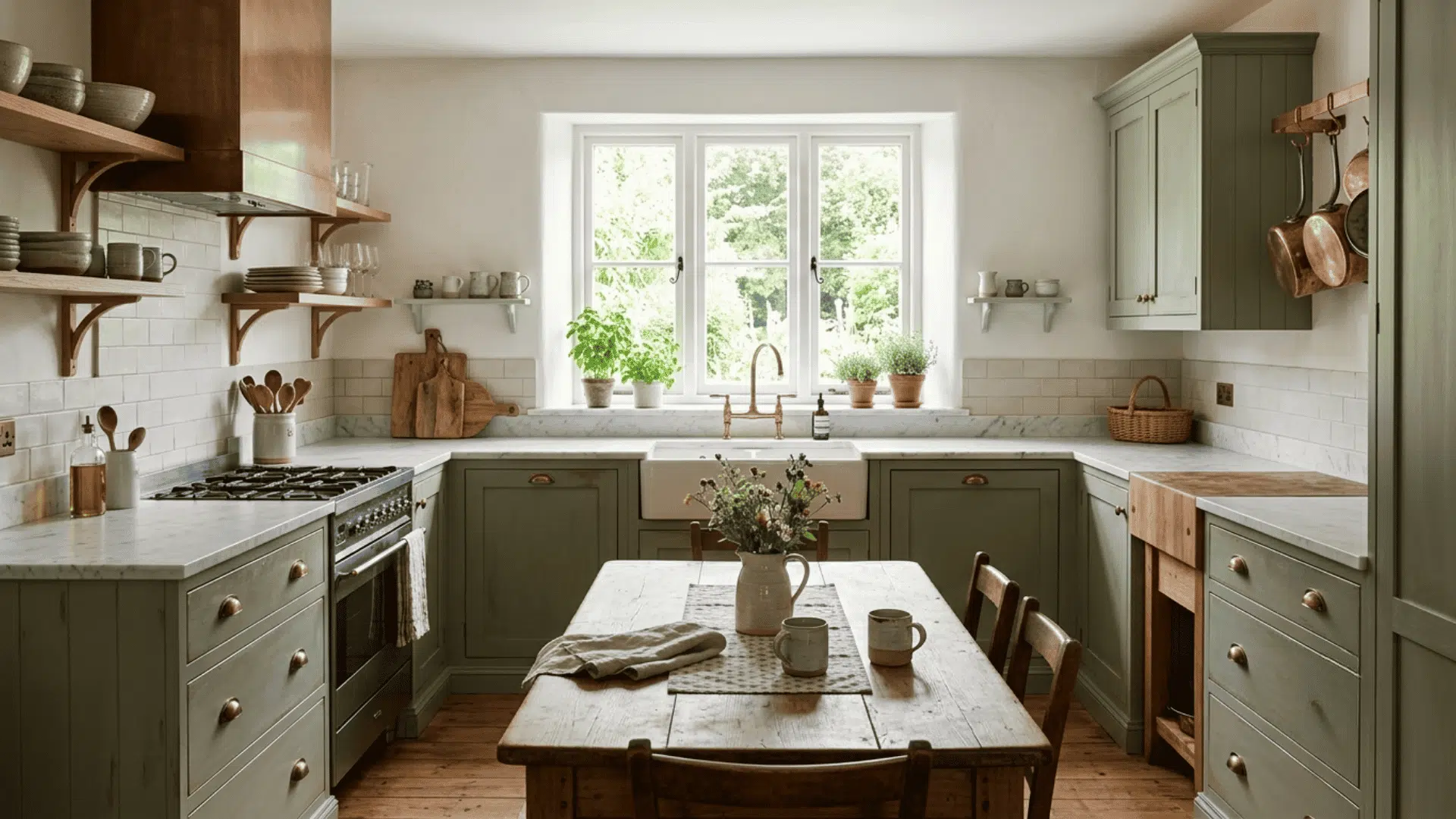
Sage green brings soft color into the kitchen without making the cabinets feel too bold. Its muted tone pairs nicely with warm white walls, wood counters, marble, and brass or black hardware.
It works well in modern, farmhouse, and cottage kitchens. Some sage shades lean gray, while others have stronger yellow undertones.
Test the paint near your flooring and backsplash to make sure the green fits the other colors already in the room.
5. Navy Blue
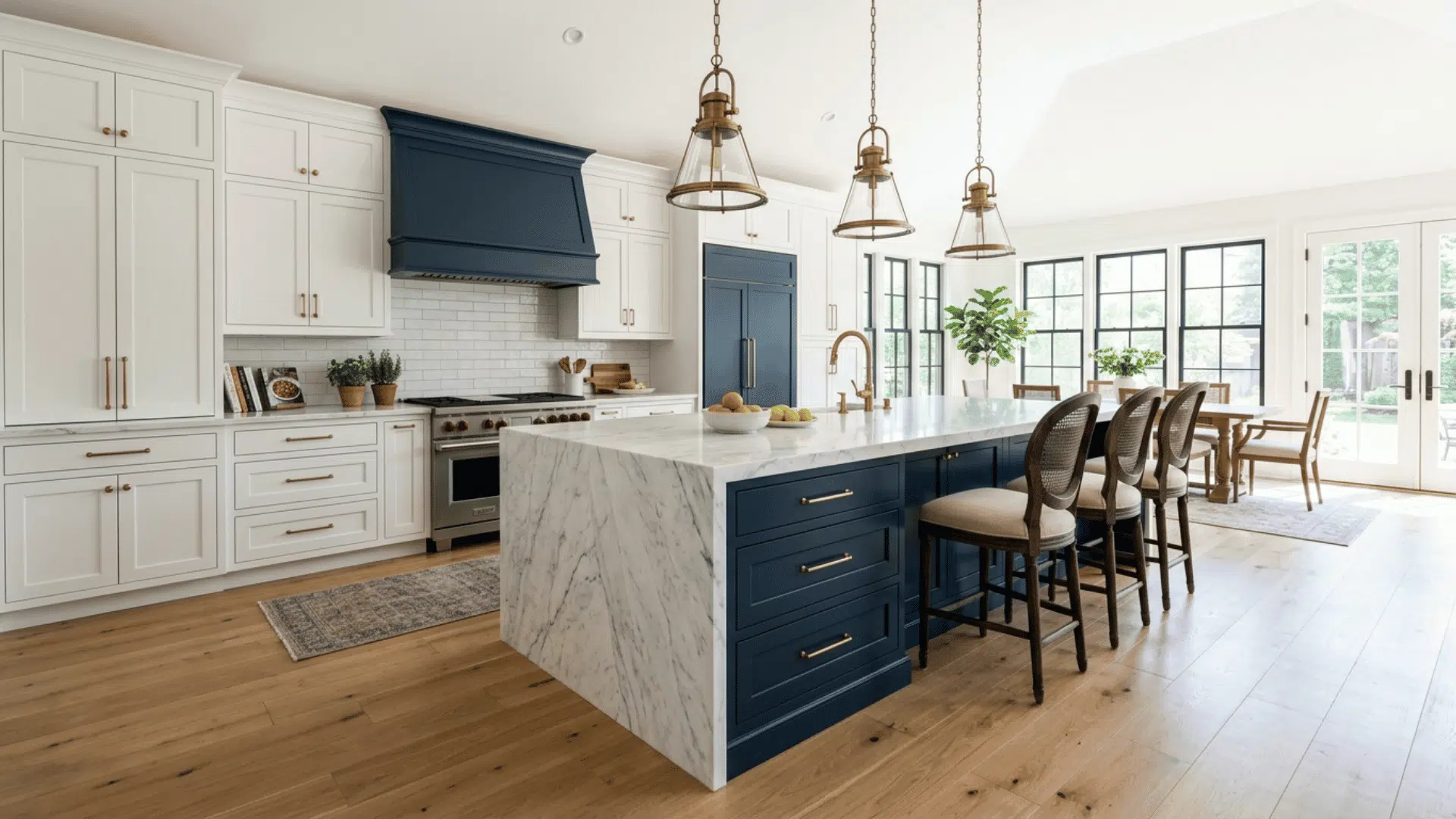
Navy blue cabinets add depth and contrast while still feeling classic. The shade looks especially strong on lower cabinets, a kitchen island, or a full wall of cabinetry.
Pair it with white counters to keep the room balanced, or use wood details for added warmth. Navy works with brass, chrome, and black hardware.
Since dark paint absorbs more light, it usually looks better in kitchens with large windows or strong overhead lighting.
6. Muted Blue
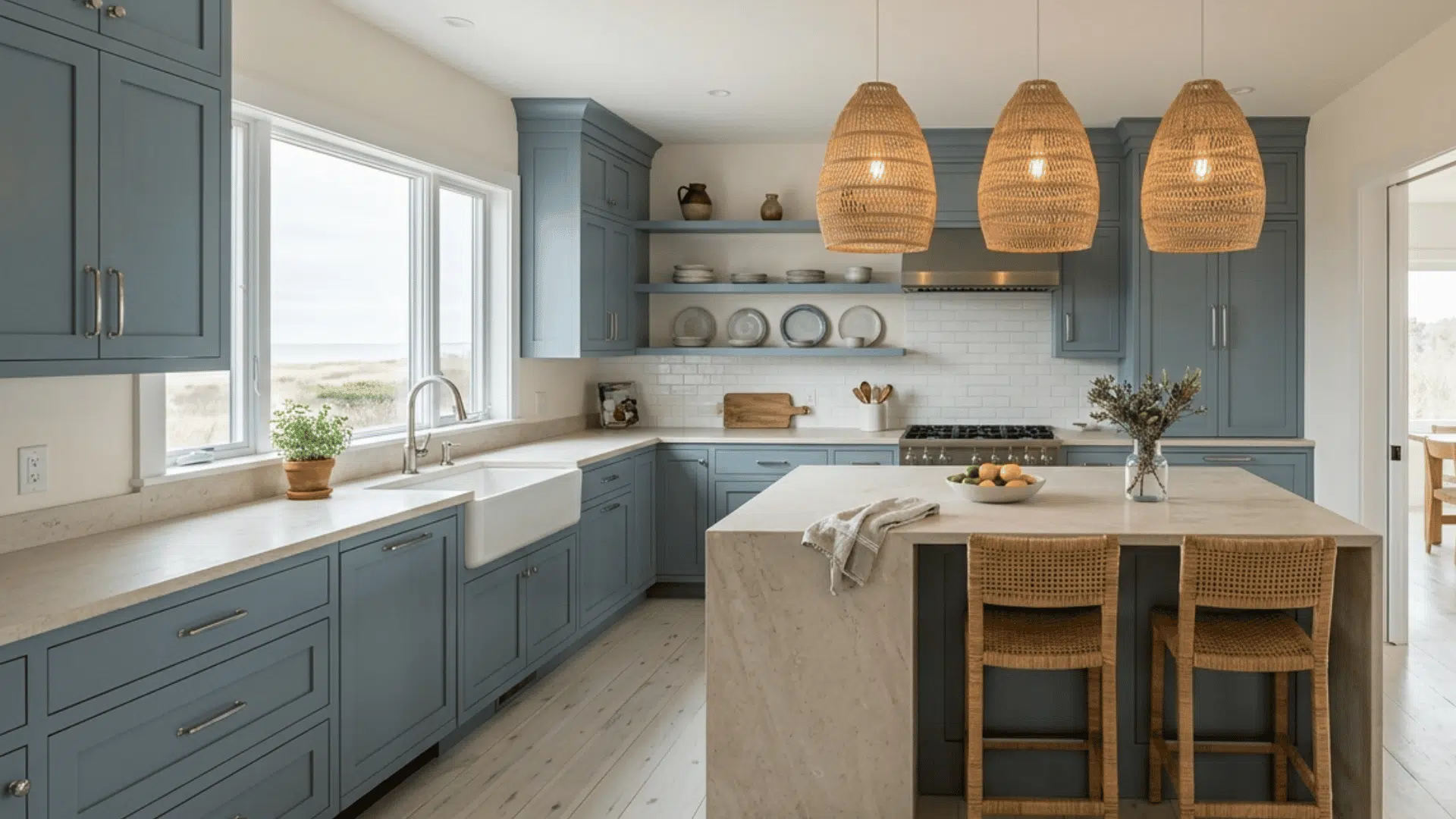
Muted blue gives the kitchen a calm, fresh look without feeling too bright. Soft blue-gray tones work well with white walls, pale wood, silver hardware, and light stone counters.
This color is a natural fit for coastal and cottage kitchens, but it can also suit a simple modern space. Avoid very icy shades in rooms with cool lighting.
A slightly warmer blue often feels more comfortable and easier to match with nearby finishes.
7. Light Gray
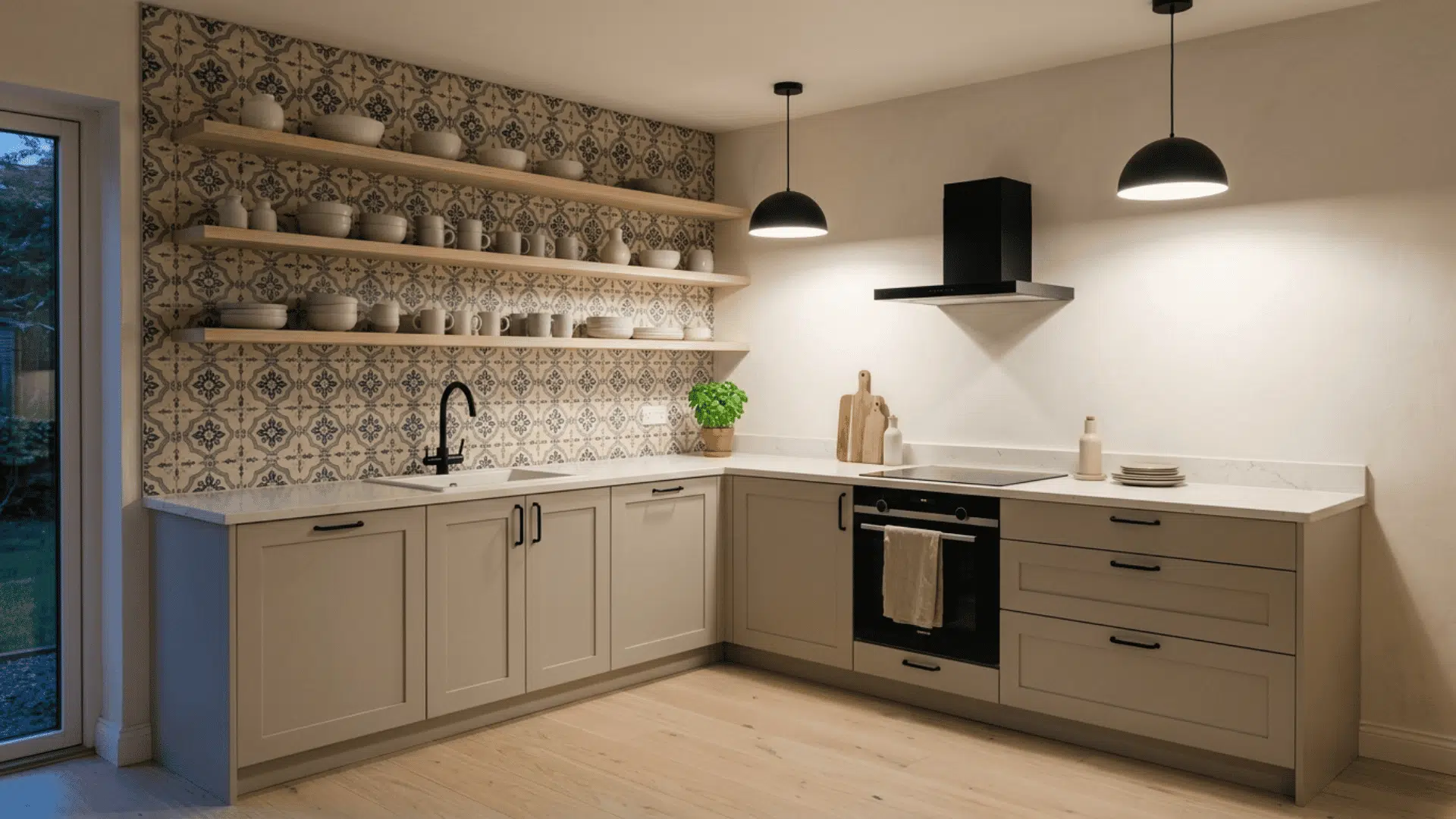
Light grey or grey-and-white cabinets create a simple neutral background that allows counters, hardware, and flooring to stand out.
They work well with white quartz, black handles, wood accents, and patterned backsplashes. A warm gray can keep the kitchen from feeling cold.
Gray paint changes easily under different light, so compare samples in the morning and evening. This helps prevent the shade from appearing blue or purple.
8. Charcoal Gray
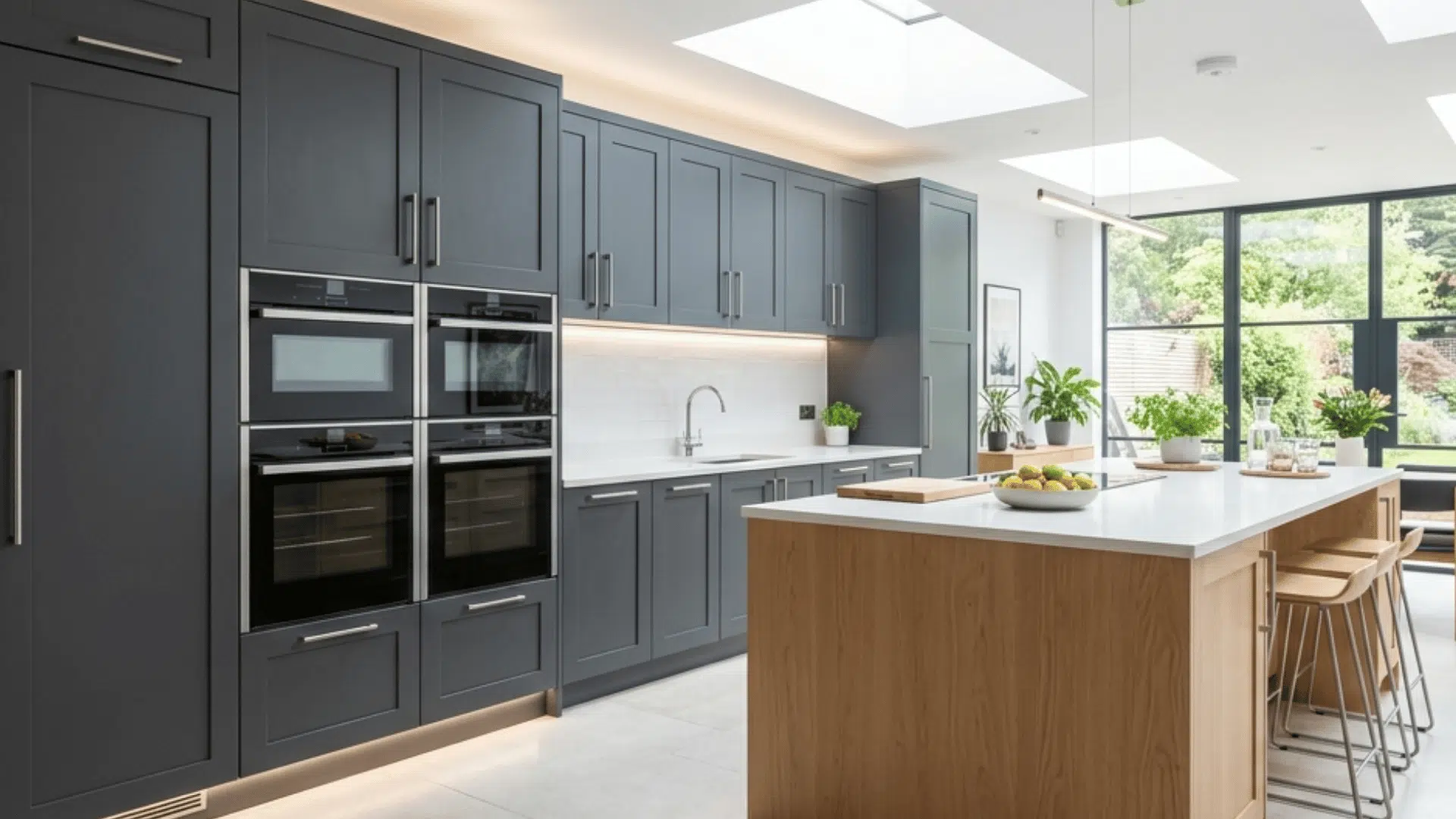
Charcoal gray is a strong choice for homeowners who want dark cabinets without using solid black.
It adds depth while pairing easily with white counters, warm wood, metal hardware, and pale walls.
Since the shade can make a room feel smaller, balance it with lighter surfaces and enough lighting. Matte or satin finishes can also soften its bold appearance.
9. Matte Black
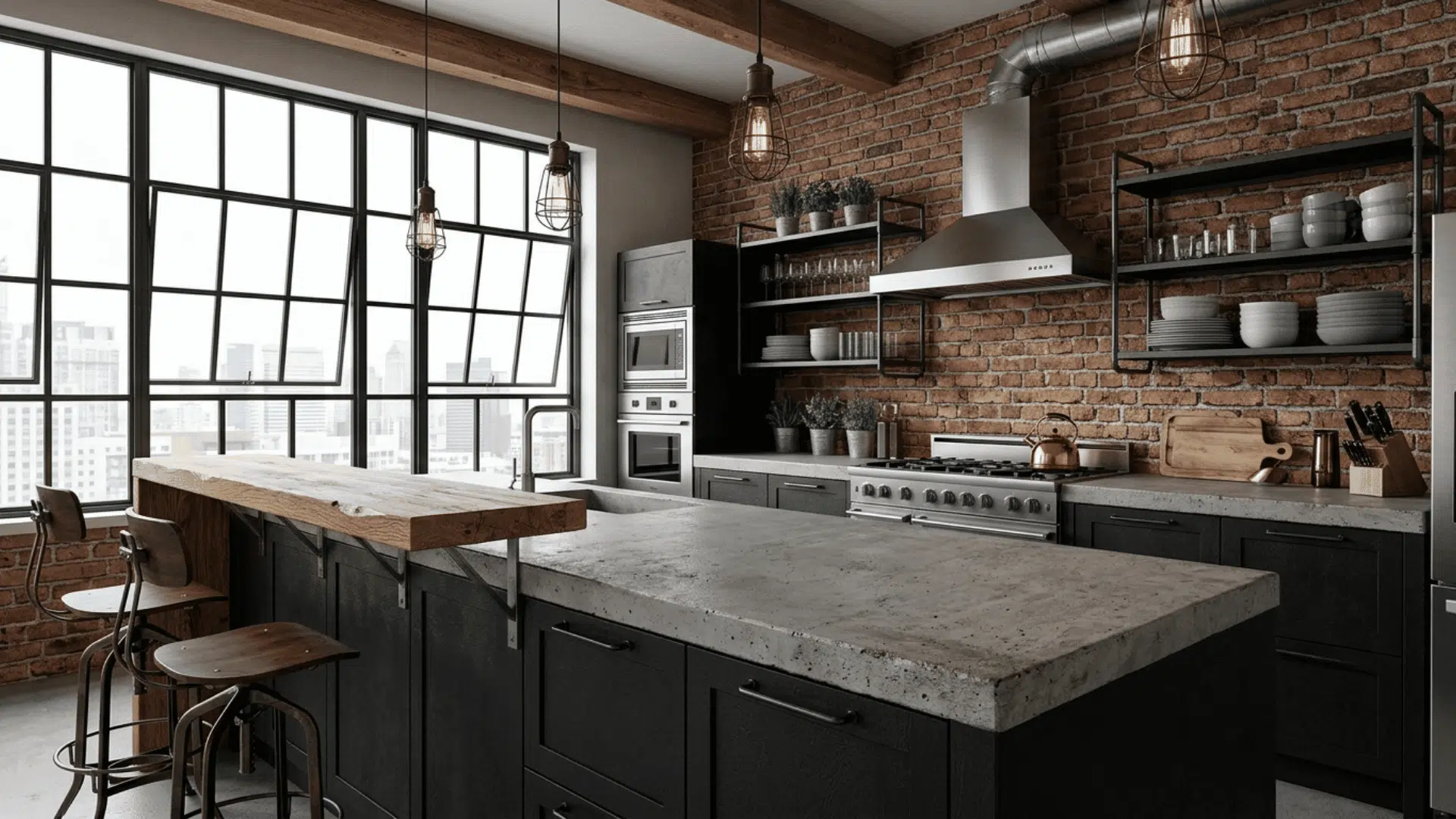
Black matte cabinets are stylish and visually impactful. Black cabinets go well with white stone, wood, concrete, and plain metallic hardware.
The color black can give large kitchens a sense of unity and cohesion. The downside is that black can show dust, fingerprints, and cooking stains.
Apply a wipeable finish and use bright task lights. Small kitchens should avoid black on upper cabinets and opt for black on lower cabinets and island cabinets.
Popular Kitchen Cabinet Color Combinations
Using two cabinet colors can add contrast and help separate different parts of the kitchen. The best kitchen cabinet color pairings feel balanced and work with the counters, floors, and hardware.
| Cabinet Color Combination | Look and Feel | Works Well With |
|---|---|---|
| White and navy blue | Clean, classic, and balanced | Brass hardware, white quartz, wood floors |
| Warm white and natural wood | Light, warm, and relaxed | Cream counters, beige tiles, black handles |
| Sage green and cream | Soft, calm, and welcoming | Wood accents, brass hardware, stone counters |
| Greige and white | Simple, neutral, and easy to match | Marble, light wood, silver, or black hardware |
| Black and natural wood | Bold, modern, and grounded | White counters, concrete floors, simple hardware |
Conclusion
Cabinet color affects your kitchen every single day, so make sure it’s a shade you’ll still want to look at in a few years, not just what’s trending now.
Match it against your lighting, countertops, and flooring before you commit.
Be patient and test a few different samples throughout the day so you can see how the color actually reads in your space.
Which color combination are you leaning toward for your own kitchen? Tell us in the comments.
Frequently Asked Questions
Should Cabinet Interiors Match the Outside Color?
Not always. Many homeowners keep interiors white or natural for a cleaner look and easier visibility.
Which Cabinet Colors Hide Dirt Best?
Mid-tone colors such as greige, muted green, and medium gray usually hide dust and fingerprints better.
Can Old Cabinets Be Painted Successfully?
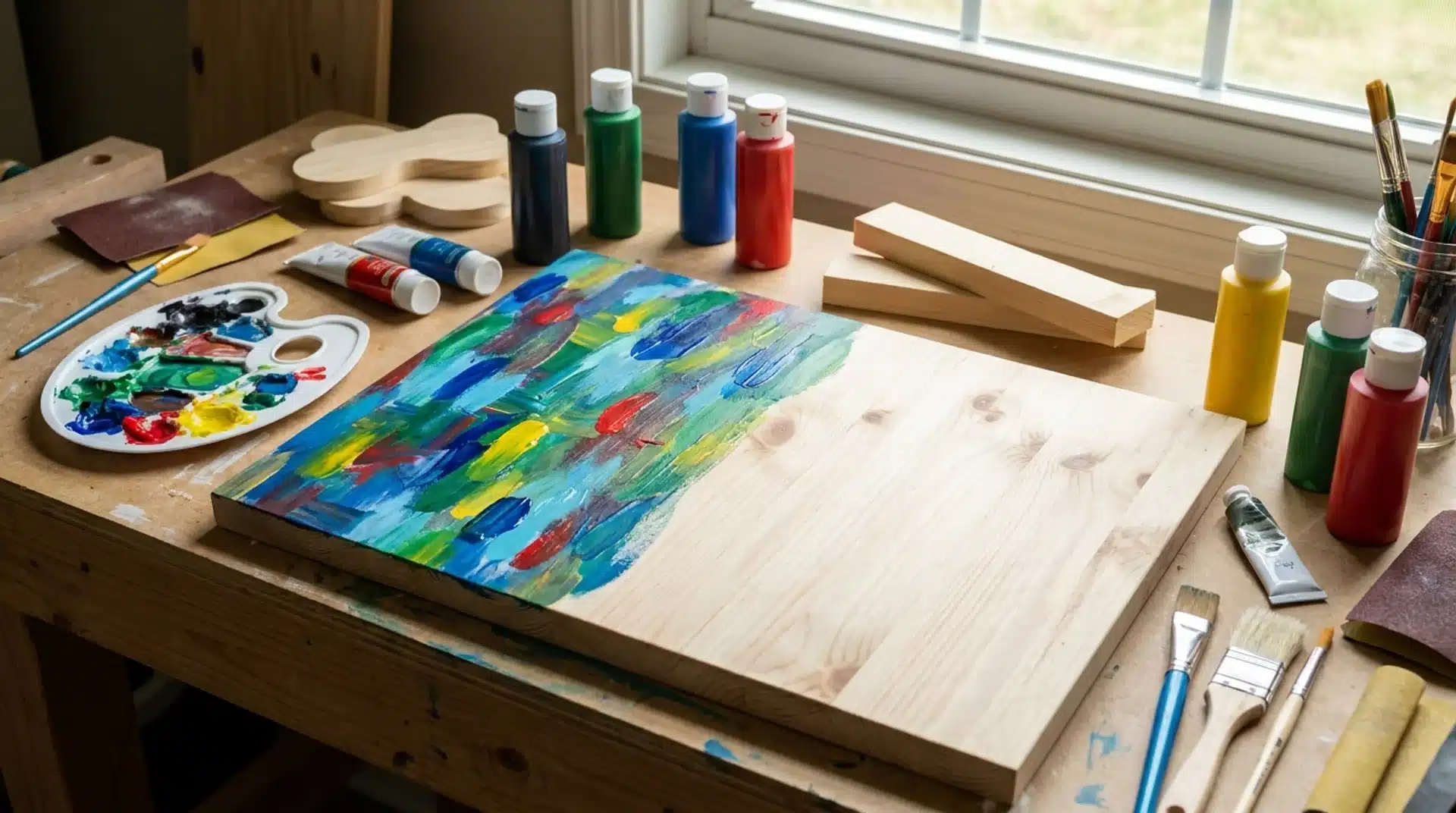
Yes. Proper cleaning, sanding, priming, and curing can help paint bond well and last longer.