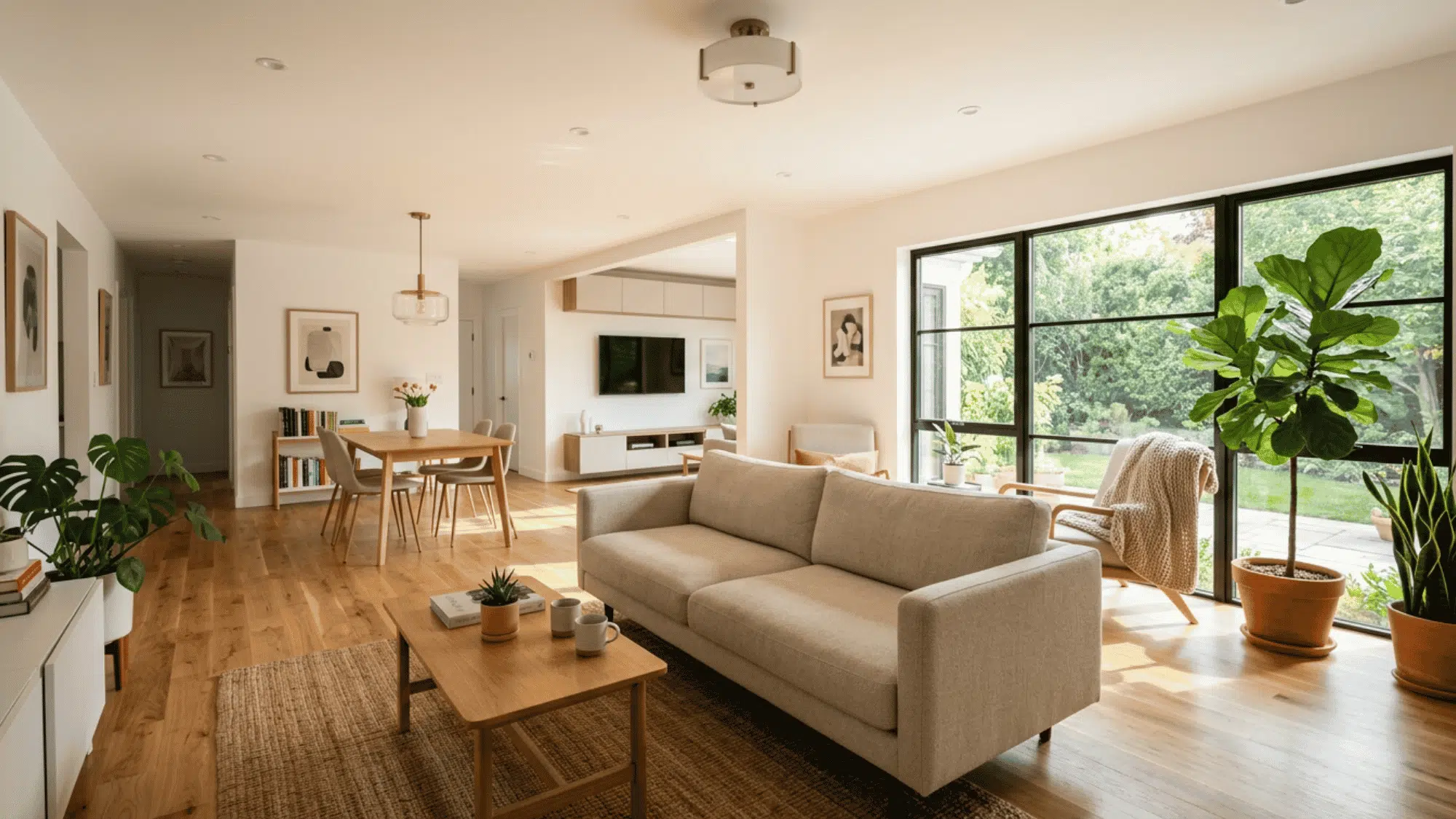
Have you ever looked at a floor plan and wondered why two rooms seem to serve the same purpose?
Many homes include both a living room and a family room, but the difference between them is not always clear.
Normally, they vary based on formality, use and location. The living room can be set up to receive guests or for socializing and conversations.
The family room, on the other hand, is informal and meant for daily activities such as watching TV and playing games.
This post shows the key differences between living rooms and family rooms, along with their typical locations in a house.
What are Living Rooms and Family Rooms?
Living rooms and family rooms may look alike, but they serve different purposes.
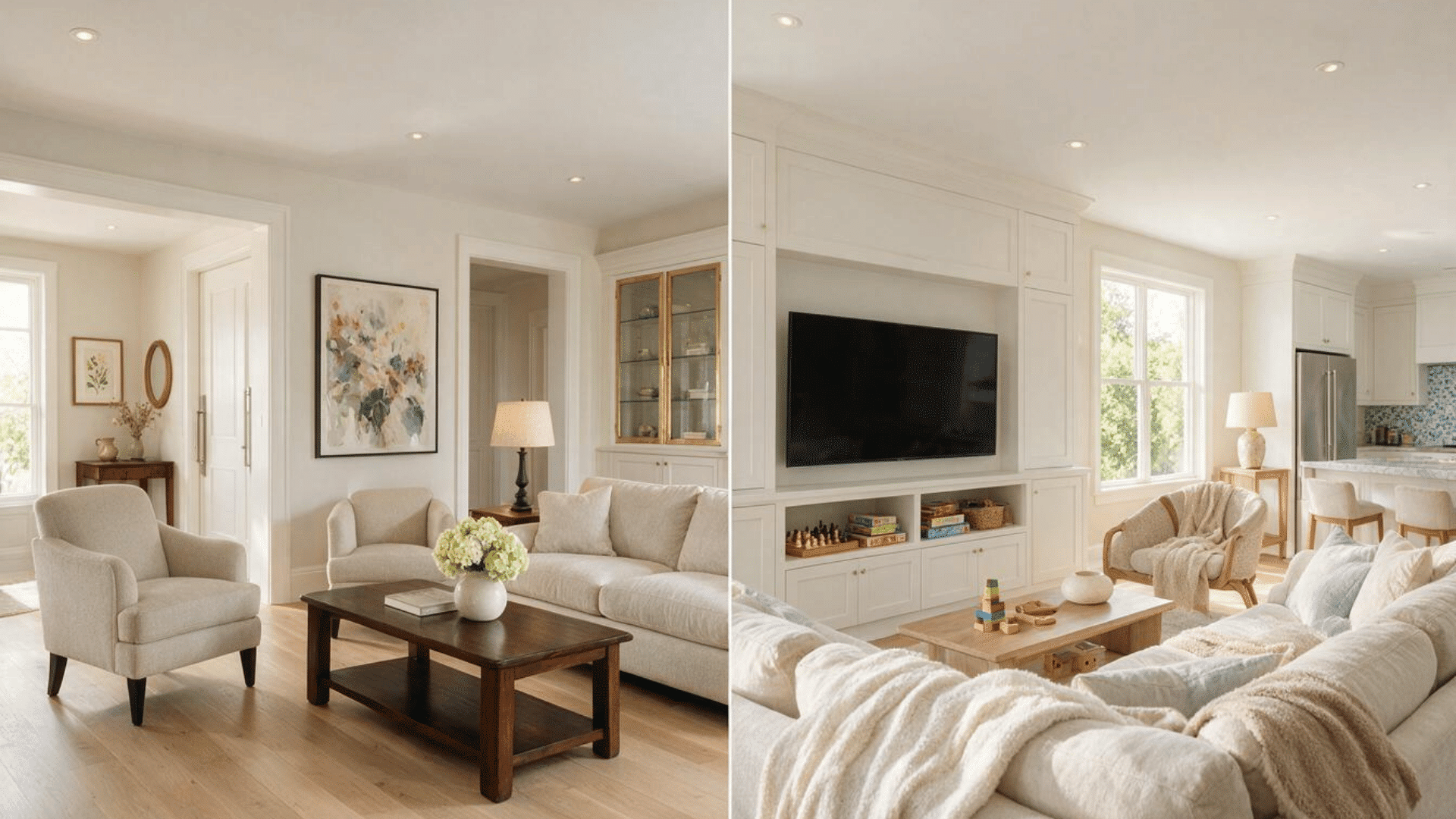
A living room is usually designed to welcome guests and create a polished first impression. It is often located near the main entrance and features decorative furniture.
This formal role isn’t new either, since many older homes set aside a drawing room for the same purpose: receiving visitors.
A family room is a comfortable, durable space for watching TV, playing games, and spending time together, often located near the kitchen or backyard.
While both rooms provide a place to relax and socialize, their layout, style, and location reflect how they are used in daily life.
Key Differences in Formality and Function
Living rooms and family rooms differ mainly in formality, daily use, design, and location. Understanding these differences helps clarify the purpose of each space.
Formal vs Casual Space Comparison
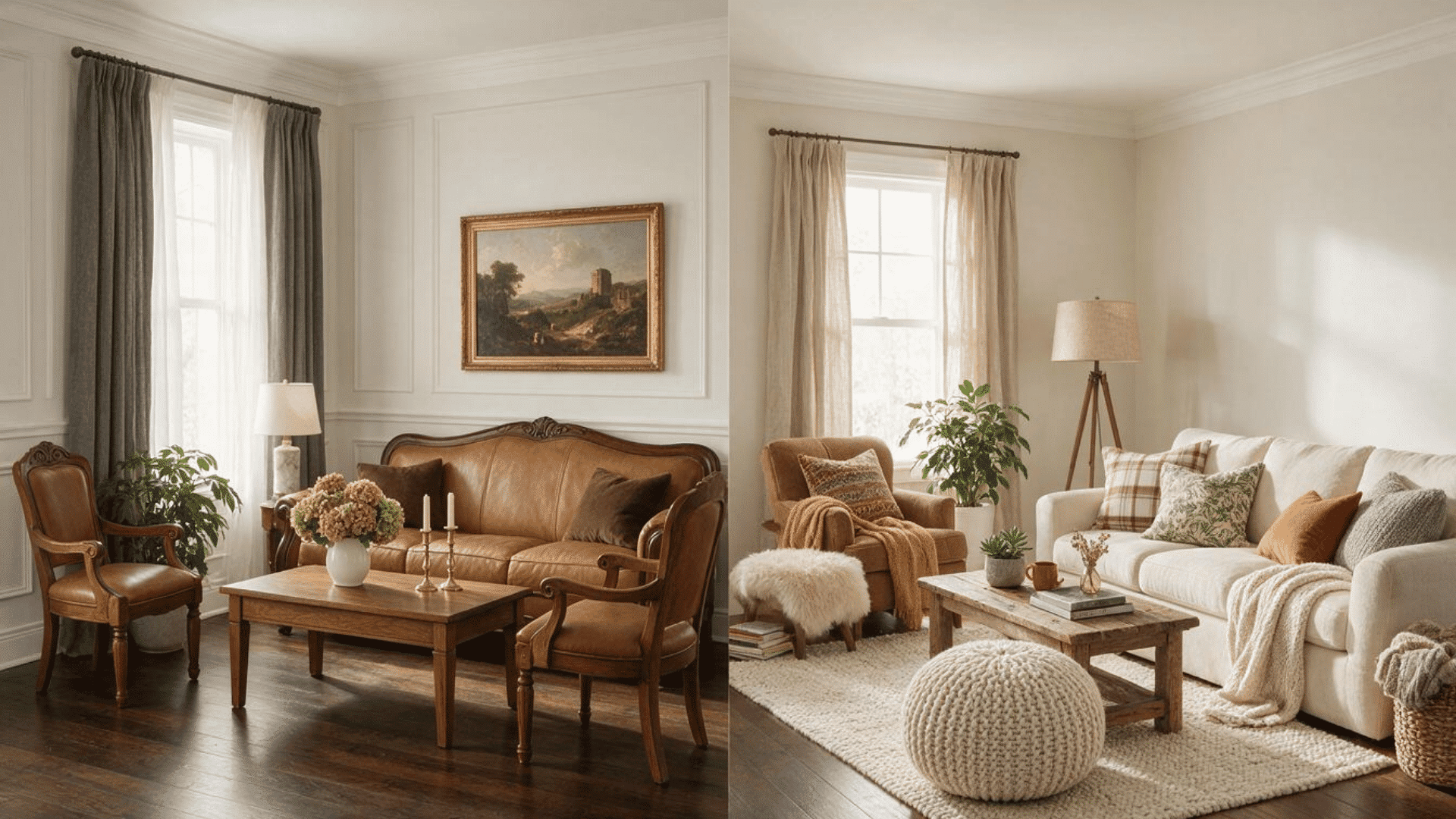
The biggest visual difference between these spaces is the level of formality and comfort they are designed to offer.
- Living rooms have a more formal look with matching furniture and stylish décor.
- Family rooms focus on comfort with soft sofas and durable furniture.
- Living rooms are kept neat for guests and special occasions.
- Decorative items are common in living rooms, while family rooms include practical storage.
- Family rooms often have blankets, toys, books, or games for daily activities.
Everyday Living vs Guest Entertaining
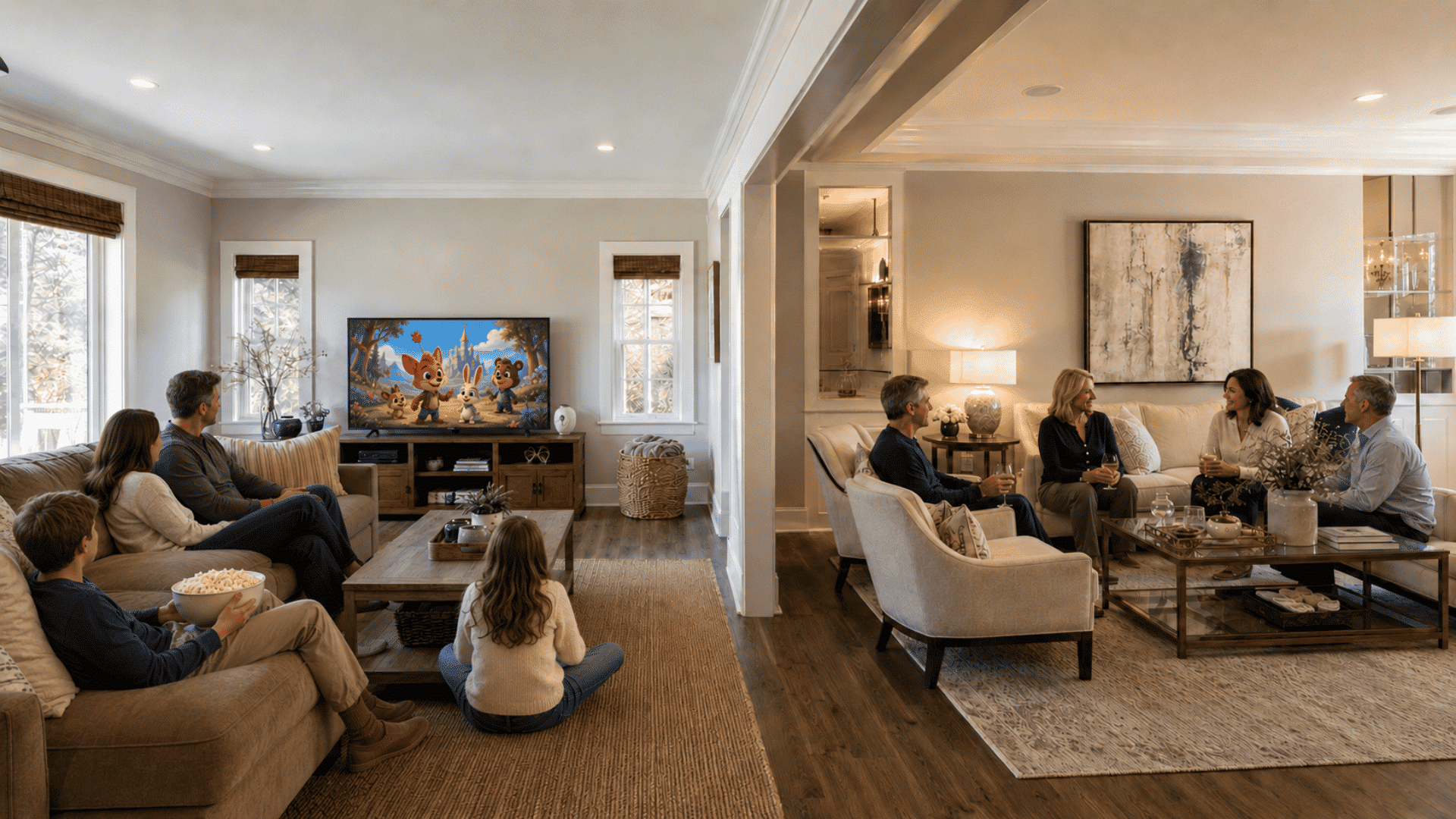
The intended use of each room shapes its layout, furniture, overall atmosphere and functionality.
- Family rooms are made for daily activities like watching TV and relaxing. They provide a comfortable place for spending time together.
- Living rooms are better suited for welcoming guests and hosting gatherings.
- They create a quiet space for conversations or special occasions.
- Living rooms focus more on appearance than everyday function.
- The best choice depends on how your household uses the space.
Placement Near The Entrance vs The Back of The House
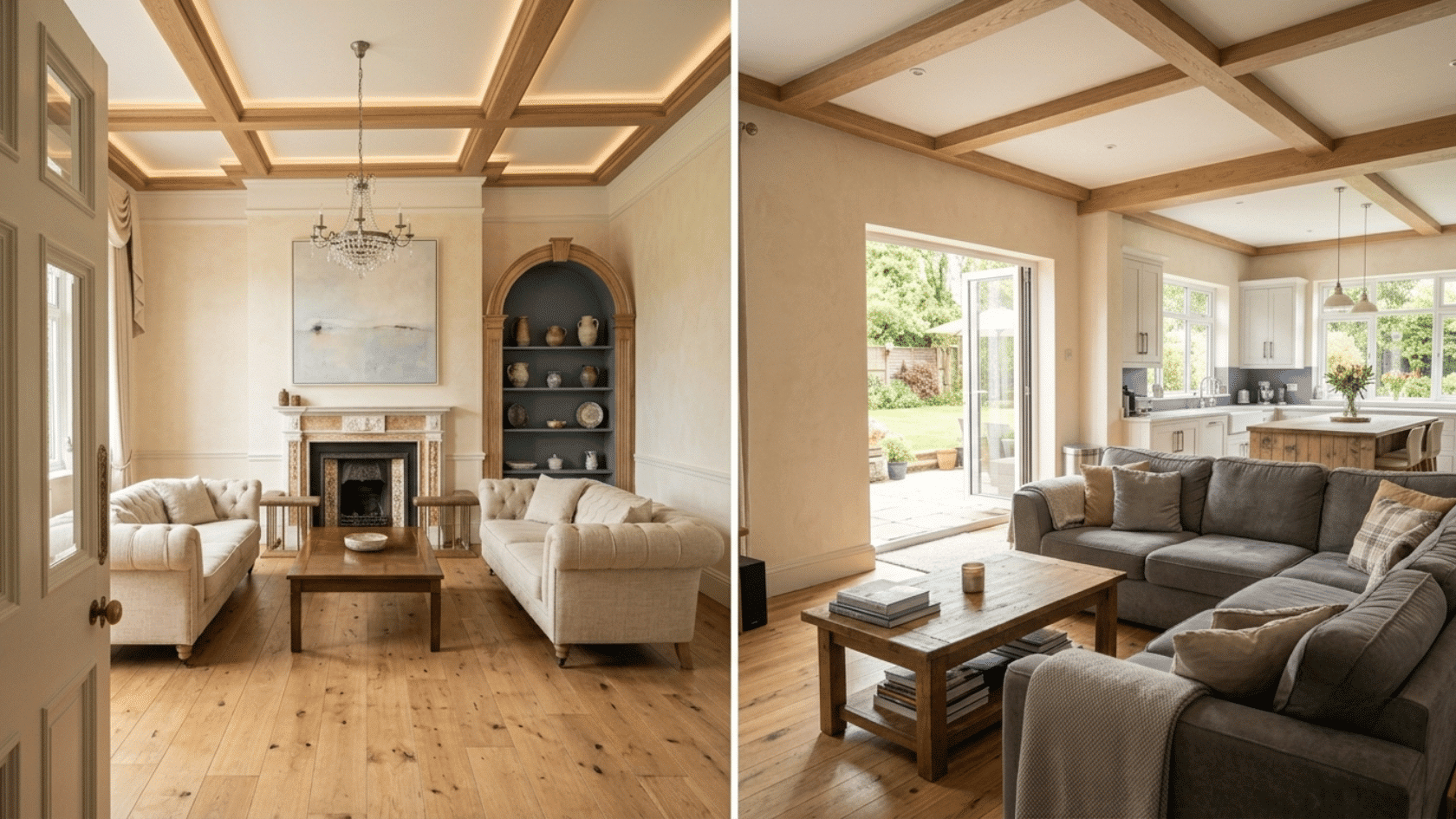
The location of each room within the home reflects its primary function and how people move through the space.
- Living rooms are usually located near the main entrance, especially for guests.
- Family rooms are often placed near the kitchen or backyard.
- Their location makes it easy to move between cooking, dining, and relaxing.
- A family room supports everyday routines and busy household activities.
- Living rooms offer a welcoming first impression for visitors. The room’s location helps match its purpose within the home.
How Furniture Choices Differ
Furniture is one of the easiest ways to differentiate a living room from a family room.
Living room arrangements usually feature coordinated sofas, accent chairs, coffee tables and decorative accessories that create a polished and inviting space for guests.
Materials such as leather, velvet, or fine fabrics are common because the room is used less often. Family rooms, in contrast, prioritize comfort and durability.
They often include large sectional sofas, recliners, storage ottomans, media consoles, and stain-resistant fabrics that can handle everyday use.
Family rooms usually arrange comfortable seating around a TV, with furniture chosen for everyday use and easy movement.
How to Decide Which Room Fits Your Lifestyle
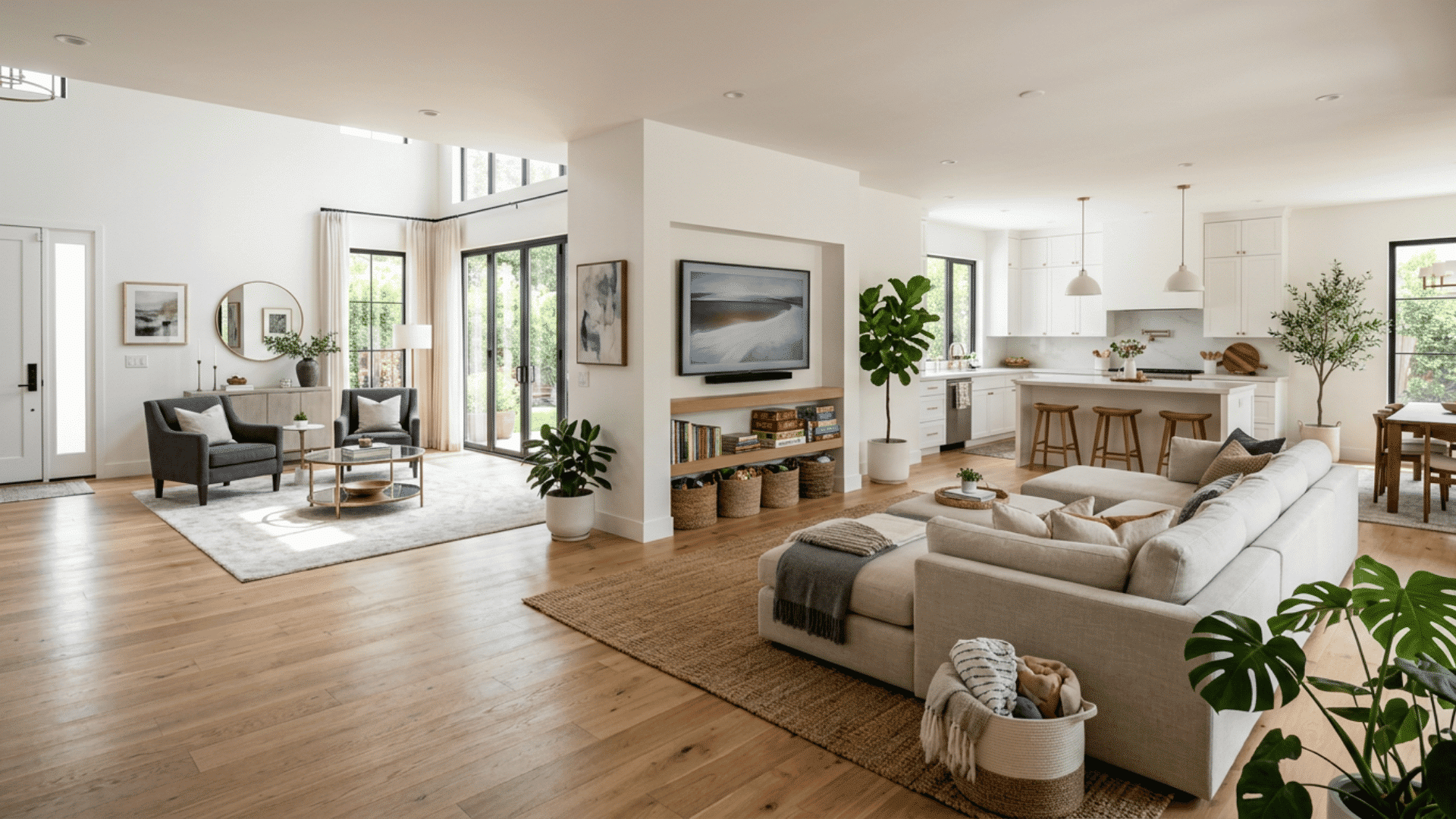
Start by considering how your household spends time at home.
A living room may be the better choice if you often welcome guests, prefer quiet conversations, or want a polished space for special occasions.
For families who watch TV, play games, or spend quality time in the house, the family room serves perfectly. In the family room, you will find cozy, sturdy furniture with adequate storage areas.
Think about the location as well. A room closer to the entryway can make it easy for guests, whereas a room close to the kitchen makes it easier for family.
When you lack space, design both rooms as one with comfortable furniture, no clutter and ample storage space. This combined layout is often called a great room.
Conclusion
Living rooms and family rooms may include similar furniture, but they serve different purposes. A living room creates a welcoming space for guests, quiet conversations and special occasions.
A family room is designed for everyday comfort, relaxation, entertainment and spending time together. The right choice depends on your lifestyle, available space and daily routine.
Some homes benefit from having both rooms, while others work well with one flexible space that combines comfort, function, and style to meet the needs of the entire household.
Share which room works best for your home in the comments.
Frequently Asked Questions
Can You Convert a Living Room into a Family Room?
Yes. Update the seating, lighting, storage and entertainment features to match the room’s new purpose without making major structural changes.
Does a Family Room Need to be near The Kitchen?
It’s not required, but it’s common. Placing the family room near the kitchen makes it easier to cook, supervise kids, and socialize at the same time, which supports everyday routines.
What is The 2/3 Rule for Living Rooms?
It’s a design guideline where the rug covers two-thirds of the seating area, the sofa spans two-thirds of the wall, and the coffee table stands two-thirds of the sofa’s height.