Many people assume ICF homes are just another version of concrete construction, but they’re quite different.
The biggest surprise often comes after the walls are built, when the home feels noticeably quieter and better insulated than expected.
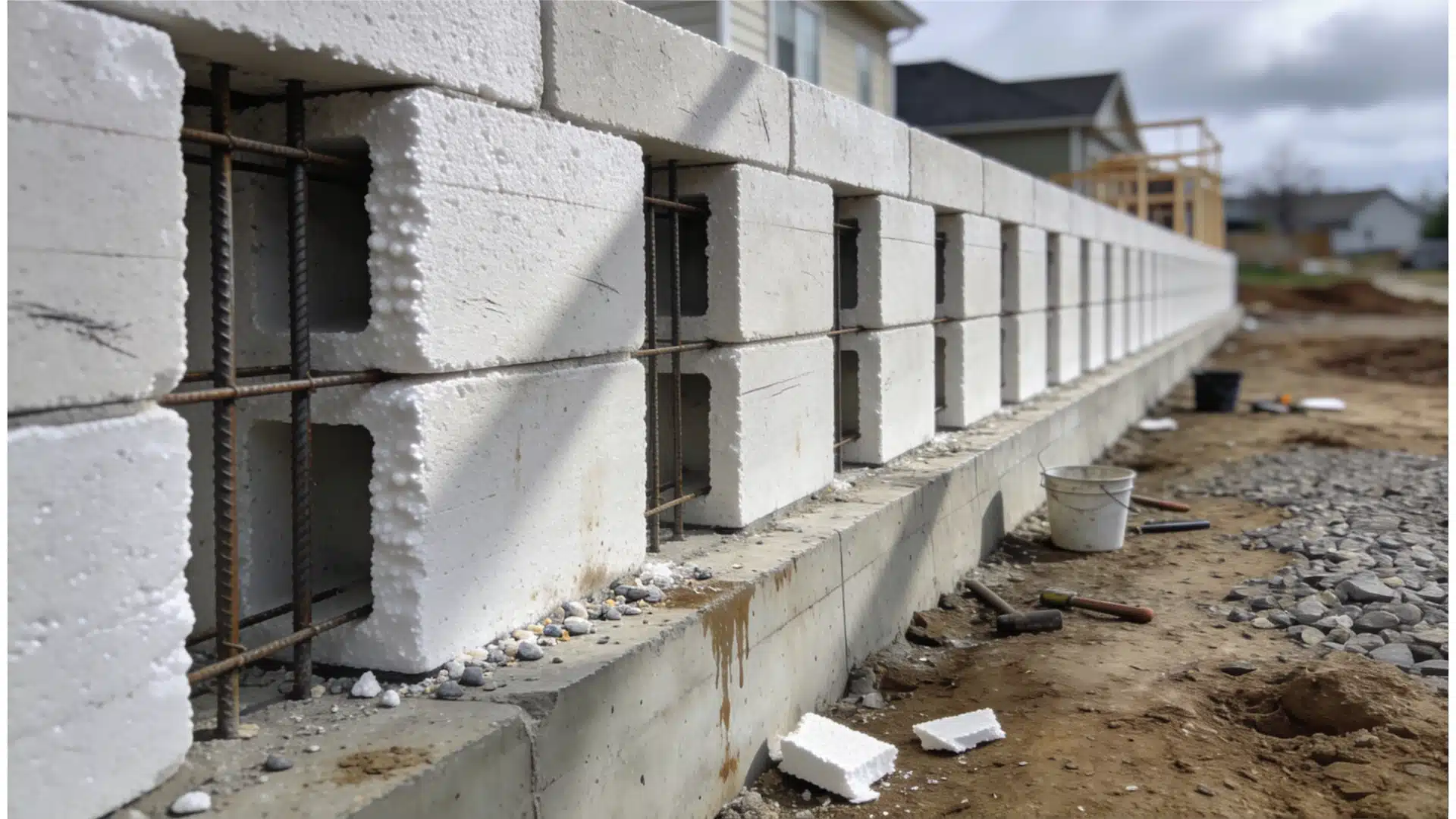
ICF, or insulated concrete forms, are hollow foam blocks stacked together, reinforced with steel, and filled with concrete. The forms stay in place permanently, creating walls that are strong, energy-efficient, and durable.
For anyone thinking about building a new home, this guide explains what ICF homes are, how they’re built, their pros and cons, and whether they’re the right choice for the project. Reading on can help homeowners make a more informed decision before they build.
What Are ICF Homes?
ICF homes go up out of hollow foam blocks, usually expanded polystyrene, that interlock like giant Lego pieces.
Builders stack them, drop steel rebar into the cavities, and pour concrete into the cavities. That’s the whole trick.
The difference from regular concrete construction: normal forms get stripped off once the concrete sets. ICF forms don’t.
That combo solid concrete core, insulation baked in is why these houses tend to run quieter and hold temperature better than a stick-built home. For a broader look at how concrete homes perform overall, see concrete homes before comparing them to ICF.
How Are ICF Homes Built?
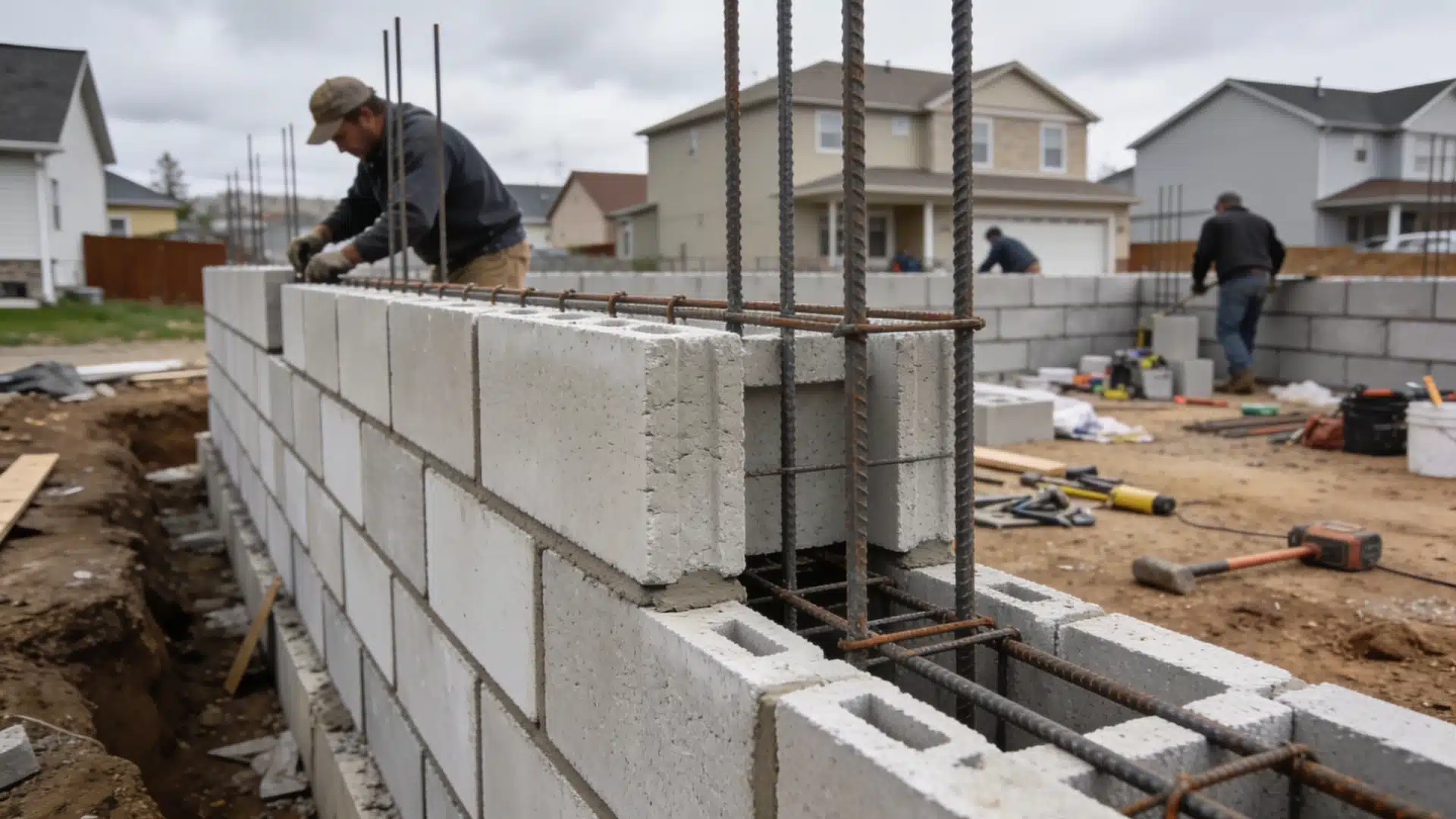
Building an ICF home isn’t nearly as complicated as it sounds. It starts the same way any concrete home does: a standard or insulated foundation goes in first.
From there, crews stack the ICF blocks around the perimeter, leaving gaps for doors and windows as they go.
This setup differs from house rewiring in an existing home, where crews usually have to open up finished walls to run new lines.
Rebar gets threaded through the hollow cores before concrete gets poured in, not all at once, but in lifts, so the walls don’t blow out under the weight.
Once the concrete sets, you’ve got one continuous wall, with the foam staying in place on both sides as permanent insulation.
Drywall clips onto furring strips built into the foam, and whatever you want outside, brick, siding, or stucco, goes straight onto the forms too.
The Pros of ICF Construction
ICF homes hold up well over time, and the energy savings alone are enough to make many people switch.
- Lower Energy Bills: Continuous insulation reduces heat loss, so most ICF homes use 30-50% less energy for heating and cooling.
- Serious Durability: Concrete walls resist bad weather, mold, rot, and termites. While concrete may develop hairline cracks, repair is usually simpler than fixing structural wood damage.
- Quieter Inside: Dense concrete blocks block out noise better than standard walls do.
- Built to Last: A well-built ICF home can hold up for 75 to 100 years, sometimes longer.
The Cons of ICF Construction
ICF homes aren’t without trade-offs, and it’s worth knowing about them before you commit.
- Costs More Upfront: Expect to pay 5-10% more than you would for wood framing.
- Thicker Walls: The insulation and concrete core eat into interior floor space a bit.
- Hard to Change Later: Adding a window or moving a door after the fact is a bigger, pricier job than it would be with wood framing.
- Needs the Right Crew: Not every contractor knows ICF; you want builders who’ve actually done it before.
Is ICF Right for Your Project?
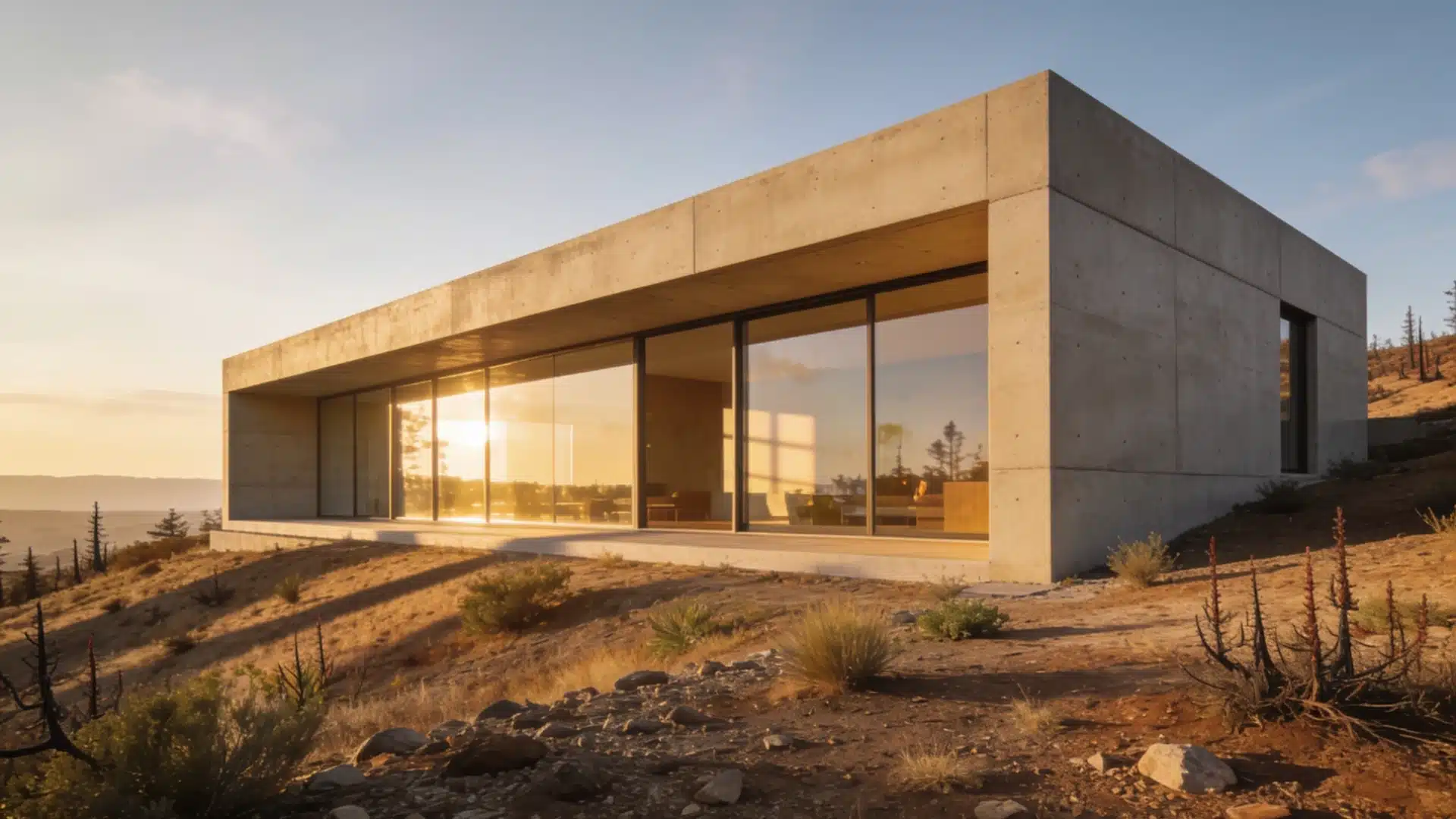
Not every project is the right fit for ICF construction, but in the right situation, it can provide long-term durability, energy savings, and peace of mind. Here’s where ICF homes make the most sense and where they may not :
1. Extreme Weather Areas: ICF makes a lot of sense if you’re building somewhere that regularly deals with hurricanes, tornadoes, or other severe weather. Concrete walls simply take a beating better than wood ever will, standing up to high winds and flying debris without the same risk of structural damage.
2. “Forever” Homes: It’s also a solid fit if you’re planning to build a home meant to last, something designed to sit there for decades without much upkeep. The concrete core doesn’t warp, rot, or need the kind of ongoing maintenance wood framing eventually demands.
3. Energy Efficiency Goals: If cutting energy bills matters to you, ICF pairs well with net-zero or passive-house goals. The insulation is already doing half the work, so you’re not fighting an uphill battle to hit those efficiency targets.
4. When It Doesn’t Make Sense: ICF isn’t the right call if keeping upfront costs as low as possible is the main priority, since it typically costs more than wood framing. It also doesn’t suit projects where you expect to make big design changes mid-build, or later on, concrete walls are far less forgiving to modify than wood framing once they’re set.
What Homeowners Have to Say About ICF Homes
Homeowners who have built or lived in ICF homes frequently mention lower energy bills, quieter interiors, and long-term durability. They also discuss the importance of hiring experienced ICF contractors before starting construction.
“Most builders are content to slam out houses that everybody else has. If you want a superior product with lower energy and maintenance costs, then ICF is worth it.” Reddit
This homeowner felt the higher upfront investment was justified because of lower utility costs and long-term performance. Many ICF owners share a similar perspective after living in their homes.
“ICF is very popular with DIYers to save money. An ICF home will be much more efficient, quieter, and built more quickly.” Reddit
This experience highlights two benefits that owners repeatedly mention: improved energy efficiency and excellent sound insulation. Faster construction can also be an advantage with an experienced crew.
“My parents’ home has had an ICF basement for thirty years. Best decision they made during the build.” Reddit
Long-term homeowners often praise the durability of ICF construction. Many report that the structure continues to perform well decades after completion with minimal maintenance.
What Comes Next for ICF Construction
ICF construction is likely to continue growing as building codes tighten. More states are pushing stricter energy requirements, which plays right into ICF’s hands, since the walls are already highly insulated.
At the same time, more builders are being trained specifically in ICF, which should bring installation costs down as more people know how to do it right.
Insurance companies are catching on too. Some are already offering lower premiums for concrete-core homes in areas prone to hurricanes, high winds, or wildfires.
Materials are changing as well manufacturers are working on recycled and bio-based foam forms to cut down on environmental impact. Put it all together, and ICF is becoming a cheaper, more sustainable bet for anyone thinking long-term.
Conclusion
Choosing an ICF home means weighing a higher upfront investment against long-term benefits like improved energy efficiency, exceptional durability, quieter interiors, and lower maintenance costs.
While the construction method isn’t the right fit for every project, it can be an excellent option for homeowners planning to stay in their homes for years and seeking greater comfort and resilience.
Before making a decision, compare quotes from experienced ICF contractors and evaluate how the long-term savings align with your budget and goals.
If you found this guide helpful, share it with others planning a new home and leave a comment below with your questions or ICF-building experience.
Frequently Asked Questions
How Long Does an ICF Home Last?
With proper construction, ICF homes typically last 75 to 100+ years, outperforming both wood framing and CMU block in longevity testing.
Are ICF Homes Soundproof?
Not fully soundproof, but ICF walls are highly effective at reducing sound transfer. The foam absorbs sound and the dense concrete core reflects it, making ICF a popular choice for homes near busy roads or in noise-sensitive settings.
Can You Mount a TV or Cabinets on an ICF Wall?
Yes. Most ICF systems include built-in fastening strips that act like internal studs, giving you a solid attachment point for TVs, cabinets, mirrors, and other fixtures.
How Do You Run Electrical Wiring Through an ICF Wall?
Electricians cut channels into the foam using a hot knife to route wiring and conduit after the concrete has cured, or they tie lines to furring strips before the pour.
What’s the Biggest Mistake People Make with ICF Construction?
Common issues include pouring on ground that isn’t properly prepared, skimping on bracing for tall walls, and hiring a crew without ICF-specific experience, all of which can compromise the wall’s strength or finish.