
People often use vintage, antique, and retro to mean the same thing, but they are different. If you have old clothes, furniture, jewelry, toys, or home decor, you may wonder what label fits best.
So, how old is vintage? In most cases, an item is considered vintage if it is at least 20 years old and reflects the style of an earlier time.
But age is not the only detail that matters. Design, condition, maker, and demand also play a role.
Keep reading to learn what counts as vintage and how to spot it.
What is Considered Vintage?
Something is considered vintage when it is an original item from an earlier period that clearly reflects that time. This can include the shape, fabric, label, color, pattern, material, or design.
For example, a 1990s denim jacket, a 1970s lamp, or a mid-century wooden chair may be vintage because each one shows the style of its era.
Common vintage items include:
- Vintage clothing
- Vintage furniture
- Vintage jewelry
- Vintage toys
- Vintage cars
- Vintage home decor
- Vintage records
- Vintage watches
- Vintage bags
- Vintage cameras
The item does not have to be rare, but it should feel connected to a past style.
How Old Does Something Have to Be to Be Vintage?
Something usually has to be around 20 years old to be vintage. This means items from the early 2000s may now qualify in some markets, especially fashion, toys, music, gaming, and electronics.
Items from the 1970s, 1980s, and 1990s are more widely accepted as vintage because they have a stronger link to past trends. Many people see these decades as far enough away to feel different from current styles.
Still, not every 20-year-old item is valuable or collectible. It should have a clear style, use, maker, or design that people want today.
Vintage vs Antique vs Retro
This section highlights the key differences among vintage, antique, and retro so readers can label older items more accurately.
| Term | Common Age Range | Meaning | Example |
|---|---|---|---|
| Vintage | 20+ years old | Original item from a past era | 1990s denim jacket |
| Antique | 100+ years old | Very old item with age or historic value | 1920s wooden cabinet |
| Retro | New or old | Made to copy an older style | New 1970s-style lamp |
| Collectible | Any age | Valued by collectors | Limited-edition toy |
Vintage and antique are based mostly on age and originality. Retro is different because a retro item can be new. It only needs to look like an older style.
The Meaning of Vintage Can Change by Category
The meaning of vintage can change depending on what you are talking about. Clothing, furniture, cars, jewelry, and home decor each have their own markets.
Vintage Clothing
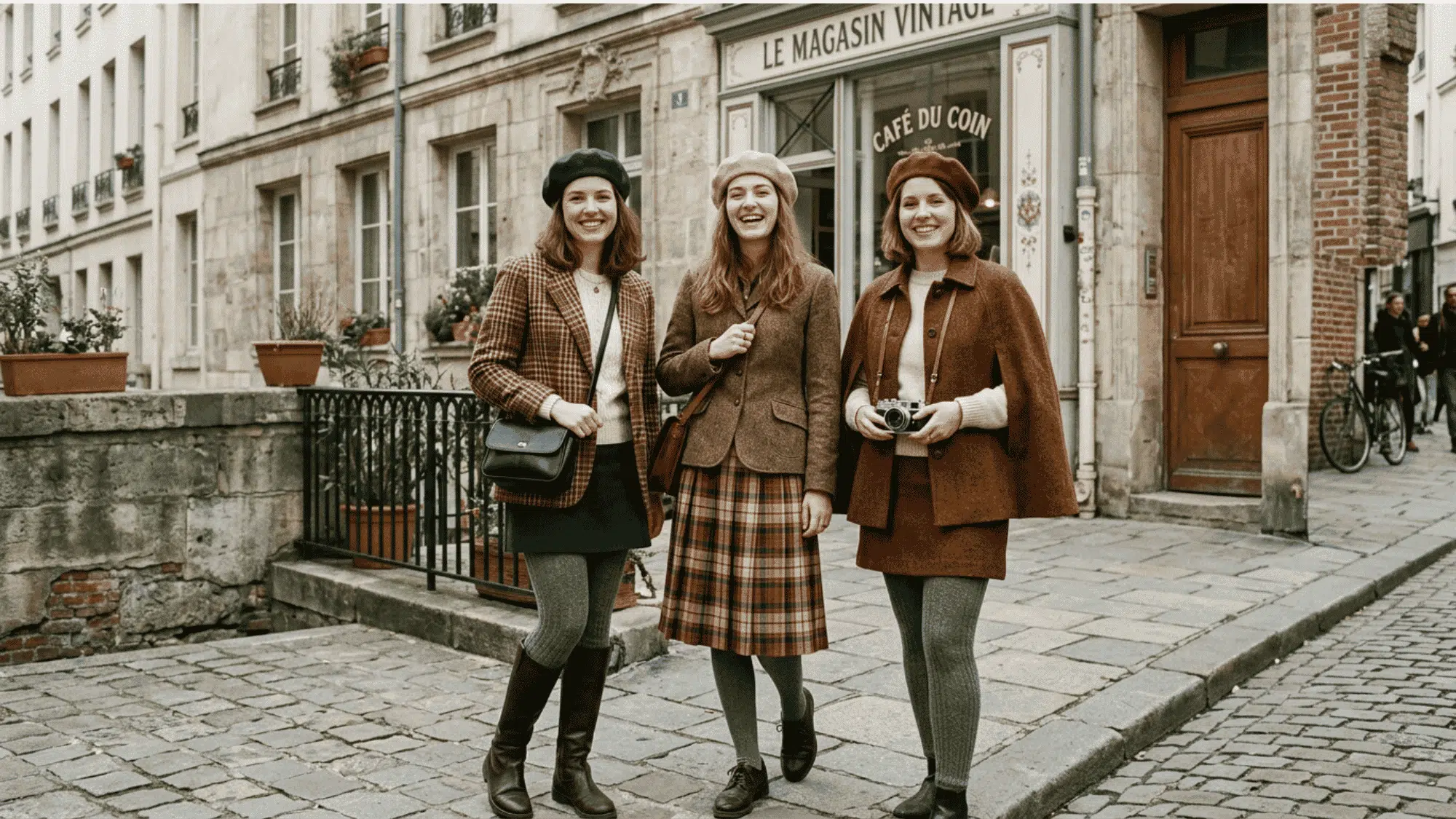
Vintage clothing is often at least 20 years old and shows the fashion of its time. It may include 1980s blazers, 1990s denim, Y2K tops, band tees, leather jackets, or old designer pieces.
Tags, labels, stitching, fabric, sizing, and fit can help show when the item was made. A piece does not have to look brand new, but it should still be wearable, collectible, or worth saving.
Small signs of age can add charm, while heavy damage may lower value. Popular vintage clothing often reflects a clear trend, brand, or style from its decade.
Vintage Furniture
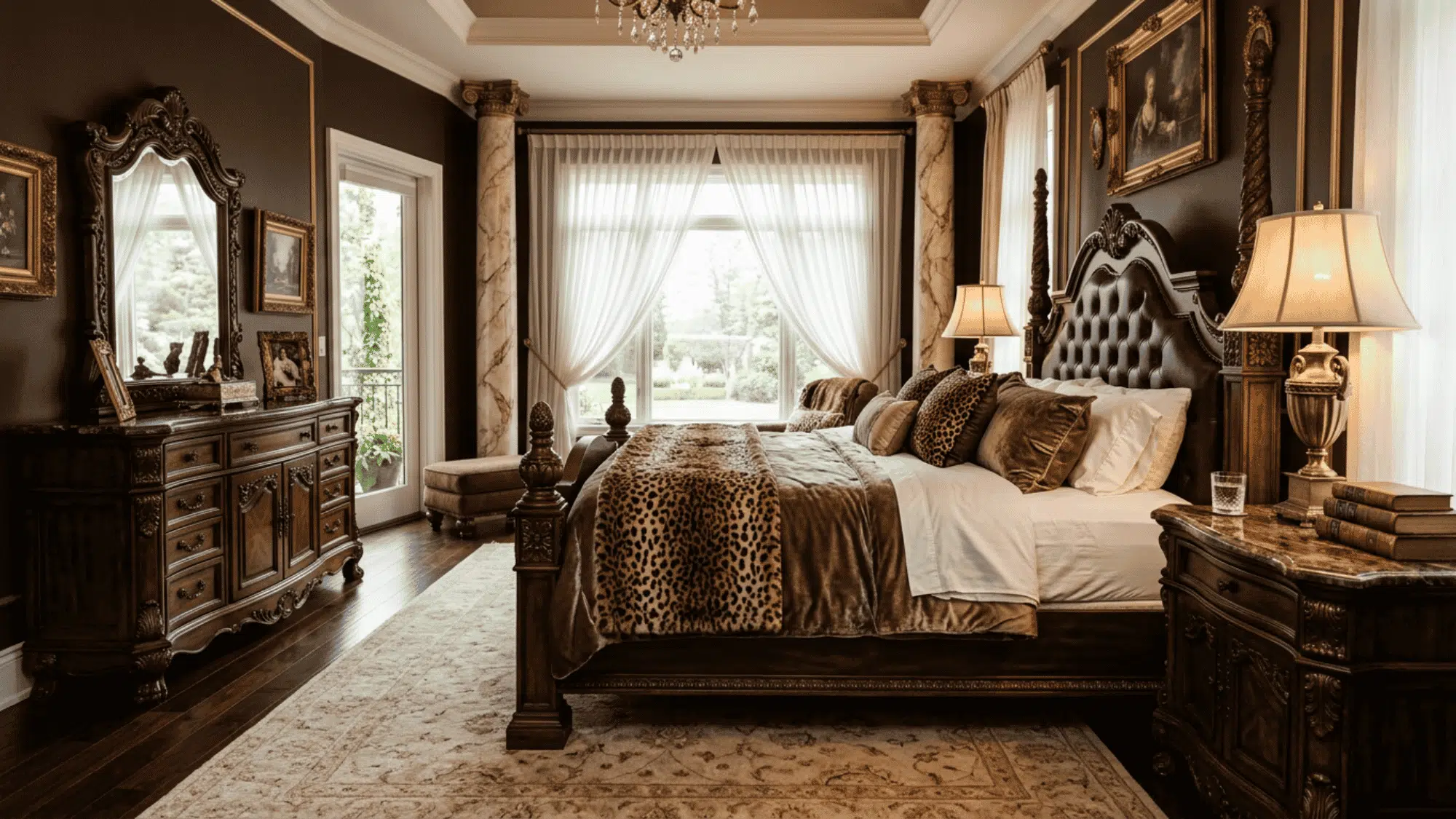
Vintage furniture is usually judged by age, design, materials, and build quality. A chair, cabinet, sofa, desk, or coffee table may be vintage if it clearly reflects a past design period.
Solid wood, original hardware, strong joints, and quality finishes can make a piece more desirable. Condition matters too.
Scratches, loose legs, stains, or missing parts may lower value, while careful repairs can help. Vintage furniture is often loved for the character, history, and more personal look it adds to a home.
Vintage Cars
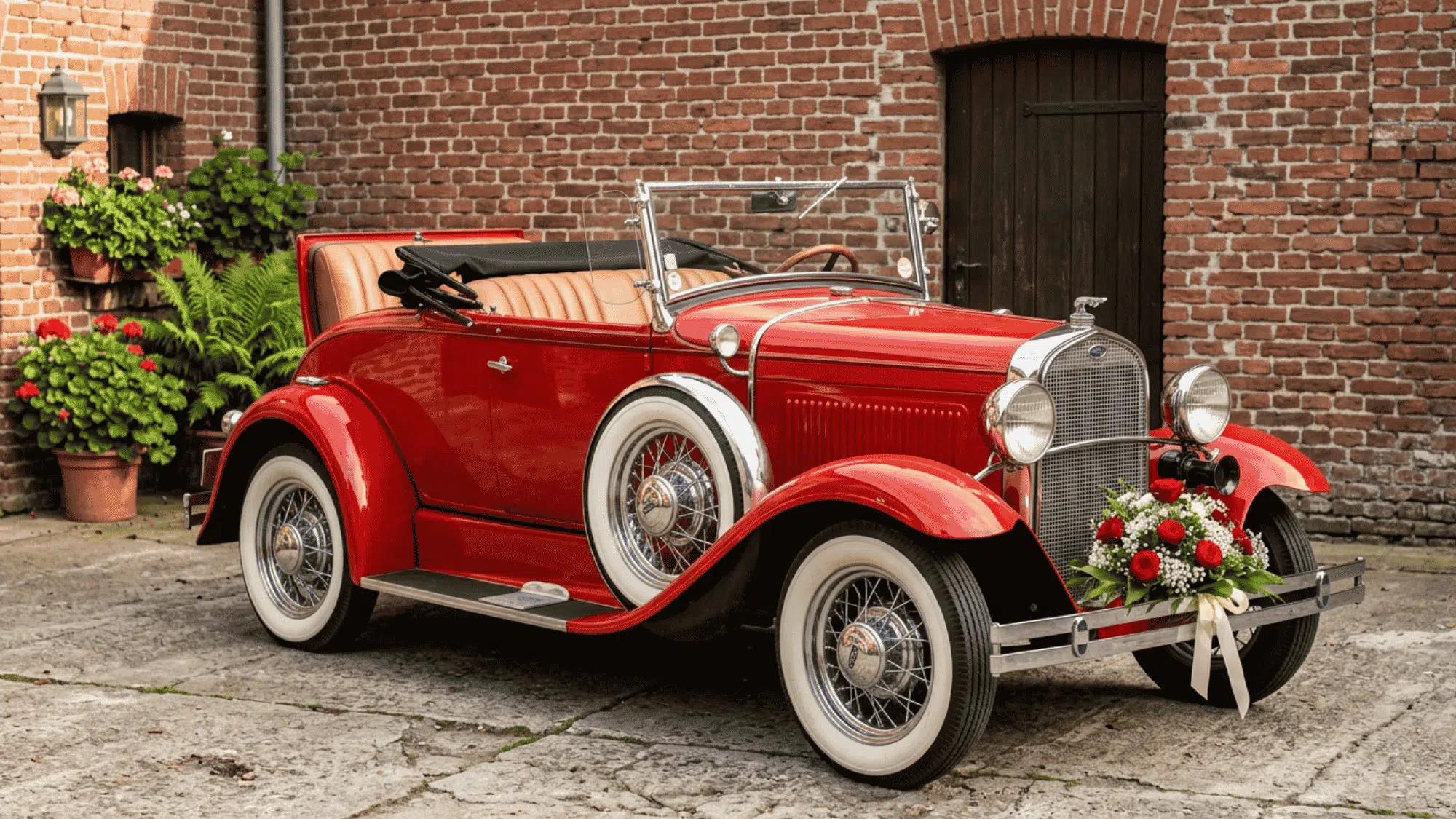
Vintage car rules can change by club, country, state, or insurance company. Some groups may use 25 years or older, while others separate classic, vintage, and antique cars in different ways.
A well-kept older car with original details may be more valuable than one that is only old but poorly maintained. Restored cars can also be valuable when the work is done well.
Buyers often look for service records, original parts, clean paint, and a strong engine before calling a car truly collectible.
Vintage Jewelry

Vintage jewelry is often judged by age, maker, design period, materials, and condition. A ring, necklace, brooch, bracelet, or watch may be vintage if it dates to an earlier style period and still retains original details.
Marks, stamps, clasps, stones, metal type, and setting style can help date the piece. Known makers or rare designs can raise value, especially if the item is in good shape.
Vintage jewelry is often popular because it feels personal, detailed, and different from many modern pieces sold today.
Vintage Home Decor
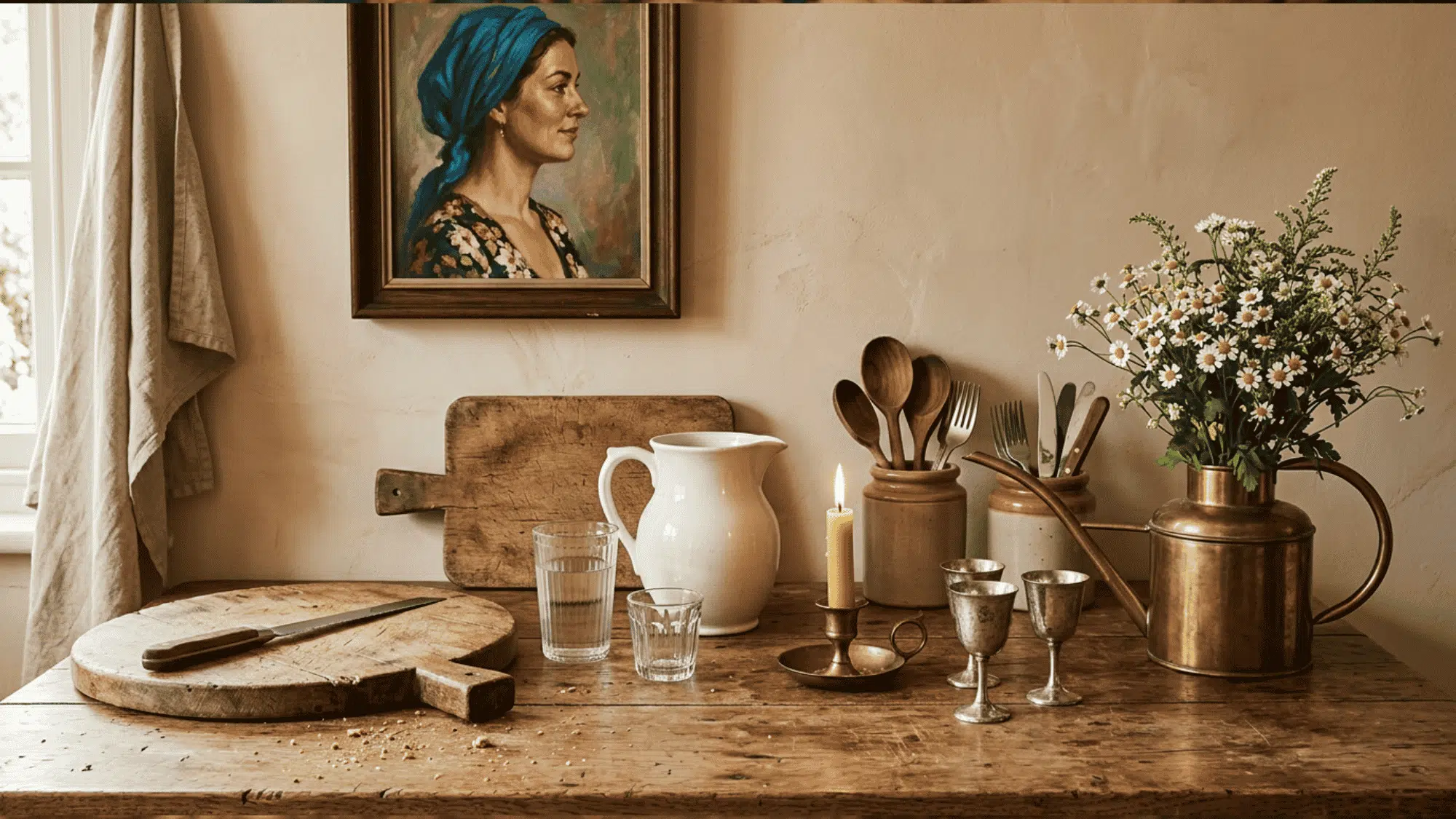
Vintage home decor includes lamps, mirrors, rugs, dishes, clocks, vases, wall art, candle holders, and small decorative pieces.
These items are often called vintage when they show a clear older style or design period. A 1970s ceramic lamp, 1980s glass table, or 1990s framed print can add character to a room.
Condition still matters because cracks, fading, chips, missing parts, or rewiring needs can affect value and safety.
What Makes a Vintage Item Valuable?
Age alone does not make something valuable. Many old items have little resale value, while some newer vintage pieces can sell for more because people want them.
| Factor | Why It Matters |
|---|---|
| Condition | Clean, usable, and well-kept items often sell better |
| Rarity | Hard-to-find pieces may interest collectors |
| Brand or maker | Known labels can increase demand |
| Era style | Clear design from a period can make an item stand out |
| Materials | Solid wood, real leather, gold, or quality fabric may raise value |
| Demand | Trends can affect what buyers are willing to pay |
| Original parts | Items with original details may be more trusted |
| History | A known backstory can add interest |
The best vintage pieces often combine age, condition, style, and demand.
Common Vintage Eras and Examples
Common vintage eras help identify an item’s age by linking its style, materials, and design details to a specific decade or period.
| Era | Common Vintage Examples |
|---|---|
| 1920s–1930s | Art Deco jewelry, glassware, and wood furniture |
| 1940s–1950s | Dresses, radios, diner-style decor, watches |
| 1960s–1970s | Mod fashion, teak furniture, vinyl records, lamps |
| 1980s | Graphic sweatshirts, toys, cassette players, bold decor |
| 1990s | Denim jackets, sneakers, band tees, video games |
| Early 2000s | Y2K fashion, flip phones, gaming consoles, pop merch |
These eras are helpful when dating items, but they are not strict rules. Some styles lasted longer, and some designs returned later.
Common Mistakes When Calling Something Vintage
These common mistakes explain why not every old item should be called vintage and why age, style, condition, and originality all matter.
- Do not call anything old “vintage.” An item can be old without a clear vintage look, a strong design, or resale appeal.
- Do not confuse retro with vintage. Retro items may be new but made to look old, while vintage usually means the item is actually from an earlier time.
- Do not assume vintage always means valuable. Condition, rarity, maker, and demand all affect value.
- Do not ignore labels, marks, or materials. These details can help show whether an item is vintage, antique, retro, or simply secondhand.
Wrapping Up
Vintage usually means an item is around 20 years old or older, while antique items are often 100 years old or more.
Retro is different: it may be new but made to look old. A true vintage item should show the style, material, or design of its time.
A 1990s jacket, 1970s lamp, or early 2000s game console may all count as vintage in the right setting. Look at age, condition, labels, and details before deciding.
Check one old item at home today and share what decade you think it belongs to.
Frequently Asked Questions
Can Furniture be Vintage if it Was Restored?
Yes. Restored furniture can still be vintage if the original age, design, and main structure remain. Heavy changes may affect value.
Is Vintage Better Quality than Modern?
Sometimes, but not always. Some vintage items were made from durable materials, while others were mass-produced and may not last as long.
How can You Avoid Buying Fake Vintage Items?
Check labels, stitching, materials, maker marks, hardware, and seller history. Compare the item with trusted examples from the same period.