No floor drain? That’s one of the biggest reasons crawl spaces stay damp. Plenty of them don’t have a floor drain or sump pit at all, which rules out gravity drainage completely.
In that case, a crawl space dehumidifier with a built-in pump is your best bet. Instead of relying on a downward drain line, it pulls moisture from the air and pumps the collected water out to wherever it can actually drain.
Get the right unit, and you’re looking at better moisture control, a more protected foundation, and a lot less mold and musty smell to deal with.
This guide explains why a pump matters, the key features to look for, installation basics, expected costs, and how to compare models before you buy. Read below to learn more.
Why Gravity Drainage Fails in a Crawl Space
Crawl spaces usually sit at or below ground level, so the nearest drain often sits higher than the unit itself. A standard dehumidifier can’t push water uphill; it just fills a bucket until a float switch shuts the machine off.
A crawl space dehumidifier with a pump gets around that. A small reservoir collects water, and a pump kicks in once it hits a set level, forcing it up through a hose to a foundation vent or elevated drain.
For a space that only gets checked once a month, that matters. Without a pump, a full bucket can shut the unit down for days before anyone notices. With one, the water clears itself.
The trade-off is one more mechanical part that can fail and needs occasional cleaning. Gravity drainage needs no maintenance, but only works if the layout allows it.
Features That Actually Matter When You’re Choosing a Model
Not all pump-equipped dehumidifiers perform equally.
Choose one with the right pint capacity for your crawl space, enough vertical lift to reach the drain, reliable low-temperature operation for winter conditions, and a 15–20-foot drain hose.
Matching these specifications ensures efficient moisture removal and dependable year-round performance.
Pint capacity
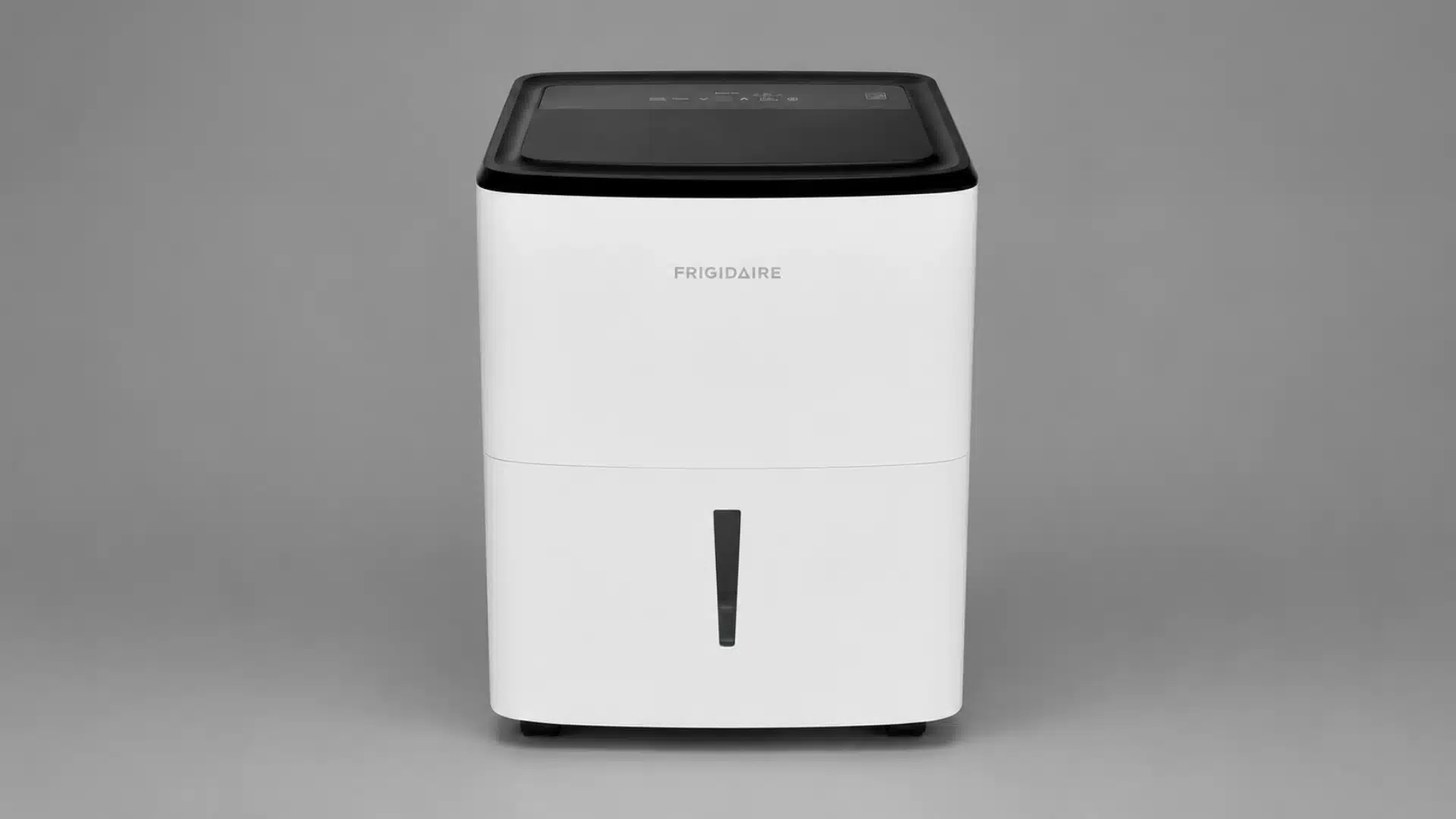
A properly sized dehumidifier removes moisture more efficiently and helps maintain a consistently dry crawl space.
- Match the unit’s pint capacity to your crawl space size and moisture level.
- A crawl space of around 1,500 square feet usually needs a 50 to 70-pint-per-day dehumidifier.
- Larger crawl spaces often require higher-capacity units for effective moisture control.
- Very humid environments may also need a larger unit, even in smaller spaces.
- Choosing the correct size improves performance and reduces unnecessary energy use
Vertical lift
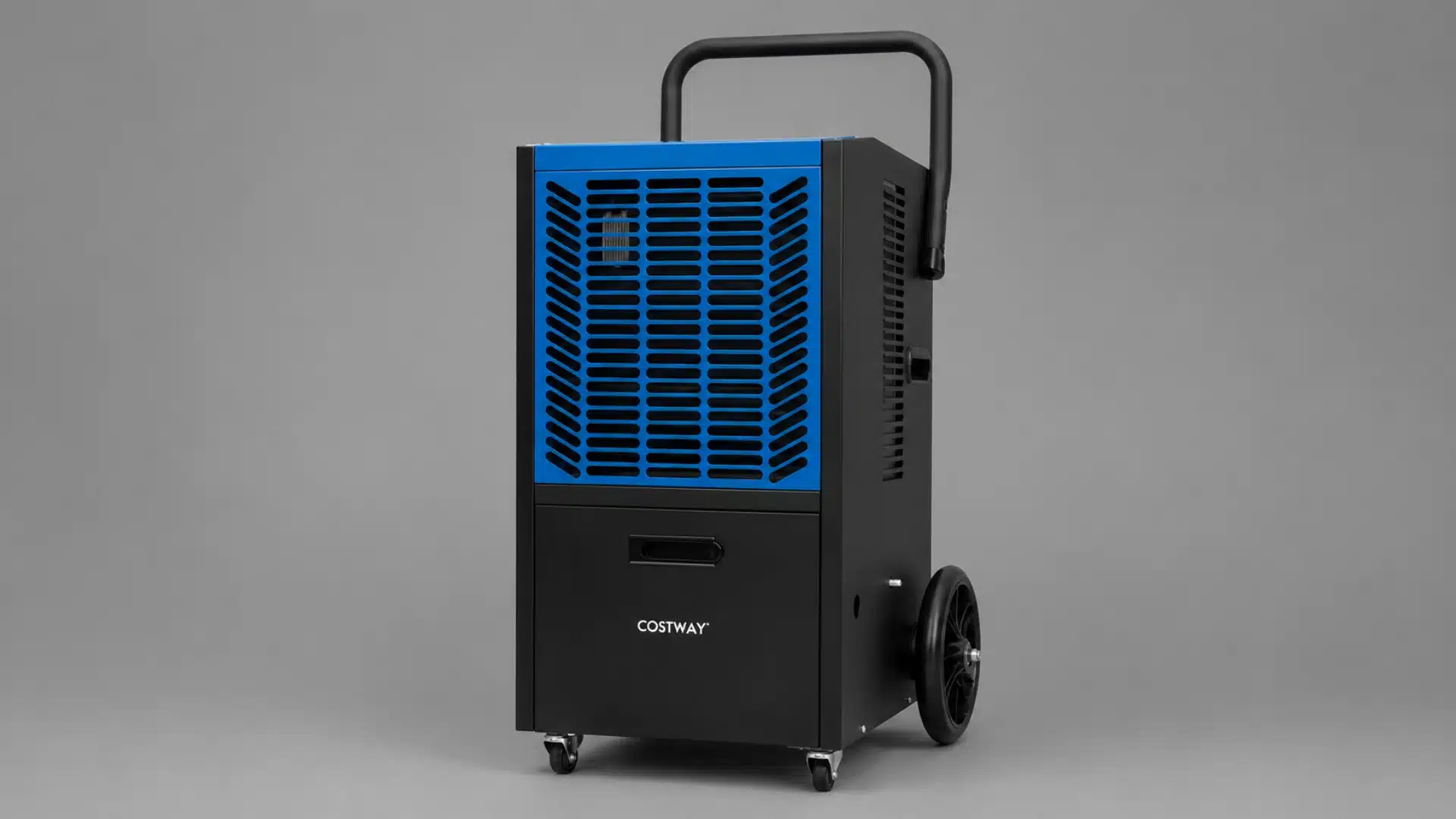
Checking the pump’s lift capacity before installation helps ensure water is discharged reliably without overloading the system.
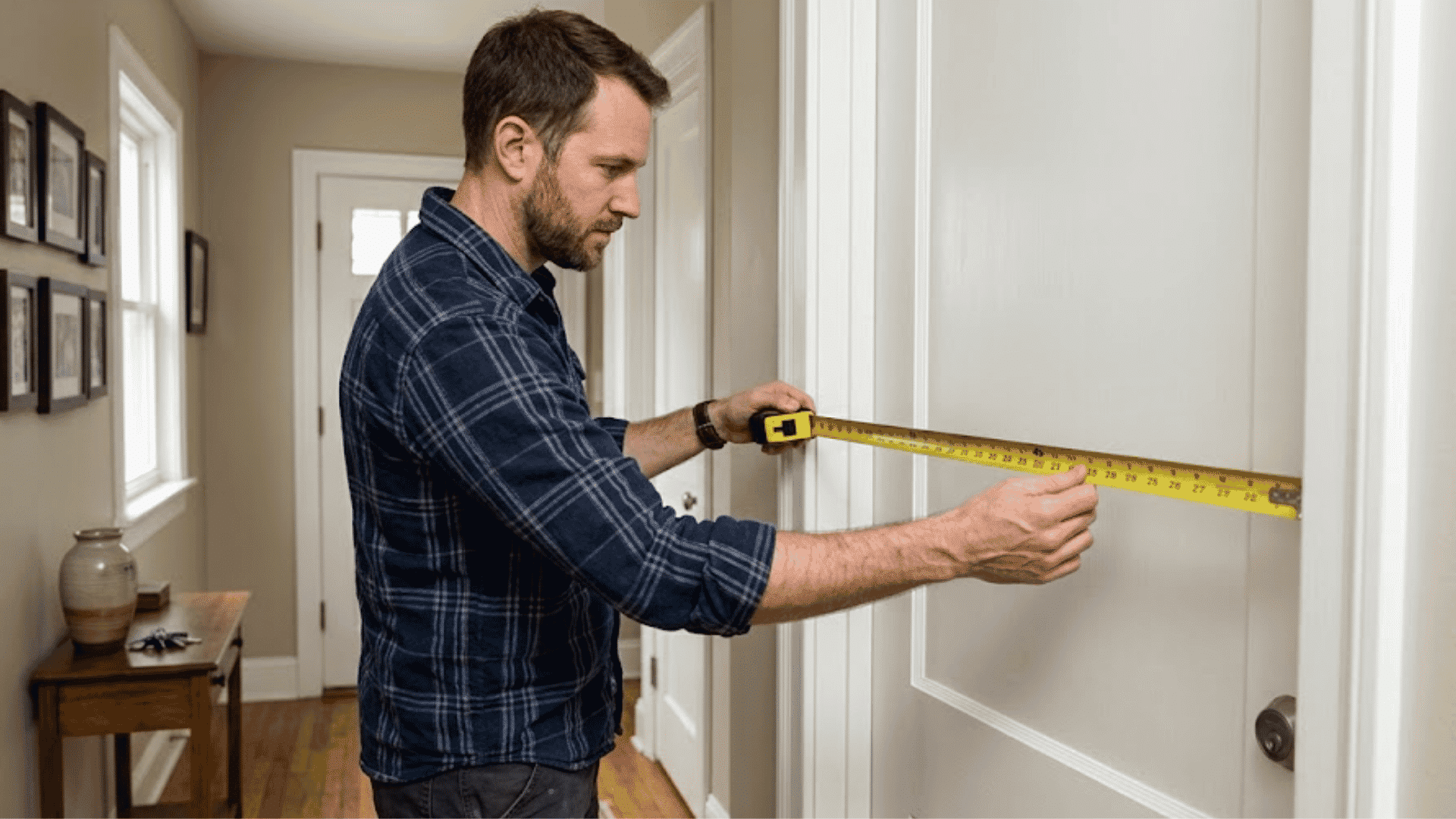
- Measure the vertical distance from the dehumidifier to the drainage outlet.
- This measurement is known as the required vertical lift or head height.
- Choose a pump with a lift rating that exceeds your measured distance.
- Leave extra capacity to maintain reliable performance over time.
- Verifying lift requirements helps prevent drainage failures and pump strain.
Low-temperature operation
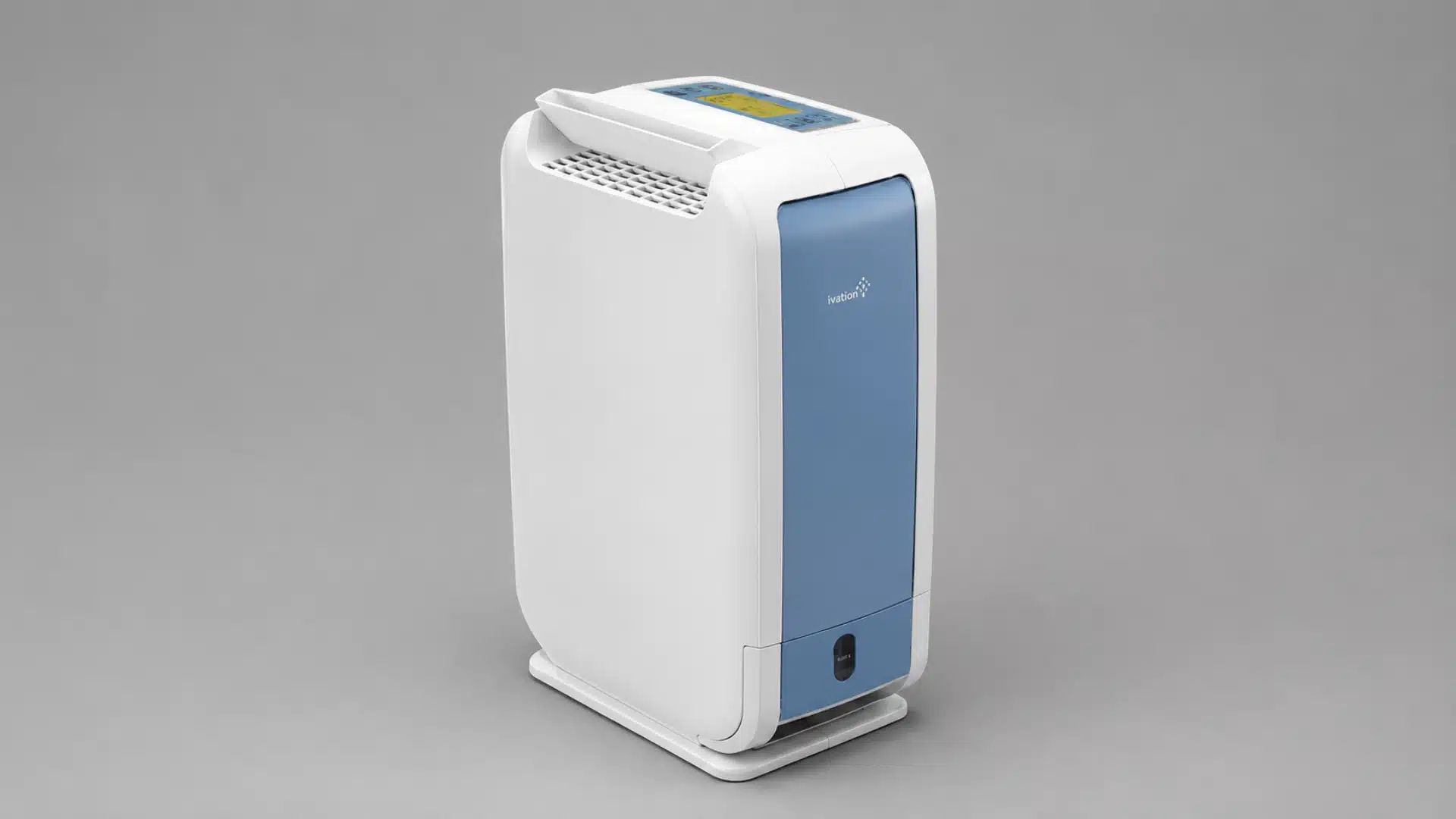
A dehumidifier designed for low temperatures continues removing moisture effectively even when crawl space conditions become cold.
- Choose a unit rated to operate in temperatures as low as 40°F (4°C).
- Look for a Low-Grain Refrigerant (LGR) design for better cold-weather performance.
- Cold-rated units are less likely to develop ice on the coils.
- Reliable operation during winter helps maintain consistent moisture control.
- Selecting the right model reduces downtime and improves long-term efficiency.
Hose length
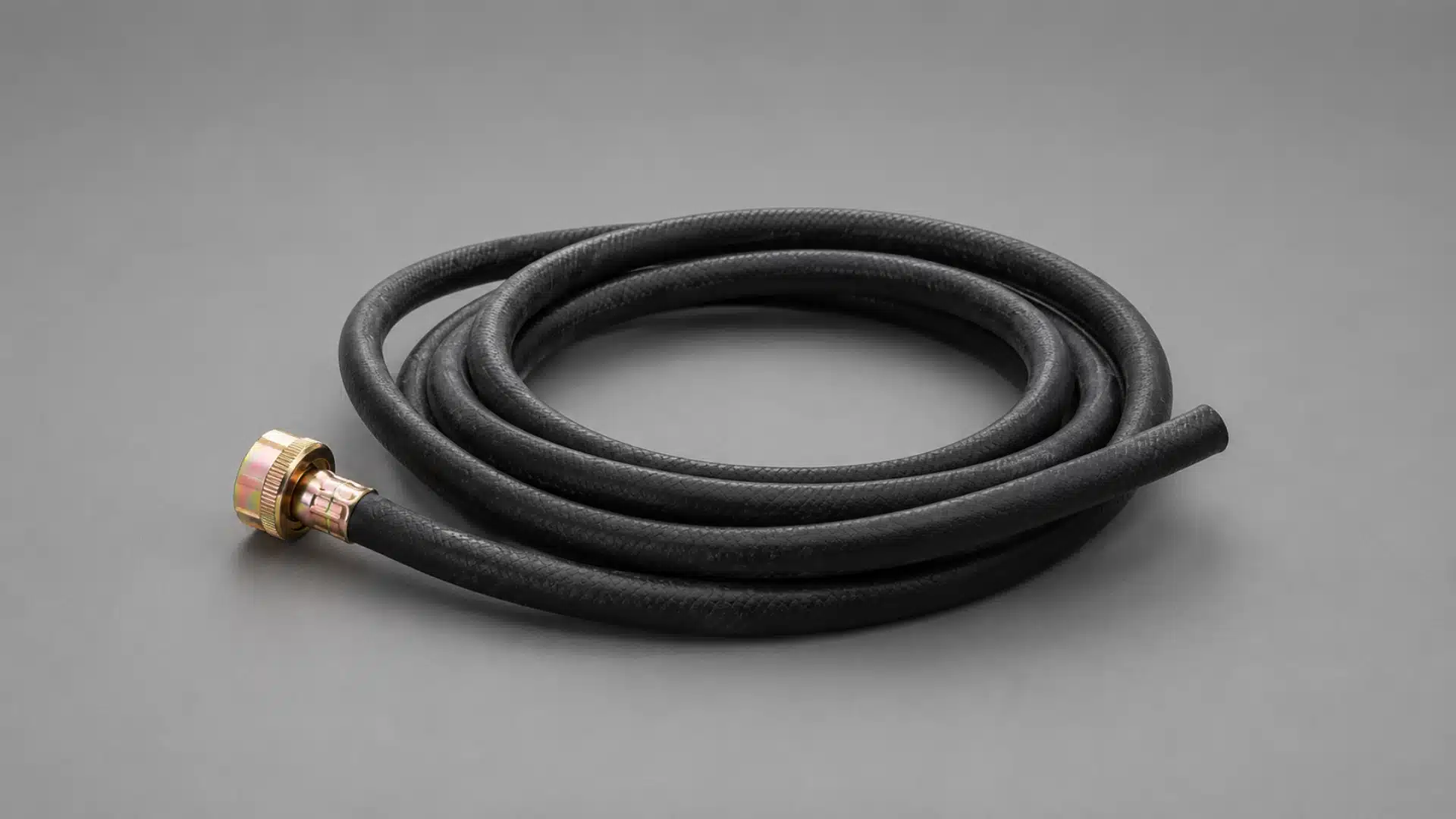
Choosing the right hose length makes installation easier and ensures water reaches a safe drainage location.
- Check how far the discharge point is from the dehumidifier before buying.
- Most quality units include a 15 to 20-foot drainage hose.
- This length is usually enough to reach an exterior drain or utility sink.
- Avoid stretching or sharply bending the hose during installation.
- A properly routed hose helps maintain smooth, uninterrupted water flow.
Getting the Install Right So the Pump Doesn’t Fail Early
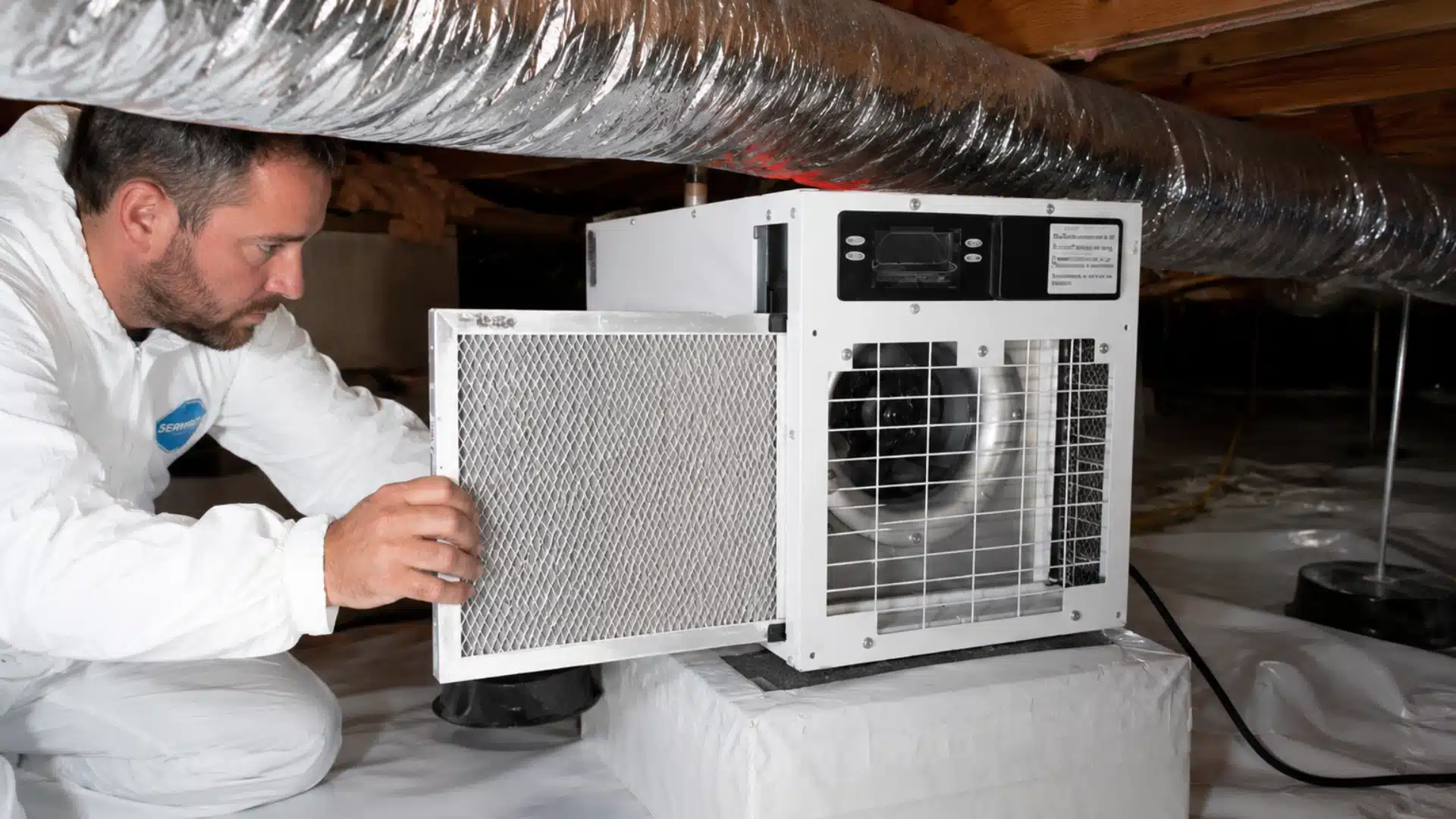
Proper installation is just as important as choosing the right dehumidifier. A built-in pump makes drainage easier, but the unit still needs the right setup to perform efficiently.
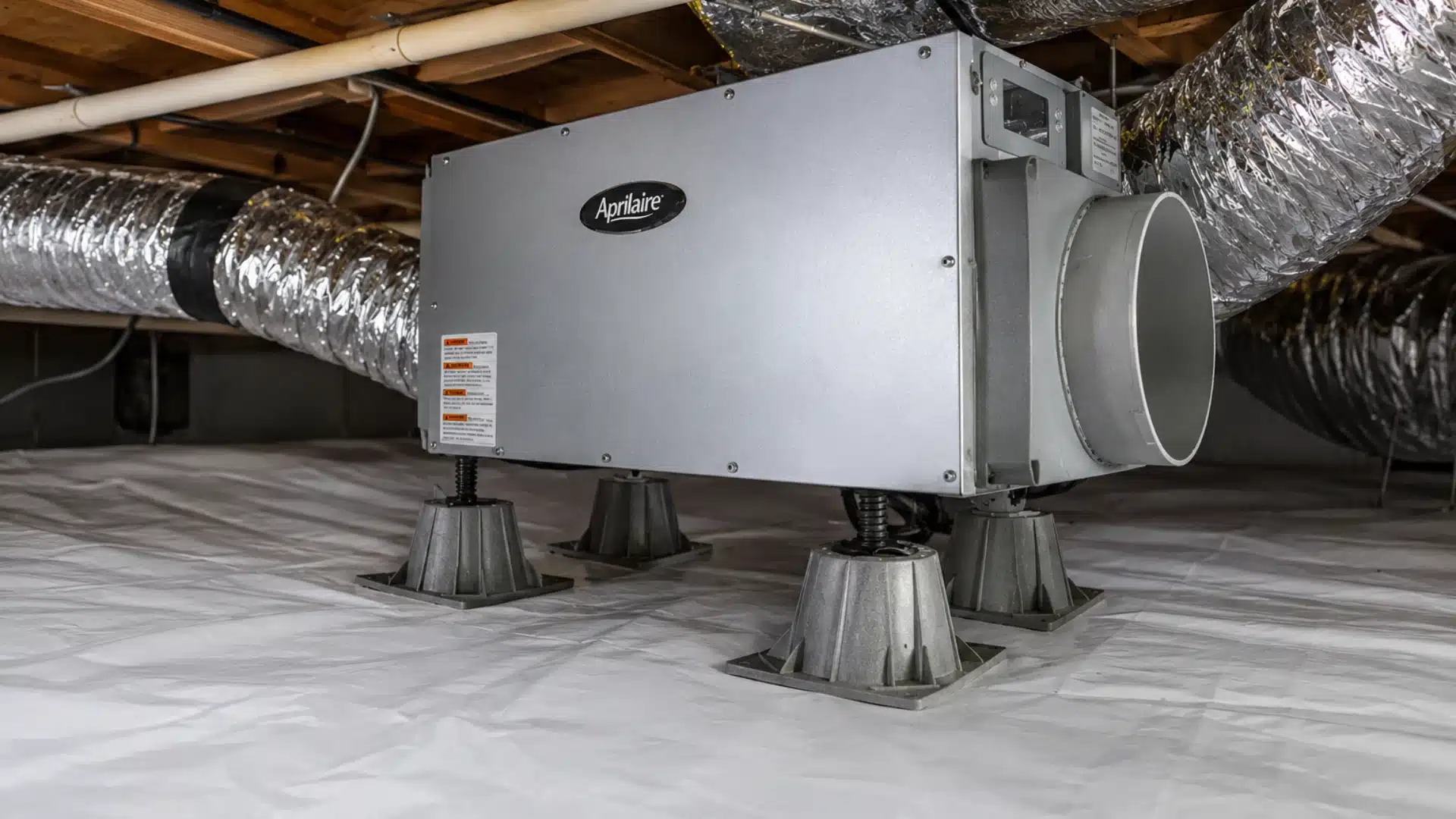
Start by placing the dehumidifier on a raised plastic or concrete pad to keep it above dirt and standing moisture.
Before turning it on, seal the crawl space by closing vents and installing a 6-mil or thicker vapor barrier to prevent outside humidity from entering.
Route the drain hose in a straight, kink-free path to a suitable drainage point so the pump can discharge water without restriction.
Finally, inspect the pump and tubing regularly for dirt, algae, or blockages. Routine maintenance helps prevent drainage problems, extends the unit’s lifespan, and keeps moisture levels under control year-round.
Best Crawl Space Dehumidifiers With Pump by Size
Size matters more than brand when picking a unit.
An undersized dehumidifier runs nonstop without ever reaching a safe humidity level, while an oversized one just costs more than it needs to.
Use the table below to match capacity to your crawl space size.
| Crawl Space Size | Typical Capacity | Pump Lift | Best For |
|---|---|---|---|
| Up to 1,000 sq ft | 70 PPD | ~19.6 ft | Small homes, single-zone crawl spaces |
| 1,000–1,800 sq ft | 90–120 PPD | ~16–20 ft | Medium homes, partially sealed crawl spaces |
| 1,800–3,000+ sq ft | 120–180+ PPD | ~14–22 ft | Large, multi-zone, or heavily damp crawl spaces |
Larger spaces benefit from higher airflow and duct-ready models that spread dry air evenly.
How to Install and Maintain the Pump So It Doesn’t Fail
A pump performs reliably only when it is installed correctly. Poor placement or an improper drainage system can cause water to back up, reducing efficiency and potentially damaging the dehumidifier.
Mount the dehumidifier from the floor joists with a suspension kit or place it on a raised platform instead of directly on the crawl space floor.
Ensure there is enough vertical drop between the dehumidifier outlet and the pump reservoir so condensate flows freely.
Plug the pump into a GFCI-protected outlet, preferably on the same 20-amp circuit as the dehumidifier. Inspect the reservoir, check valve, and drain line every few months for sediment buildup.
Finally, leave a small loop in the drain hose to help prevent backflow and unwanted sewer gases from entering the system.
Conclusion
A crawl space dehumidifier with a built-in pump is the right call whenever gravity drainage isn’t an option.
Getting the setup right starts with matching capacity to the space, sealing it properly, and running the drain hose the correct way. Those three steps do most of the work: moisture stays controlled, maintenance stays low, and the unit lasts longer.
Before buying, run a hygrometer for a few days and see what the humidity actually does. Pair that with the crawl space’s size, and the distance to the nearest drain, and the right model becomes obvious.
If you found this guide helpful, share it with others, leave a comment with your experience or questions, and explore our other home maintenance guides for more practical tips.
Frequently Asked Questions
Does a Crawl Space Dehumidifier Need a Pump?
Only if there’s no floor drain or sump pit below where the unit drains. Gravity can handle it if the drain sits downhill. If not, you’re stuck with a pump.
How Big of a Dehumidifier Do I Need for My Crawl Space?
Start with square footage, then adjust for how humid your area runs. A 1,500-square-foot crawl space usually needs 50 to 70 pints a day. Bigger, damper, or unsealed spaces push that number higher.
Can I Install a Pump Dehumidifier Myself?
Sure, if you don’t mind tight quarters and can run electrical and drain lines correctly. Plenty of homeowners do it themselves to skip the labor cost. Just know a sloppy install can wear out the unit faster and cost more to fix down the road.