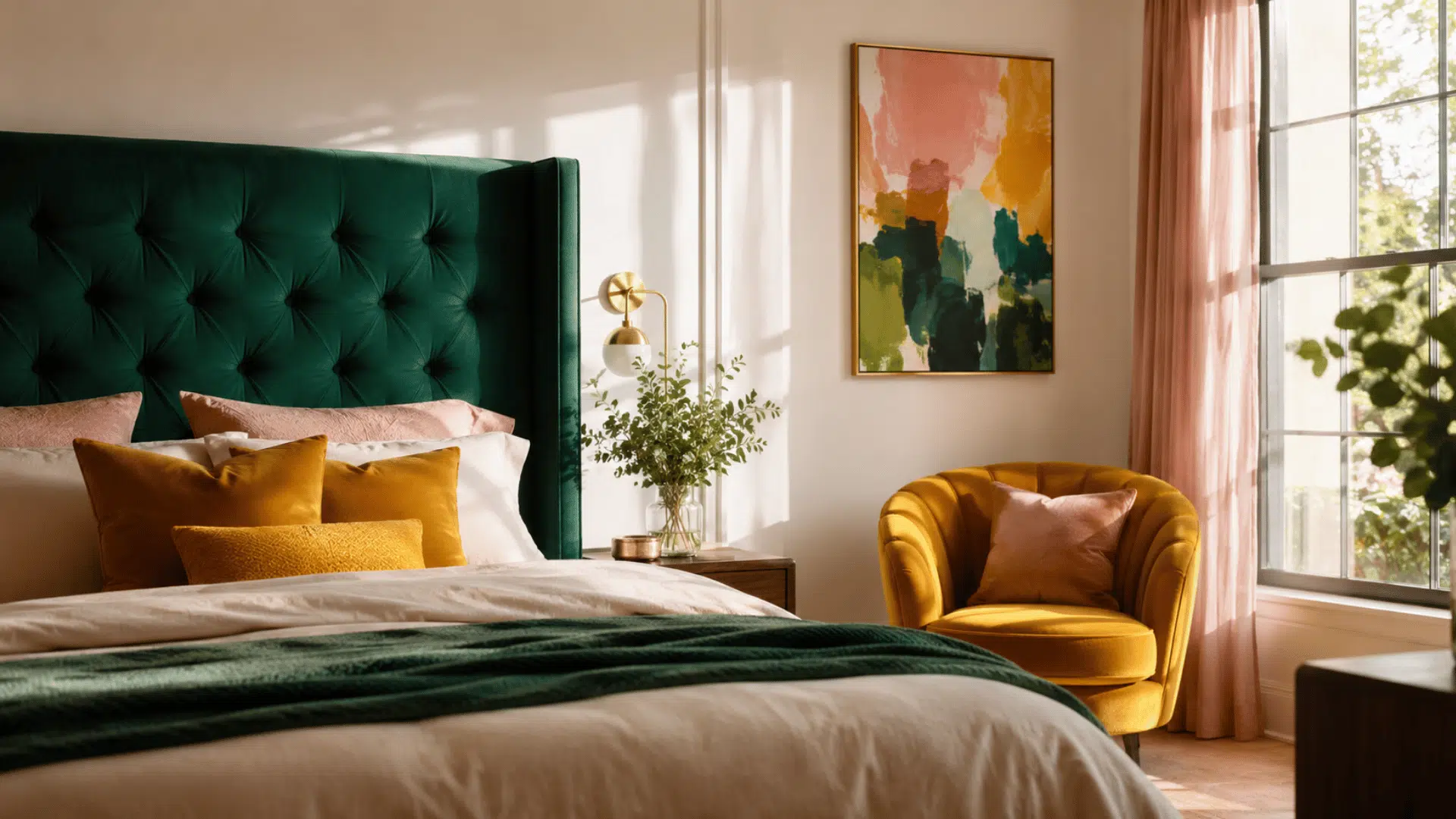
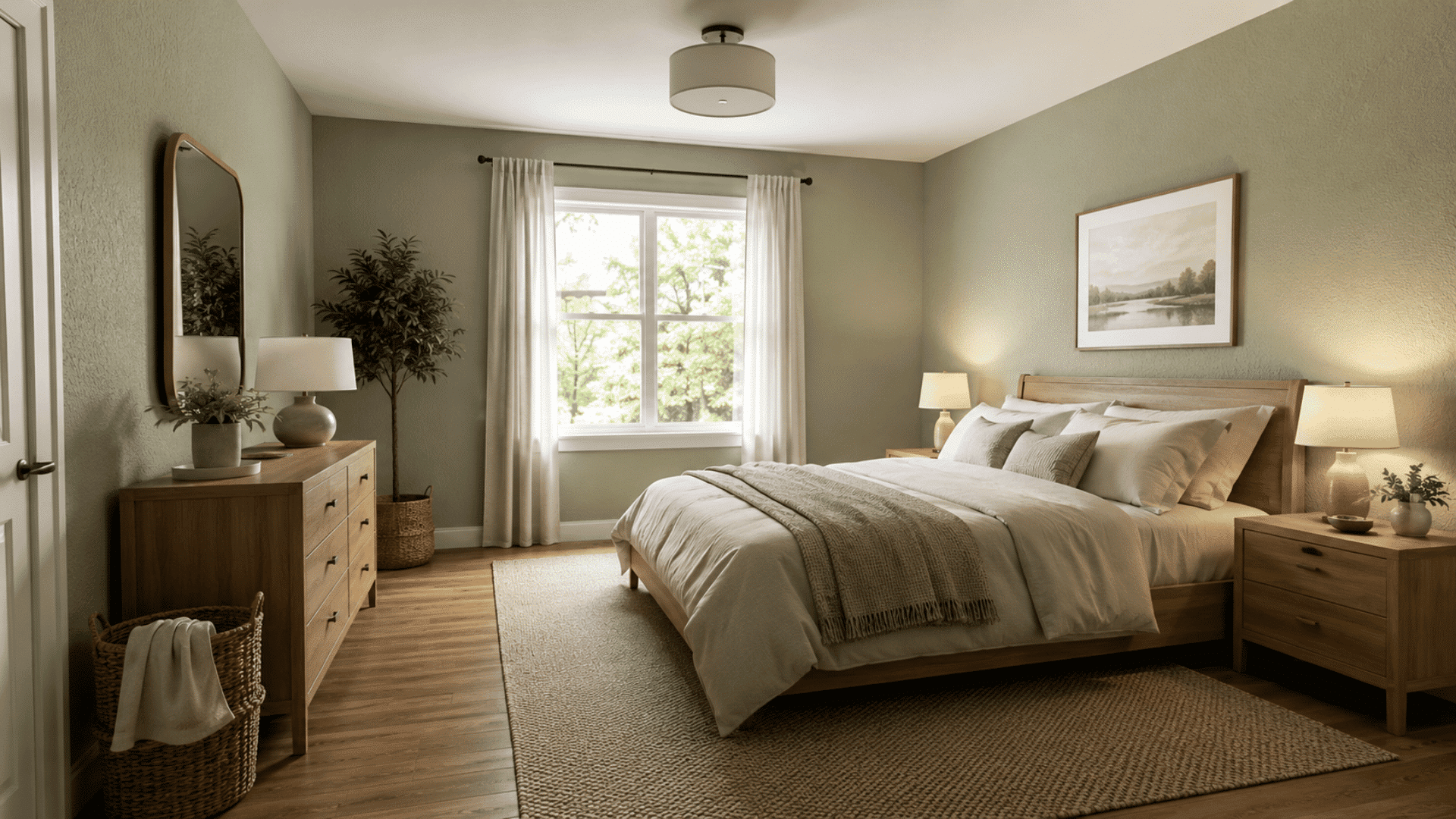
Orange peel texture is a familiar wall finish found in many homes, but its purpose and appearance are often misunderstood.
Some people like its soft, dimpled look, while others prefer a flatter surface. Before choosing it for a room, it helps to know what the finish looks like and how it compares with other wall textures.
This blog covers the main details without making the process feel confusing. Read on to learn what orange peel texture is, where it works, and how it differs from other common finishes.
What Does Orange-Peel-Texture Look Like?
Orange peel texture has a lightly raised, dimpled surface. It’s not completely smooth, but it’s less rough than popcorn or heavy knockdown texture.
The pattern can look fine, medium, or coarse depending on the spray setting, material thickness, and application method.
Fine orange peel creates small, close-set bumps, while heavier versions have larger, more visible peaks.
Light also changes how the texture reads: side lighting makes bumps stand out more, while soft overhead light softens them. Once painted, the finish can help hide small drywall flaws and uneven spots.
How is Orange-Peel-Texture Created?
Orange peel is usually made by spraying thinned drywall joint compound onto a prepared wall or ceiling. Here’s the general process:
- Mix the compound. Joint compound is thinned with water until it reaches a smooth, sprayable consistency.
- Spray it on. A texture sprayer, hopper gun, or aerosol product applies the mix. Air pressure, nozzle size, and spraying distance all shape the final pattern; a thinner mix and smaller nozzle create a finer texture.
- Leave it unflattened. The surface is left as sprayed rather than smoothed with a knife, which is what separates it from a flattened finish.
- Sand lightly, then seal. Once dry, sharp spots get a light sanding before primer and paint.
Fine, Medium, and Heavy Orange-Peel-Texture
It varies in level based on the size and spacing of its raised droplets. Each type changes how noticeable the finished wall appears.
Fine Orange Peel Texture
Fine texture has small, closely spaced bumps that create a soft and even finish. It works well when a slight texture is preferred without making the wall look rough.
Medium Orange Peel Texture
Medium texture has larger droplets and a more visible pattern. It adds depth while keeping the surface less raised than heavy knockdown or popcorn finishes.
Heavy Orange Peel Texture
Heavy texture has larger, thicker bumps with more space between them. It creates a stronger pattern and can make minor drywall flaws less noticeable.
Where is Orange-Peel-Texture Commonly Used?
It is used on many interior walls and ceilings because it creates a lightly patterned finish. It can suit homes, rental properties, offices, and other finished indoor spaces.
1. Living Rooms
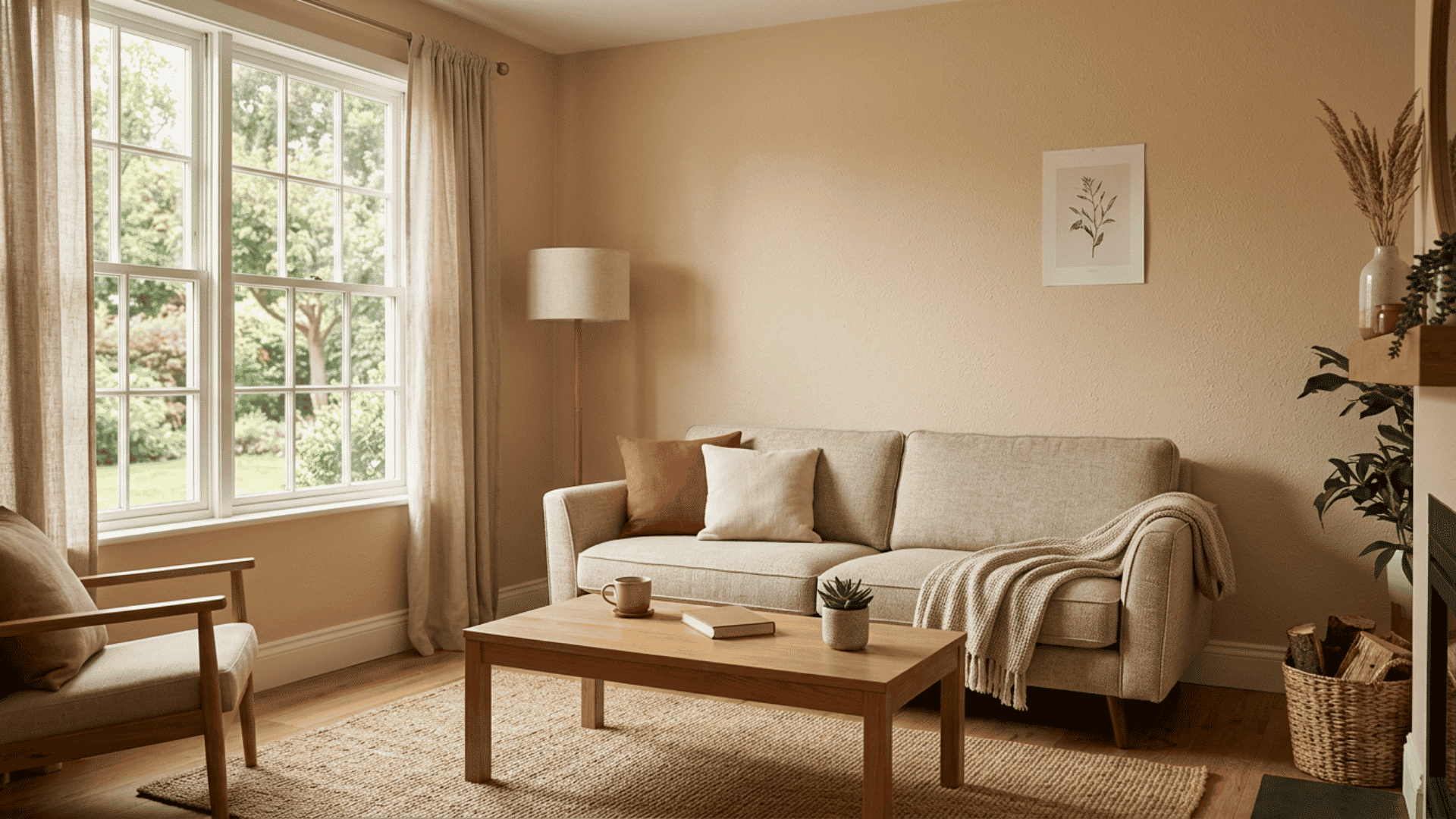
Orange-peel-texture is often used on living room walls where a light pattern is preferred over a flat finish. It adds mild surface detail without creating the stronger look of popcorn or heavy knockdown texture.
Once primed and painted, the finish works with many wall colors and room styles.
It may also make small drywall seams or minor surface variations less noticeable, though proper wall preparation is still needed before texture is sprayed.
2. Bedrooms
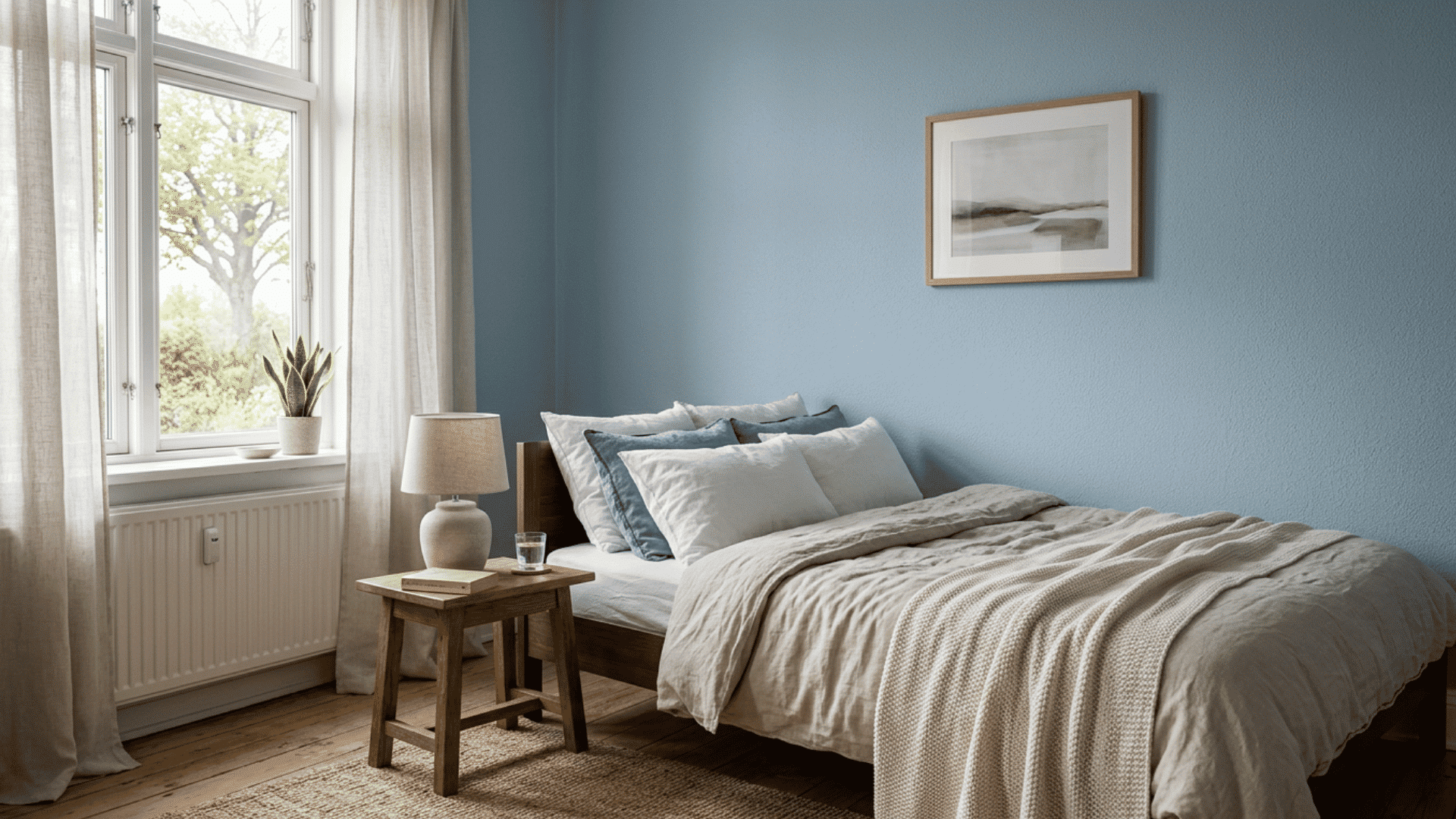
Bedrooms commonly use fine or medium orange-peel-texture because the finish looks soft and does not overpower the room. It can be applied to drywall walls and ceilings, then painted after it dries.
The subtle pattern is less visually busy than heavier textures, making it suitable for spaces meant to feel calm.
Orange peel may also match existing textured surfaces in homes where the same finish continues through several nearby rooms.
3. Hallways and Stairways
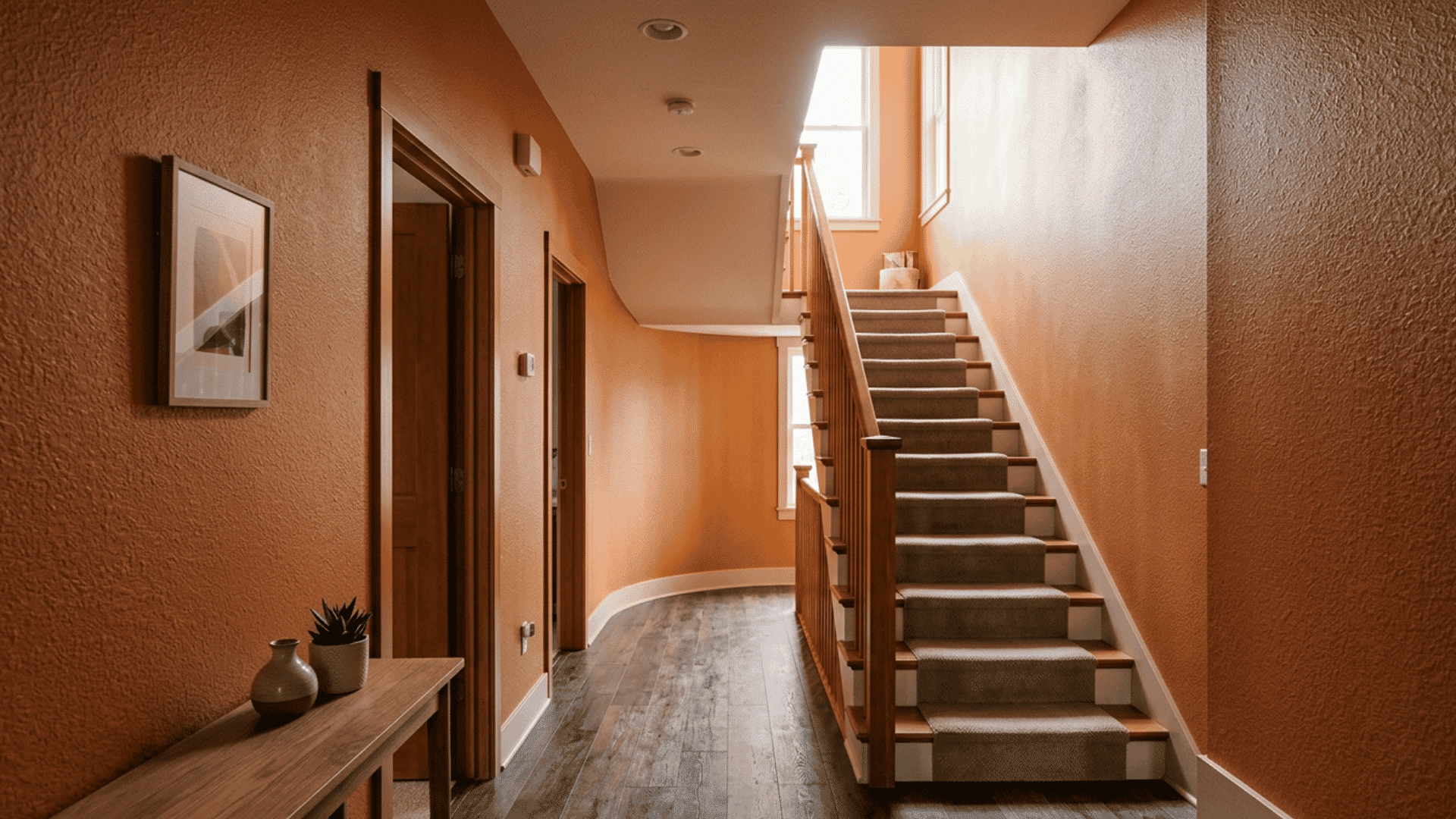
Hallways, corridors, and stairways often have an orange-peel texture because they connect several rooms and benefit from a consistent wall finish.
USG lists corridors, hallways, and stairways among the applications for its spray texture products. The lightly raised pattern can soften the appearance of small surface marks, but it does not replace drywall repair.
Matching the type of texture across adjoining walls also helps the home maintain a more uniform appearance.
4. Ceilings
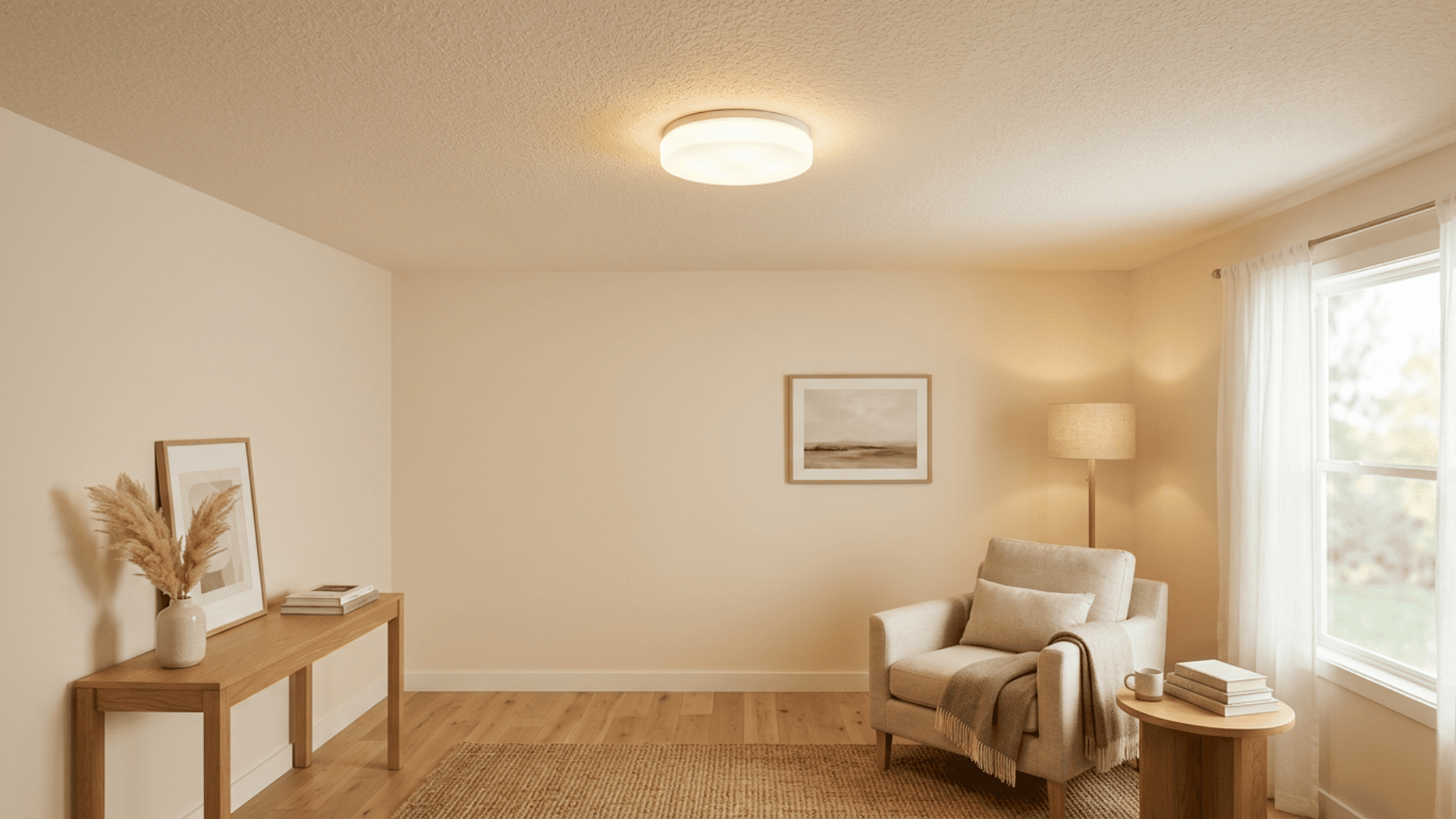
It can be sprayed onto properly prepared interior ceilings and walls. It creates a finer, less raised pattern than a popcorn texture, which may suit rooms where a softer ceiling finish is desired.
Ceiling texture products and sprayers are designed for overhead application.
The surface must be sound, clean, and prepared as directed by the product maker. After drying, the texture can usually be primed and painted.
5. Offices and Commercial Interiors
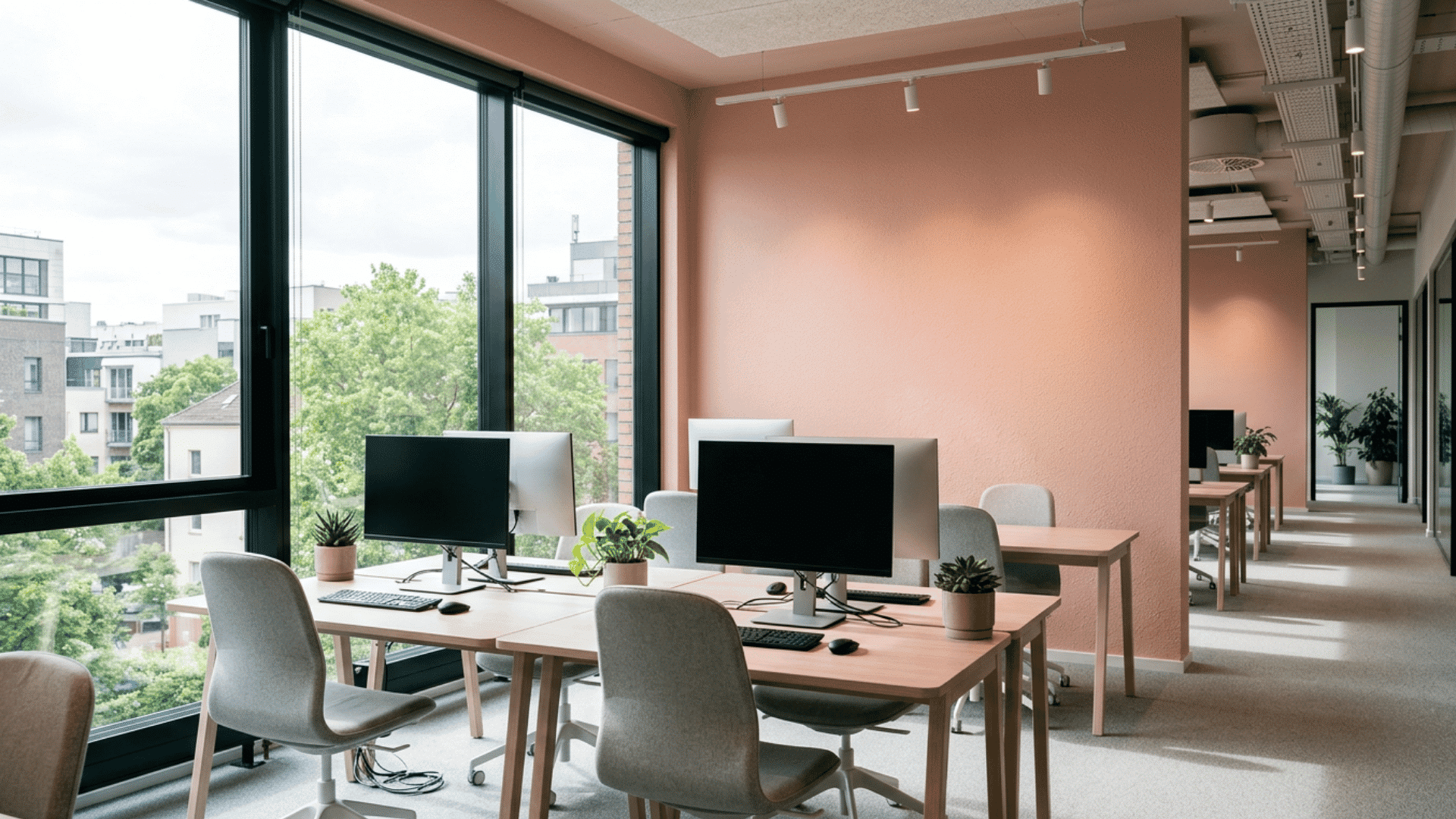
Orange-peel-texture is also used in offices, meeting rooms, lobbies, classrooms, guest rooms, restaurants, and other commercial interiors.
Spray texture can cover large prepared surfaces faster than some hand-applied patterns, making it useful for projects with many walls.
The finish adds light visual interest while remaining suitable for painted interiors. Product selection should match the surface, building conditions, local requirements, and the manufacturer’s stated use before application begins.
Pros and Cons of Orange-Peel-Texture
Orange-peel-texture adds a light pattern to walls and ceilings without the rough look of heavier finishes. Its value depends on the room, surface condition, and preferred style.
| Pros | Cons |
|---|---|
| The dimpled pattern can make small drywall seams, dents, and uneven areas less noticeable. | It cannot cover large cracks, holes, poor taping, or serious surface damage. |
| It is less raised and visually heavier than popcorn or a thick knockdown texture. | Dust and dirt may collect inside the small dips more easily than on smooth walls. |
| Spray application can cover large prepared surfaces at a steady pace. | An uneven spray distance or mixture can create patches and inconsistent droplets. |
| The finish works well on many interior walls and ceilings with proper preparation. | Repairs can remain visible when the new pattern does not match the surrounding texture. |
| It can be primed and painted in many common interior colors. | Removing it usually requires sanding or skim coating, which creates added work. |
Orange-Peel-Texture vs Other Wall Textures
Wall textures differ in pattern, depth, and application method. Here is how orange peel compares with five common finishes.
Knockdown
Orange peel keeps its rounded spray droplets. Knockdown texture is sprayed first, then lightly flattened with a wide knife to create broader patches.
Popcorn
Orange peel has small dimples and works on walls or ceilings. Popcorn has larger, rough peaks and is mainly associated with ceilings.
Smooth Finish
Orange peel adds a visible pattern that may soften minor surface flaws. Smooth walls have no planned texture and require careful finishing.
Sand Texture
Orange peel gets its pattern from sprayed droplets. Sand texture contains fine aggregate, giving the surface a grainier and more even feel.
Skip Trowel
Orange peel is commonly sprayed for a consistent pattern. Skip trowel is applied by hand, leaving irregular raised areas and wider gaps.
Stipple
Orange peel forms rounded dimples. Stipple texture usually has sharper points or repeated marks made with a brush, roller, or sprayer.
Is Orange-Peel-Texture Easy to Repair?
It can be repaired, but matching the existing pattern takes care:
- Clean, fill, sand, and prime the damaged area.
- Apply texture with an aerosol repair spray, hopper gun, or texture sprayer, using a similar nozzle size and spray distance to the original.
- Test on scrap drywall first to avoid an obvious mismatch.
- Overlap the new texture lightly onto the old finish so the edge doesn’t look sharp.
- Once dry, prime and paint the repaired spot.
Large repairs may need a wider blend area for an even result. This is also a good point to think ahead: if you’re renovating a space that will eventually adopt a new finish, it’s worth understanding modern drywall texture options before you commit to matching the old pattern exactly.
Final Thoughts
Orange peel offers a practical middle ground between smooth walls and heavier finishes. The final look depends on the spray method, material mix, and droplet size, so careful application matters.
Before choosing this finish, think about the room, lighting, and how much maintenance you’re willing to take on.
Have you used orange peel texture in your own home? Share what worked, or didn’t, in the comments below.
Frequently Asked Questions
Can Wallpaper Cover Orange-Peel-Texture?
Wallpaper may show the bumps beneath it or fail to bond evenly. Skim coating and sanding the wall first usually creates a better surface.
Can Orange-Peel-Texture Be Used Outdoors?
Most drywall texture products are made for prepared interior, above-grade surfaces. Use an exterior-rated coating system for outdoor walls instead.
Must Orange-Peel-Texture Be Painted?
Many texture coatings are not intended as the final finish and are not washable when left bare. Let the texture dry, then apply the primer and paint required by the product instructions.