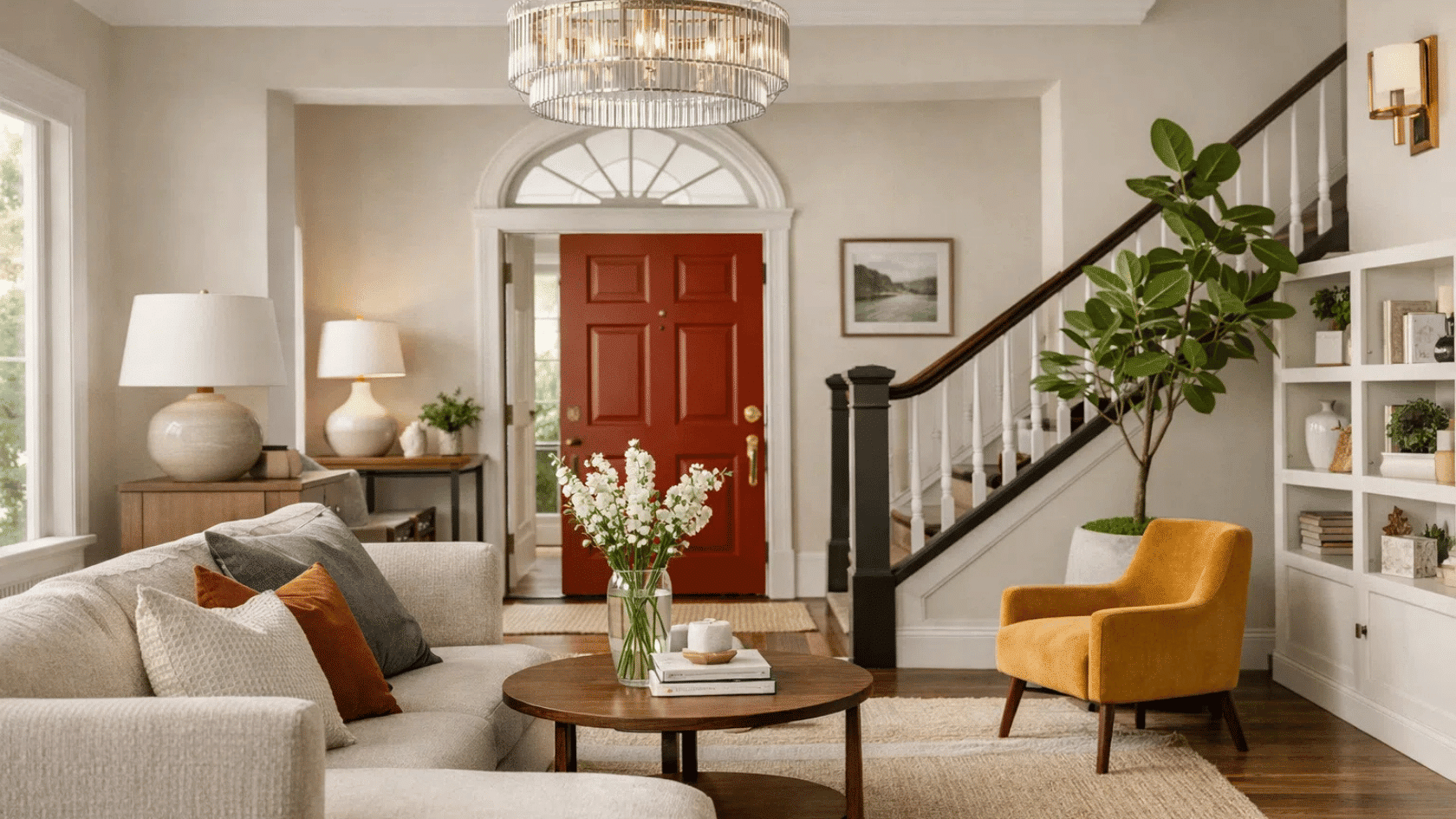
You walk into an older home and notice a formal, well-kept room right near the front door. No television. No clutter. Just neat seating and carefully chosen pieces.
You might wonder what that room is and how it differs from the casual living room elsewhere in the house.
Many people mix up the terms drawing room, sitting room, and living room without knowing they point to very different spaces.
That confusion can make home planning or interior decorating harder than it needs to be.
I put this together to give you a clear answer. It covers what a drawing room is, where the drawing room meaning originally comes from, and how it compares to a sitting room or living room.
By the time you finish reading, you will know exactly how each room differs and why that distinction still holds value in many homes today.
The Drawing Room: Meaning and Where It Comes From
The meaning of the drawing room goes back further than most people think. The term is a shortened version of “withdrawing room,” a phrase used in 16th-century English homes.
In large houses, a withdrawing room served as a private retreat for the owner or a distinguished guest to escape the main hall for a quieter moment.
The phrase made its first recorded written appearance in 1642, according to historical records from the Oxford English Dictionary.
Over time, the withdrawing room became the drawing room, and its role shifted from a private retreat to a formal guest space.
Wealthy households used this formal room to receive visitors, host gatherings, and showcase their status.
Women often gathered here after dinner while men remained in the dining room, highlighting its strong social function.
What Sets a Drawing Room Apart?
A drawing room is not just another name for a living room. It serves a specific purpose and has features that make it stand out. A few things consistently define this space across its history and usage:
- Location: It sits near the front entrance of a home so guests can enter directly without passing through private areas.
- Purpose: It is a formal space meant strictly for receiving and entertaining guests, not for daily family use.
- Furniture: Seating tends to be upright and proper, favoring settees, accent chairs, and smaller sofas over large sectionals or recliners.
- Color and Decor: The palette leans toward neutral tones, such as cream, white, and soft gray. Family photos and personal items are usually absent.
- No Television: Unlike a living room, a drawing room keeps the focus on conversation rather than entertainment.
Drawing Room vs. Living Room
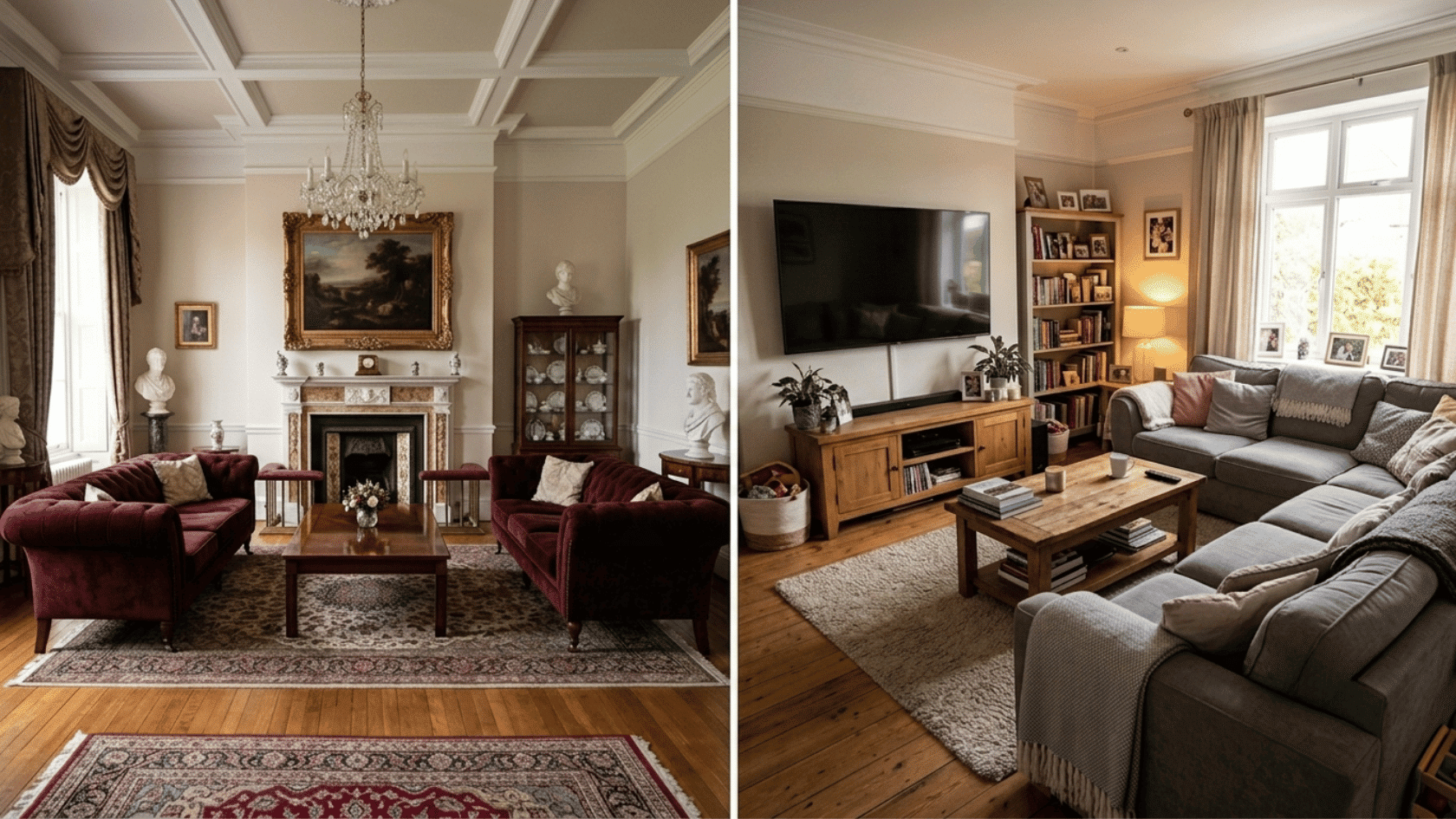
A living room is where a family actually spends time together.
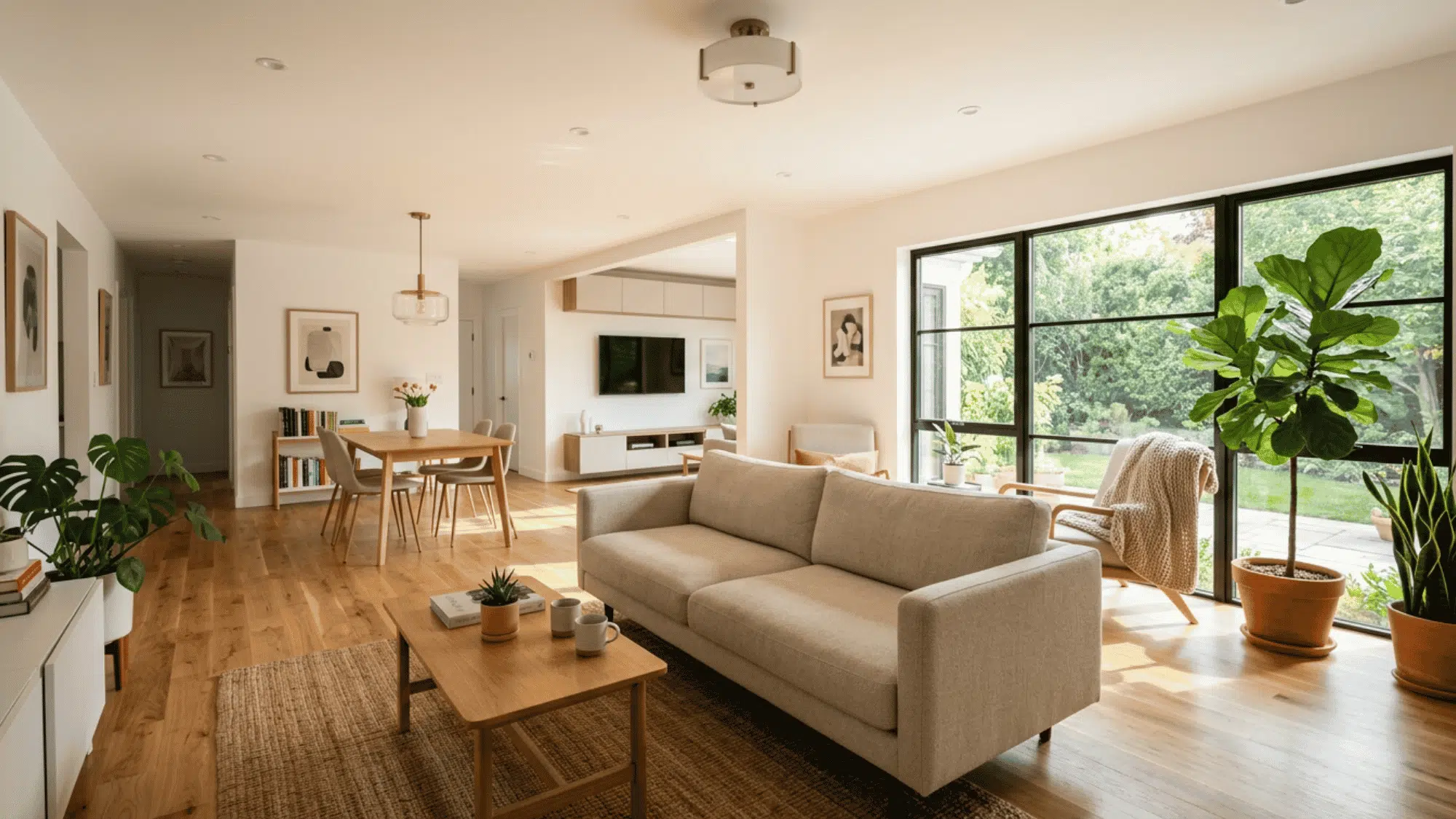
It is casual, personal, and built for comfort. You will typically find a television, a large sofa, family photos on the walls, and spaces designed for relaxing and unwinding.
If your home has a larger, open-plan gathering space instead, it may actually be a great room rather than a living room.
A drawing room, by contrast, is for guests. It is formal, less personal, and arranged with a clear hosting purpose in mind.
The living room usually sits toward the center or back of the home, while a drawing room stays close to the entrance. Both are seating spaces, but they serve entirely different functions and have very different feels.
Drawing Room vs. Sitting Room
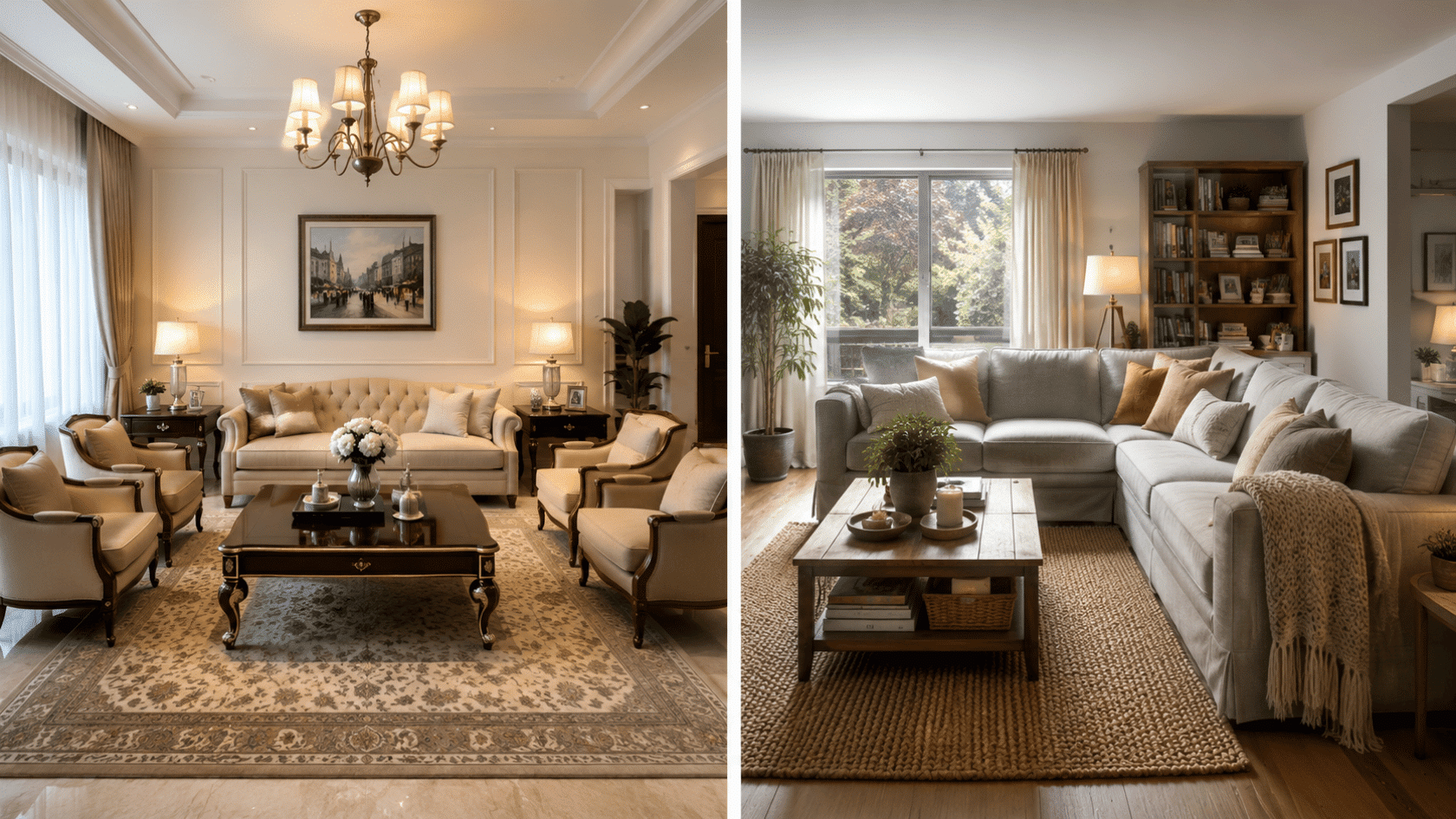
A sitting room falls somewhere between a drawing room and a living room when it comes to formality.
It is typically a relaxed, private space used by family members for quiet time, reading, or casual conversation with close ones.
Unlike a drawing room, it is not designed to impress visitors or serve a formal hosting role. A sitting room is usually tucked toward the side or back of a home, away from the main entrance.
A drawing room, on the other hand, is always positioned to greet guests first. In many homes today, the term sitting room refers to a smaller, secondary lounge that exists alongside the main living room.
If you are trying to sort out which casual space is which, it helps to look at living room vs. family room distinctions too, since those two get confused just as often as drawing rooms and sitting rooms do.
Is a Drawing Room The Same as a Parlor?
The terms drawing room and parlor are often used interchangeably, but they have different meanings based on region and era.
A parlor was a formal guest room for middle-class families in North America and Britain, seen as less grand than a drawing room, which indicated higher social standing and greater refinement in wealthier households.
Over time, the term parlor became more common in North America, while the term drawing room remained prevalent in Britain and parts of South Asia due to colonial influence.
Today, both terms have largely been replaced by living room or lounge, although the concept of a formal space for guests still exists.
How Does a Drawing Room Look and feel?
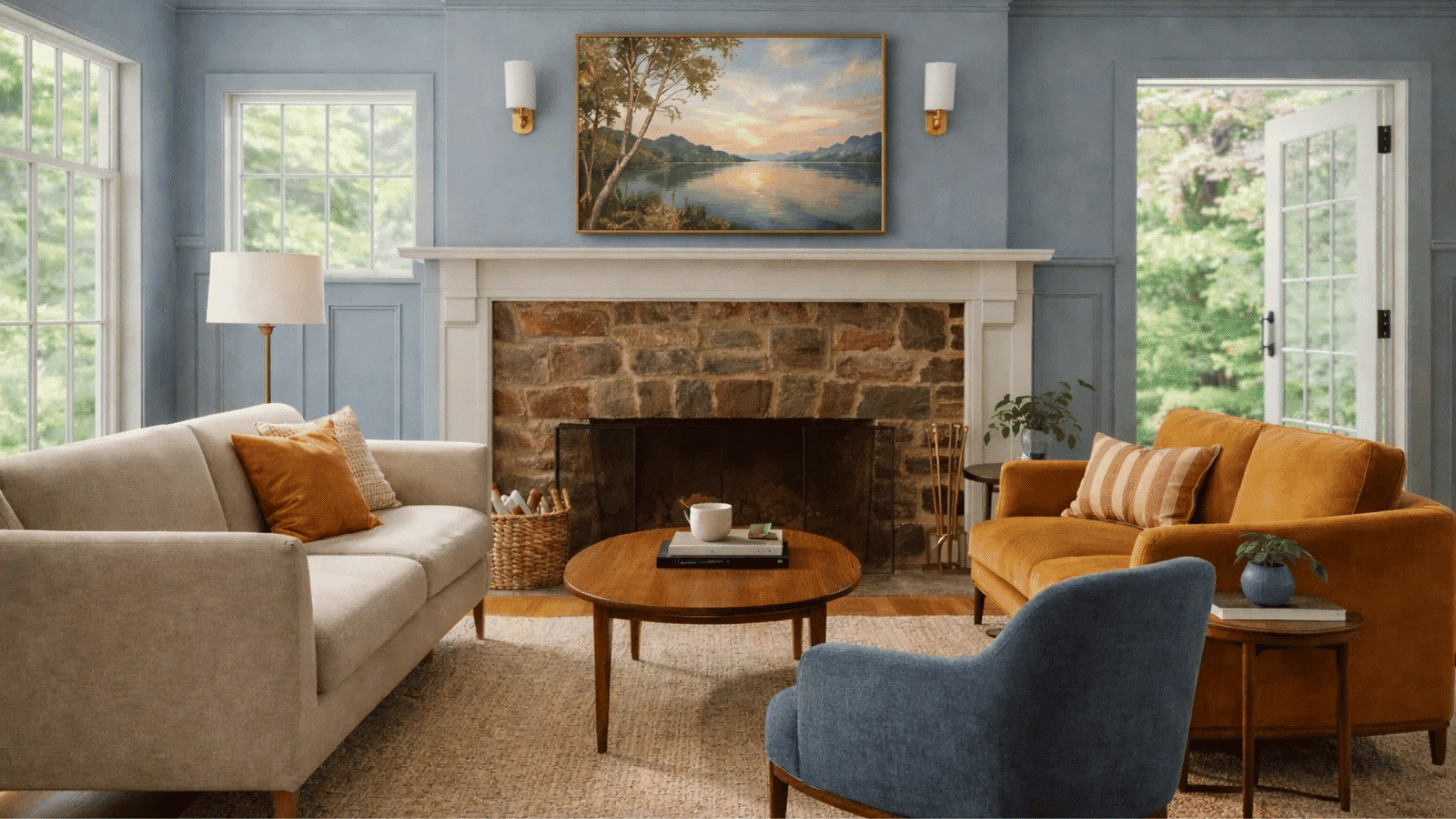
A drawing room features formal aesthetics with neutral shades, tasteful furniture, and classic decor. Bookshelves, artwork, and soft lighting create an inviting atmosphere for hosting guests.
- Settee sofas or two-seater sofas that encourage upright, conversation-friendly seating
- Accent chairs with structured frames rather than deep, plush styles
- A central coffee table, often with a formal or polished finish
- Decorative rugs that anchor the seating arrangement without adding visual noise
The space is kept clean and minimal at all times. It is not a room that collects everyday clutter or reflects the personal habits of the people who live in the home.
Why The Drawing Room Concept Still Works Today?
In larger homes or households that frequently entertain, a drawing room remains a useful space, despite its decline in modern, smaller living environments. Its relevance endures in specific situations.
- Larger homes with multiple reception areas, where different rooms can naturally serve different functions without crowding the space.
- Homes in South Asia and parts of Europe, where formal guest hosting is a strong cultural tradition and a dedicated reception room is expected.
- Homeowners who value household privacy prefer to keep guests in a defined front-of-house space rather than allowing access to the rest of the home.
- People who entertain regularly need a dedicated area for gatherings that keeps the family’s daily living spaces undisturbed.
Even in smaller homes, the core idea can work. A formal seating zone arranged near the entrance, kept separate from the main family area, can carry out the same function without requiring a fully separate room.
Conclusion
The drawing room’s meaning stretches back centuries, rooted in formal hosting and social tradition.
While it may not be a standard feature in most homes today, the thinking behind it still applies to many living situations.
Knowing the difference between a drawing room, a sitting room, and a living room helps you think more clearly about how space is used and what each room is actually meant to do.
It also makes conversations about interior design simpler, especially when planning a new home or rethinking an existing layout.
If you found this helpful, feel free to leave a comment below or share it with someone figuring out their home layout.
Frequently Asked Questons
Does a Drawing Room Need Its Own Door?
Traditionally yes. A door helps the room stay separate from the rest of the house, both for privacy and to keep it presentable at all times without warning.
Where is a Drawing Room Usually Located in a House?
Near the front entrance, so guests can be received without walking through private family areas.
Do Modern Homes Still Have Drawing Rooms?
Some do, especially larger homes or households that entertain often, though the term has largely been replaced by living room or lounge in everyday use.