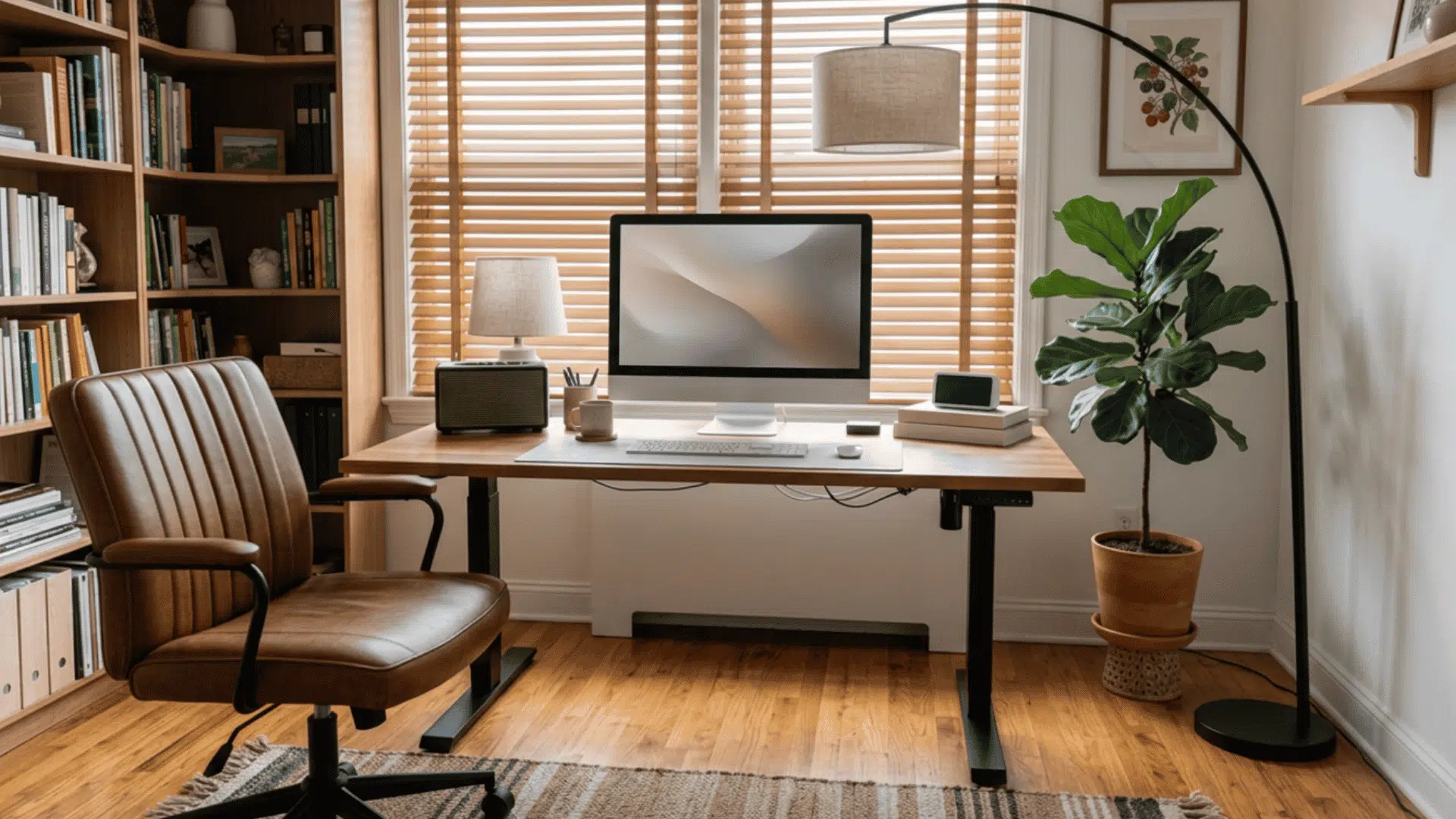
A desk that feels right for one person may cause discomfort for another. The reason is simple: everyone has different body proportions, sitting positions, and work habits.
A desk height calculator helps you find a suitable desk and chair height using measurements like your height and sitting elbow position.
It can help you set up a workspace where your arms, shoulders, and wrists stay in a comfortable position.
Enter your measurements, check your recommended desk height and make small adjustments to create a setup that works better for your daily tasks.
What is a Desk Height Calculator?
A desk height calculator is a tool that estimates the right desk and chair height based on your body measurements.
Most standard desks are made at a fixed height, but people have different body proportions. A desk that works for one person may feel too high or too low for someone else.
These calculators usually use measurements such as your height, sitting elbow height and chair position.
The result provides an estimated desk height to help keep your arms and shoulders relaxed.
How to Calculate Your Ideal Desk Height
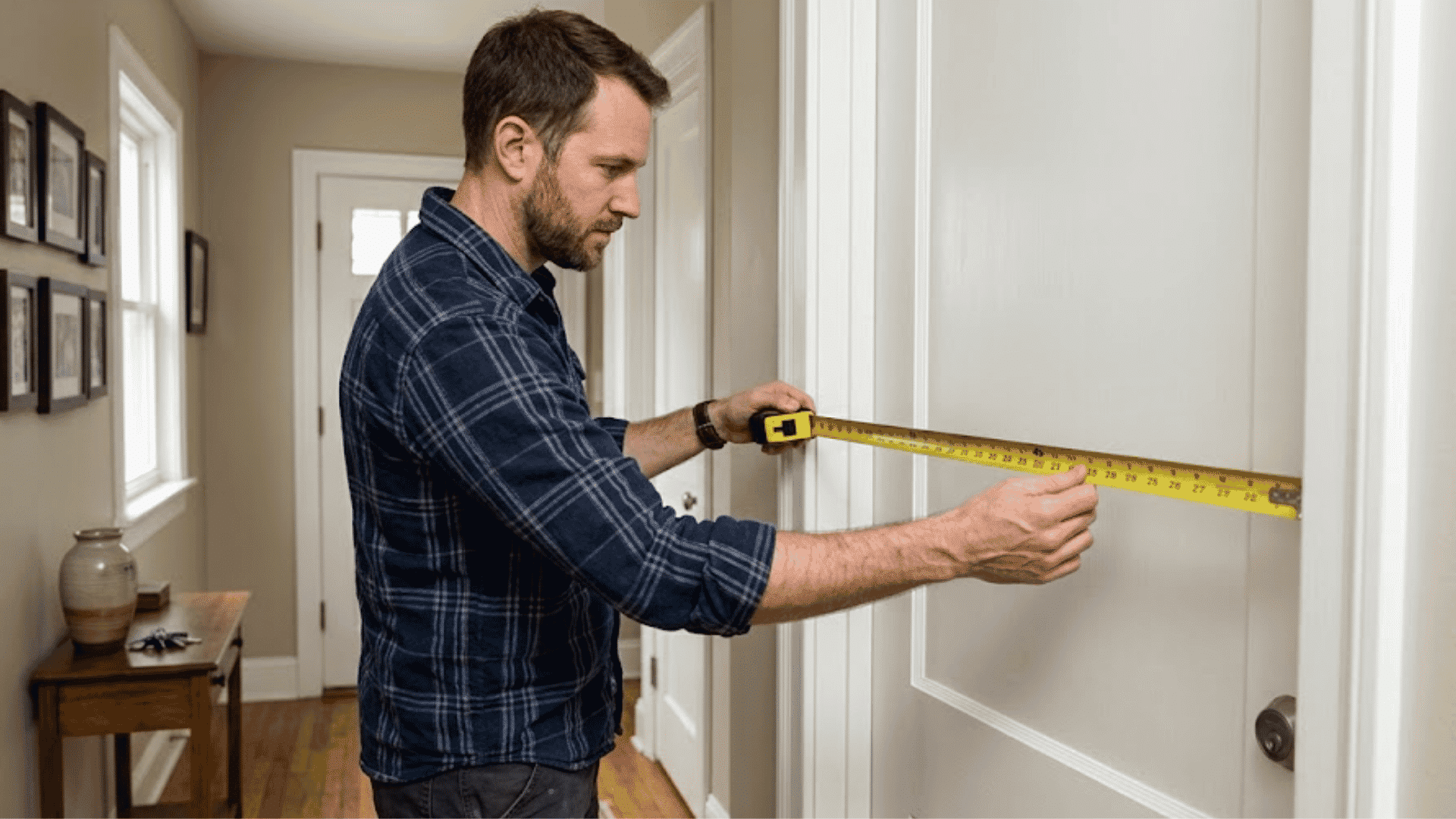
The easiest way to calculate desk height is by measuring your sitting elbow height. This shows where your arms naturally rest while you work.
Sit on your chair with your feet flat on the floor. Keep your back straight and relax your shoulders. Bend your elbows at around a 90-degree angle, like you are typing on a keyboard.
Measure the distance from the floor to the bottom of your elbow. This measurement is close to your ideal desk height.
Your forearms should rest comfortably on the desk while your shoulders stay relaxed. If your shoulders lift or your wrists bend upward, your desk may be too high.
Desk Height Calculator Formula Explained
A simple formula can help estimate the correct desk height:
Desk Height = Sitting Elbow Height
Measure from the floor to your elbow while sitting in your normal work position. This gives a close estimate for a comfortable desktop height.
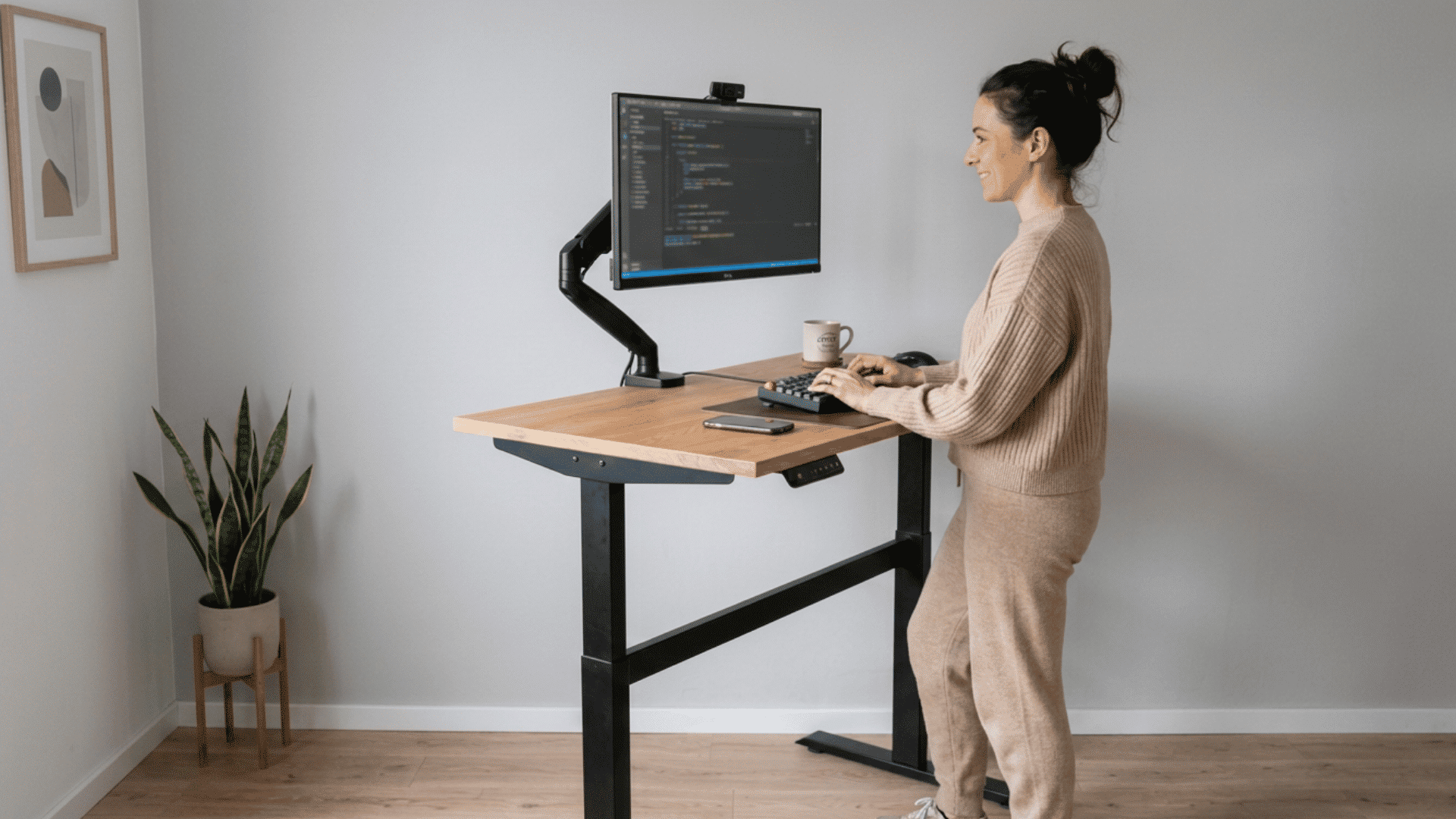
Standing Desk Height = Standing Elbow Height
Measure your elbow height while standing with your arms bent naturally. Your keyboard should sit at a level that keeps your wrists straight.
Use Your Height to Estimate Desk Height
Your height can help estimate your desk height, but body proportions can change the result. Two people with the same height may have different arm lengths and sitting positions.
| Person Height | Suggested Desk Height |
|---|---|
| 5’0″ to 5’3″ | 24 to 26 inches |
| 5’4″ to 5’8″ | 26 to 28 inches |
| 5’9″ to 6’1″ | 28 to 30 inches |
| 6’2” and above | 30 to 32 inches |
These measurements work as a reference. Measuring your elbow height will give a more accurate estimate for your setup.
An adjustable desk can make it easier to find a comfortable position, especially for people who are shorter or taller than average.
A riser desk can also add height to an existing surface without replacing the full desk.
Calculate Chair Height Before Adjusting Your Desk
Your chair height affects how your body meets the desk. Start with your chair before changing your desk position. Set your chair so your feet rest flat on the floor.
Your knees should stay close to a right angle, and your thighs should feel supported. Your lower back should also have proper support.
A chair that is too low can keep your arms too low relative to the desk. A chair that is too high can leave your feet unsupported and affect your sitting posture.
Once your chair feels comfortable, adjust the desk height so your arms can rest naturally while typing or writing.
What Is the Standard Desk Height?
Most office desks are around 28 to 30 inches high. This size works for many adults, but it may not suit every user.
A standard desk may feel too tall for shorter users, causing their feet to hang or their shoulders to lift while typing. Taller users may need a higher desk to avoid bending their arms too much.
Common desk height ranges:
| Desk Type | Typical Height |
|---|---|
| Office desk | 28 to 30 inches |
| Standing desk | 38 to 46 inches |
| Adjustable desk | Custom range |
Signs Your Desk Height Is Incorrect
Your body can show signs when your desk setup needs adjustment. A poor desk height may make long work sessions uncomfortable.
Common signs include:
- Shoulders raised while typing
- Wrist bending upward or downward
- Neck discomfort from looking at the screen
- Feet not touching the floor
- Leaning forward while working
- Changing sitting positions often
How to Adjust Your Workspace After Using a Desk Height Calculator
After finding your estimated desk height, adjust the rest of your workspace to match your body.
- Set Your Chair Height First: Keep your feet flat on the floor and your knees comfortable. If your chair is too high, a footrest can help support your feet.
- Adjust Your Keyboard and Mouse: Keep your keyboard close enough that your elbows stay near your body. Your wrists should stay straight rather than bend upward while typing.
- Position Your Monitor: Place your monitor near eye level so you do not need to bend your neck for long periods. Keep the screen about an arm’s length away for comfortable viewing.
- Make Small Adjustments: Small changes to your setup can improve your daily comfort. Use this ergonomic desk setup to position the chair, monitor, keyboard, and mouse correctly.
Desk Height Calculator for Different Users
Different tasks may require different desk settings. A computer worker, student, and gamer may all need slightly different adjustments.
Home office workers should focus on a desk height that keeps their arms relaxed during long typing sessions.
Gamers may need to pay extra attention to keyboard and mouse placement because of extended screen time.
Students often switch between writing and computer work, so a flexible setup can be helpful. Furniture heights vary by purpose, based on standard table height.
Shorter and taller users may benefit from adjustable desks and chairs because fixed furniture sizes may not match their body measurements.
Conclusion
Finding the right desk height starts with measuring your body rather than relying solely on standard desk sizes.
A desk height calculator helps estimate the correct position for your chair and desk. Measure your sitting elbow height, adjust your chair, and check your keyboard and monitor placement.
A comfortable workspace should allow relaxed shoulders, supported feet, and straight wrists. Share your current desk height or the biggest issue you face with your workspace in the comments.
Frequently Asked Questions
Can Desk Height Affect Posture?
Yes, the wrong desk height can cause neck, shoulder, and wrist discomfort.
Do I Need an Adjustable Desk?
No, a fixed desk works if it matches your body measurements and chair height.
How Often Should I Check My Desk Setup?
Check your setup when you change furniture, chair height, or work habits.