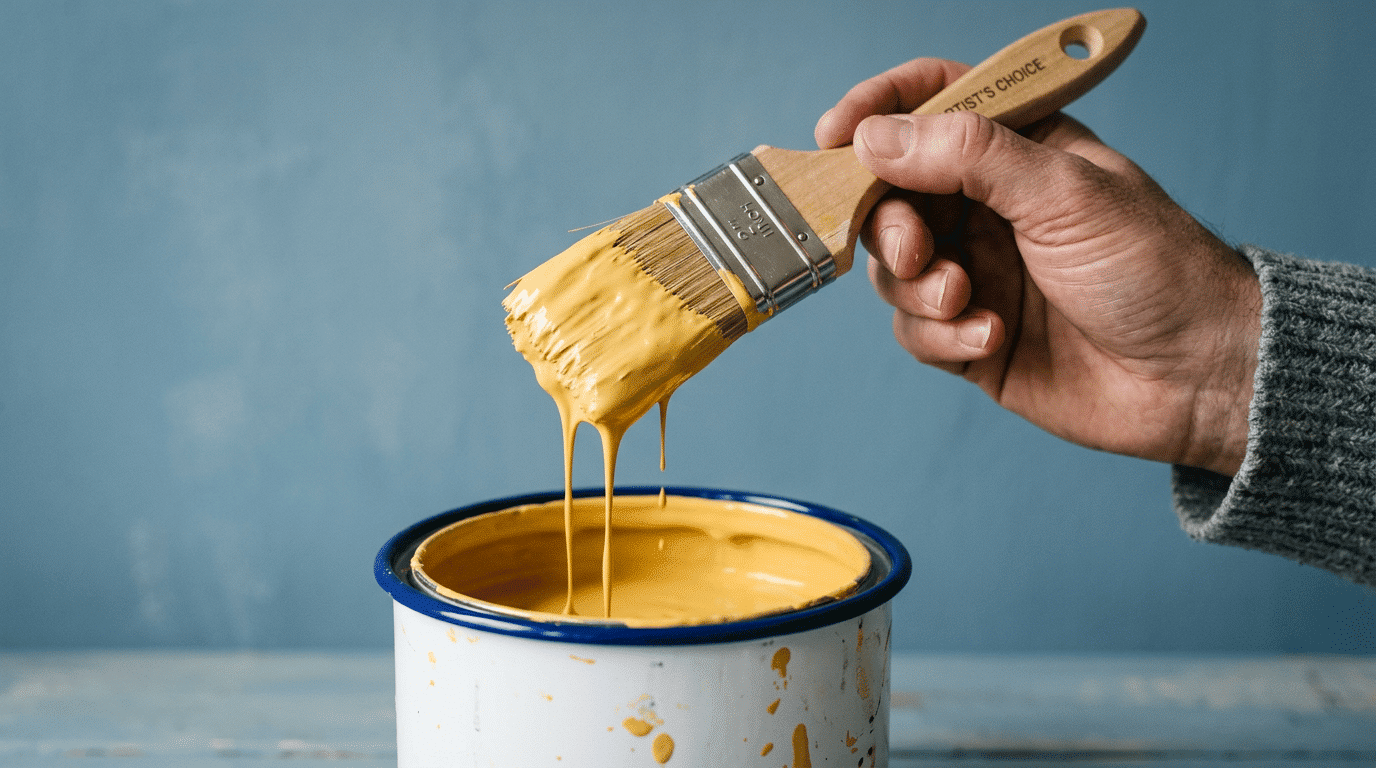
Unexpected rain, a splash of water, or outdoor humidity can quickly ruin a painting if the wrong finish is used.
Many people believe acrylic paint becomes completely waterproof once it dries, but that isn’t entirely true.
The short answer is no. Acrylic paint is not fully waterproof. Understanding how acrylic paint reacts to moisture can save time, money, and frustration.
This blog explains waterproof acrylic paint and how well acrylic paint holds up against water and what to do when it needs more protection.
Is Acrylic Paint Waterproof?
Acrylic paint is one of the most popular paints for crafts, artwork, furniture, walls, and DIY projects because it dries quickly and creates a durable finish.
However, many people misunderstand what happens after it dries.
Acrylic paint is water-resistant, not completely waterproof. As water evaporates, the acrylic polymers bond together and form a flexible protective film.
This layer resists light moisture, occasional spills, and gentle cleaning.
However, standing water, heavy rain, repeated washing, or long-term moisture exposure can slowly weaken the paint film.
For projects that stay outdoors or come into regular contact with water, applying a waterproof sealer greatly improves durability.
Waterproof vs Water-Resistant Acrylic Paint
These terms get used interchangeably, but they are not the same. Water-resistant and waterproof finishes react to moisture very differently, as the comparison below shows.
| Feature | Water-Resistant | Waterproof |
|---|---|---|
| Handles occasional moisture | Yes | Yes |
| Withstands long exposure | No | Yes |
| Standard acrylic paint | Falls into this category | Not naturally in this category |
| Best suited for | Indoor use, light splashes | Rain, humidity, constant water contact |
| Needs a sealer for full protection | Yes, for outdoor/heavy exposure | N/A (already blocks water) |
Is Acrylic Paint Waterproof After it Dries?
Many people assume acrylic paint reaches full strength the moment it feels dry to the touch. In reality, drying and curing are two different stages, and each affects durability differently.
Once fully cured, acrylic paint becomes noticeably more durable and moisture-resistant than before. Even then, it’s still not completely waterproof.
Outdoor furniture, flower pots, signs, and decorative items can slowly absorb moisture if left unsealed. Over time, this moisture works its way into the paint film.
Left untreated, this slow absorption is what eventually causes cracking, peeling, and faded color. Sealing before that happens is far easier than repairing it after.
Drying Time vs Curing Time
Drying simply means the surface is no longer wet to the touch. Depending on temperature and humidity, this usually happens within 20 minutes to several hours.
Curing takes much longer. Most acrylic paints take several days to reach full strength, while thicker applications may require up to three weeks.
How Different Surfaces Affect Acrylic Paint’s Water Resistance
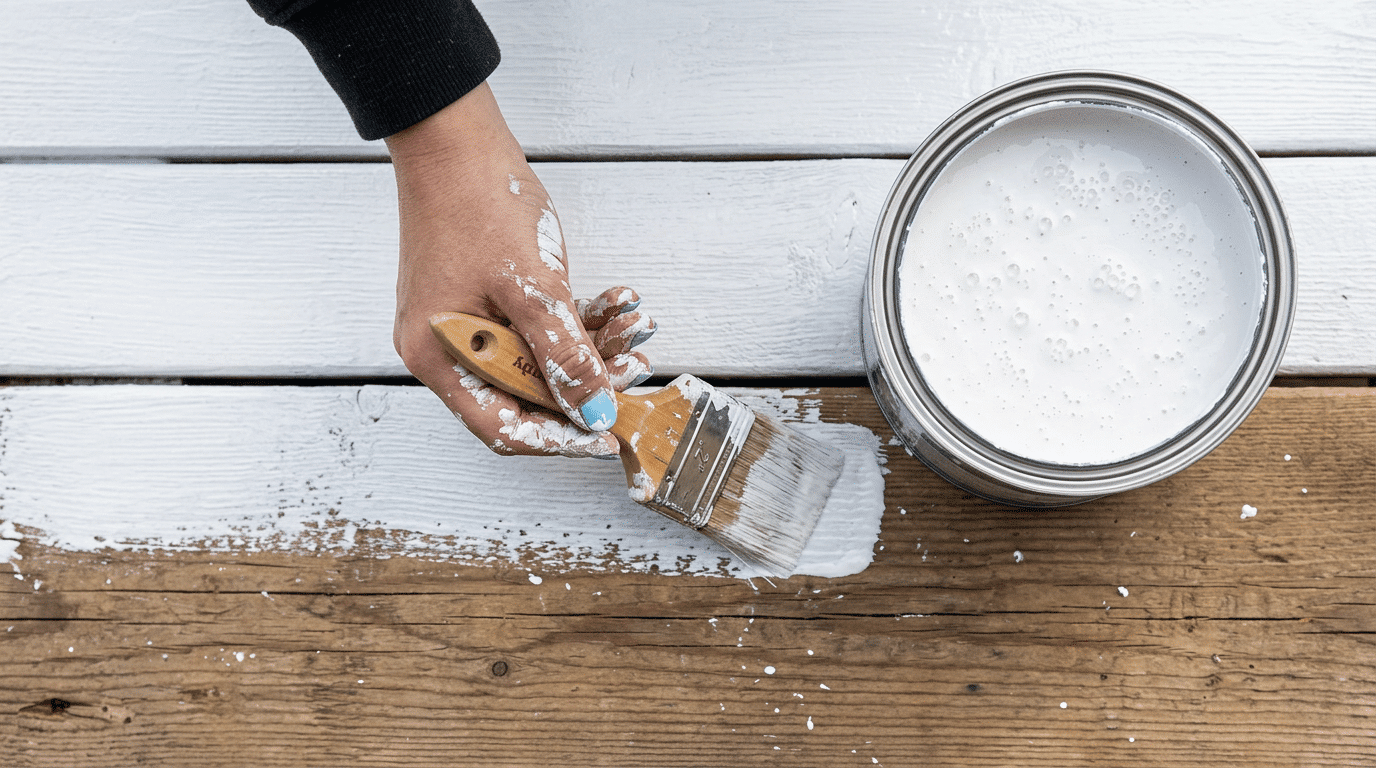
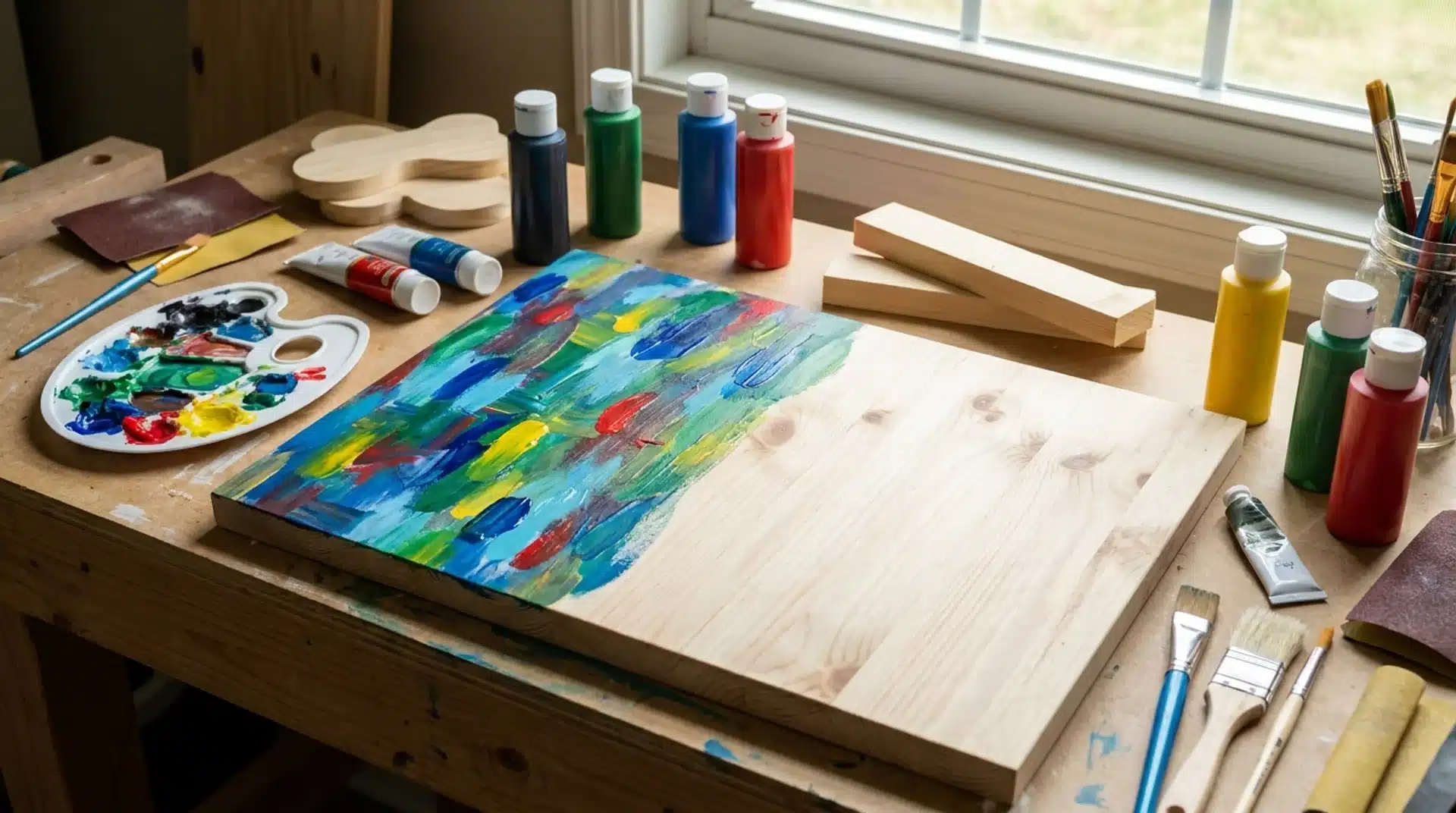
Acrylic paint performs differently on each surface. Knowing how various materials handle moisture helps you decide whether a waterproof sealer is needed for lasting protection.
| Surface | Water Resistance | Should You Seal It? |
|---|---|---|
| Canvas | Moderate | Recommended |
| Wood | Moderate | Yes |
| Interior Walls | Good | Optional |
| Furniture | Moderate | Yes |
| Outdoor Furniture | Low Without Sealer | Yes |
| Plastic | Moderate | Yes |
| Glass | Moderate | Yes |
| Fabric | Moderate | Recommended |
| Metal | Moderate | Yes |
Does Sealing Help Acrylic Paint Resist Moisture?
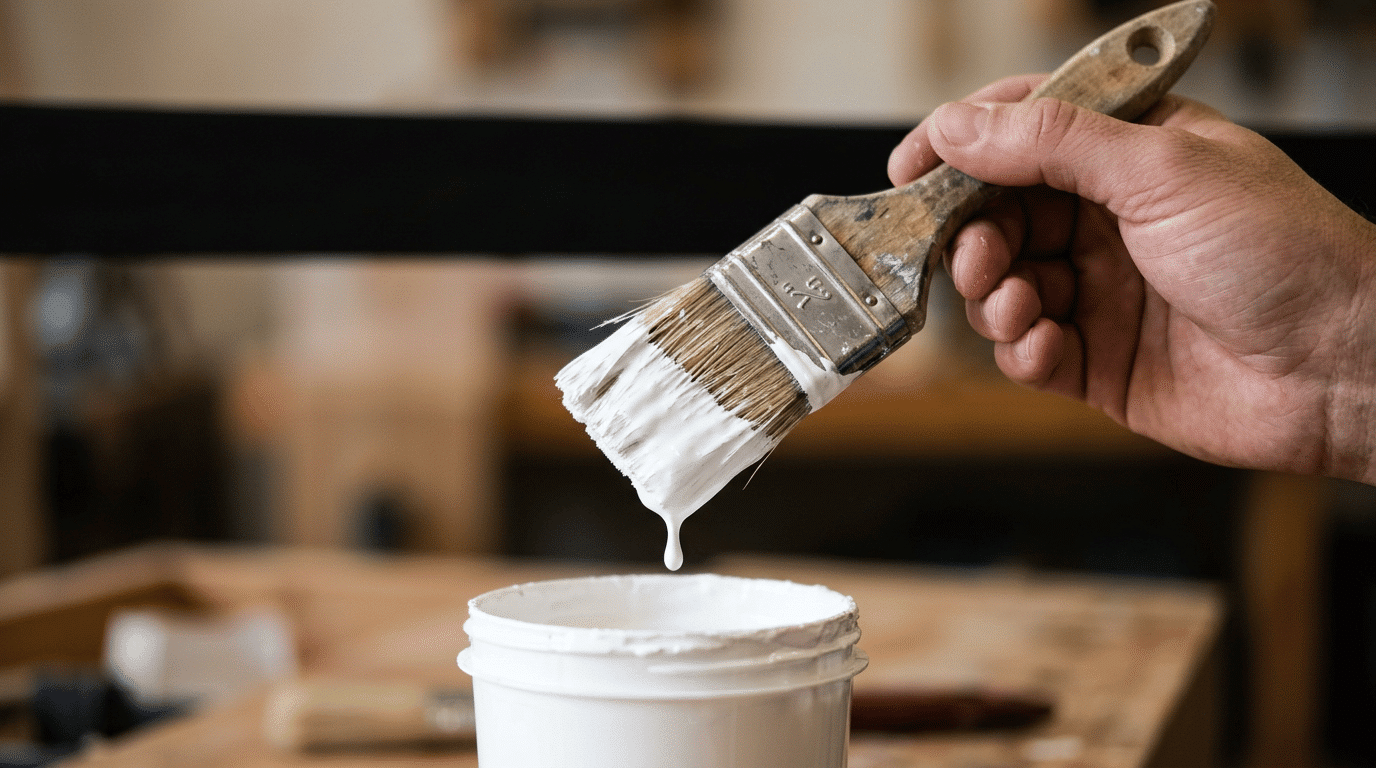
Applying a waterproof sealer adds an extra layer of protection that helps shield the painted surface from water, scratches, UV rays, dirt, and everyday wear.
Best Projects That Need a Waterproof Sealer
Projects exposed to moisture, humidity, or changing weather benefit most from a waterproof sealer.
Although acrylic paint is naturally water-resistant, repeated exposure to rain, spills, or damp conditions can gradually cause fading, peeling, or cracking. A quality sealer adds a protective barrier that helps the paint last longer.
It’s especially recommended for outdoor furniture, garden ornaments, wooden signs, bathroom décor, and kitchen accessories.
Projects That Usually Don’t Need Sealing
Some indoor projects experience very little moisture and generally don’t need extra protection.
This includes canvas artwork, decorative wall paintings, craft paper, school projects, display pieces, and indoor decorations.
Even here, sealing still has real benefits. It improves longevity and makes cleaning much easier.
A light coat also protects against dust, fingerprints, and accidental smudges over time, keeping indoor pieces looking fresh for years with minimal extra effort.
Best Sealers for Acrylic Paint
While acrylic paint isn’t completely waterproof, choosing the right sealer greatly boosts its resistance to water, wear, and everyday damage, since needs vary by project.
Spray Sealers
Spray sealers apply quickly, leave an even finish without brush marks, and work well on canvas, crafts, and textured artwork. Multiple thin coats protect better than one thick layer.
Brush-On Sealers
Brush-on sealers create a thicker protective coating than sprays, offering greater durability against scratches and moisture. They also come in matte, satin, or glossy finishes.
Epoxy Resin Coatings
Epoxy resin offers one of the strongest moisture protections for acrylic-painted projects, creating a thick, glass-like surface that resists water, stains, scratches, and daily wear.
How to Make Acrylic Paint More Waterproof?
Protecting acrylic paint is straightforward when the correct steps are followed, from choosing the right sealer to applying it properly for truly long-lasting, reliable results.
Step 1: Let the Paint Cure Completely
Allow the painted surface to fully cure before applying any coating, as sealing uncured paint can trap moisture, reduce adhesion, and compromise durability over time.
Step 2: Clean the Surface
Dust, grease, fingerprints, and loose particles prevent sealers from bonding properly. Wipe the surface clean with a dry microfiber cloth or a slightly damp one if needed, then let it dry fully.
Step 3: Apply a Waterproof Sealer
Choose a spray, brush-on polyurethane, acrylic varnish, or epoxy coating based on your project. Apply thin, even coats, letting each dry fully before adding another.
Step 4: Allow the Sealer to Cure
Once applied, the sealer needs time to fully harden. Avoid exposing the project to water until the manufacturer recommends it, since proper curing ensures long-term durability.
What Weakens Acrylic Paint’s Water Resistance?
Even small application mistakes can significantly weaken acrylic paint’s water resistance, making sealing far less effective and leaving painted surfaces vulnerable to damage over time.
- Sealing Too Early: Applying a sealer before the paint fully cures traps moisture beneath the surface, reducing adhesion and creating an uneven finish.
- Using Acrylic Paint Outdoors Without Protection: Rain, sunlight, temperature changes, and humidity cause unsealed paint to fade, peel, or absorb moisture over time.
- Painting on an Unprepared Surface: Dirty, oily, or glossy surfaces reduce adhesion; cleaning and priming first create a stronger bond and better moisture resistance.
- Choosing the Wrong Sealer: Indoor crafts, outdoor furniture, artwork, and tabletops each need different protective finishes, so picking the right one is key to durability.
Final Takeaway
Acrylic paint offers excellent durability for countless creative and home improvement projects, but it is important to understand its limits.
Adding the right sealer provides the extra protection needed for outdoor surfaces, furniture, and items exposed to regular moisture.
Choosing the right paint, allowing it to cure properly, and sealing when necessary can help your project stay attractive for years.
Have questions about your next painting project? Share them in the comments, and let us know what surface you’re planning to paint!
Frequently Asked Questions
Can Acrylic Paint be Used on Items that Go in Water?
No, acrylic paint isn’t made for submersion, even when sealed, since most sealers resist splashes rather than constant water contact.
How Long Does a Waterproof Sealer Last on Acrylic Paint?
Most sealers last one to three years outdoors, depending on weather exposure and sealer quality.
Does Temperature Affect How Well Acrylic Paint Resists Water?
Yes, extreme heat or cold can weaken the paint film, making it more prone to cracking over time.