Planning a new patio, garage, shed, or home foundation begins with understanding the cost of the concrete slab.
Many homeowners only consider the price of concrete. However, the total expense also includes labor, site preparation, reinforcement, finishing, and local material costs.
Knowing these expenses in advance helps prevent budget surprises and makes contractor quotes easier to compare.
This blog explains the average cost to pour a concrete slab, answers the question of how much concrete costs, and outlines the main pricing factors.
Average Concrete Slab Cost
The average cost of a concrete slab depends on slab type, size, labor, and project requirements. Most homeowners pay between $6 and $12 per square foot for installation.
Basic concrete slabs typically cost $6–$8 per square foot; reinforced slabs range from $8–$10 per square foot; and decorative concrete starts at $10–$12 per square foot or more.
A typical residential project usually costs $3,600–$7,200. Smaller slabs, such as patios and shed foundations, usually cost less.
Garages, driveways, and home foundations cost more because they require additional materials, reinforcement, site preparation and finishing. Local labor rates and project conditions also affect the final price.
Estimated Concrete Slab Cost
Plan your project budget with realistic concrete slab costs based on size, project type, and installation requirements before comparing contractor estimates or scheduling work.
Concrete Slab Cost by Size
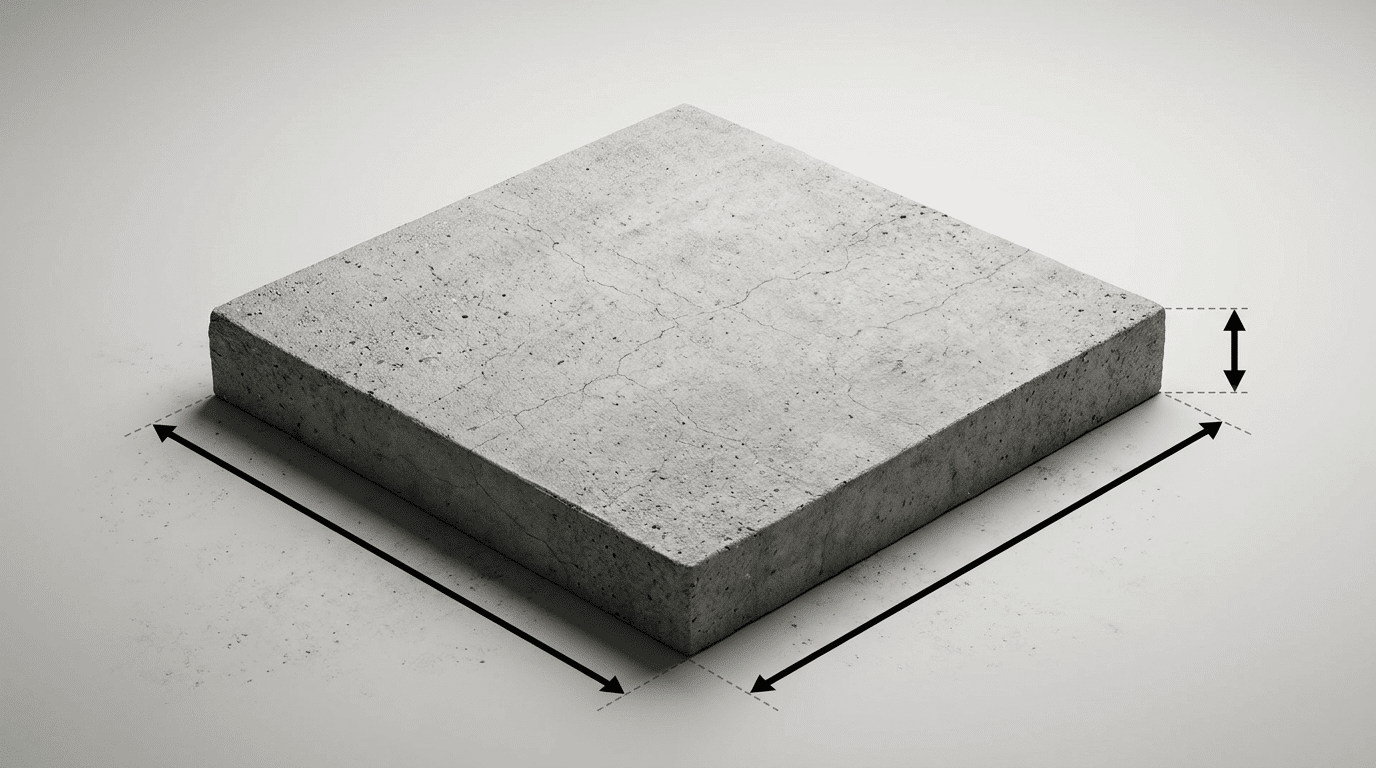
Estimate the cost to pour concrete slabs by measuring the slabs’ dimensions. While larger slabs cost more overall, they often have a lower price per square foot.
| Slab Size | Square Feet | Estimated Cost |
|---|---|---|
| 10 × 10 | 100 | $600–$1,200 |
| 12 × 12 | 144 | $864–$1,728 |
| 20 × 20 | 400 | $2,400–$4,800 |
| 20 × 30 | 600 | $3,600–$7,200 |
| 30 × 30 | 900 | $5,400–$10,800 |
| 40 × 40 | 1,600 | $9,600–$19,200 |
Actual pricing varies depending on thickness, reinforcement, labor costs, and local material prices.
Concrete Slab Cost by Project Type
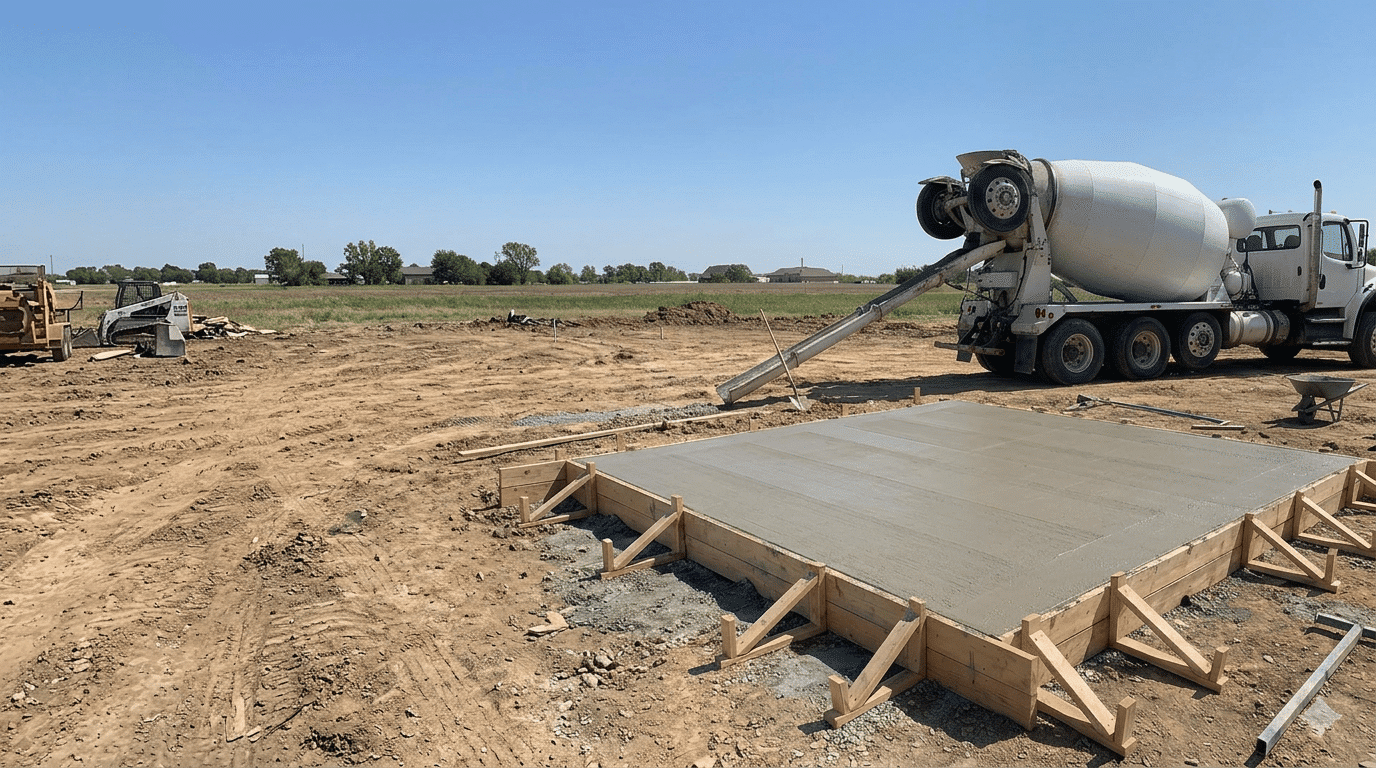
Different projects require different slab designs and thicknesses.
Choosing the right specifications helps ensure durability, structural support, accurate budgeting, and long-term performance for every installation.
| Project | Typical Thickness | Estimated Cost |
|---|---|---|
| Patio | 4 inches | $1,500–$4,500 |
| Shed foundation | 4 inches | $600–$2,000 |
| Garage | 5–6 inches | $3,500–$8,000 |
| Driveway | 5–6 inches | $4,000–$10,000 |
| House foundation | 6+ inches | $8,000–$25,000+ |
| Hot tub pad | 4–6 inches | $800–$2,500 |
The final cost of the concrete slab depends on project specifications, location, and contractor rates.
Concrete Slab Cost by Concrete Strength
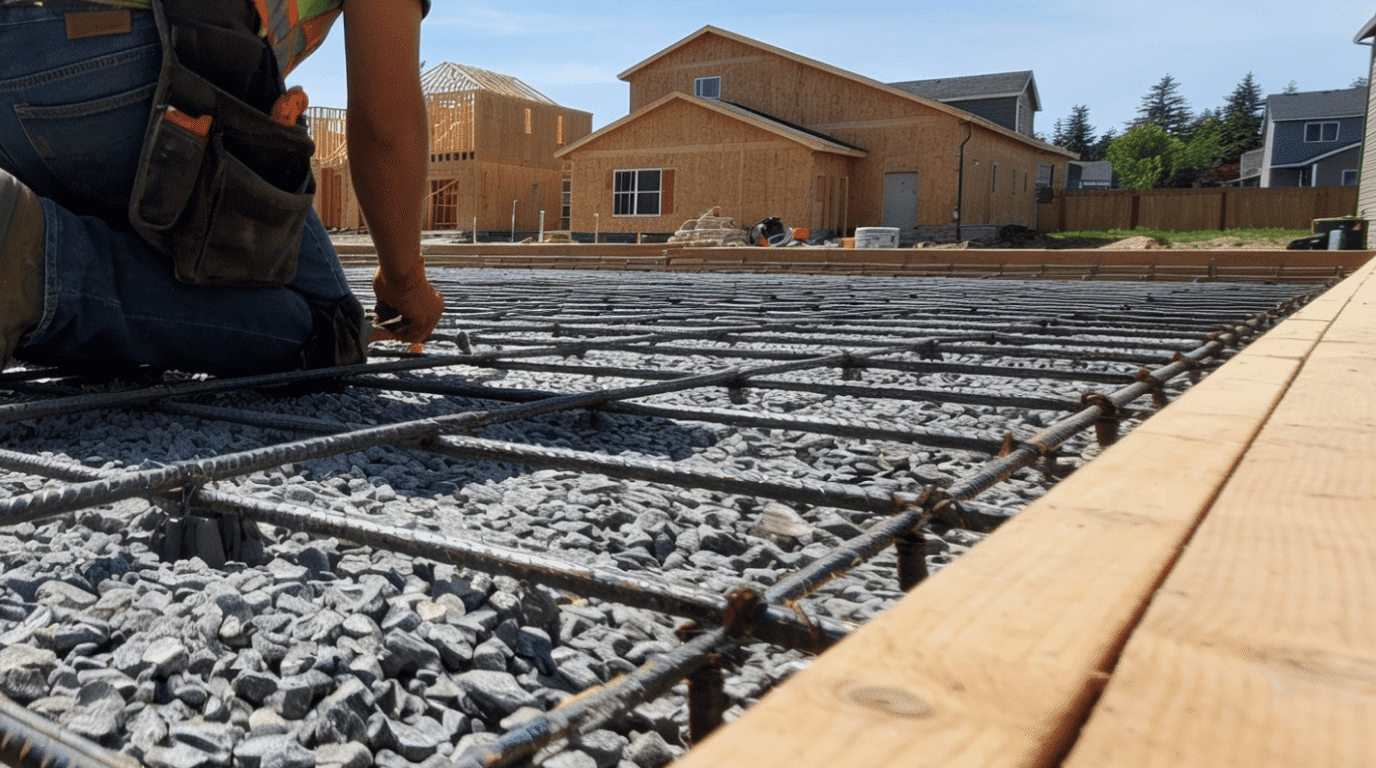
Concrete strength directly affects both performance and installation cost.
Higher-strength mixes require different materials, increasing the overall price for many residential projects.
| Concrete Strength (PSI) | Typical Cost Per Sq. Ft. | Best For |
|---|---|---|
| 2,500 PSI | $6–$7 | Sidewalks and walkways |
| 3,000 PSI | $6–$8 | Patios and shed foundations |
| 3,500 PSI | $7–$9 | Residential driveways |
| 4,000 PSI | $8–$10 | Garage floors and home foundations |
| 5,000+ PSI | $10–$14+ | Heavy-duty and commercial applications |
Choose the lowest concrete strength that meets your project’s structural requirements to balance durability, performance, and overall installation cost.
Concrete Slab Cost by Excavation and Decorative Features
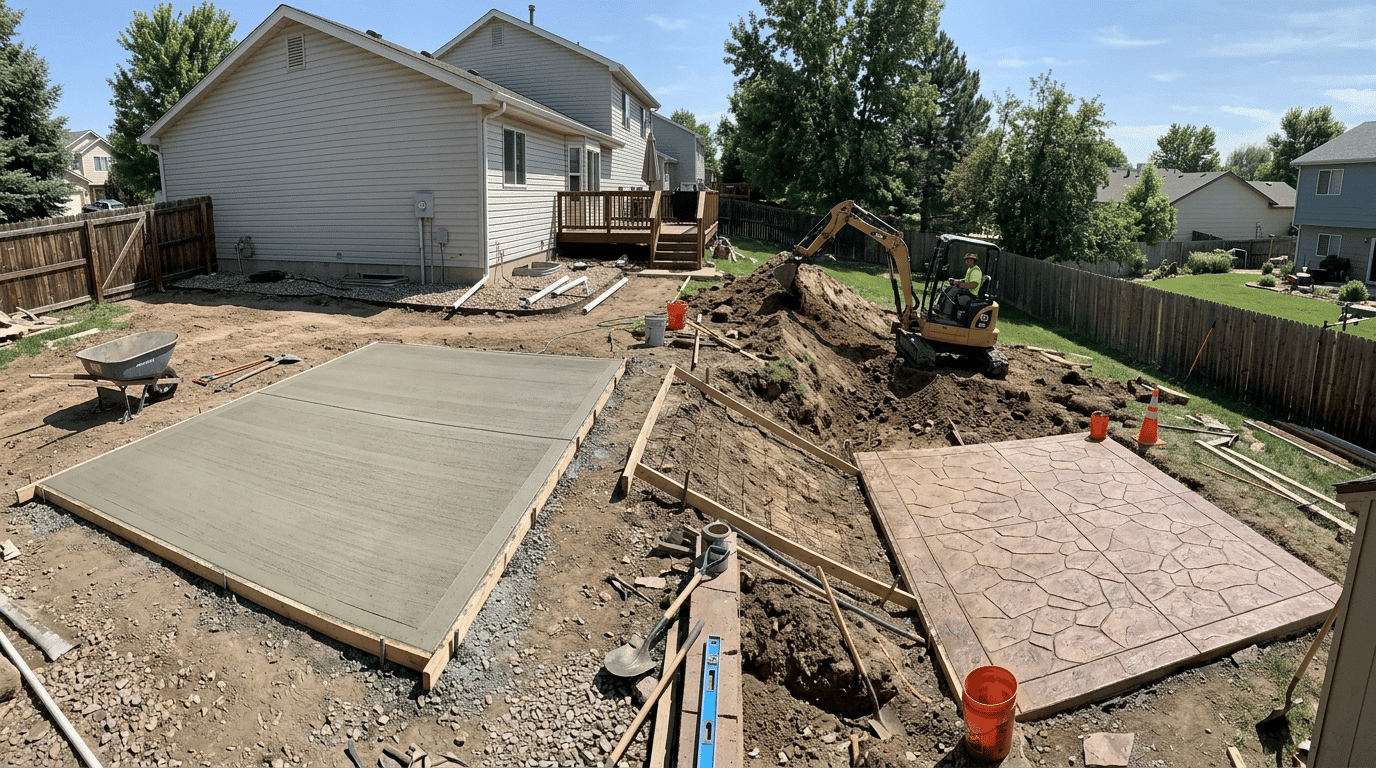
Excavation needs and decorative finishes can significantly increase concrete slab costs.
The more preparation or customization required, the higher the installation price.
| Feature | Typical Additional Cost | Why It Costs More |
|---|---|---|
| Minimal excavation | $0–$1 per sq. ft. | Flat, ready-to-build site |
| Moderate excavation | $1–$3 per sq. ft. | Minor grading and soil removal |
| Extensive excavation | $3–$6+ per sq. ft. | Rocky, sloped, or heavily excavated sites |
| Broom finish | Included–$1 per sq. ft. | Basic slip-resistant finish |
| Colored concrete | $2–$4 per sq. ft. | Integral pigments or surface color |
| Stamped concrete | $8–$15 per sq. ft. | Decorative patterns and textures |
| Exposed aggregate | $6–$12 per sq. ft. | Decorative stone finish requiring extra labor |
| Polished concrete | $3–$8 per sq. ft. | Multi-stage grinding and polishing process |
Keeping excavation simple and choosing basic finishes can help control costs while still providing a durable and attractive concrete slab.
Concrete Slab Cost Calculator
A simple estimate helps homeowners understand potential project costs before requesting quotes.
Basic Formula:
Length × Width = Square Footage
Square Footage × Cost Per Square Foot = Estimated Project Cost
Example:
Patio size: 20 × 20 Total area: 400 sq. ft. Installation price: $8 per sq. ft.
Estimated Cost: $3,200
Remember to include permit fees, reinforcement, decorative finishes, and site preparation if applicable.
Ways to Reduce Concrete Slab Costs
Careful planning can help reduce your concrete slab cost. Comparing quotes, simplifying the design, and preparing the site in advance can lower overall installation expenses.
- Compare quotes: Get estimates from multiple contractors before committing.
- Simplify the shape: Choose a basic slab design to reduce labor and material costs.
- Time it right: Schedule work during slower construction seasons for better rates.
- Prep the site early: Handle site preparation yourself when possible.
- Skip decorative finishes: Stick to basic finishes if working within a tight budget.
- Order accurately: Calculate the correct amount of concrete to minimize waste.
- Bundle projects: Combine multiple concrete jobs into one installation.
DIY vs. Professional Installation
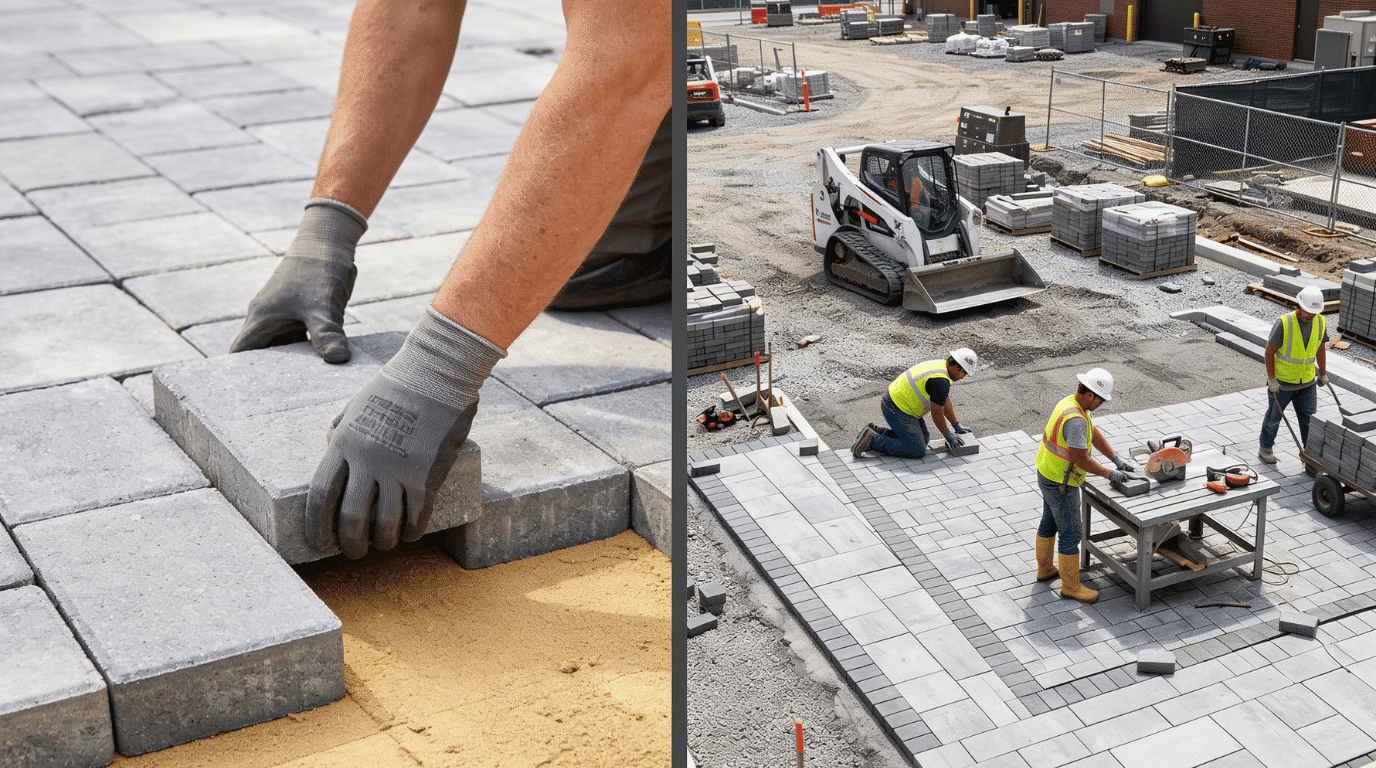
Some homeowners choose to pour concrete themselves to reduce labor costs. DIY installation works best for small patios or shed slabs.
It requires rented equipment, careful preparation, and basic construction skills.
Professional installation costs more upfront but includes equipment, experienced crews, and higher-quality results.
Contractors can handle large garages, driveways, and home foundations more efficiently. Their work often includes a workmanship warranty, reducing the risk of long-term repairs.
Consider the project size, budget, timeline, and experience before deciding.
Choosing the right approach helps avoid costly mistakes, improves durability, and delivers better overall value for your specific concrete project and future needs overall.
What to Ask Before Hiring a Concrete Contractor?
Choosing the right contractor is just as important as setting a realistic budget.
Before accepting a quote, ask what services are included and clarify key project details to avoid unexpected costs later.
- Does the estimate include excavation and site preparation?
- What concrete strength will be used?
- Is reinforcement included?
- Are permits and inspections covered?
- How long will the slab take to cure?
- Is there a workmanship warranty?
- Will cleanup be included after the job is complete?
These questions help ensure accurate pricing, clear expectations, and a smoother installation process.
What is Included in a Concrete Slab Quote?
Before comparing contractor estimates, review exactly what each quote includes. Some contractors provide an all-inclusive price, while others list certain services separately.
A complete estimate often covers layout, formwork, excavation, gravel base, concrete delivery, pouring, finishing, curing, and site cleanup.
Depending on the project, it may also include reinforcement, vapor barriers, permits, inspections, and debris removal.
Requesting an itemized quote makes it easier to compare bids fairly and identify missing services that could increase costs later.
Understanding these inclusions helps homeowners avoid unexpected expenses, ask informed questions, compare proposals accurately, confirm project scope, understand payment terms, and reduce budgeting surprises overall.
Final Takeaway
Understanding the cost of a concrete slab helps homeowners set realistic budgets and avoid unexpected expenses.
Labor, site preparation, slab thickness, reinforcement, and finishing all influence the final price.
Comparing estimates and material options can lead to better long-term value. This blog provides a reliable starting point.
Use these estimates to plan with confidence, then compare local contractor quotes to find the best option. Let us know your opinions below!
Frequently Asked Questions
How Long Does It Take to Pour a Concrete Slab?
Most residential concrete slabs can be poured in a day. The slab is typically walkable within 24–48 hours and can handle vehicle traffic after about a week, but concrete doesn’t reach full strength until it has cured for approximately 28 days.
Does Weather Affect Concrete Slab Installation Costs?
Yes. Extreme heat, cold, or rain can delay work and increase labor or protection costs.
Can a Concrete Slab Be Poured Over Existing Concrete?
Sometimes. The existing slab must be structurally sound, level, and free from significant cracks or damage.