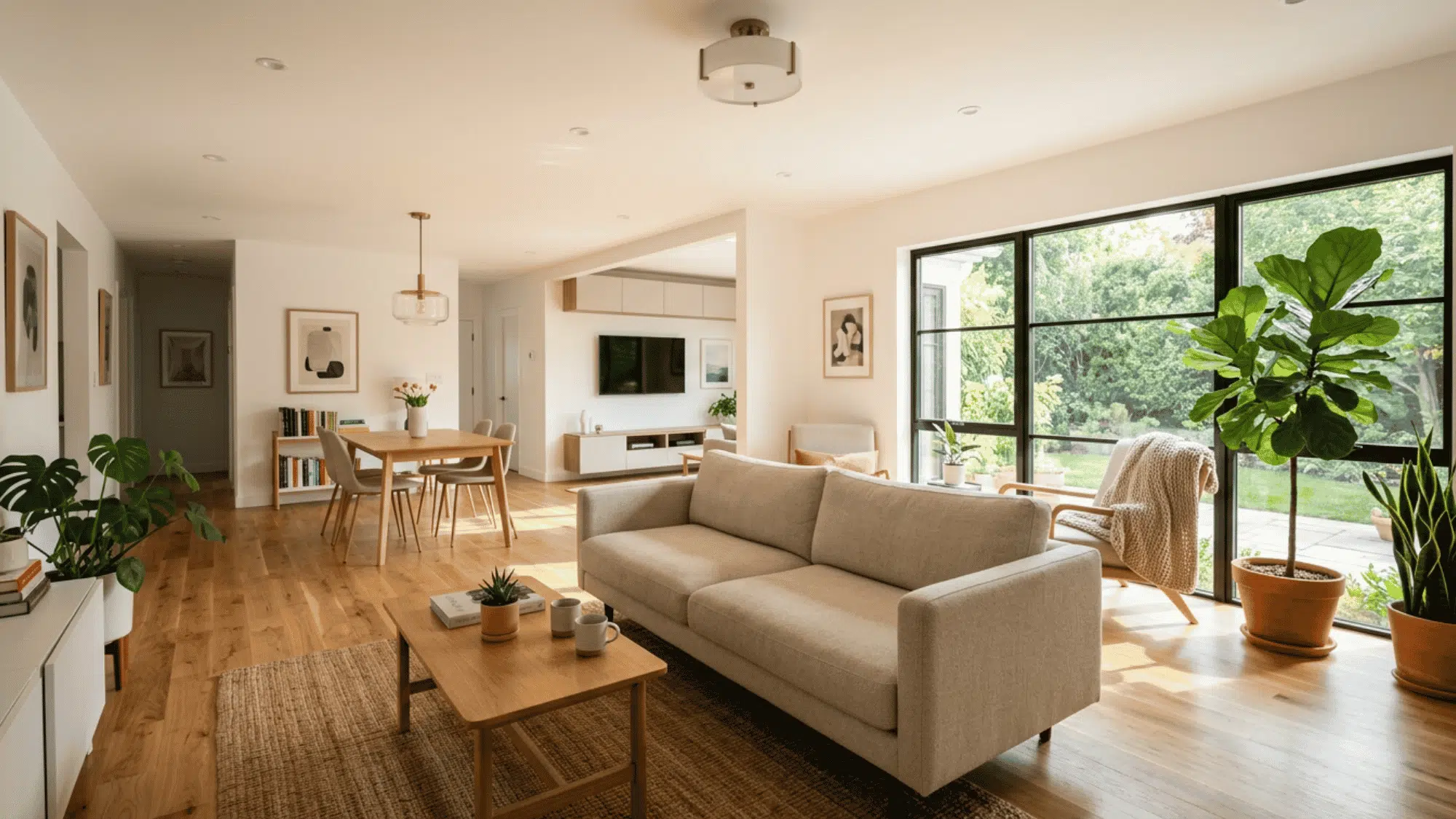
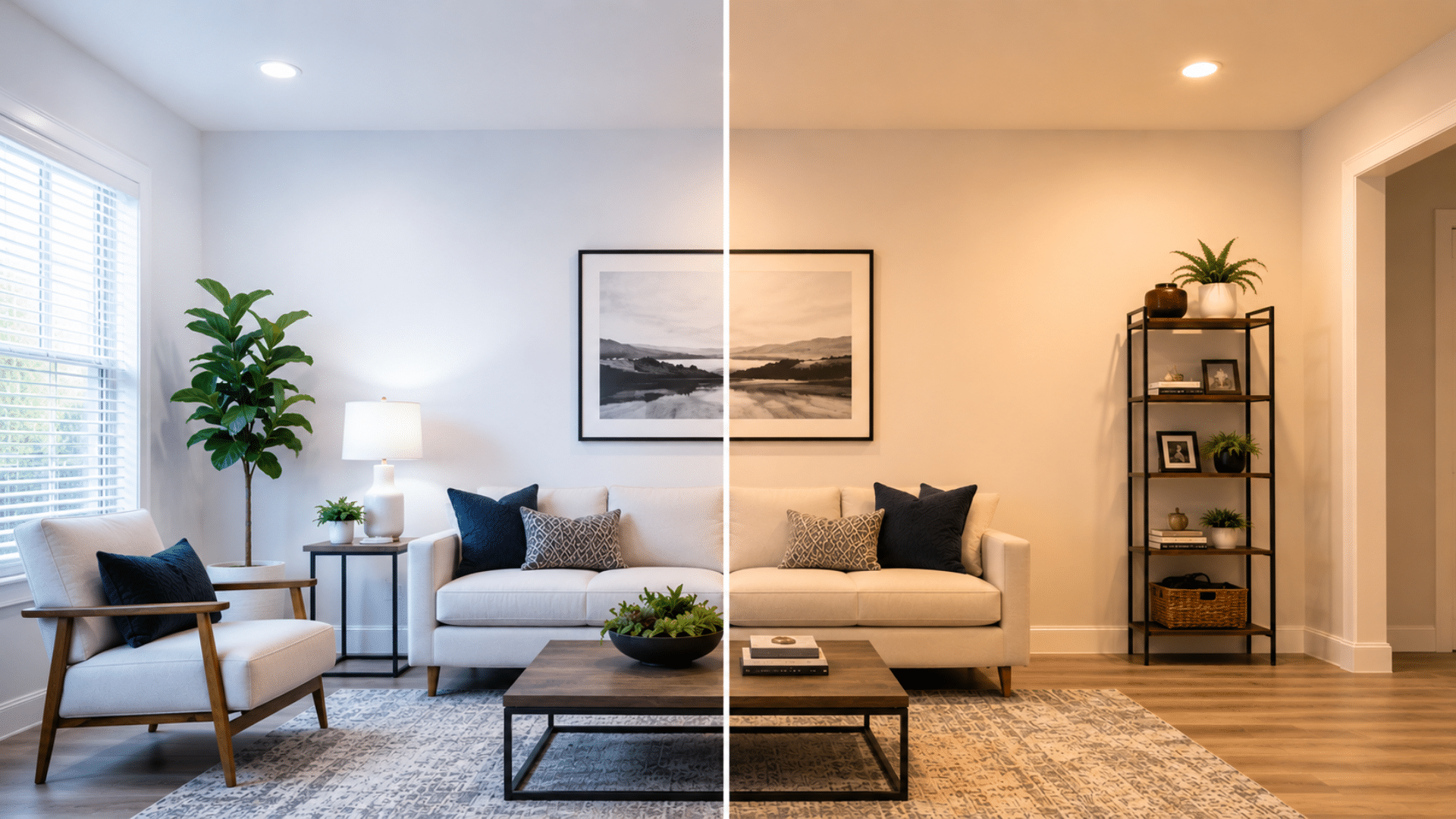
Choosing between bright white and daylight bulbs can change how a room looks and feels throughout the day.
Bright white bulbs usually provide a balanced white glow for everyday areas, while daylight bulbs produce a cooler light closer to natural daylight.
Understanding their differences helps you select the right option for your home, workspace, or activity needs.
This comparison covers their uses, appearance, and key features to help you make a suitable choice. Read on to compare bright white vs daylight and choose with confidence.
What is a Bright White Light Bulb?
Bright white bulbs produce a clean, balanced glow that sits between warm white and daylight, usually landing around 3000K to 4000K on the Kelvin light scale.
That’s the middle stretch of the scale, right between the warm glow of a bedside lamp and the crisp look of daylight.
The result feels less yellow than a warm bulb but softer than daylight, which is why it shows up so often in kitchens, bathrooms, living rooms, and general work areas.
What is a Daylight Bulb?
A daylight light bulb produces a cooler, whiter glow that is designed to resemble natural daylight.
Most daylight bulbs have a color temperature of around 5000K to 6500K, which makes the light appear crisp and blue-toned compared with warmer bulbs.
These bulbs are often used in areas where clear visibility and detail matter, such as home offices, garages, craft spaces, and task lighting areas.
Daylight bulbs can make colors appear more vivid and help reduce the dull look that some warm lights create.
Choosing the right brightness level along with the color temperature helps create suitable lighting for each space.
Bright White vs Daylight: Color Temperature Comparison
| Feature | Bright White Bulbs | Daylight Bulbs |
|---|---|---|
| Color Temperature | Around 3000K–4000K | Around 5000K–6500K |
| Light Appearance | Balanced white with a slightly warm feel | Crisp white with a cooler blue tone |
| Similar To | Soft indoor lighting with a clean look | Natural outdoor daylight |
| Best For | Kitchens, living rooms, bathrooms, and general areas | Offices, garages, reading spaces, and task areas |
| Color Effect | Keeps colors natural with a comfortable glow | Makes colors appear sharper and more vivid |
| Room Feel | Creates a relaxed and practical setting | Creates a focused and clear environment |
| Common Bulb Type | Mostly available as LED bulbs | Mostly available as LED bulbs |
Best Rooms to Use Bright White Bulbs
Bright white bulbs provide a balanced light that works well in many everyday spaces. Their clear white tone offers visibility while keeping rooms comfortable for regular activities.
Kitchen
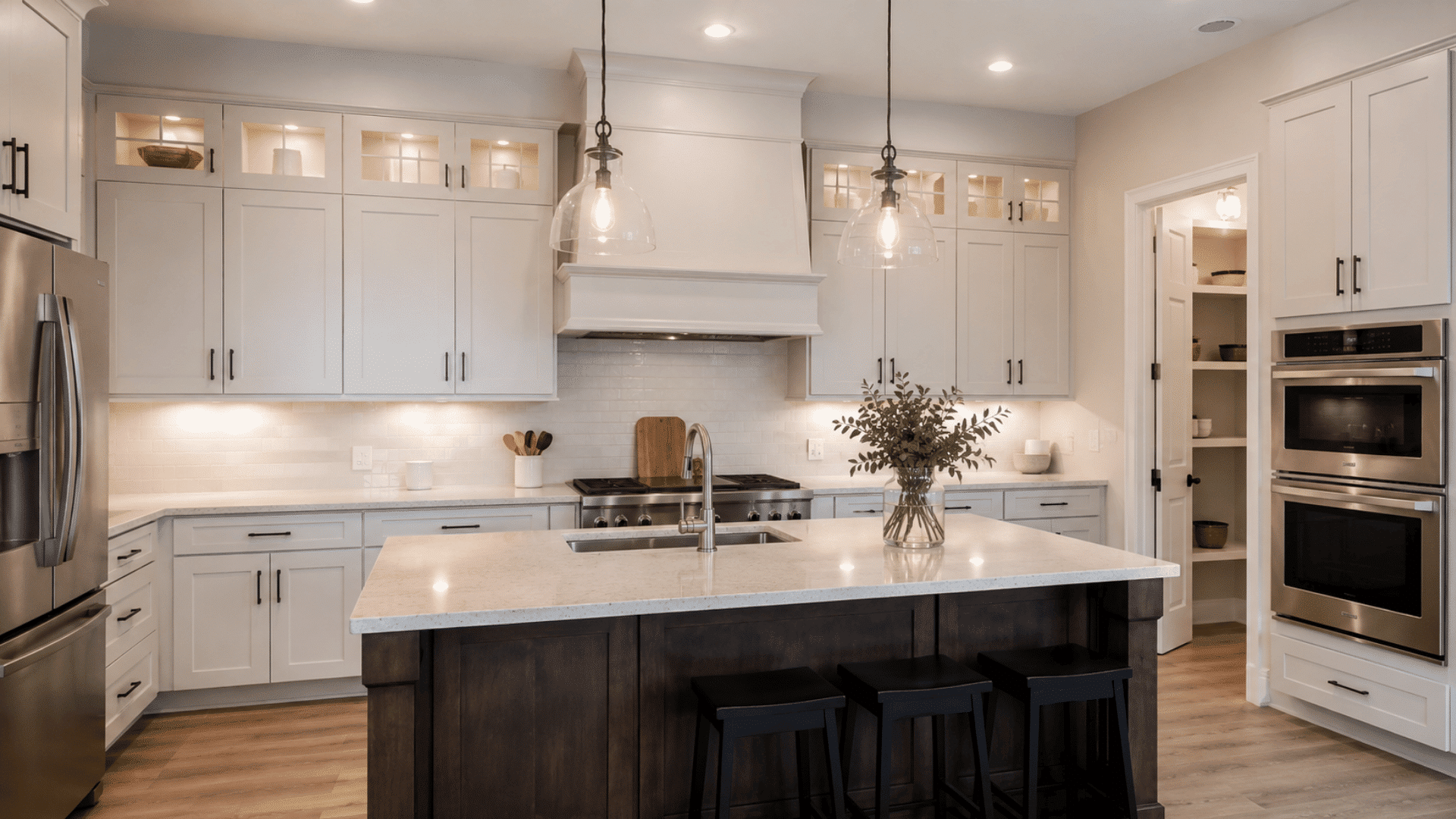
Bright white bulbs are a practical choice for kitchens because they provide clear lighting for cooking, cleaning, and food preparation.
The balanced white tone helps surfaces and colors appear natural without the yellow look of warmer bulbs. They work well for ceiling fixtures, pendant lights, and under-cabinet lighting.
A color temperature between 3000K and 4000K can provide enough brightness for kitchen tasks while maintaining a comfortable feel during daily use.
Bathroom
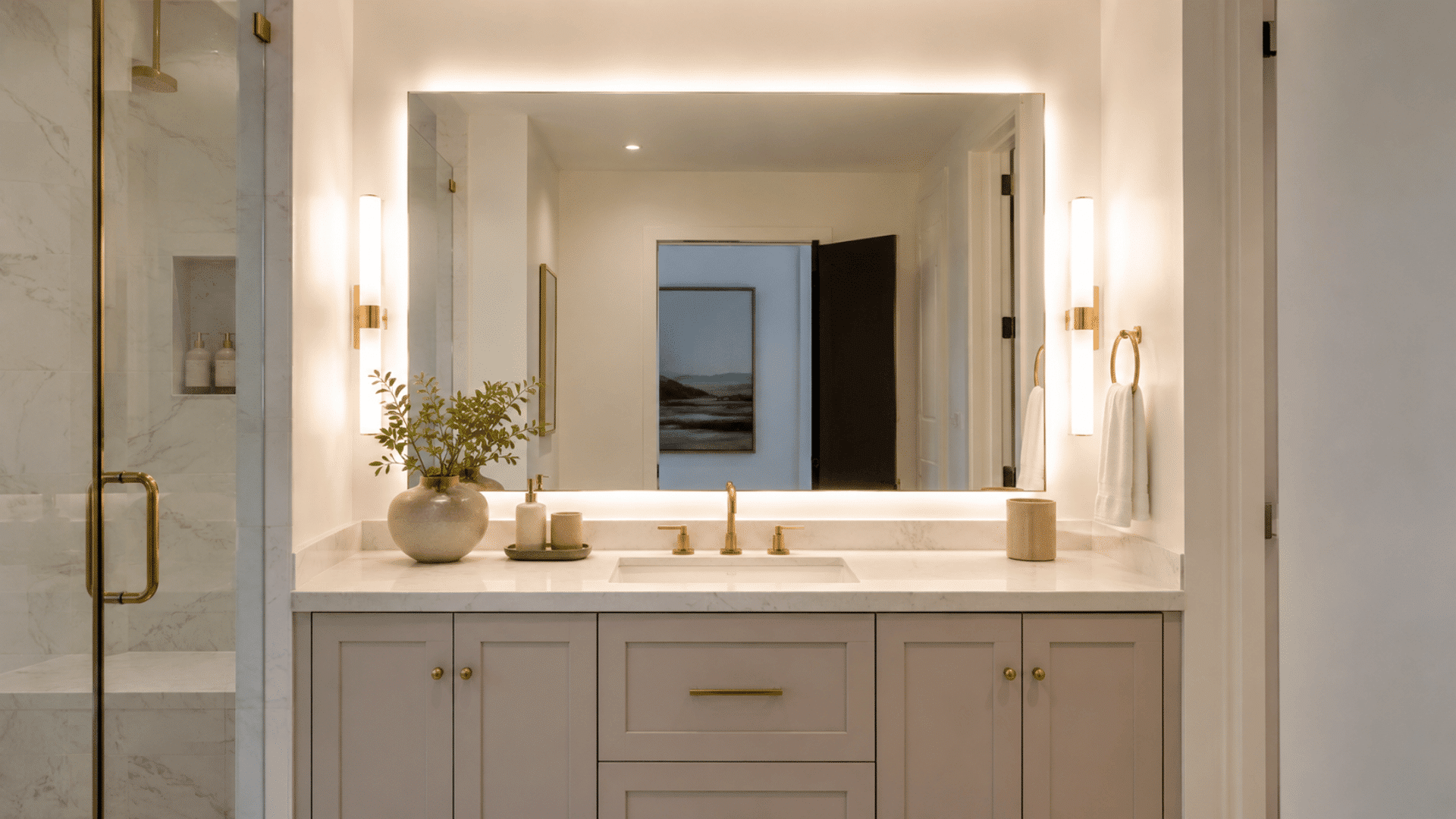
Bright white bulbs work well in bathrooms where clear visibility is important for grooming and daily routines.
Their neutral white light helps reduce shadows around mirrors and makes it easier to see details.
Bulbs in the 3000K to 4000K range are commonly used in bathroom fixtures because they provide a clean look without appearing too harsh.
They can be used for vanity lights, ceiling fixtures, and general bathroom lighting.
Living Room
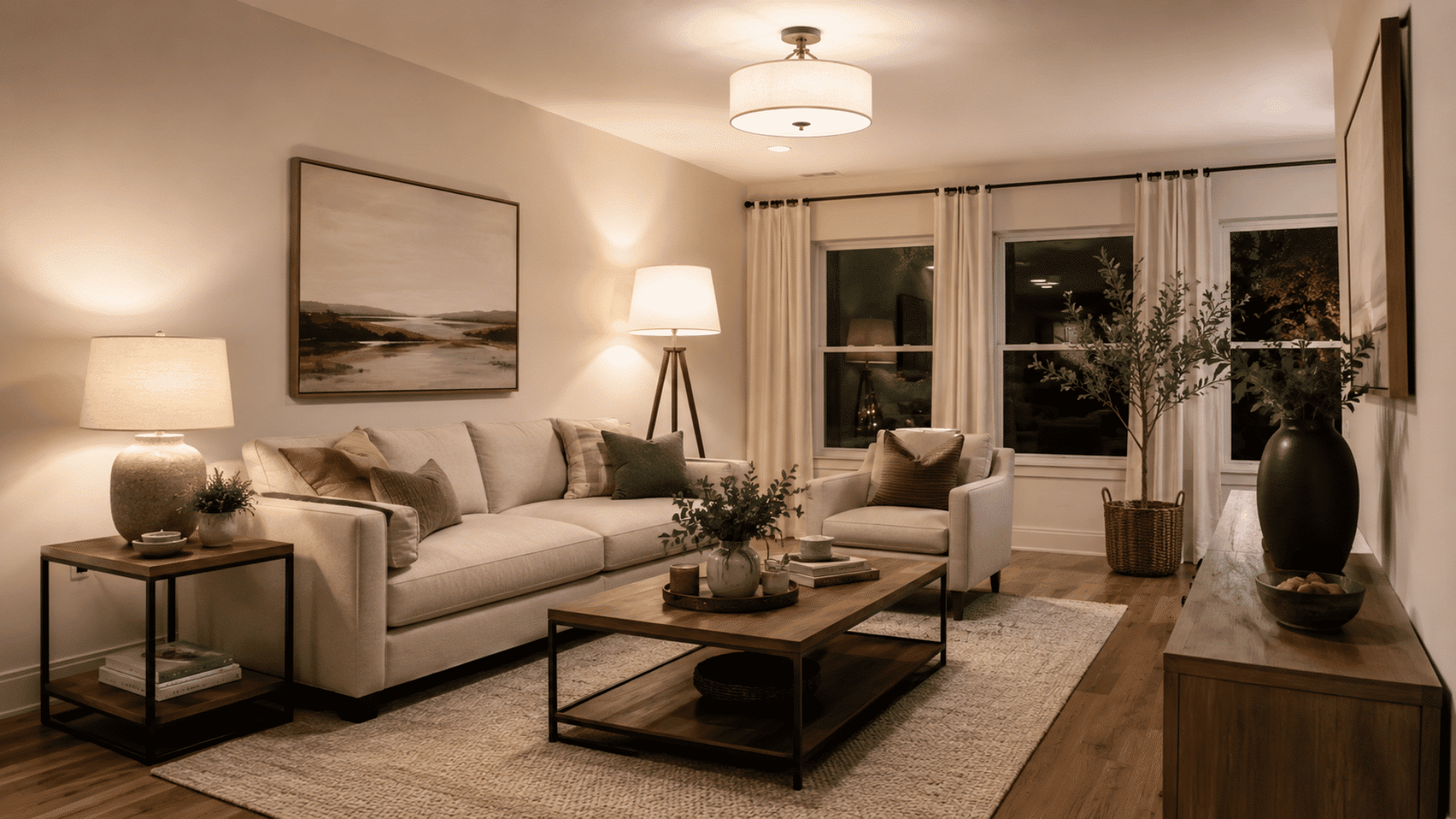
Bright white bulbs can suit living rooms that need flexible lighting for reading, conversations, and daily activities.
They create a clean appearance while keeping the space comfortable for longer periods. These bulbs work well with ceiling lights, floor lamps, and table lamps.
A 3000K to 3500K range can provide a balanced option that supports both relaxation and regular household tasks without making the room feel too cool.
If your bedroom or living room needs something even warmer than bright white, soft white bulbs sit further down the scale and lean into that cozier, yellow-toned glow.
Best Rooms to Use Daylight Bulbs
Daylight bulbs provide a cool, crisp light that supports tasks requiring clear visibility. They work best in spaces where focus, detail, and accurate color appearance are important.
Home Office
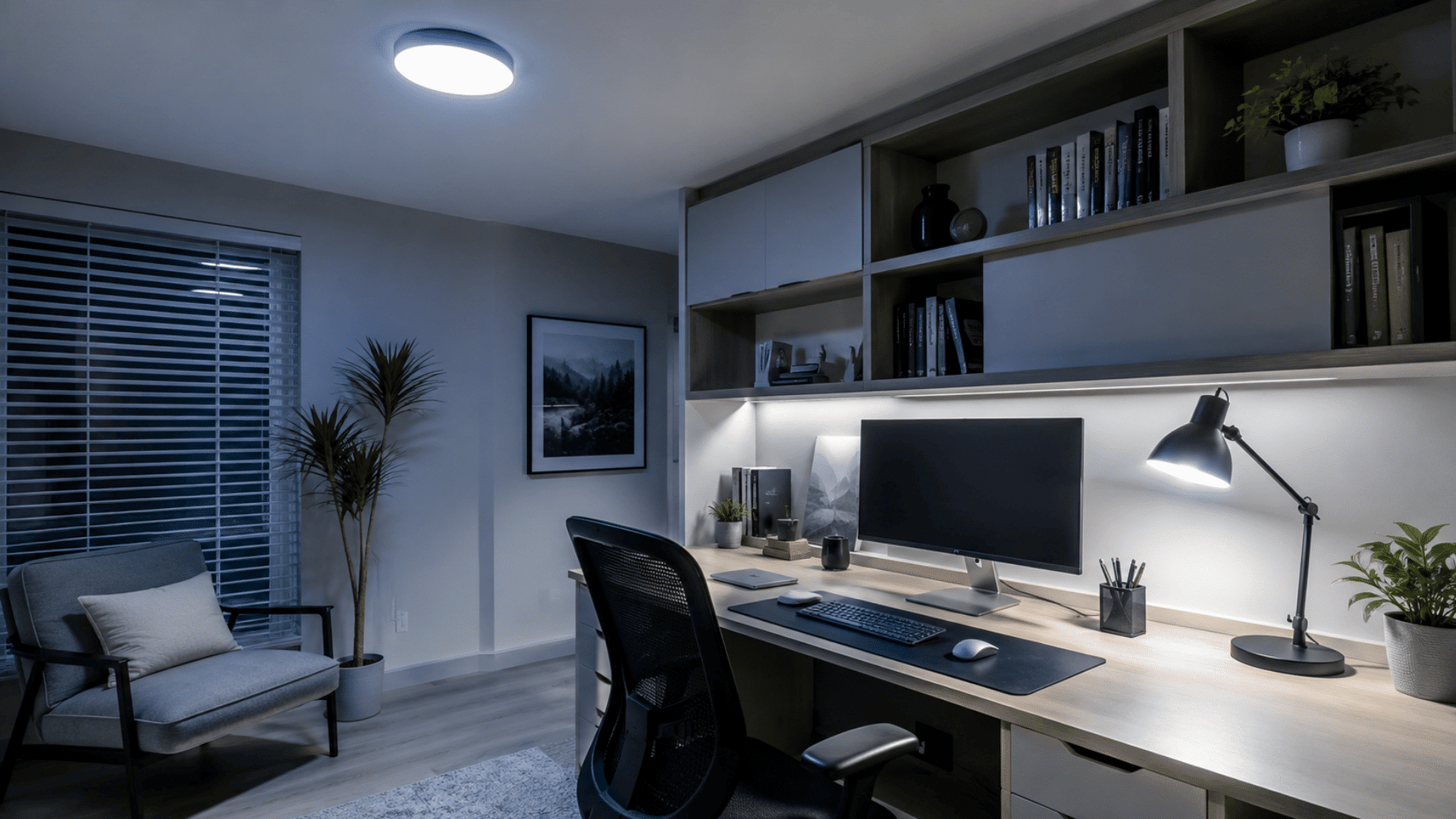
Daylight bulbs are a suitable choice for home offices because their cooler light can create a clear workspace.
They are often used for reading, computer work, writing, and other tasks that require attention to detail.
With a color temperature of around 5000K to 6500K, daylight bulbs produce a bright white appearance that can help reduce the dullness of indoor lighting. They work well in desk lamps, ceiling fixtures, and task lights.
Garage or Workshop

Daylight bulbs are useful in garages and workshops where strong visibility is needed for repairs, hobbies, and projects.
Their cooler color tone helps make small details easier to see and can improve the appearance of surfaces and materials.
These bulbs are commonly installed in overhead fixtures because they provide wide, clear lighting across larger areas. LED daylight bulbs are a popular option due to their lower energy use and longer lifespan.
Craft Room

Daylight bulbs work well in craft rooms because they provide a light quality that helps colors appear more accurate.
This can be helpful for activities such as painting, sewing, drawing, and other detailed work.
Their cooler appearance reduces the yellow tint that warmer bulbs may add to materials. Using daylight bulbs in ceiling lights or task lamps can create a well-lit area for creative projects and close-up tasks.
Bright White vs Daylight: Pros and Cons
| Light Type | Pros | Cons |
|---|---|---|
| Bright White | Provides a clean, balanced white tone. Works well in kitchens, bathrooms, and shared living areas. Feels softer than daylight while still supporting everyday tasks. | May look slightly cool in bedrooms or other relaxing spaces. It may not provide enough color clarity for detailed craft, repair, or design work. |
| Daylight | Produces a crisp, cool light that suits reading, offices, garages, and detailed tasks. Higher Kelvin ratings create a whiter or slightly blue-toned appearance. | Can feel harsh in bedrooms and living rooms, especially at night. Its cooler tone may make some warm paint colors, wood finishes, and furnishings look less inviting. |
Daylight also gets compared a lot to cool white, a shade that sits just below it and can be just as easy to mix up.
Conclusion
The real difference between these two comes down to what you’re doing in the room.
Bright white keeps things comfortable for everyday living, while daylight earns its place wherever you need sharp, accurate visibility.
Check the Kelvin rating and lumen output together, and test one bulb before replacing an entire fixture.
Which one do you run in your kitchen or office? Drop a comment and let us know what’s working for you.
Frequently Asked Questions
Can Bright White and Daylight Bulbs Be Used in The Same Room?
Yes, but place them in separate lighting zones to avoid an uneven color mix. Use one tone for general lighting and the other for a specific task area.
Do Dimmable Bulbs Change from Bright White to Daylight?
Standard dimmable bulbs only change brightness, not color temperature. A tunable-white or color-changing smart bulb is needed to switch between warmer and cooler tones.
Does the Lampshade Affect how The Bulb Color Looks?
Yes, shade color and material can alter the light’s appearance. Cream shades may make light look warmer, while clear or white shades keep its original tone more closely.