Lighting can change how a room looks, feels, and functions throughout the day.
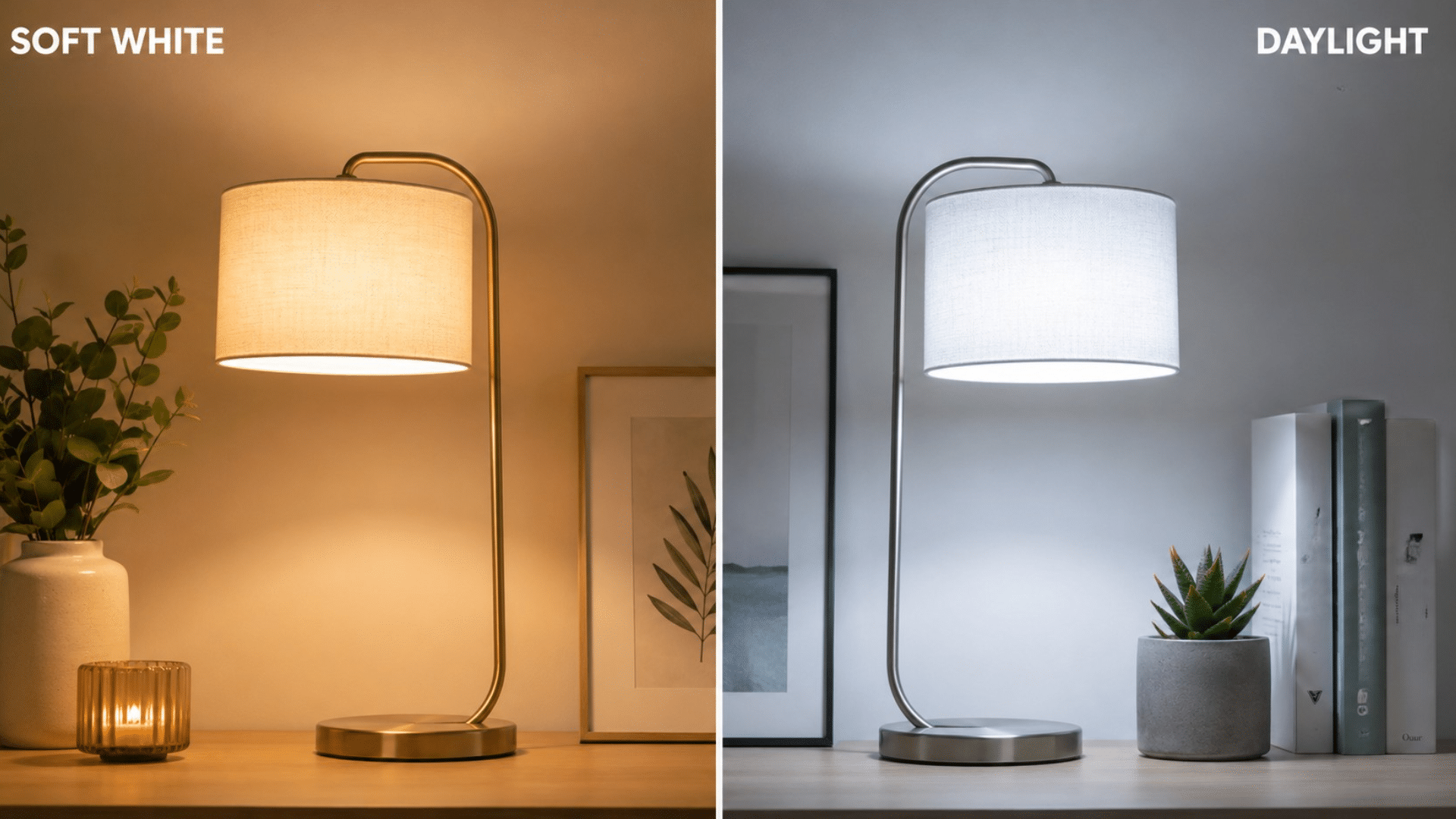
Soft white and daylight bulbs create very different results, so the right choice depends on where the bulb will be used and what you do in that space.
One may suit calm rooms, while the other may work better in areas where clear visibility matters.
Wall colors, furniture, natural light, and personal preference can also affect the final look. This blog compares soft white and daylight bulbs in simple terms to help you choose the right option for each room.
Keep reading to find which light best fits your space.
What is a Soft White Light Bulb?
Soft white bulbs produce a warm, slightly yellow light similar to a traditional incandescent lamp, usually sitting near 2700K to 3000K on the Kelvin light scale.
That puts it at the warmest end of the range, well below the neutral and cool tones most task lighting uses. Soft white shows up most in bedrooms, living rooms, and dining rooms, where it flatters wood, cream, and beige tones.
Remember that “soft white” describes color, not brightness. Two soft white bulbs can still put out very different amounts of light, so check the lumen count too.
What is a Daylight Light Bulb?
Daylight bulbs run cooler, usually between 5000K and 6500K, giving off a crisp, slightly blue-toned light.
Kitchens, home offices, garages, and craft rooms lean on daylight bulbs because the cooler tone supports close, detailed work.
It can also make whites, grays, and cool paint colors look sharper, though it may feel harsh in a room meant for rest.
Soft White vs Daylight Bulbs: Color Temperature Comparison
| Feature | Soft White | Daylight |
|---|---|---|
| Color temperature | 2700K-3000K | 5000K-6500K |
| Appearance | Warm, yellow-toned | Cool, slightly blue |
| Best for | Bedrooms, living rooms, dining rooms | Kitchens, offices, garages, craft rooms |
| Color effect | Supports beige, cream, and wood tones | Sharpens whites, grays, and cool tones |
If neither end feels quite right, bright white sits in the middle and often ends up being the more practical everyday choice.
Best Rooms to Use Soft White Light Bulbs
Soft white bulbs work well in rooms meant for rest, conversation, and shared meals. Their warm color supports comfortable everyday lighting in many living areas.
Bedrooms
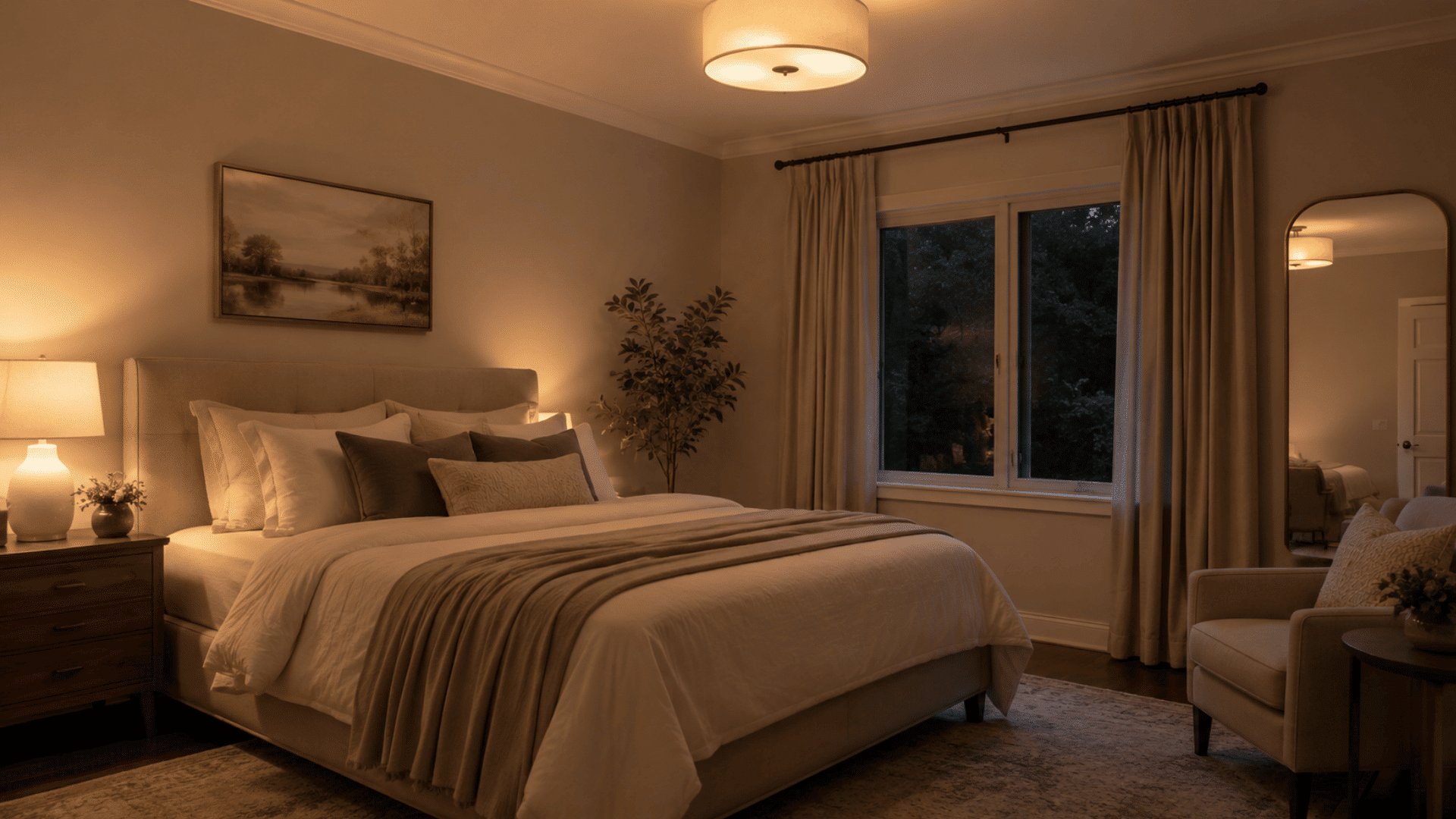
Soft white bulbs suit bedrooms because their warm, yellow-toned light creates a restful setting. Use them in ceiling fixtures, bedside lamps, and wall lights for general evening lighting.
Choose the lumen level based on the room size and the tasks you perform, since lumens measure brightness.
A dimmable LED can also provide stronger light for dressing and softer light for sleep, as long as the bulb and dimmer are compatible.
Living Rooms
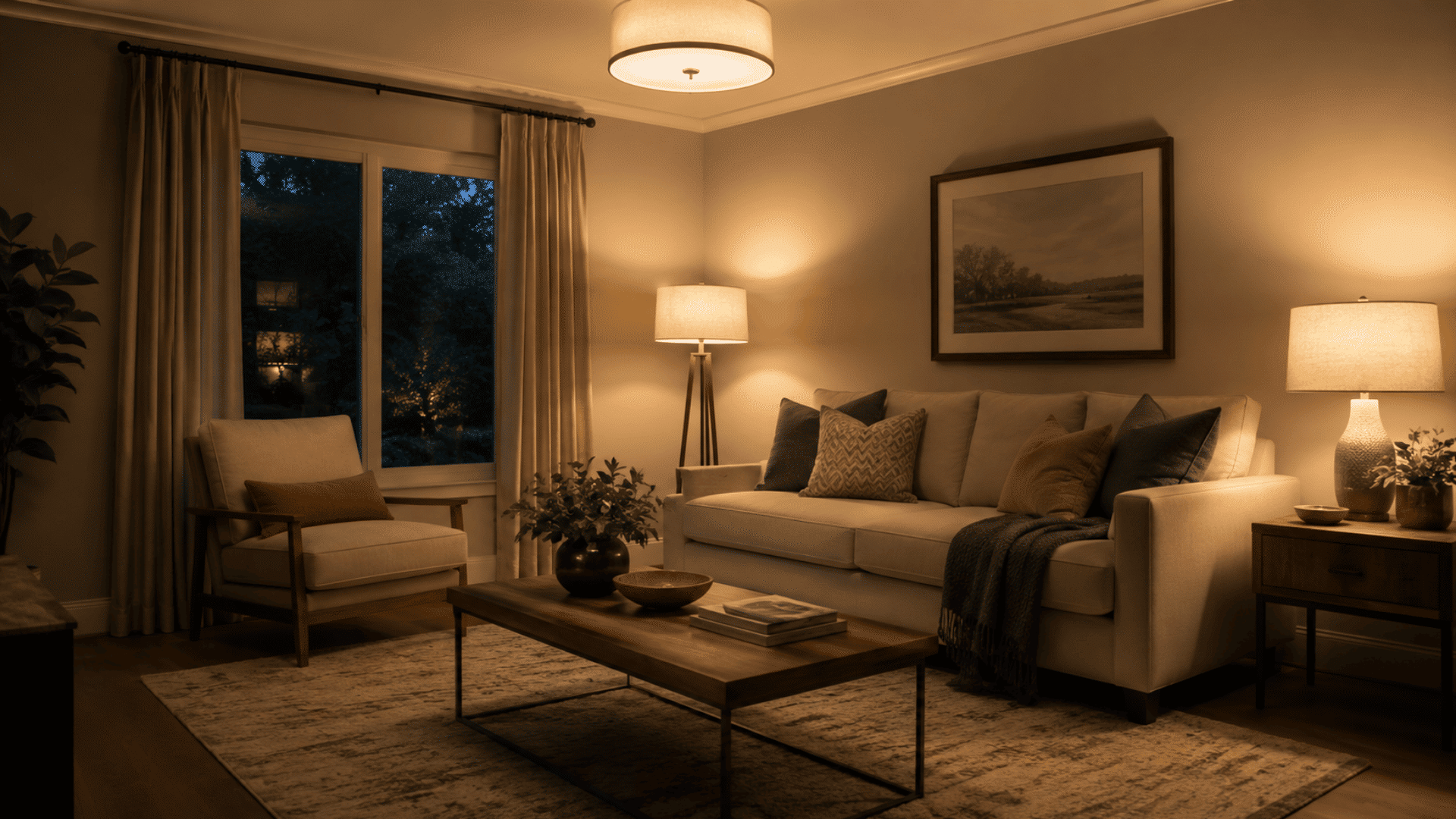
Living rooms are often used for relaxing, talking, watching television, and casual reading. Soft white bulbs provide warm general lighting that works well for these activities.
Place them in ceiling fixtures, floor lamps, and table lamps to spread light across the room. Add a brighter reading lamp near a chair when clearer visibility is needed.
Check the bulb’s lumen rating rather than relying on wattage alone to gauge its light output.
Dining Rooms
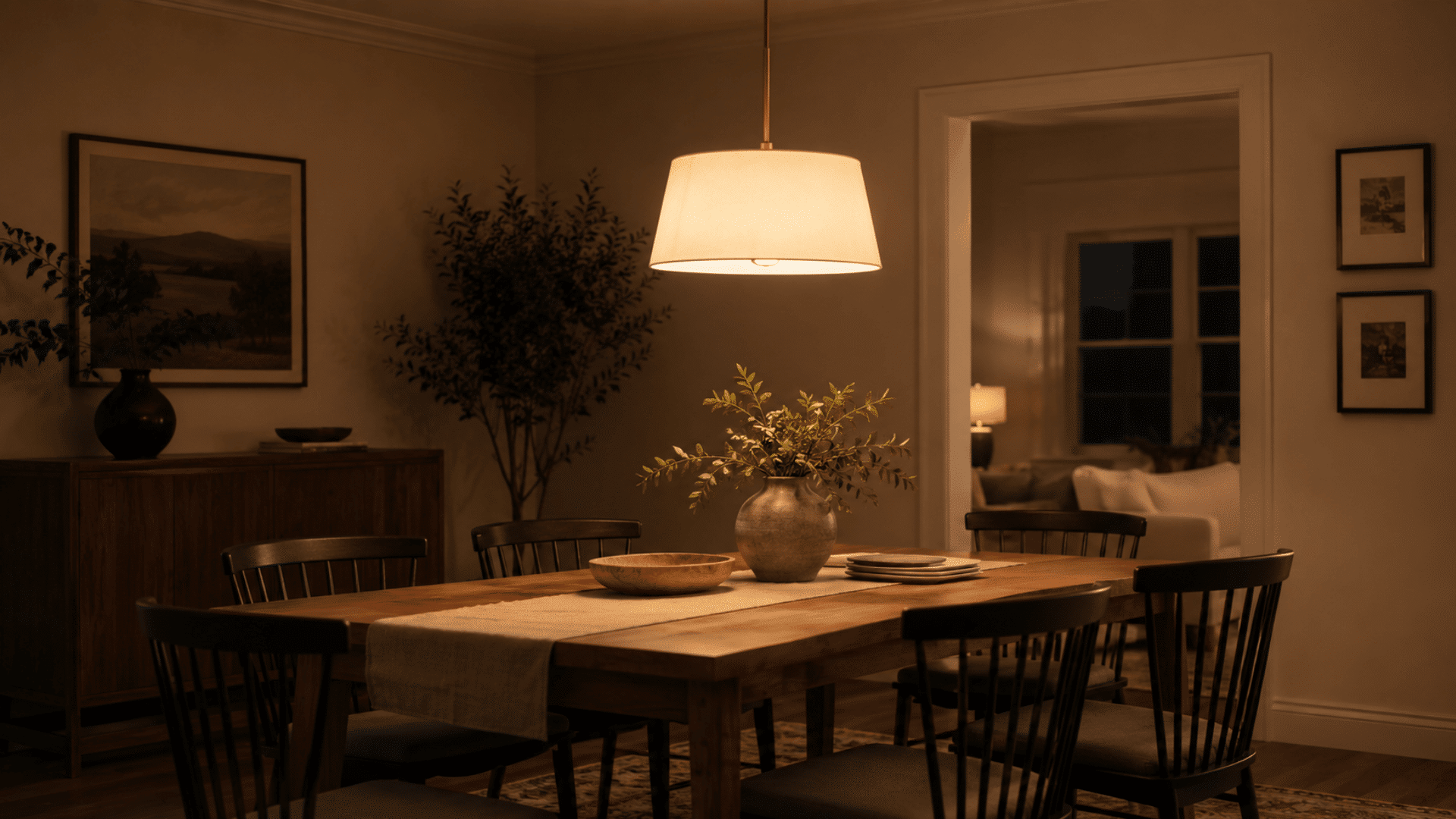
Soft white bulbs work well in dining rooms because their warm appearance suits meals and social gatherings. They can be fitted in chandeliers, pendant lights, wall lights, or nearby lamps.
Select enough lumens to light the table clearly without creating uncomfortable glare. A compatible dimmable bulb lets you raise the light level for serving and cleaning, then lower it during meals.
Fixture shades and bulb placement can also affect how evenly the table is lit.
Best Rooms to Use Daylight Bulbs
Daylight bulbs suit rooms where clear visibility and focused task lighting are important. Their cooler light can help work surfaces and small details appear easier to see.
Kitchens
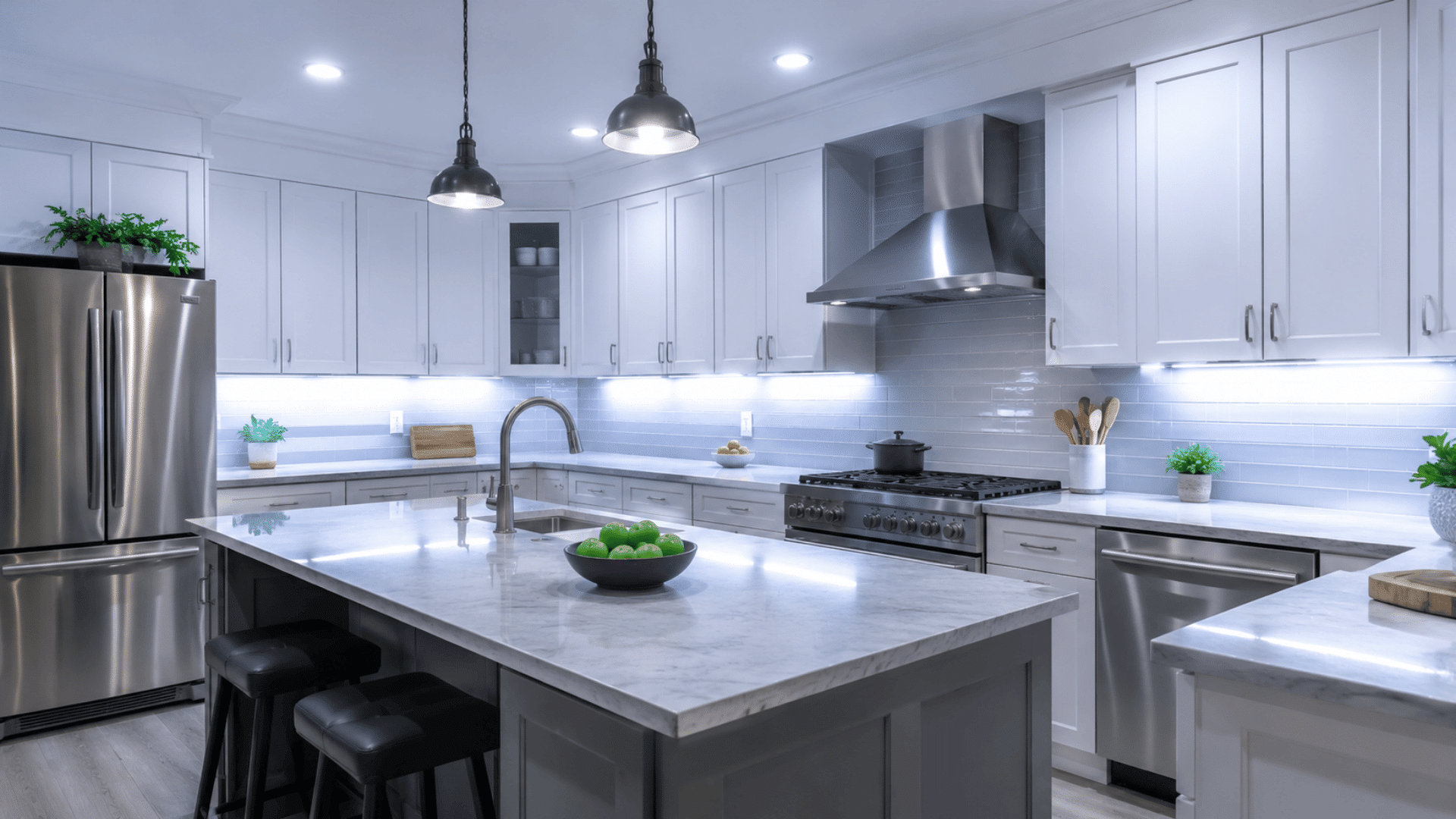
Daylight bulbs can work well in kitchens where clear visibility is needed for chopping, measuring, cleaning, and reading labels.
Their cooler appearance can make counters and work areas look crisp, especially when paired with under-cabinet lighting.
Choose the lumen output based on room size and fixture placement, since Kelvin describes light color rather than brightness.
Home Offices
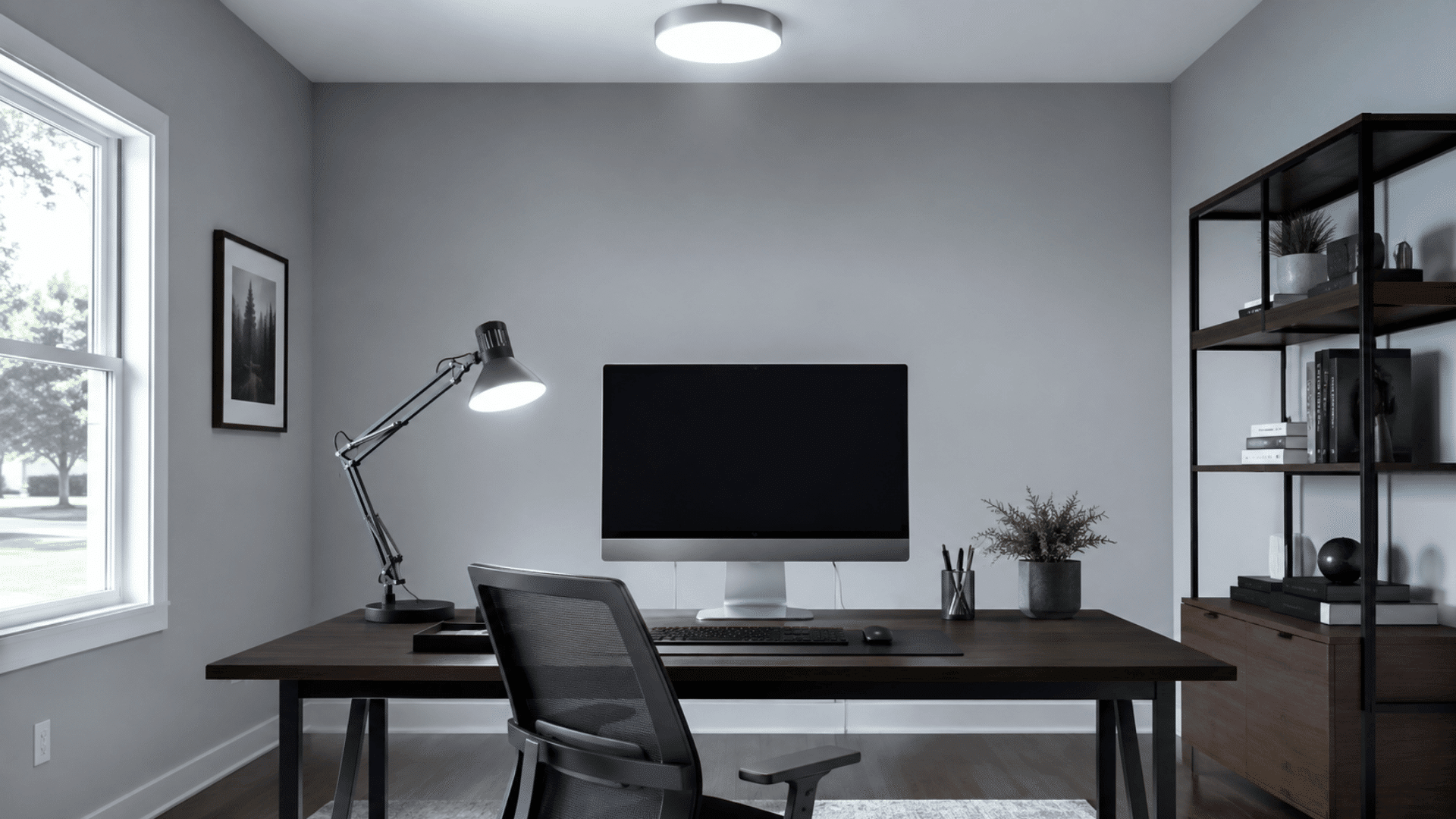
Home offices often benefit from daylight bulbs because cooler light can support reading, writing, computer work, and other detailed tasks.
Place the bulb so it lights the desk evenly without creating glare on the monitor. Select brightness by checking lumens, not watts or Kelvin alone.
A desk lamp can add focused task lighting when the ceiling fixture does not provide enough light. Avoid placing an exposed bulb directly within your line of sight.
Garages and Workshops

Garages and workshops are practical places for daylight bulbs because many tasks require clear views of tools, parts, and work surfaces.
Use broad overhead lighting for general coverage and add focused fixtures above benches or repair areas. Check the lumen output, beam spread, and fixture rating before installation.
In spaces exposed to dust, moisture, or low temperatures, choose bulbs and fixtures that are listed for those conditions and follow the manufacturer’s directions.
Soft White: Pros and Cons
Soft white bulbs create warm-toned light that suits many areas used for rest and daily living. However, their color may not fit every room or lighting task.
Pros:
- Warm, yellow-toned light that enhances cozy rooms like bedrooms and living areas.
- Complements warm colors and wood finishes.
- Creates a softer, more relaxing atmosphere for evening activities.
- Available in many lumen levels to suit different fixtures and room sizes.
Cons:
- Poor choice for detailed tasks or workshops requiring crisp light.
- Can make whites, grays, and blues look muted or less accurate.
- Low-lumen soft white bulbs may feel dim for task lighting.
- May not provide sufficient clarity in kitchens, garages, or home offices.
Daylight: Pros and Cons
Daylight bulbs produce cool-toned light that can make work areas and small details appear clearer. Their bright-looking color suits some rooms well, but it may feel too sharp in others.
Pros:
- Cool, crisp light that improves visibility for detailed work.
- Makes whites, grays, and blues appear sharper and truer.
- Ideal for kitchens, home offices, garages, and craft rooms.
- Available in many lumen levels to match task and fixture needs.
Cons:
- Can feel too harsh or clinical in bedrooms and living areas.
- Tends to wash out warm paints, wood tones, and soft furnishings.
- High-lumen daylight bulbs can increase glare near screens or in exposed fixtures.
- May reduce the cozy ambiance desired for relaxation spaces.
Daylight also sits close to cool white on the scale, and the two can be tricky to tell apart in a showroom.
Wrapping Up
Neither bulb is “better” on its own. It comes down to what the room is for.
Soft white earns its place in spaces built for rest and conversation, while daylight takes over wherever clear, detailed visibility matters more.
Check the lumen output alongside the Kelvin rating, and keep a single tone throughout each room for a consistent look.
Which one do you use in your bedroom or office? Share your setup in the comments.
Frequently Asked Questions
Can Soft White and Daylight Bulbs Be Used in the Same Home?
Yes. Different rooms can run different color temperatures based on their purpose. Just keep one color temperature per room to avoid an uneven look.
Do Soft White and Daylight LEDs Use Different Amounts of Energy?
Color temperature alone doesn’t determine energy use. Compare wattage, lumen output, and the bulb’s energy label instead.
Does a Bulb’s Color Rendering Index Matter?
Yes. A higher CRI helps paint, food, clothing, and furnishings look closer to their true colors under that light.