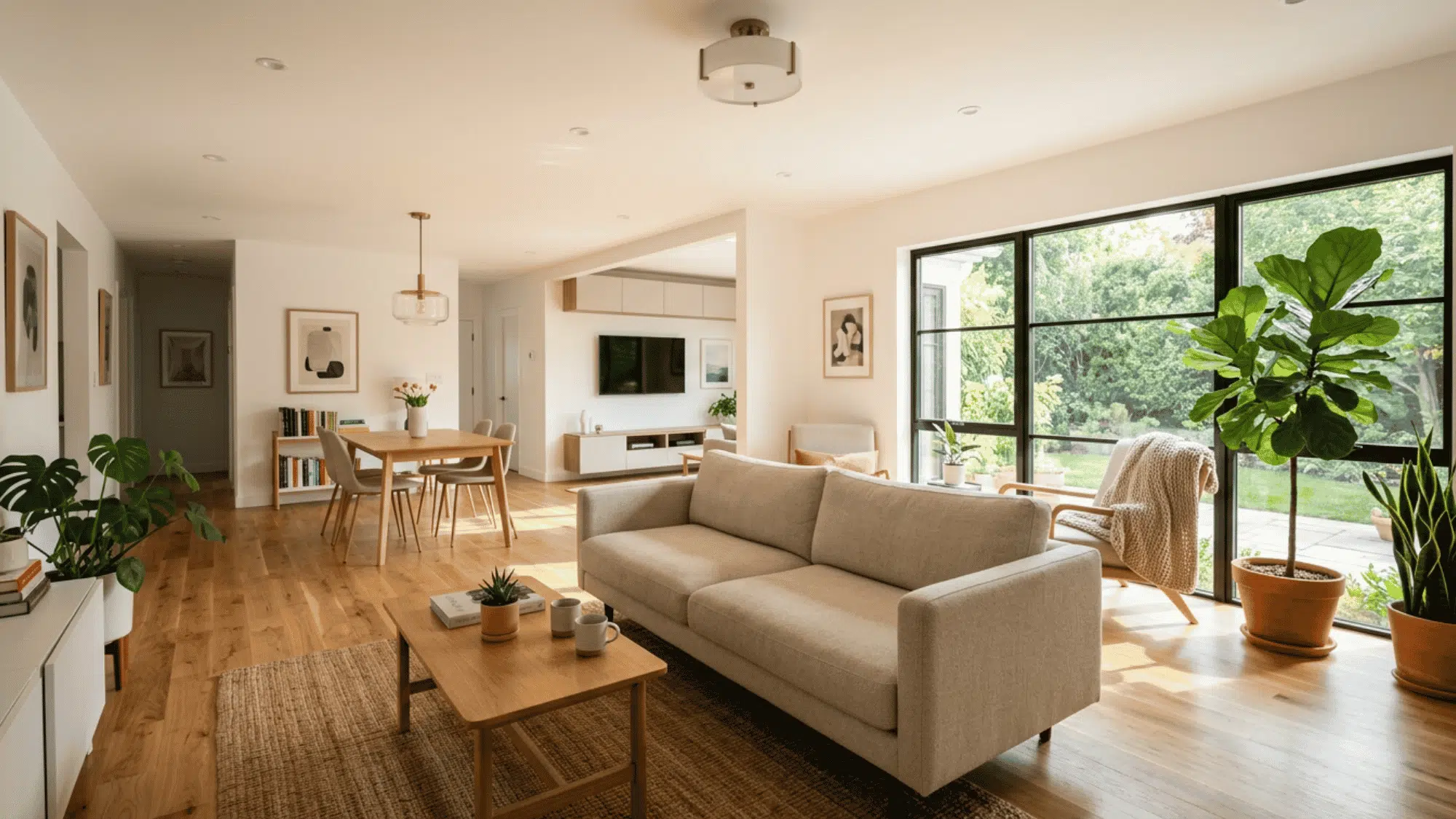
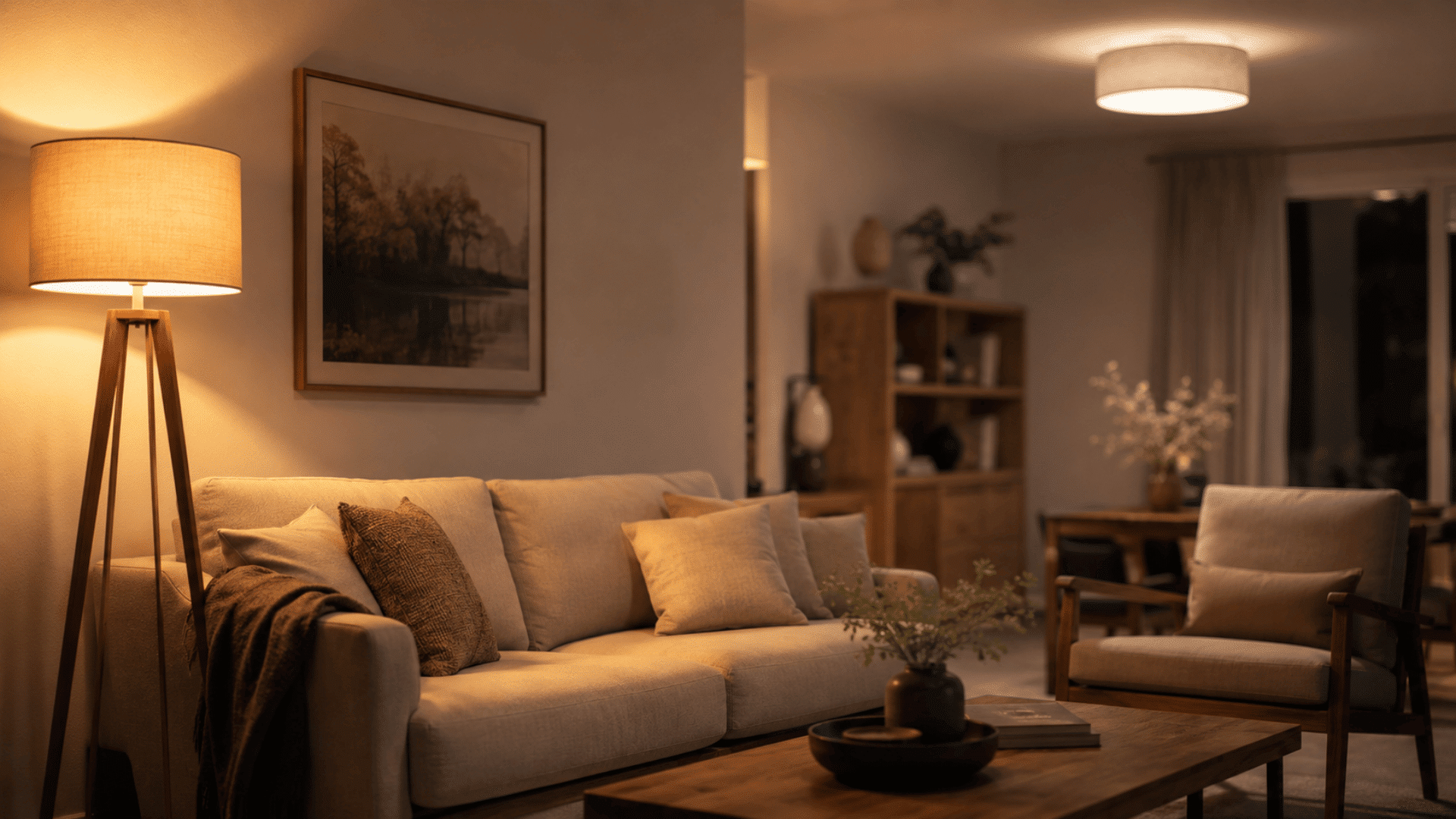
Lighting can change how a room looks, feels, and functions throughout the day. Some bulbs give off a soft, warm glow, while others produce a brighter, cooler light.
The Kelvin light scale helps explain these differences and makes it easier to compare bulb colors before buying.
Knowing how this scale works can help you choose lighting that suits bedrooms, kitchens, bathrooms, offices, and other spaces. It can also prevent a room from feeling too yellow, too harsh, or poorly lit.
Keep reading to understand the Kelvin light scale and learn how to choose a suitable light color for each area of your home.
What is the Kelvin Light Scale?
The Kelvin light scale measures the color appearance of white light, shown in degrees Kelvin (K). Lower numbers produce a warmer yellow or amber tone, while higher numbers shift toward a cooler white or blue tone.
Most household bulbs sit near 2700K, while daylight-style bulbs often reach 5000K or higher.
Two bulbs with the same Kelvin rating can still look slightly different depending on the bulb’s color rendering quality, so treat the scale as a starting point rather than an exact match.
Kelvin Light Scale Color Ranges
The Kelvin light scale covers several color ranges, from warm amber tones to cooler blue-white light.
2000K to 3000K: Warm Light
This range produces a soft yellow or amber light that feels calm and welcoming. It is commonly used in bedrooms, living rooms, dining areas, and decorative fixtures.
Warm light also pairs well with wood, cream, beige, and other warm interior colors.
3100K to 4500K: Neutral Light
Neutral light looks cleaner and whiter, with less yellow than warm bulbs. It works well in kitchens, bathrooms, offices, and areas used for daily tasks.
This range provides clear visibility without appearing as blue as higher-Kelvin lighting.
4600K to 6500K: Cool Light
This range produces crisp white light that may appear slightly blue. It is often used in garages, workshops, utility rooms, hospitals, and commercial settings.
Cool light can improve visibility but may feel harsh in relaxing spaces.
Best Kelvin Range for Each Room
The right Kelvin range depends on the room’s purpose, natural light, and the mood you want to create. Warm tones suit relaxing spaces, while cooler tones support areas that need better visibility.
Bedroom: 2200K to 3000K

Warm light between 2200K and 3000K creates a soft, relaxing atmosphere for bedrooms.
It works well for ceiling fixtures, bedside lamps, and reading lights. Lower Kelvin bulbs can make the space feel more comfortable in the evening.
Avoid very cool lighting, as it may feel too bright or harsh for a room designed for rest and relaxation.
Living Room: 2700K to 3000K
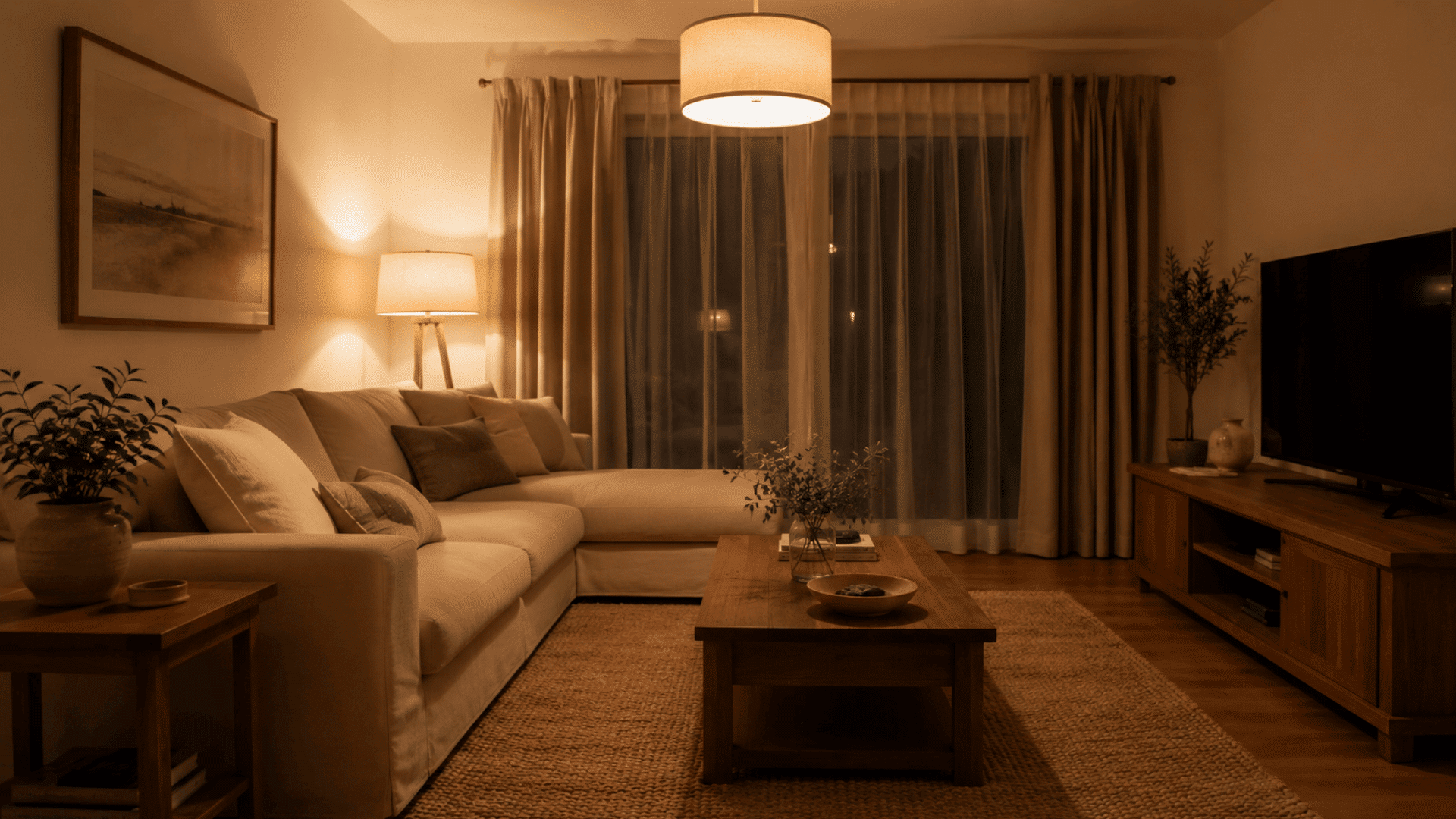
Living rooms often benefit from warm white lighting that supports relaxation and social activities.
A 2700K to 3000K range works well with wood furniture, neutral walls, and soft decor.
This lighting creates a comfortable feel for watching television, reading, or spending time with family. Dimmable bulbs provide flexibility for different activities.
Dining Room: 2700K to 3000K
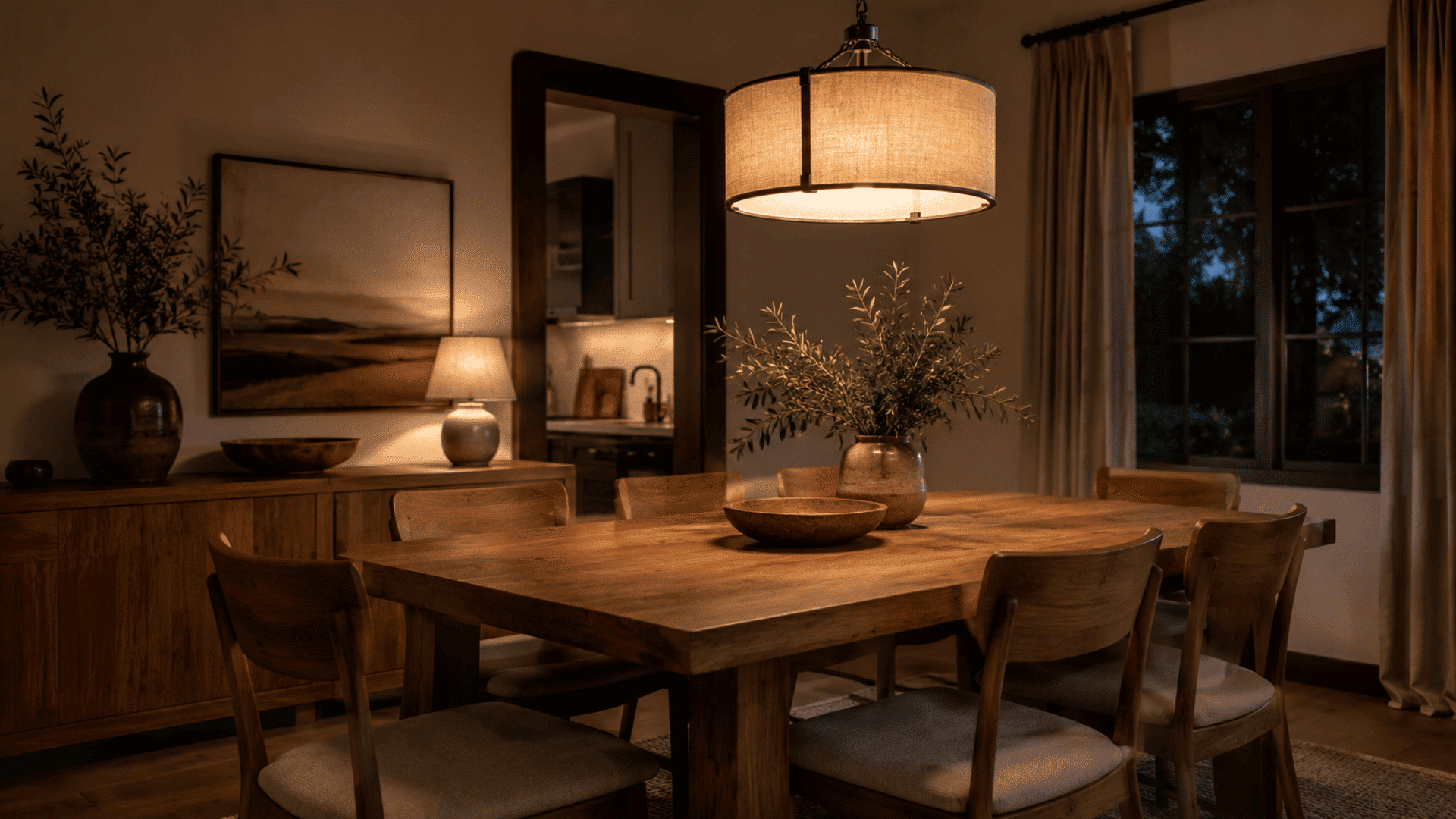
Warm lighting helps create a comfortable dining environment and makes meals feel more inviting.
Bulbs between 2700K and 3000K work well for chandeliers, pendant lights, and ceiling fixtures.
This range complements wood tables and warm interior colors. Adding dimmable lighting lets you adjust the brightness for everyday meals or evening gatherings.
Kitchen: 3000K to 4000K

Kitchens need lighting that supports cooking, cleaning, and food preparation.
A Kelvin range of 3000K to 4000K provides a balance between warmth and clear visibility. Warmer bulbs create a softer look, while neutral white bulbs are better for detailed tasks.
Under-cabinet and ceiling lights should have similar Kelvin ratings for a consistent appearance.
Bathroom: 3000K to 4000K
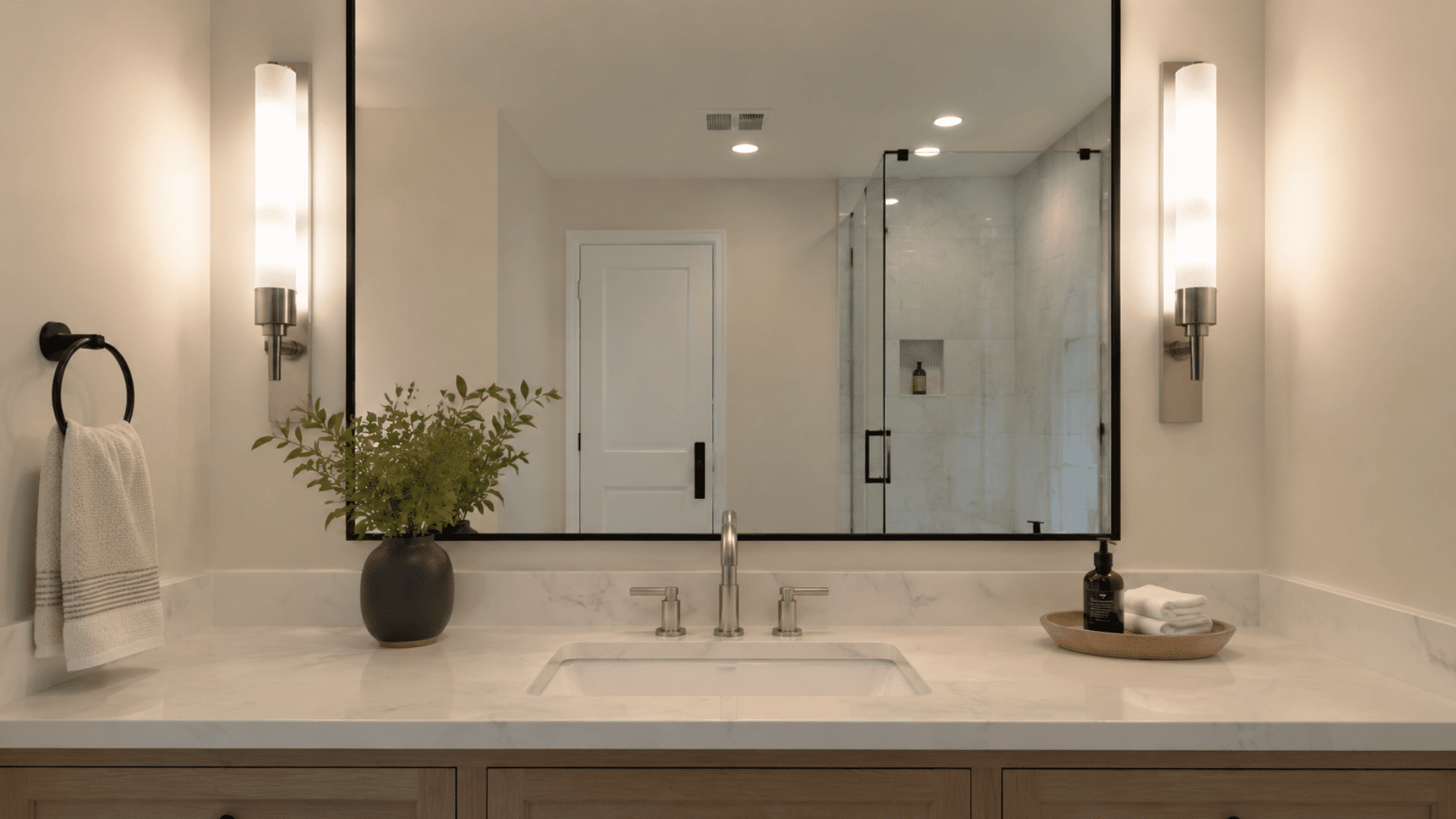
Bathrooms benefit from neutral white lighting because it provides clear visibility for grooming and daily routines.
A range around 3500K works well near mirrors and vanity areas. It keeps colors looking natural without creating a harsh appearance.
Proper placement of fixtures can also reduce shadows and improve visibility around sinks and mirrors.
Home Office: 3500K to 5000K
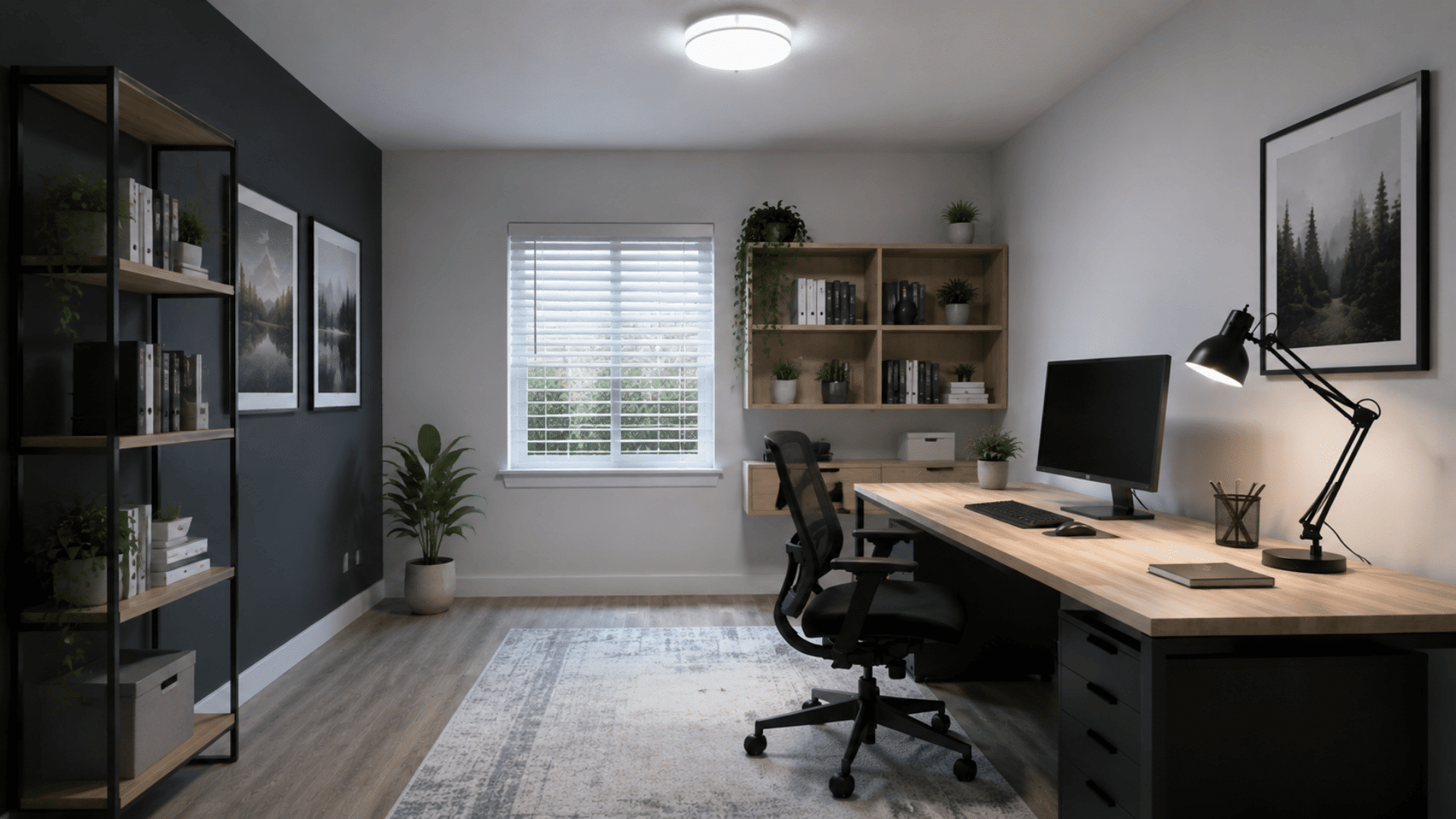
Home offices often need lighting that supports reading, writing, and computer work.
A 3500K to 5000K range provides a cleaner white appearance for focused tasks.
Choose a comfortable level based on your screen setup and room conditions. Combining ceiling lights with a desk lamp can improve visibility and reduce dark areas.
How Kelvin Affects Room Appearance
Kelvin color temperature changes how a room’s colors, finishes, and overall atmosphere appear.
Lower temperatures, such as 2200K to 3000K, produce warm yellow light that can make wood, beige, cream, and red tones look richer. However, they may cause white walls to appear slightly yellow.
Mid-range lighting around 3500K to 4000K creates a more neutral look and helps many colors appear closer to their natural tone.
Higher temperatures, such as 5000K to 6500K, produce cool white or bluish light that can make a room feel brighter and sharper.
Yet cool light may make warm colors look dull or washed out. Wall paint, flooring, furniture, daylight, and bulb quality also affect the final result, so always test bulbs in the room before choosing.
Kelvin vs Lumens: Why Both Matter
Kelvin and lumens measure two different things, and mixing them up is the most common lighting mistake.
| Feature | Kelvin | Lumens |
|---|---|---|
| Measures | Light color | Light output |
| Shows | Warm, neutral, or cool tone | How bright the bulb appears |
| Example | 2700K looks warm, 5000K looks daylight-like | 800 lm is dimmer than 1600 lm |
How to Choose the Right Kelvin Temperature
Choosing the right Kelvin temperature is easier when you think about how the room is used, the amount of natural light it gets, and the overall design.
- Match the Room’s Use: Warm light for resting spaces, neutral or cool for detailed tasks
- Check Natural Light: Bright rooms often suit cooler bulbs; darker rooms often feel better with warmer bulbs
- Match Nearby Fixtures: Keep connected rooms on similar Kelvin ratings to avoid an uneven look
- Review Your Finishes: Warm bulbs strengthen beige and wood tones; cooler bulbs suit gray and white surfaces
- Test Before Replacing Every Bulb: Install one and view it during the day and at night before committing
In a workspace or garage, cool white and daylight can look almost identical until you put them next to each other.
Wrapping Up
Once you know where a bulb falls on the Kelvin scale, picking the right one for each room gets a lot less like guesswork.
Test one bulb before replacing a whole fixture, and pay attention to how it changes your walls and furniture once it’s actually installed.
What Kelvin range do you run in your own home? Tell us in the comments; we’d love to hear what’s working for your space.
Frequently Asked Questions
What Does a Higher Kelvin Rating Mean?
A higher Kelvin rating means the light appears cooler, with a whiter or slightly bluish tone. It does not mean the bulb is brighter, as brightness is measured separately in lumens.
Does Kelvin Affect Energy Usage?
No, Kelvin does not determine how much energy a bulb uses. Energy use depends on the bulb’s wattage and efficiency, while Kelvin only describes the color appearance.
Can LED Bulbs Have Different Kelvin Ratings?
Yes, LED bulbs are available in many Kelvin ratings for different lighting needs. The same LED bulb type can be made in warm white, neutral white, or cool white options.