Japanese interior design focuses on creating peaceful, functional, and balanced spaces through simplicity, natural elements, and intentional choices.
Unlike short-lived trends, Japanese interior design follows timeless principles that work well in modern homes, apartments, and small spaces.
Understanding these core ideas can help homeowners create a relaxing environment that feels organized and connected to nature.
See how these Japanese-inspired ideas can bring balance, warmth, and timeless beauty into your home.
Core Principles of Japanese Interior Design
Japanese interior design is built on a few timeless principles that influence every design decision, from furniture selection to room layout.
Rather than filling spaces with decorative items, this style emphasizes purpose, balance, and a close connection to nature.
Natural materials, soft lighting, uncluttered interiors, and functional furniture work together to create a calm and welcoming atmosphere.
These principles can be applied to homes of any size, making Japanese interior design both practical and adaptable.
The following ideas explain the essential elements that define this design style and show how you can incorporate them into your own living space for lasting comfort and simplicity.
Choose Minimalism With Purposeful Design
By removing visual distractions and keeping only useful objects, homeowners can create interiors that feel peaceful, practical, and timeless.
Choose Functional Furniture Pieces
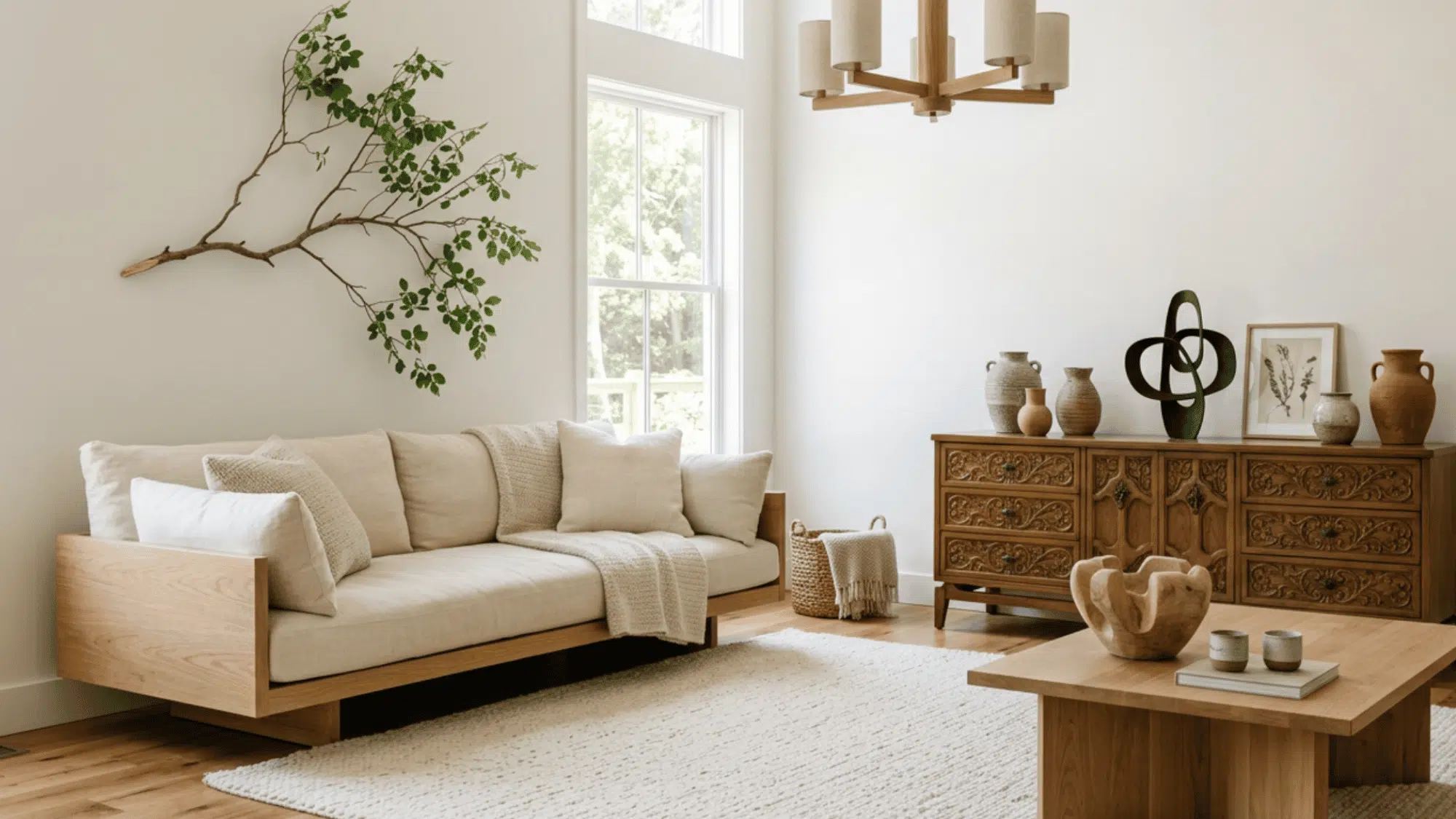
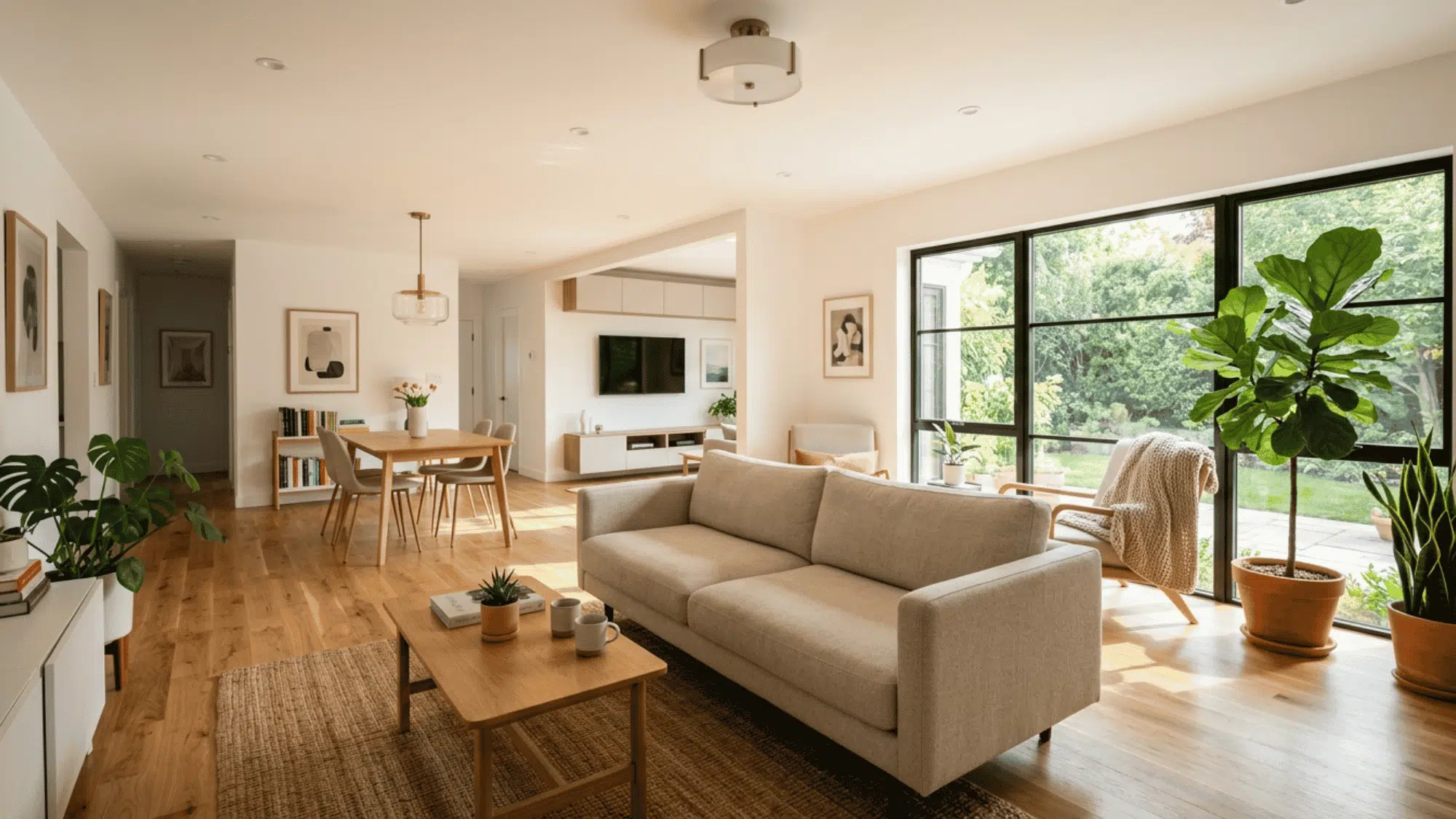
Furniture in Japanese interiors is selected for both comfort and purpose. Low-profile sofas, wooden tables, platform beds, and storage-focused designs help maintain a clean and balanced appearance.
Each piece should support daily activities without making the room feel crowded or overwhelming.
Multifunctional furniture works especially well in smaller homes because it improves space efficiency while maintaining the simple, practical, and organized style associated with Japanese interiors.
Reduce Visual Clutter
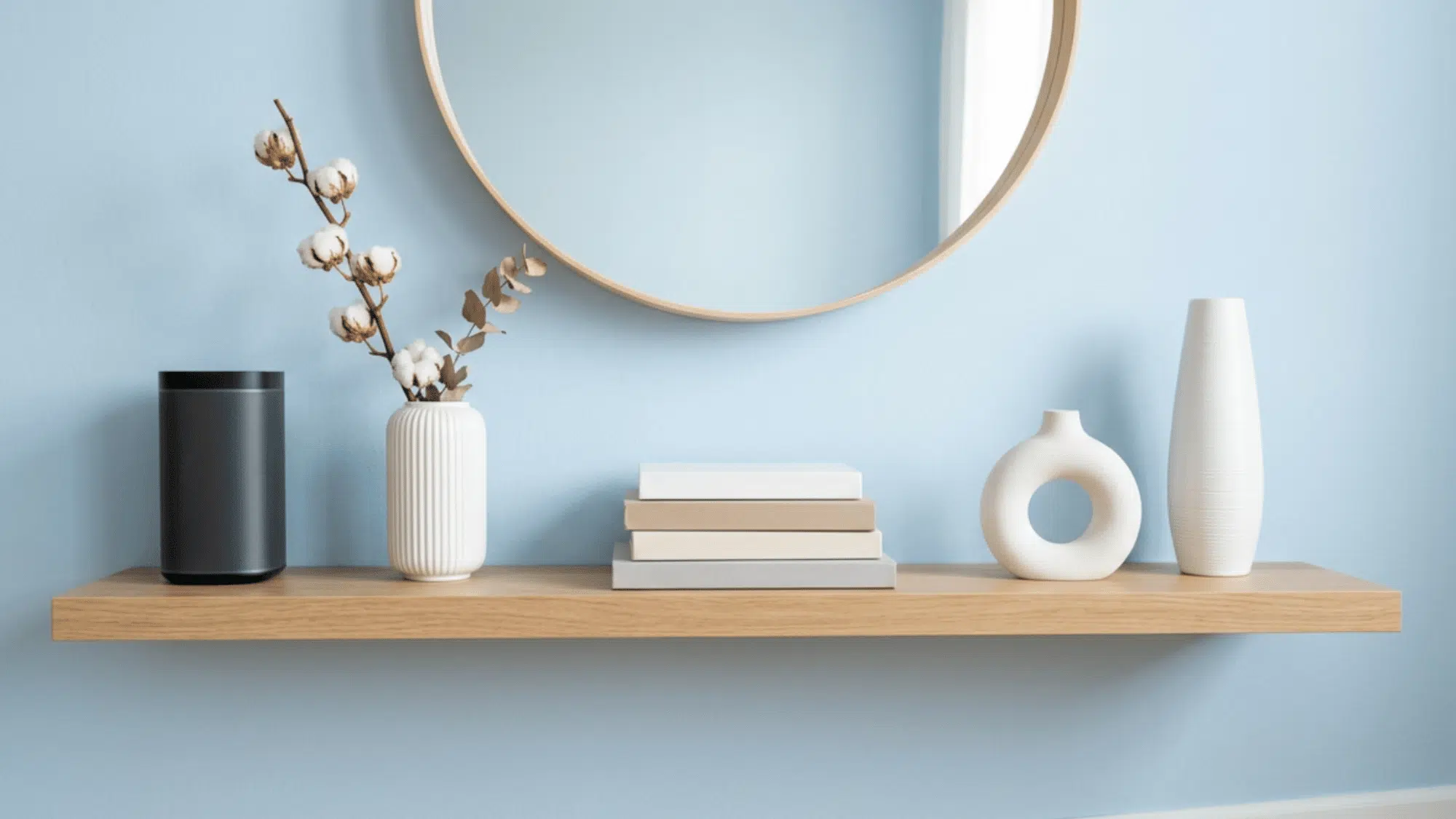
A clutter-free environment is essential for achieving a Japanese-inspired home. Too many decorations, crowded shelves, and unnecessary items can disturb the peaceful atmosphere and reduce the sense of balance.
Using hidden storage, organized displays, and fewer decorative pieces helps create better visual harmony.
Meaningful objects should receive attention rather than be surrounded by excessive items, helping the room feel calmer, cleaner, and more thoughtfully designed.
Use Natural Materials for Warmth and Texture
Natural materials are one of the defining features of Japanese interior design.
Traditional Japanese homes often use materials such as wood, bamboo, stone, paper, and natural fabrics because they create warmth and a stronger connection with nature.
Add Wooden Elements Throughout the Home
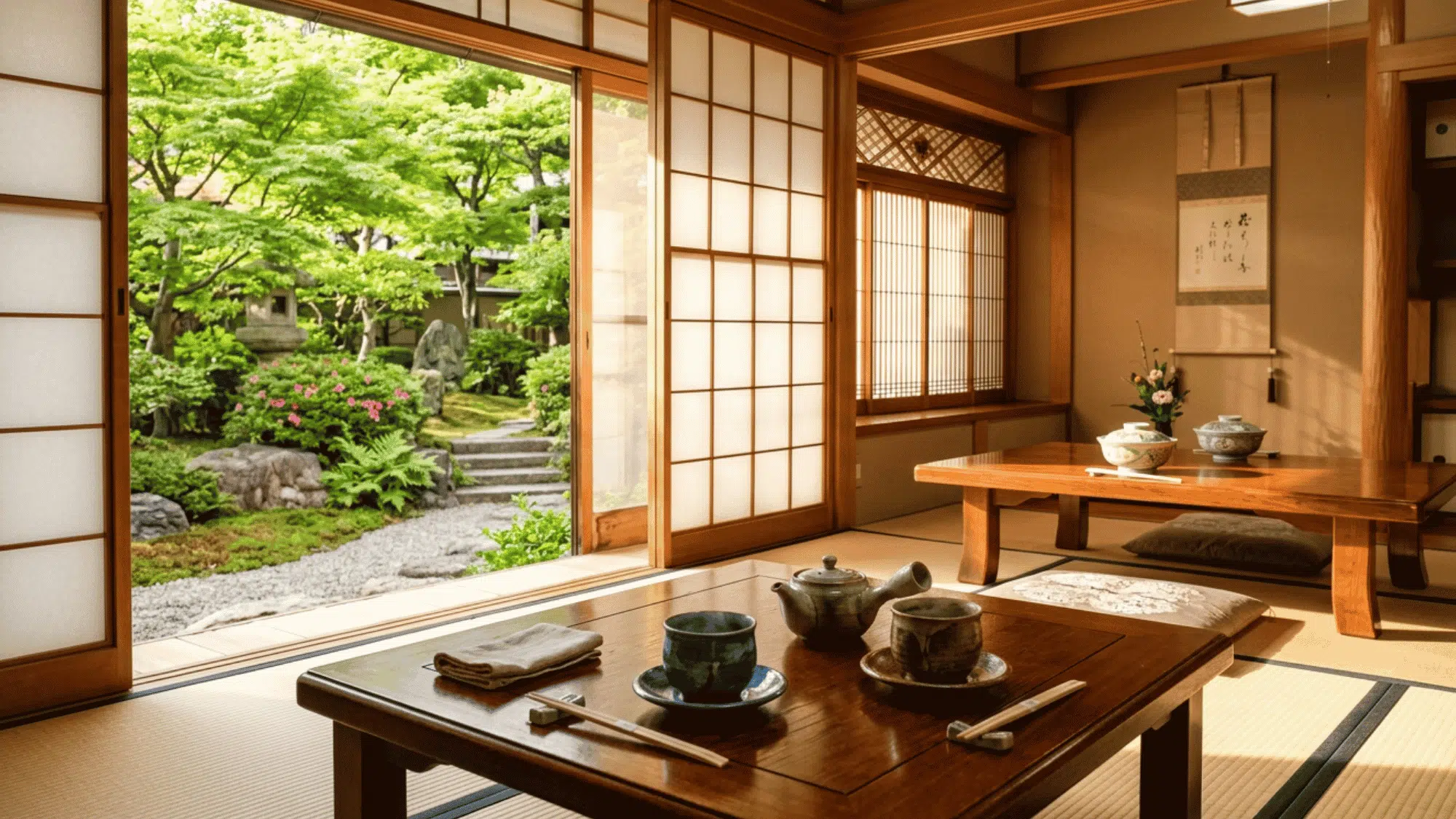
Wood is widely used in Japanese interiors because of its warm appearance, natural texture, and timeless appeal. It can be added through flooring, furniture, wall panels, shelves, ceilings, and decorative details.
Light woods such as cedar, oak, and bamboo help create bright and calming spaces.
Wooden elements add warmth and softness, reducing the cold feeling that minimalist designs can sometimes create while maintaining a natural and balanced atmosphere.
Include Bamboo and Natural Fabrics
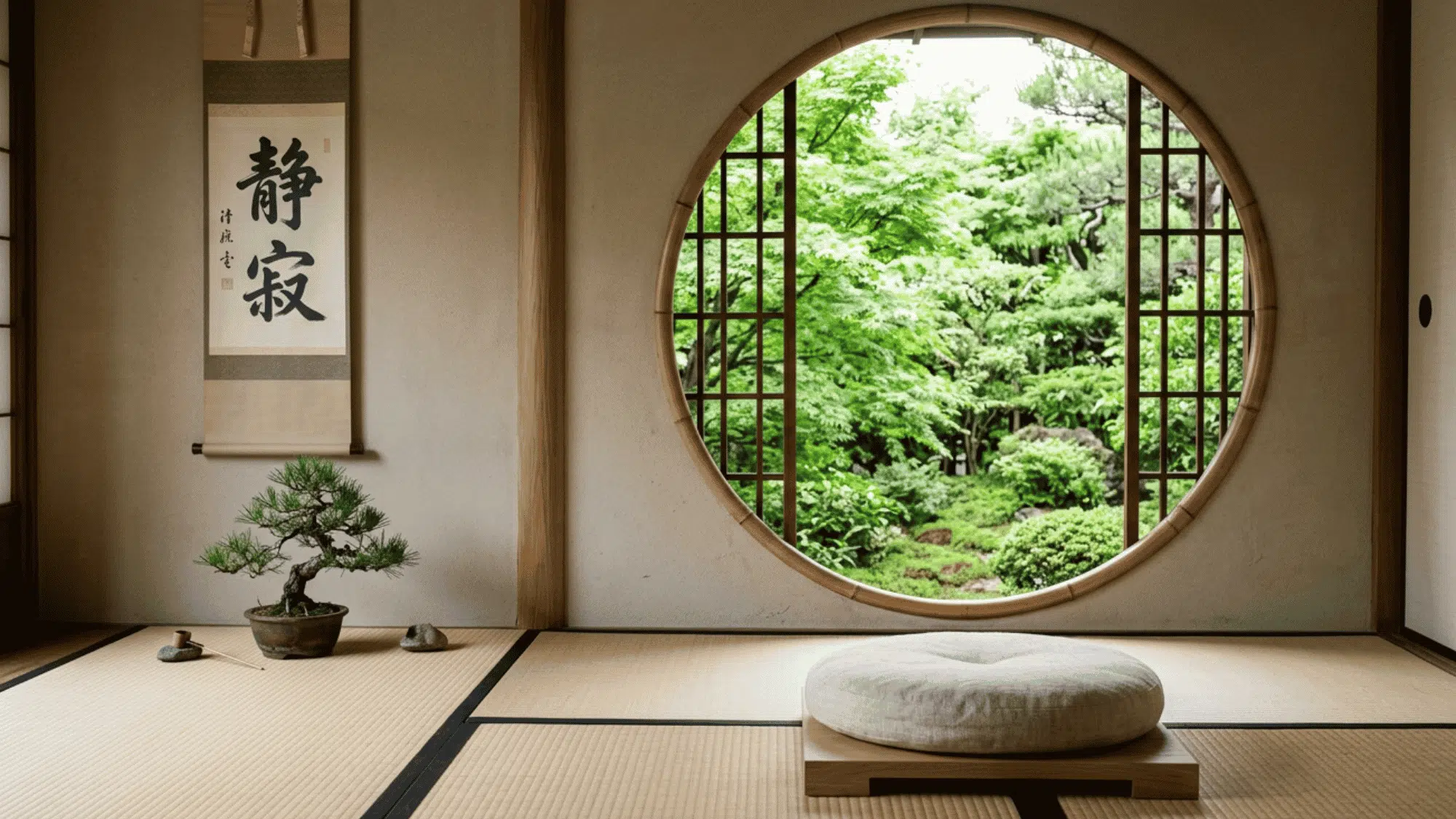
Bamboo is commonly used in Japanese-inspired homes for furniture, blinds, baskets, and decorative accents. Its lightweight texture adds a natural touch without overwhelming the space or making interiors feel crowded.
Natural fabrics such as linen, cotton, and wool can be included through curtains, cushions, rugs, and bedding to improve comfort.
These soft materials introduce warmth and texture while maintaining the simplicity and balance associated with Japanese interior design.
Create Harmony With Nature-Inspired Elements
Connecting indoor spaces with nature is a major principle of Japanese interior design. This approach focuses on creating homes that feel refreshing, balanced, and connected to the outside world.
Add Indoor Plants Carefully
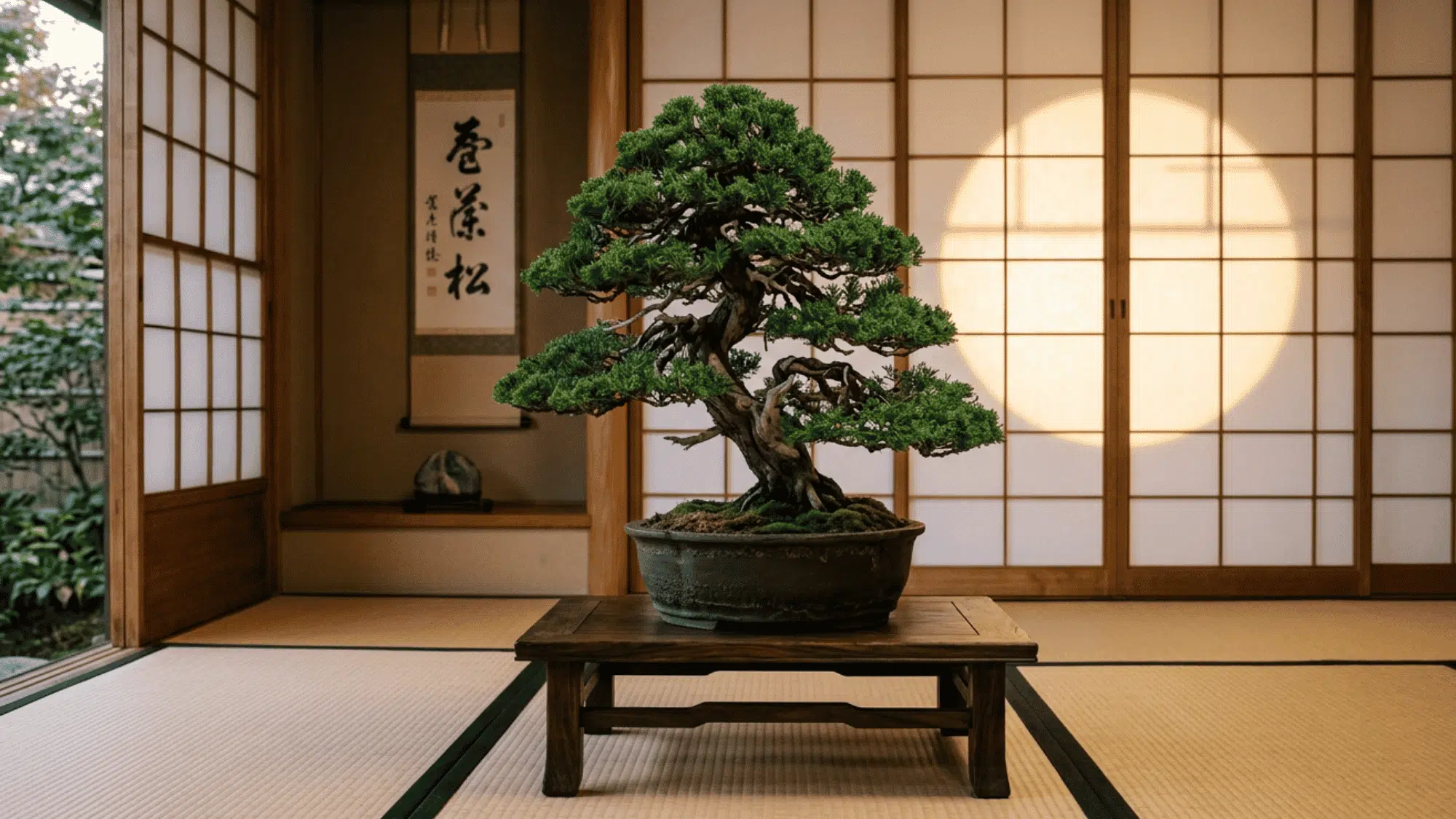
Plants add life and freshness to Japanese-inspired interiors without creating unnecessary clutter. Instead of filling rooms with excessive greenery, this style focuses on selecting a few meaningful plants that complement the overall design.
Bonsai trees, bamboo plants, and simple indoor greenery can introduce natural beauty while maintaining a clean and balanced appearance.
These elements strengthen the connection with nature and create a peaceful atmosphere that supports relaxation and mindfulness.
Maximize Natural Lighting
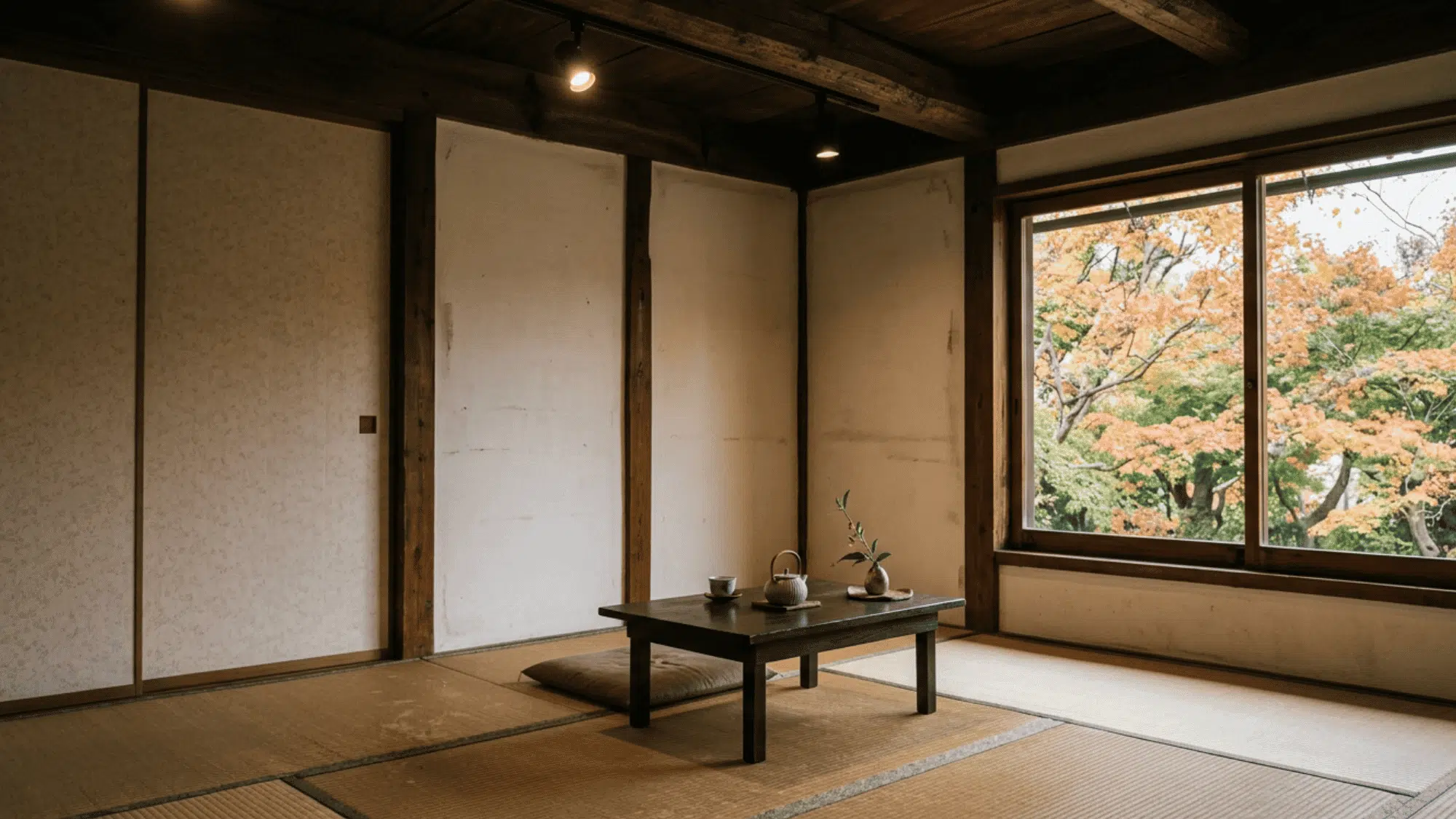
Natural lighting plays an important role in Japanese interiors by creating a warm and welcoming atmosphere. Large windows, light curtains, and open layouts allow sunlight to flow through the space while enhancing natural materials.
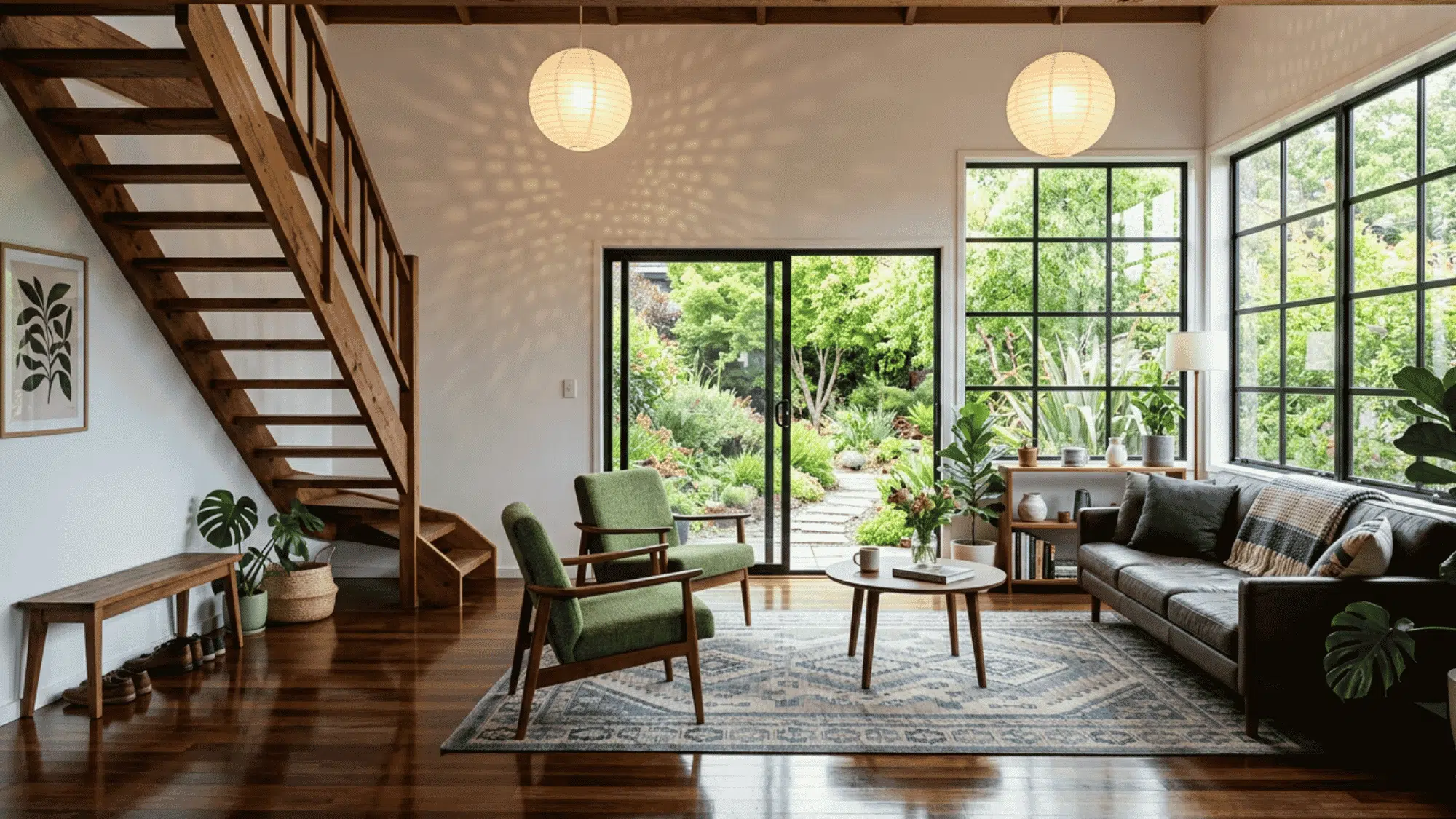
Soft lighting options such as lamps, lantern-style fixtures, and paper-inspired designs can improve comfort during evenings.
These lighting choices highlight textures, create depth, and maintain the calm and balanced feeling associated with Japanese interior design.
Apply the Wabi-Sabi Design Philosophy
Wabi-sabi is a Japanese philosophy that celebrates simplicity, imperfection, and natural aging. In interiors, it encourages homeowners to appreciate genuine materials and objects with unique character.
Choose Handmade Decorative Items
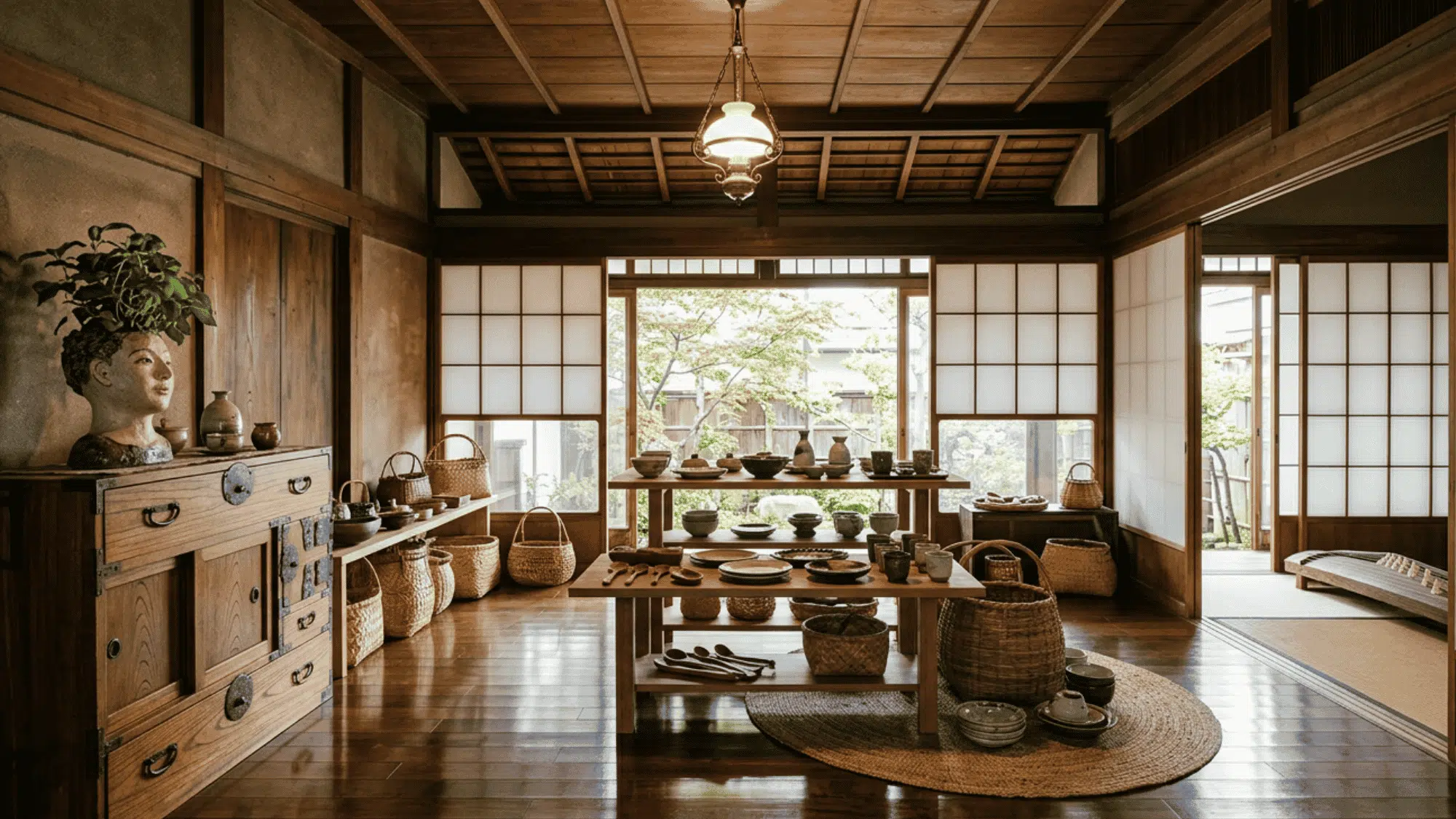
Handmade ceramics, woven baskets, wooden objects, and traditional crafts can add personality and character to a Japanese-inspired home. These carefully selected pieces bring warmth, individuality, and a sense of craftsmanship while keeping the overall design simple.
Instead of using many decorative accessories, Japanese interiors focus on meaningful items that create visual interest.
A few handmade elements can make a space feel more genuine, thoughtful, and connected to traditional design values.
Appreciate Natural Imperfections
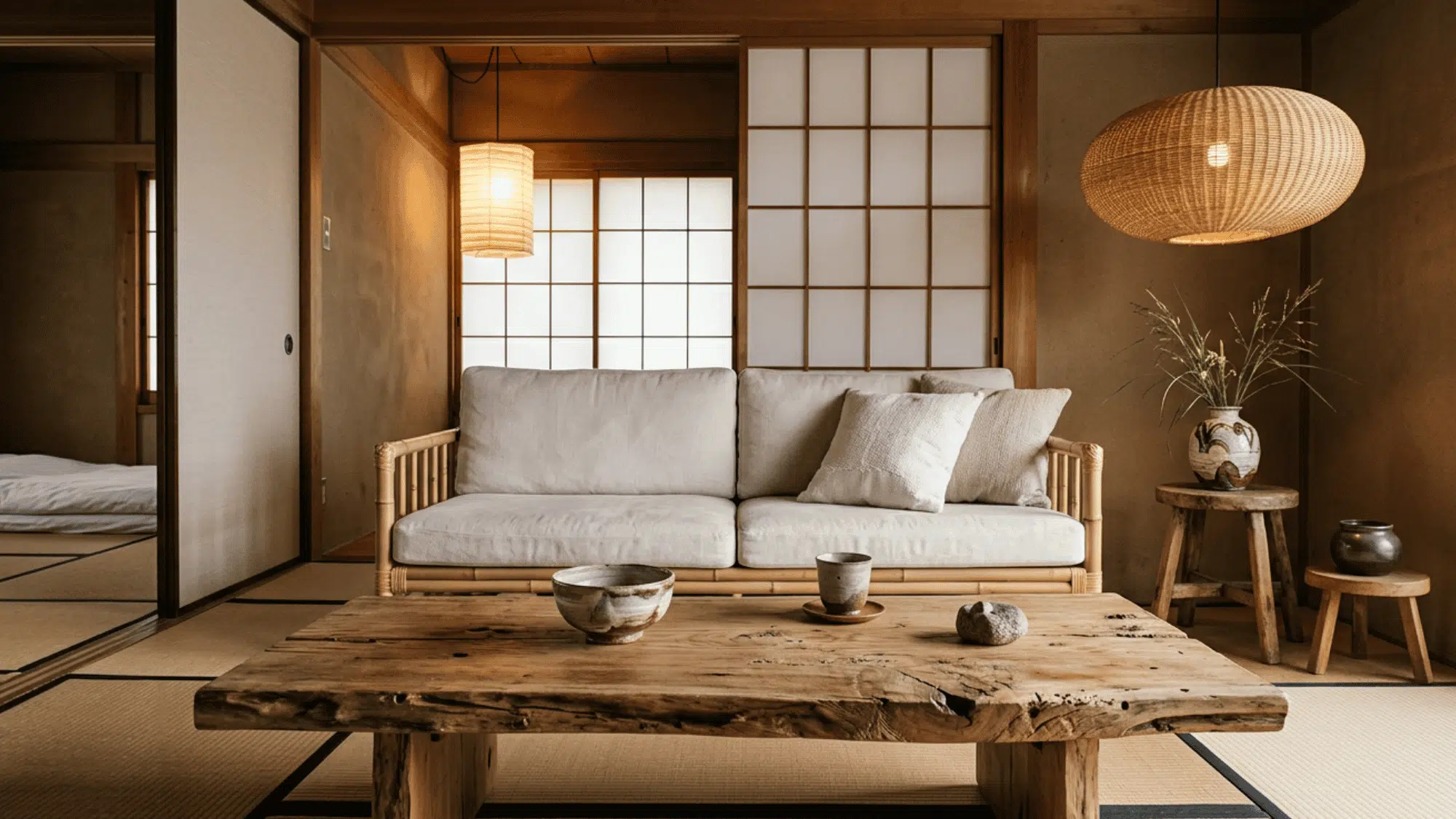
Japanese interiors often highlight the natural marks, textures, and variations found in wood, stone, and handmade objects. These small imperfections create character and give each piece a unique story.
Rather than hiding changes caused by time, wabi-sabi design welcomes them as part of the space’s beauty.
This approach encourages appreciation for natural aging, simplicity, and character, helping create interiors that feel more personal, warm, and connected to everyday life.
Design Open and Balanced Living Spaces
Japanese interior design values open spaces because they create comfort, movement, and visual balance. The concept of “ma” emphasizes the importance of empty space, allowing each design element to stand out.
Use Flexible Room Arrangements
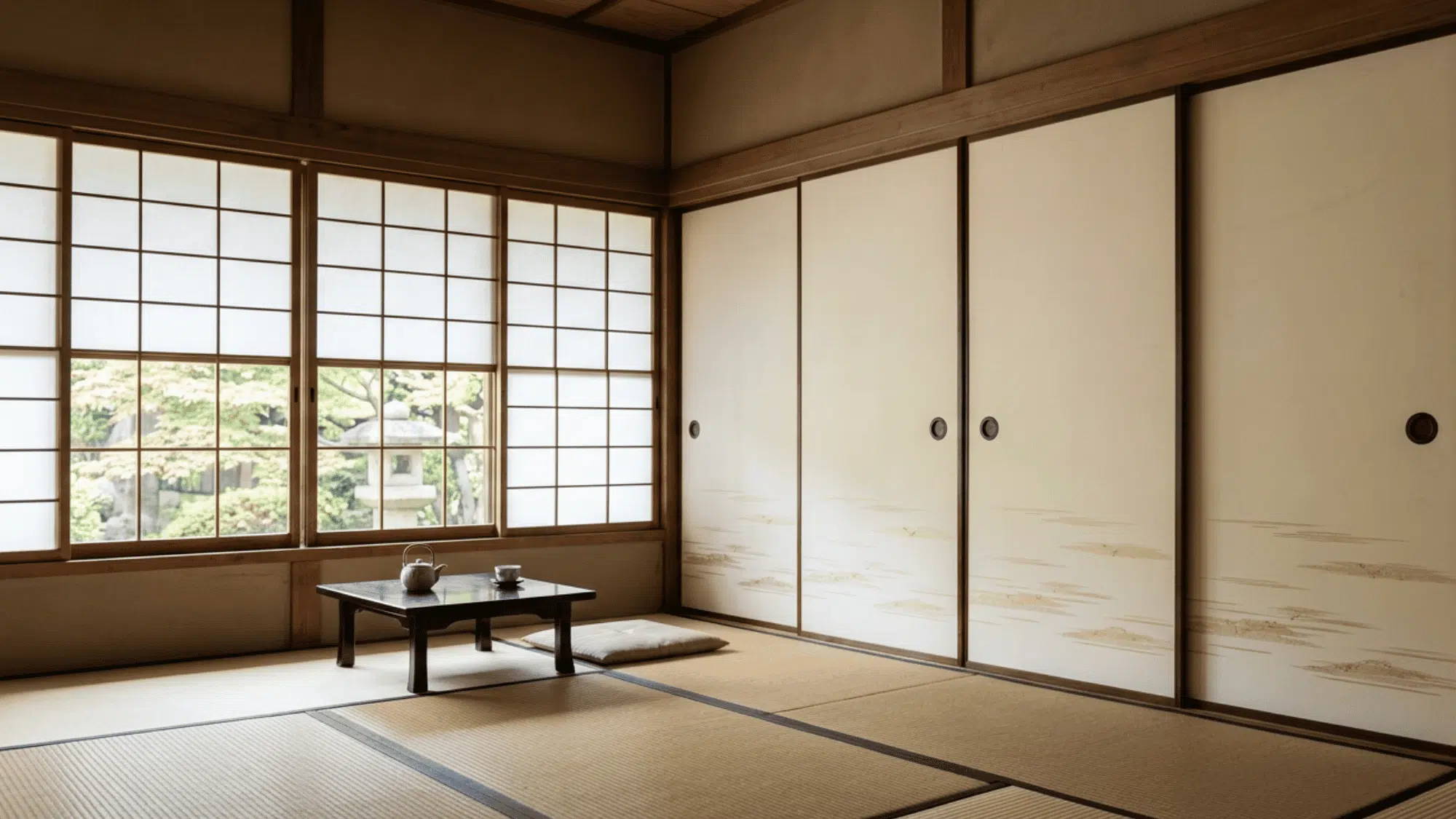
Sliding doors, lightweight partitions, and multifunctional areas are common features in Japanese-inspired spaces. These elements allow rooms to adapt according to different needs while improving space efficiency.
Flexible layouts create a practical, organized home environment without compromising the open, peaceful feeling associated with Japanese design.
They are especially useful in smaller homes where smart space planning, easy movement, and functional arrangements are important for maintaining balance.
Maintain Visual Balance
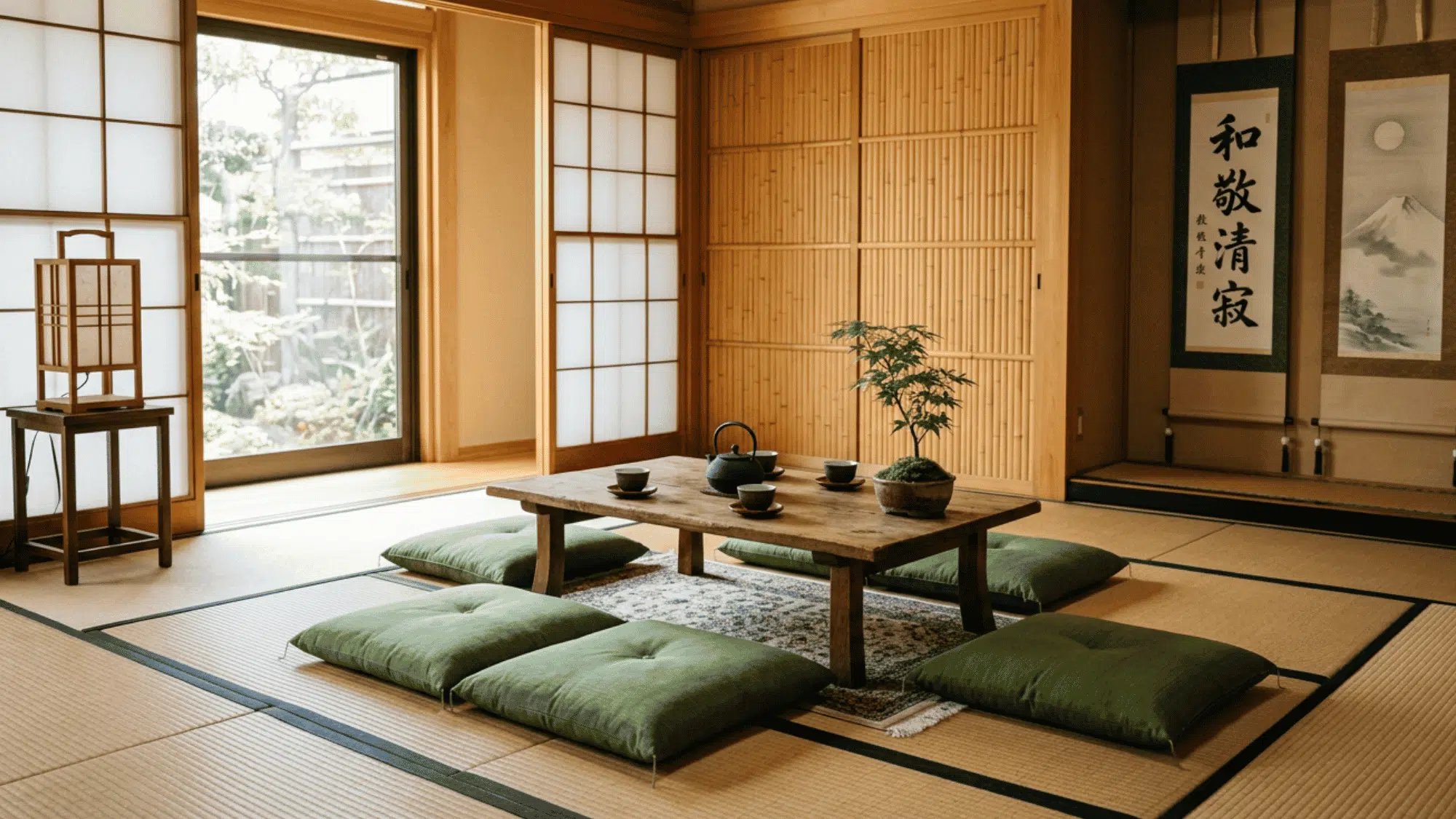
Furniture placement should support easy movement, balance, and harmony within the room. Large furniture pieces should not dominate the space or block important structural features.
Leaving enough space between objects allows each element to feel intentional and visually appealing. This thoughtful arrangement enhances functionality while creating a more relaxing atmosphere in which furniture, decor, and open areas work together naturally.
A balanced layout also helps maintain the simplicity and calmness of Japanese interior design.
Conclusion
Japanese interior design offers a timeless way to create homes that feel peaceful, organized, and connected to nature.
By focusing on minimalism, natural materials, balanced layouts, soft lighting, and meaningful decor, homeowners can create spaces that foster comfort and relaxation.
Small updates, such as adding wooden details, reducing clutter, or introducing natural textures, can create a noticeable change.
Start applying these Japanese interior design principles today and turn your living space into a calmer, more balanced, and thoughtful home. Which Japanese design idea would you like to try first? Share your thoughts and favorite home styling tips in the comments below.
Frequently Asked Questions
Is Japanese Interior Design Suitable for Small Homes?
Yes, its minimalist approach makes small spaces feel open, organized, and functional.
What Makes Japanese Interior Design Different from Minimalism?
Japanese design combines minimalism with nature, cultural philosophy, and purposeful living.
Can Japanese Interior Design Work With Modern Furniture?
Yes, modern furniture can blend with Japanese principles through simplicity, natural materials, and balance.