How high to hang art and pictures is one of the most common decorating questions I come across, and the eye-level rule is usually the best place to start.
It sounds simple, but once you’re standing in front of a blank wall with a frame in your hands, it’s easy to second-guess the placement.
I’ve found that even a few inches can completely change how balanced a room feels. The good news is that there isn’t just one “correct” height.
It depends on the wall, the furniture below it, the size of the artwork, and the overall layout.
Below, you’ll learn the standard hanging height, when to adjust it, and the common mistakes that can make even beautiful artwork look out of place.
What Does the Eye-Level Rule Mean?
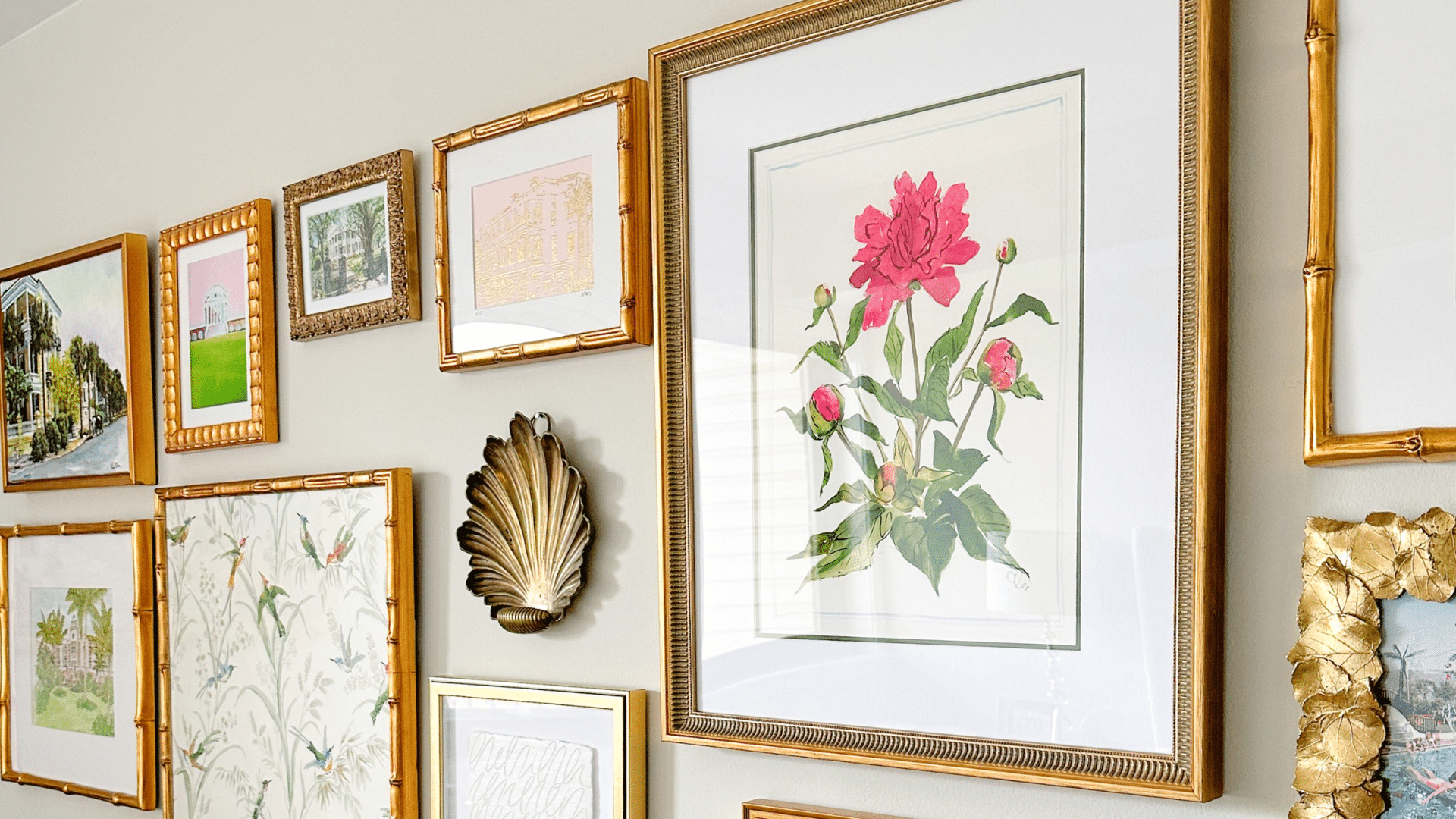
The standard is 57 inches from the floor to the center of the artwork, give or take a few inches up to 60.
That number matches average adult eye level, which is why museums and galleries use it as their baseline too.
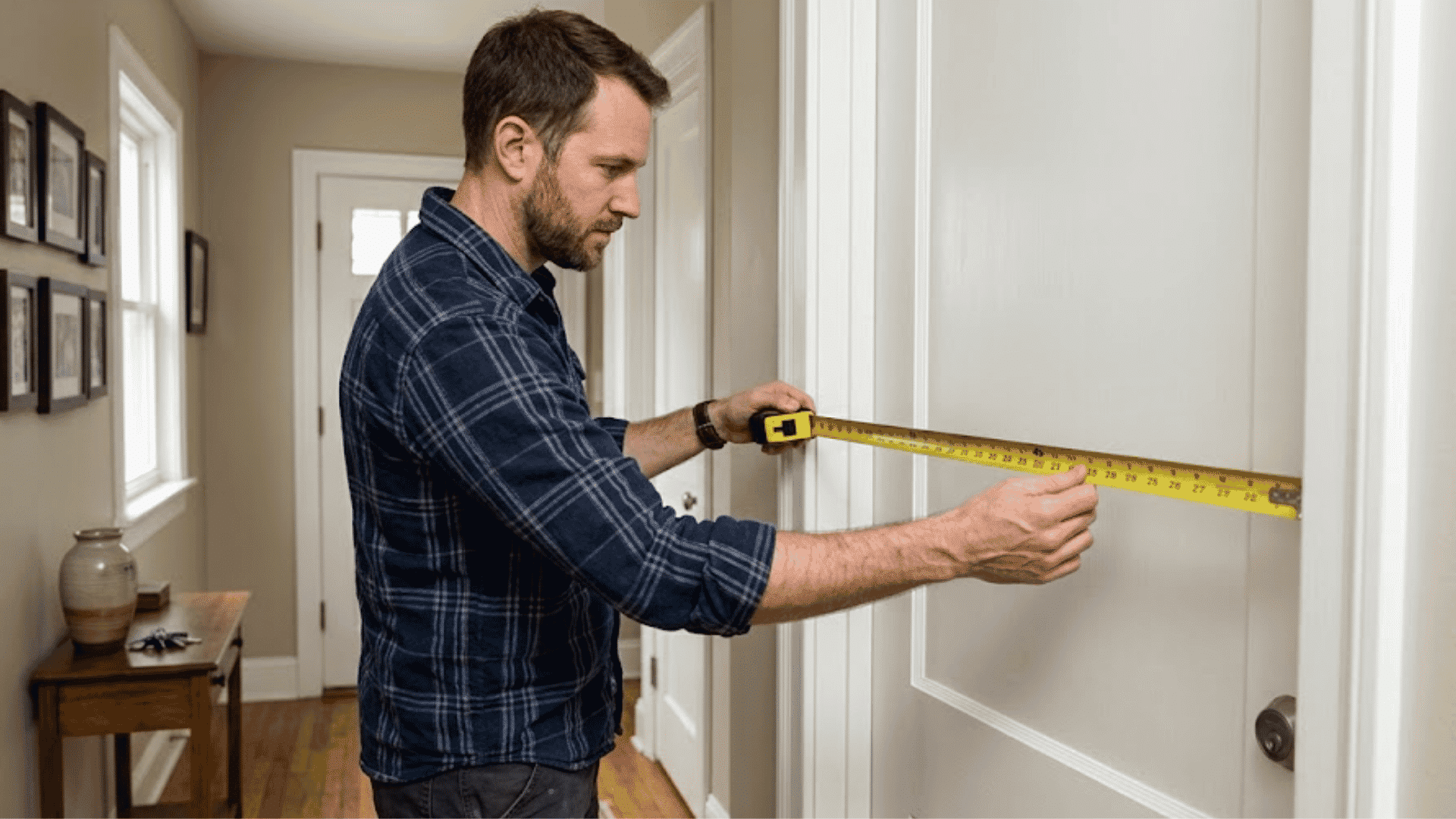
To find it: measure your frame’s full height, divide by two to find the center, then measure up 57 to 60 inches from the floor on the wall.
Line up the center mark with that spot. That’s it. No math beyond that, and no need to guess.
Why Picture Height Matters?
Picture height matters because it affects how your whole room feels the moment you walk in.
When I place art at the right height, it helps the wall look balanced and keeps your eyes moving comfortably across the space.
If a picture is too high or too low, it can make the room feel uneven or harder to take in.
The right height also helps the artwork connect with nearby furniture, so everything works together instead of feeling scattered.
You’ll notice this most above sofas, beds, and consoles, where height can change the look of the entire wall.
A well-placed picture also makes the room feel more welcoming because your eyes rest naturally at the center of the piece. Once you use a steady height, every room starts to feel clearer, calmer, and easier to enjoy.
Tips for Hanging Art in Special Situations
Different spots around the home may need small height adjustments to keep each wall looking balanced. These simple tweaks let you use the eye-level idea naturally without forcing one exact rule everywhere.
1. Hanging Art Above Sofas, Beds, or Consoles
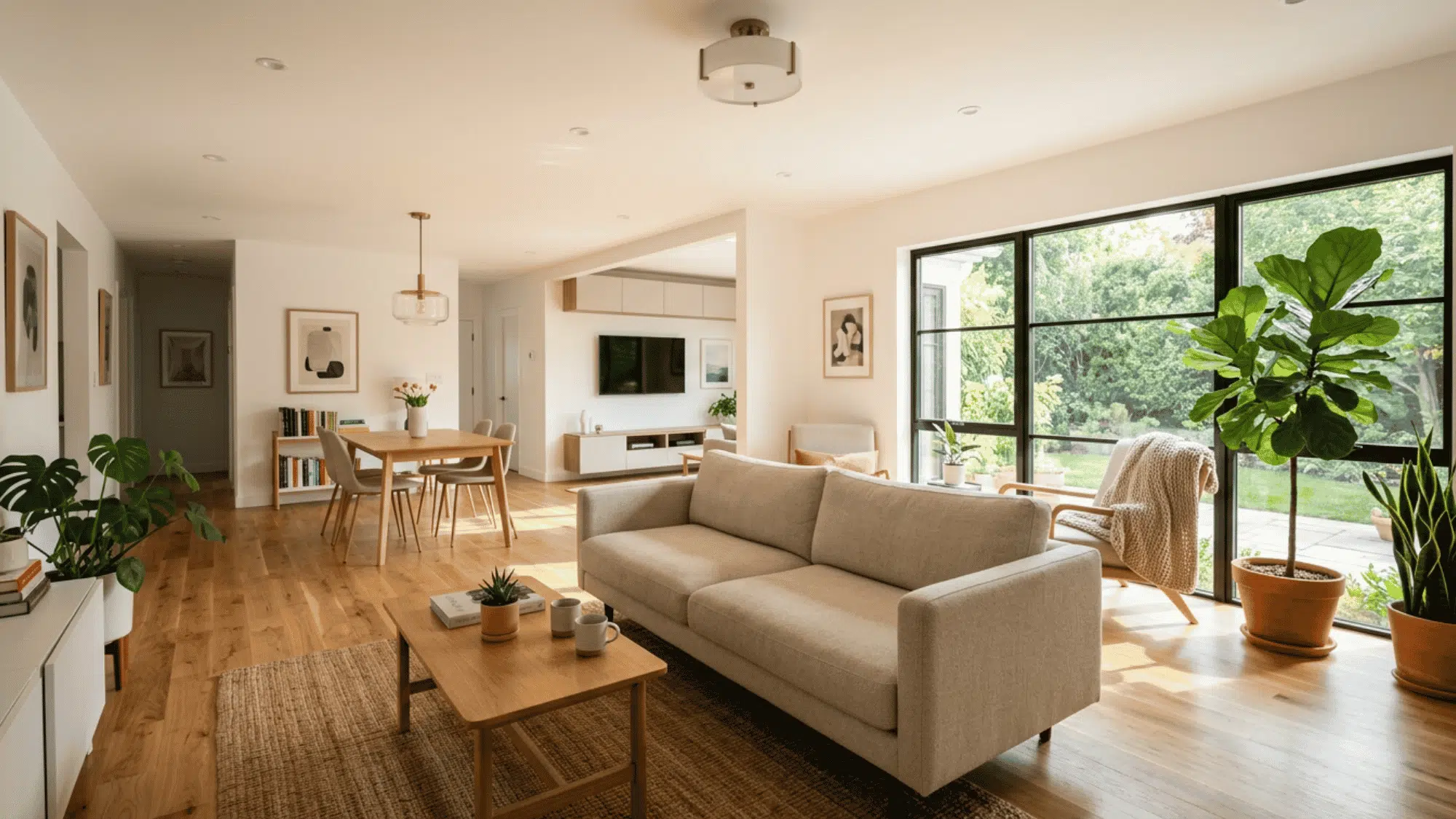
Leave about 6 to 8 inches between the top of the furniture and the bottom of the frame. Close enough to feel connected, not so tight it looks stacked.
Artwork sized to roughly two-thirds the width of the furniture below it usually reads best. If you want the fuller picture on why that ratio works, understanding scale and proportion in design helps provide more depth.
2. Grouping Frames and Creating Gallery Walls
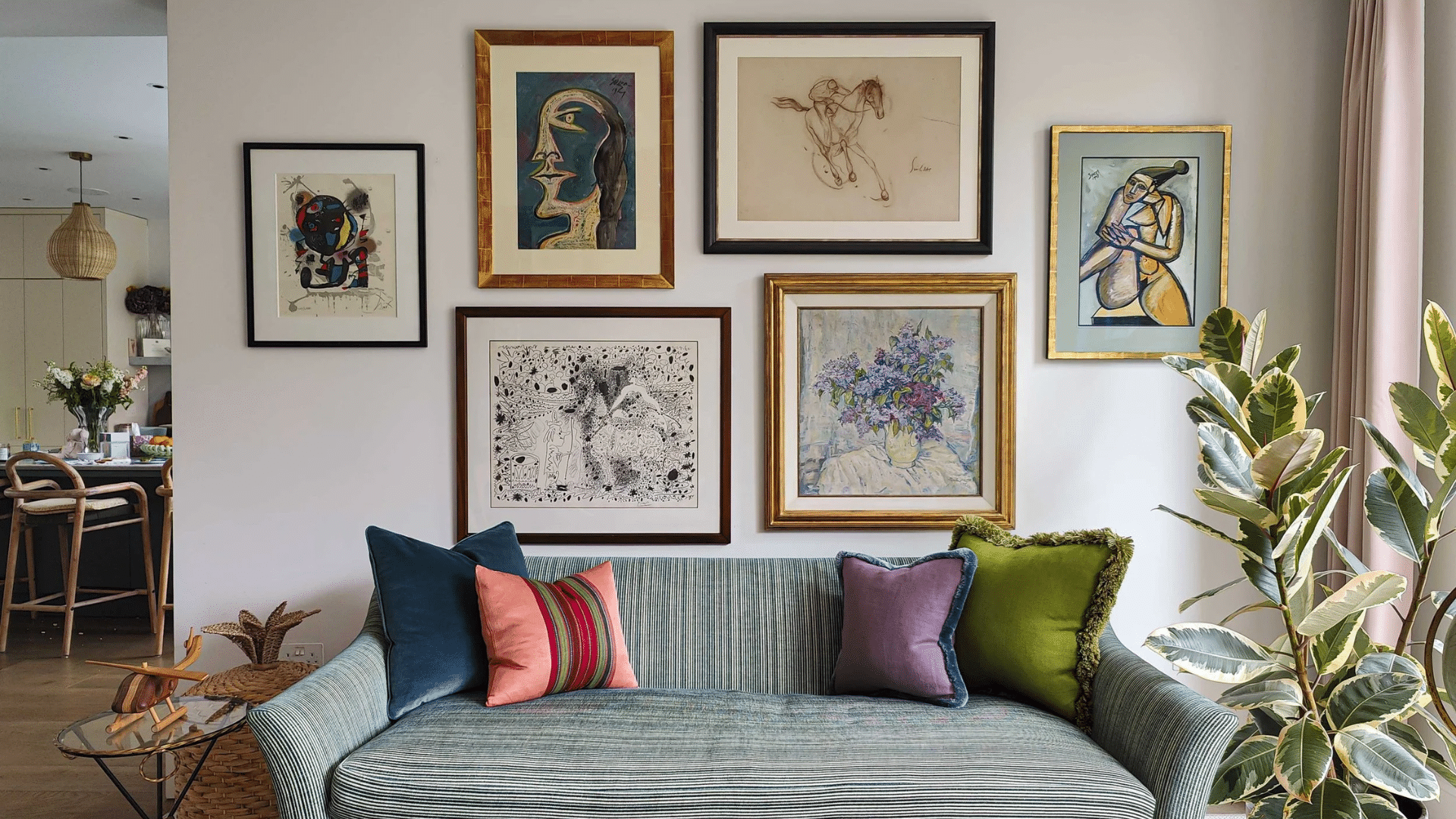
Gallery walls work best when one main picture anchors the layout at a comfortable viewing height.
The rest of the frames can be arranged around it with even spacing, usually 2 to 3 inches, to avoid a scattered look. Keeping some edges aligned, either across the top, bottom, or center, helps the eye move smoothly.
With clean spacing and a clear anchor point, the whole group feels organized and easy to follow.
3. Hanging Art on Narrow Walls or Tight Spaces
Narrow walls look more balanced with smaller pieces, so the space doesn’t feel overwhelmed.
A centered height that sits naturally at eye level keeps the piece easy to see without dominating the wall.
In tall, slim areas, stacking two small frames with a small gap creates visual interest without adding clutter. Using the right scale makes the art feel like it belongs instead of competing with the wall.
4. Hanging Art in Entryways or Hallways
Entryways and hallways often work best with art placed at a steady eye-level height, since these are spaces people walk through quickly.
In longer halls, a row of evenly spaced pieces helps the eye move along the wall in a smooth rhythm.
Keeping the height consistent gives the area a clean, intentional look, even in tight spaces.
5. Adjusting Art Height When Furniture Is Taller or Shorter
Taller furniture may require art to be raised slightly so it doesn’t look hidden behind the piece.
Lower furniture may call for bringing the artwork down a bit to keep everything visually connected. Small shifts in height help the art and furniture feel like one complete set.
This removes awkward gaps and makes the whole room look more pulled together.
6. Hanging Without Nails or Wall Damage
The eye-level rule works the same whether you’re hanging pictures without nails or not.
If you’re renting, or just don’t want holes in the wall, adhesive strips, hooks, and rail systems can hold most frames at the same 57 to 60-inch height.
Where Not to Hang Pictures?
Some spots in a room can make pictures look off, even if the art itself is nice.
Walls that force you to hang a picture too high or too low often create an unbalanced look, especially when the piece sits far above eye level or close to the floor.
Tight corners, narrow slivers of wall, or areas crowded with switches and vents can also make the space feel messy.
Pictures don’t work well on walls that compete with large windows, heavy patterns, or tall built-ins because the art gets lost.
When a wall can’t support a clear focal point, the picture ends up looking out of place instead of adding to the room.
How High Should You Hang Pictures in Rooms with High Ceilings?
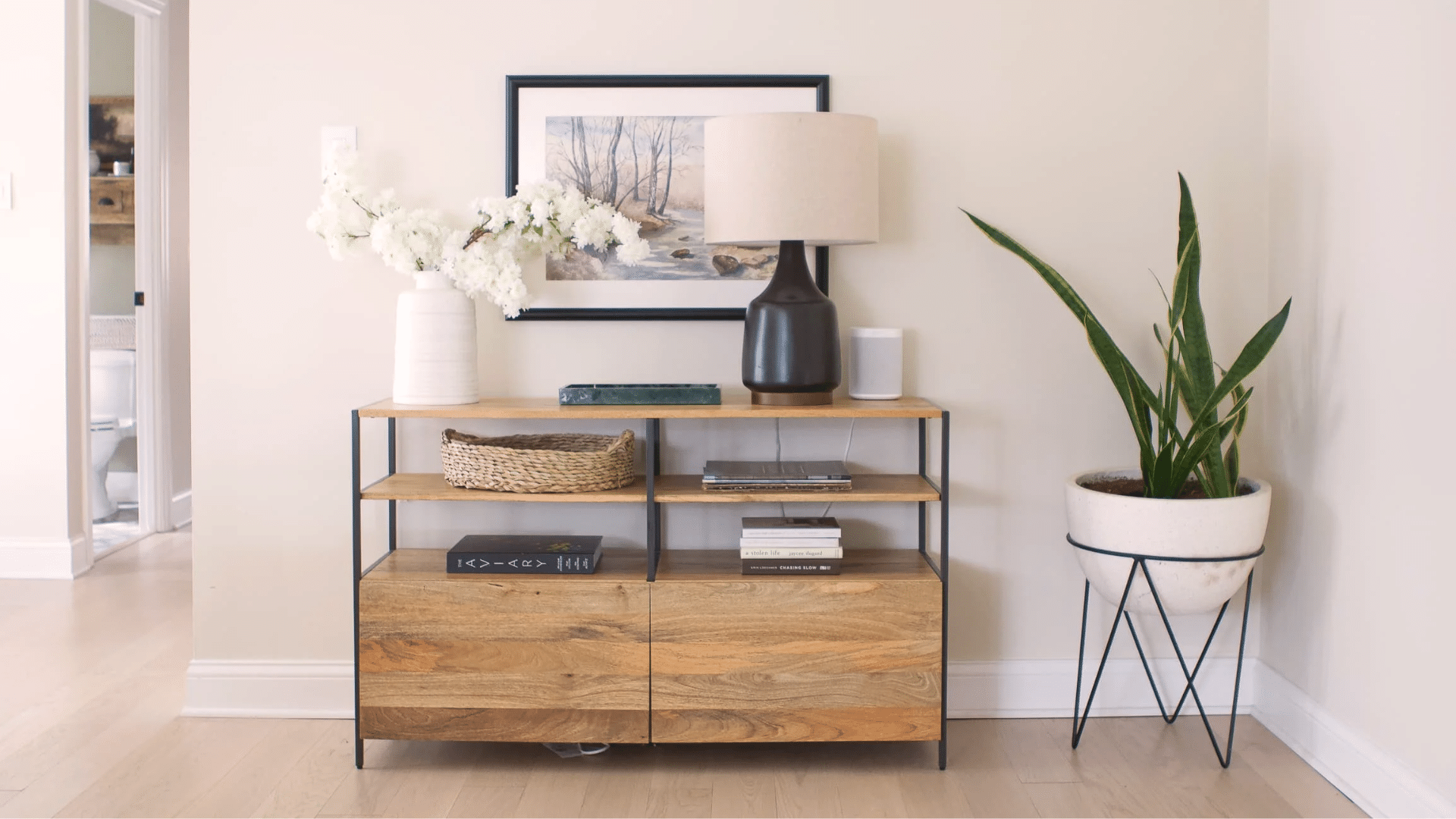
Rooms with high ceilings can make artwork look small or disconnected if it’s hung too high, so the goal is to keep the picture grounded and easy to see.
Even with tall walls, it helps to place the center of the artwork at a steady viewing height instead of raising it to match the ceiling. This keeps the picture linked to the room instead of floating in empty space.
A simple rule is to avoid lifting the art just because the walls are tall.
Keep it closer to nearby furniture or at a natural eye level so the layout still feels balanced.
Leaving extra space above the picture is fine, and it often makes the wall look cleaner. This approach helps the art stay clear, comfortable, and visually connected.
Common Mistakes to Avoid While Hanging Art
Hanging art can feel simple, but a few small missteps can throw off the whole wall. These quick fixes help you correct placement without starting over.
- Hanging art too high: Lower the center so it stays at a natural viewing height and feels connected to the room.
- Ignoring nearby furniture: Keep the artwork close to sofas, beds, or consoles so the wall doesn’t look empty.
- Using frames that are too small: Choose pieces that match the scale of the wall, or group smaller frames together.
- Leaving large gaps between grouped art: Keep spacing tight, about 2 to 3 inches, for a cleaner look.
- Placing art on cluttered or busy walls: Pick a spot with fewer distractions so the piece stands out.
Conclusion
The eye-level rule gives you a solid starting point: center the art 57 to 60 inches from the floor, then adjust for furniture, ceiling height, or a tight wall.
You don’t need to chase an exact number as much as keep the piece visually connected to what’s around it.
Once the height feels balanced, the rest of the room often comes together naturally.
If you’re still unsure about where to hang your artwork, leave a comment below with your room setup or a quick description of the wall. We’d love to hear your ideas.
Frequently Asked Questions
How High Should Art Hang Above a Couch or Bed?
Leave 6 to 8 inches between the top of the furniture and the bottom of the frame, rather than centering it at 57 inches regardless of what’s below it.
Do High Ceilings Change Where You Hang Art?
No. Keep the center at eye level and let the extra wall space above stay open, instead of raising the art to match the ceiling.
Does Picture Height Change from Room to Room?
Slightly. Rooms where people mostly sit, like living rooms or bedrooms, can use the lower end of the range. Hallways and kitchens, where people mostly stand, tend to work better toward 60 inches.