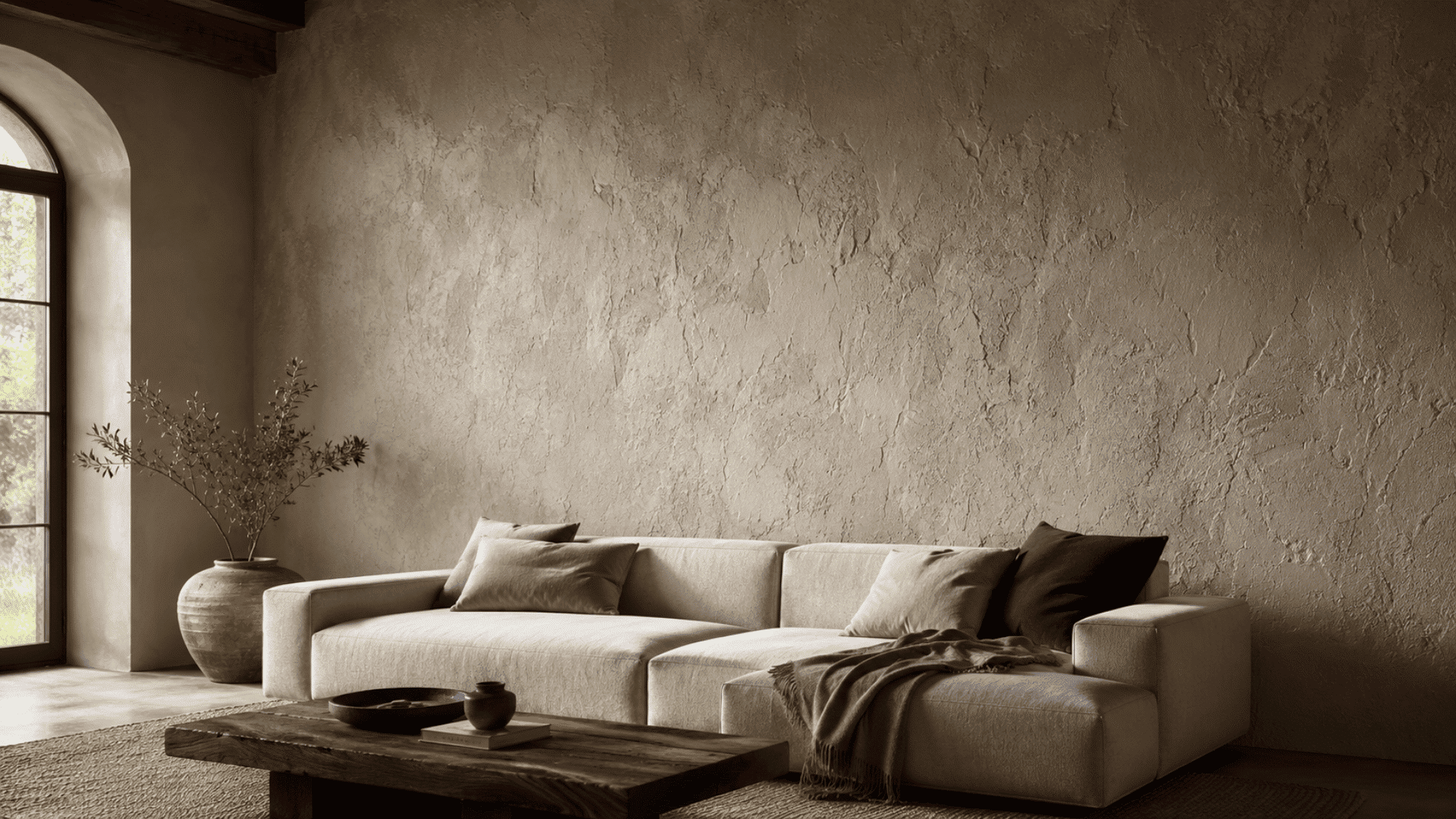
Wall texture can change how a room feels without altering its layout or furniture. Some finishes look smooth and quiet, while others add visible pattern and depth.
The right choice can support your home’s style and make plain walls feel more finished.
Since each finish has a different look, feel, and level of upkeep, it helps to understand the basic options before choosing one.
This article explains the main types of wall texture in a clear, simple way, so you can compare them with confidence. Keep reading to find a finish that suits your space, budget, and specific daily needs.
Why Wall Texture Matters in Interior Design
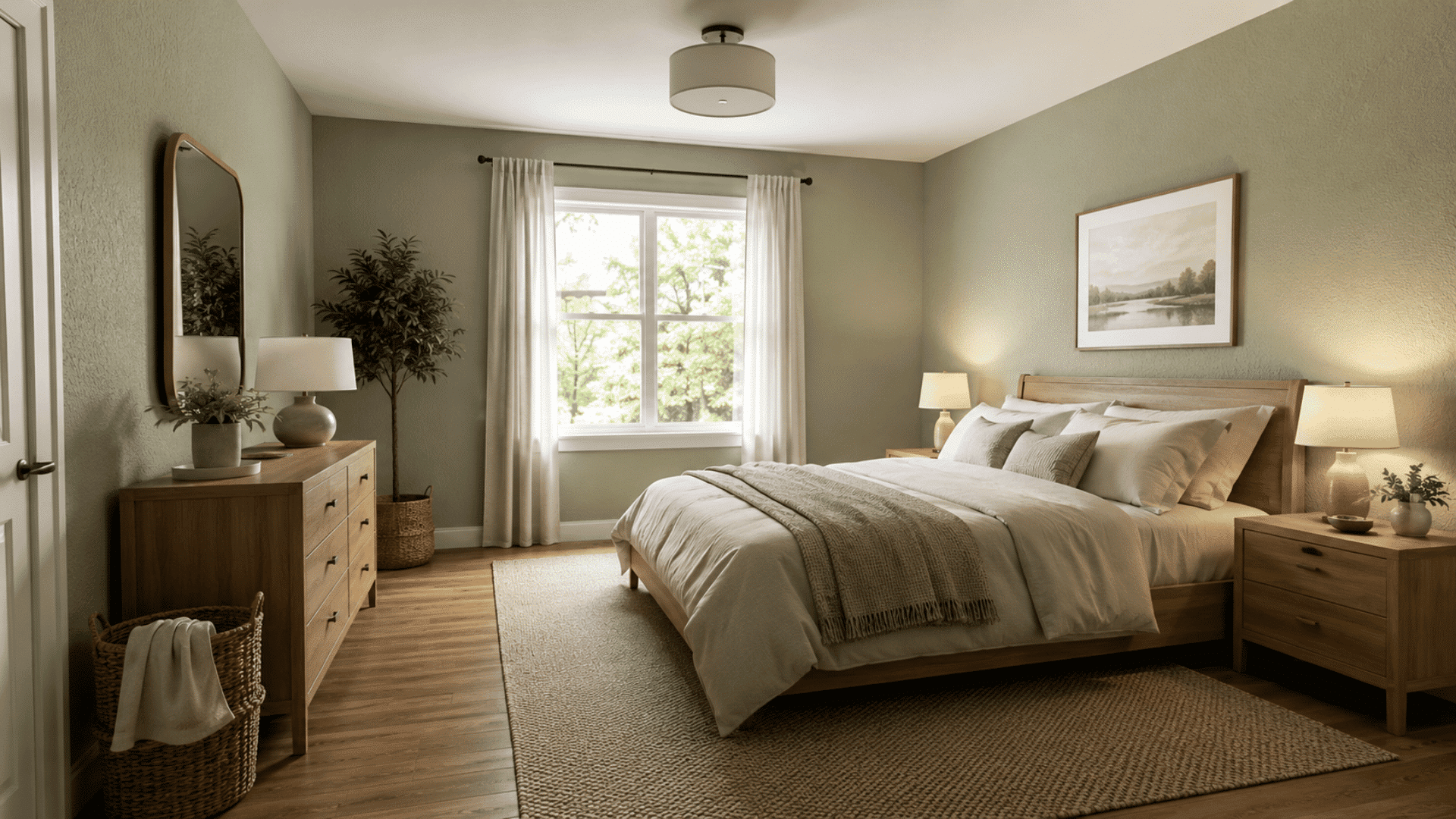
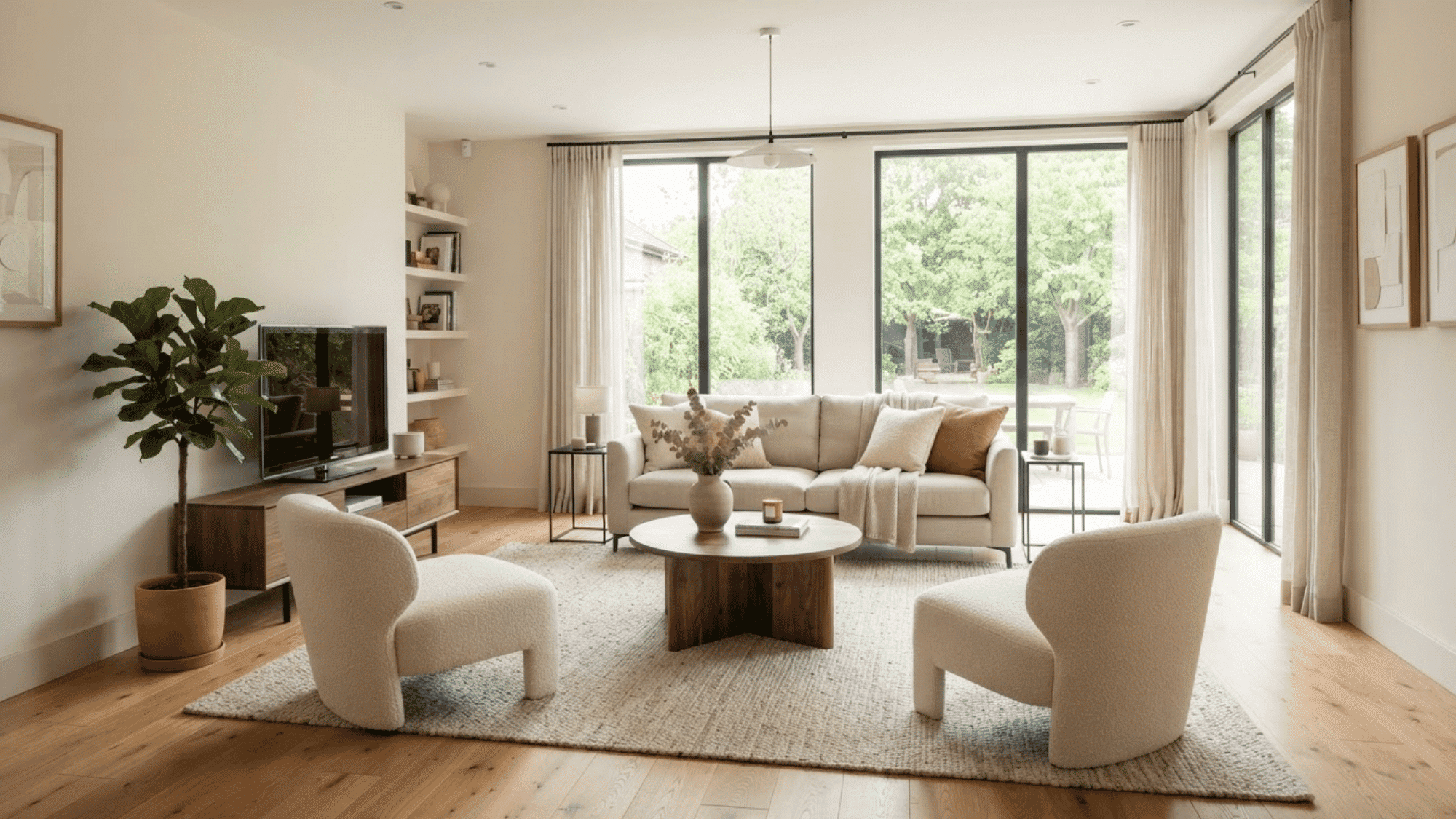
Texture shapes how a room feels by adding depth to flat surfaces.
A smooth finish supports a clean, simple style, while heavier patterns make walls more noticeable and change how light falls across them.
Some textured finishes can reduce the visibility of small drywall flaws or uneven joints, though they can’t repair actual damage.
The right finish depends on room size, lighting, existing wall condition and the style you’re going for.
Wall Texture Costs and Installation Factors
Professional drywall texturing usually costs $0.80 to $2 per square foot, with an average room costing about $575 to $675. Final prices depend on the finish, wall condition, application method and local labor rates.
| Cost Factor | How It Affects the Price |
|---|---|
| Texture style | Smooth finishes cost about $1–$1.80 per square foot, while Venetian plaster starts at about $3 per square foot. |
| Application method | Sprayed textures cost around $0.80–$1.50 per square foot. Hand-applied finishes cost $1.50–$ 2.00 per square foot. |
| Wall size | Contractors usually calculate costs using the wall area, not the room’s floor area. |
| Surface condition | Cracks, holes, dents, and uneven drywall may require repairs before texture is added. |
| Existing texture | Removing or covering an old finish can increase labor and preparation costs. |
| Wall height | Tall walls and ceilings may cost more because they require additional equipment and labor. |
| Painting | Primer and paint may be charged separately after the texture dries. |
Types of Wall Texture for a Stylish Finish
Wall textures range from smooth, low-profile finishes to bold patterns with visible depth. The options below show how each finish looks, how it is applied, and where it may work well.
1. Smooth Finish
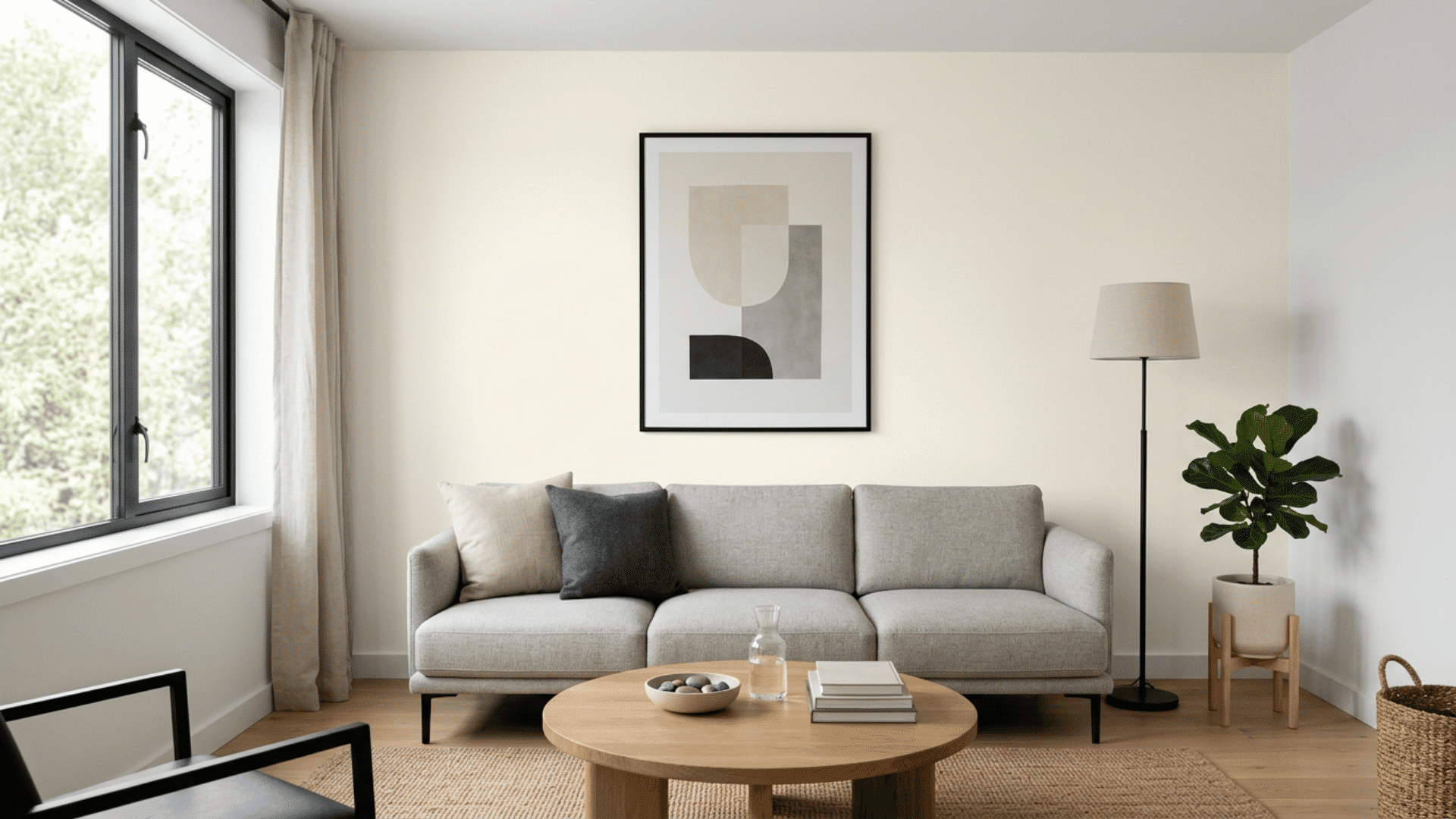
A smooth finish has little or no visible pattern, so the wall appears as one flat surface.
It usually requires careful joint treatment, sanding, and sometimes a skim coat because dents and seams can remain noticeable under side lighting.
This finish works well with simple interiors and paint colors that need an even base. Repairs must be blended carefully, since patches may stand out more than they do on textured walls.
2. Orange Peel Texture
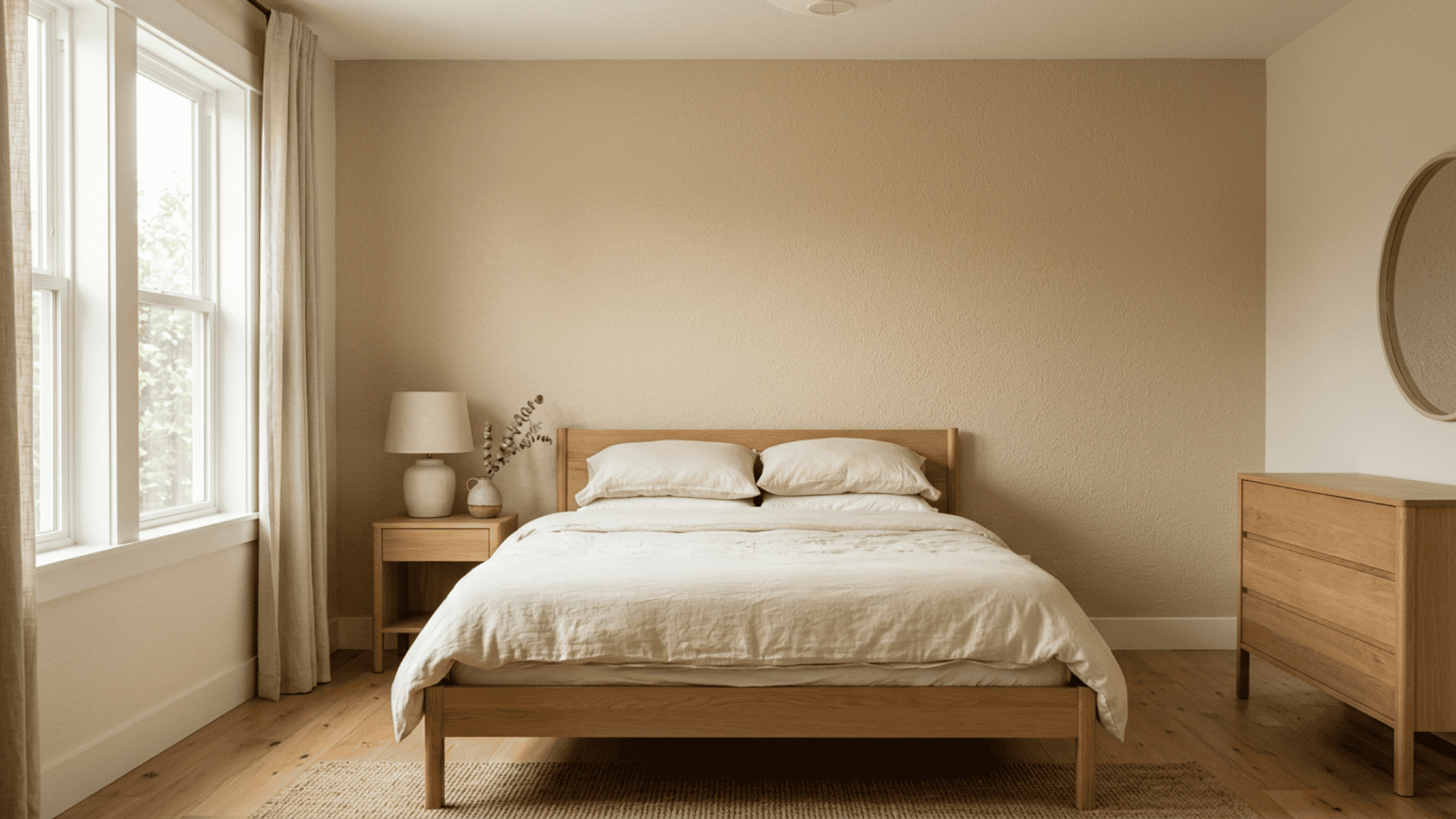
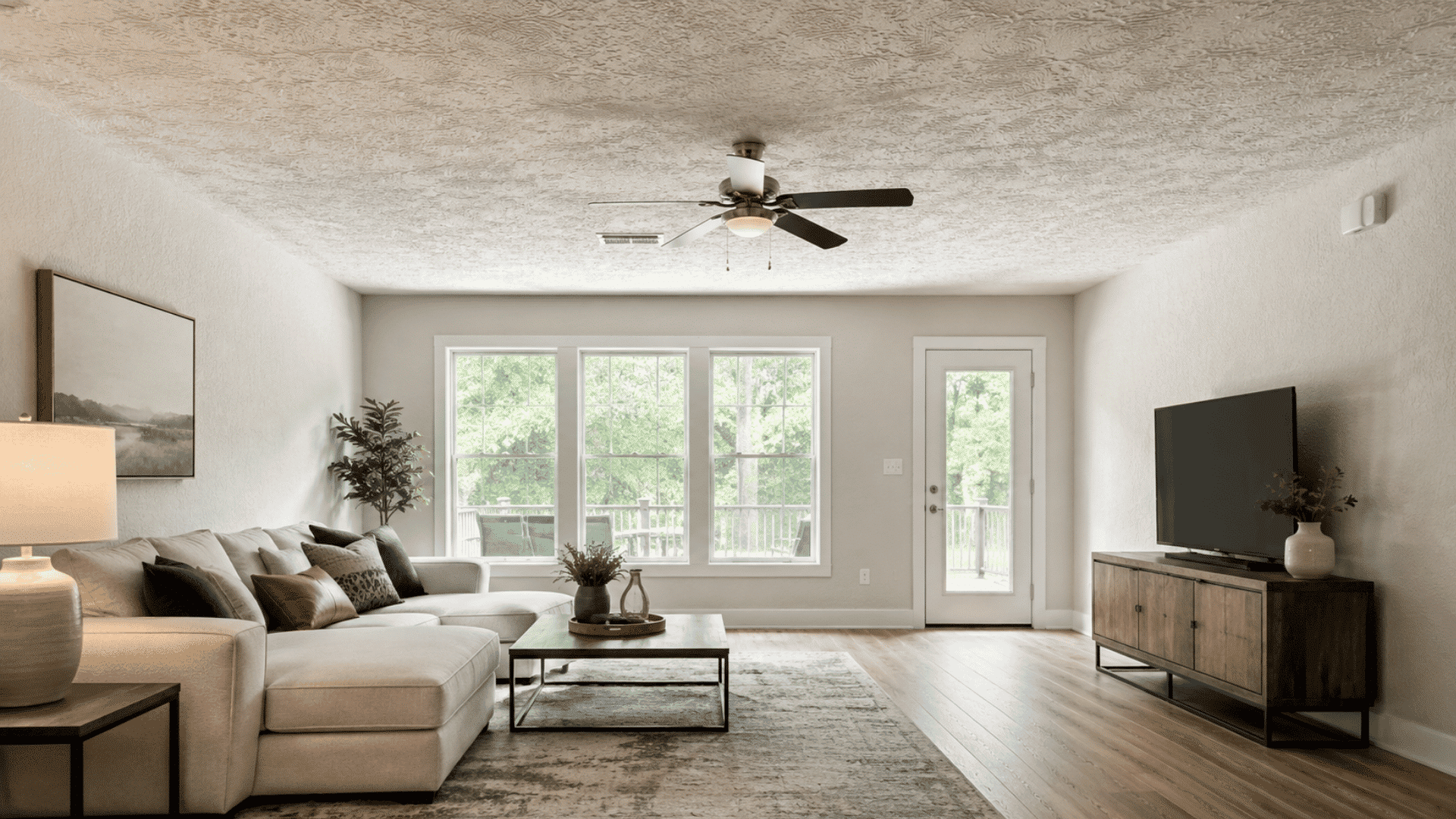
Orange peel texture has small, rounded bumps that resemble the skin of an orange.
It is usually sprayed over prepared drywall in a light or medium pattern, then allowed to dry before painting. The finish gives walls a mild texture without creating deep ridges.
It can make small surface flaws less noticeable, but joints, holes, cracks, and damaged drywall still need proper repair before the material is applied.
3. Spatter Texture
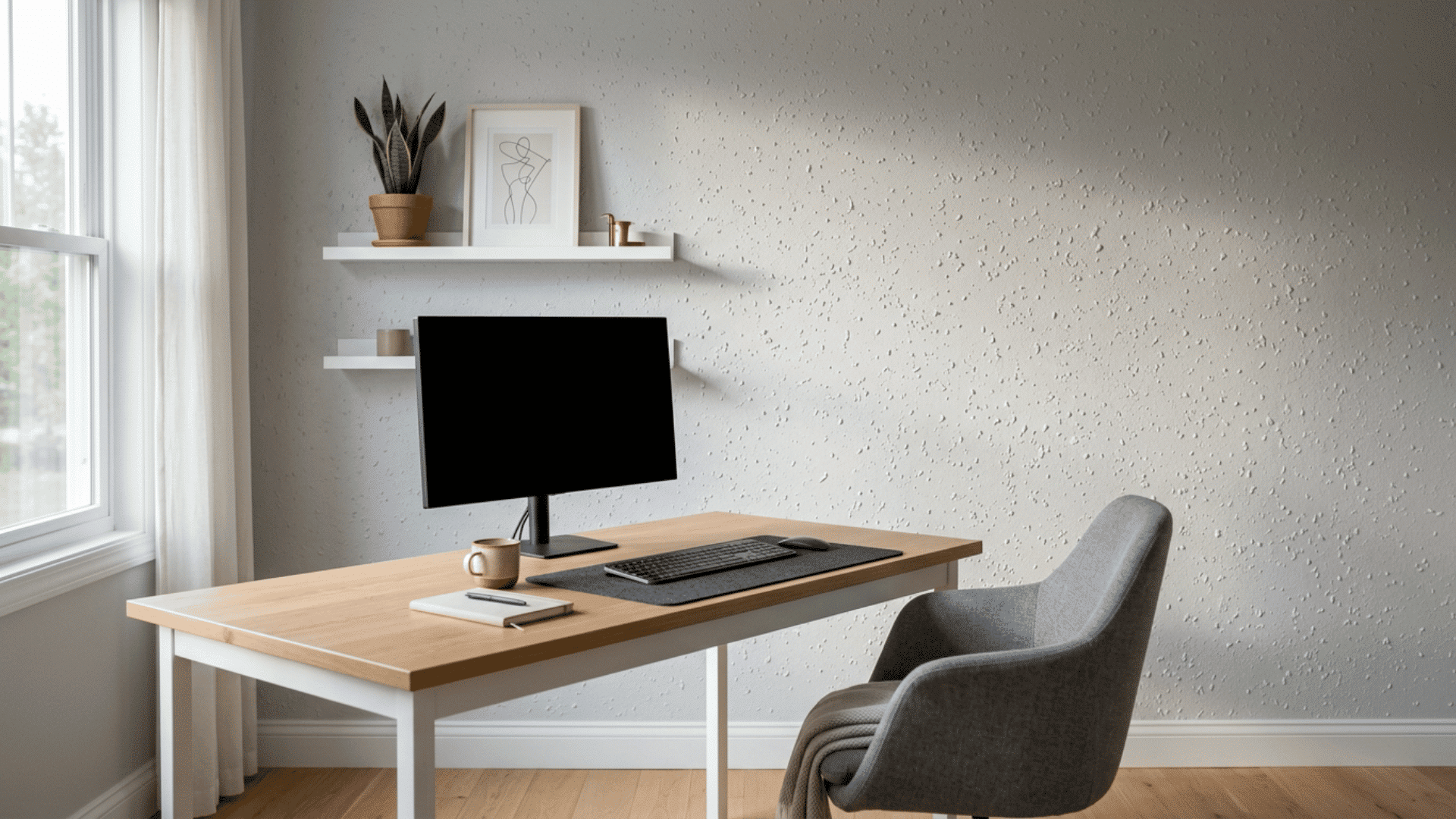
Spatter texture is made by spraying small drops of texture material across a wall or ceiling.
The droplets remain raised rather than flattened, creating a more noticeable pattern than orange peel’s. Spray pressure, nozzle size, and material thickness affect the final result.
It is applied over sound, clean, primed surfaces and is normally painted after drying. The scattered pattern can also make minor surface variations less noticeable.
4. Knockdown Texture
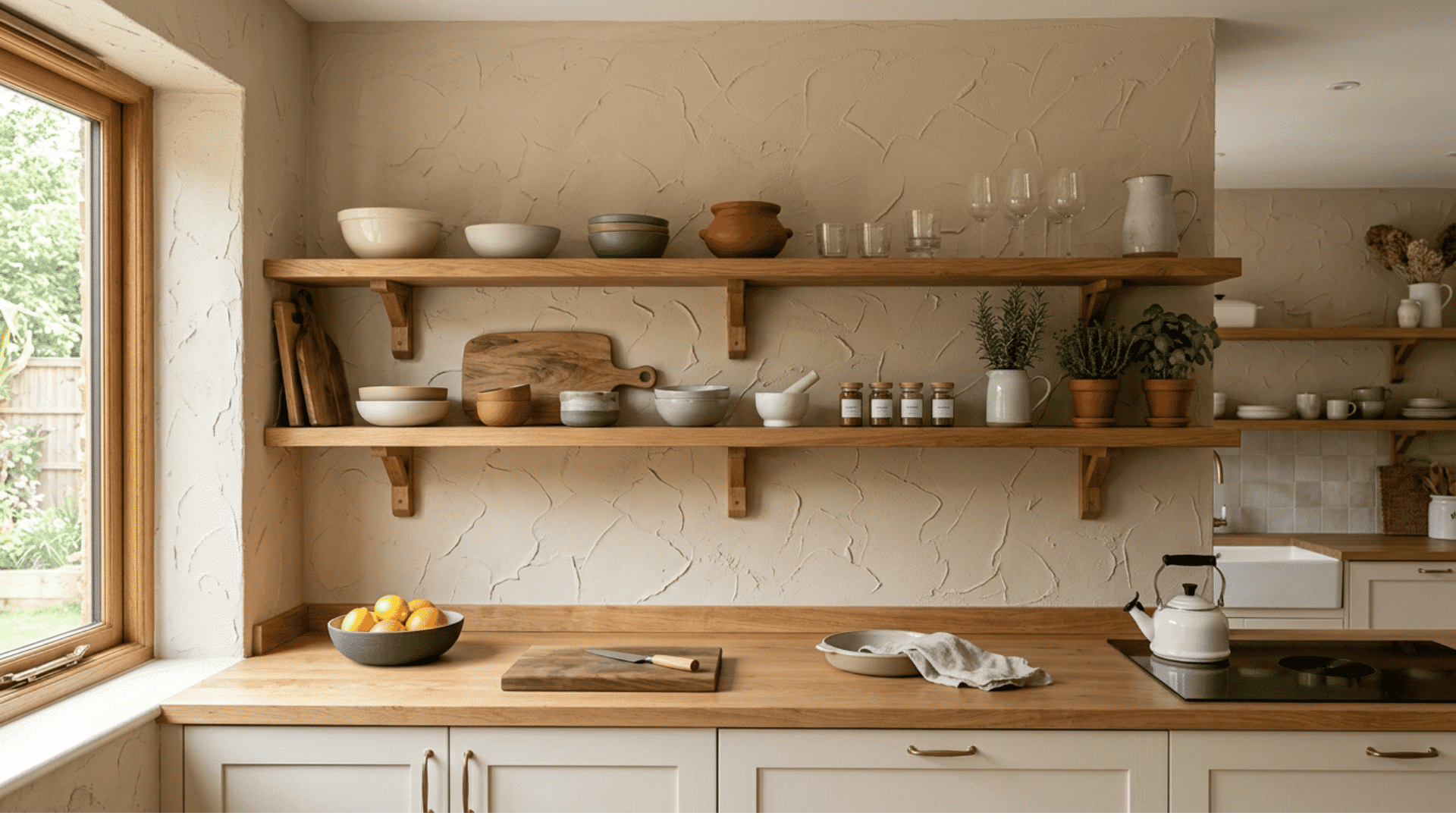
Knockdown texture begins as a sprayed spatter coat.
After the material sits for a short period, a wide knife or trowel lightly flattens the raised peaks. This creates irregular patches with low ridges and open spaces between them.
The final look can range from light to bold based on droplet size and tool pressure. Consistent timing matters because texture that dries too much will not flatten or spread evenly.
5. Fine Sand Texture
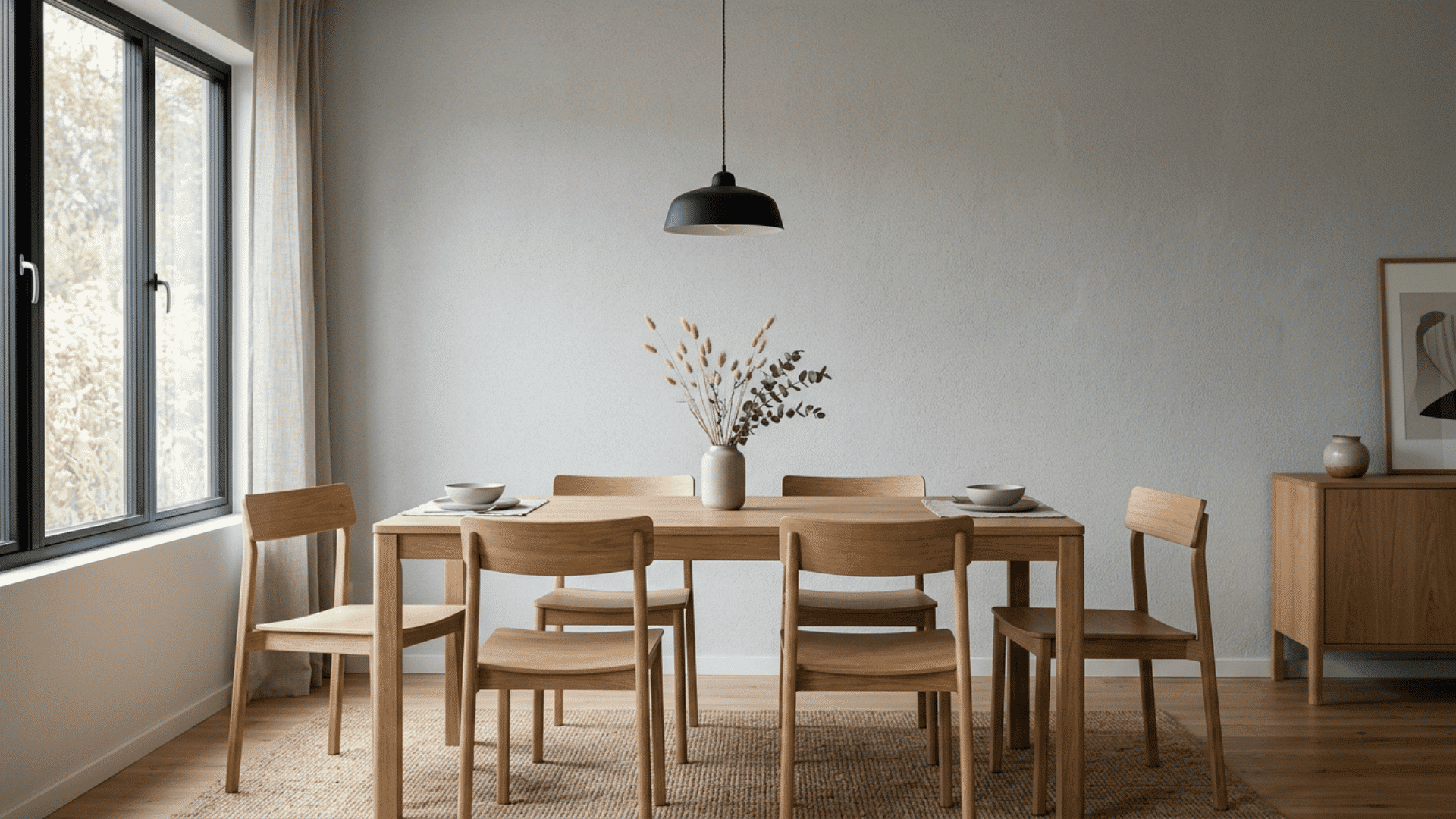
Fine sand texture contains small mineral particles that leave a light, grainy surface. It can be applied with a brush, roller, or spray equipment, depending on the product.
The pattern is less pronounced than many sprayed drywall textures, so it creates a subtler finish without heavy shadowing.
It can be used on interior walls and ceilings, but the base should still be clean, dry, repaired, and properly primed before application.
6. Stipple Texture
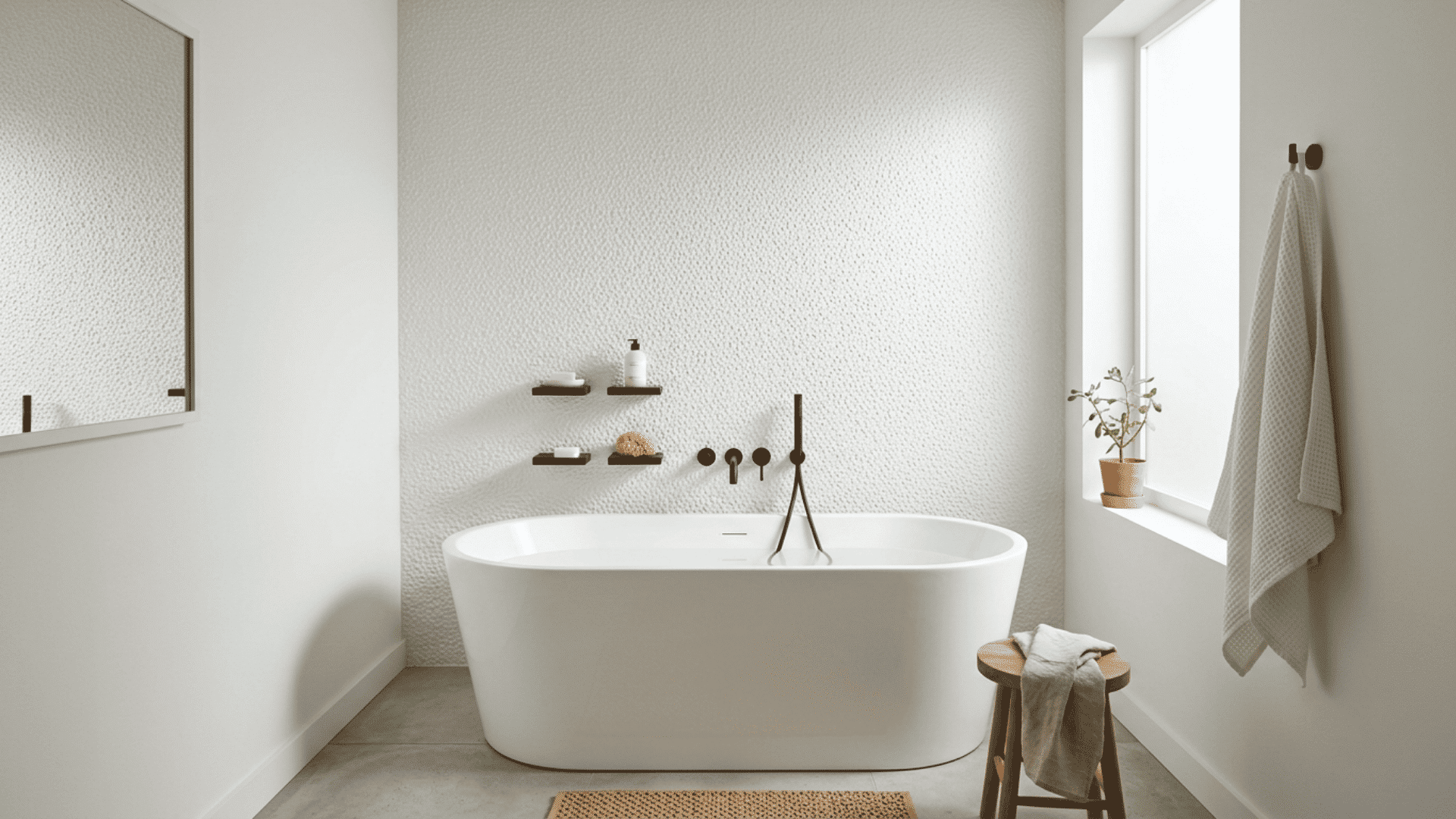
Stipple texture forms a field of small peaks or dots across the surface.
It may be applied with a roller, brush, spray, or texture tool, and the pattern changes with material thickness and tool movement. A fine stipple creates a low-profile finish, while a heavier coat forms sharper points.
The repeated pattern can cover slight surface variation, though cracks, loose material, holes, and damaged drywall must be repaired first.
7. Swirl Texture
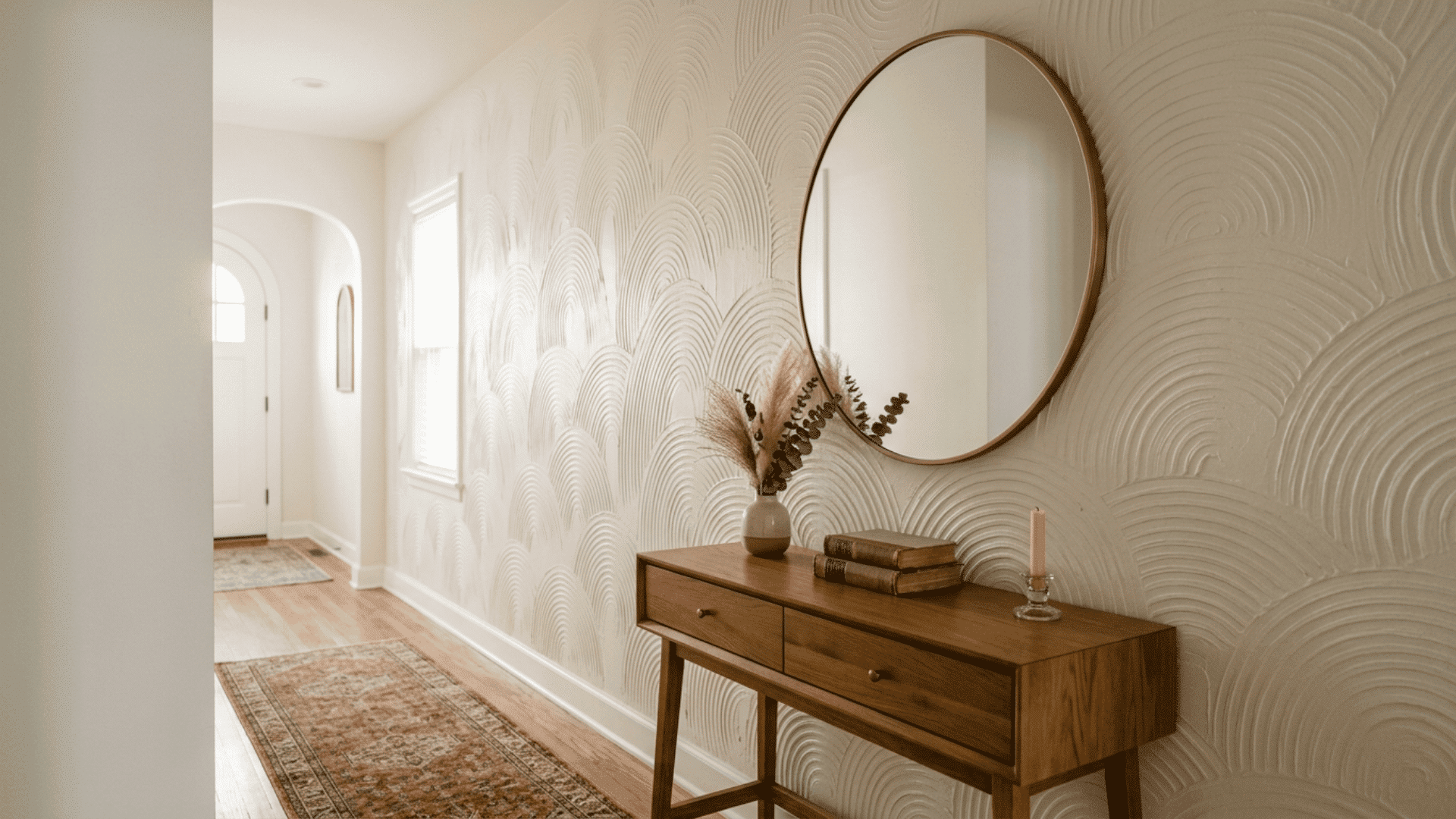
Swirl texture uses curved, overlapping marks made with a brush, float, or another hand tool.
Sanded texture paint or plaster is often used because the added particles help the pattern remain visible. The installer works in repeated arcs to keep the design even across the wall or ceiling.
Swirl finishes require steady spacing and pressure, since uneven curves can be difficult to correct after the material starts to dry or set.
8. Skip Trowel Texture
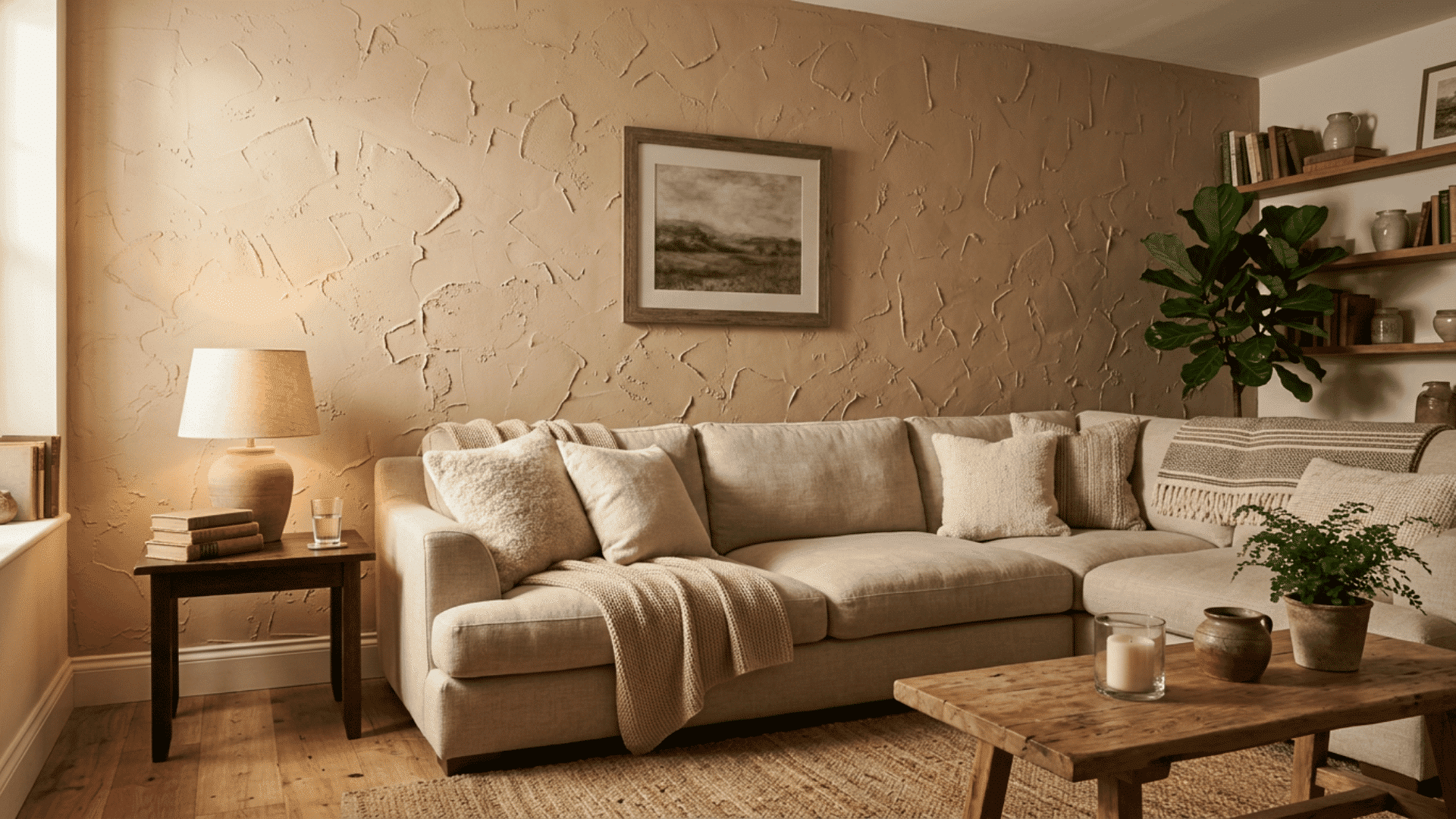
Skip trowel texture is applied by moving a trowel lightly across plaster or joint compound so the tool touches some areas and skips over others.
This leaves thin raised patches with smoother spaces between them.
Sand may be added to help control the trowel movement and pattern. Since the finish is created by hand, results can vary from one installer to another. Practicing on spare drywall helps before covering a full wall.
9. Sand Float Texture
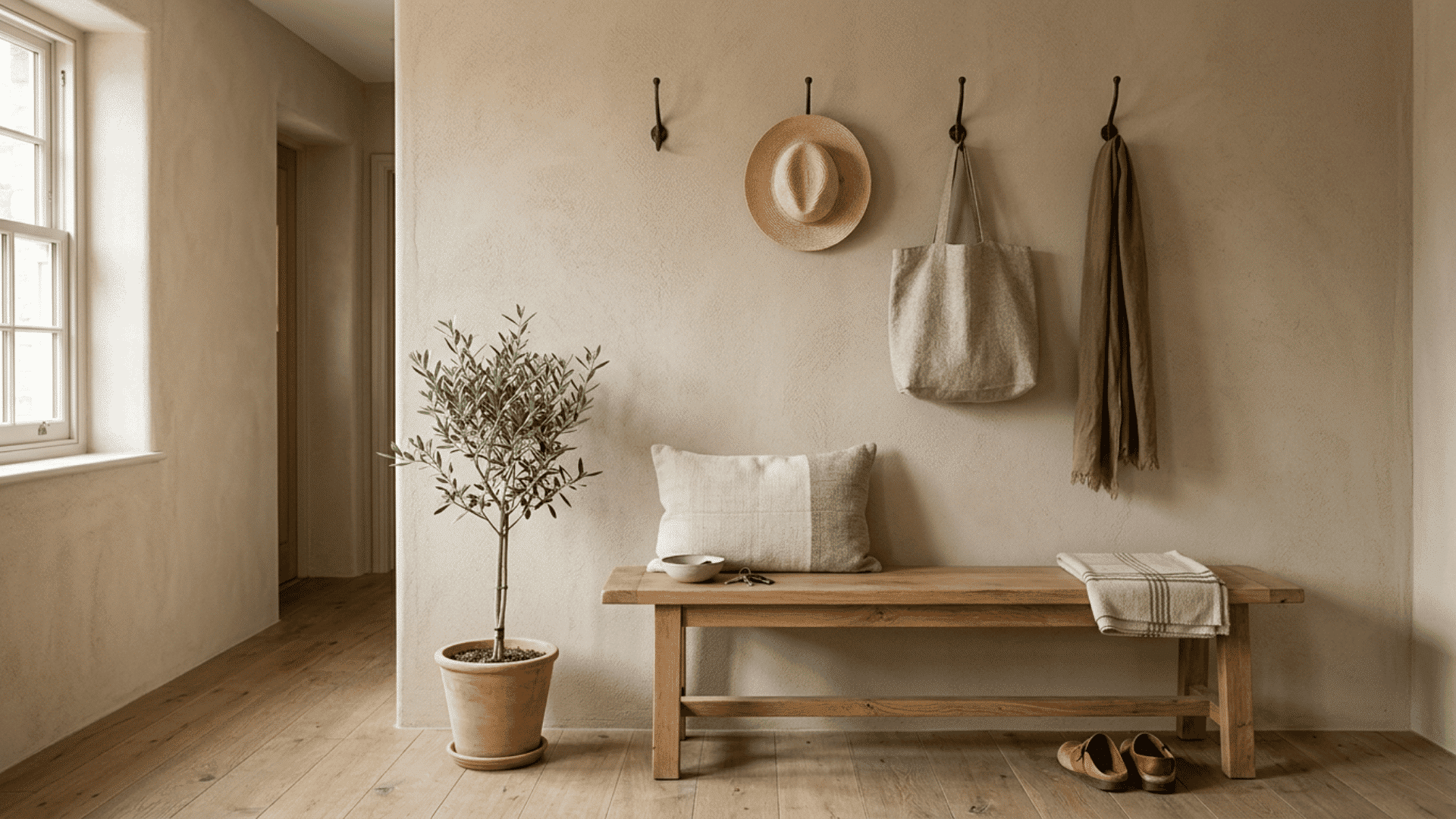
Sand float texture is a plaster finish made with fine silica sand and shaped with a float. The float removes strong trowel marks while spreading the sand into a consistent grain.
The surface may look soft and even or slightly varied, based on the sand size and finishing method.
The work must be completed before the plaster sets, and excessive water during finishing may affect the surface and final color.
How to Maintain Textured Walls
Textured walls can trap dust around raised areas and grooves. Gentle cleaning helps protect the pattern and painted finish.
- Remove dust regularly with a microfiber duster or a soft-bristled vacuum attachment, without pressing hard on raised texture.
- Test before washing by applying a cleaning solution to a hidden spot first.
- Use mild soap mixed with warm water and a soft, damp sponge.
- Avoid rough tools like stiff brushes or abrasive pads, which can flatten the pattern.
- Rinse and dry with a clean, damp cloth, then a soft towel.
- Match the pattern carefully when patching holes or cracks.
Can Wall Texture Be Removed or Changed?
Yes. Light textures may be softened and scraped when the product allows it, while painted or heavy finishes often need sanding, a skim coat, or new drywall.
A skim coat uses joint compound to flatten the surface, followed by sanding, primer, and paint.
Test a hidden area first, since scraping can tear drywall paper or expose uneven joints. Older textured paint may contain asbestos, so don’t sand, scrape, or drill a suspected older coating until a professional has tested it.
If you’re planning a full re-texture rather than a patch, it’s worth understanding modern drywall texture types before picking a replacement finish.
Final Thoughts
Choosing the right wall texture comes down to appearance, room use, maintenance, and budget.
Smooth finishes create a clean look, while raised patterns add depth and hide minor flaws, though installation quality affects the final result either way.
Which wall texture would suit your home best? Share your favorite finish in the comments and tell us where you’d use it.
Frequently Asked Questions
Can Wallpaper Be Applied over Textured Walls?
Wallpaper holds best on a clean, dry, smooth, and primed surface. Heavy texture should be smoothed first so bumps do not show through the paper.
Are Textured Walls Suitable for Humid Rooms?
Textured finishes can be used in humid spaces, but the texture does not provide moisture protection. Use moisture-resistant wall panels and a coating made for the room’s conditions.
Does Wall Texture Help Reduce Room Noise?
Standard decorative texture provides little meaningful sound control on its own. Tested wall assemblies and acoustic materials are more effective for reducing sound transfer.