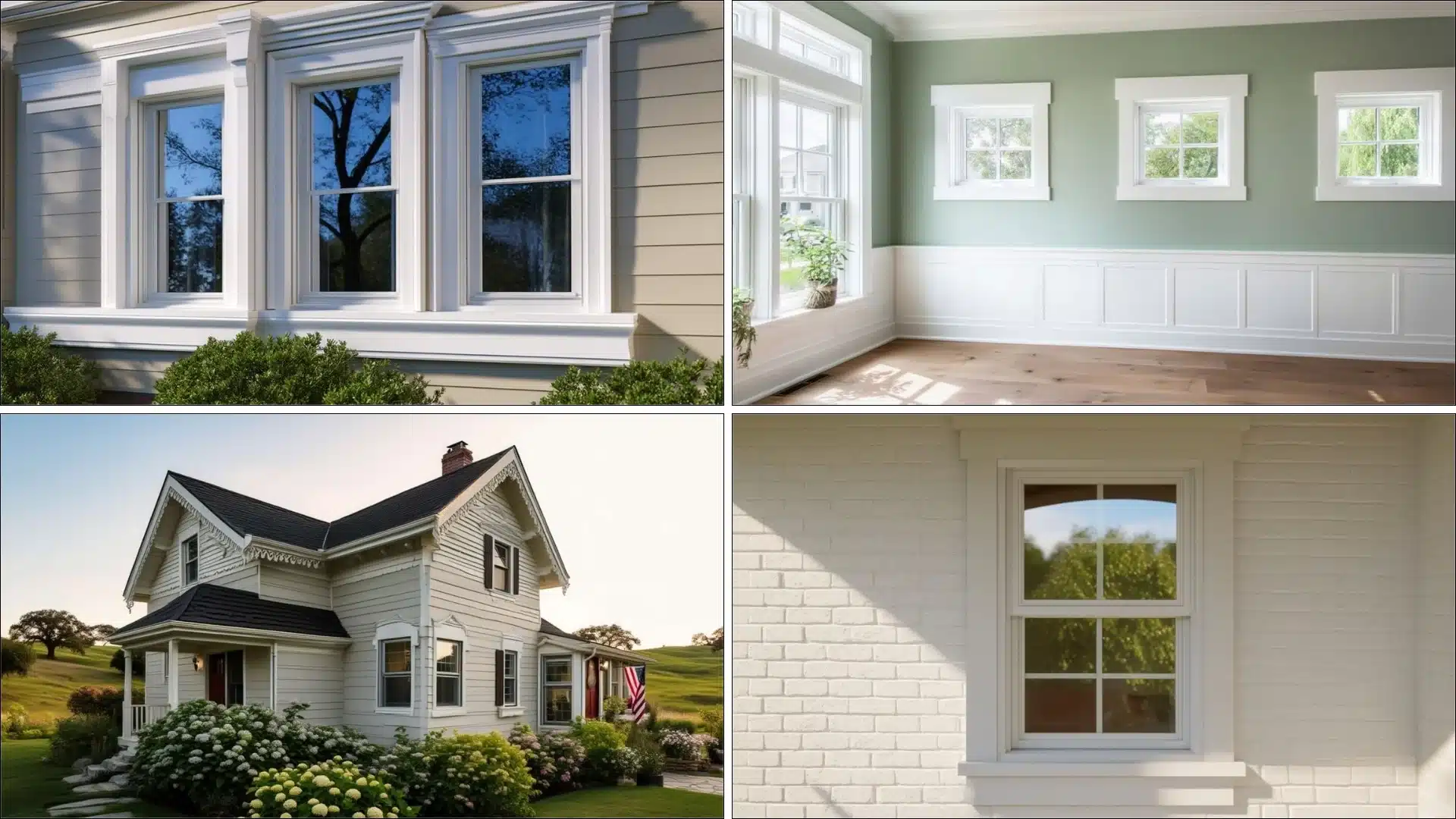
Plain window trim can make a beautiful home look unfinished, while the right trim can make every window feel planned and stylish.
That is why exterior window trim styles matter when you want more curb appeal without changing your whole house or spending too much.
Exterior window trim styles can change how modern homes, farmhouses, cottages, and classic designs look from the street.
You will see simple colors, bold frames, natural wood, and material tips that help your windows match your siding with ease.
I will be telling you about trim styles that can make your home look cleaner, warmer, wider, or more polished from the outside.
Before choosing a style, let’s look at what exterior window trim means and why it matters for your home.
What is Exterior Window Trim?
Exterior window trim is the visible framing that surrounds the outer edge of a window, effectively bridging the gap between the window and the siding.
This trim serves two essential functions. First, it protects the interior from moisture, pests, and drafts, ensuring a more comfortable living space.
Second, it enhances the visual appeal of your home’s exterior.
Selecting the right styles of exterior window trim can significantly impact your home’s curb appeal, making even minor updates remarkably transformative.
Well-chosen trim can accentuate the architecture of your property, providing a refined appearance and contributing to a polished overall aesthetic that enhances your home’s charm and character.
Exterior Window Trim Styles That Boost Curb Appeal
Each of the exterior window trim ideas below fits a different look, from clean and modern to warm and traditional. Pick what works with your layout and home type.
1. Flat Stock Trim for a Clean Look
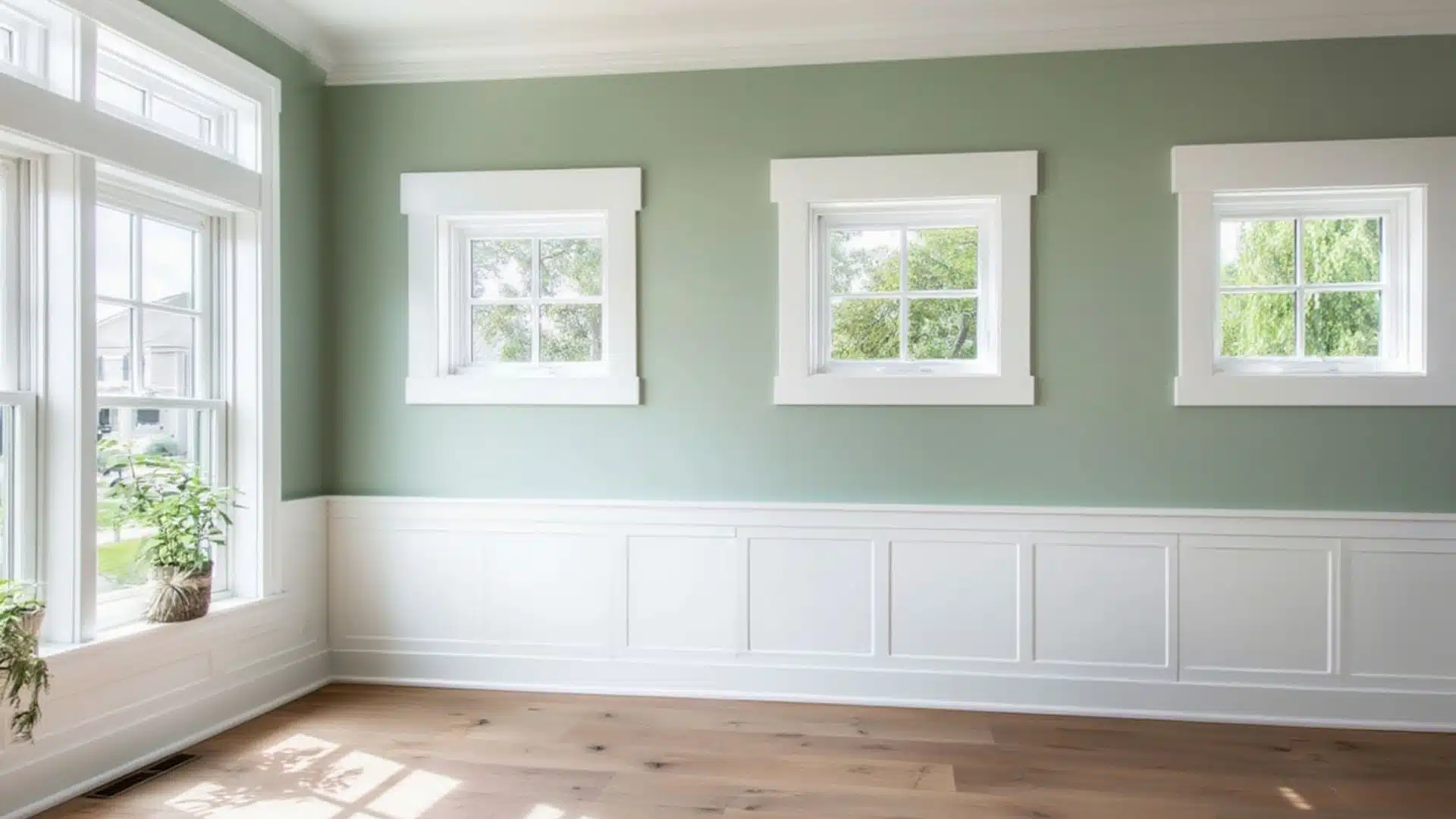
Flat stock trim uses simple, straight boards with no decorative detailing. It creates clean lines that work well on modern and contemporary homes.
Budget-friendly and minimal, this is among the most popular exterior window trim styles for new builds. The slim profile draws attention to the window itself without competing with other design elements.
Best pairings include lap siding, stucco, and fiber cement panels. A white or dark gray finish keeps things crisp and current.
2. Colonial-Style Trim
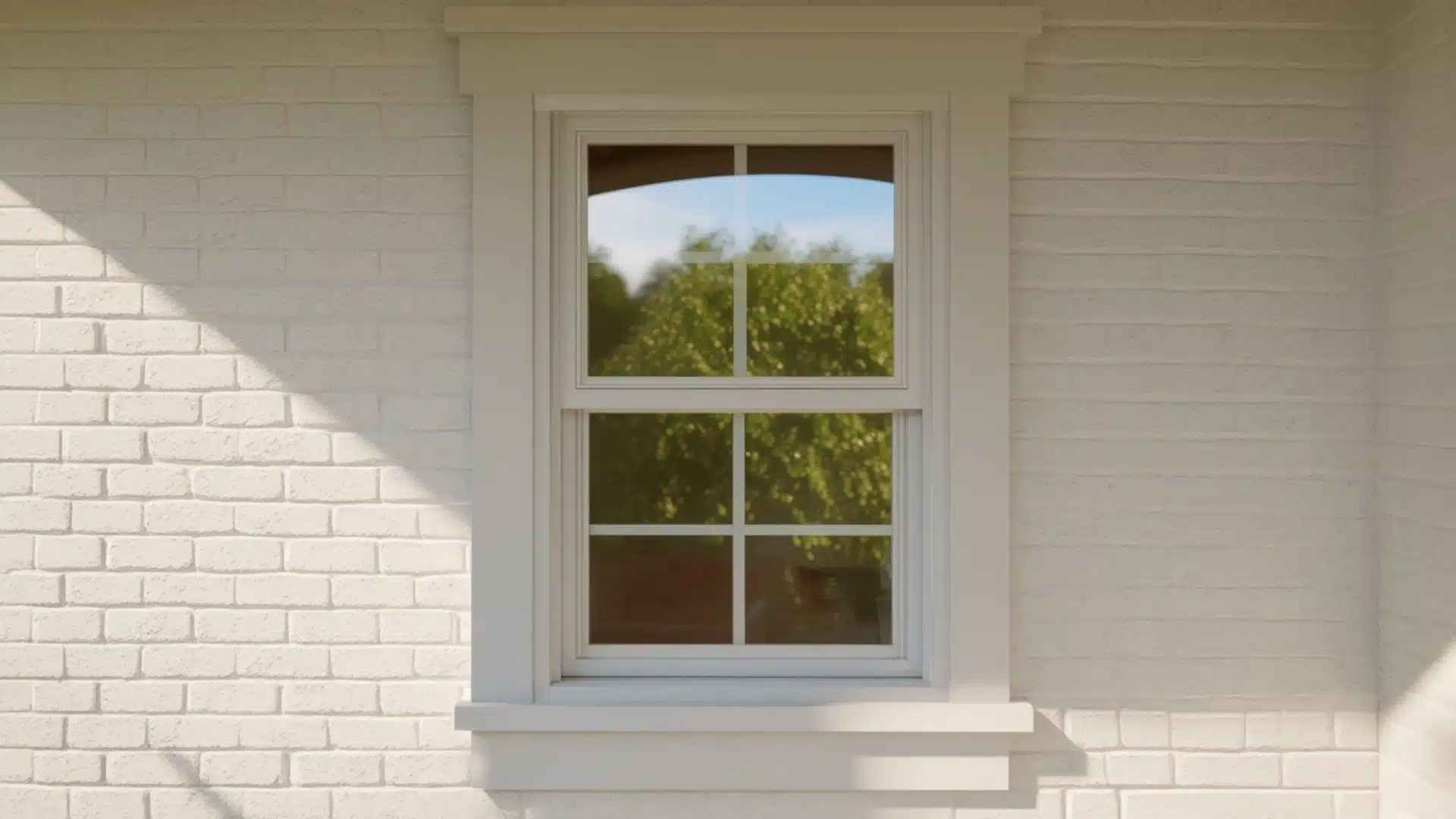
Colonial trim features a flat casing with a slightly flared top and a defined sill at the bottom. The result is a balanced, symmetrical look rooted in classic American design.
Cape Cod, Georgian, and traditional-style homes benefit most from this exterior window trim style.
Pair it with white paint and multi-pane windows for a timeless effect. Crown molding above the window adds extra depth and makes the frame feel more refined.
3. Craftsman-Style Trim
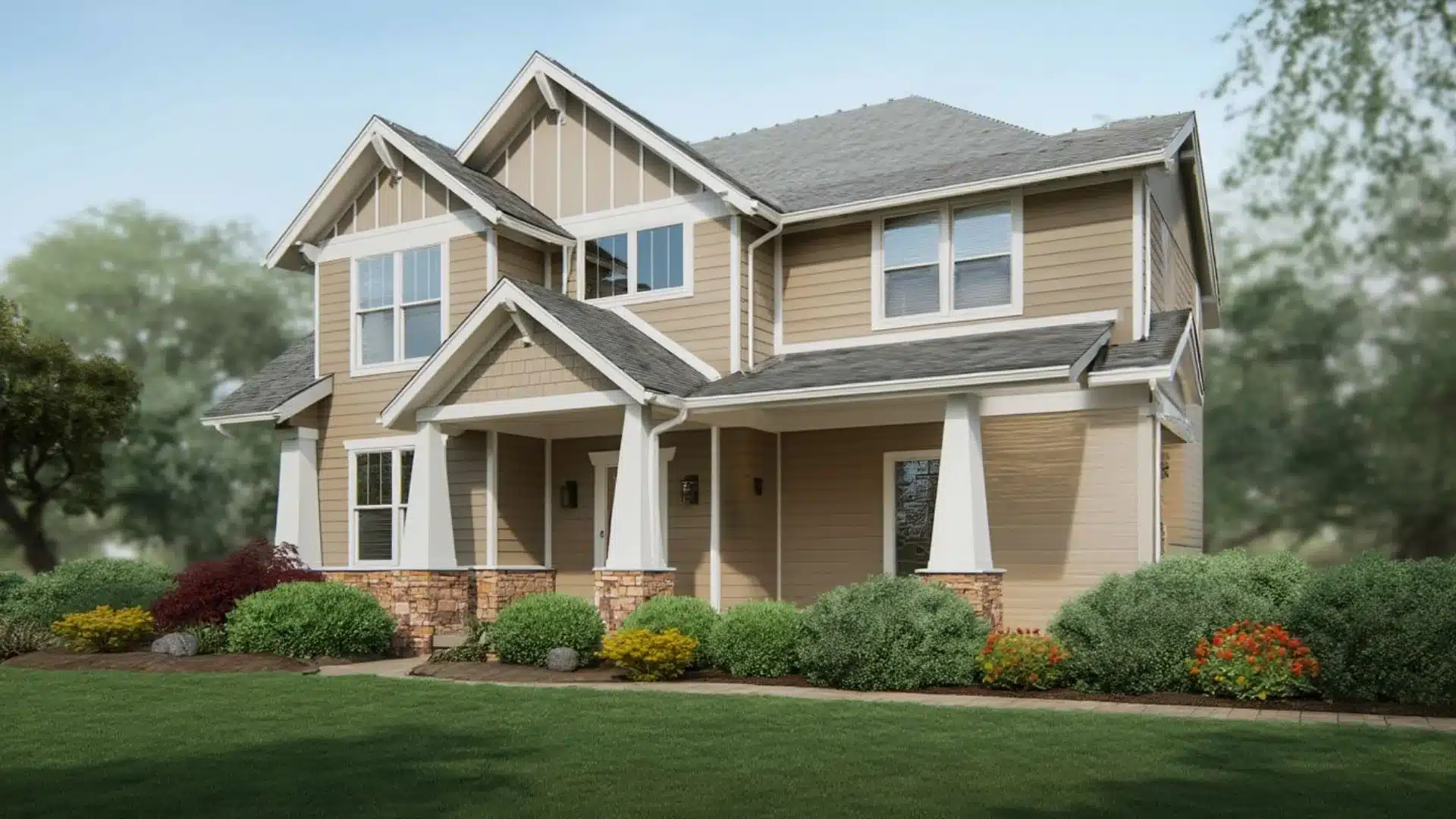
Wide, thick, and minimal, Craftsman trim relies on flat boards with a heavy bottom ledge and clean corners. The focus stays on strong lines rather than ornamentation.
Homes with low-pitched roofs, tapered columns, and covered front porches look great with this exterior window trim style.
Dark wood tones or warm whites bring out the best in this design. Simple bracket accents near the gable can tie the full exterior together.
4. Cottage-Style Trim
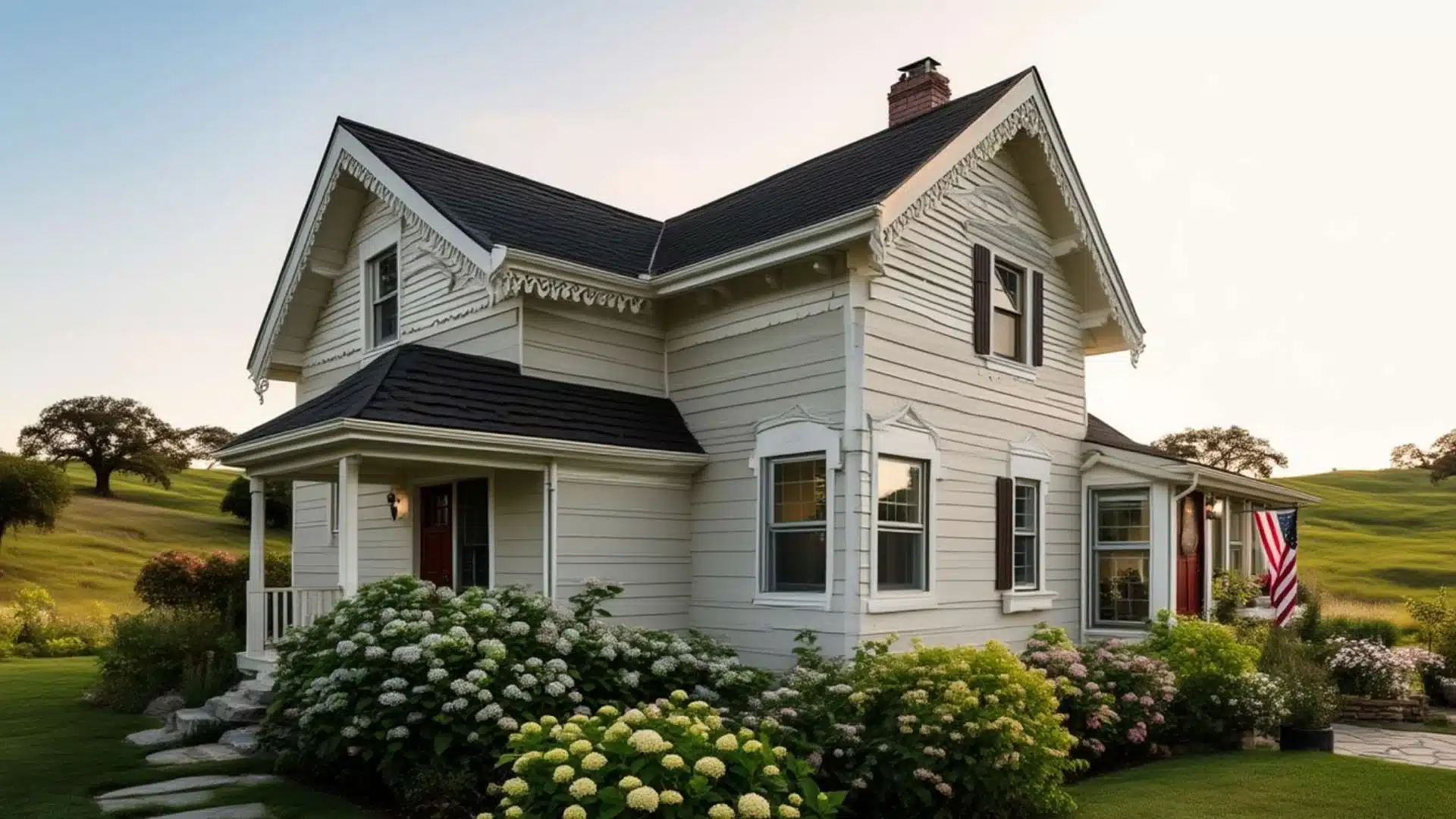
Cottage trim falls between flat stock and colonial in detail. Soft lines and a cozy feel define this look.
It works well on farmhouses, bungalows, and ranch homes. Soft colors like seafoam green, butter yellow, or light blue add warmth without going overboard.
Pair cottage-style exterior window trim with window boxes or faux shutters to create a more inviting look from the street.
5. Layered Trim for Added Depth
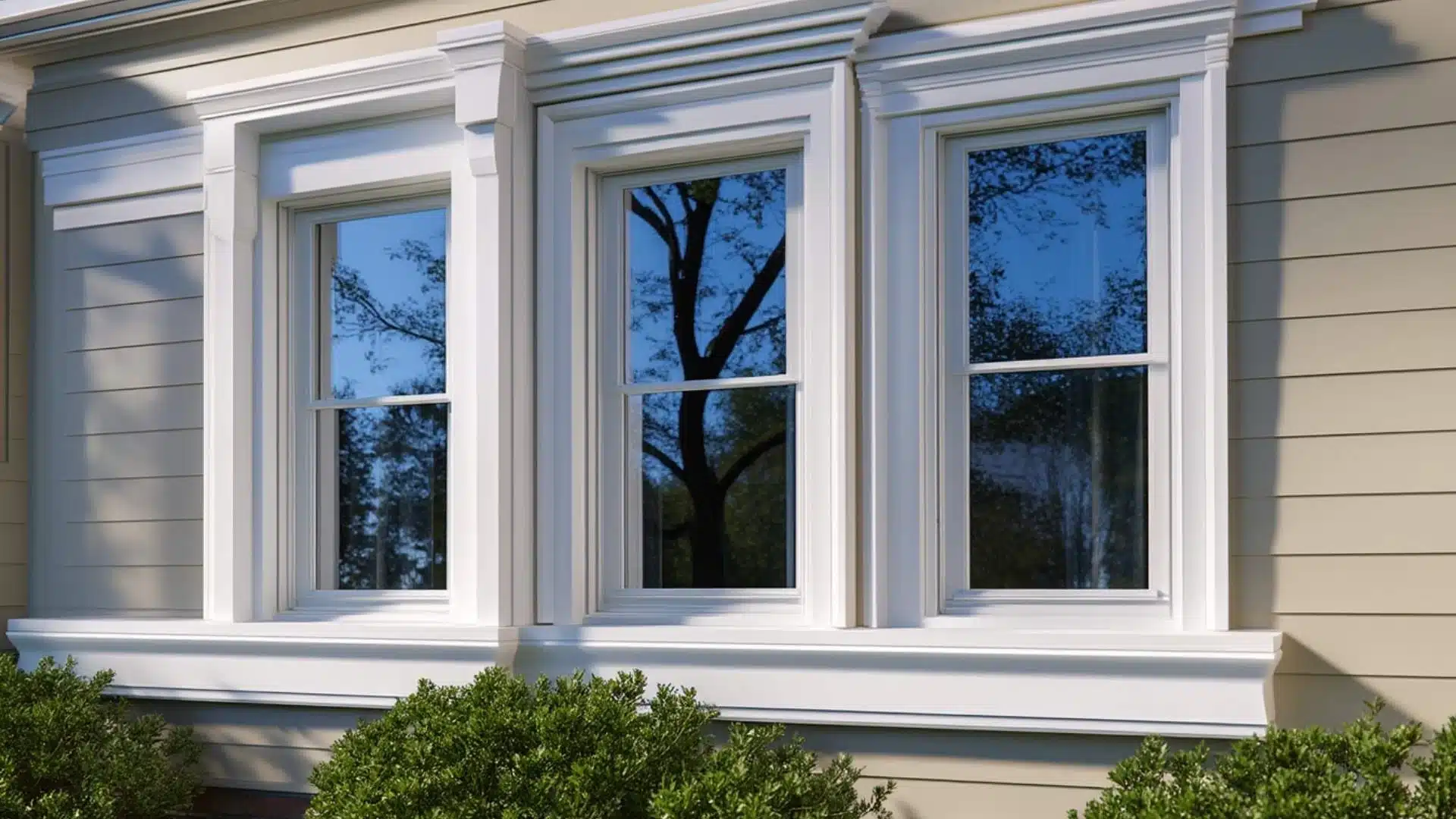
Layered trim combines crown molding, flat casing, and a bottom ledge to create depth around windows.
This style, often found in Craftsman and traditional homes, enhances visual weight, making windows appear larger and more detailed.
To maintain a cohesive look, keep colors consistent across layers, with white-on-white being a popular choice for a clean finish.
When dealing with small windows, avoid excessive layering, as it can overwhelm the facade and detract from the overall design.
6. False Shutters with Simple Trim
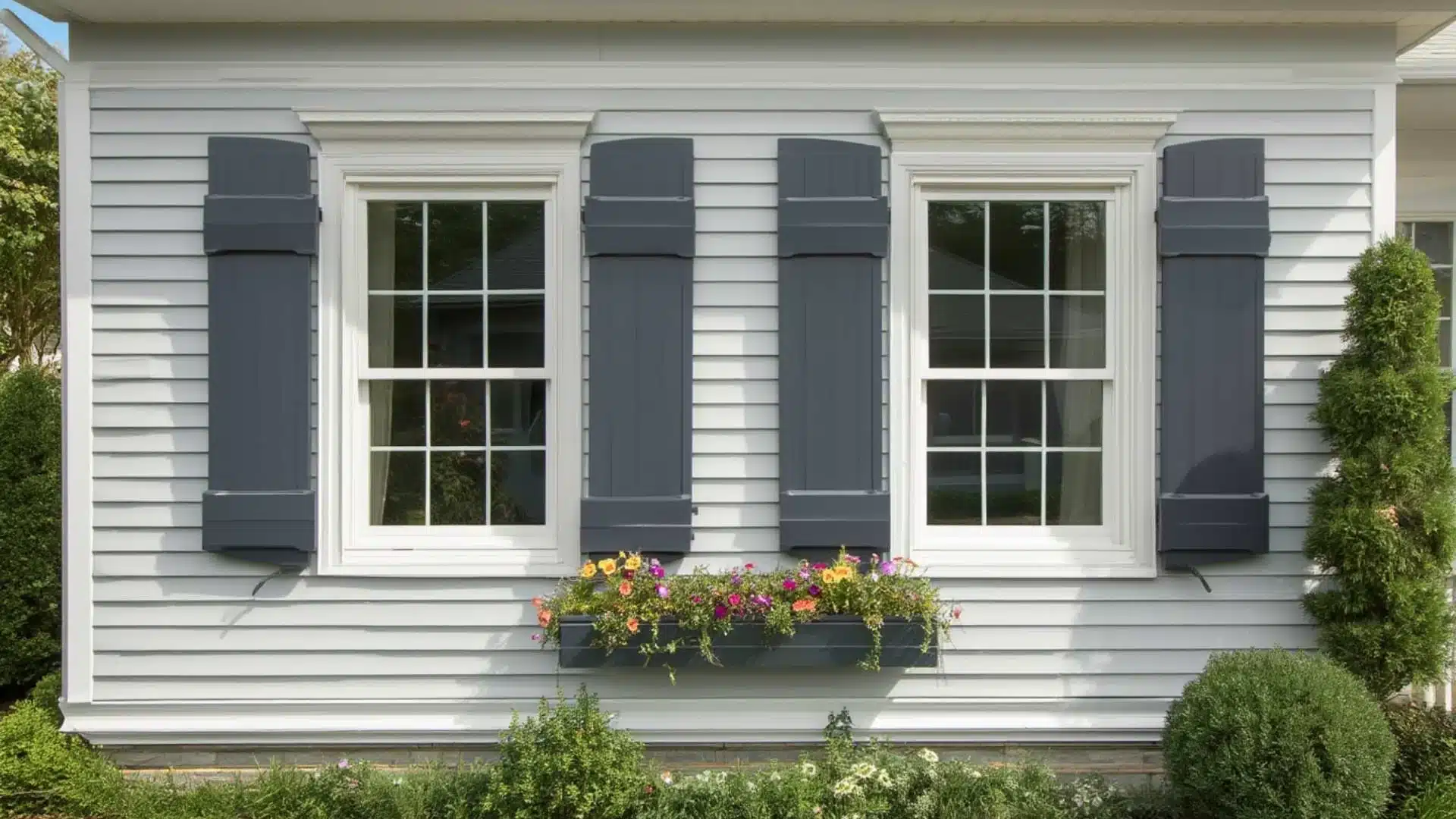
False shutters are fixed panels placed on each side of a window. Paired with simple flat trim, they make windows appear wider and more complete.
Colonial and farmhouse builds benefit most from this exterior window trim idea. Shutters come in many colors and materials, so matching them to the rest of your facade is straightforward.
For an authentic appearance, choose shutters wide enough to cover the full window width. Narrow shutters look out of proportion and break the visual balance.
7. Bold Dark-Colored Trim
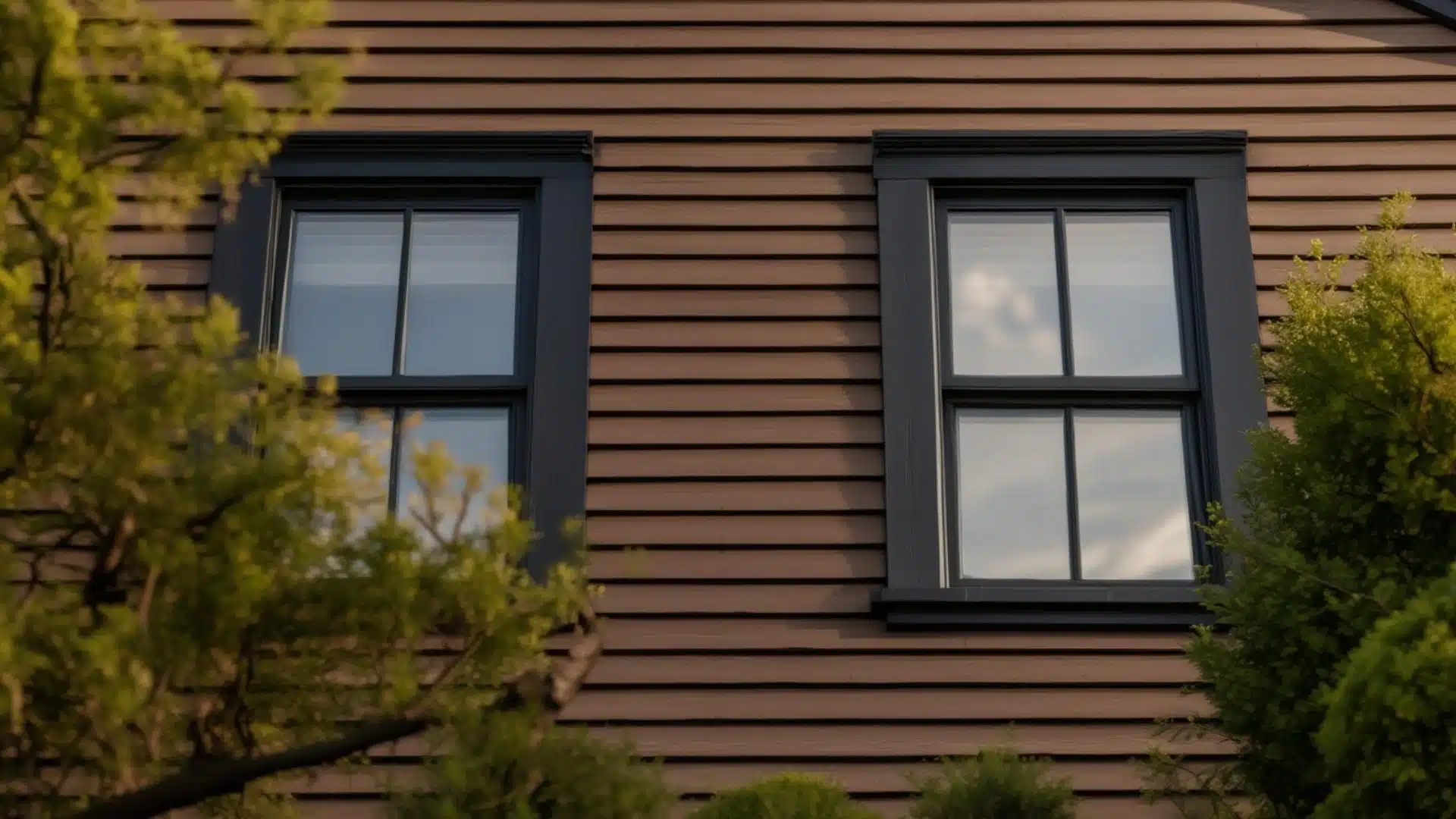
Dark trim in black, charcoal, or deep navy creates a sharp contrast against lighter siding. It draws the eye to each window and gives the home a more modern, confident feel.
Homes with white, gray, or stone facades pair best with this exterior window trim style. Matte finishes tend to look strongest in dark color ranges.
Keep the surrounding siding light to let the dark trim do the heavy lifting. A crisp contrast between siding and trim can make even a simple home look striking.
Exploring bold dark trim ideas can also help you decide if high-contrast looks suit your home style.
8. Monochrome Tone-on-Tone Trim
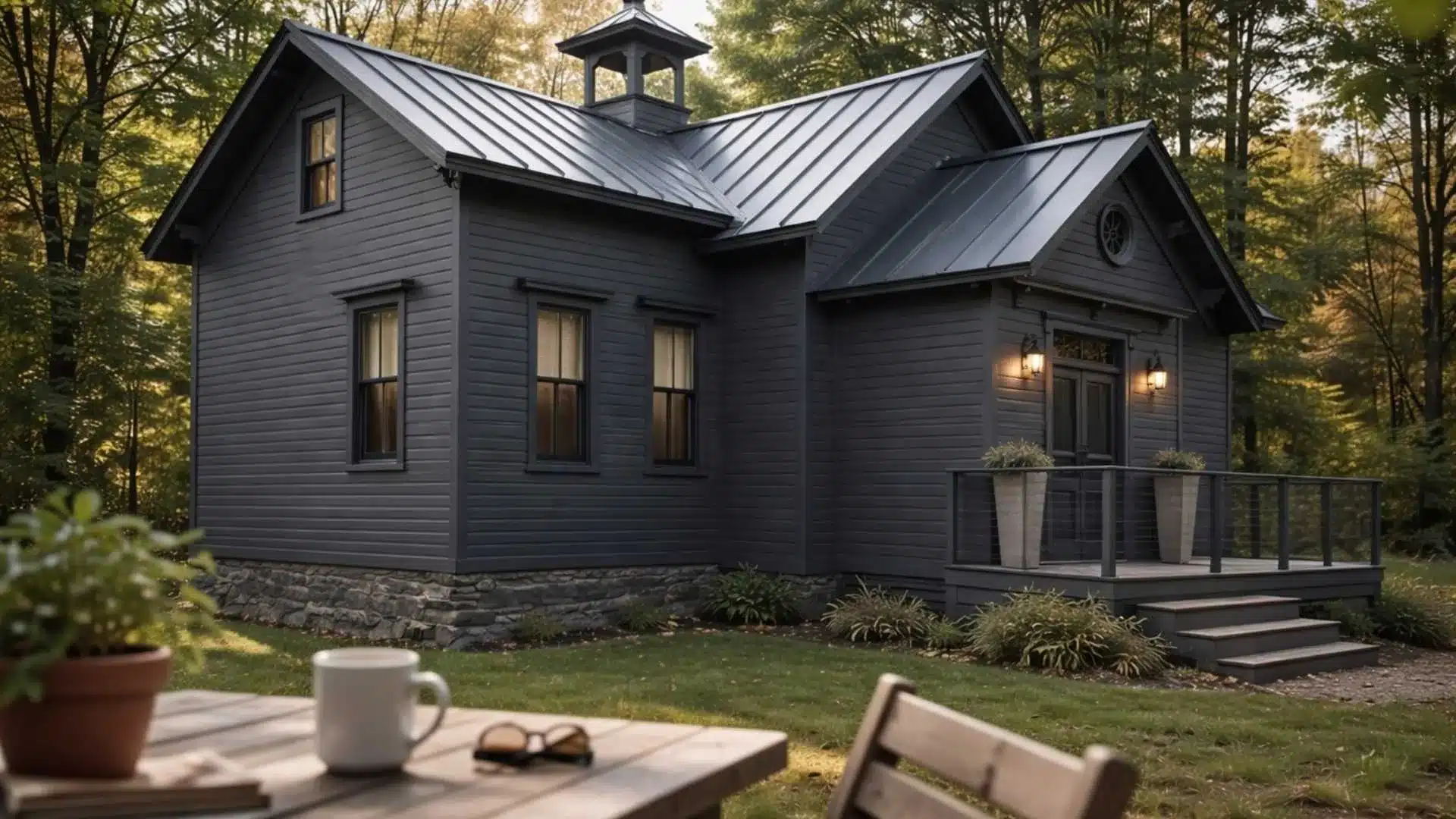
Tone-on-tone trim uses a shade that closely matches the siding color. Instead of standing out, it blends into the exterior for a smooth, unified appearance.
Scandinavian and minimalist homes suit this exterior window trim style well. It works when other features like doors, columns, or roof details already carry the visual interest.
Try a shade one or two steps lighter or darker than the siding. The slight contrast adds dimension without creating a sharp break.
9. Wide Oversized Trim
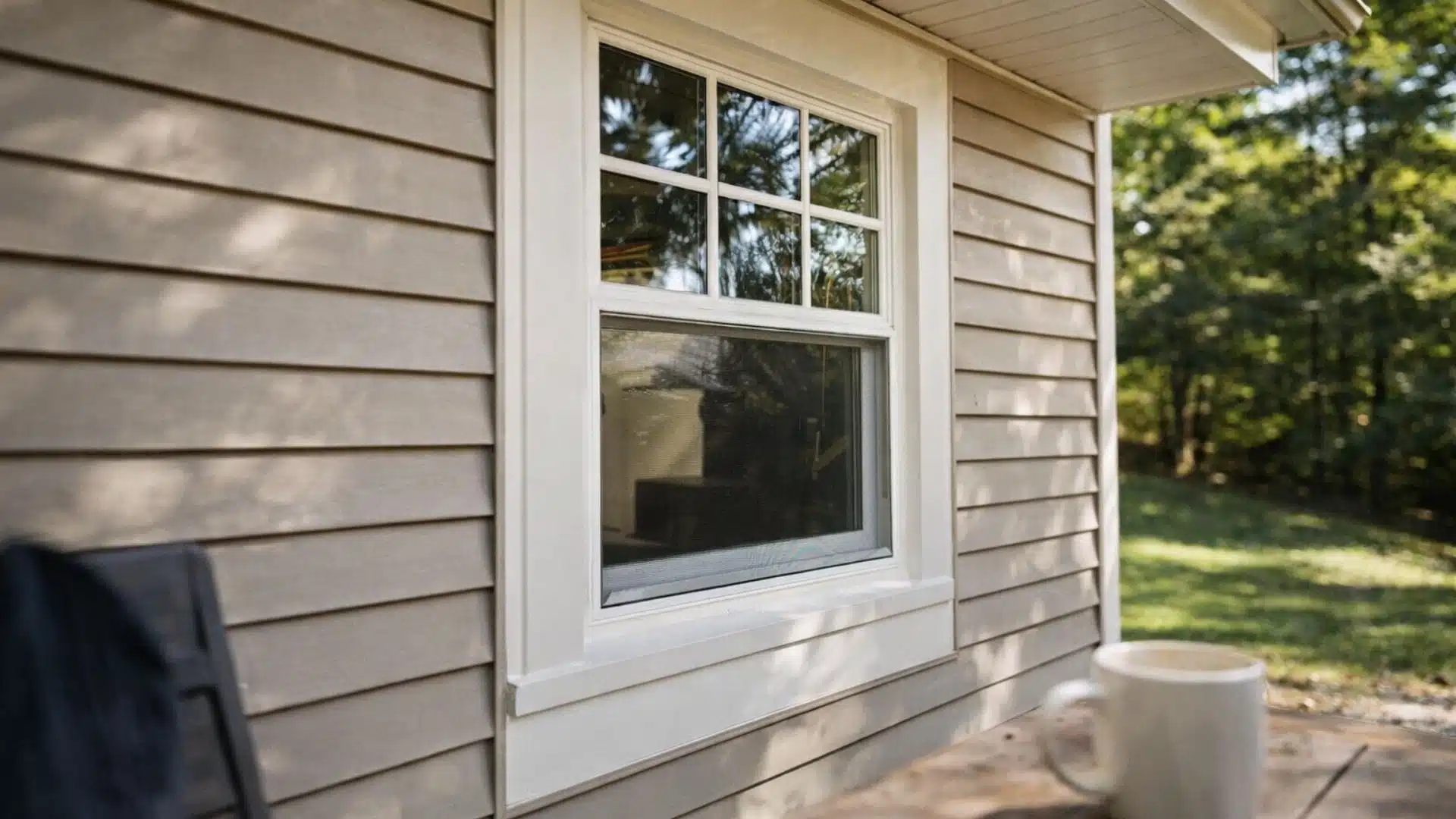
Wide trim frames windows with thick boards that enhance the exterior’s presence.
This bold profile immediately stands out and suits modern farmhouse designs, board-and-batten siding, and homes with large windows. For siding and trim color pairings, several combinations are notable.
White oversized trim on dark siding creates a striking look, while charcoal trim on light siding adds drama without overpowering.
For a more subtle style, using matching tone trim maintains an understated appearance while still providing depth to the overall design.
10. Rustic Natural Wood Trim
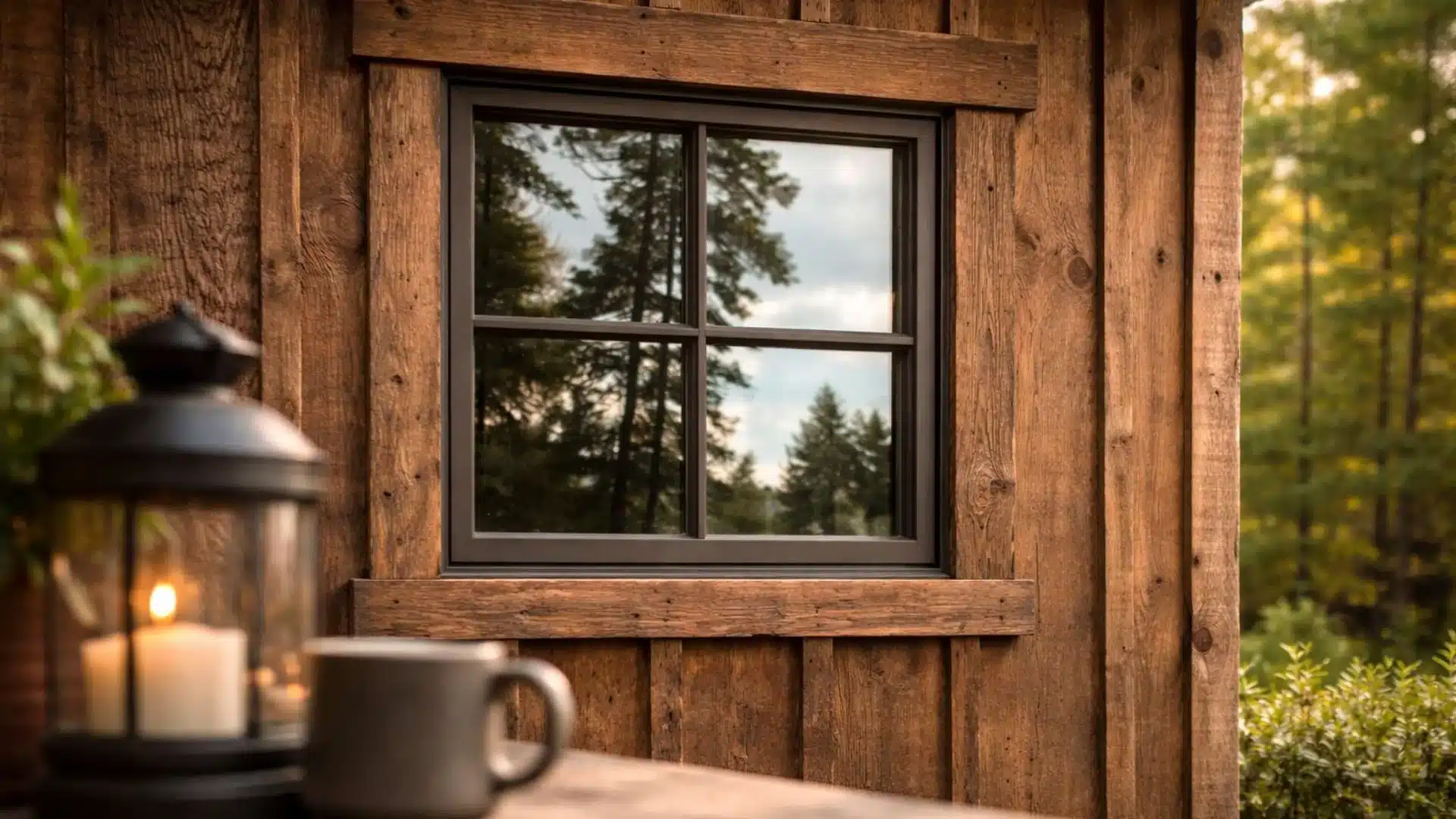
Rustic wood trim brings warmth and texture to a home’s exterior. Natural grain patterns, knots, and rough-sawn finishes create an organic, lived-in feel.
Cabins, lodges, farmhouses, and Craftsman-style builds all benefit from this look. Cedar, reclaimed barn wood, and stained pine are common choices.
According to the National Association of Home Builders (NAHB), wood requires regular upkeep, including sealing and UV-protective stains.
Proper care prevents graying and weather damage over time.
11. Composite and PVC Trim
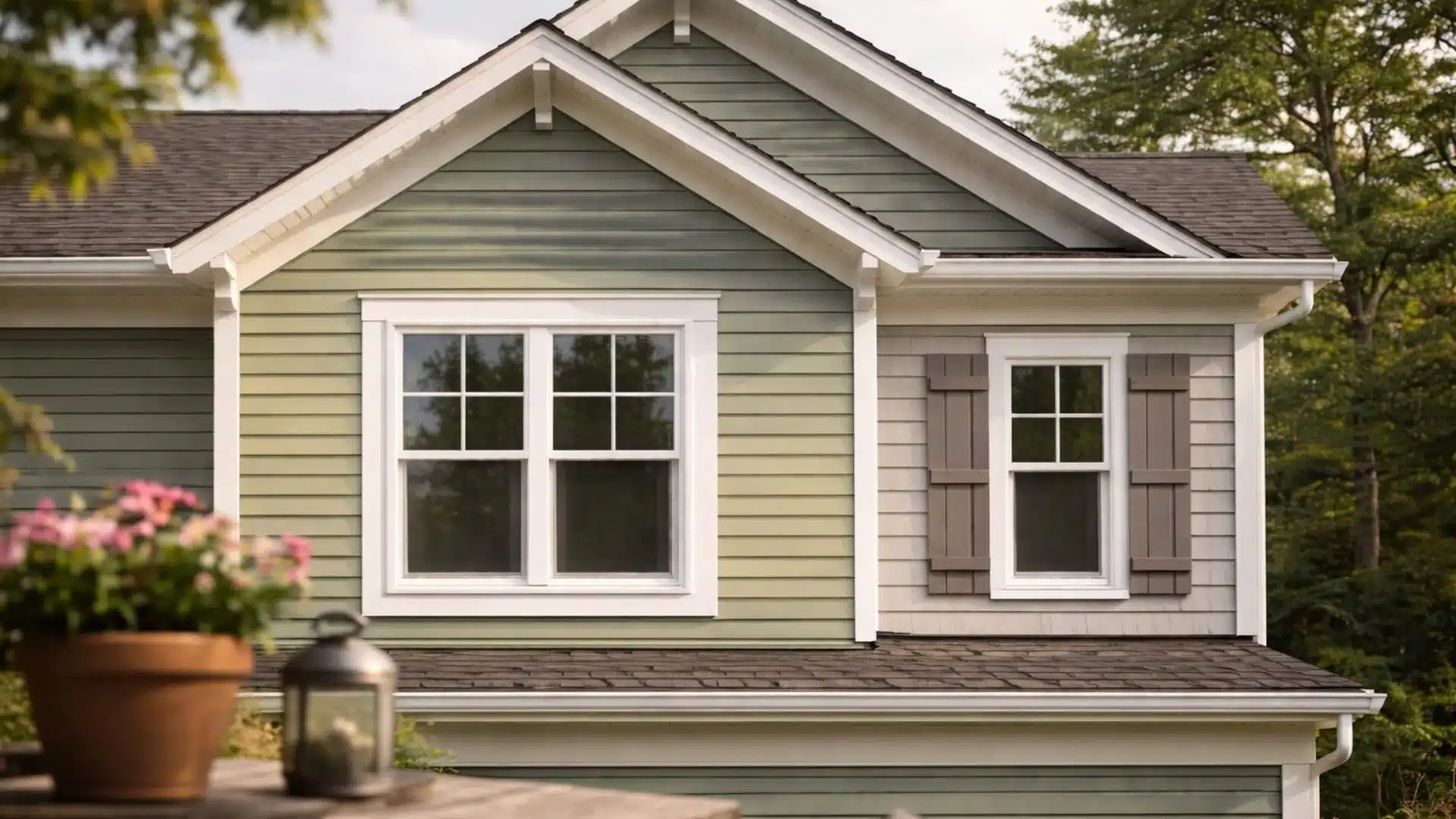
Composite and PVC trim mimic the look of real wood but resist moisture, rot, and insect damage. The upkeep is minimal, making them strong picks for humid or rainy climates.
Many exterior window trim styles, from flat stock to layered profiles, are available in composite and PVC options. They come pre-finished in a range of colors and can be cut and shaped just like wood.
Coastal and high-moisture areas see the most benefit from PVC. It holds its shape without warping, cracking, or peeling.
12. Trim with Window Boxes
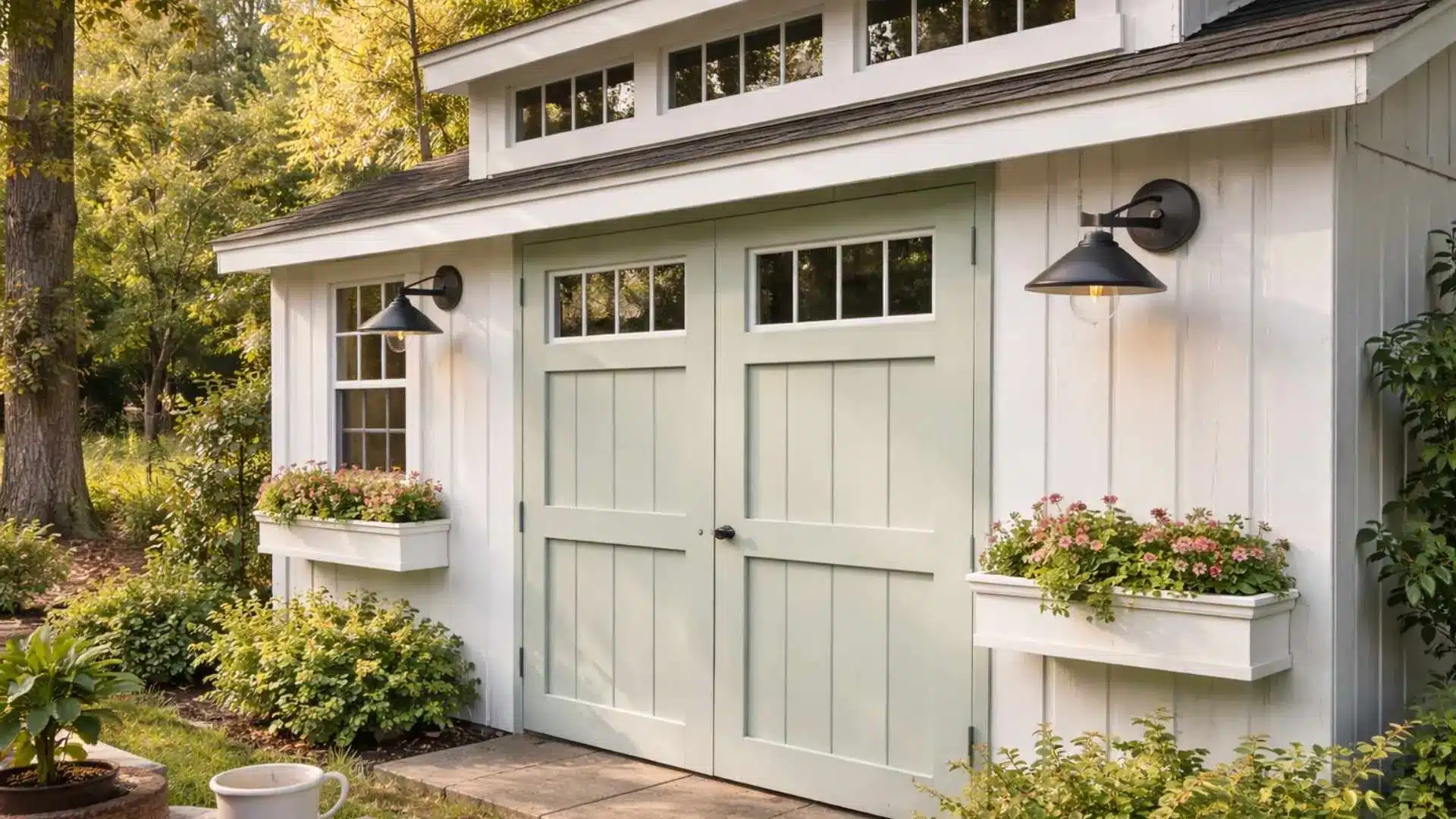
Adding a window box below your trim brings color and greenery to the exterior. It creates a welcoming feel and personalizes your home’s facade season by season.
Cottage, colonial, and farmhouse-style homes get the most out of this exterior window trim idea. Mounting a planter box beneath the trim sill is a simple upgrade that makes a noticeable difference.
Use matching paint or stain to keep the box and trim looking cohesive. Swap flowers each season for a fresh appearance year-round.
Tips for Choosing the Right Trim Style
Picking the right exterior window trim styles depends on your home’s design, siding, and the look you want.
- Match Trim Profile: Select a trim style that complements your home’s design. Clean lines work best for modern structures, while intricate profiles suit traditional styles.
- Choose Contrasting Colors: Opt for trim colors that enhance the exterior; light trim against dark siding highlights windows, while dark trim on light siding adds visual depth.
- Consider Climate: In areas with high moisture, use durable materials like PVC or Composite to withstand the elements.
- Ensure Proportional Trim Width: Select trim widths that are in harmony with window sizes; narrow trim pairs well with small windows, whereas larger windows can support wider trim boards.
Clean lines work best for modern structures, while intricate profiles suit traditional styles. Thinking about coordinating exterior details helps create a more polished result.
Common Materials for Exterior Window Trim
The material you pick for your exterior window trim styles affects durability, maintenance, and overall appearance.
- Wood is the most traditional option. It offers natural beauty and can be painted or stained in any color. Regular sealing is needed to prevent rot.
- PVC and Composite resist moisture and insects. They need very little upkeep and are suitable for wet or coastal climates.
- Fiber Cement is fire-resistant and holds paint well. As noted by the International Association of Certified Home Inspectors (InterNACHI), fiber cement holds up in extreme weather and resists warping.
Each style was kept simple so you could think about how it would look in your own space. These thoughtful details go a long way toward enhancing overall curb appeal.
Conclusion
Choosing the right exterior window trim styles can make your home feel cleaner, warmer, and more finished from the street.
Your trim does not need to be fancy to look good, but it should feel balanced with the rest of your home.
If you want a simple update, flat trim or tone on tone trim can keep the look clean and calm. If you want more character, layered trim, rustic wood, or bold dark trim can make each window stand out more.
Before you decide, compare a few exterior window trim ideas beside your siding, door color, shutters, and outdoor lighting.
A sample board or one test window can help you see the final look before changing every window.
Which window trim style would you try on your home first? Tell us, share with us in comments below.
Frequently Asked Questions
How Much Does Exterior Window Trim Typically Cost Per Window?
Exterior window trim cost depends on the material, size, and style. Basic PVC or composite trim can cost less, while custom wood, layered trim, or oversized designs usually cost more because they need extra labor.
Can I Install Exterior Window Trim Myself or Should I Hire a Professional?
Simple flat trim can work for DIY if you have the right tools and basic skills. Hire a professional for layered designs, upper floors, sealing, flashing, or any trim that affects weather protection.
How Often Does Exterior Window Trim Need Maintenance?
Maintenance depends on the material. Painted wood may need touch ups every few years, while PVC and composite need light cleaning. Natural stained wood usually needs more care to keep its color and finish.
Does Changing Exterior Window Trim Increase Home Value?
Yes, good exterior window trim can improve curb appeal and make your home look more finished. It may help home value most when paired with clean siding, fresh paint, and balanced exterior colors.
What is the Best Width for Exterior Window Trim?
Most homes look good with trim around 3 and a half to 5 inches wide. Smaller windows often need narrower trim, while larger windows can handle wider trim without looking heavy.