
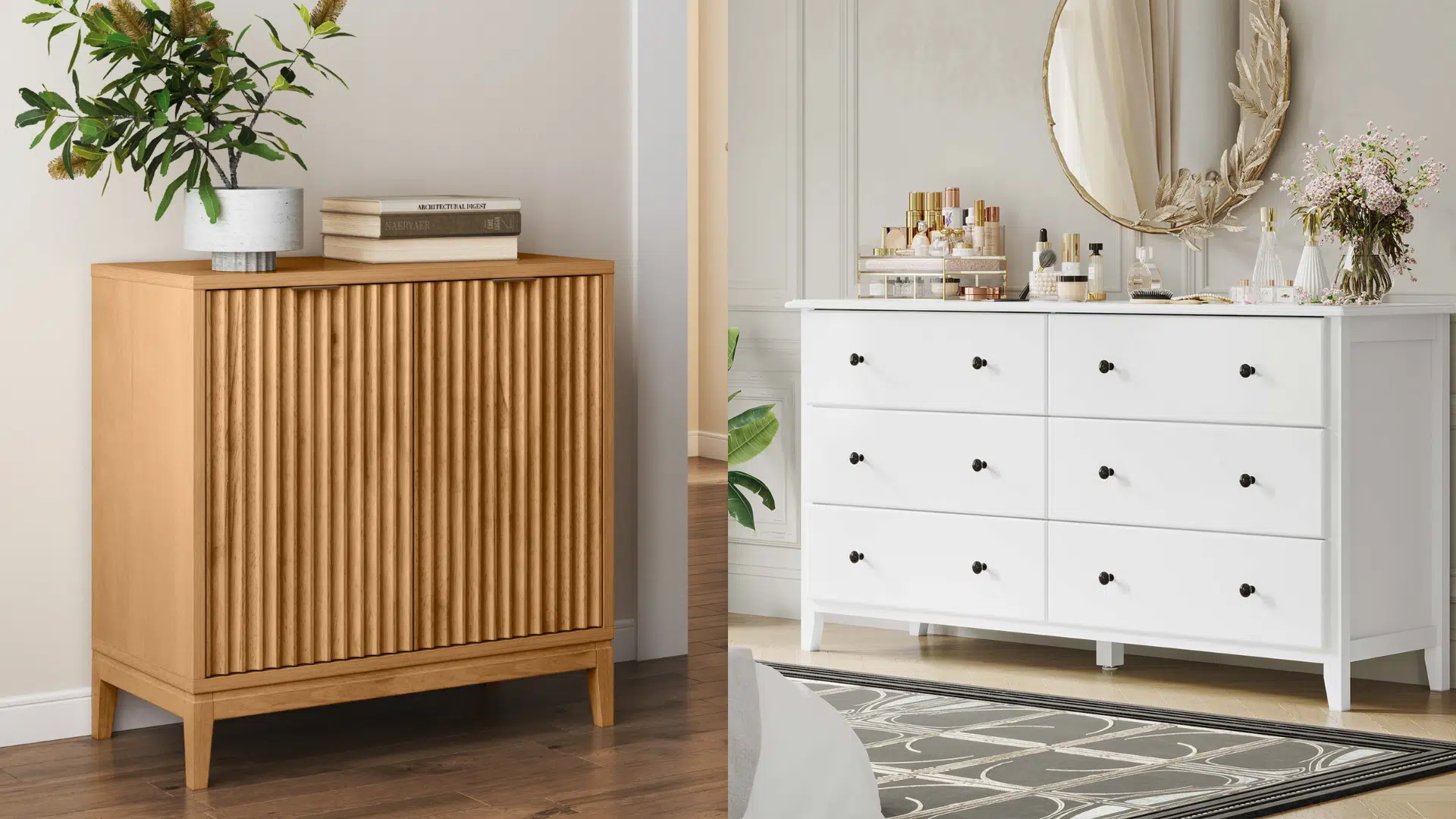
A cabinet or dresser is a choice that can shape how your room looks and how well it works. I’ve been in the same spot, trying to decide which piece would fit my space, hold what I need, and still match the style I like.
In this blog, I’ll help you figure out the same thing in a clear and easy way.
You’ll learn what makes these pieces different, how they’re used, and why one may work better for your room than the other.
I’ll also break things down in simple steps, like:
- How much space do you have
- What items do you need to store
- how each piece affects the look of your room
By the end, you’ll know exactly what fits your space and your needs.
Understanding Cabinet, Dresser, Chest, and Bureau Terms
Choosing the right storage starts with knowing what each piece actually is. These simple definitions will help you compare them with confidence.
1. Cabinet
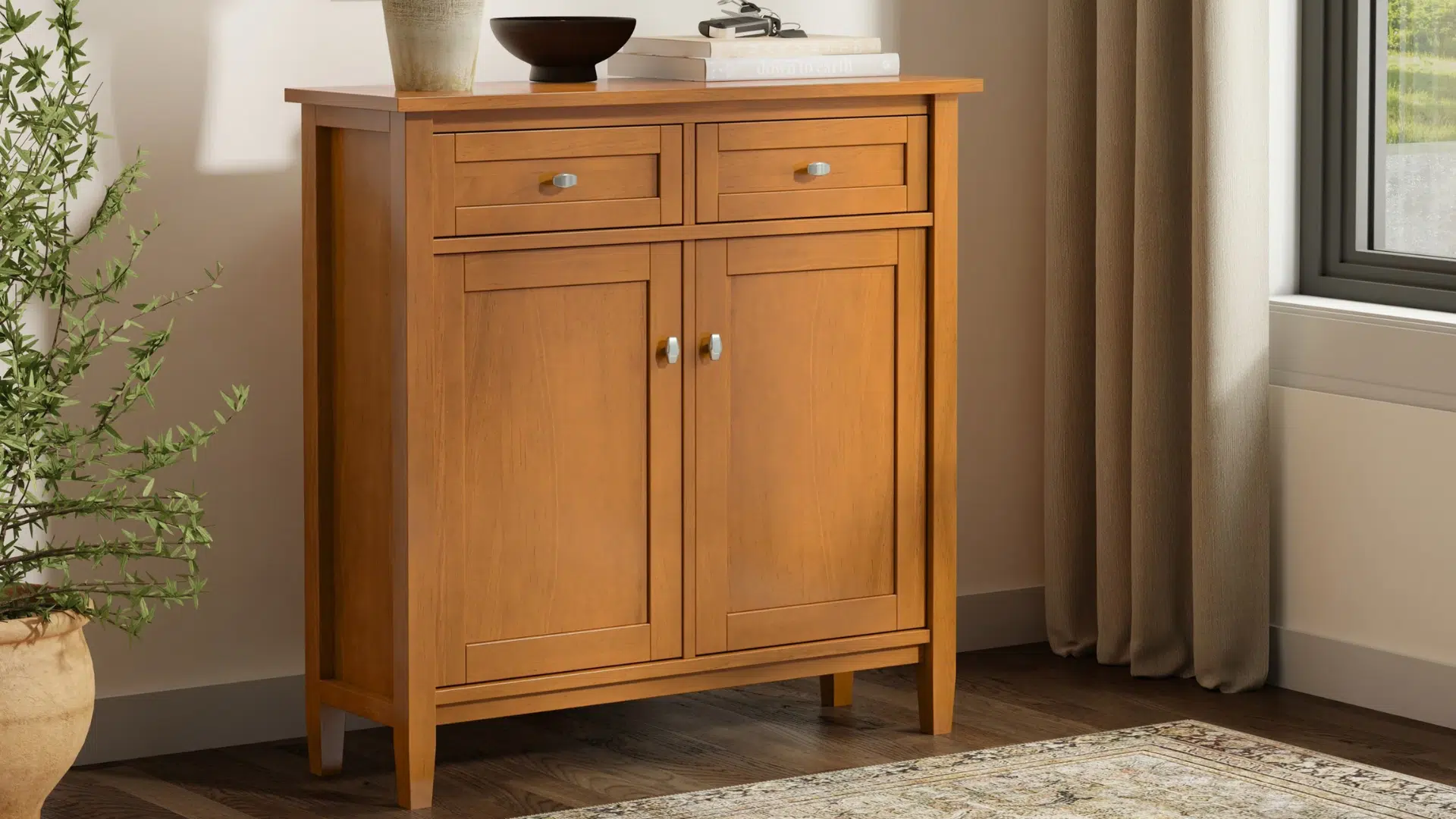
A cabinet is a tall storage piece with shelves and usually doors that keep items out of sight. It’s made to use vertical space, making it helpful in small rooms where every inch matters.
Many cabinets come with adjustable shelves, so you can set them up for dishes, towels, books, toys, or mixed household items.
Because they hide clutter, cabinets work well in kitchens, hallways, living rooms, and bedrooms.
They offer a clean look and give you organized storage without taking up a lot of floor space. A cabinet is often the best pick when you need flexible storage that stays closed and neat.
2. Dresser
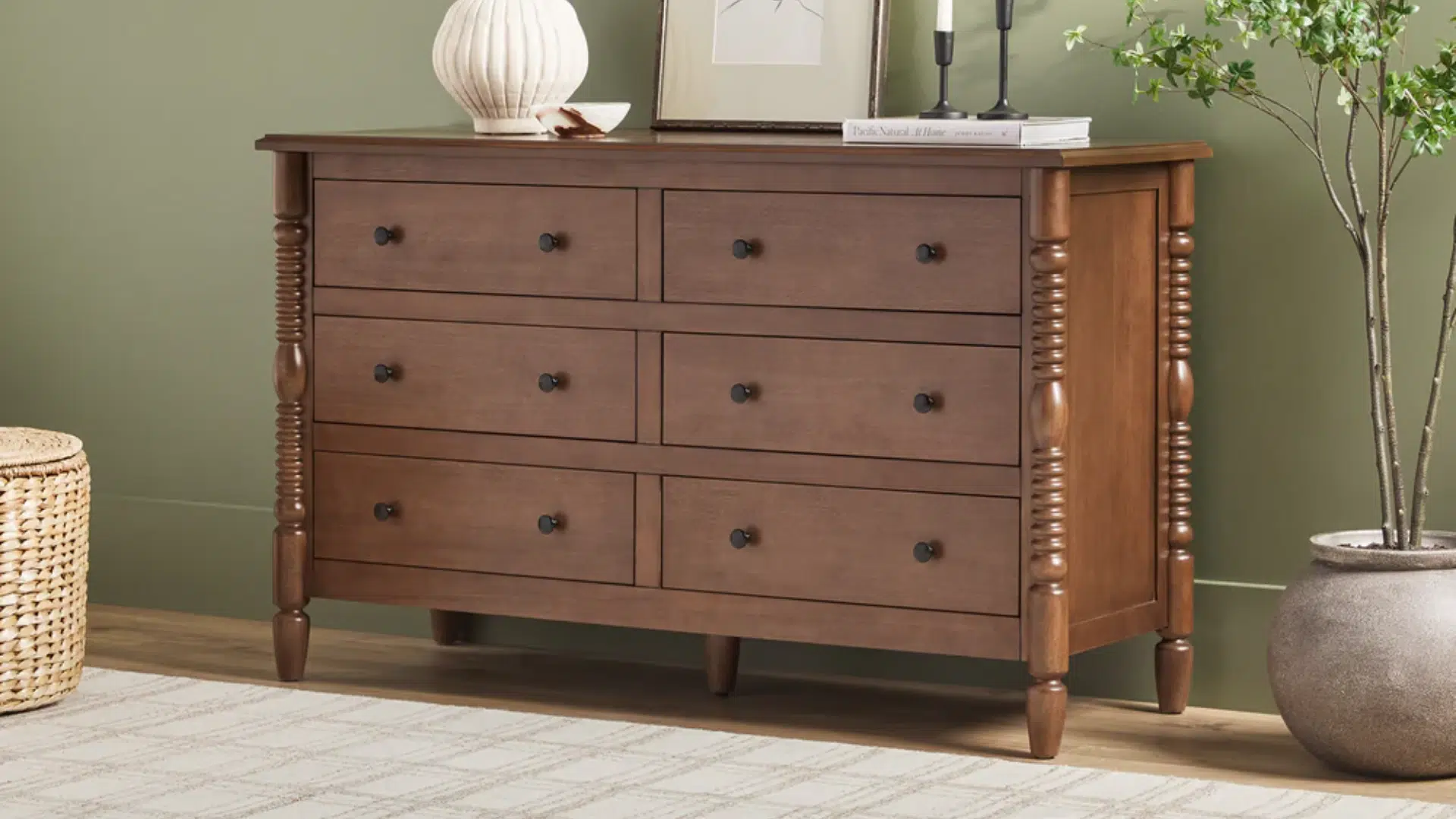
A dresser is a wide, low piece with several drawers and is most common in bedrooms. It’s designed for clothes, folded items, and small accessories you want easy access to.
The drawers pull out fully for easy access, and the top surface holds daily items, baskets, or simple decor.
Because they spread storage across width instead of height, they’re ideal for rooms that have more wall space than vertical space.
A dresser is the right choice when you want broad, easy-to-reach storage and a surface you can use every day.
3. Chest
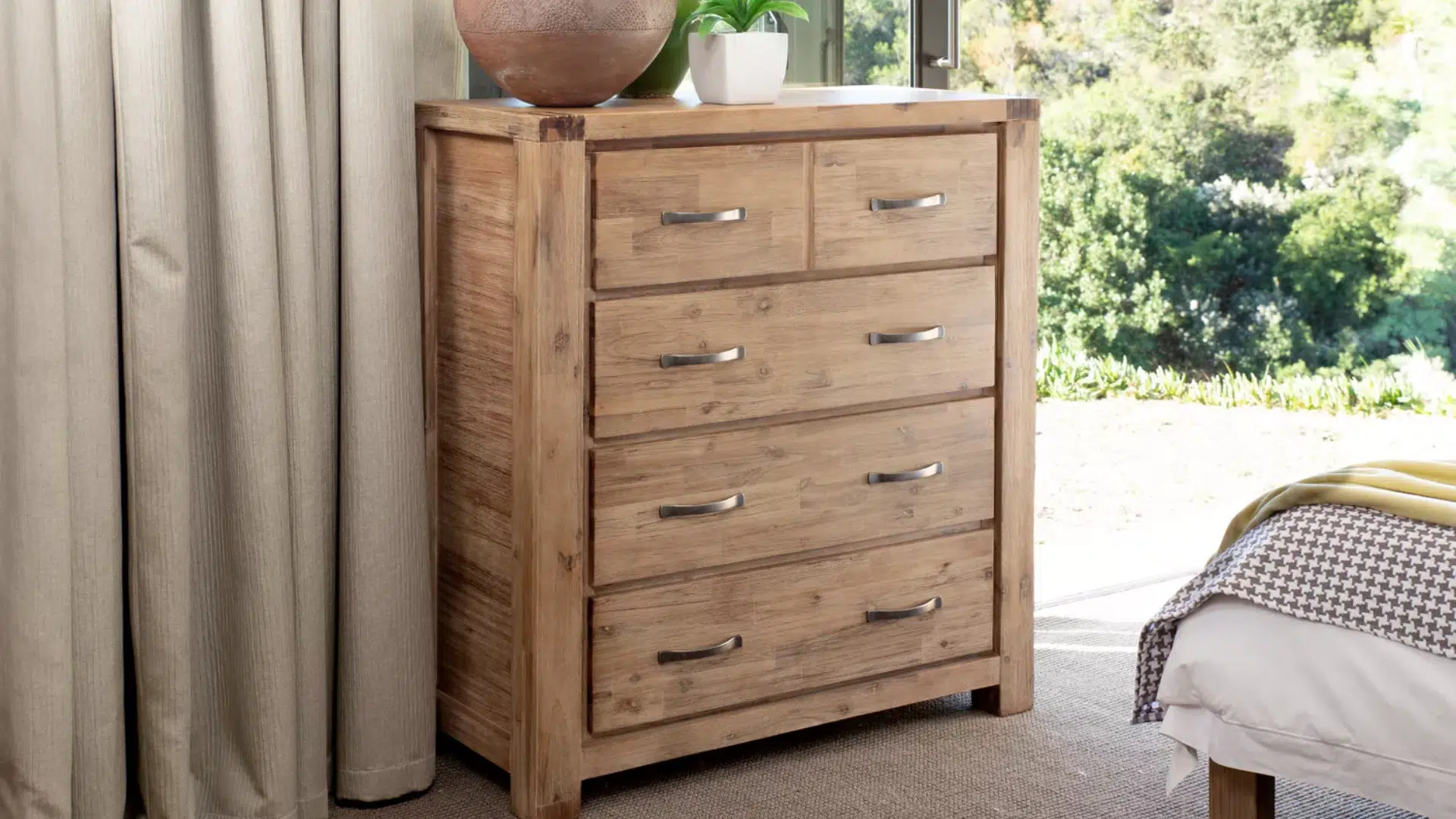
A chest, often called a chest of drawers, is a tall unit with stacked drawers built for clothes and folded items. It gives you nearly the same storage as a dresser but takes up far less floor space.
The height makes it perfect for small bedrooms, narrow corners, or tight layouts where you still need plenty of storage.
Chests keep things organized without making the room feel crowded. They’re great for storing clothing, accessories, and seasonal items while making the most of vertical space.
A chest is a smart pick when you need deep storage in a small footprint and want to keep the room open.
4. Bureau
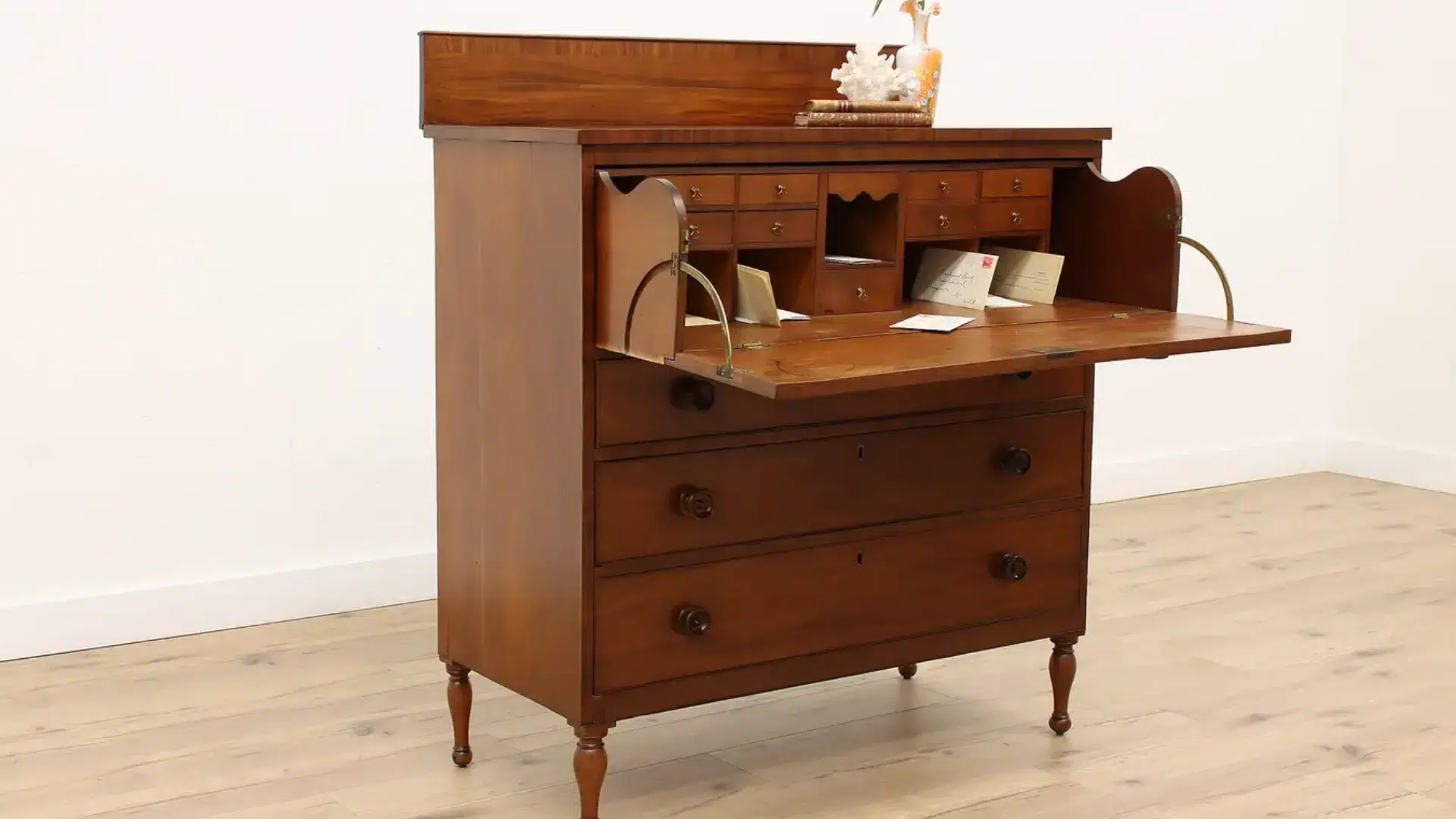
A bureau works like a dresser but usually includes a mirror attached to the back, making it useful in bedrooms or dressing areas.
The drawers hold clothes and small items, while the mirror gives you a place to get ready without extra furniture.
Bureaus are helpful when you want storage and a built-in mirror in one piece. They save space, keep rooms simple, and give you a practical surface for daily routines.
They’re a good option for anyone who wants a storage piece that also supports dressing or grooming needs.
Budget Breakdown: What to Expect with Each Option
Knowing the typical price range makes it easier to choose a piece that fits your budget. This table gives a simple look at what you can expect to spend on each option.
| Furniture Type | Budget Range | What You Get for This Price | Long-Term Value |
|---|---|---|---|
| Dresser | $150–$700 | Basic models at the lower end; mid-range pieces with stronger drawers and better finishes. | Good for daily clothing storage and lasts longer when made from solid wood or quality materials. |
| Wardrobe | $200–$1,200 | Simple designs at lower prices; higher-end models offer hanging space, shelves, and better build quality. | Great value if you need hanging space and full outfit storage in one piece. |
| Cabinet | $100–$900 | Affordable options for simple shelves; higher-end pieces have adjustable shelves and better materials. | Strong long-term value because cabinets work in many rooms and handle mixed storage well. |
Key Differences Between Dressers, Wardrobes, & Cabinets
Understanding how these pieces differ helps you choose the one that fits your needs. These key points show how size, design, and purpose affect how each option works in your space.
1. Size
Dressers are low, wide pieces that sit close to the ground, which makes them easy to place under windows or along longer walls in a bedroom.
They spread storage across the width instead of the height. Wardrobes are tall, deep units that take up more vertical and floor space, since they’re designed for hanging clothes and storing bulkier items.
Cabinets are slimmer than wardrobes, so they fit easily in corners or compact rooms.
These differences matter when you’re working with limited space or trying to keep a room open and easy to move through.
2. Design
Dressers use pull-out drawers arranged horizontally, which makes them simple for storing folded clothes in an organized way. Their design also gives you a top surface you can use daily.
Wardrobes combine hanging rods, shelves, and sometimes drawers, giving them more storage zones for clothing that needs to stay upright.
Cabinets use shelves behind doors, often with adjustable sections for different items.
While dressers and wardrobes are designed mainly for clothing, cabinets offer a layout made for mixed items like linens, books, dishes, or supplies.
3. Main Purpose
A dresser’s main purpose is to hold folded clothes and small personal items that you use every day. It keeps things easy to reach and organized without taking up much height.
A wardrobe is built to store hanging clothes, longer garments, coats, and outfits that need space to stay wrinkle-free.
It also works for bulkier items that won’t fit in a drawer. A cabinet is for general storage, keeping items like linens, supplies, toys, or books tidy and hidden.
Each piece serves a different need depending on what you plan to store.
4. Best Storage Type
Dressers are best for shirts, pants, pajamas, undergarments, and accessories, anything that stays neat when folded. They keep daily clothing simple to access.
Wardrobes work best for longer clothing like dresses, jackets, and coats, as well as bigger items that need vertical space.
They’re useful when you want everything for an outfit in one place. Cabinets handle a wider mix: towels, linens, toys, dishes, office items, or supplies that you want tucked away.
They’re flexible and adjust well to changing storage needs in different rooms.
5. Daily Use
Dressers offer quick and easy access because drawers pull out fully, making it simple to grab clothes during your morning routine.
Wardrobes take more effort to access, but they keep outfits organized.
Cabinets are convenient when you want to hide items quickly and keep a room looking clean, but they may require bending or reaching, depending on shelf height.
Each one affects how smoothly you move through daily tasks.
6. Ideal Room
Dressers work best in bedrooms where most clothing is stored and where you can use the top surface for daily items.
Wardrobes belong in bedrooms or closets with enough space for their larger footprint and taller structure.
Cabinets fit almost anywhere, in bedrooms, living rooms, hallways, kitchens, or offices, because they handle mixed storage and take advantage of vertical space.
The ideal room depends on what you store and how much space you have to work with.
How to Choose the Right Storage Piece for Your Space?
Choosing the right storage piece starts with looking at your room, what you need to store, and how you use the space every day.
Start by checking your floor and wall space to see if a wide dresser or a tall cabinet fits better. Think about what you plan to store: clothes, linens, mixed items, or things that need hanging space, and match the furniture to those needs.
Also, pay attention to how you move through the room. If you reach for items often, a dresser’s drawers may be easier.
If you need flexible storage or want to keep clutter hidden, a cabinet may work better.
The right choice is the one that fits your layout, helps your daily routine, and keeps the room comfortable and organized.
Practical Tips for Choosing Between Multiple Furniture Options
It’s easier to pick the right piece when you break the decision into simple steps. These practical tips help you choose furniture that fits your space, budget, and long-term needs.
- Measure your room so you know exactly how much floor and wall space you can use.
- List what you need to store and match the item to the piece that handles it best.
- Compare prices and choose the option that fits your budget without sacrificing quality.
- Think about how often you’ll use the item and choose furniture that supports your daily routine.
- Pick pieces that can adapt over time, like cabinets with adjustable shelves.
- Avoid oversized furniture in small rooms to keep the space open and easy to navigate.
- Choose sturdy materials if you want a piece that lasts for years instead of a short-term fix.
- Look for multipurpose items, like a dresser with a wide top surface, to get more value from one piece.
Conclusion
Choosing between a cabinet and a dresser comes down to knowing your space, your storage needs, and how you use the room each day. Both pieces work well, but they fit different situations.
A dresser makes more sense when you need easy access to folded clothes and a surface you can use in a bedroom.
A cabinet is better when you need mixed storage or a tall piece that saves floor space and keeps items hidden.
As you think about your room, focus on what you reach for most, how much space you have, and what will make the room feel comfortable and easy to move through.
When you match the furniture to your space and routine, the right choice becomes clear, helping you pick what works best for your home.