I’ve measured for more replacement doors than I can count, and the size that trips people up every time isn’t the height, it’s assuming every door in the house matches.
The standard interior door width is 32 inches, and the standard door height is 80 inches (6 feet 8 inches). Most bedrooms, bathrooms, and hallways use this size, though closets run smaller and accessible doorways run wider.
Below, you’ll find the full breakdown by room and door type, a quick-reference chart, and what to check before you buy or install a door.
What is the Standard Interior Door Width?
The standard interior door width in most homes is 32 inches, which fits well for bedrooms, bathrooms, and common areas.
Many houses also use 30-inch and 28-inch doors, especially in older layouts or smaller rooms.
These sizes are easy to find at most home stores, and they work for everyday movement through the house.
You’ll also see 36-inch doors in many newer homes. This wider size offers better access and more room for moving furniture or helping someone with limited mobility.
Builders often use it for main paths in the home. Closets and pantries use smaller widths, usually 24 inches or 26 inches, since they don’t need as much space.
If your current doorway doesn’t match these sizes, you may have a custom frame.
In that case, you might need a door trimmed or made to fit.
What is the Standard Door Height?
The standard interior door height in most US homes is 80 inches, or 6 feet 8 inches. This size fits well with typical ceiling heights and makes installation simple for builders and homeowners.
You’ll see it used for bedrooms, bathrooms, hallways, and most everyday spaces because it leaves enough room for flooring, trim, and hardware.
Some homes, especially newer ones, use 84-inch or 96-inch doors.
These taller options work well in rooms with high ceilings and create a more open feel. They’re also common in modern designs where extra height adds a cleaner look.
Older homes may have doors that don’t match these heights, so it’s important to measure before buying a replacement.
If your opening is different, you may need a custom-size door or slight adjustments to get the right fit.
Quick Reference: Standard Door Sizes at a Glance
Here’s the full range of standard interior door sizes side by side, so you can check your measurements at a glance before you shop.
| Door Location | Common Width | Standard Height |
|---|---|---|
| Bedrooms and bathrooms | 28″ to 32″ | 80″ |
| Main hallways and living areas | 32″ to 36″ | 80″ |
| Closets and pantries | 24″ to 26″ | 80″ |
| Wheelchair-accessible doorways | 36″ minimum | 80″ |
| High-ceiling or modern builds | 32″ to 36″ | 84″ or 96″ |
Door Slab vs. Pre-Hung: Why It Matters for Sizing
Before you order, it’s worth knowing the difference between a door slab and a pre-hung door. A door slab is the door panel only, no frame, no hinges.
A pre-hung door comes with the slab already mounted in a frame with hinges attached. If you’re replacing a door in an existing frame, you need a slab that matches the opening.
If you’re framing a new opening or replacing a damaged frame, a pre-hung unit is the better choice.
The rough opening must be sized to the pre-hung unit, not just the slab.
Factors that Can Change Door Size
Some doors won’t match standard sizes because of the way a home is built. These factors help you understand why the standard interior door width and standard door height can differ from room to room.
If you are planning a larger renovation that includes adding or reconfiguring rooms, home addition, or renovation projects are the right time to standardize door openings across the whole home.
1. Older Home Construction
Many older homes were built before sizing standards became common, so door frames can vary a lot.
Builders often worked with whatever materials were available, which led to openings that don’t match today’s widths or heights.
You may find doors that are shorter, narrower, or slightly uneven. When replacing a door in an older home, careful measuring is important.
Custom fitting or trimming is often needed, especially when frames have shifted over time.
2. Room Purpose and Layout
Different rooms use different door sizes based on how the space functions, and bedrooms follow their own conventions, which are worth checking against standard bedroom door sizes.
Closets, pantries, and utility rooms often have smaller openings because they don’t need as much clearance.
Bedrooms and hallways usually follow standard sizes for easier movement. Wide or double doors may be used in living spaces for better flow.
The layout of the room can also affect the framing, which changes what size door will fit properly.
3. Accessibility Needs
Homes designed with accessibility in mind often use wider doors. These openings make it easier for wheelchairs, walkers, or large items to pass through.
A common choice is a 36-inch door, which gives more space than standard widths.
Even if only part of the home needs easier access, builders may adjust door sizes in those areas. This helps create safer movement and avoids tight openings that might cause trouble.
Accessibility upgrades often require reframing to achieve the needed width.
4. Ceiling Height and Design Style
Homes with tall ceilings or modern designs sometimes use taller doors to match the overall look.
These styles often include 84-inch or 96-inch doors, which help the room feel open and balanced. Builders may also choose larger doors to fit architectural features like high trim or decorative frames.
These choices can shift the standard dimensions and require different measurements when replacing or upgrading.
Always check both the rough opening and the finished opening before ordering a replacement.
The rough opening is the framed gap in the wall, while the finished opening is the actual clearance after trim and jamb are installed, typically 2 inches smaller on each side.
Door Thickness and Materials Impact
Most interior doors are 1 3/8 inches thick, which is light enough for everyday use but still strong enough for privacy. Some areas, like garages or utility rooms, may use 1 3/4-inch doors for added strength and noise control.
The material also affects performance. Hollow-core doors are lighter and budget-friendly, while solid-core and solid-wood options offer better sound blocking and durability.
In my experience, hollow-core doors work fine for most interior rooms, but if noise travels easily between bedrooms or a home office, upgrading to a solid-core door makes a noticeable difference without requiring any changes to the frame.
Your choice of material and thickness affects the fit, hinge weight, and how well the door holds up over time.
Types of Doors and Their Respective Sizes
There are many door styles used in homes, and each one has its own purpose and size range that fits different layouts, other than basic hinge doors that we discussed above.
1. French Doors
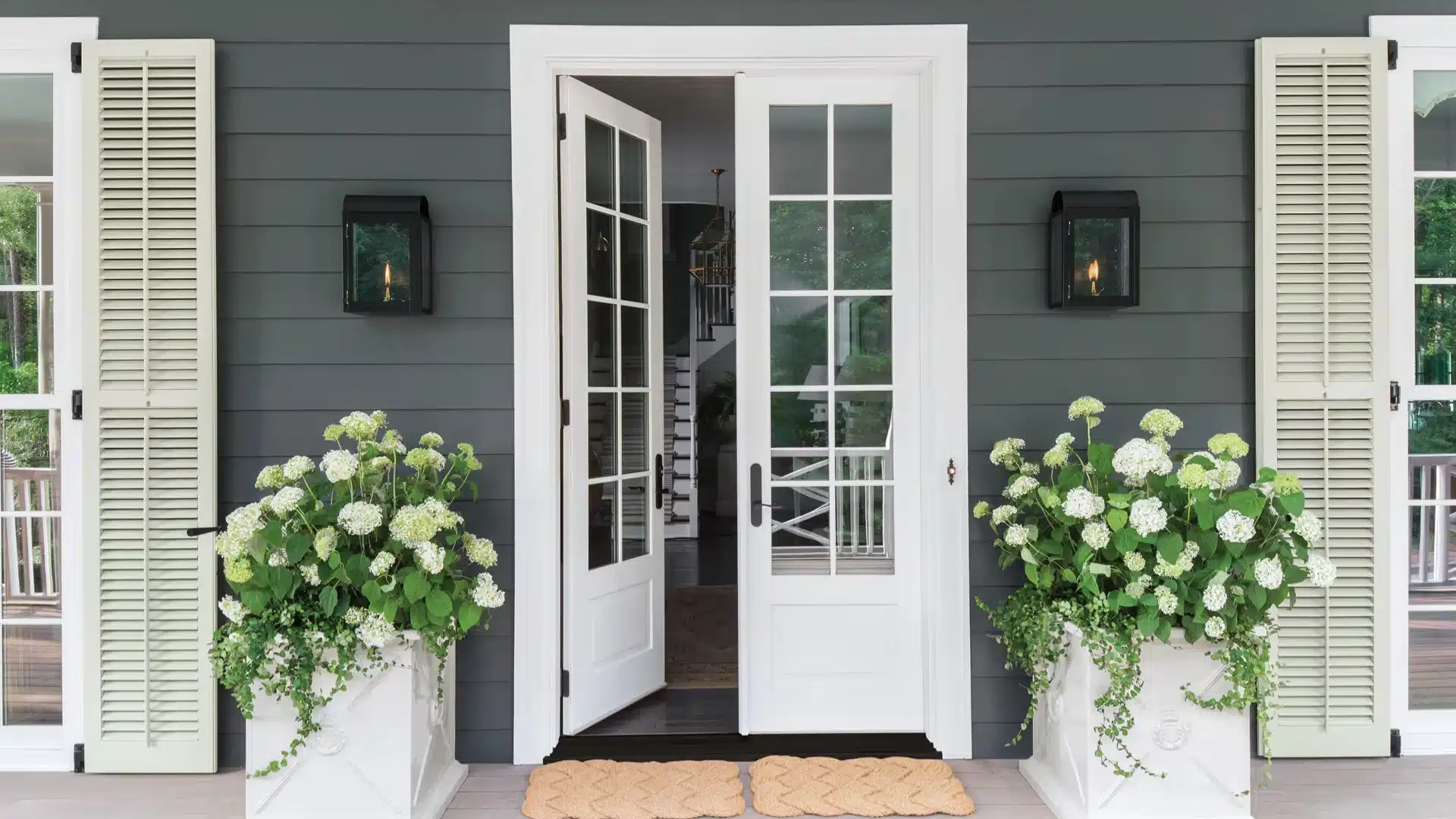
French doors brighten rooms by letting in lots of natural light through glass panels.
They usually stand around 80 inches tall with total widths between 48 and 72 inches, depending on how wide the opening is. Each individual panel typically measures 24 to 36 inches wide.
Many styles include clear, frosted, or divided glass, which helps you choose how much light and privacy you want.
People use them for living rooms, dining rooms, or patios because they make the space feel open and inviting while still separating rooms when needed.
2. Sliding Doors
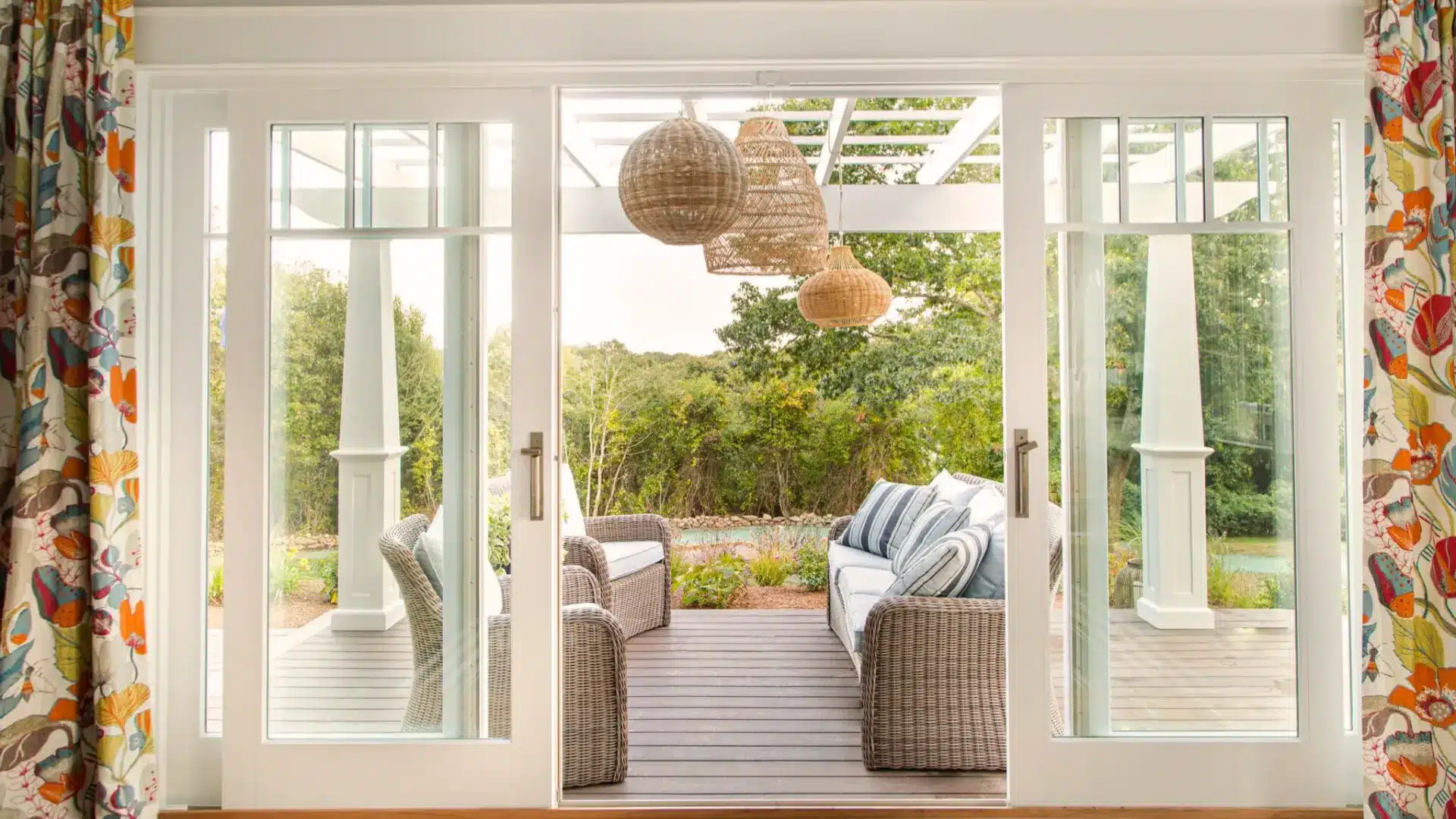
Sliding doors move sideways along a track and help save space in smaller areas like closets or patios.
Most sliding panels measure 24 to 36 inches wide and are usually 80 inches tall.
Since they stay close to the wall while opening, they help rooms feel less crowded and work well in tight layouts.
You’ll see them used for closets, balconies, and modern spaces where a swinging door might block walkways or bump into furniture.
3. Pocket Doors
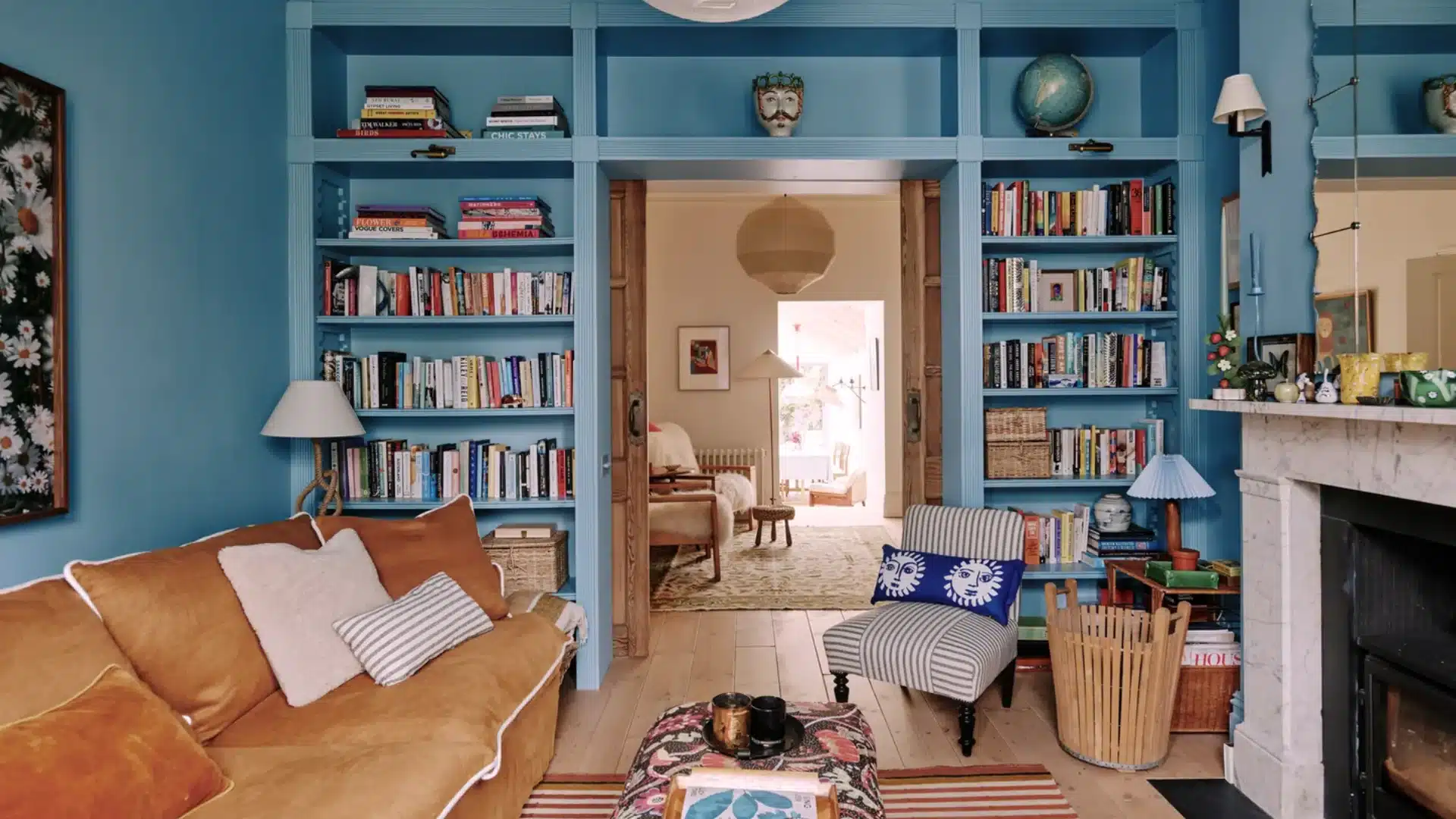
Pocket doors slide into the wall and disappear completely, which is perfect for bathrooms or closets where space is tight.
These doors are helpful when you want clean lines, fewer obstacles, and a smooth flow between rooms.
Pocket doors typically measure 80 inches tall and 24 to 36 inches wide, depending on the frame.
They add a sleek look and free up floor space, making them a smart choice for small rooms or areas with limited clearance.
4. Bi-fold Doors
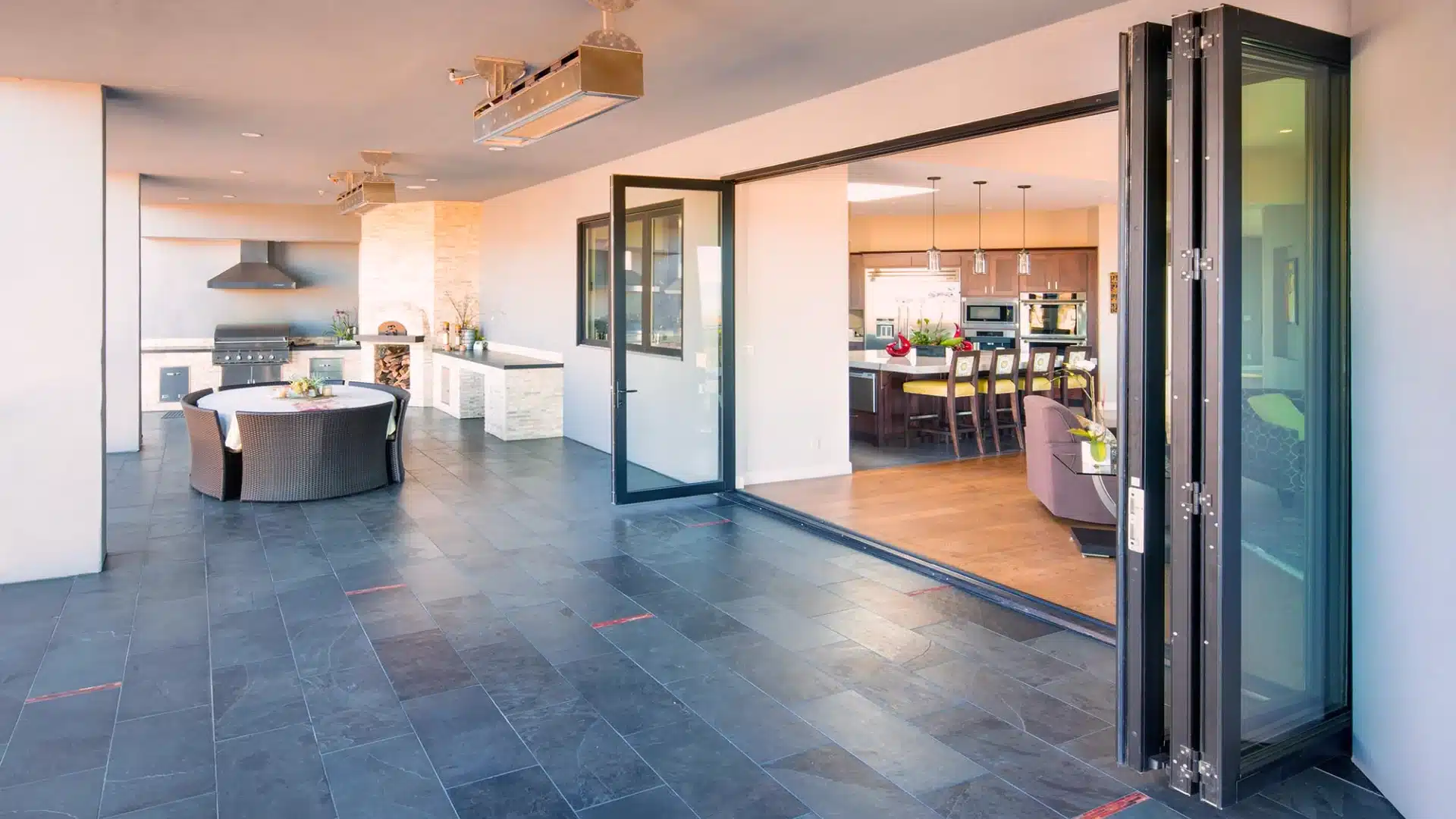
Bi-fold doors fold into themselves in sections, which helps them open wide without swinging out into the room.
They’re popular for closets, laundry areas, and pantries because they let you reach inside easily while staying compact.
Most bi-fold doors are 80 inches tall and use panels around 12 to 24 inches wide each.
The panels connect with hinges and fold neatly, allowing them to fit many opening sizes without taking up valuable space.
Getting the closet layout right matters just as much as the door itself; closet storage and layout planning ensure the interior works with whatever door style you choose.
5. Barn Doors
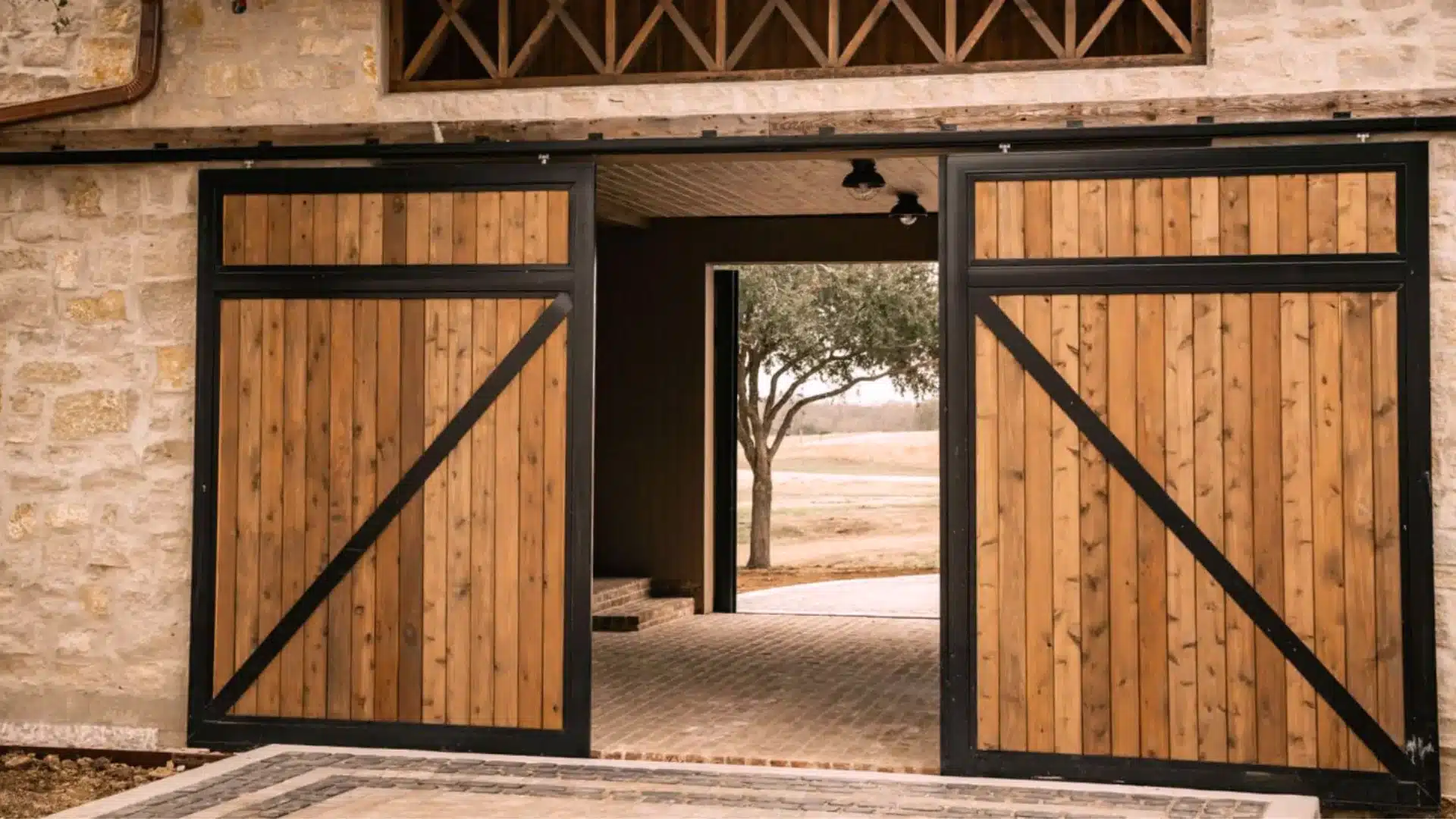
Barn doors slide along an exposed rail and give rooms a farmhouse or industrial look.
They save floor space and work well in bedrooms, offices, and living areas where a swinging door might get in the way.
These doors usually stand between 78 and 84 inches tall and measure 32 to 42 inches wide per panel.
Many people use them as stylish focal points while also enjoying how easily they glide open and close in tight or busy spaces.
What is the Standard Door Width for Wheelchair Access?
The standard door width for wheelchair access is 36 inches, giving most wheelchairs enough room to pass through.
This size is recommended by ADA accessibility guidelines because it provides a clear opening of about 32 inches once the door is open, which is the minimum needed for safe passage.
Some homes may use wider doors in busy areas to make movement even easier, especially for larger wheelchairs or mobility devices.
If a doorway in your home is smaller, you may need to widen the frame or install a different style of door, such as a pocket or sliding door, to create more usable space.
Thinking through standard measurements in your home as a whole, not just doors, makes it much easier to create spaces that are comfortable for everyone.
Choosing the right width makes movement easier and safer for anyone using mobility equipment.
How to Measure for a New Interior Door
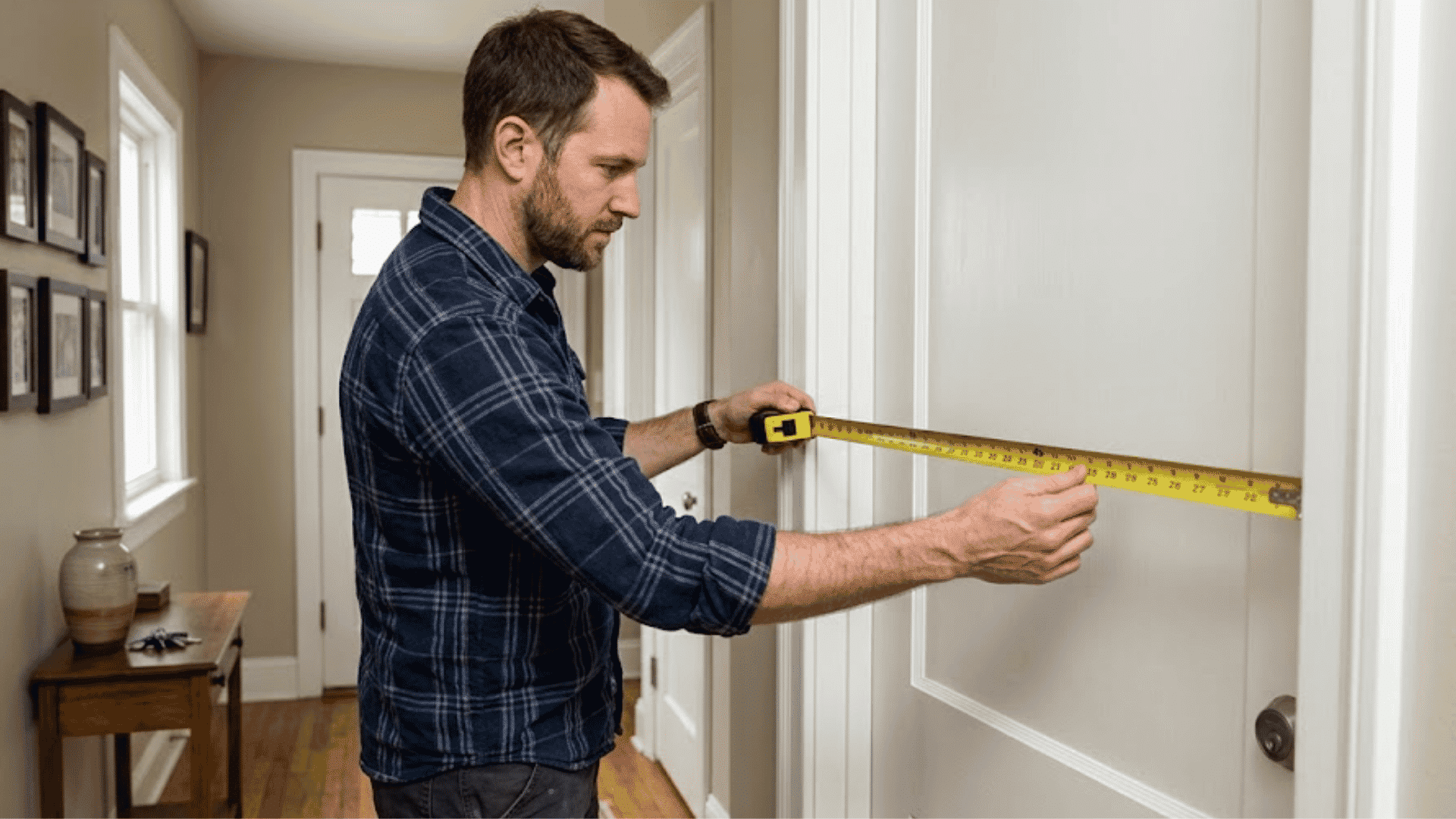
Measuring a door correctly before you buy prevents the most common and costly installation mistakes. Here is the process used on every door replacement in a professional remodel:
- Measure the width at three points: top, middle, and bottom of the opening. Use the smallest number.
- Measure the height on both sides. Use the shortest measurement.
- Measure the thickness of the existing door at the edge to confirm 1 3/8 inches or 1 3/4 inches before ordering hardware.
- For a new rough opening: add 2 inches to the door slab width and 2.5 inches to the door slab height. This accounts for the jamb, shims, and installation clearance.
- Check for square and plumb with a level. An out-of-square opening will cause binding and prevent a clean latch.
Tips for Choosing the Right Door Size
Small details can make a big difference when picking a door. These tips help you choose a size that fits well and works smoothly in your space.
- Measure the rough opening carefully to avoid fitting problems during installation.
- Check nearby walls, trim, and furniture to be sure the door has room to swing.
- Match the door size to the room’s purpose, using wider doors in busy areas.
- Consider accessibility if someone in the home uses mobility devices.
- Look at ceiling height and overall design style to decide whether the standard door height of 80 inches is right for the space, or whether an 84-inch or 96-inch door is a better fit.
- Compare materials and thickness so the door fits the hinges and frame.
- For hollow-core doors, verify that the hinge side has a solid wood lock block, a narrow strip of solid wood inside the hollow frame, so that the hinges and the latch set have something to grip.
- Choose a design that suits the room and doesn’t crowd the layout.
Conclusion
Choosing the right door size plays a big part in how your home feels and functions every day.
Once you know the standard widths and heights, and what changes them, it’s much easier to make confident decisions and avoid a mismatched fit.
As you look at the doors in your own home, take a moment to measure, compare options, and choose what actually works for your space.
If you’ve dealt with an unusual door size or found a style that made a real difference, share it in the comments. I always enjoy learning how others solve these home-project challenges.
Frequently Asked Questions
How Much Clearance Does a Standard Interior Door Need to Swing Open Fully?
A standard hinged door needs at least the same clearance as its width on the swing side ,roughly 32 to 36 inches of clear floor space plus a few inches behind the door handle for comfortable operation.
Can You Trim a Standard Interior Door to Fit a Smaller Opening?
Yes, but only within limits. Most hollow-core doors can be trimmed by up to half an inch per side. Cutting beyond that removes the solid wood frame inside, making the door structurally unsound and unable to hold hardware.
Do Interior Doors Need to Be Fire-Rated?
Most standard interior doors do not require fire ratings. However, doors between an attached garage and living space typically must be fire-rated, solid-core, and self-closing per most local residential building codes.