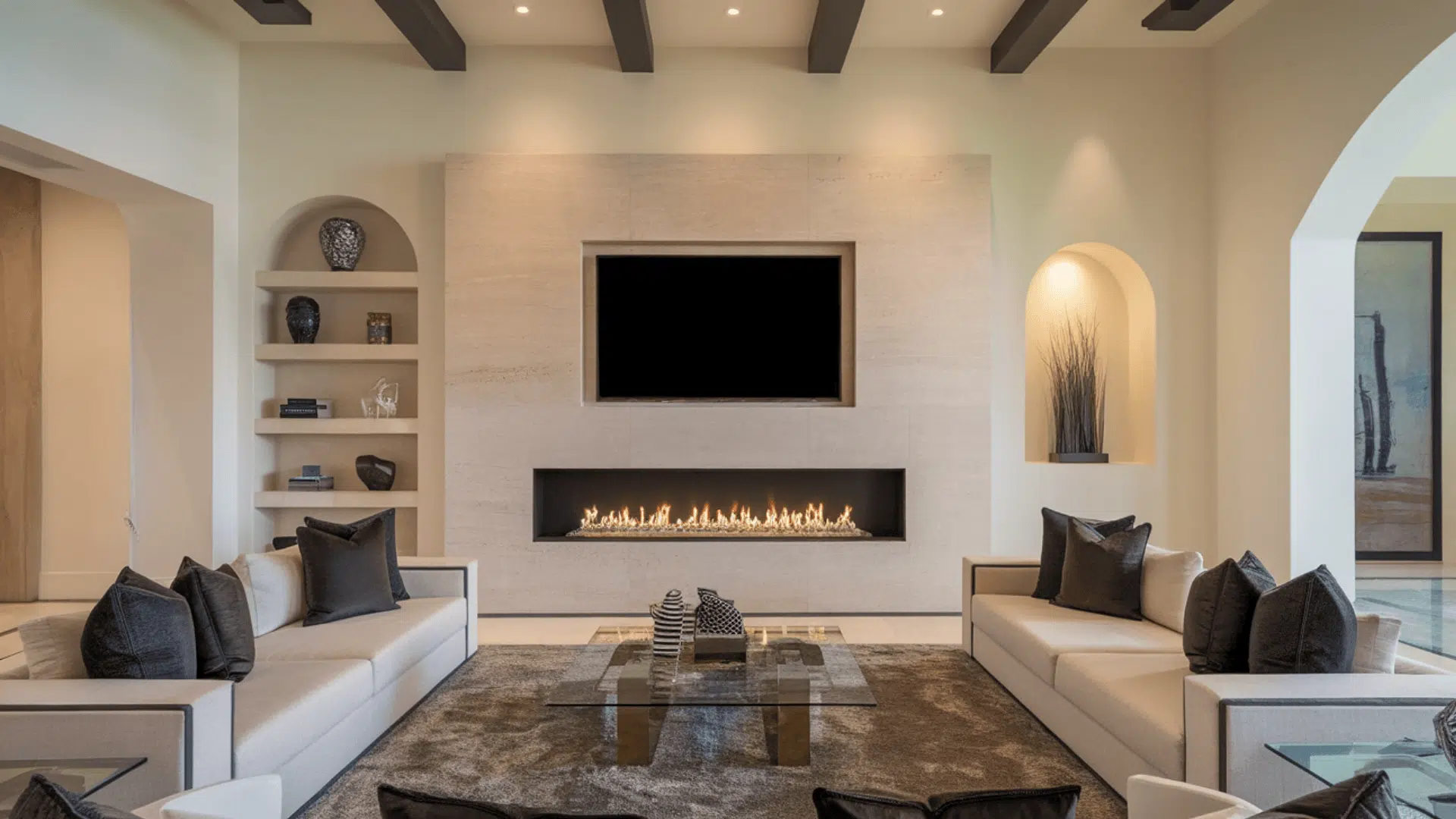
When I first thought about a TV above the fireplace, I wondered if it was a smart setup or a bad move. You might be asking the same thing, especially if your living room layout feels tight or you want a clean, simple look.
In this guide, I’ll share what I learned from real people who tried it, including what they liked and what they regretted.
You’ll see:
- How the height affects comfort
- Heat and safety concerns
- Design pros and cons
- Tips to make the setup work if you choose it
My goal is to help you decide with clear, honest points instead of guesswork.
By the end, you’ll have a good sense of what to expect and how to make the best choice for your space.
Why People Consider Putting a TV Over the Fireplace?
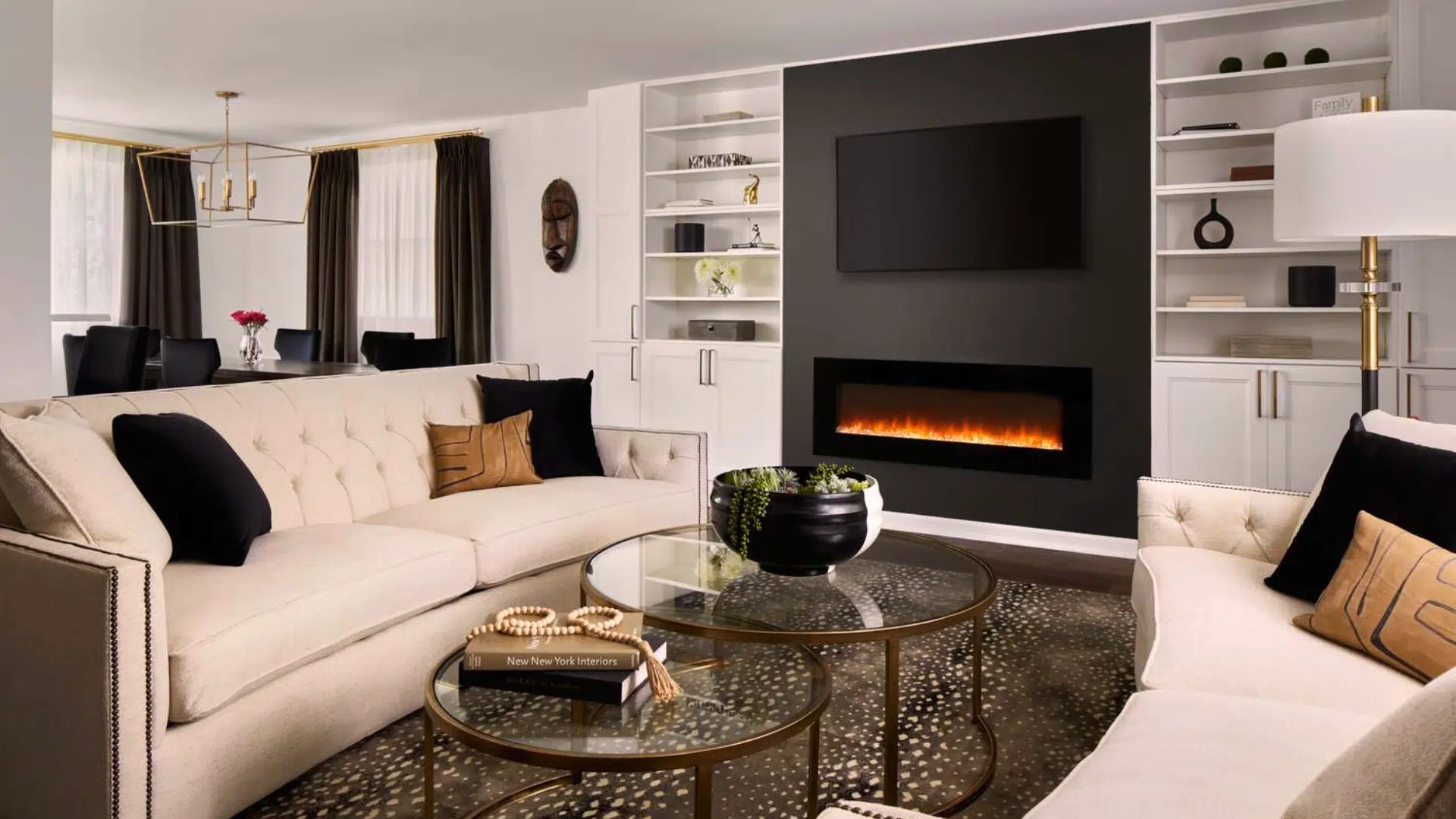
Many people think about placing a TV over the fireplace because it feels like a simple way to save space. It keeps the room open and helps avoid extra furniture.
Some like how everything sits in one main area, making the room look clean.
Others choose this spot because the fireplace is already the center of the room, so the TV naturally fits there.
For homes with smaller layouts, this setup can help you avoid bulky stands. It also works well when you want a clear view from different seats.
Some homeowners like that it creates one focus point for the room. The biggest reason is convenience, since the wall is already open and easy to use.
Many people also want a setup that looks neat, and this spot often gives that effect without much effort.
What People Wish They Knew Before Mounting a TV There?
Many homeowners say they would have made a different choice if they knew what to expect. These points highlight the lessons people often learn only after living with the setup.
1. The Heat Can Cause Long-Term Damage
Many people didn’t realize how much heat rises directly toward the TV until damage started showing.
Some noticed faded areas or burnt lines on the screen after a few years. Others found the TV ran hotter than normal, even when the fire wasn’t used often.
They assumed a mantel would block most of the heat, but it didn’t always help.
Many users say they wish they had checked the real temperature above the fireplace before mounting anything.
2. The Viewing Angle Isn’t Always Comfortable
A lot of homeowners say they underestimated how high the TV would feel once it was mounted.
Even with a tilt mount, looking up at an angle during long shows became uncomfortable. Some tried rearranging furniture, but the height still made a difference.
People often say they wish they had measured eye level while sitting and compared it to the mounting spot.
This small step would have helped them understand how the setup would actually feel.
3. The Layout Limits Future Changes
Many users didn’t realize that mounting the TV above the fireplace locks the room into one main layout.
Once the TV goes up, it’s harder to move furniture, shift seating, or redesign the space later. Some found that their fireplace wall couldn’t support new brackets or larger TVs without extra work.
Others said they should have considered how the room might change over time.
These experiences show that this setup affects more than just the TV; it influences the entire layout.
What People Have to Say About Having a TV Over a Fireplace?

Many people on Reddit have strong opinions about having a TV over the fireplace, and the experiences are mixed.
A lot of users say it doesn’t work well because the height causes neck strain, and the rising heat can shorten a TV’s life.
Some even noticed burnt spots on their screens after a few years. Others say the setup only works when the room is designed around it, with the right distance, a good mantel, or a tilt mount.
A few people enjoyed the placement and felt it saved space, especially in small rooms.
Some families liked how clean it looked and how it kept the TV out of reach of kids.
But the overall trend leans negative, with many homeowners saying they would avoid it if they had another wall option.
How do Different Fireplace Types Affect the TV?
Different fireplaces give off different levels of heat, and homeowners often notice this after using the setup for a while. These points show how each type can change the TV’s performance and long-term condition.
1. Gas Fireplaces Create Strong Upward Heat
Many homeowners say gas fireplaces create steady heat that rises directly toward the TV.
Even with a mantel, some people noticed the wall getting hot and the TV running warmer than normal. A few reported faint burn lines or color changes on the screen after years of use.
Others said the setup worked only when the fireplace had a low, wide design.
People often learn that gas units need extra clearance, and checking real temperatures above the mantel is an important first step.
2. Wood-Burning Fireplaces Produce Intense Temperature Spikes
Wood-burning fireplaces give off stronger bursts of heat, which can reach the TV faster when the fire is active.
Many homeowners didn’t expect how hot the wall would get during longer fires. Some stopped using the fireplace completely because they worried about damage.
Others mentioned their TV’s picture quality changed over time. The combination of smoke, heat, and soot can also affect ports and materials.
This type of fireplace requires the most caution, especially when the TV sits directly above the firebox.
3. Electric Fireplaces Are Safer but Still Need Care
Electric fireplaces are often seen as the safest option because most of their heat blows outward instead of rising toward the TV.
Homeowners with this setup usually report fewer issues, especially when the unit is designed to direct heat forward. Still, the wall can warm up if the heater runs for long periods.
Some people noticed the TV getting slightly warm, but not enough to cause damage.
While electric models help reduce risk, checking clearance guidelines and using a mantel still matter for long-term safety.
What Makes This Setup Successful for Some Homes?
Some homes make this setup work because the room layout naturally supports a higher TV position.
When the seating is farther back, the height doesn’t feel as noticeable, so watching is more comfortable. A deep or well-placed mantel can block heat, keeping the TV safer over time.
Gas fireplaces with lower, wider designs also help reduce direct heat flow.
Many people say a tilt or pull-down mount makes a big difference because it brings the screen closer to eye level.
Homes with open floor plans often benefit too, since the TV can be seen from more angles without adding extra furniture.
Others like how clean the wall looks when wires are hidden, and the fireplace and TV share one central spot.
For families with kids, having the TV mounted high keeps it protected and out of reach, which adds practical value.
Pros and Cons of Putting a TV Above the Fireplace
See what works and what doesn’t with this placement and think about your room layout and how you watch TV before deciding. Below is a quick comparison table to help you decide.
| Pros | Cons |
|---|---|
| Saves floor space and removes the need for a TV stand | TV may sit too high, causing neck strain |
| Creates a clean and simple focal point in the room | Heat from the fireplace can damage the TV |
| Works well in small living rooms with limited wall space | Picture quality may change due to the viewing angle |
| Keeps cords hidden for a neat setup | Mounting may require special brackets or extra support |
| Allows clear viewing from multiple seats | Not every fireplace has safe heat protection |
| Makes the layout feel balanced in some rooms | Harder to access ports for gaming or streaming devices |
Conclusion
A TV over the fireplace can work beautifully in the right situation, but it’s not for everyone.
The key factors are your ceiling height, how often you use the fireplace, where your couch sits, and how much TV you actually watch.
If you watch TV daily or rely on a wood-burning unit often, you may experience upper-back discomfort or possible issues caused by the warmer air above the fireplace.
Check the angle and temperature first, and use an adjustable mount if you decide to proceed.
And remember that what looks good in photos might not feel good after a two-hour movie.
Have you mounted a TV over your fireplace? Drop a comment below and share what worked or what you’d do differently.