Art Nouveau has always caught my eye, and if you’ve ever paused to admire a building with flowing lines or nature-inspired details, it has probably caught yours, too.
This style feels familiar and surprising at the same time, and that’s what makes it worth learning about.
In this guide, I’ll walk you through what Art Nouveau is, where it came from, and the features that make it stand out.
You’ll also see well-known buildings, key architects, and real examples from around the world so you can understand the style in a clear, simple way.
By the end, you’ll have a solid idea of how to spot Art Nouveau and why it still matters today.
My goal is to make this easy to follow, helpful for your search, and useful no matter how much you already know.
What Is Art Nouveau Architecture?
Art Nouveau architecture is a style that grew in the late 1800s as artists looked for new ways to design buildings.
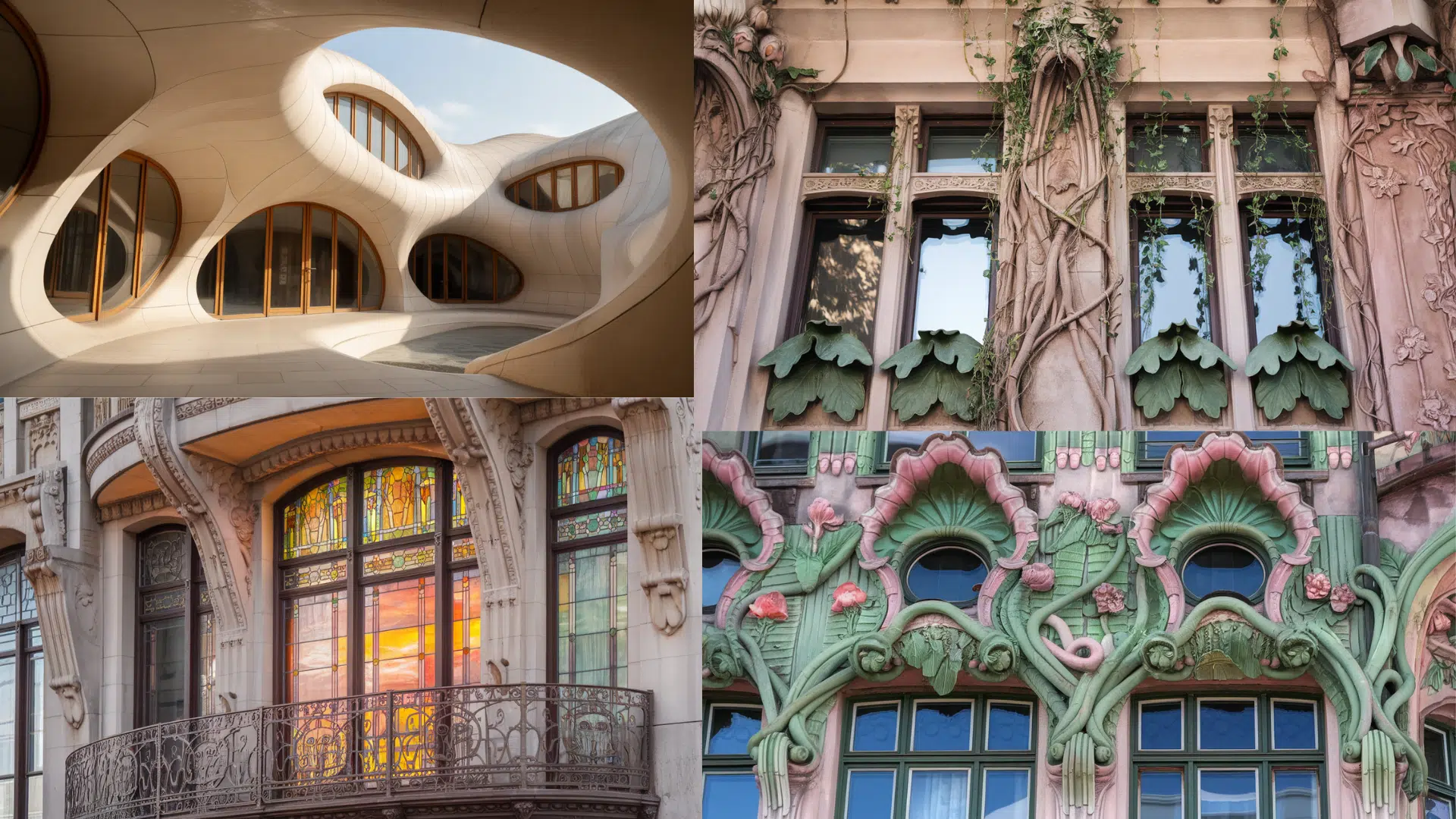
It focuses on organic lines and shapes inspired by plants, curves, and nature. The style moves away from sharp edges and uses smooth forms that flow from one part of a building to another.
You’ll often see metalwork, stained glass, and carved details used to highlight these shapes.
Another key idea is handcrafted design, where every part of a building feels carefully made rather than factory-produced.
This gives the style a more personal and creative look. Art Nouveau also brought together art and architecture, so buildings became both useful and artistic.
It spread across Europe and later influenced other styles.
Even today, people notice Art Nouveau for its fresh approach and its focus on natural forms.
Key Features of Art Nouveau Style
Art Nouveau buildings share a few clear features that give them their playful and artistic look. These elements helped designers mix creativity with everyday function in a way that still feels modern.
1. Curved Lines and Organic Shapes
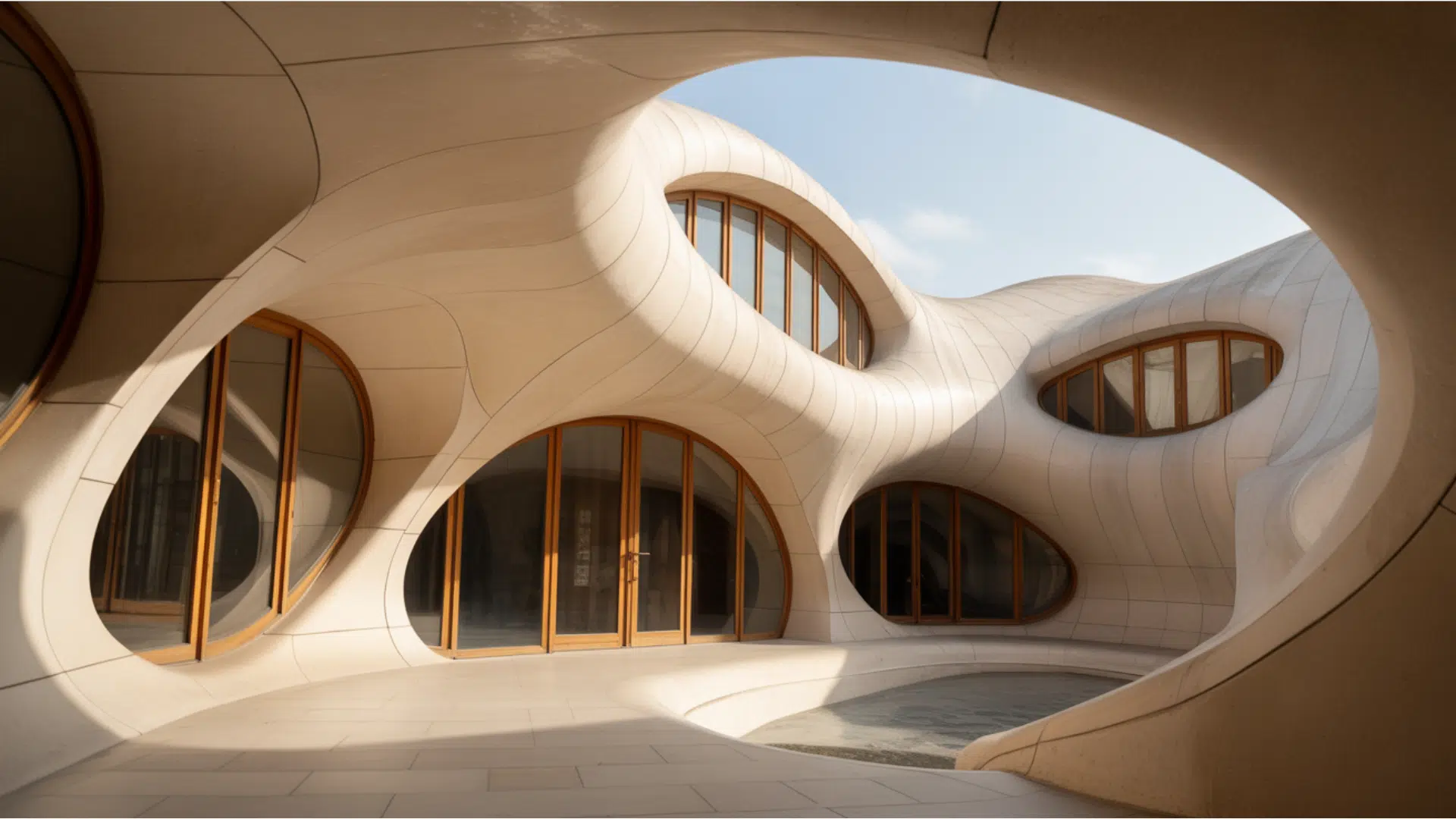
Curved lines shaped the identity of Art Nouveau. Planners used them to break away from the sharp, boxy forms seen in earlier styles.
These curves made buildings feel softer and more welcoming from the moment you approached them.
Even everyday features like doors and windows were designed with sweeping lines to create a natural flow from one space to another.
2. Nature as the Main Inspiration
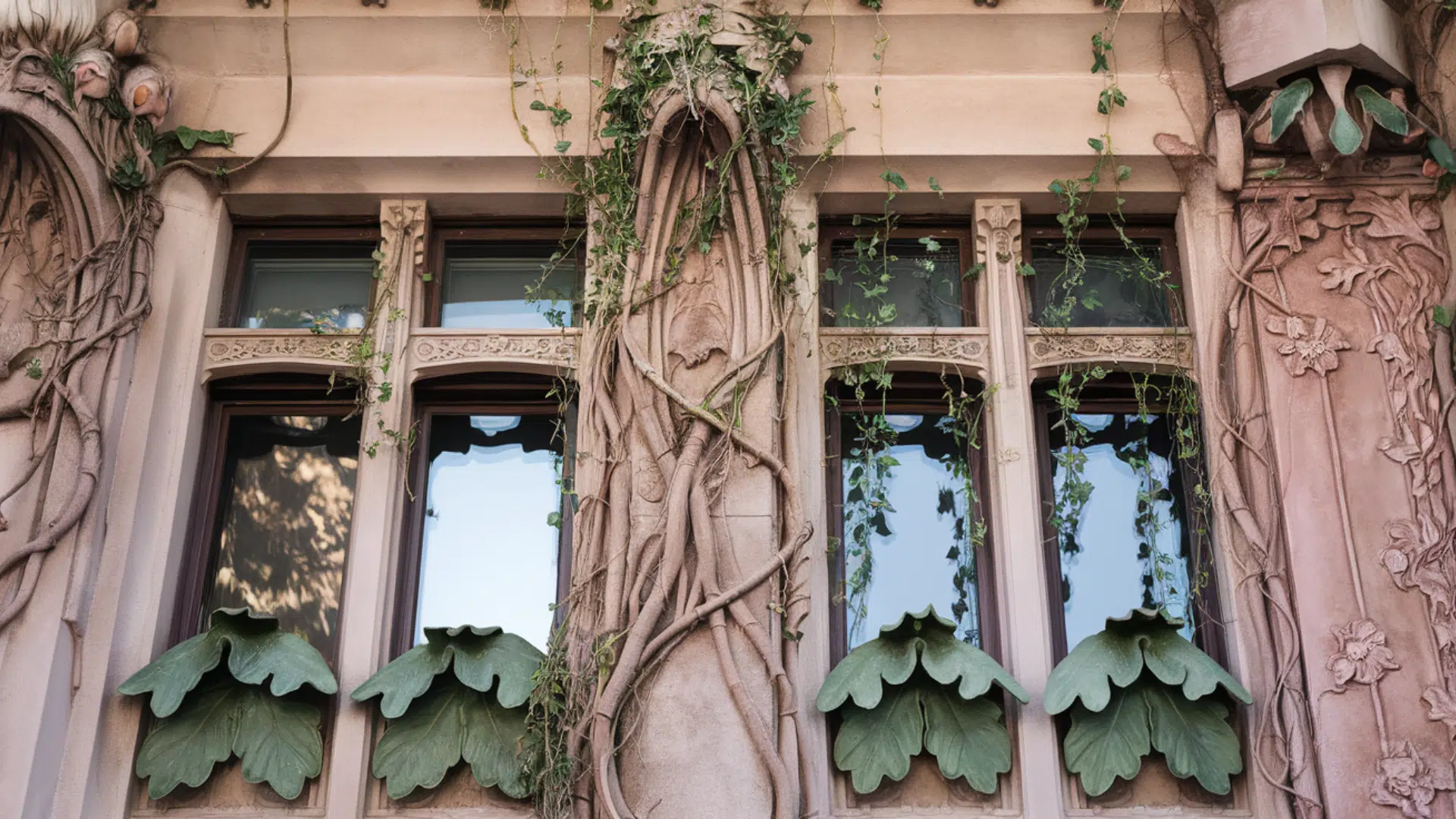
Nature wasn’t just decoration; it guided how spaces were shaped and built.
Designers used real plants as references, sketching their lines and patterns before turning them into design elements.
This made every building feel grounded in the natural world.
When you walk past an Art Nouveau facade, the vines and leaves almost look like they’re moving with the breeze.
3. Use of Iron, Glass, and Natural Materials
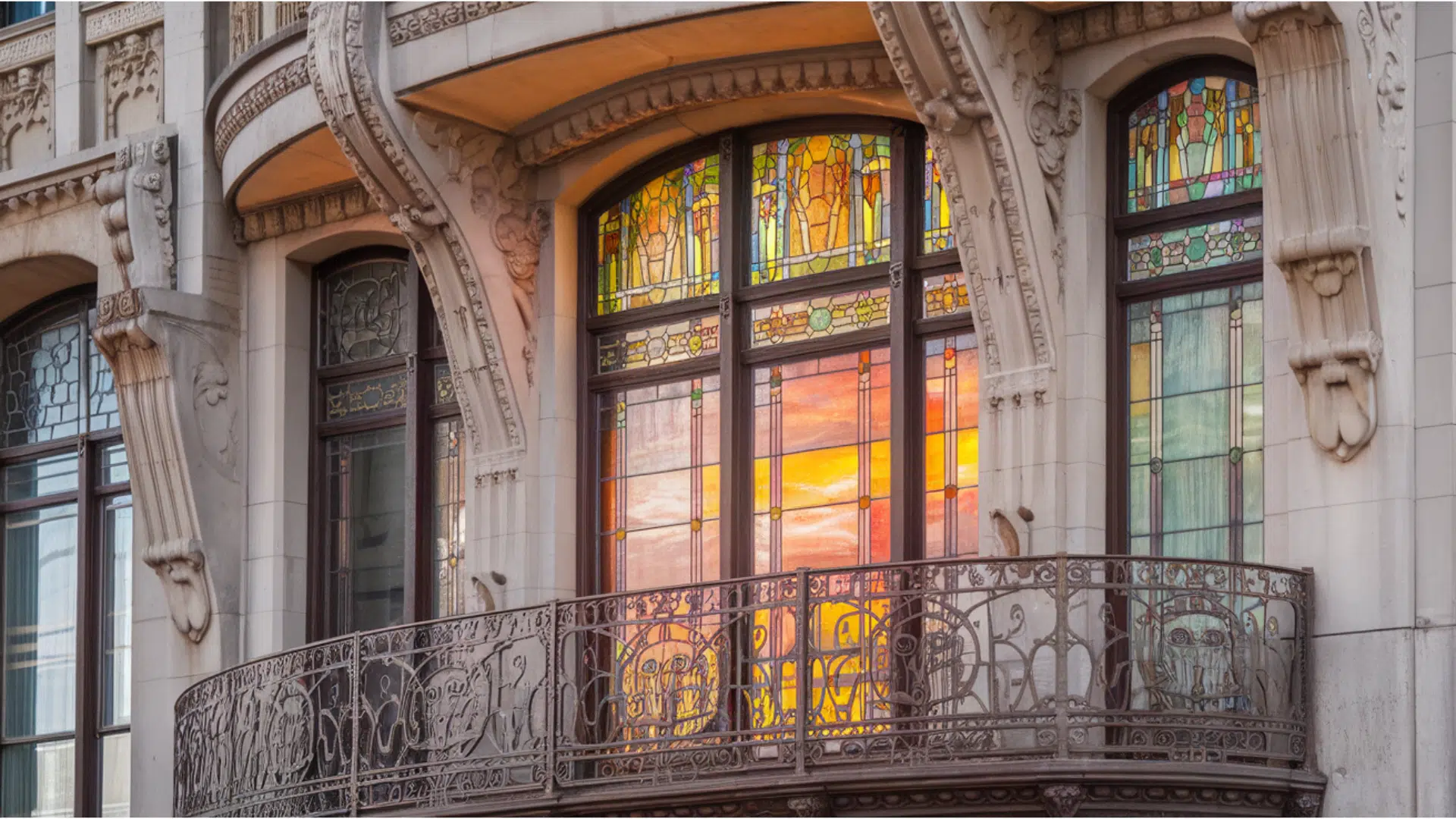
Art Nouveau designers used new building materials in creative ways.
Iron allowed them to make detailed railings, arches, and supports that looked light but were incredibly strong.
Large glass panels brought in sunlight and added color through stained glass. Natural stone and carved wood balanced the look, giving every structure warmth and texture.
The mix of materials made buildings feel both artistic and practical.
4. Handcrafted Decorative Details
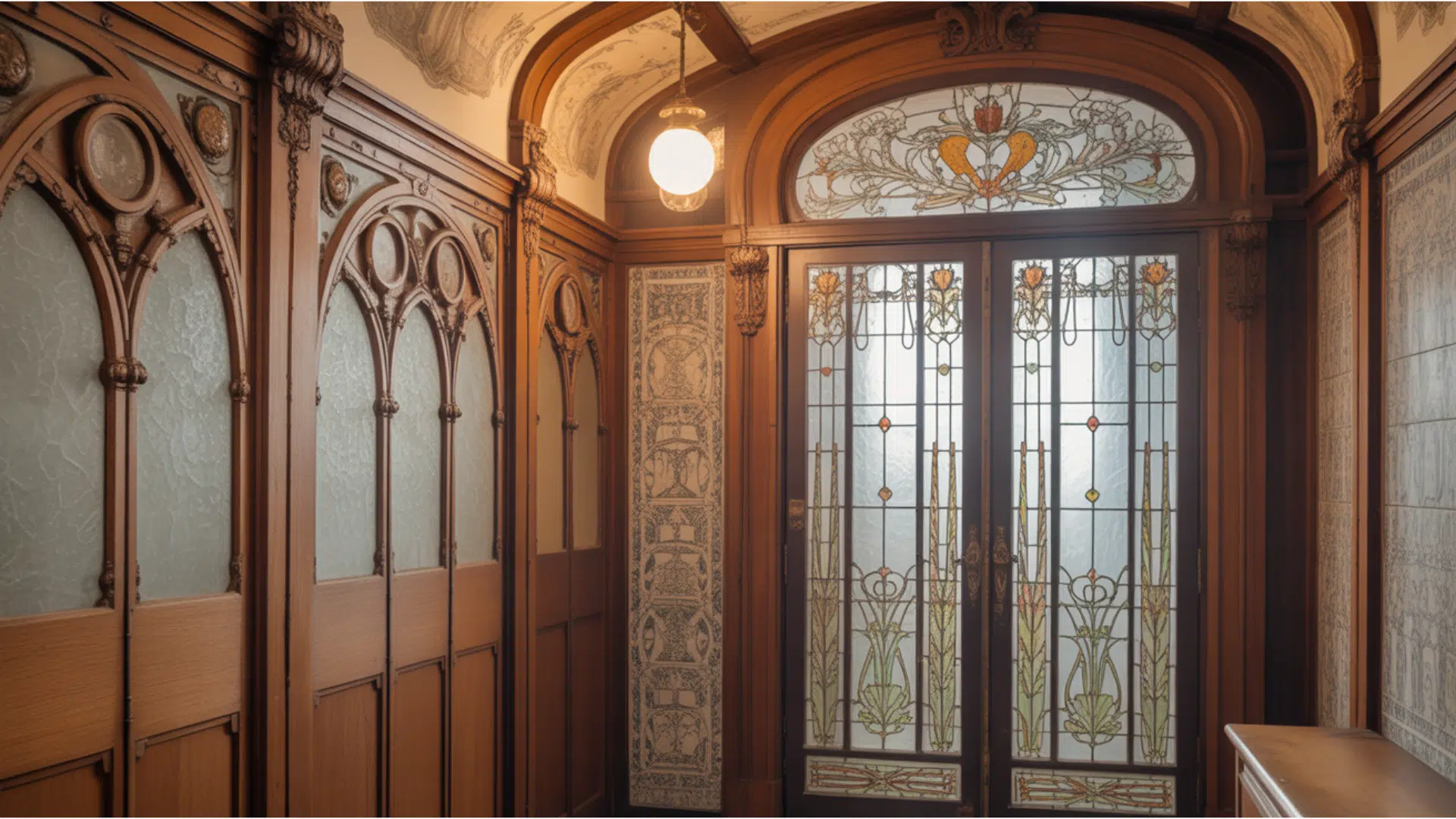
Handcrafting was one of the most important parts of Art Nouveau.
Builders often worked closely with artisans to design custom tiles, stained-glass pieces, wooden panels, and metalwork.
These details weren’t added at the end; they were planned from the start. Because of this, every building carried a sense of craftsmanship you could see and feel.
The handmade elements made even small spaces feel special.
5. Floral and Plant-Inspired Patterns
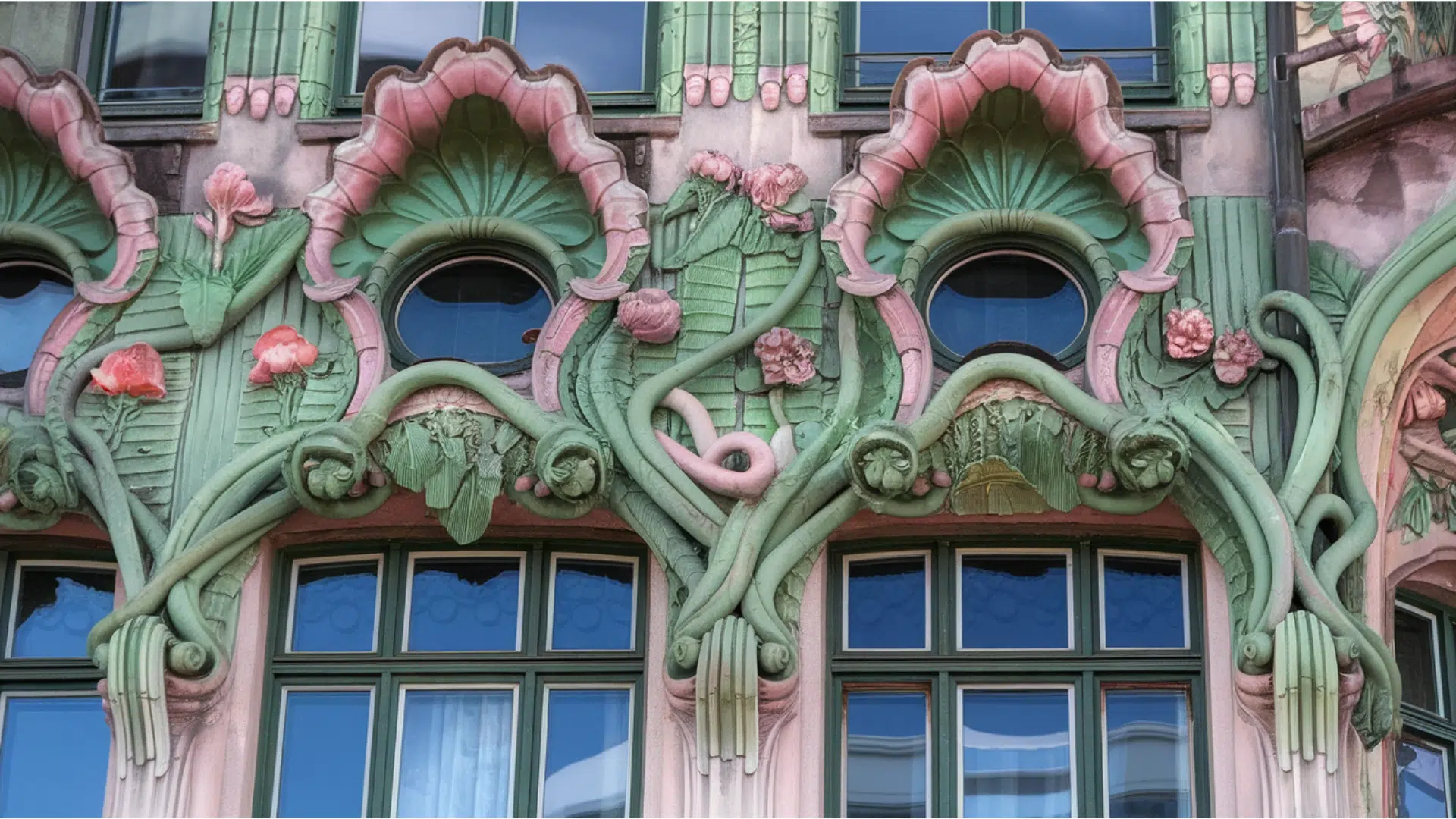
Floral and plant motifs weren’t just decoration; they shaped how each building looked and felt. Designers used petals, stems, and branches in repeating patterns to bring a sense of order and flow to a space.
These details showed up in ceilings, floors, doors, and railings, creating a steady rhythm from one room to the next.
This natural approach made buildings feel more alive and added a quiet sense of movement that connected every part of the design.
6. Asymmetry and Free-Flowing Forms
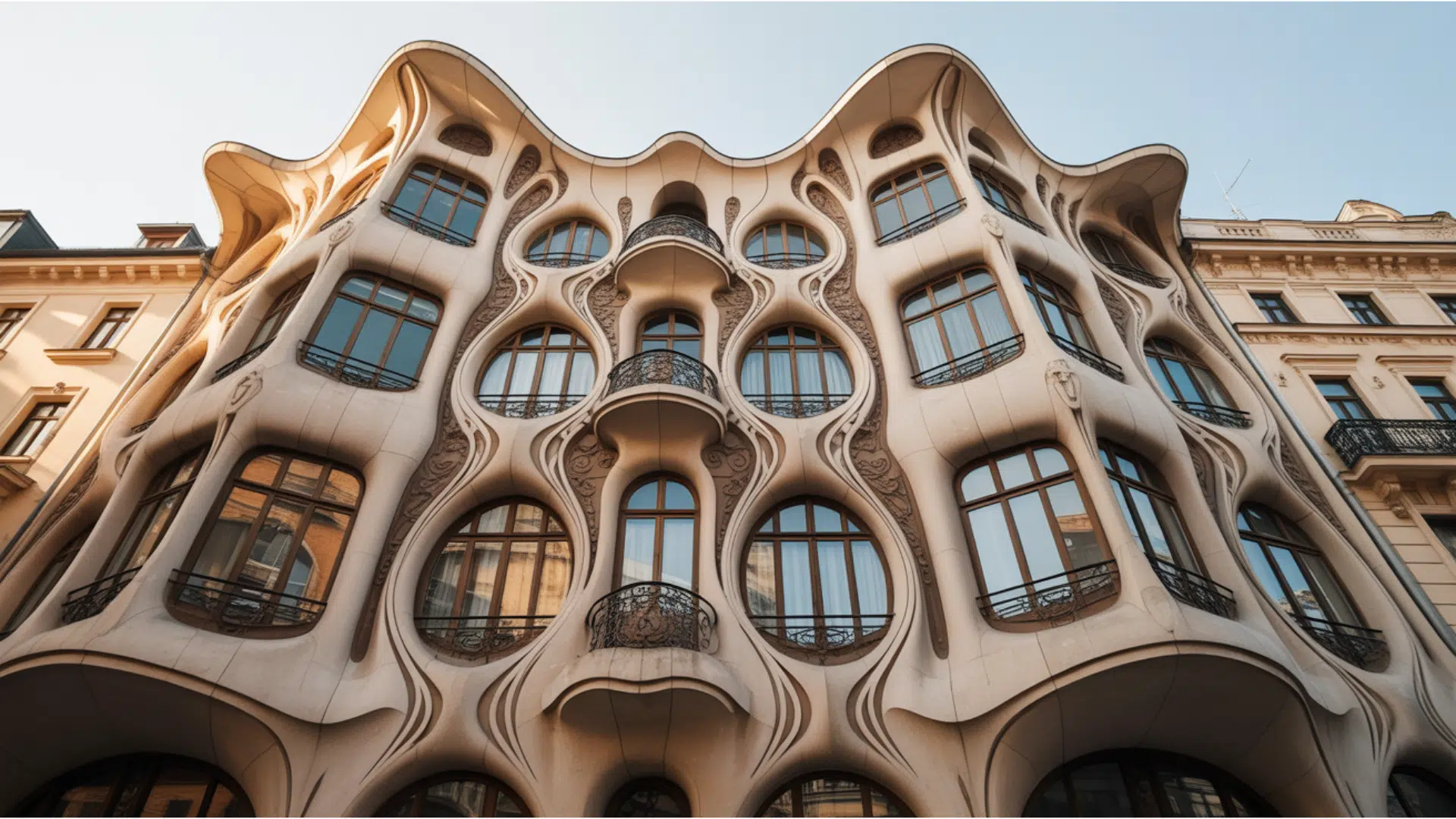
Art Nouveau designers felt that strict symmetry limited creativity.
By allowing uneven edges, different window shapes, and playful layouts, they created buildings that felt spontaneous and artistic.
This free-flowing design style helped break away from the stiff rules of traditional architecture.
The result was a look that felt more natural, as if the building had grown over time instead of being built all at once.
The History and Rise of the Art Nouveau Movement
The Art Nouveau movement began in the late 1800s when artists and architects looked for a new style that felt modern and different from older traditions.
They wanted designs that followed natural forms instead of strict, historic rules.
This shift came at a time when cities were growing, new materials were available, and people were open to fresh ideas.
Artists used curves, plants, and handcrafted details to bring a more personal touch to buildings.
The movement spread through Europe, with each region adding its own style. Art Nouveau grew quickly because it connected art, design, and everyday life in a simple, clear way.
Even though it lasted only a few decades, it left a strong mark on architecture and helped shape later design movements.
Finest Art Nouveau Examples
These seven buildings show how creative Art Nouveau is, using curves, patterns, and handcrafted details. They also highlight how designers moved beyond old rules to create more personal, artistic work.
1. Casa Batlló, Barcelona
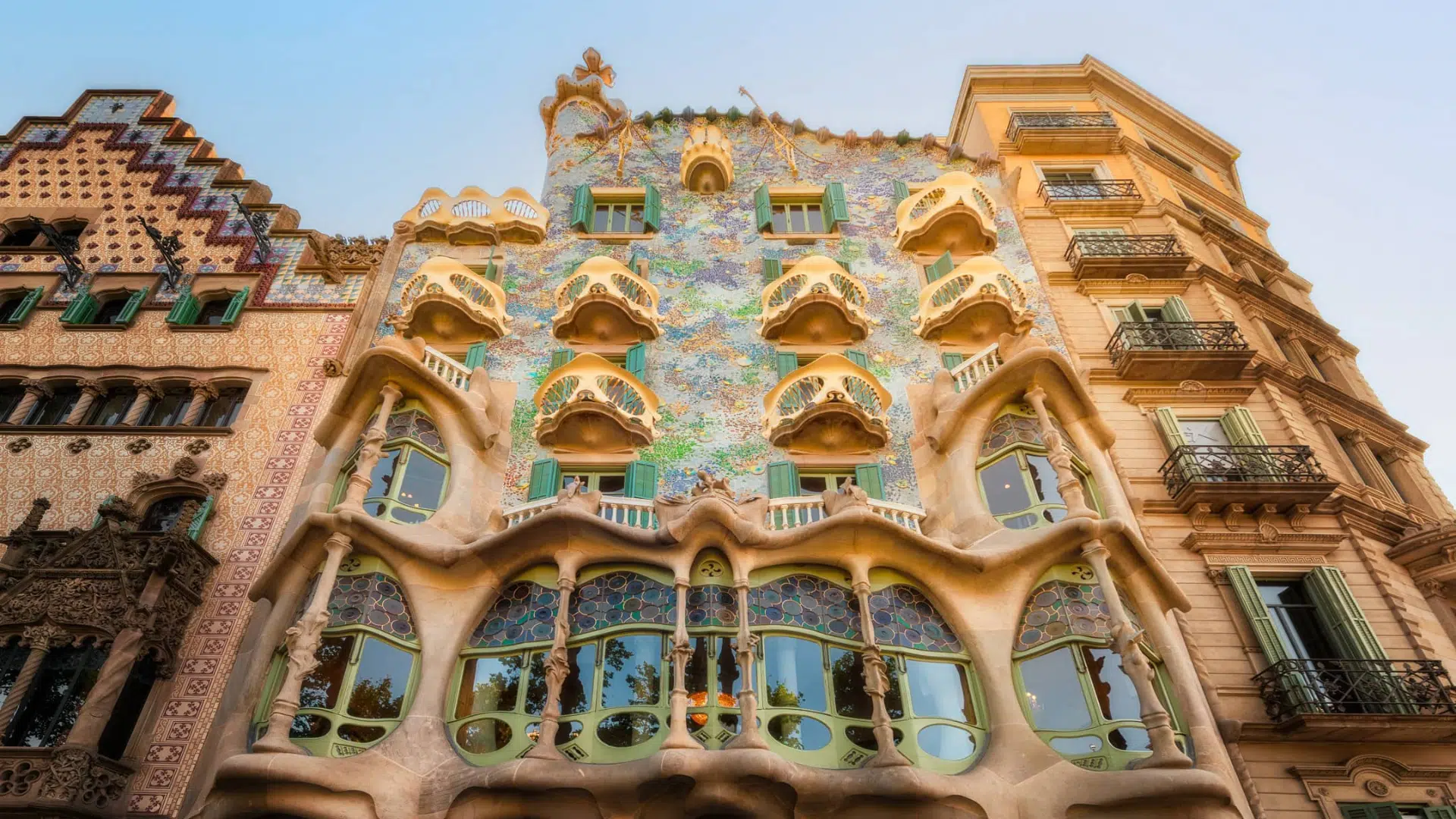
Casa Batlló is one of Gaudí’s best-known works, recognized for its flowing lines and colorful outside walls.
The building looks shaped by waves, with curved windows and balconies that resemble masks. Inside, light moves through every room, helped by soft edges and blue tiles that brighten the space.
The design feels natural and smooth, almost as if the house formed on its own.
Every detail shows Gaudí’s focus on movement, comfort, and organic shapes, making the building stand out as a clear example of Art Nouveau.
2. Hôtel Tassel, Brussels
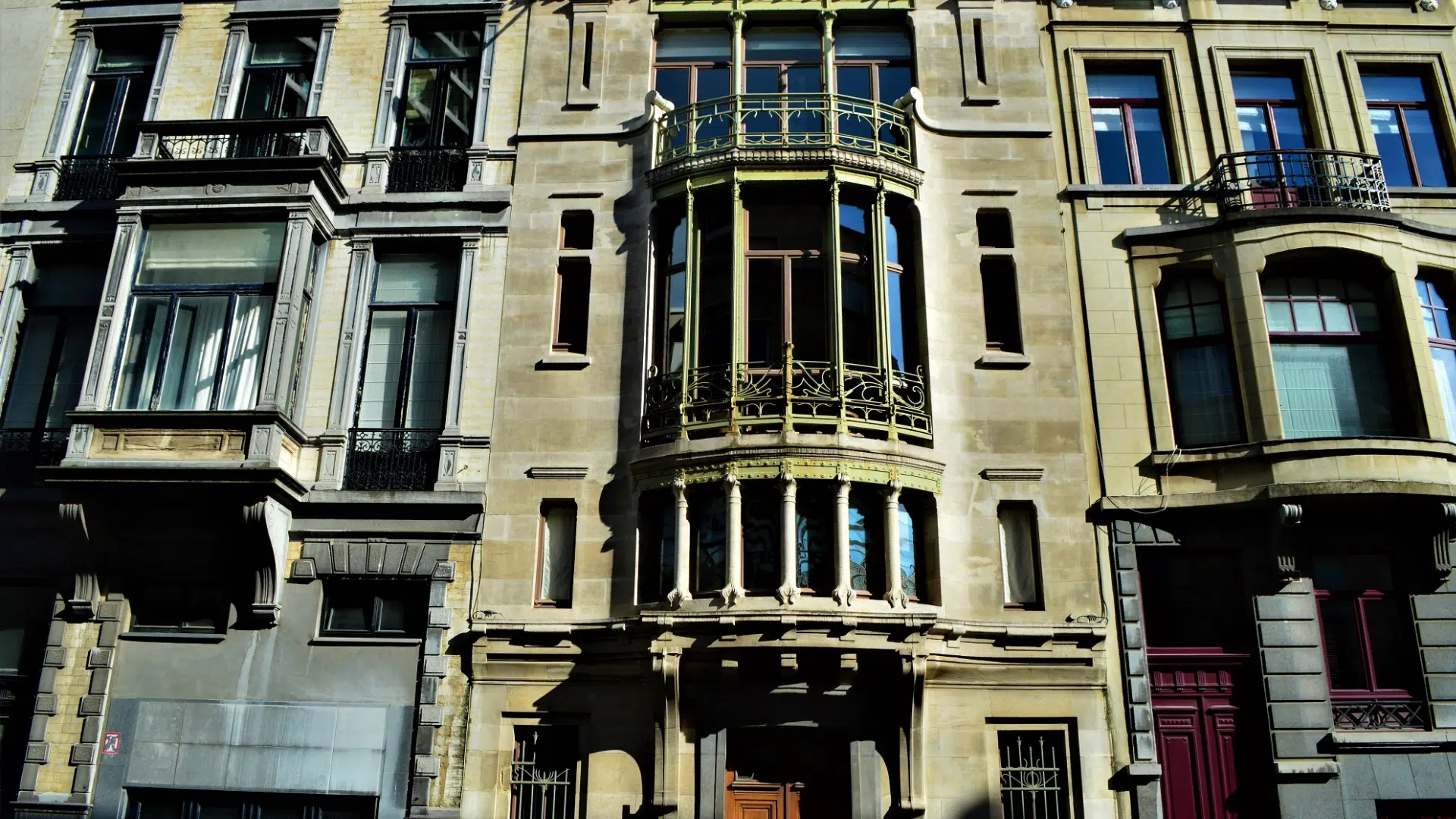
Hôtel Tassel is often seen as one of the first true Art Nouveau buildings, marking a major shift in how architecture could look and feel.
Victor Horta designed it with sweeping ironwork, open layouts, and patterns shaped by plant forms.
One of the most recognized features is the staircase, which curves upward with a gentle, natural flow.
This design showed how structure and art could work together in everyday spaces, making the building both practical and visually fresh for its time.
3. Maison de l’Art Nouveau, Paris
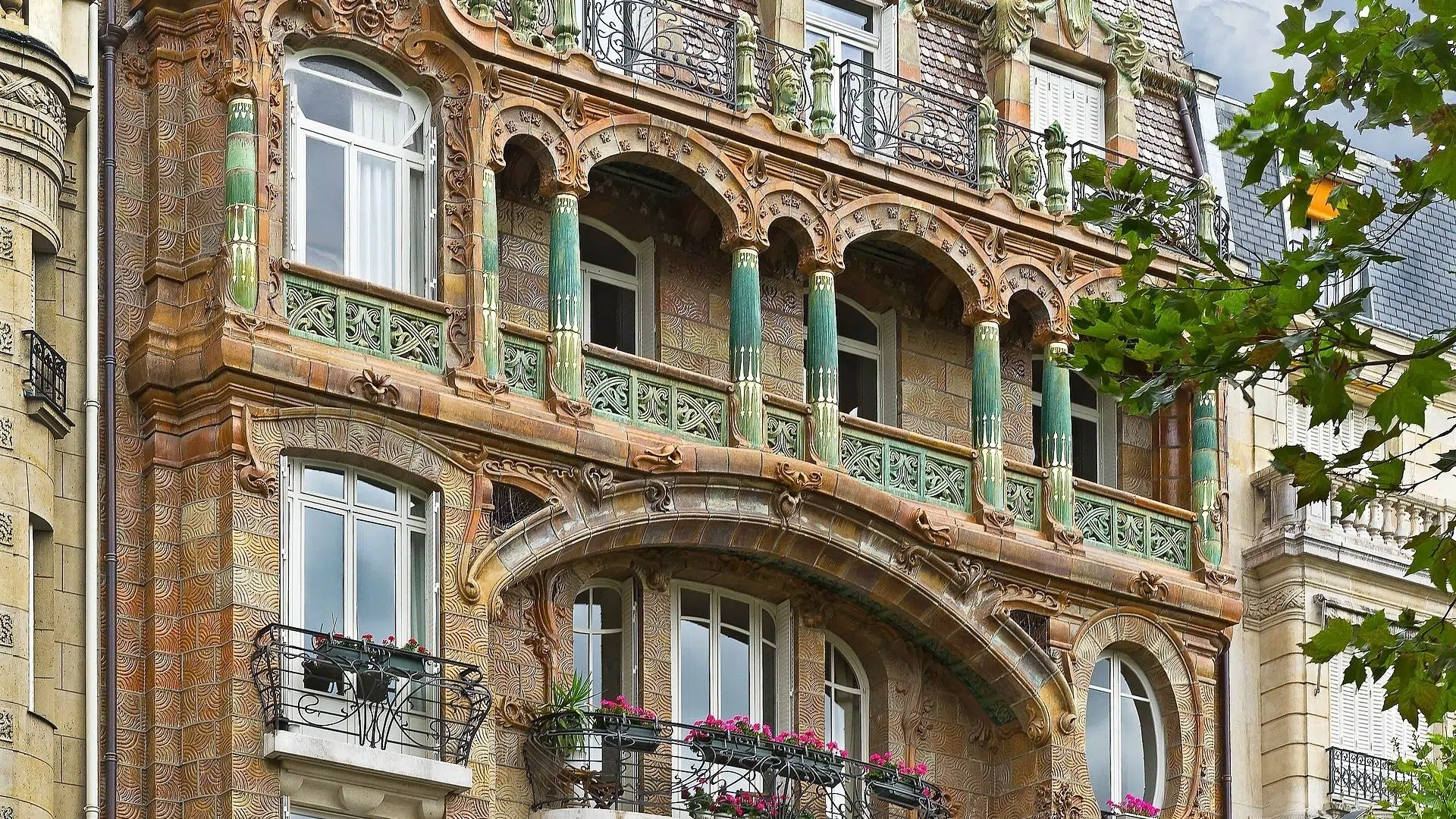
This building helped give the entire movement its name. Maison de l’Art Nouveau was a gallery that showcased new and modern designs.
Its exterior featured curved lines, floral details, and handcrafted elements that set the tone for the style.
The building played an important role in spreading Art Nouveau across Europe by showing how bold and creative architecture could be.
4. The Secession Building, Vienna
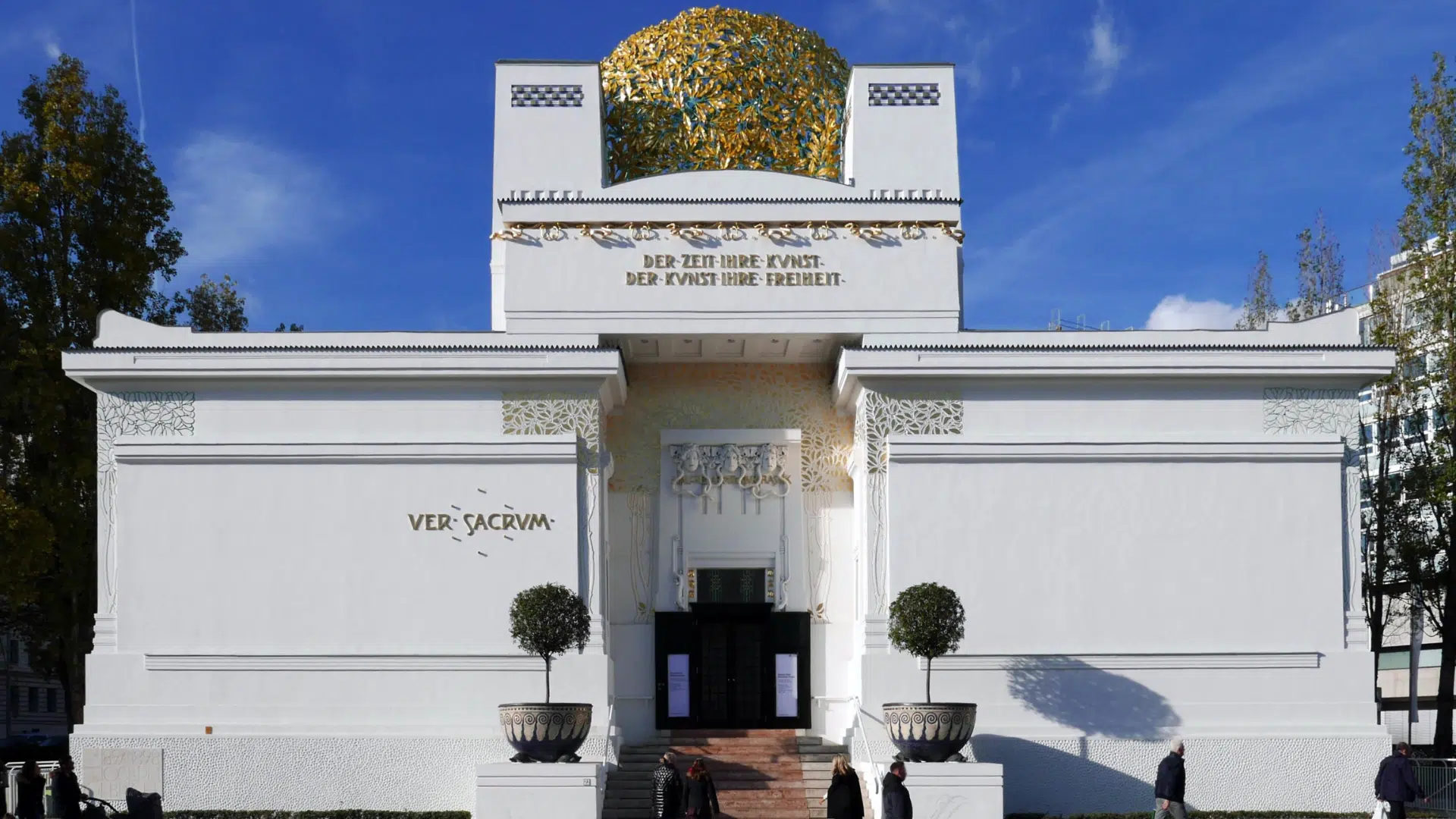
The Secession Building is famous for its white walls, golden dome, and bold geometric shapes.
While it looks cleaner and more modern than other Art Nouveau buildings, it still celebrates handcrafted detail and artistic expression.
The golden dome is covered with leaf designs that stand out beautifully against the simple background. It’s a symbol of Vienna’s strong connection to the movement.
5. Museum of Applied Arts, Budapest
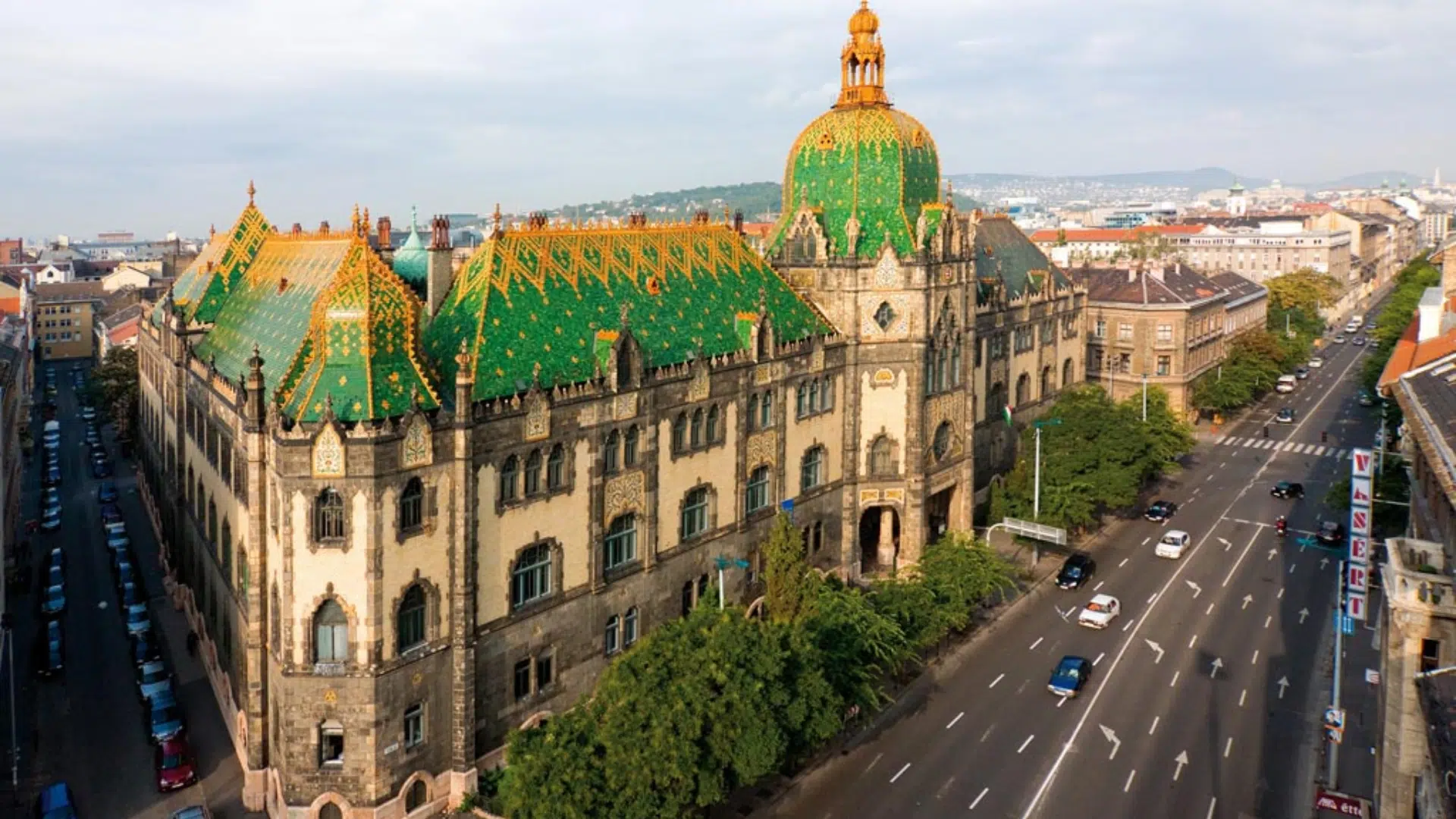
This museum combines Art Nouveau with Hungarian folk design, creating a clear mix of colors, shapes, and cultural details.
The roof tiles stand out with bright greens and yellows, making the building easy to spot from a distance.
Inside, you’ll see flowing lines, stained glass, and detailed woodwork that reflect both the movement and local traditions.
The design shows how Art Nouveau can fit into regional styles without losing its core ideas. Today, it remains one of Budapest’s most recognizable and memorable landmarks.
6. Riga’s Art Nouveau District, Latvia
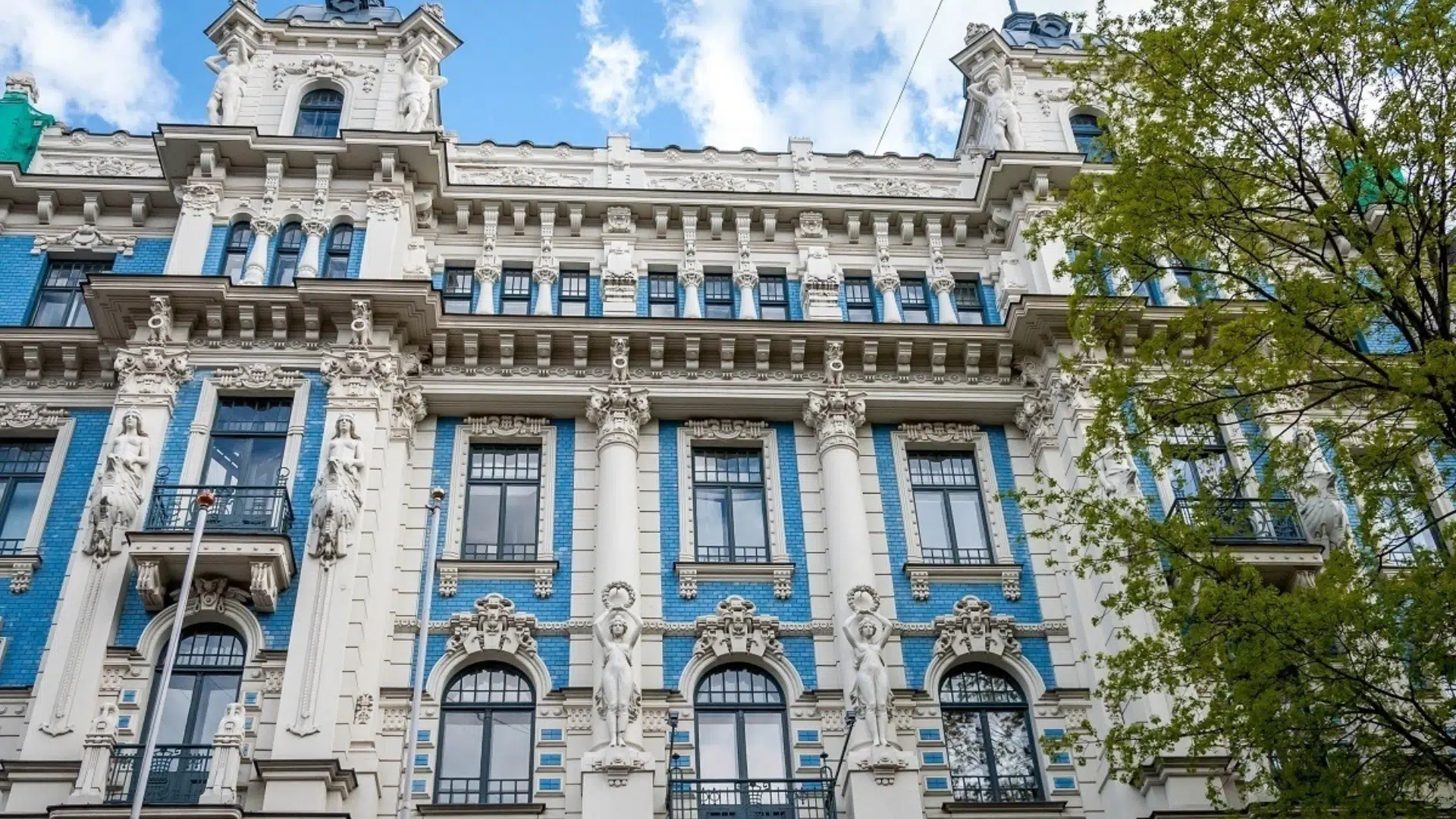
Riga is known for having one of the largest groups of Art Nouveau buildings in the world, with entire streets filled with detailed facades.
Many of these buildings feature faces, plants, animals, and flowing shapes that make each structure stand out.
Some designs use bold lines, while others rely on softer curves, giving the area a wide range of styles.
Walking through this district feels like moving through an open-air Art Nouveau museum, where every building offers a new detail to notice.
7. The Municipal House, Prague
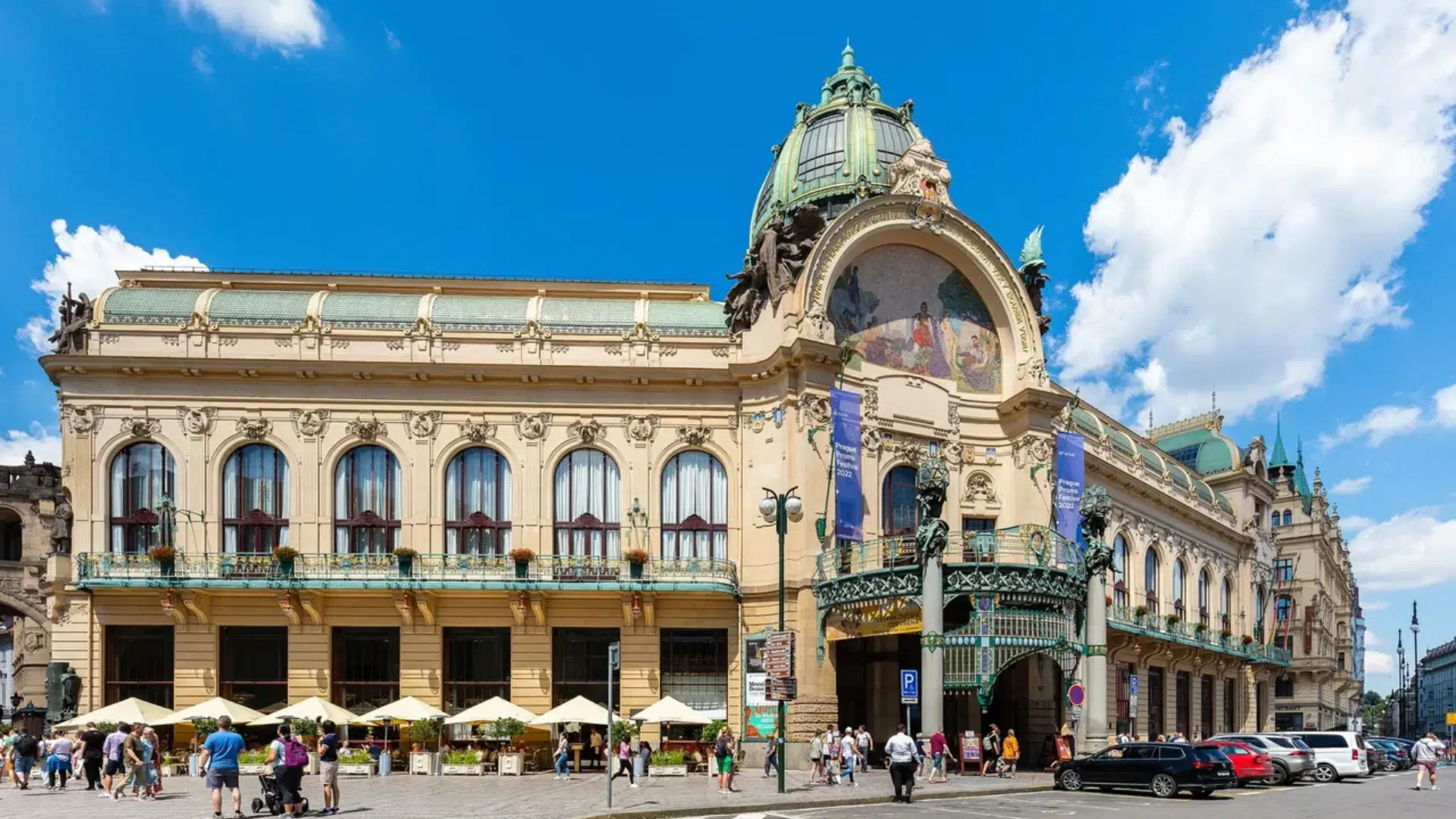
The Municipal House is a clear example of how Art Nouveau can be detailed and decorative.
The exterior includes arched windows, mosaic artwork, and carefully crafted metalwork that give the building its strong visual style.
Inside, every element, from the ceilings to the furniture, shows the movement’s focus on craftsmanship and careful design.
The building isn’t just an architectural highlight; it also serves as a cultural center where concerts and events continue to take place, keeping its role in the city active and relevant.
How Art Nouveau Differs From Other Styles?
Art Nouveau stands out because it focuses on natural lines, handcrafted details, and artistic expression. This table gives a simple breakdown of how it compares to other common architectural styles.
| Style | Main Features | How It Differs From Art Nouveau |
|---|---|---|
| Art Nouveau | Curves, plant-based forms, handcrafted details | N/A – baseline for comparison |
| Art Deco | Sharp lines, symmetry, geometric patterns | Uses bold shapes and symmetry instead of natural curves |
| Neoclassical | Columns, balanced shapes, historic influence | Focuses on tradition and classical rules, not organic forms |
| Modernism | Clean lines, simple shapes, minimal decoration | Avoids ornamentation, while Art Nouveau highlights it |
| Gothic Revival | Pointed arches, dark tones, historic style | Based on medieval design, not flowing natural motifs |
How Art Nouveau Influenced Modern Design?
Art Nouveau influenced modern design by showing that buildings and everyday objects could be both useful and artistic.
Its soft lines and nature-inspired shapes encouraged designers to move away from harsh angles and bring more creativity into their work.
You can still see this influence today in furniture, lighting, and interior design that use curves and handcrafted details.
Art Nouveau also helped shape later styles like Art Deco, making it an important link between classic and modern design.
Many modern Planners still study Art Nouveau for its bold ideas. Its focus on natural forms continues to inspire new design approaches.
Conclusion
Art Nouveau offers a new way to understand buildings, showing how design can stay simple, artistic, and inspired by nature.
When you look closely at its curves, patterns, and handcrafted details, you can see how designers added warmth and creativity to everyday spaces.
Some cities highlight the style with bold shapes and strong colors, while others use softer lines for a lighter look.
Both approaches help explain why the movement still feels meaningful today and why so many people enjoy studying it.
If you’ve visited an Art Nouveau building or noticed a detail that stayed with you, I’d love to hear about it. Please share your experience in the comments below.