Window height is one of those details you don’t think about until you need to replace a window or plan a room.
I’ve learned that the right height can change how a space feels, how much light you get, and even how comfortable your home is each day.
If you’re working on a remodel or planning a new build, getting this part right can save you time and stress later.
In this guide, I’ll walk you through the common window heights most homes use, how different window styles affect size, and the simple steps you can follow to measure correctly.
You’ll also find a room-by-room breakdown to help you choose the right height for each space.
I’ll share simple tips to help you balance light, privacy, and layout. By the end, you’ll feel ready to choose the right window height for your home.
What Standard Window Height Means?
A standard window height is a common size that builders use in most homes, and it helps keep construction simple and consistent.
In home building, “standard” means a size that works for most rooms without extra changes.
Window height often connects to the width, so both parts stay balanced and look right on the wall.
The height also changes based on the room’s purpose. Bedrooms usually need windows placed low enough for escape in an emergency.
Living rooms may use taller windows to bring in more light.
Bathrooms often use higher windows to protect privacy. Basic safety rules also guide the minimum opening size so people can exit if needed.
These points make it easier to choose a height that fits your layout and meets basic safety needs.
Standard Heights by Window Style
Window styles come in different height ranges because each one has its own purpose. These differences help you choose a window that fits your space and lighting needs.
1. Casement Windows
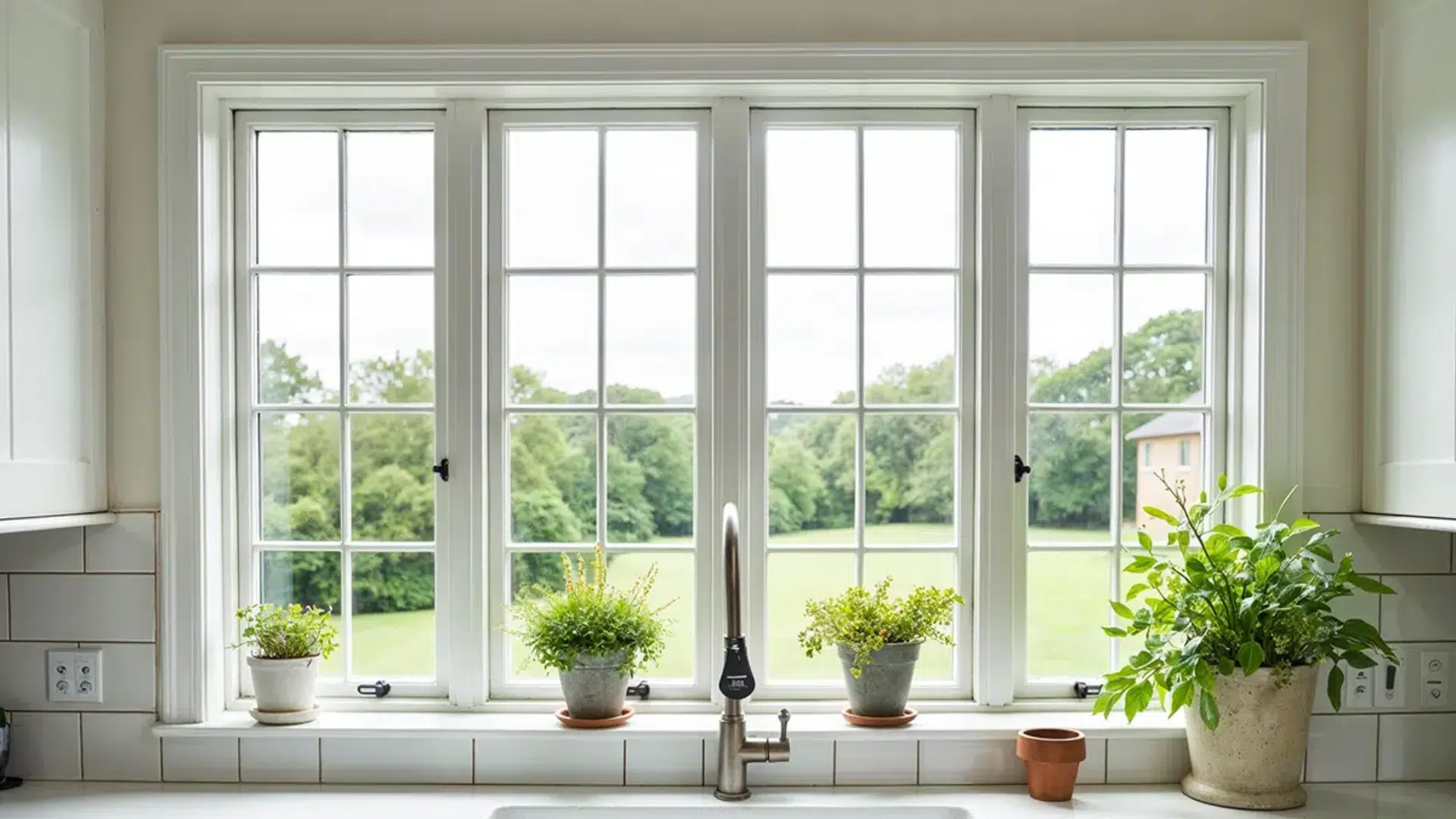
Casement windows usually range from 2 feet to 6 feet tall.
They open outward with a crank, which makes them great for airflow and hard-to-reach spots. Their slim frame allows more glass, so they’re useful in living rooms or bedrooms where natural light matters.
The height varies based on how much ventilation you want and how high furniture or counters sit.
They also fit narrow wall areas where wider windows may not work well, making them a flexible option.
2. Sliding Windows
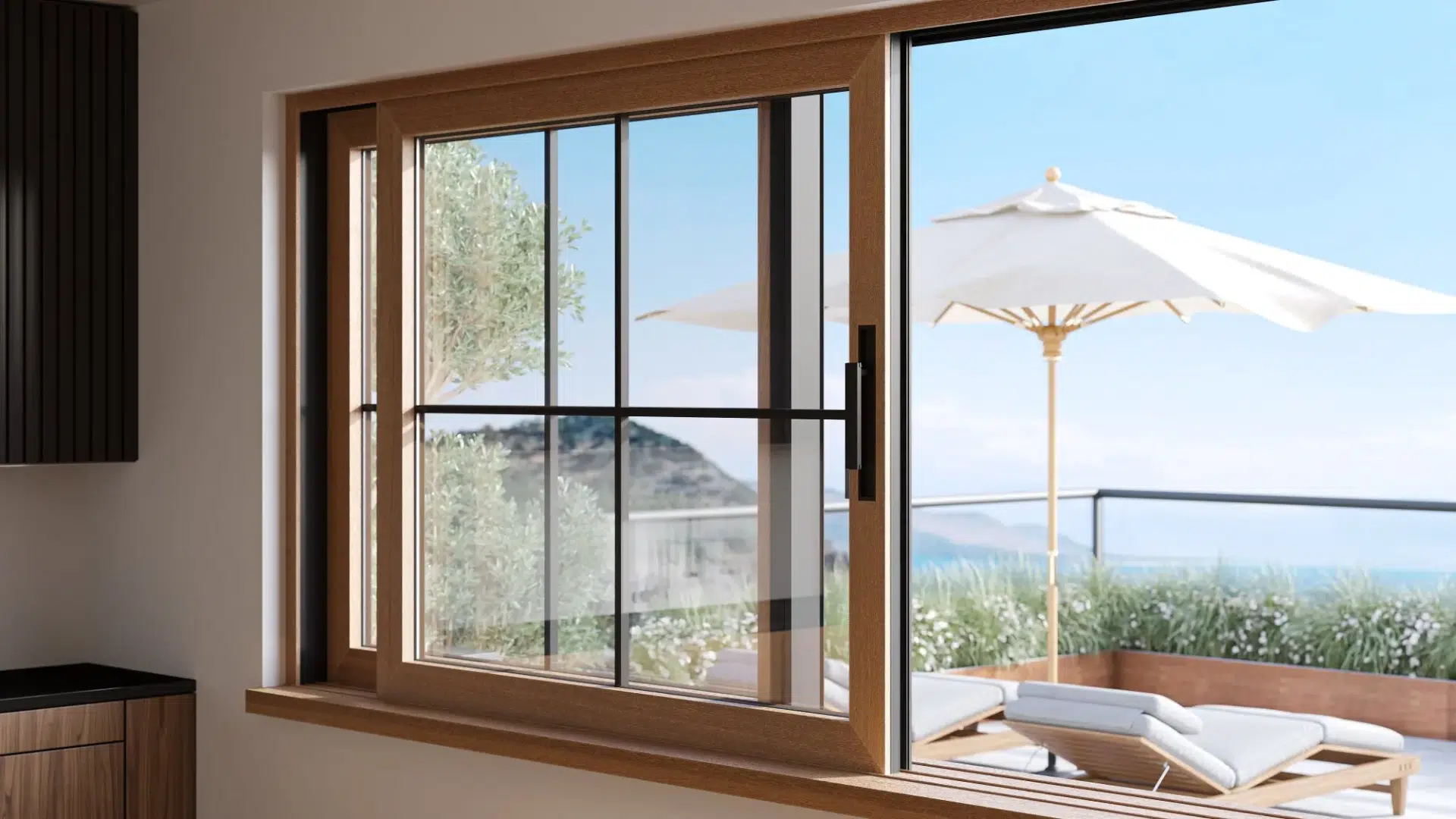
Sliding windows often fall between 2 feet and 5 feet in height. They open by gliding one panel over the other, which makes them easy to use in tight or busy spaces.
This style works well in rooms with wider walls since sliding windows focus more on width than height.
Their height changes based on the light you want and how the window frame sits on the wall. They’re also a good fit for modern layouts that need simple and clean lines.
3. Double-Hung Windows
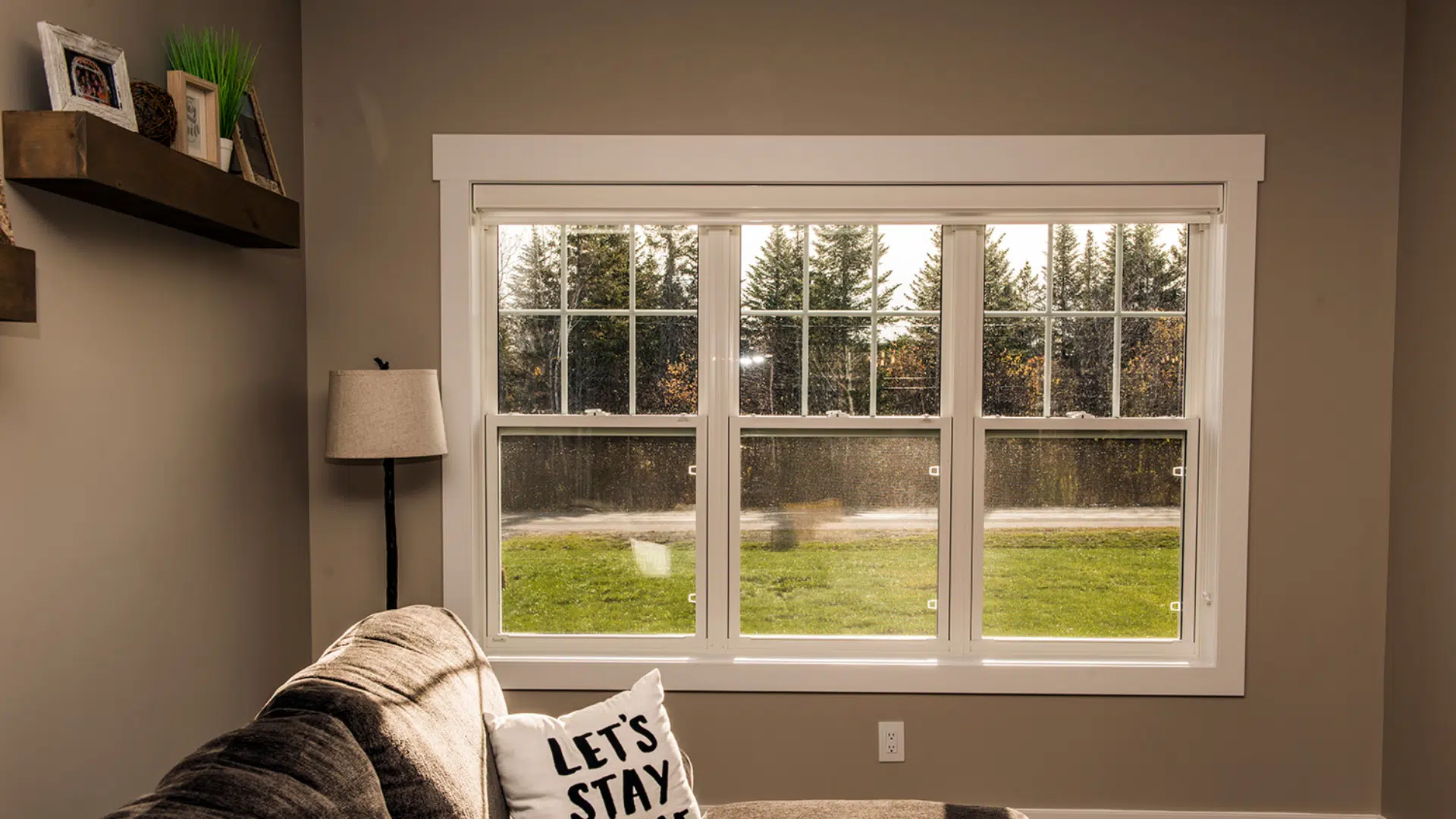
Double-hung windows typically measure 3 feet to 6 feet tall. Both sashes move up and down, giving you flexible airflow and easy cleaning.
Their balanced look works in bedrooms, hallways, and family spaces. The height varies based on ventilation needs and how the window aligns with outside views.
Many homes use them because they fit both classic and modern designs without much adjustment.
Their height and shape also make them a practical choice when you want good light without taking up too much wall space.
4. Picture Windows
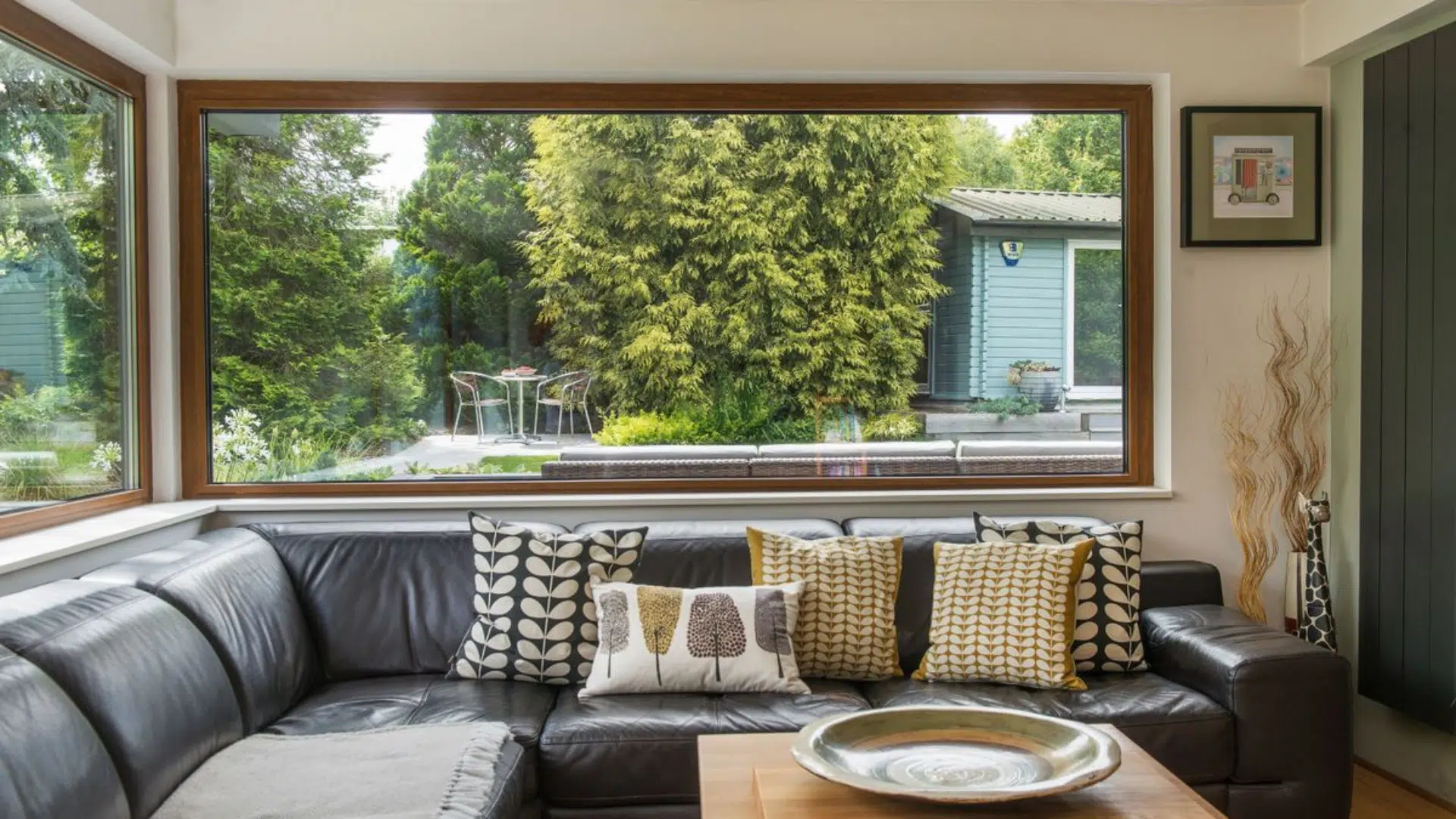
Picture windows usually range from 3 feet to 8 feet in height. They don’t open, but they offer wide and clear views, making them ideal for living rooms or dining areas.
Their height changes depending on the wall size and how much natural light you want inside.
Since they stay fixed, they work best in spots where you don’t need ventilation. They are also often paired with smaller windows around them to add airflow.
Picture windows help create an open feel while keeping the design simple and uncluttered.
5. Awning Windows
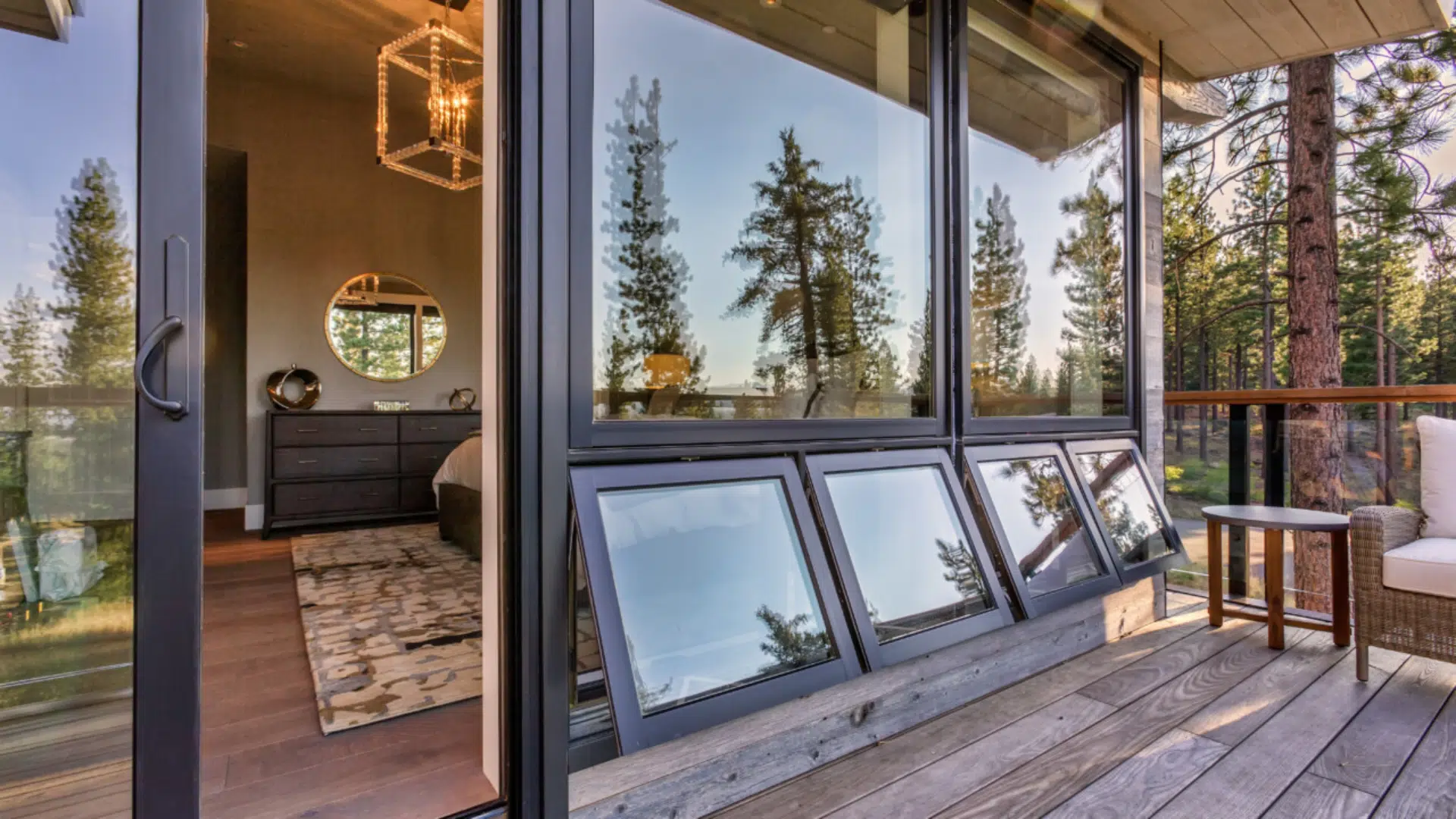
Awning windows often measure 1 foot to 3 feet in height. They hinge at the top and open outward, which helps keep rain out while still allowing airflow.
Their small height makes them useful above sinks, showers, or existing windows.
You’ll find them in bathrooms, kitchens, and basements where privacy and ventilation matter most. The height stays compact, so the window remains easy to reach and doesn’t crowd the wall.
Awning windows also work well when you need fresh air without opening a large window.
6. Basement Windows
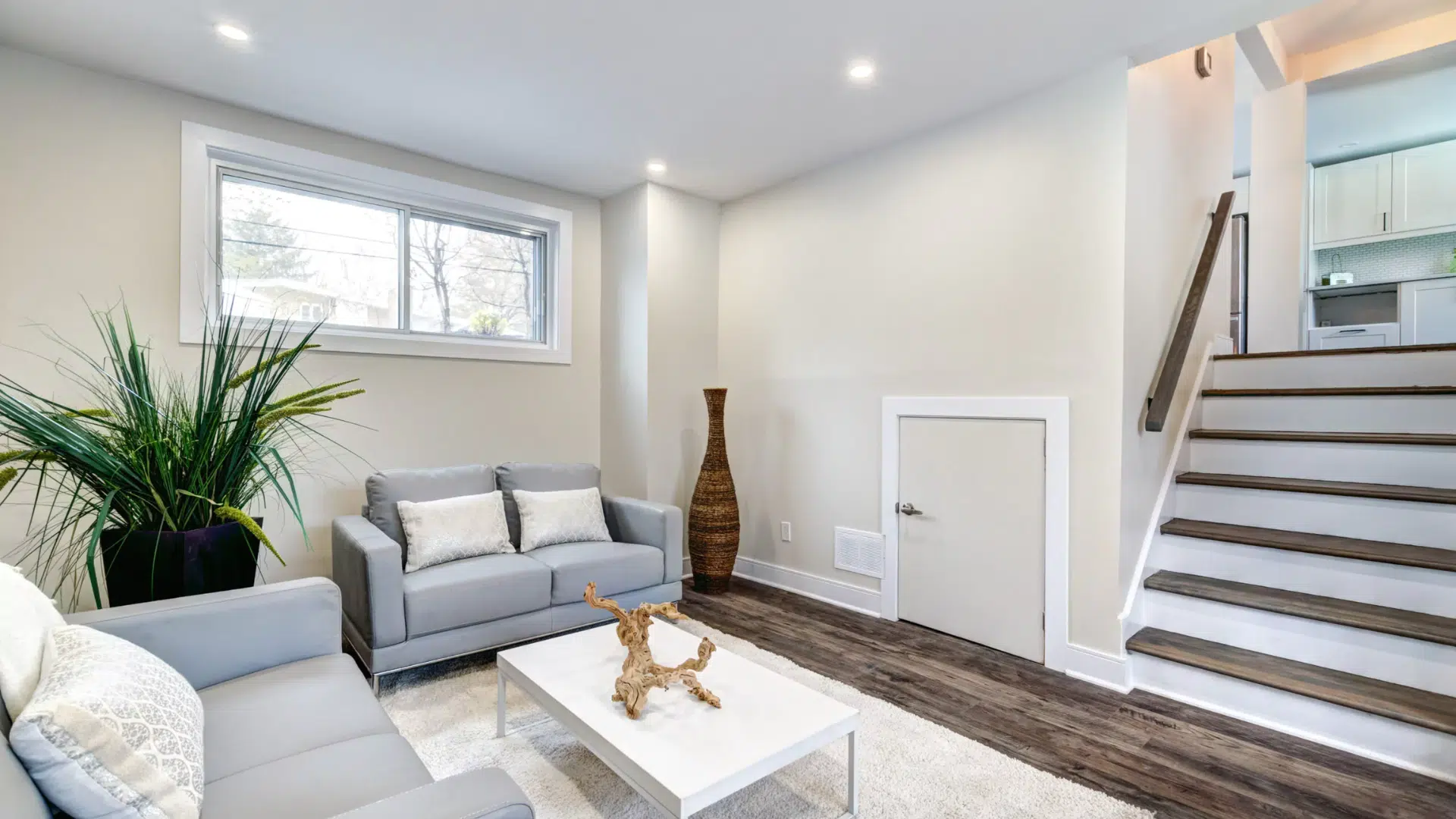
Basement windows usually measure 1 to 2 feet tall. They are smaller because basements sit partly underground, leaving limited wall space.
These windows focus on letting in natural light and meeting safety rules for emergency exits when required.
Their height depends on how deep the basement sits below ground and how much room is available above grade.
They work well in areas where you want light and ventilation but cannot fit larger styles. They also help manage moisture by improving airflow in lower-level spaces.
How to Measure Window Height Correctly?
Measuring window height is easy when you use the right tools and follow clear steps. This helps you avoid errors and choose a window that fits your space.
Tools You Need:
- Tape measure
- Notepad
- Pencil
- Level (optional)
1. Measure from Top to Bottom
Measure from the top of the window opening down to the sill. Take three measurements: one on the left, one in the center, and one on the right.
These numbers often differ because walls and frames can settle or shift over time.
Writing them all down helps you see if one side is slightly lower or tighter than the others.
This step also shows you how even the opening is, which matters when choosing a window that fits well without extra adjustments.
2. Use the Smallest Measurement
Look at the three measurements and select the smallest one. This ensures your new window will fit comfortably in the tightest part of the opening.
If you choose a larger number, the window may not slide into place or may require trimming that adds time and cost.
Using the smallest measurement gives you a safe, accurate height to work with. It also helps avoid pressure on the frame, which can cause damage or air leaks later on.
3. Measure Inside the Frame
If the window has trim or molding, ignore those areas and measure only the inside of the frame.
This interior space is the true opening where the window will sit. Trim can make the opening look bigger than it really is, which can lead to ordering a size that doesn’t fit.
Staying within the frame helps you avoid gaps, uneven installation, or the need for extra filler pieces.
This simple step ensures you’re working with the actual height needed for a proper fit.
4. Double-Check Your Numbers
Repeat all your measurements once more to make sure they match.
It’s easy to misread a tape measure or write down a number incorrectly, so a second check helps catch small mistakes.
Even a tiny error can leave you with a window that’s too tall or too short.
Taking a few extra minutes now can save you from delays, returns, or installation problems later. Accurate measurements make the rest of the project go much more smoothly.
Practical Tips for Choosing Window Height
Choosing the right window height becomes easier when you think about how the room works and what you need each day. These simple tips help you find a height that feels practical, comfortable, and safe.
- Match the window height to the room’s purpose so you get the right balance of light and privacy.
- Check local building codes to make sure the window meets safety rules, especially in bedrooms.
- Think about how much natural light you want during the day and where the sun hits the room.
- Look at nearby furniture to avoid blocking the window or limiting ventilation.
- Use manufacturer size charts to compare standard height options that fit your wall space.
- Plan for future layout changes that might affect how high or low the window should sit.
- Consider how the window height affects your indoor view and the view from outside.
Room-By-Room Window Height Guide
Each room in your home has different needs, so window height won’t be the same everywhere. Light, privacy, and layout all play a role in choosing the right size.
1. Living Room Window Heights
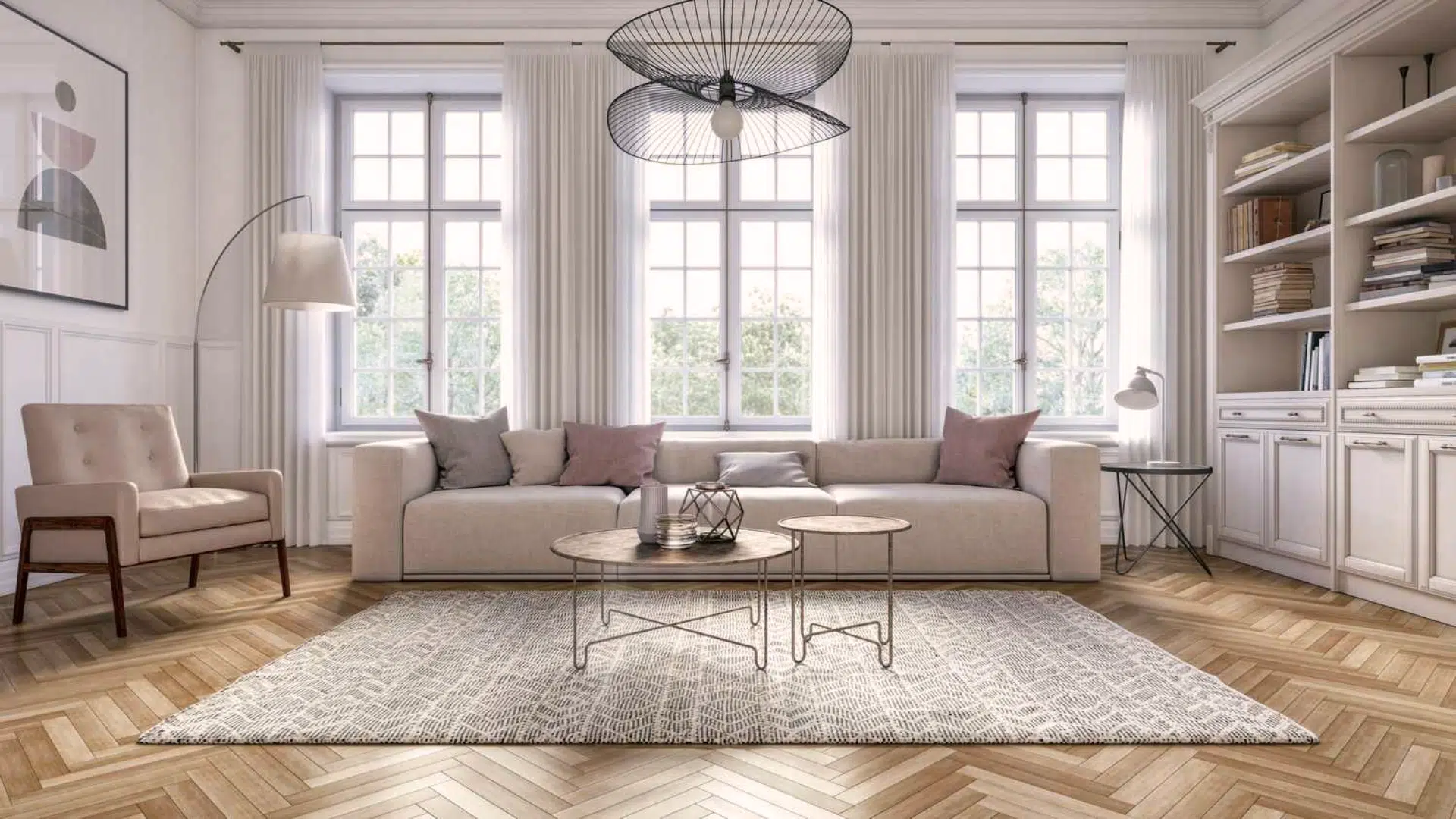
Living room windows often range from 4 feet to 8 feet in height. These taller sizes help bring in wide, bright light and create an open feeling.
The height you choose depends on how the room is arranged and where your furniture sits.
Many people place windows higher when they want space for sofas or shelves, while others use floor-to-ceiling styles for larger views.
The goal is to match the height with the amount of light and visibility you want in your main gathering area.
2. Bedroom Window Heights
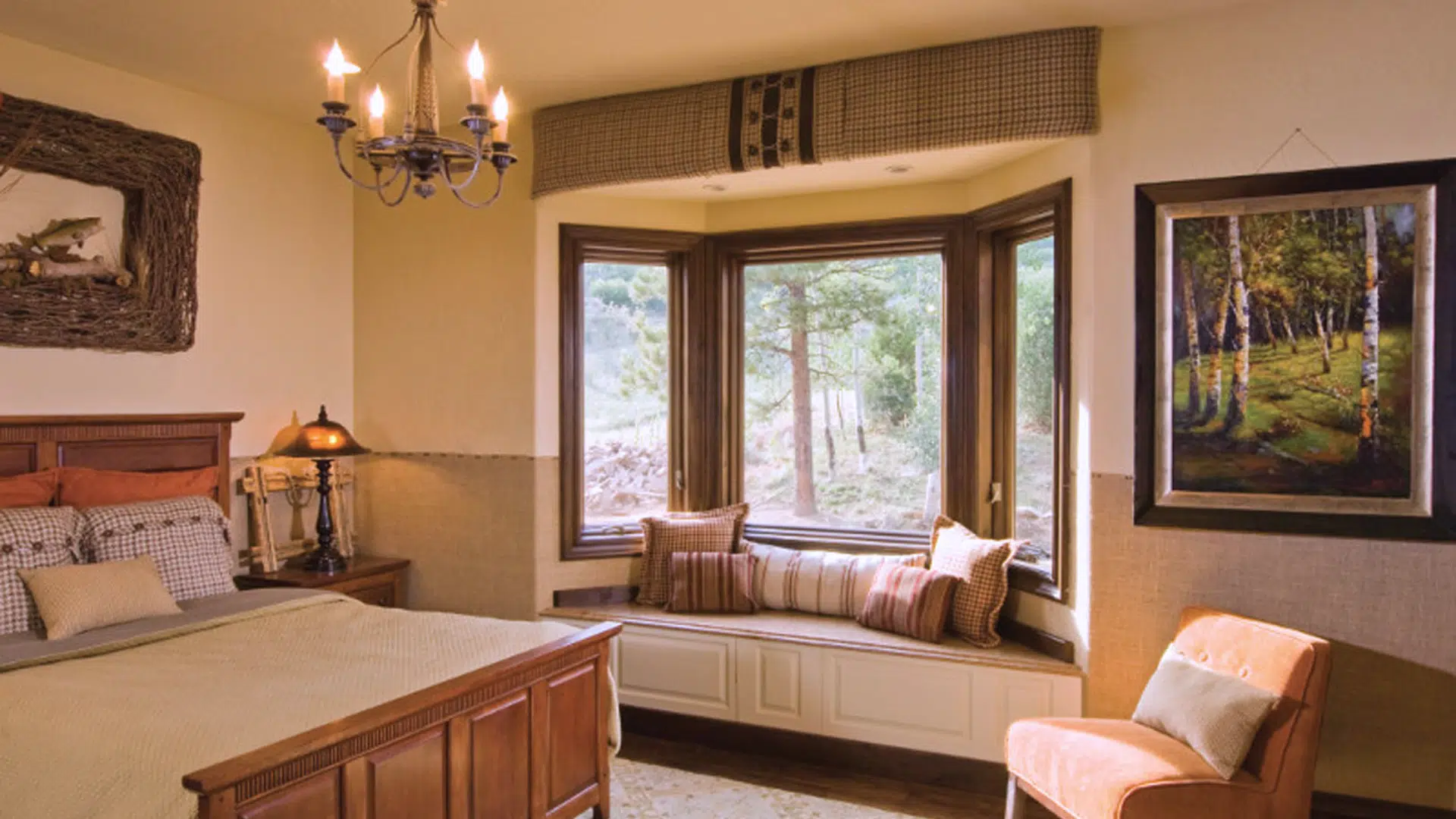
Bedroom windows usually fall between 3 feet and 6 feet tall. These heights help balance natural light with privacy, especially in rooms close to neighbors.
Many bedrooms also need windows low enough for emergency exits, which influences placement.
The height you choose depends on your bed’s location and how much morning light you prefer.
Some people select taller windows for a brighter space, while others choose shorter heights for more wall room. Bedrooms work best with window heights that support comfort and personal routine.
3. Kitchen Window Heights
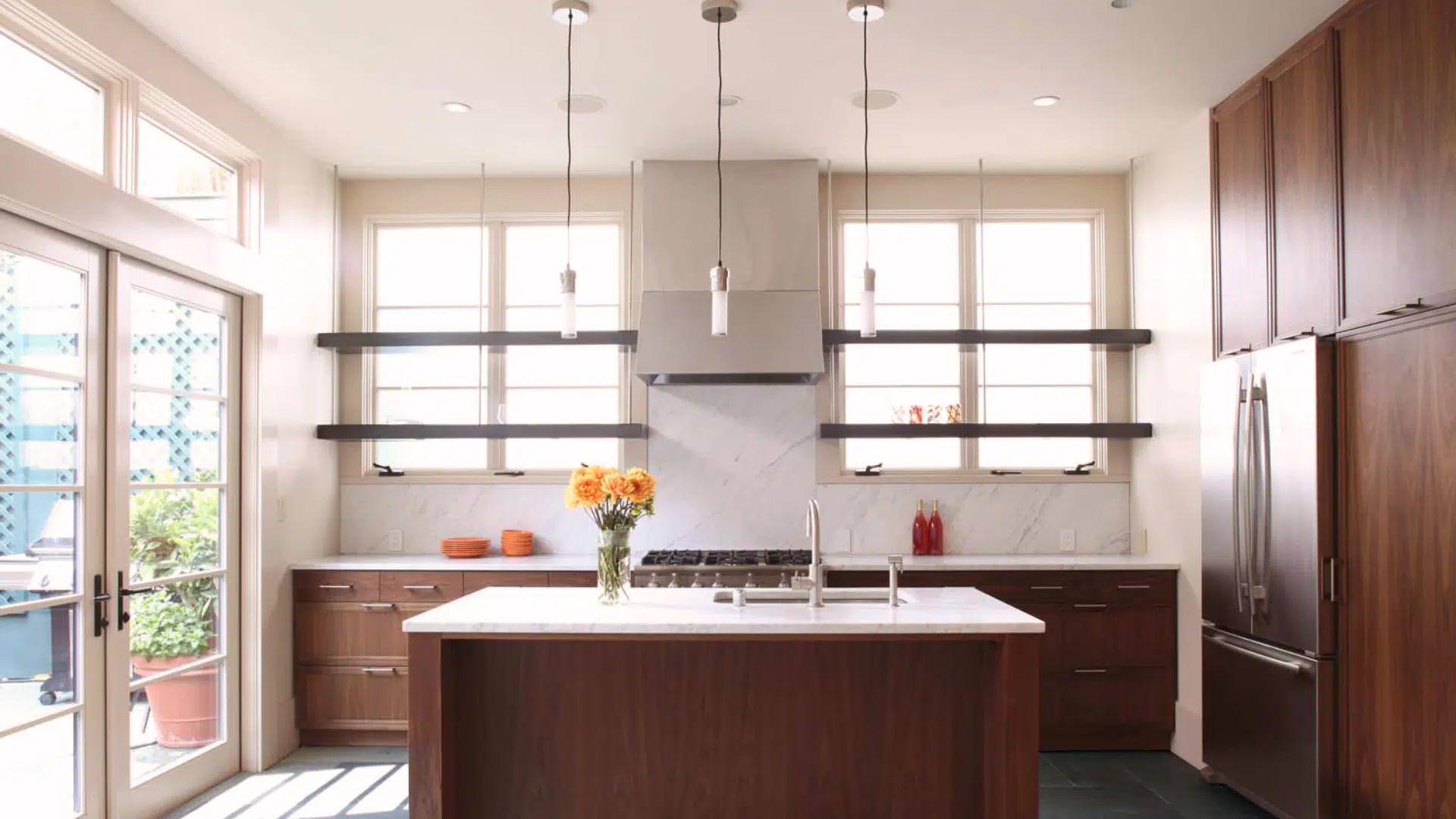
Kitchen windows often measure 2 feet to 4 feet in height. They’re typically placed above sinks or counters, so the height depends on your layout and cabinet design.
These smaller ranges help bring in light without blocking the working space.
Privacy matters if the kitchen faces a neighbor’s yard, which may change how high the window sits. Many kitchens use shorter windows to keep wall space free for storage.
The goal is to find a height that fits your setup while keeping the room bright and easy to use.
4. Bathroom Window Heights
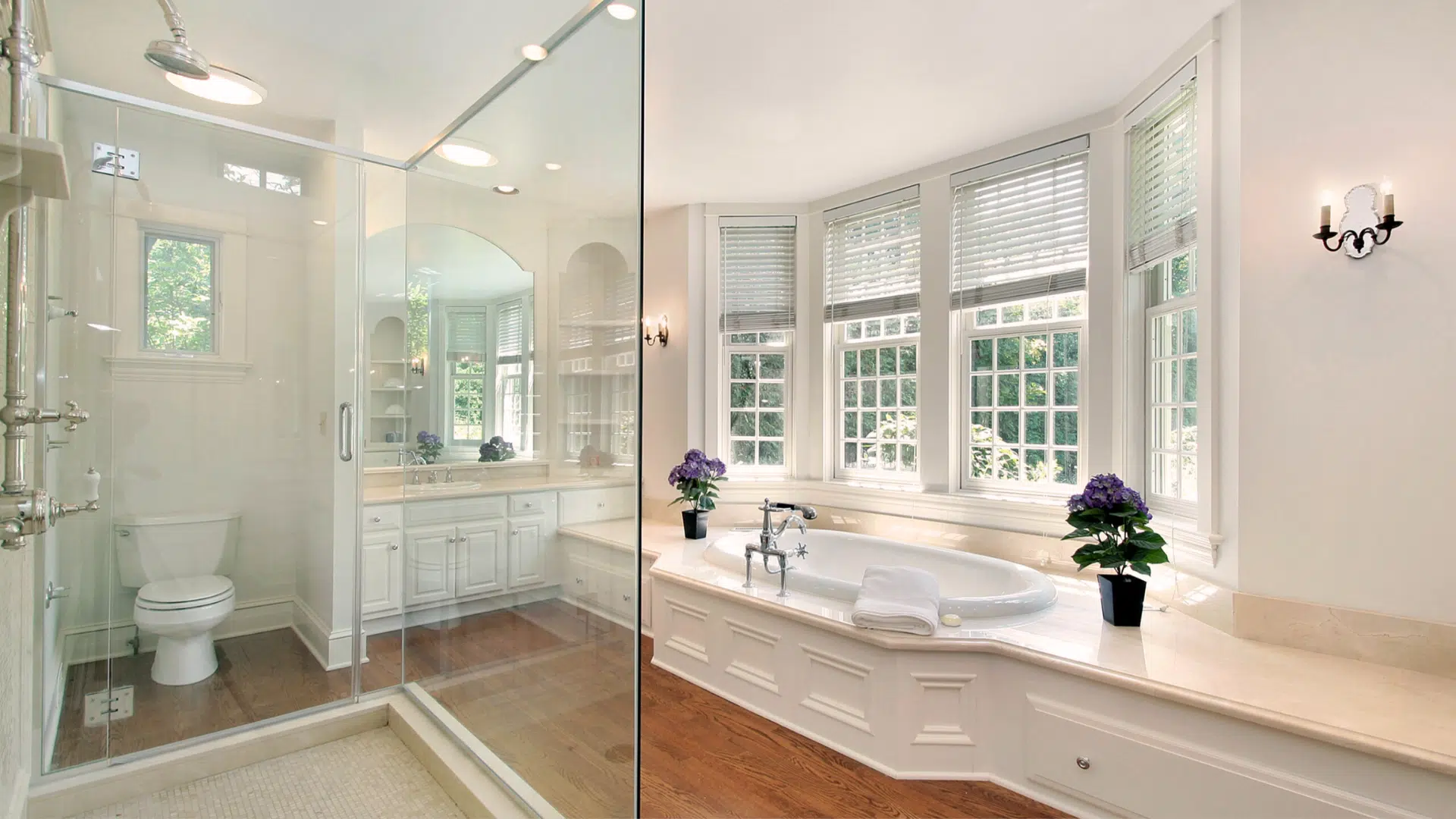
Bathroom windows usually range from 1.5 feet to 3 feet tall. Privacy is the main factor here, so windows are often placed higher on the wall.
These heights let in natural light without exposing the inside of the room.
Many bathrooms also use frosted or textured glass for extra coverage. The height depends on where the shower, tub, or vanity sits.
Smaller windows work well since ventilation fans handle airflow. The idea is to brighten the space while keeping it private and practical for everyday use.
Conclusion
Choosing the right window height doesn’t have to feel confusing, and now you have the basics to make the process easier.
You learned how standard heights work, why different window styles have their own ranges, and how each room calls for a slightly different approach.
You also saw how simple tools and careful measuring can help you avoid mistakes that lead to poor fits or extra work later.
As you plan your next update or renovation, use this guide as a reference to help you compare sizes, think through layout needs, and choose heights that make your home brighter and more comfortable.
With clear steps and practical tips, you can move forward feeling confident about the decisions you make and the spaces you’re creating.