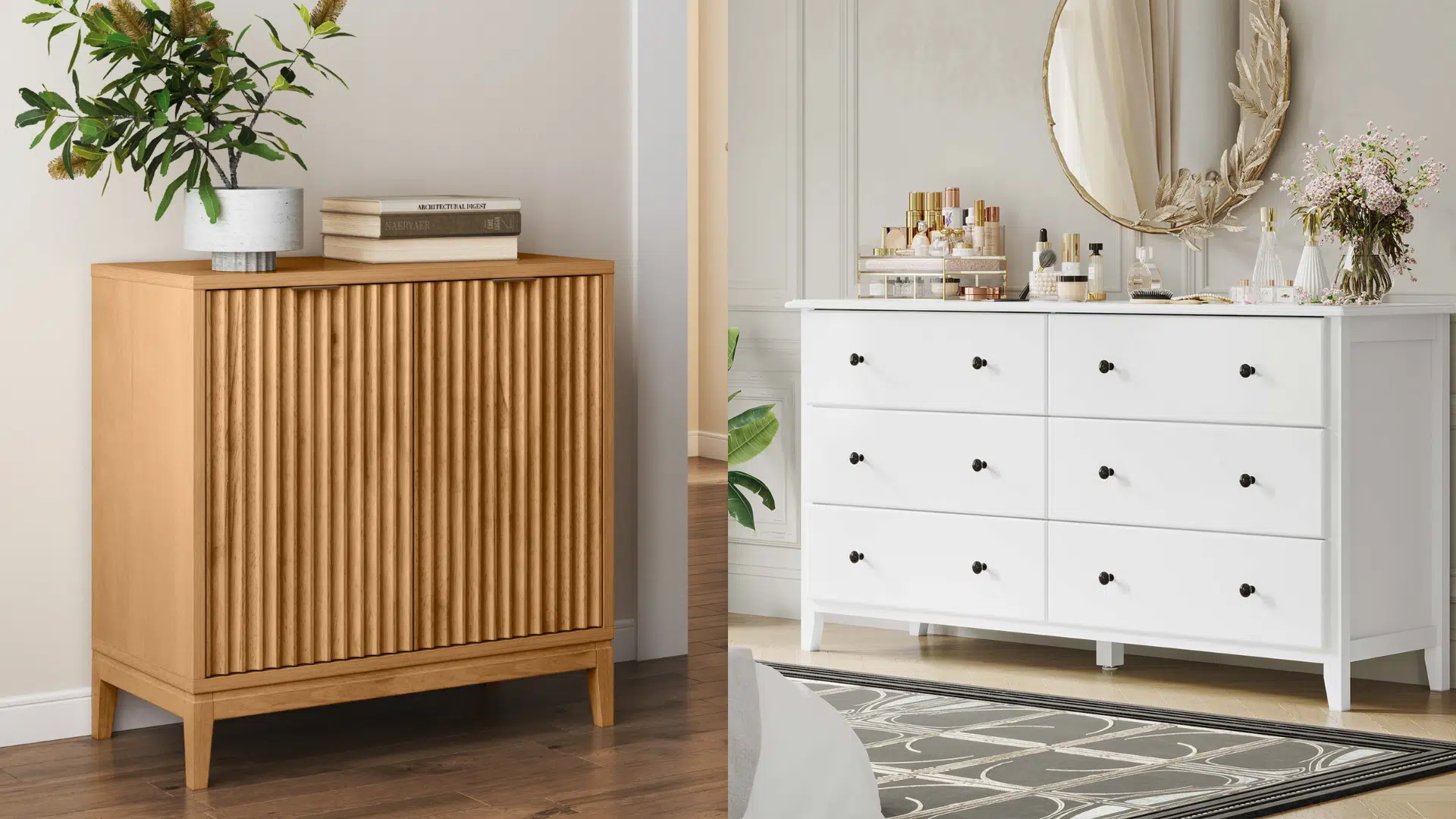

When I first started learning about interior design, I realized that furniture styles play a bigger role than I ever expected.
Each style tells its own story, influences the mood of a room, and helps shape the overall feel of a home.
Understanding these styles has made it so much easier for me to choose pieces that not only look good but also work well together.
Instead of guessing what might fit, I’ve learned how form, texture, materials, and design history all connect to create a balanced space.
In this guide, I want to break down the different furniture styles in a way that feels clear and approachable.
If someone loves clean, modern lines, bold Art Deco shapes, or airy Scandinavian simplicity, every style has distinct features that make it unique.
Understanding the Foundations of Interior Design
Understanding the foundations of interior design starts with knowing the core elements that shape how a space looks and feels.
Every room relies on line, shape, color, form, and texture, which work together to create structure and visual interest.
These elements guide how furniture is arranged, how colors flow from one area to another, and how different materials bring warmth or contrast.
Alongside these elements are principles like balance, rhythm, contrast, and proportion, which determine how well each part of the room relates to the whole.
When these principles are used purposefully, a space feels cohesive instead of random or cluttered.
Learning these basics makes it easier to choose furniture, decor, and layouts that feel natural and aligned with your style.
With a clear understanding of these foundations, you can design rooms that look polished, comfortable, and thoughtfully put together.
Popular Furniture Styles for Design Enthusiasts
Furniture styles vary widely in shape, material, and personality, and each one brings its own atmosphere. Let’s get a quick overview of what sets these styles apart.
1. Modern Furniture
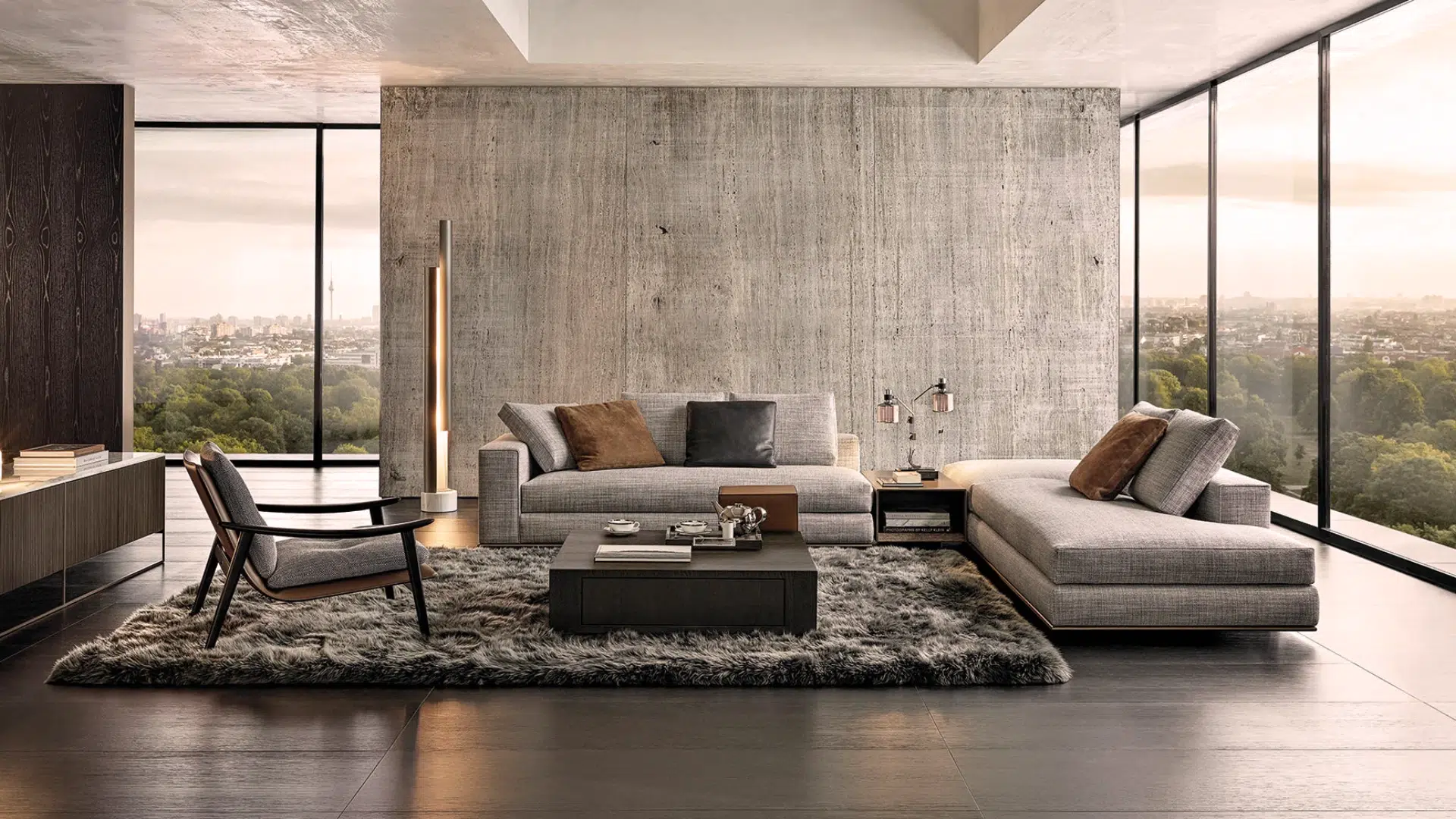
Modern furniture is defined by clean lines, simple silhouettes, and a strong focus on function.
This style avoids unnecessary ornamentation and instead highlights the natural beauty of materials like metal, glass, and smooth wood.
Colors often stay within neutral palettes, white, black, gray, and natural tones, which help create a calm, uncluttered look.
Modern furniture also emphasizes geometric shapes and open space, making rooms feel orderly and visually balanced.
2. Contemporary Style
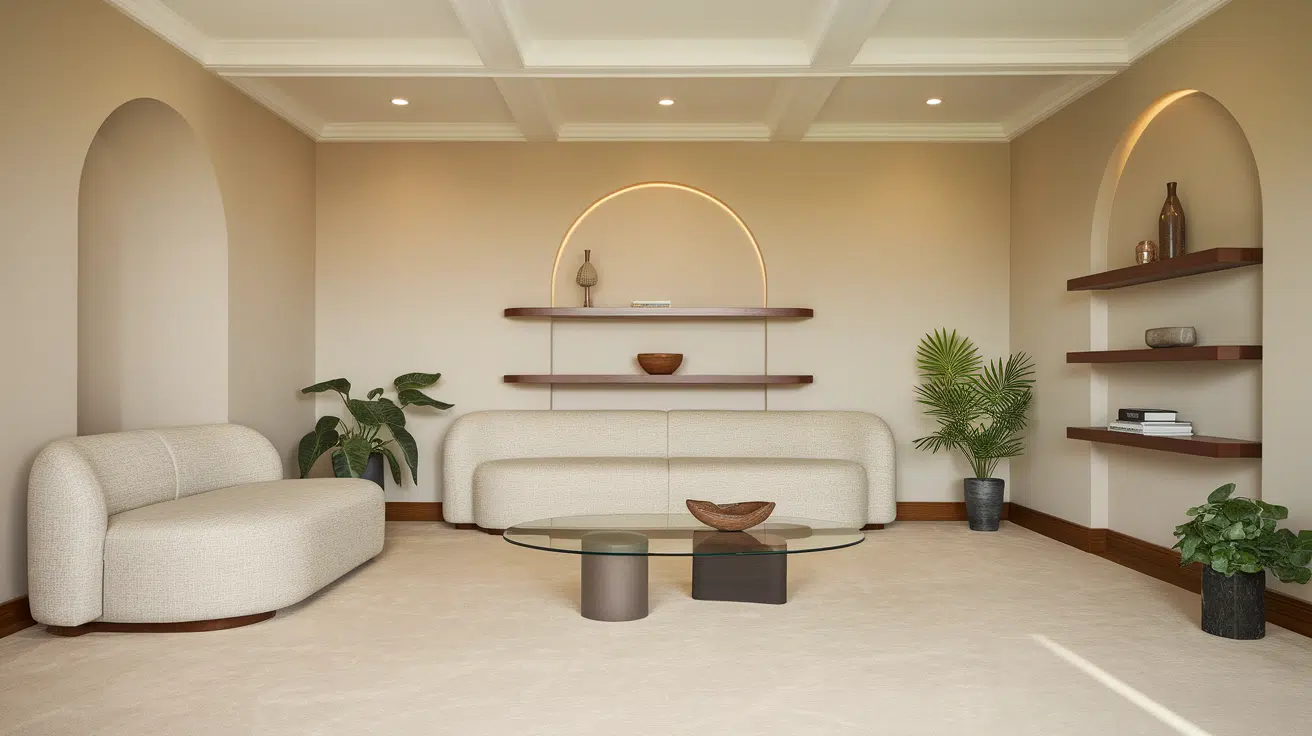
These reflect the design trends of today, making it more fluid and adaptable than other styles.
It blends soft curves, smooth surfaces, and refined detailing to create a look that feels fresh and current.
Its color palette often includes warm neutrals paired with subtle accent tones, creating a sophisticated but welcoming environment.
Materials like metal, wood, and glass are commonly used, often with matte or satin finishes.
3. Traditional Style
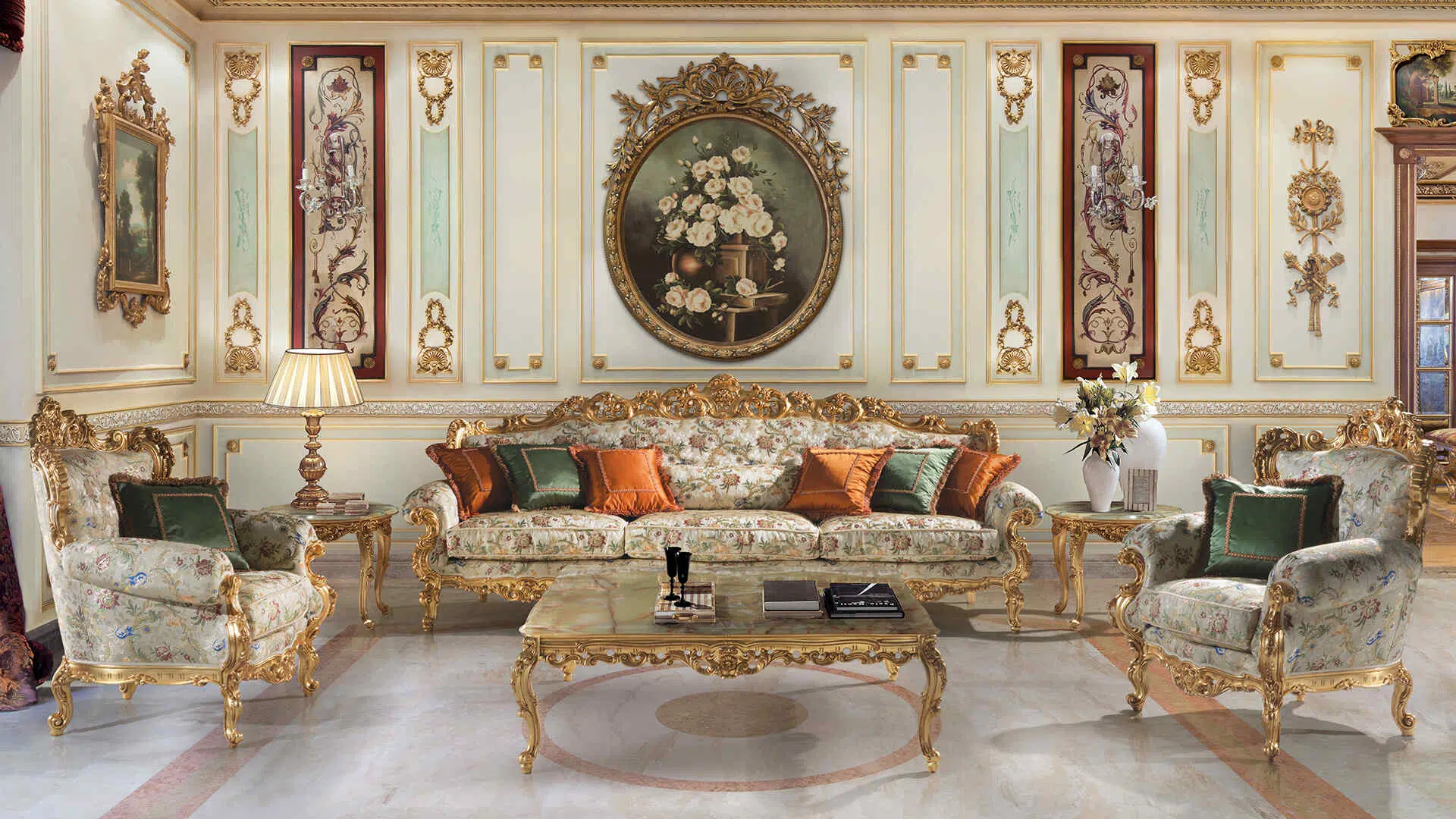
Traditional furniture is rooted in classic European design, featuring rich wood tones, ornate details, and beautiful silhouettes.
This style often features carved legs, curved arms, and upholstered cushions in luxurious fabrics.
Dark woods such as mahogany, cherry, and walnut play a central role, adding warmth and depth to a room.
The overall effect is timeless and refined, appealing to those who appreciate craftsmanship, classic design elements, and a sense of history in their interiors.
4. Mid-Century Modern
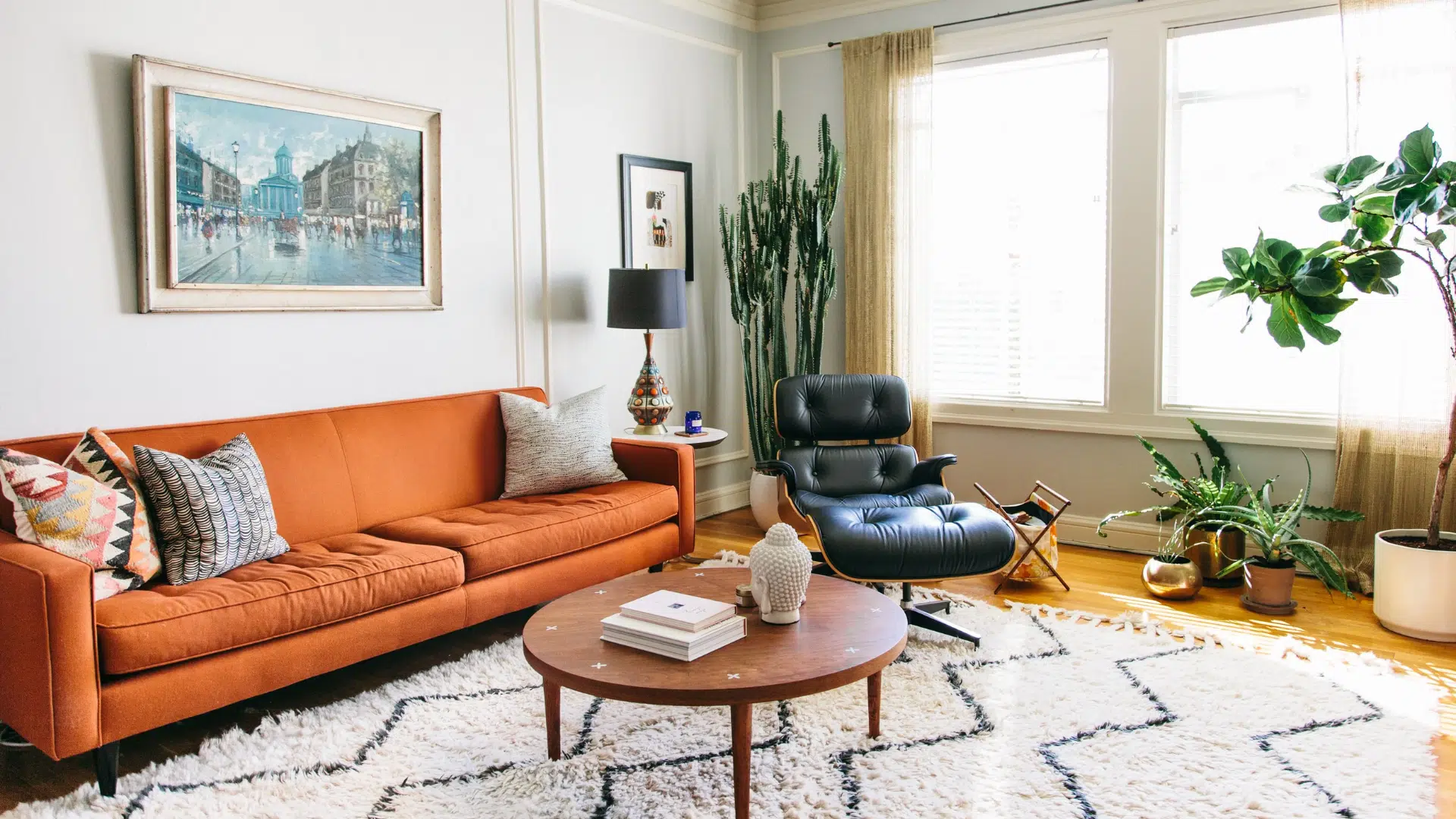
Mid-century modern furniture is celebrated for its clean forms, organic shapes, and iconic use of wood.
This style emerged in the mid-20th century and remains popular for its balance of simplicity and character.
Pieces often feature tapered legs, smooth curves, and a blend of natural materials, such as walnut, paired with bold colors or textured fabrics.
The emphasis on functionality and uncluttered forms makes it ideal for modern living spaces.
5. Rustic Lodge Style
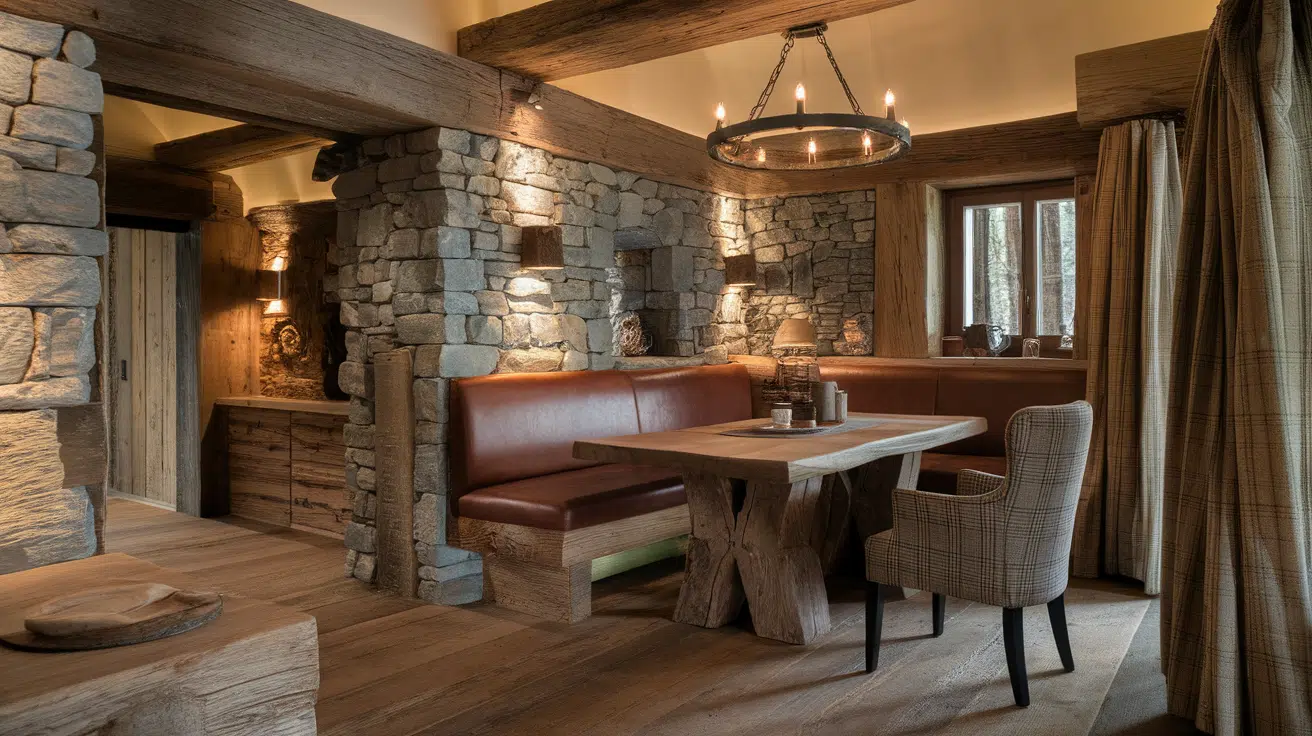
Rustic lodge furniture draws inspiration from nature, mountain cabins, and handcrafted design.
It features sturdy pieces made from raw or distressed wood, often highlighting natural knots, grain patterns, and imperfections.
The style embraces earthy tones, textured fabrics, and materials such as leather, stone, and iron.
Furniture tends to be substantial and rugged, creating a warm, grounded atmosphere. Cozy elements like plaid textiles and warm lighting enhance the lodge-inspired feel.
6. Minimalist Furniture
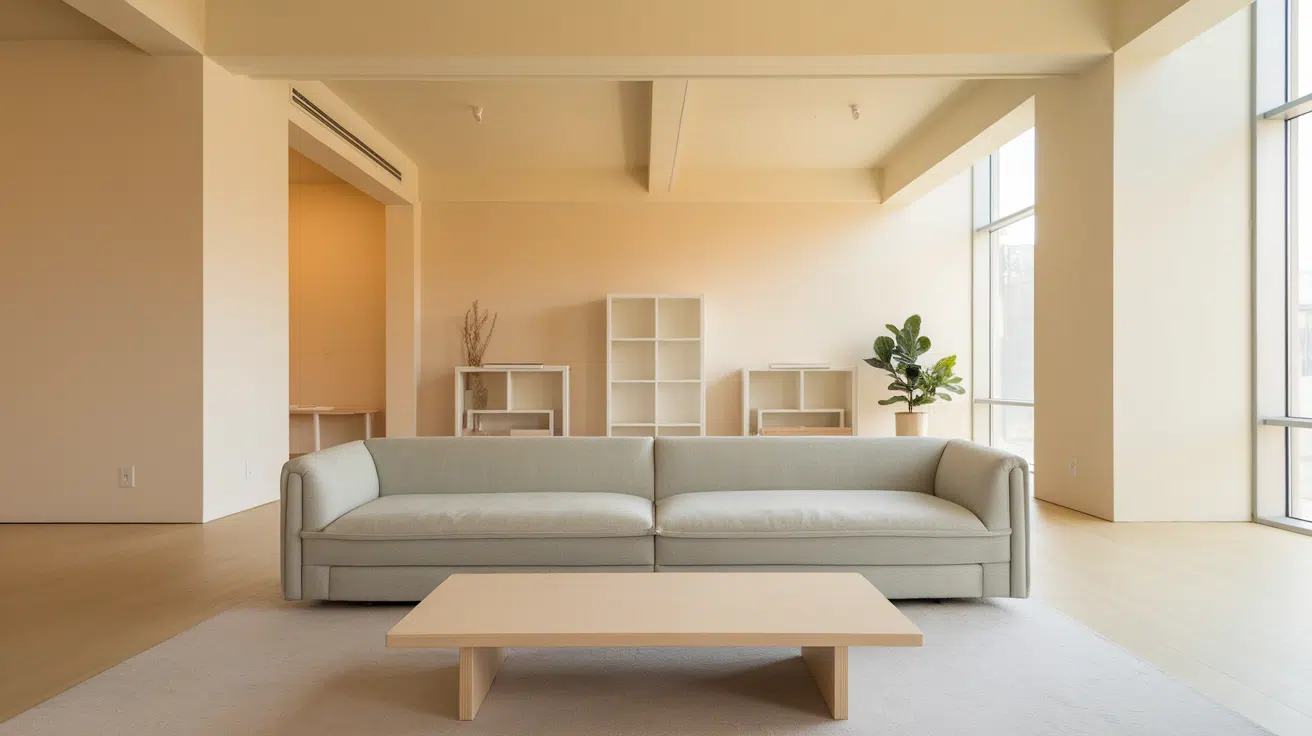
When I choose minimalist furniture, I focus on pieces that create a space that feels calm, open, and uncluttered.
This style removes anything unnecessary and highlights only what’s essential, which helps me create a room that feels peaceful and intentional.
I gravitate toward simple shapes, smooth surfaces, and neutral colors because they make the furniture blend naturally into the environment.
This style helps me create spaces that feel organized, breathable, and visually light.
7. Coastal Style
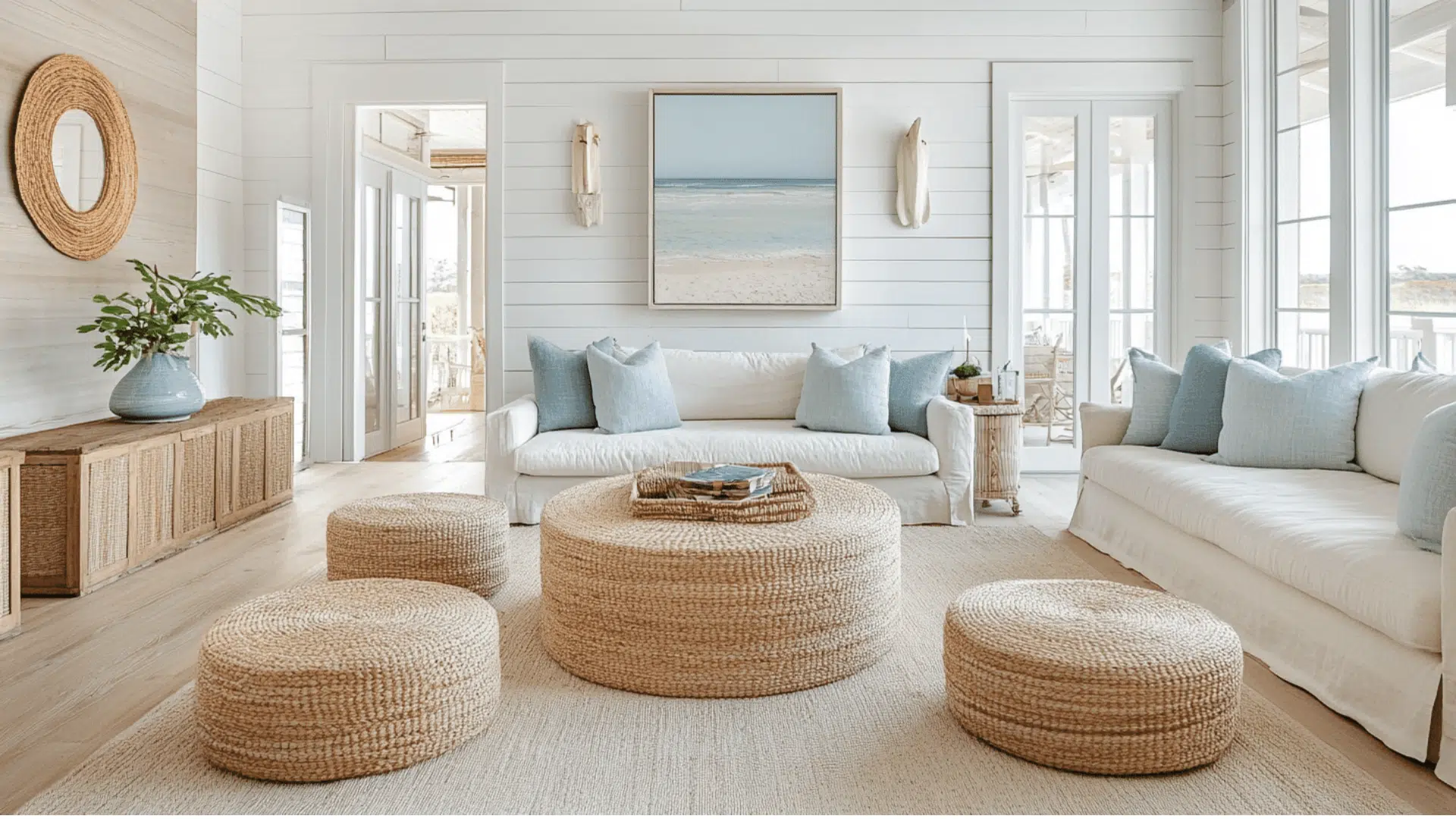
When I bring coastal-style furniture into a home, I aim to create a light and breezy atmosphere that feels connected to nature.
I love using pieces made from natural materials like rattan, light wood, and woven fibers because they instantly soften a room.
Soft blues, sandy tones, and crisp whites help me build a relaxed, beach-inspired palette that feels refreshing.
Coastal furniture also features simple silhouettes and easygoing textures that make a space feel open and inviting.
8. Vintage & Antique Furniture
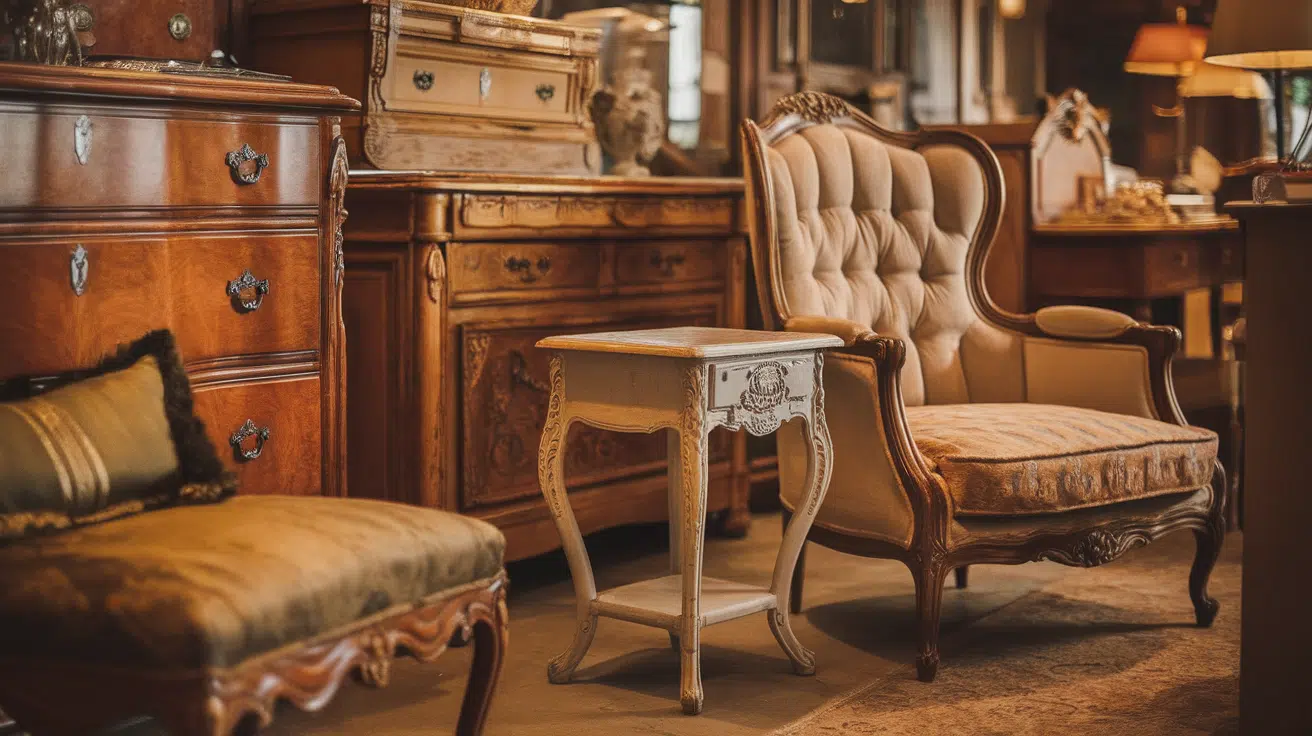
When I incorporate vintage or antique furniture into a room, I’m always drawn to the character and history these pieces carry.
Each item feels like it has a story, and that makes the space more meaningful and unique.
Whether it’s distressed wood, ornate carvings, or classic upholstery, these pieces add warmth and personality.
This style lets me celebrate nostalgia while still designing a functional, beautiful space that feels authentic and full of beauty.
Budget-Friendly Ways to Try New Styles
You don’t need a full room makeover to test a new furniture style. These simple, low-cost ideas help you experiment without committing to major changes.
- Start with small accent pieces like side tables, stools, or lamps to introduce a new style.
- Swap in new textiles, pillows, throws, or rugs to capture the look without buying big furniture.
- Use affordable décor such as artwork, baskets, or vases that match the style you’re exploring.
- Shop secondhand or thrift stores to find unique pieces at a fraction of the cost.
- Try DIY upgrades like repainting or refinishing old furniture to mimic a different design style.
- Mix one new item with your existing furniture to see how well the style blends before investing more.
- Rearrange your current pieces to create a fresh layout that reflects the style you want to test.
Scale and Proportion in Furniture Selection
Scale and proportion shape how furniture fits and feels in a room, and getting them right can transform the space.
When pieces are too large, they overwhelm the layout, but when they’re too small, the room can feel empty or unbalanced.
The goal is to choose furniture that matches the size of the room and relates well to the other items around it.
This includes paying attention to seat height, table width, and how much visual weight each piece carries. Larger rooms can handle bulkier furniture, while smaller spaces benefit from lighter, slimmer silhouettes.
Keeping proportional relationships consistent helps the room feel natural and comfortable.
When every piece works together in scale, the overall design feels intentional, balanced, and easy to move through.
Common Furniture Style Mistakes to Avoid
These mistakes are easy to make when choosing or mixing furniture styles. Avoiding them helps your space feel balanced, intentional, and visually consistent.
- Choosing pieces from too many styles makes the room feel scattered instead of cohesive.
- Ignoring scale and buying items that are too large or too small for the space.
- Picking furniture only for looks without considering comfort or function.
- Mixing materials or finishes that clash instead of complementing each other.
- Using colors that don’t match the overall style or mood of the room.
- Filling the room with too many statement pieces instead of letting a few shine.
- Forgetting about layout, leaving the room feeling crowded or poorly arranged.
Conclusion
Choosing the right furniture style becomes much easier once you understand how shapes, materials, and design principles work together to influence a room.
When you know what defines each style, you can pick pieces that truly fit your home instead of guessing and hoping they work.
Whether you prefer clean modern lines, classic traditional details, or a mix of old and new, the best spaces are the ones that feel intentional and comfortable.
As you find different styles, remember that your home should reflect how you live and what makes you feel at ease.
Start with small changes, pay attention to balance, and trust your eye as it develops.
I’d love to hear how you approach furniture style in your own home. Share your thoughts or experiences in the comments below.