Ever stepped into a room and felt something was “off,” even when everything in it looked stylish? That uneasy feeling often comes down to scale in interior design.
Scale controls how the size of furniture, decor, and the room itself work together.
When the scale is wrong, even beautiful pieces can feel out of place or too heavy for the space. It’s a quiet design rule, but it shapes how comfortable a room feels the moment you walk in.
When each item fits the space well, the room feels balanced, clear, and easy to take in.
This blog breaks down what scale means, why it matters, and how choosing the right sizes can help you create a calm, well-designed room that feels natural and welcoming.
What Scale and Proportion Mean in Interior Design?
Scale and proportion are two basic ideas that help a room look balanced and feel comfortable.
Scale refers to the size of an item compared to the room it sits in. A sofa, table, or lamp should make sense with the height, width, and layout of the space.
Proportion looks at how items relate to each other.
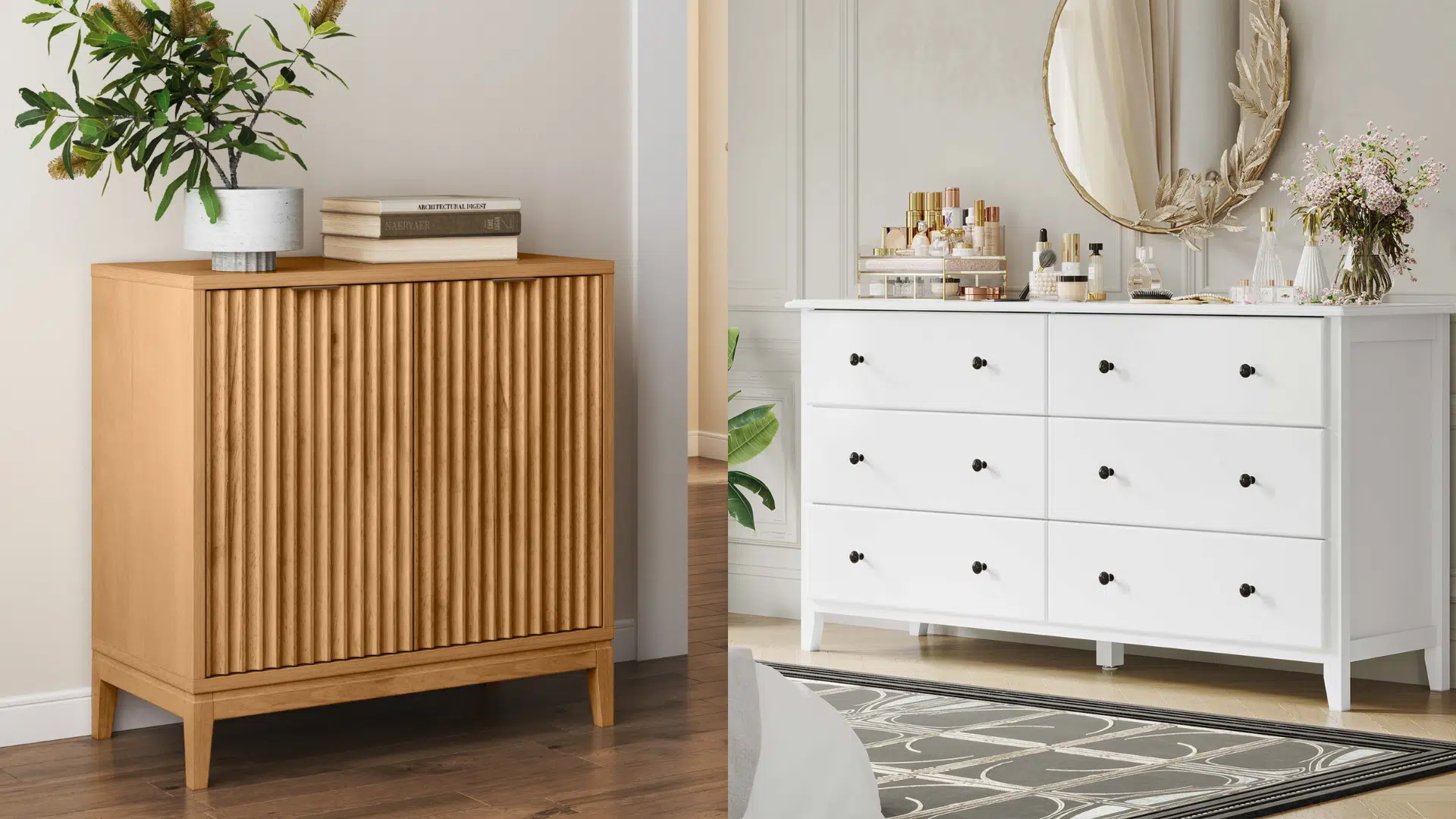
For example, a small side table next to a very large chair may feel mismatched because their sizes don’t work together.
When both scale and proportion are used well, a room feels steady and easy to move through. You can spot problems when something looks too large, too small, or out of place next to other pieces.
Learning these ideas makes it easier to choose furniture and decor that fit the room and support a simple, organized look.
Why Scale and Proportion Matter in a Room?
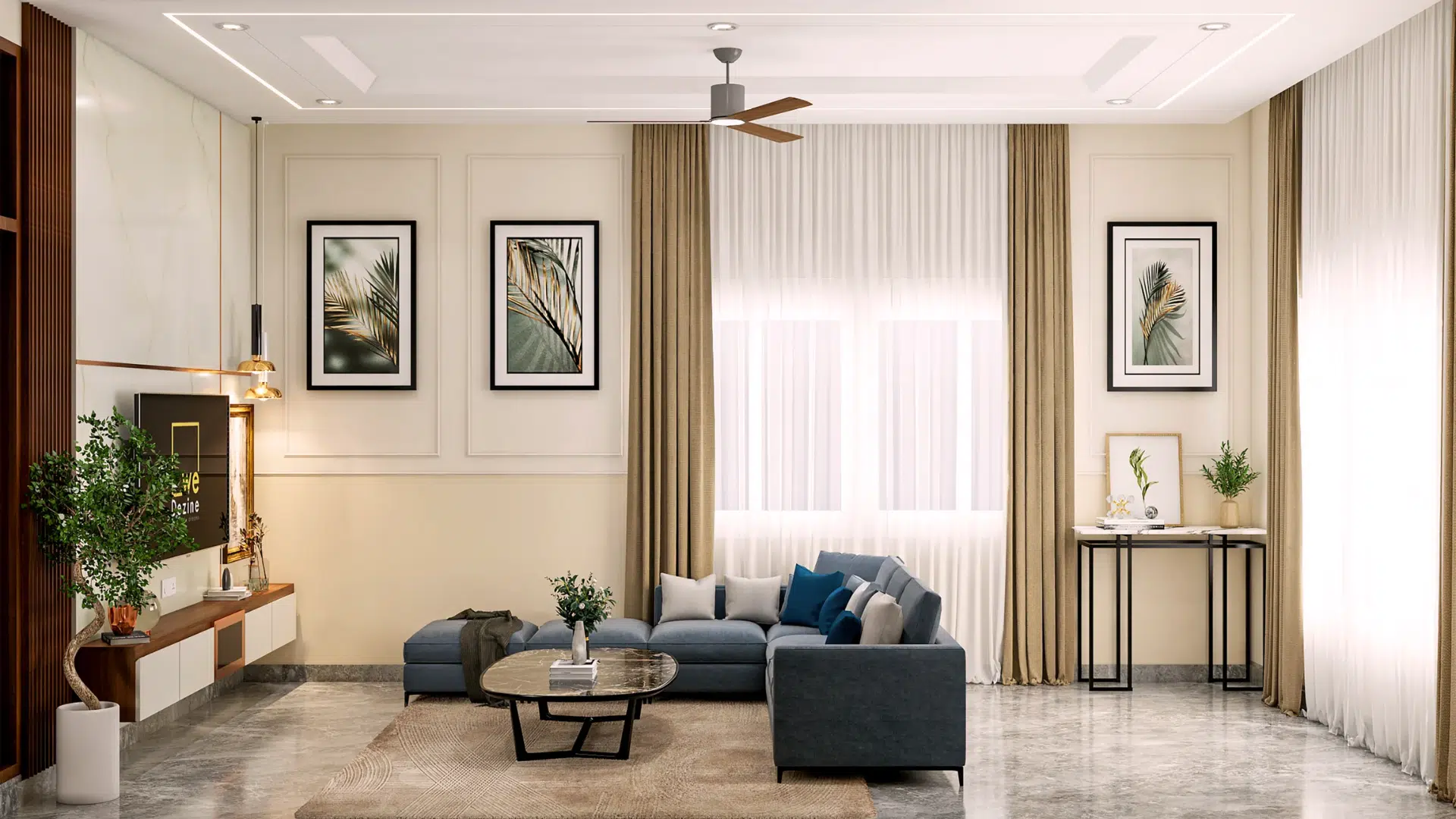
These ideas help a room stay balanced and simple to use. They guide how items fit the space and relate to one another.
1. Scale Sets the Visual Balance
Scale shapes how each item fits the room, which affects how comfortable the space feels.
When furniture is too large, the room can feel tight and hard to move through.
When pieces are too small, the room may look unfinished or out of place. A good scale helps each item sit naturally in the layout.
It also creates a steady look that makes the room feel easy to understand as soon as you walk in.
2. Proportion Creates Harmony Between Pieces
Proportion focuses on how items relate in size to one another. When pieces match well, the room feels calm and organized.
A large sofa with tiny lamps or a small rug under a big table can make the space feel uneven.
A good proportion allows the eye to move smoothly across the room without sudden jumps. It also helps each piece work with the others instead of competing, creating a layout that feels natural and balanced.
3. Good Scale Improves How You Use the Space
Proper scale makes everyday use of a room easier and more comfortable.
When furniture fits well, you can walk, sit, and move without feeling squeezed or blocked. It prevents narrow pathways and awkward gaps that disrupt how you use the space.
A good scale also helps define clear zones, making each area simple to understand and practical for daily routines.
A room with the right scale supports relaxing, working, or gathering without creating stress or confusion.
4. Proportion Helps Create Clear Focal Points
Proportion guides how the eye moves through a room by showing which items should stand out.
When the main piece, like a sofa or bed, matches the space, it becomes a natural focal point. If something is too big or too small, the eye jumps around, and the room feels unsteady.
A good proportion helps every supporting piece work with the focal point instead of distracting from it.
This creates a clear visual flow that feels organized and easy to follow.
5. Balanced Scale Reduces Visual Clutter
A balanced scale helps the room look clean and calm, even when it has many pieces.
Oversized or undersized items can create visual clutter because they draw attention for the wrong reasons.
When pieces fit the room well, everything looks like it belongs, which makes the space feel more open and peaceful. A good scale also helps highlight the parts of the design you like most without overwhelming the eye.
This leads to a smoother, more comfortable visual experience overall.
How to Apply Proportion for Better Balance?
Applying proportion in interior design means choosing items that work well together in size so the room feels steady and comfortable.
Start by comparing the heights and widths of the main pieces, like the sofa, chairs, and tables.
Each item should look like it belongs next to the others instead of feeling too large or too small. A good rule is to keep related pieces within a similar visual range so nothing stands out in an awkward way.
Check the proportions of decor as well, including lamps, rugs, and wall art.
A rug that is too tiny under a large sofa or artwork that looks lost on a big wall can disrupt the balance.
When proportions match, the eye moves smoothly across the room, and the space feels organized and easy to understand.
Simple Ways to Use a Scale in Your Home
These ideas help you choose sizes that fit your space well. They also make each room feel clear, steady, and comfortable.
1. Match Furniture Size to Room Size
Choose furniture that fits the room’s overall size. Large rooms can handle bigger sofas, wide tables, and tall shelves.
Smaller rooms need pieces that feel lighter and leave open pathways.
When furniture matches the room’s scale, the space feels balanced and easy to use. It also prevents the room from feeling cramped or empty.
Start by measuring the floor area and ceiling height, then pick pieces that sit comfortably within those limits without overwhelming the layout.
2. Use Rugs that Anchor the Space
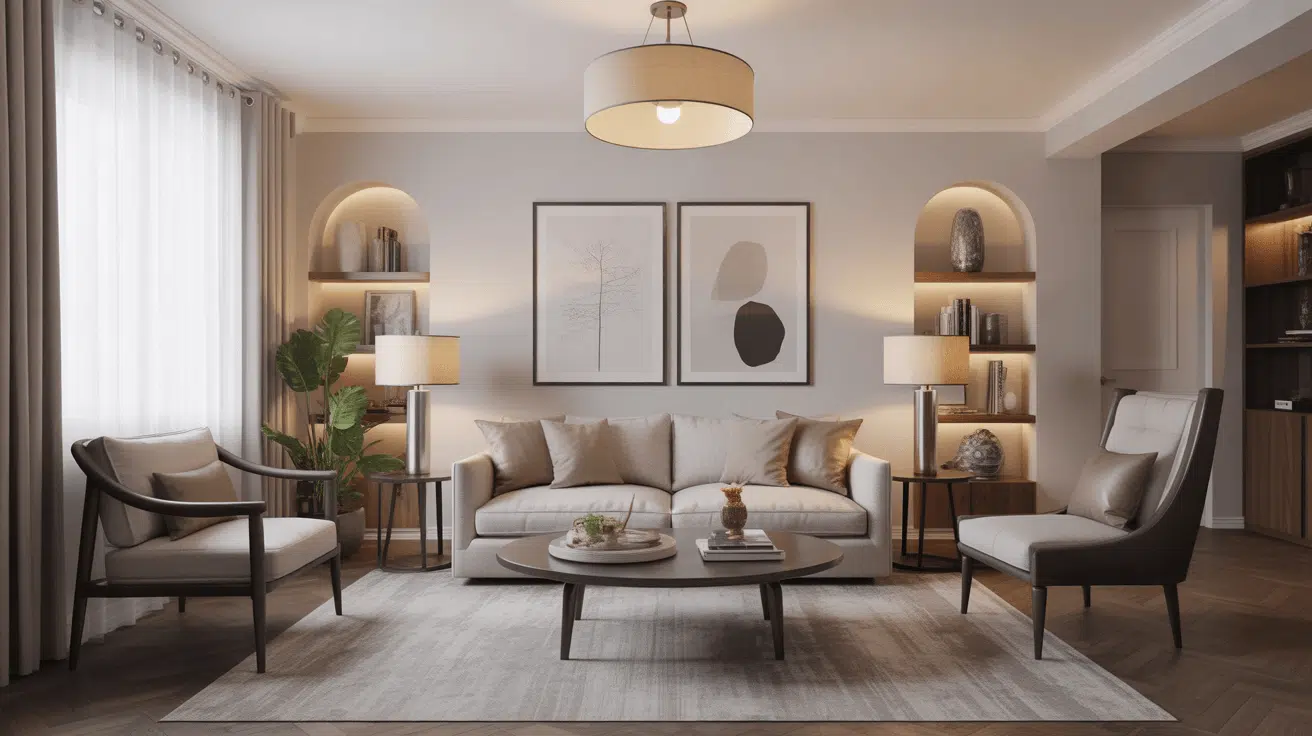
A rug affects how the room feels because it sets a clear base for the furniture. Pick a rug that reaches under the front legs of the sofa and chairs so everything feels connected.
A rug that is too small can make the room look scattered, while one that fits well pulls the layout together.
A good rug scale helps define each zone, supports movement, and gives the room a steady, organized look that feels natural.
3. Choose Lighting that Fits the Room
Lighting needs the right scale to look balanced. A small lamp on a large table can seem lost, while an oversized pendant in a tight room can feel heavy.
Match the height and size of each light to the area it serves.
For dining tables, choose a fixture that is about half to two-thirds the table’s width. In living spaces, select lamps that line up with the height of nearby furniture.
A proper scale keeps the lighting useful and visually steady.
4. Keep Wall Art in the Right Range
Wall art needs to match both the wall and the furniture beneath it.
A tiny frame over a large sofa can look out of place, while art that is too big can overwhelm the room.
Aim for pieces that take up about two-thirds of the width of the furniture they sit above. This creates a clear visual connection and keeps the wall from looking too empty or too busy.
A good scale helps the art feel grounded and easy to understand.
5. Balance Large and Small Decor Pieces
Mixing decor of different sizes makes a room feel more natural, but the pieces need to work together.
Combine one larger item with a few medium or small pieces instead of grouping many tiny objects. This creates a balanced look that avoids clutter.
Spread sizes evenly across the room so one side does not feel heavier.
Using scale wisely helps each item feel intentional and keeps the space looking clean, steady, and visually simple.
Tips to Match Furniture Size to Your Space
These tips help you pick furniture that fits your space and keeps the room looking balanced, open, and simple to move through.
- Measure the room before buying so you know the real floor space.
- Check ceiling height to avoid furniture that feels too tall or too short.
- Leave enough walking space around sofas, tables, and beds.
- Pick sofas and chairs that match the width and length of the room.
- Choose tables that fit the seating area without blocking pathways.
- Use slimmer pieces in small rooms to keep the layout open.
- In larger rooms, choose wider or taller furniture to avoid empty areas.
- Make sure storage pieces fit well without crowding corners or doorways.
- Test the scale by marking measurements on the floor with tape before buying.
How to Mix Large and Small Decor Pieces?
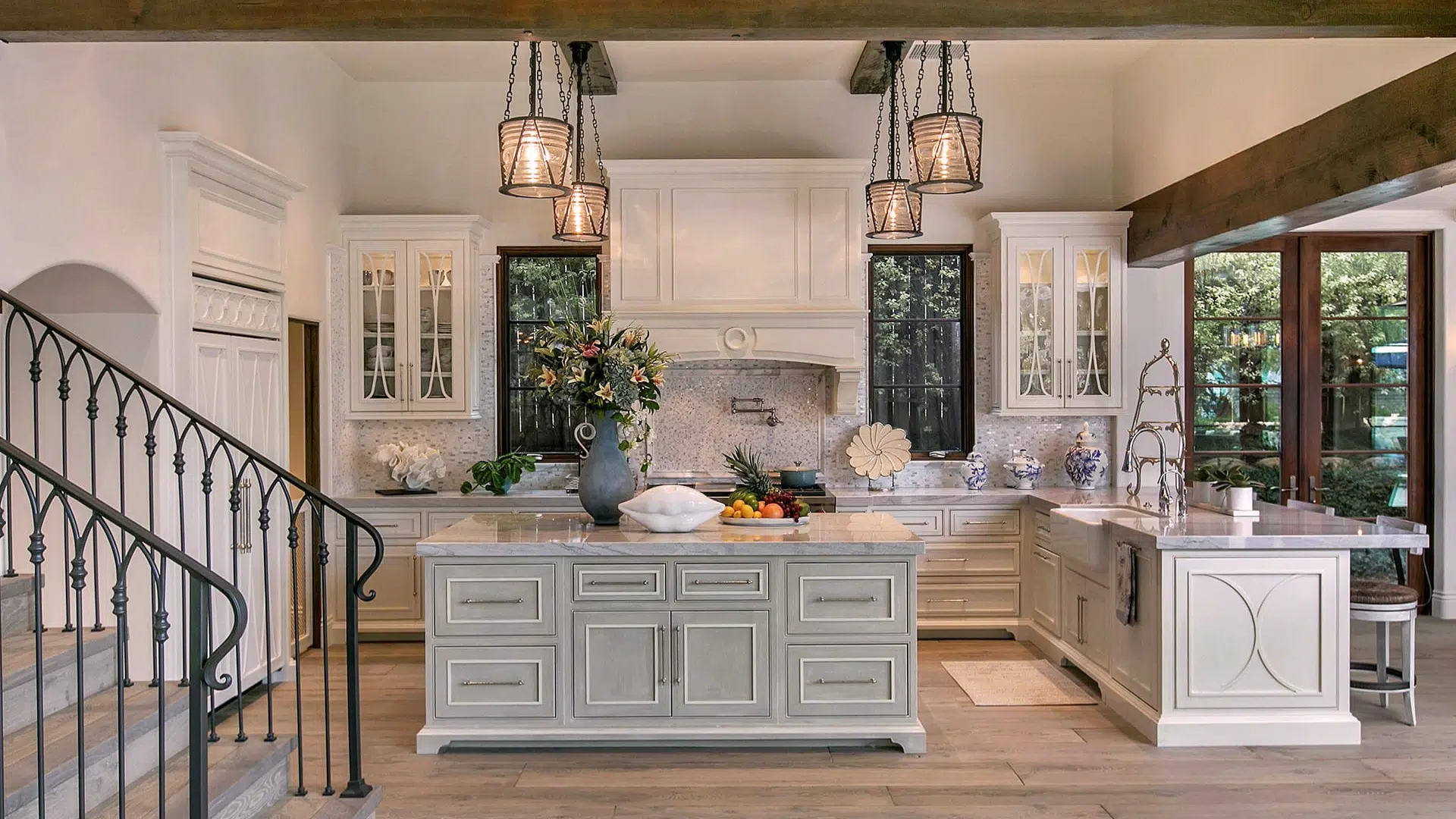
Mixing large and small decor pieces works best when each item supports the overall balance of the room.
Start by choosing one larger piece, like a tall vase or a bold sculpture, to act as the anchor. Then add a few medium or small items around it so the group feels connected instead of scattered.
Avoid using too many tiny objects, as they can create visual clutter and make the space feel busy.
Spread different sizes across the room so one side doesn’t feel heavier than the other.
Pair large items with pieces that complement their height or width, keeping the layout steady and easy to understand.
Mixing sizes this way adds interest without overwhelming the space and helps each piece feel intentional.
Common Mistakes with Scale and How to Fix Them
These points help you spot size issues and offer simple fixes that make your room feel balanced, clear, and easier to arrange.
- Using furniture that’s too large for the room: choose slimmer pieces that leave open pathways.
- Picking rugs that are too small: select one that reaches under the front legs of key furniture.
- Hanging art that’s too tiny: Use pieces about two-thirds the width of the furniture below it.
- Grouping many small decor items: combine a few medium pieces with one larger anchor.
- Choosing lighting that doesn’t match the space: scale fixtures to the table or area they serve.
- Leaving too much empty space: fill gaps with balanced items like a chair, plant, or floor lamp.
- Ignoring ceiling height: choose tall pieces for high ceilings and lower profiles for shorter rooms.
Conclusion
Understanding scale and proportion gives you the confidence to shape a room that feels steady, simple, and comfortable the moment you step in.
When each piece fits your space and works with what’s around it, the room becomes easier to use.
These ideas aren’t hard to apply once you start paying attention to size, spacing, and how your eye moves through the room. Over time, you’ll notice what feels right and what throws the balance off.
Using these principles helps you create a home that supports your routines and reflects how you want the space to feel.
If you’ve tried adjusting scale or proportion in your own rooms, share your experience in the comments below. I’d love to hear what worked for you.