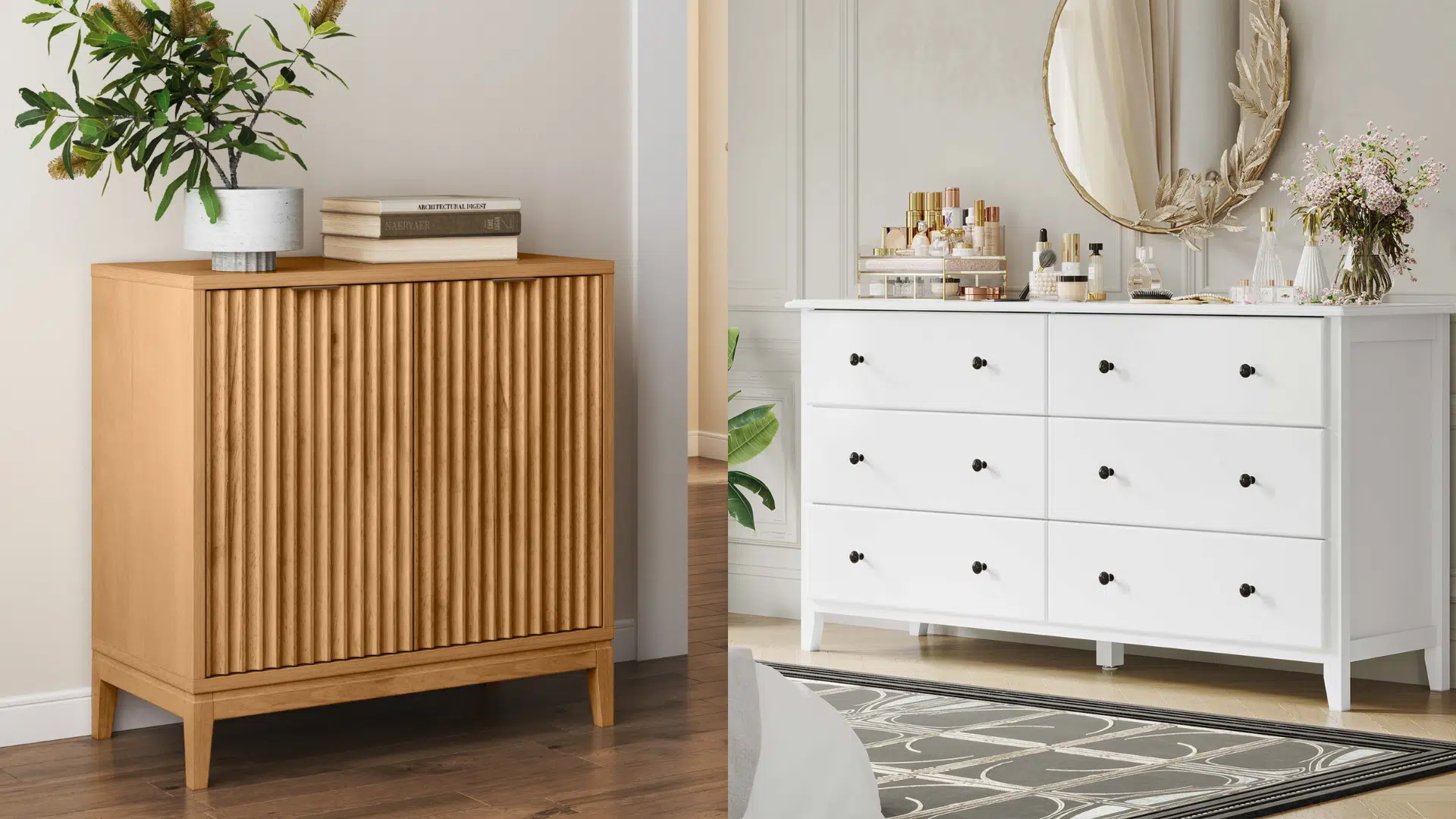
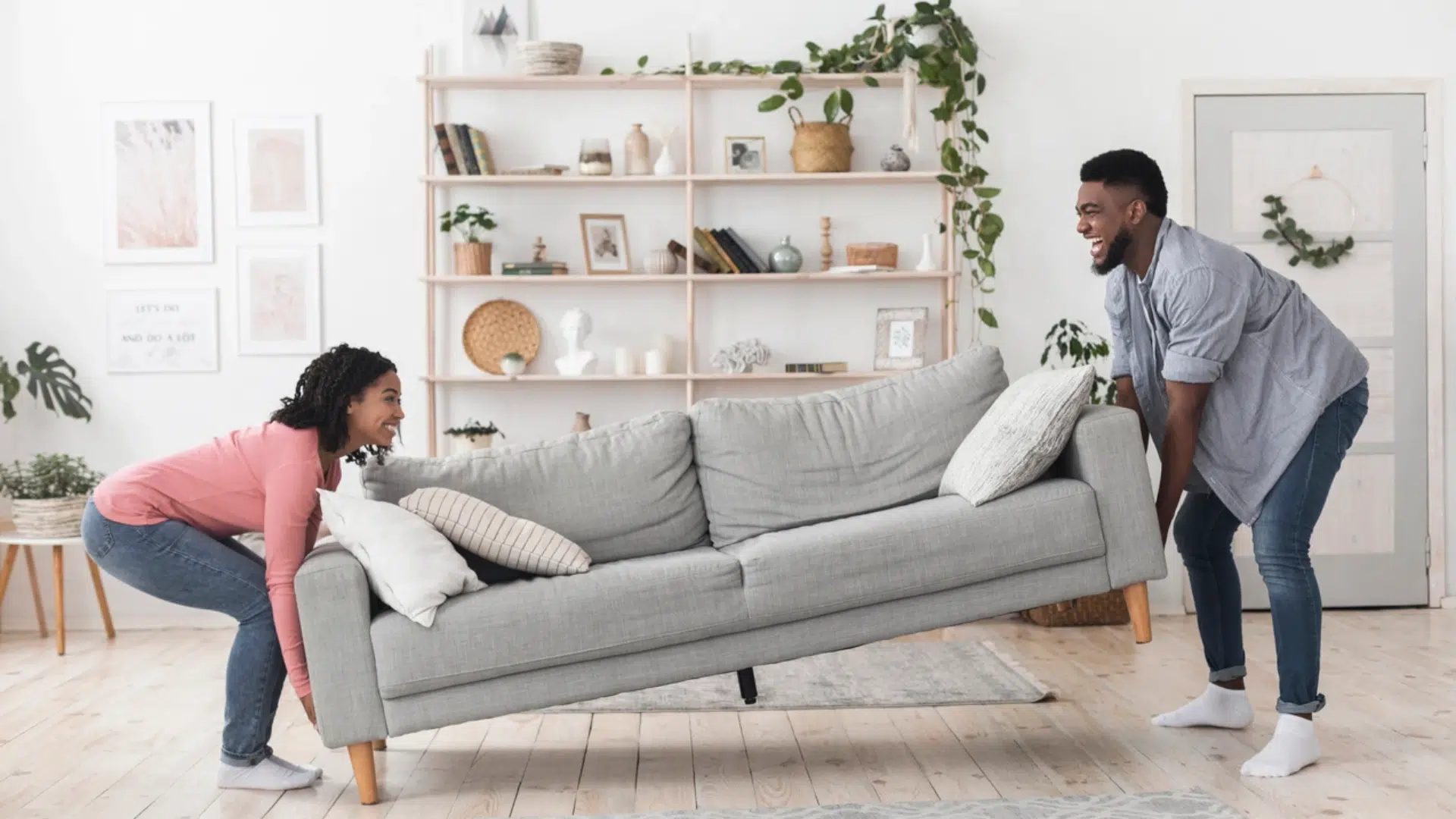
Measuring furniture before delivery is one of the most important steps in making sure each piece will fit through doorways, down hallways, and into the room where it belongs.
Many people buy a sofa, dresser, or table they love without realizing the hallways or room angles may be too tight for it to fit.
This guide shows you how to measure furniture accurately so you can avoid delivery problems and prevent returns.
You’ll learn how to check height, width, and depth, how to measure entryways and stairs, and how to compare those numbers to the furniture you plan to buy.
With the right measurements, you can make confident choices, reduce stress on delivery day, and ensure every piece reaches its final spot safely.
Why You Should Measure Furniture?
Measuring furniture before delivery is important because it helps you avoid problems that often happen when large pieces don’t fit through doorways, hallways, or staircases.
Many people think about how a sofa or cabinet looks, but getting it inside without damage is the real challenge.
By measuring ahead of time, you can compare the size of the furniture to the width and height of every space it must pass through.
This prevents returns, delays, and costly mistakes on delivery day.
It also helps you choose pieces that truly fit your layout, especially if you live in an apartment or a home with narrow hallways or sharp turns.
Taking a few minutes to measure can save time, effort, and stress later.
Measuring Furniture the Right Way
Measuring furniture the right way helps you avoid delivery issues, tight corners, and pieces that don’t fit your space.
These quick steps make the process simple and ensure every item fits comfortably in your home.
1. Measure Overall Width, Depth, and Height
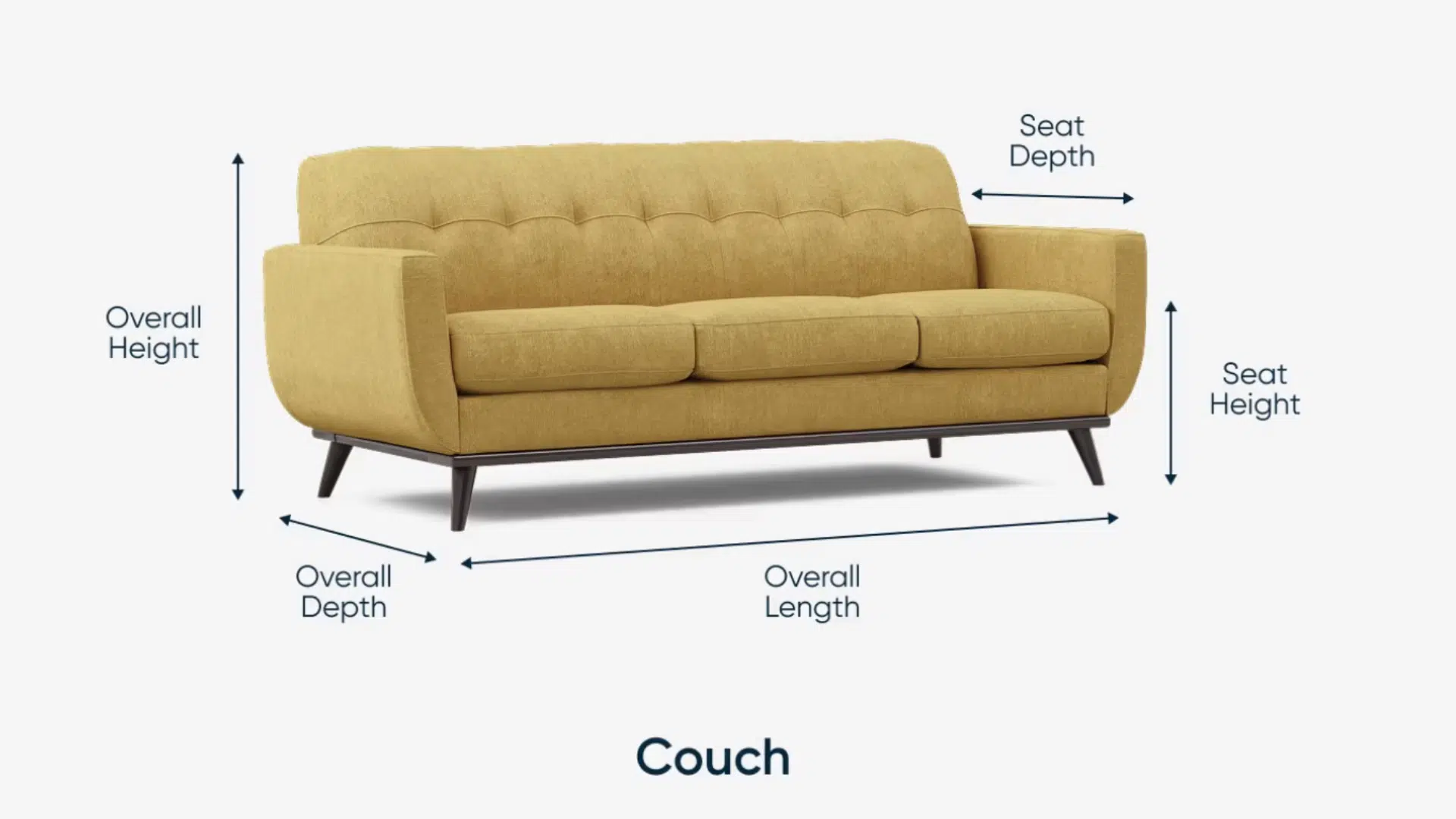
Start by measuring the full width, depth, and height of the furniture piece, noting these as the main dimensions that determine whether it fits in your room and through every doorway.
Use a tape measure and record the largest points, including armrests or curved edges.
These wider areas often cause fitting issues during delivery.
Accurate measurements help you choose pieces that sit comfortably in your space without blocking walkways or crowding the room
2. Check Diagonal Measurements for Narrow Spaces
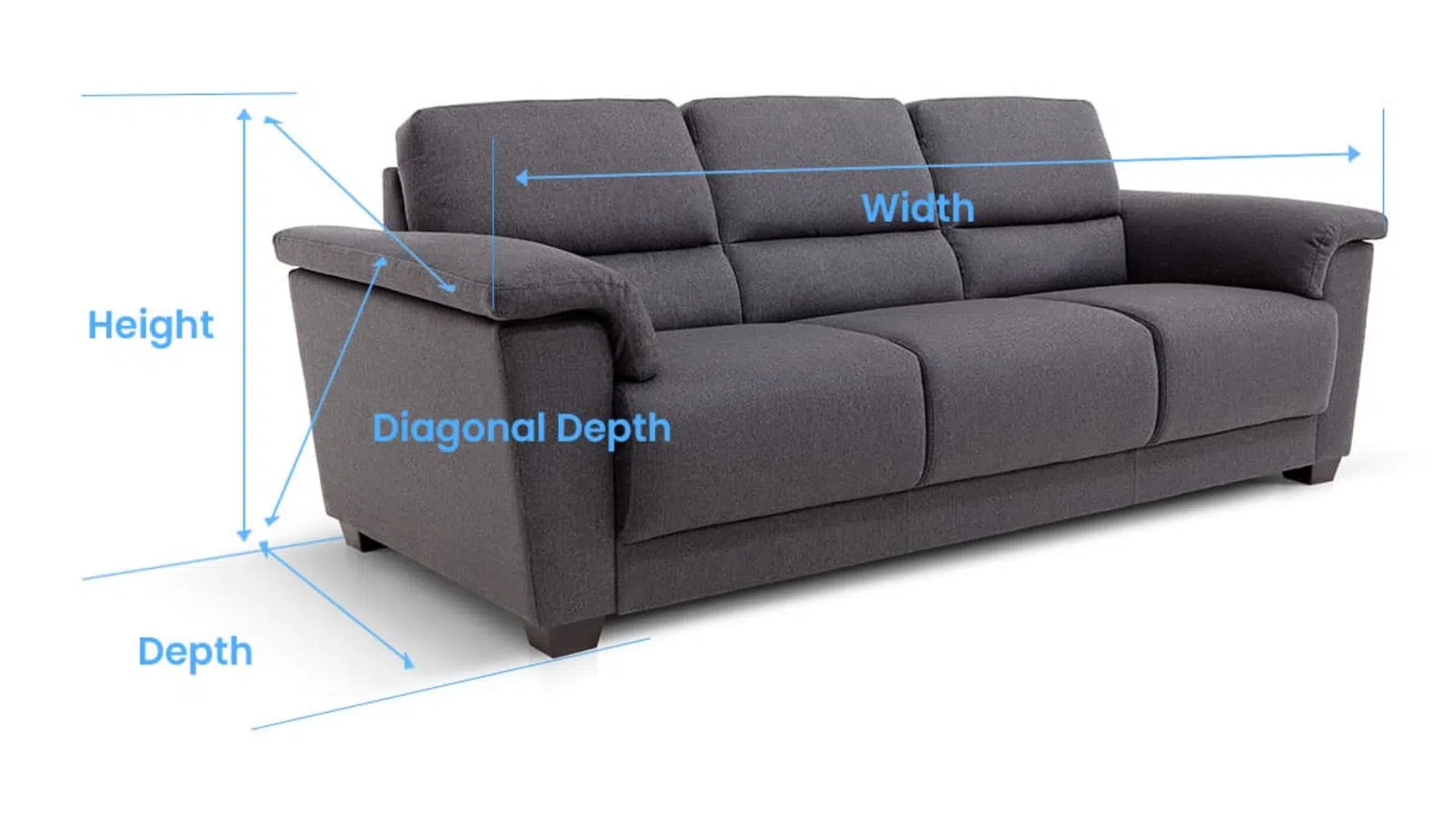
Diagonal measurements matter when furniture needs to pass through tight halls or narrow doorways.
Measure from the top corner to the opposite bottom corner to find the diagonal depth, since this angle often determines whether the piece can fit when tilted.
Even if the standard width seems too large, the diagonal may still allow it to pass safely.
Taking this extra step helps prevent delivery issues and avoids damage, making it easier to move the furniture smoothly into your space.
3. Measure Moving Parts Like Drawers and Recliners
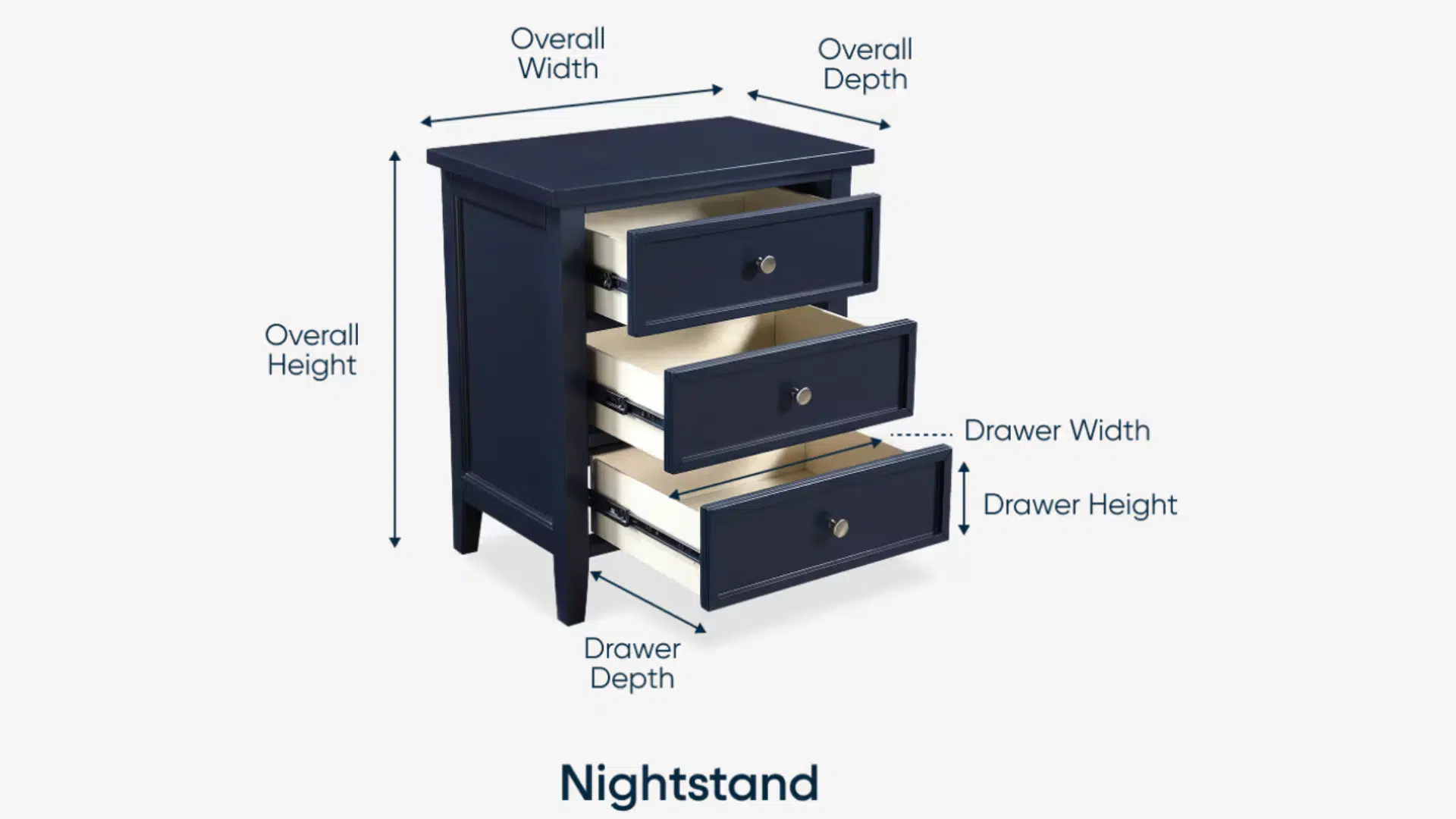
Some furniture includes moving parts, so measure it both closed and fully extended.
Pull out drawers, open cabinet doors, and extend recliners to see how much extra space is required.
These measurements help you avoid placing furniture too close to walls or blocking walkways. Without checking them, the piece may fit the room but function poorly.
Measuring moving parts ensures the furniture operates comfortably once it’s in place and ready for everyday use.
4. Include Base, Legs, and Any Extra Height
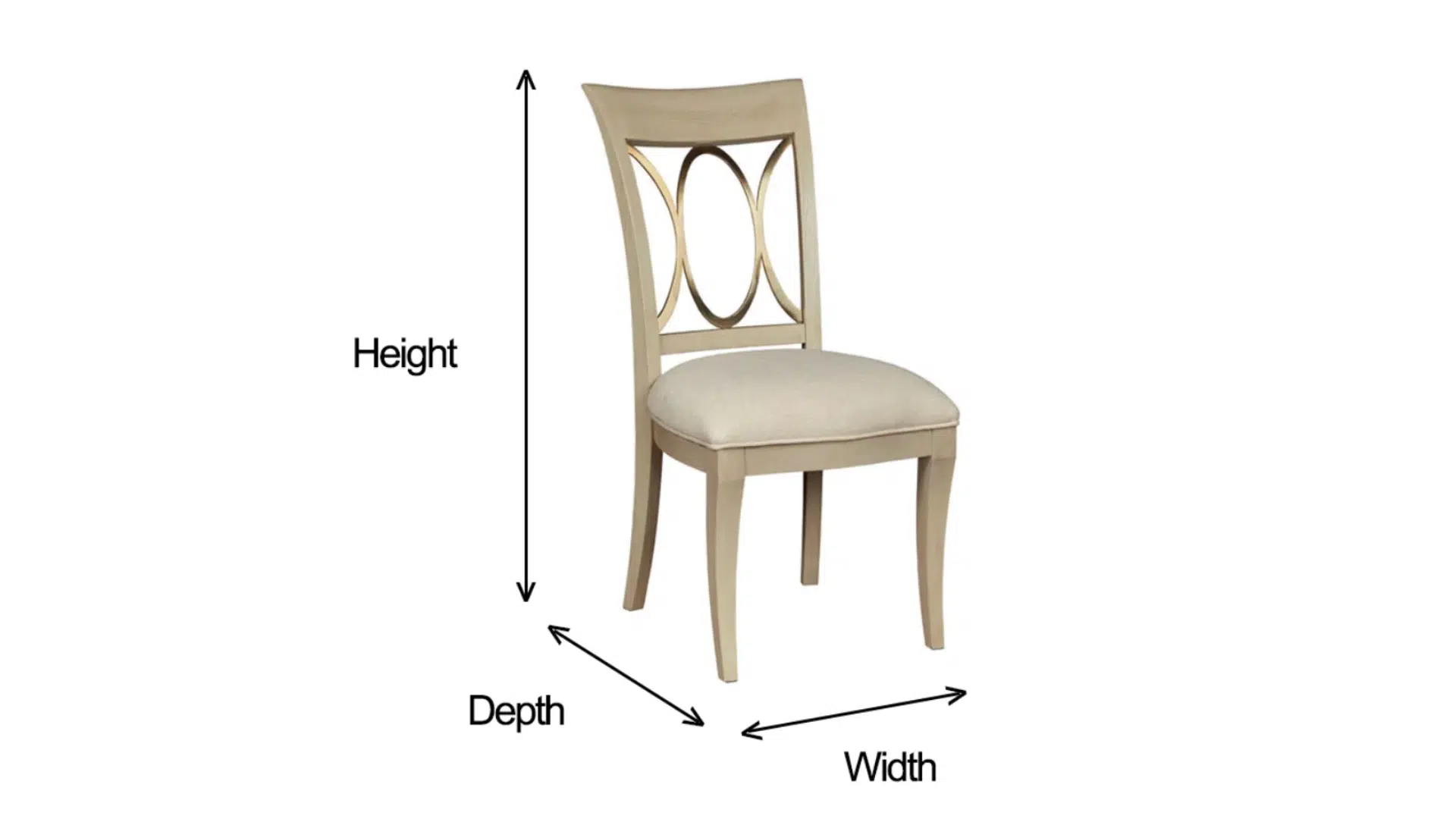
Furniture with tall legs, raised bases, or decorative tops can be taller than expected.
Measure from the floor to the very highest point, including legs or trim that add height. These details matter when placing furniture under windows, shelves, or mounted items.
Overlooking them can lead to clearance problems or awkward placement.
Accounting for every inch helps ensure the piece fits neatly in your space and aligns with surrounding items without crowding or blocking anything.
5. Measure Each Piece of Modular or Sectional Furniture
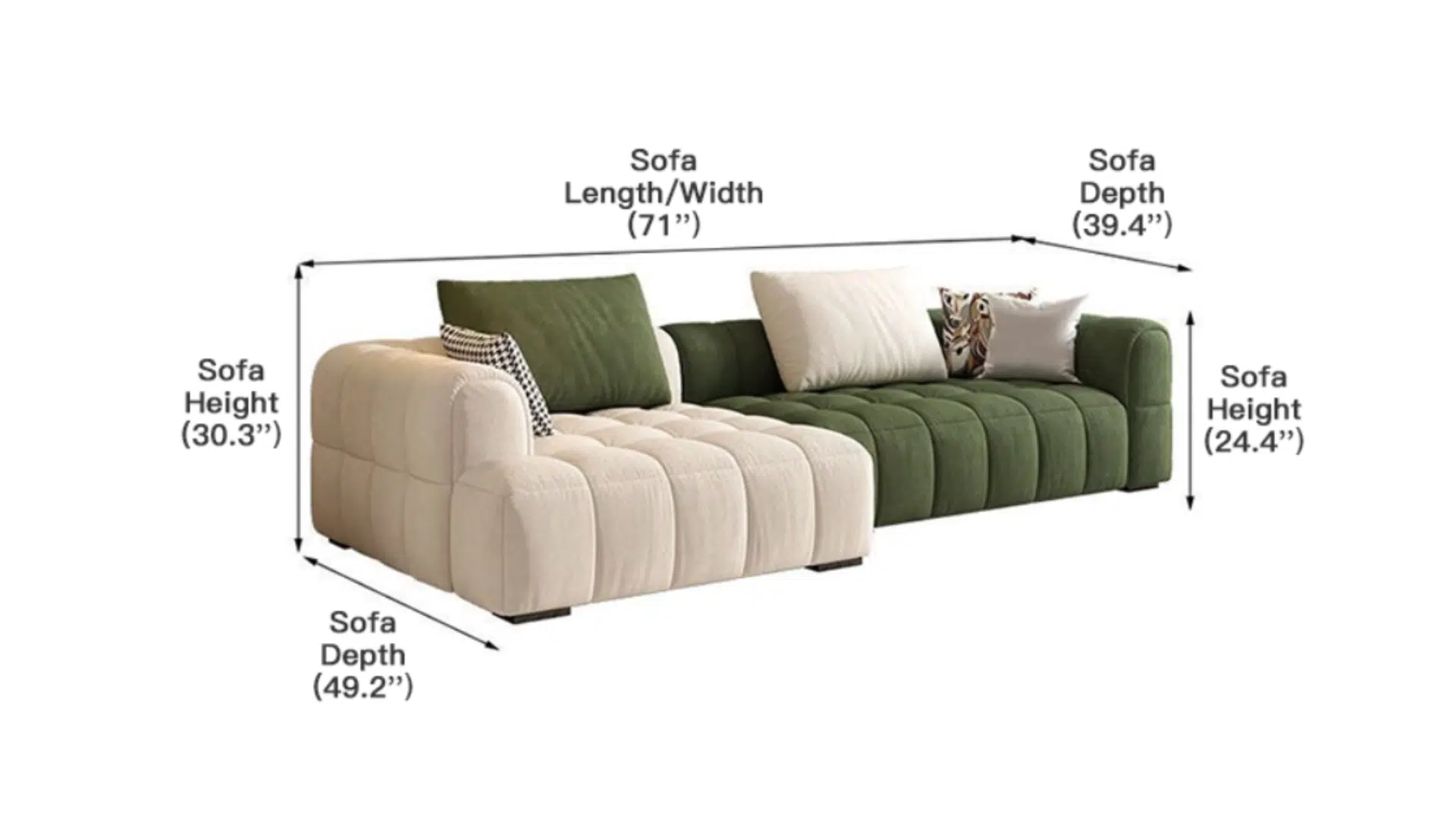
Modular and sectional furniture must be measured piece by piece. Take the width, depth, and height of each section, then combine them to understand the full layout.
This ensures the final arrangement fits comfortably and doesn’t extend too far into walkways.
Measuring individual pieces also helps confirm each part will fit through doorways and hallways.
This step prevents layout issues and simplifies the delivery process, especially for multi-piece furniture designs that require careful planning.
6. Confirm Clearance for Opening and Reclining
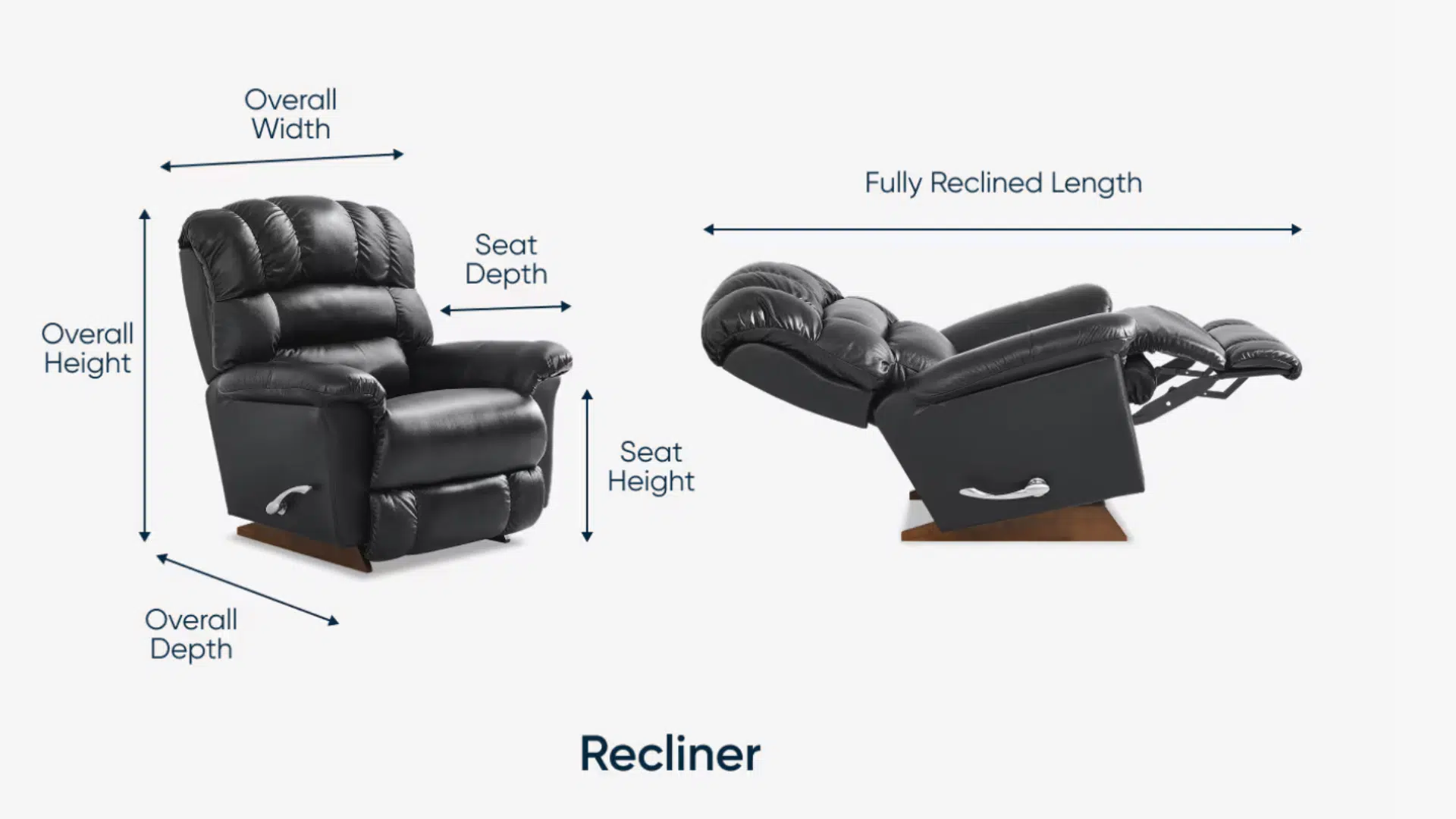
Furniture that opens, reclines, or lifts needs additional space to function properly.
Measure how far drawers extend, how far recliners move back, and how wide cabinet doors swing. Without checking this clearance, a piece may physically fit the room but fail to operate comfortably.
Ensuring there is enough open space around it prevents blocked pathways and awkward placement.
This step helps create a practical, functional layout where every piece moves freely without hitting nearby furniture or walls.
Match Furniture Measurements to Your Room Layout
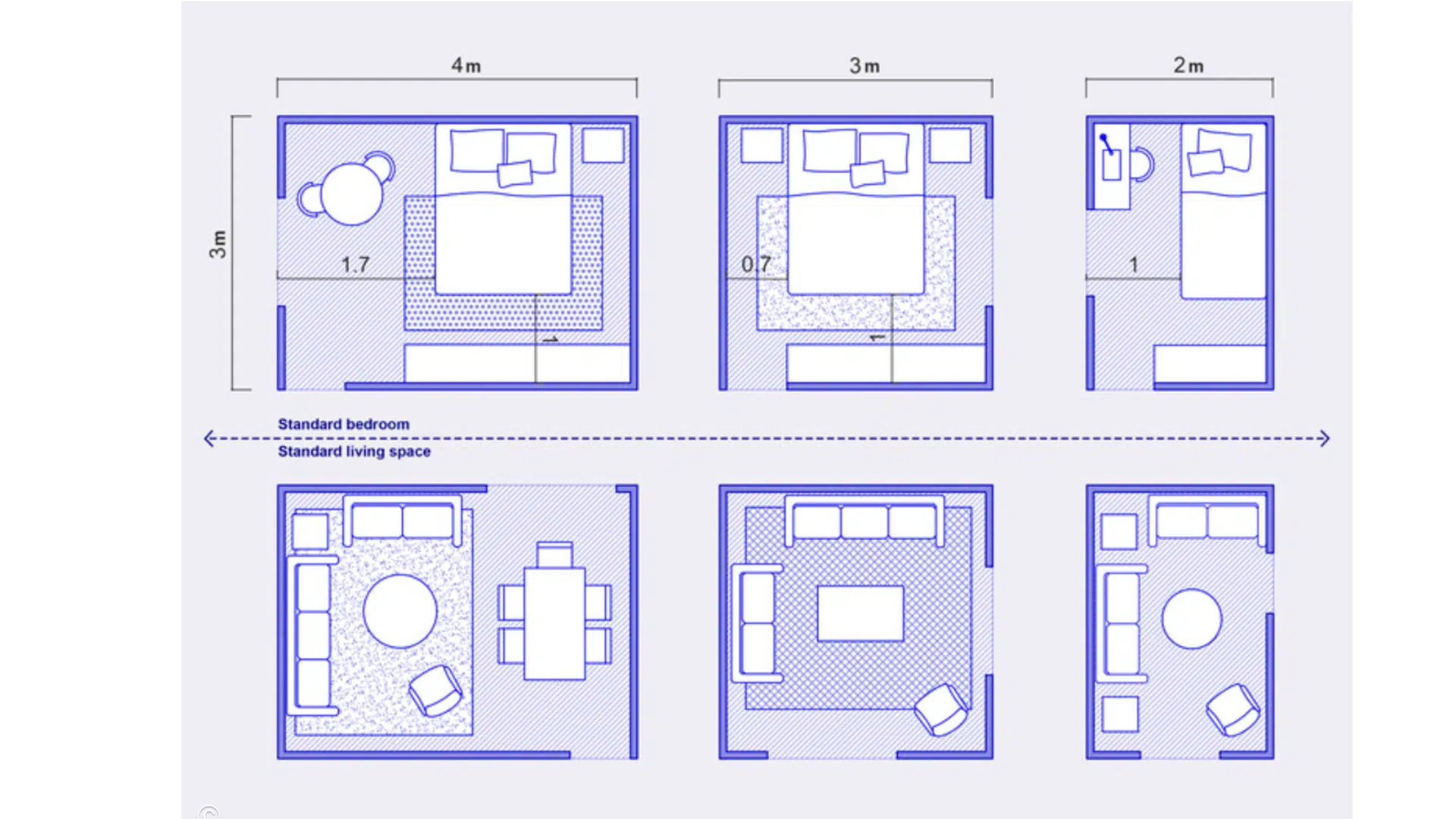
Many people run into problems on delivery day simply because a few small measurements were overlooked. Even half an inch can determine whether a sofa fits through a doorway or gets stuck in a hallway.
Understanding the most common mistakes helps you avoid damage, extra costs, or the frustration of returning a piece you love.
Taking time to measure the furniture, the path it must travel, and the room itself makes the entire process far easier.
Before finalizing any purchase, it also helps to follow a few simple habits that keep everything organized and accurate.
These practical tips make measuring more reliable, prevent last-minute surprises, and ensure your new furniture fits exactly as expected.
With the right approach, you can plan confidently and avoid stress on delivery day.
Common Furniture Measuring Errors to Avoid
Even small measuring mistakes can lead to big delivery problems, especially with large or bulky furniture. Knowing the most common errors helps you prevent delays, returns, and unexpected obstacles on moving day.
- Measure both the furniture and the path it must travel, including doorways, hallways, staircases, and tight corners, to avoid surprises on delivery day.
- Don’t rely on estimates or round up measurements; even a half inch can make the difference between a piece fitting and getting stuck.
- Always measure the widest and tallest points of a furniture piece, including arms, cushions, or decorative tops that may add extra bulk.
- Check the diagonal depth, since this is often the key measurement that allows larger items to fit through narrow entry points.
- Measure moving parts, such as drawers, recliners, and cabinet doors, to ensure they open fully once installed in your room.
- Compare all measurements carefully with the room layout and traffic flow to avoid overcrowding or blocked walkways.
Final Tips and Helpful Takeaways
A few simple habits can make the entire measuring and delivery process smoother and more accurate. These final tips help you stay organized, avoid stress, and ensure every piece fits perfectly in your home.
- Double-check all measurements, including furniture dimensions and every doorway or hallway it must pass through, to prevent last-minute delivery issues.
- Keep a note of both regular and diagonal measurements, since diagonal clearance often determines whether a piece can fit through tight spaces.
- Use painter’s tape on the floor to outline the furniture footprint and visualize how it will sit in the room.
- Make sure drawers, recliners, or cabinet doors have enough space to open fully once the furniture is placed.
- Clear the delivery path ahead of time so movers can carry the piece safely without navigating obstacles.
- When in doubt, ask the seller for packaged dimensions, as boxed furniture can be larger than the item itself.
Conclusion
Measuring furniture before delivery may take a little extra time, but it prevents some of the most common issues people face when bringing large pieces into their homes.
By checking your room dimensions, entryways, hallways, and staircases, you can avoid returns, damage, or frustrating delivery delays.
Using both standard and diagonal measurements helps you understand exactly how each piece will move through your space.
Visualizing the layout with tape or digital tools also ensures the furniture fits comfortably once it’s inside.
If you’re buying a sofa, bed, or sectional, careful measuring gives you confidence that everything will arrive smoothly and settle into the room the way you planned.
With the right steps and a little preparation, your furniture delivery becomes easier, safer, and stress-free.