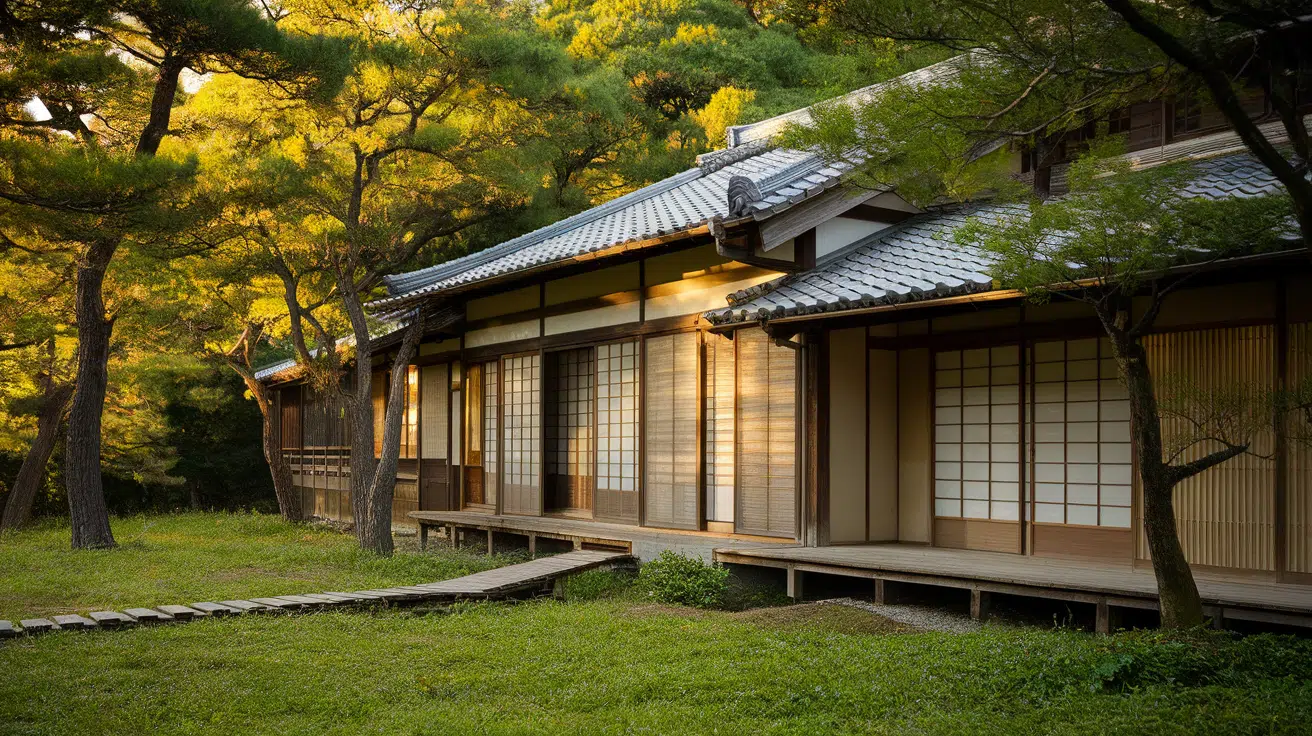
When people talk about a Japanese-style house, they usually picture calm rooms, soft light, and spaces that feel close to nature.
These homes look simple, but they create a warm and peaceful vibe.
I like how each room has a purpose without feeling packed. You also see how the home opens toward the outdoors, which makes the space feel wider.
Lots of people look at these designs when they’re planning a new build or trying to make their home more relaxing.
A Japanese-inspired layout works well in many countries because it stays simple and feels easy to live in.
The combination of nature, natural light, and balance makes it work for anyone who wants a calmer space to live in.
What Makes a Japanese Style House?
A Japanese-style house focuses on simple design, natural light, and a calm layout that feels easy to live in. Rooms stay open so air and light can move through the home.
Natural materials like wood, paper, and bamboo shape the look and keep the space warm without feeling busy.
Sliding doors save space, and low furniture keeps the home open and easy to move through.
Colors stay soft so the rooms feel steady and balanced. Homes connect to the outdoors with windows, small gardens, or an engawa that creates a quiet link between inside and outside.
Every part of the design supports a slow, calm way of living. It’s simple, but the choices are thoughtful and make daily life feel smoother.
Key Features of a Traditional Japanese Style House
A traditional Japanese home feels open, bright, and natural. The design avoids clutter and uses light materials to keep everything easy to move through.
1. Layout and Room Flow
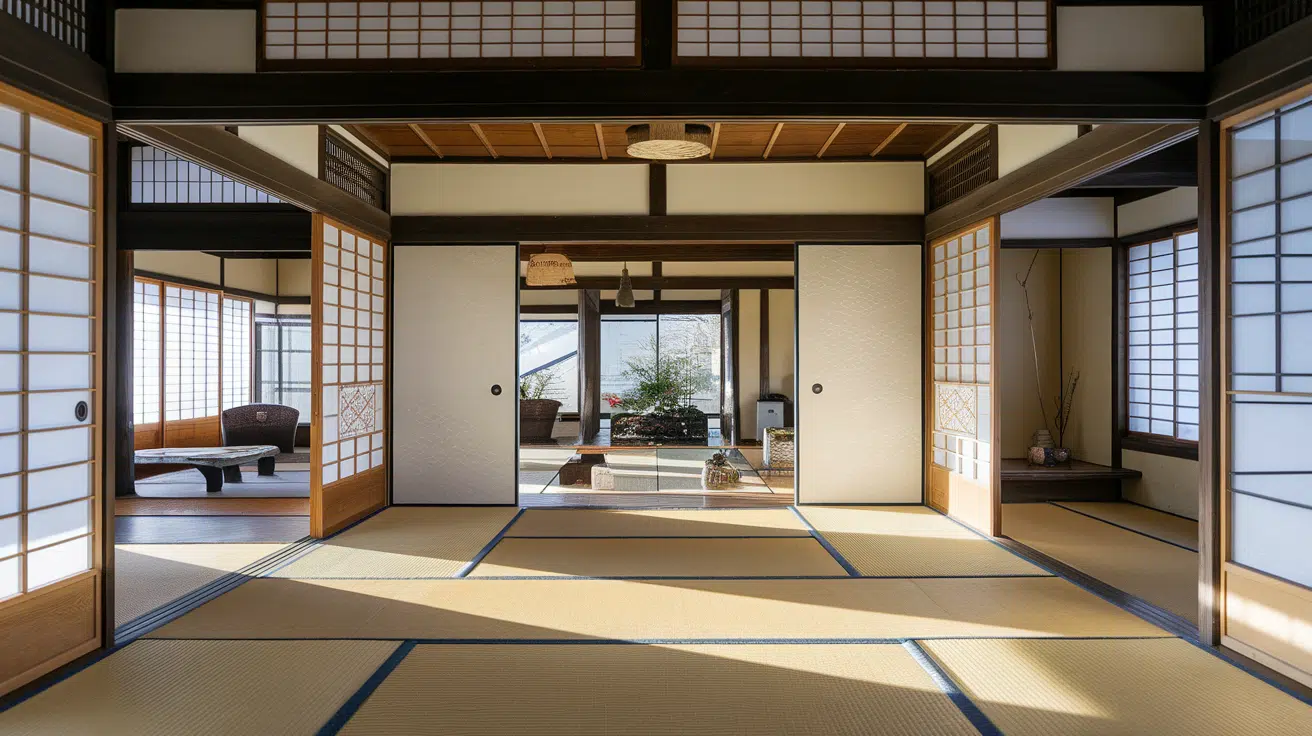
The layout uses open rooms with sliding doors so you can change the space when needed. The flow feels smooth and natural because rooms connect without sharp breaks.
Most homes keep furniture low and small to keep the floors clear. This makes everything feel more spacious than it actually is. The layout also helps light move around, which adds to the calm feel.
2. Natural Materials
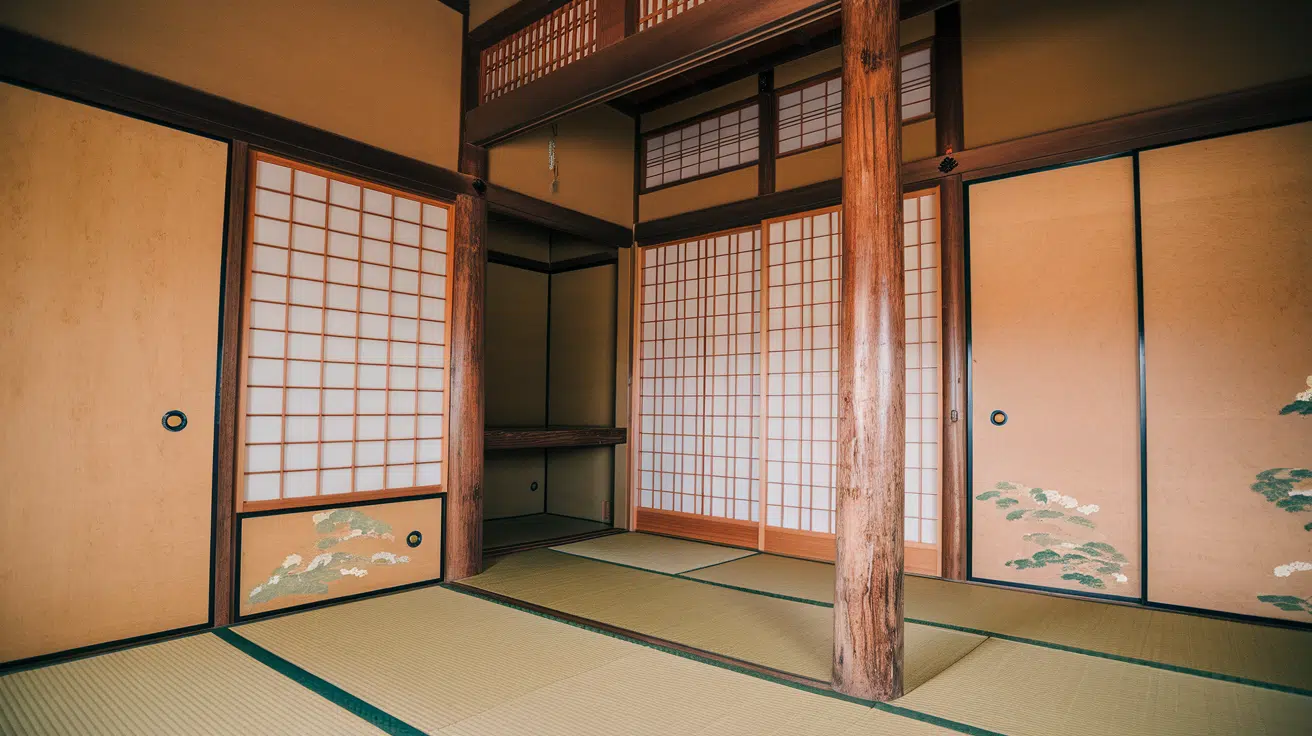
You see wood, paper, bamboo, and clay in many homes. These materials give the house a warm smell and a soft look. Even the simplest pieces feel meaningful because they stay close to nature.
Wood frames, paper screens, and tatami mats help the space feel earthy instead of hard or cold. The materials age in a gentle way, which adds more softness over time.
3. Sliding Doors and Open Spaces
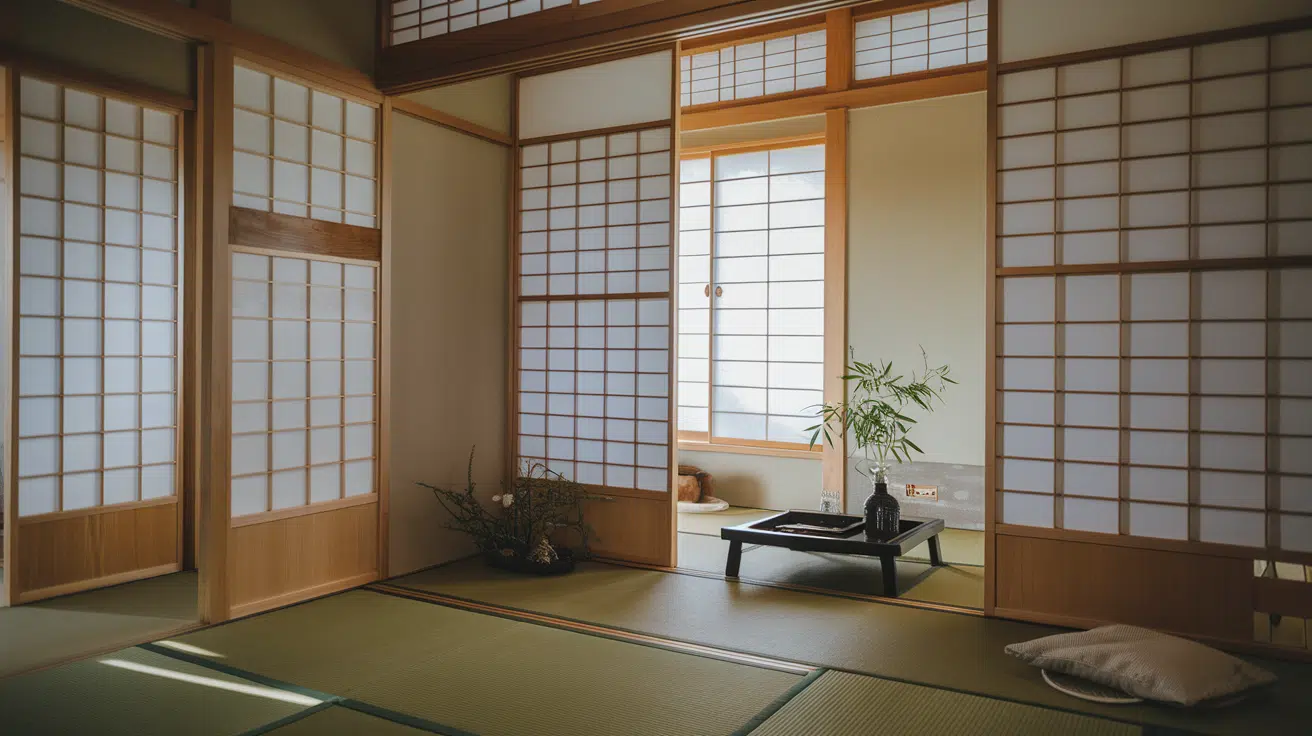
Sliding doors can divide a room or open it up in seconds. Shoji doors bring a soft light into the house, while fusuma doors help with privacy.
These doors save space because they do not swing open. They also let you redesign the room during the day. This makes the home feel flexible and easy to use.
4. Engawa and Connection to Nature
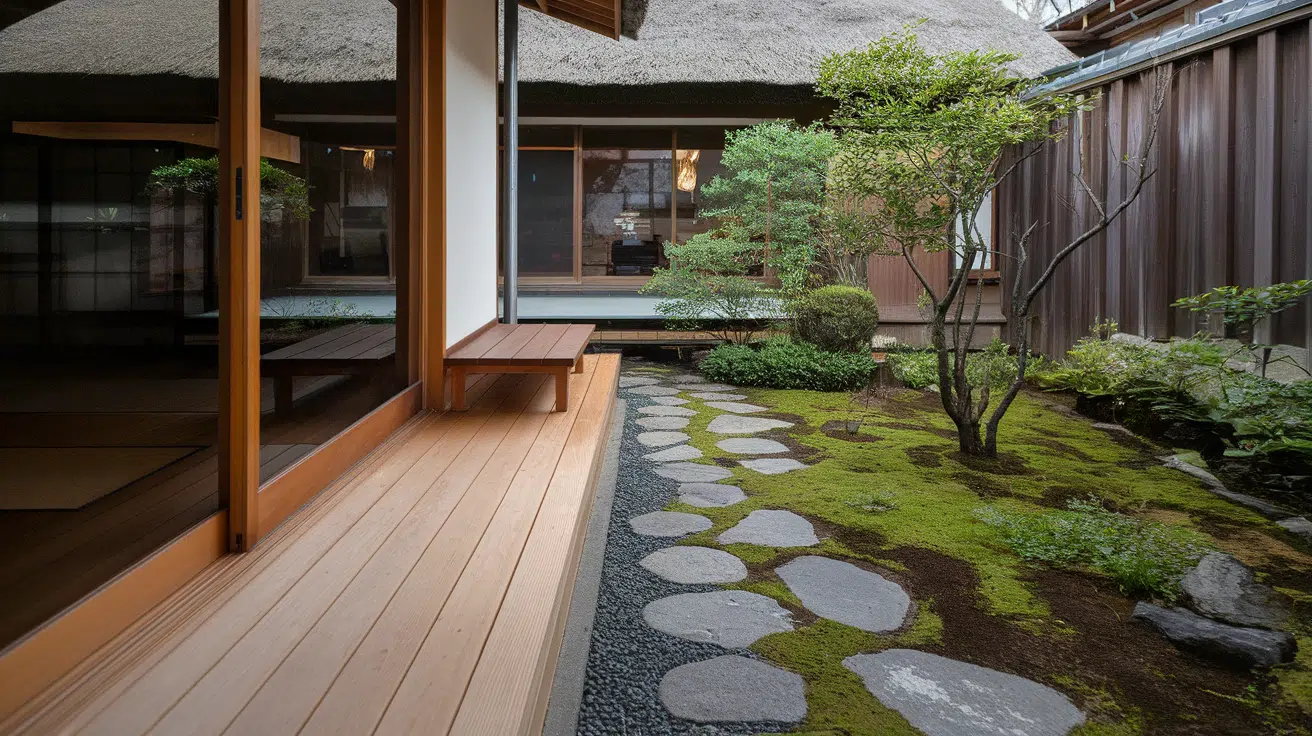
The engawa is a narrow walkway between the inside and the garden. It acts like a quiet border where you can sit, rest, or enjoy the view. It also lets air and light move freely.
This part of the home brings nature closer and helps the rooms feel connected. Many people love this feature because it makes simple moments feel peaceful.
5. Tatami Rooms and Low Furniture
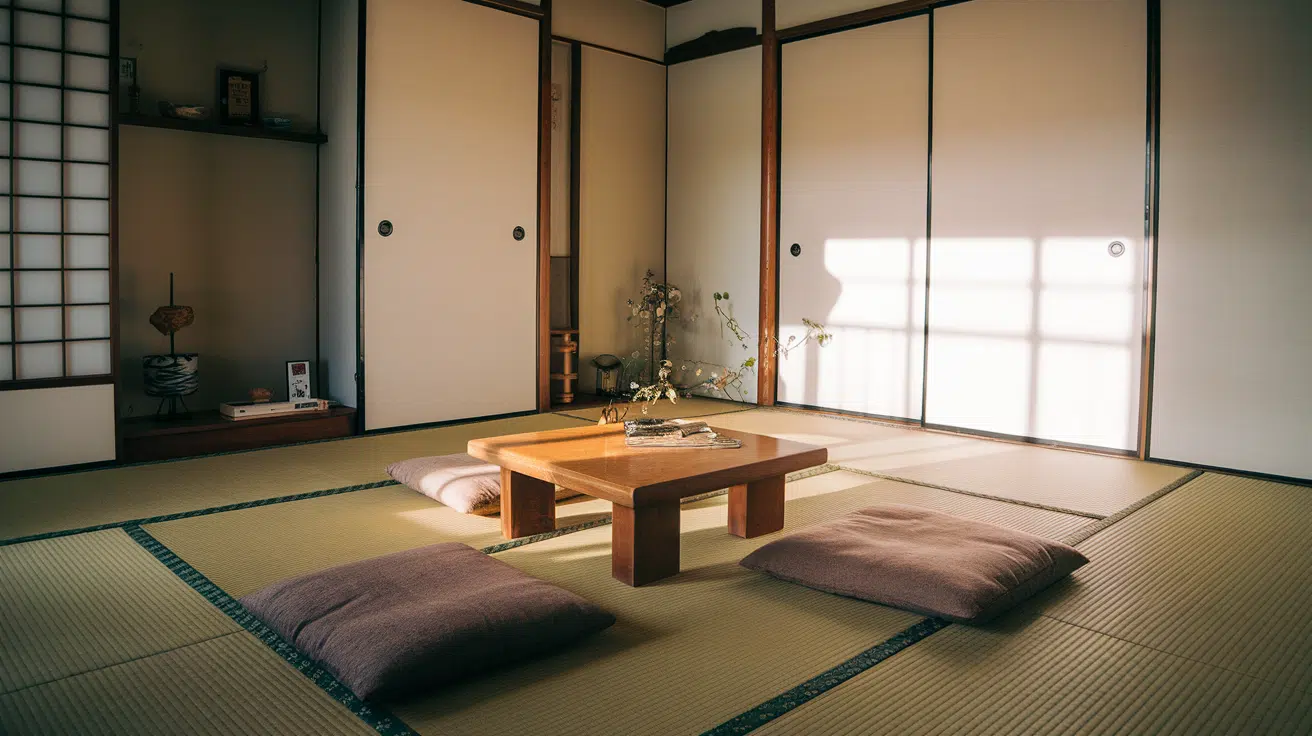
Tatami mats bring warmth and a natural smell into the home. These rooms often hold low tables and cushions, which keep the space open.
Sitting close to the floor changes the way you use the room and makes it feel calm. Tatami rooms work for sleeping, eating, or just relaxing, which makes them very flexible.
Shaping Every Room in a Japanese-Inspired House
You can shape this style room by room. You can build a home with this style in many countries. Below are ideas for the main rooms and the outer areas that help bring the look together.
1. Living Room
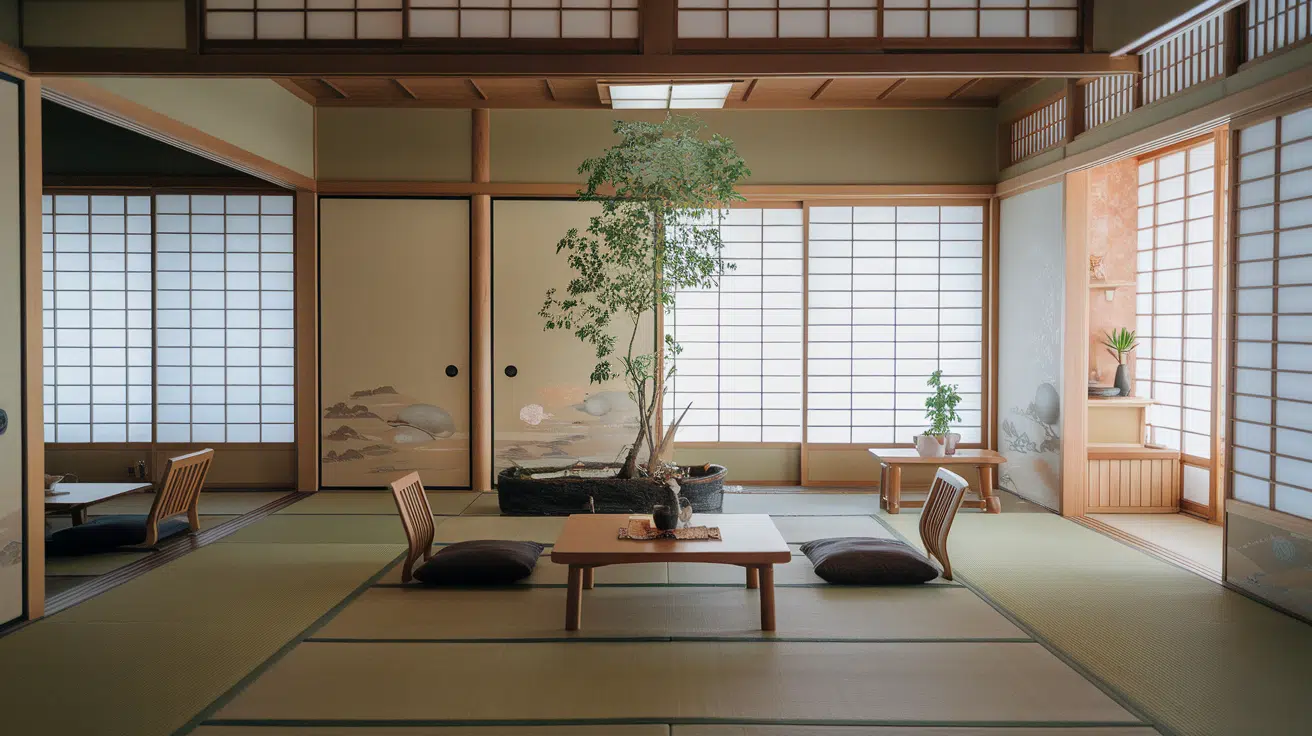
A Japanese-inspired living room feels wide, light, and peaceful. Low furniture keeps the space wide and easy to use. Soft wood tones work well for shelves or floors.
You can add sliding screens to let in light without losing privacy. Keep décor simple so the room stays calm.
A small plant or a single piece of art is enough to set the mood. This keeps your eyes calm as soon as you walk in. The goal is a room that feels slow, steady, and good for relaxing.
2. Kitchen
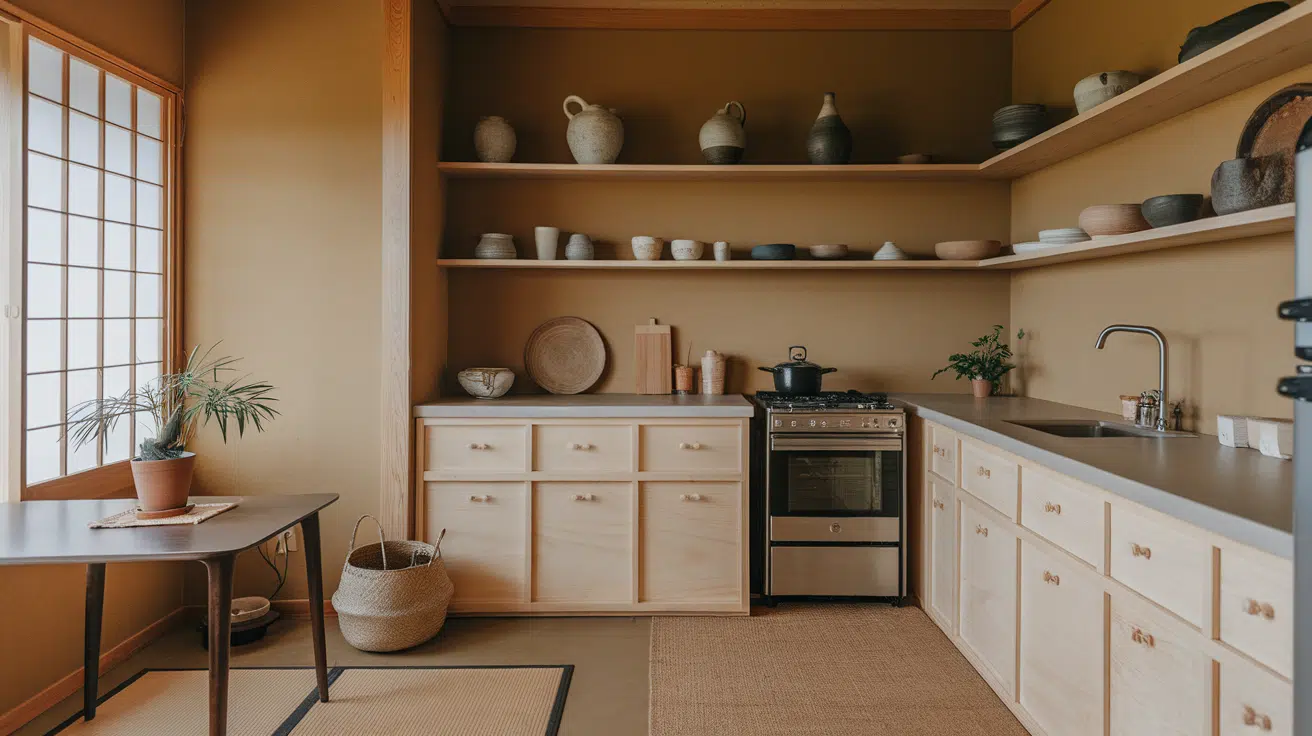
A kitchen in this style stays neat, bright, and simple. You can use flat cabinet doors, warm wood tones, or soft colors to make the room feel gentle.
Open shelves look nice when you place everyday bowls or cups in them.
Natural light helps the space feel clean, so try to keep windows clear.
Keep the counters open and avoid too many tools sitting out. This makes the kitchen easy to clean and pleasant to cook in. The space should feel calm and useful without feeling cluttered.
3. Dining Room
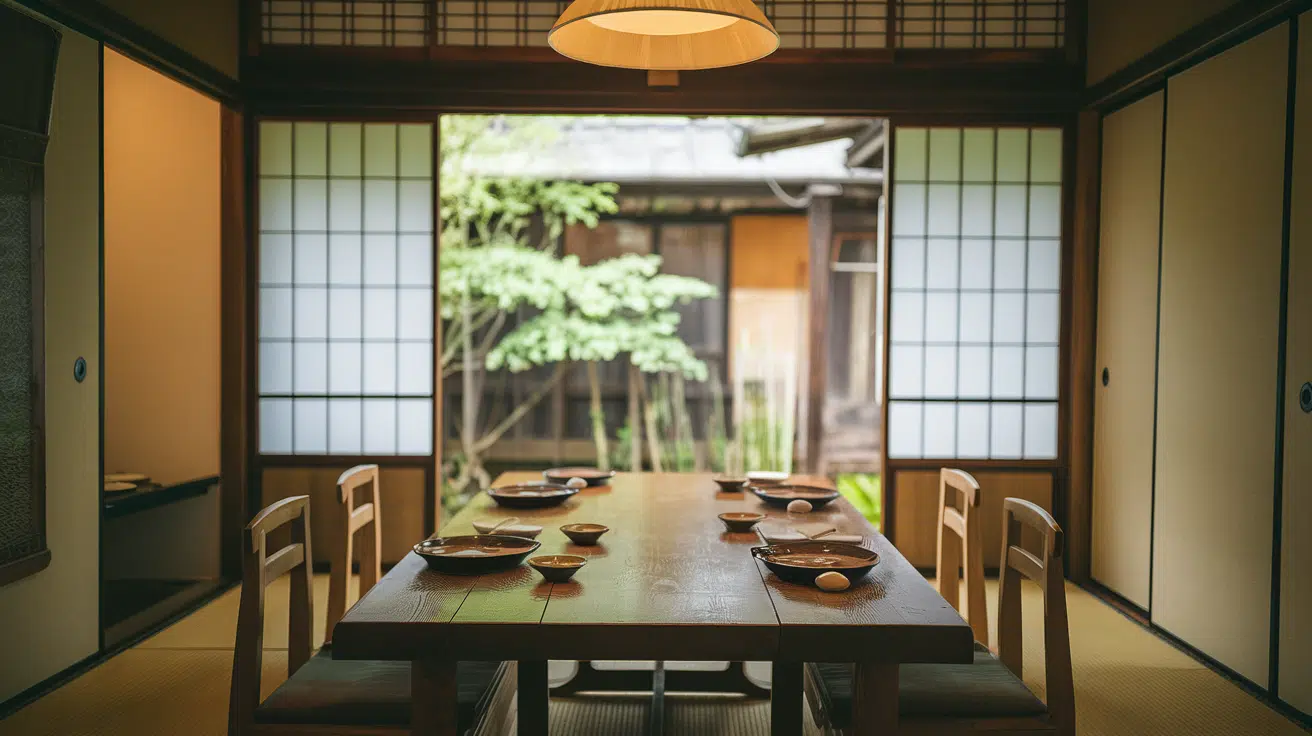
A Japanese-style dining room feels warm and calm. A wood table pairs nicely with simple chairs or floor cushions if you prefer a low setup.
Keep the colors soft so meals feel relaxed. You can add sliding doors that open to a patio or garden for fresh air and daylight.
Lighting should be warm and gentle, not too bright.
Keep the table clear when it’s not being used. The room should feel like a quiet place where you enjoy food and simple moments.
4. Bedroom
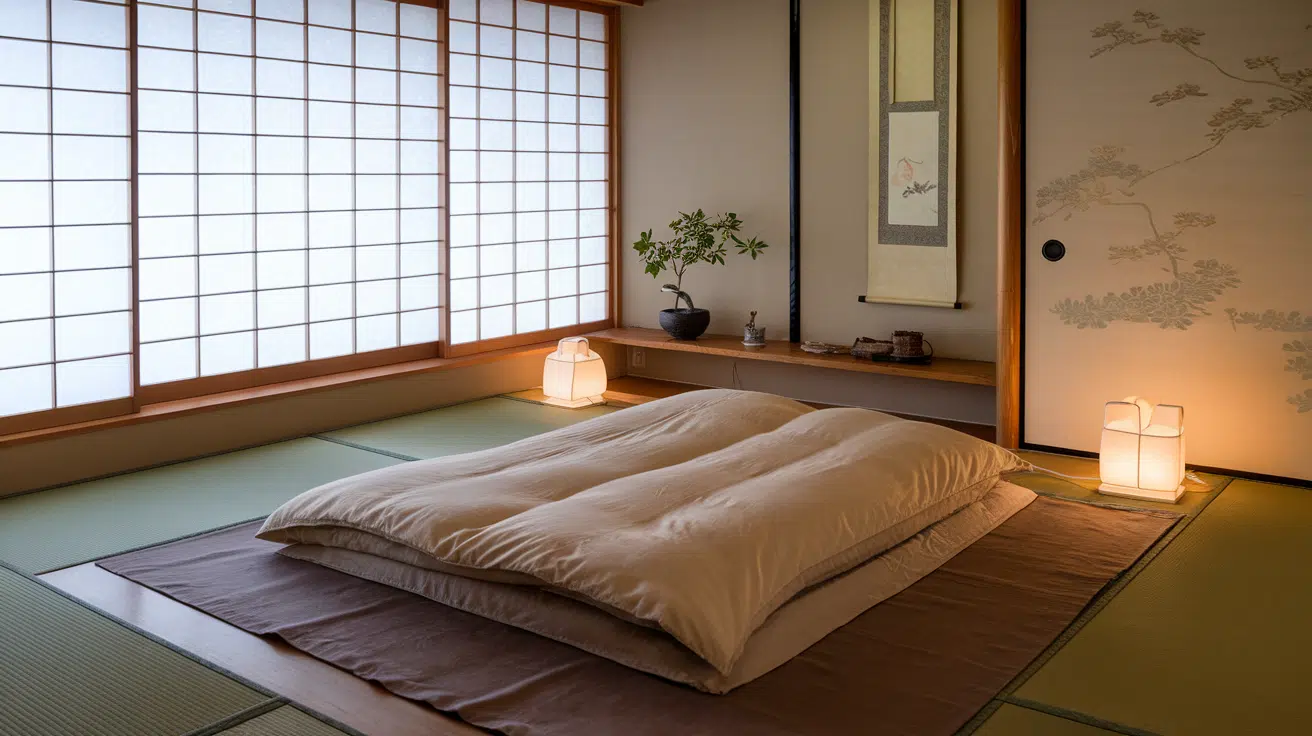
The bedroom should feel soft, open, and peaceful. A low bed or platform bed helps the room stay grounded.
Choose simple bedding with neutral colors to create a relaxed mood at night.
Use warm lamps instead, as they work better than bright lights. A small plant, soft curtain, or sliding screen can add shape without taking up much space.
This setup helps you rest better and makes your morning routine feel smoother and less hectic.
5. Bathroom
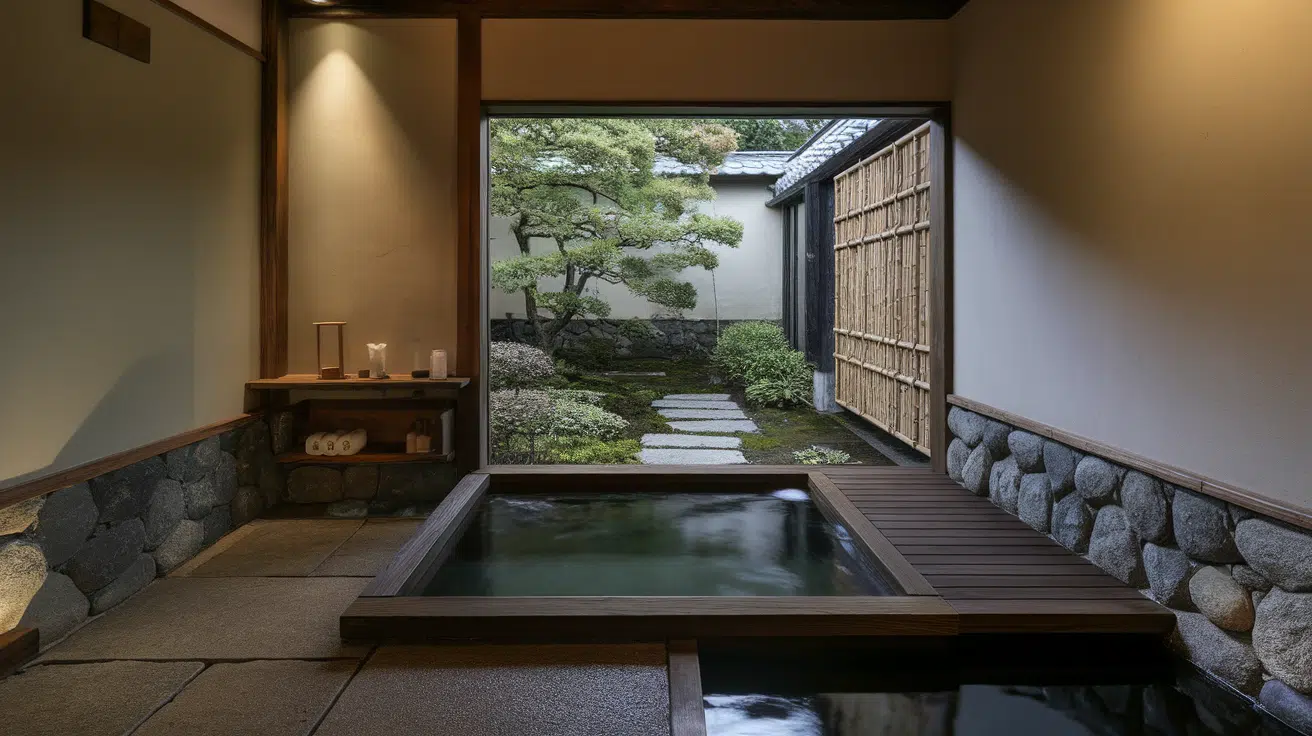
A Japanese-style bathroom feels fresh and close to nature. You can use wood tones and soft colors to create a calm space.
Some people separate the bathing area from the sink area for a cleaner layout. A deep soaking tub brings a slow, peaceful feel if your space allows.
Try to keep storage small and simple so the room stays open.
A window or vent helps with airflow and light. The idea is to create a place where you feel relaxed and refreshed.
6. Entryway
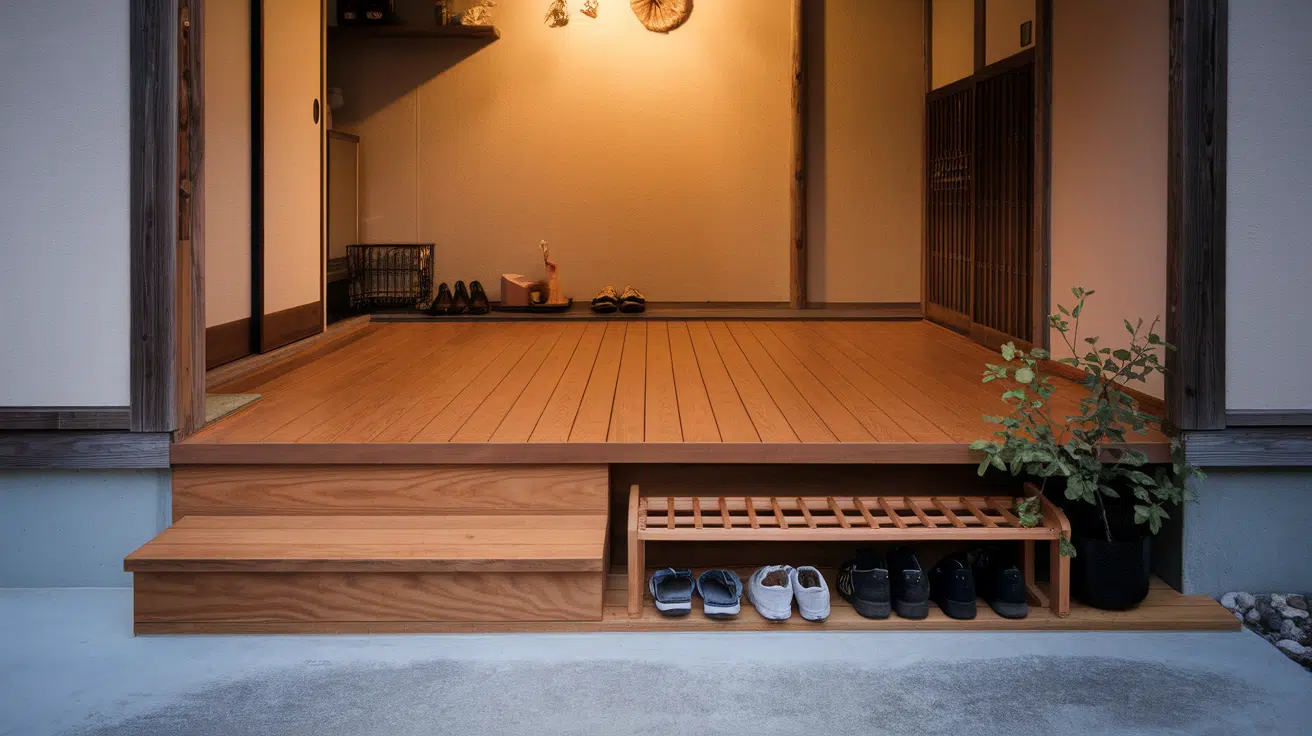
The entryway sets the tone for the entire home. Keep it open and simple with a shoe shelf or small cabinet.
A low bench helps with changing shoes and adds a gentle touch.
Warm wood tones, soft lighting, and clean lines create a welcoming feel. This space should stay neat since it’s the first thing seen each day.
You can add a small plant or mat for texture. The goal is a calm greeting each time you walk in.
7. Outdoor and Garden Areas
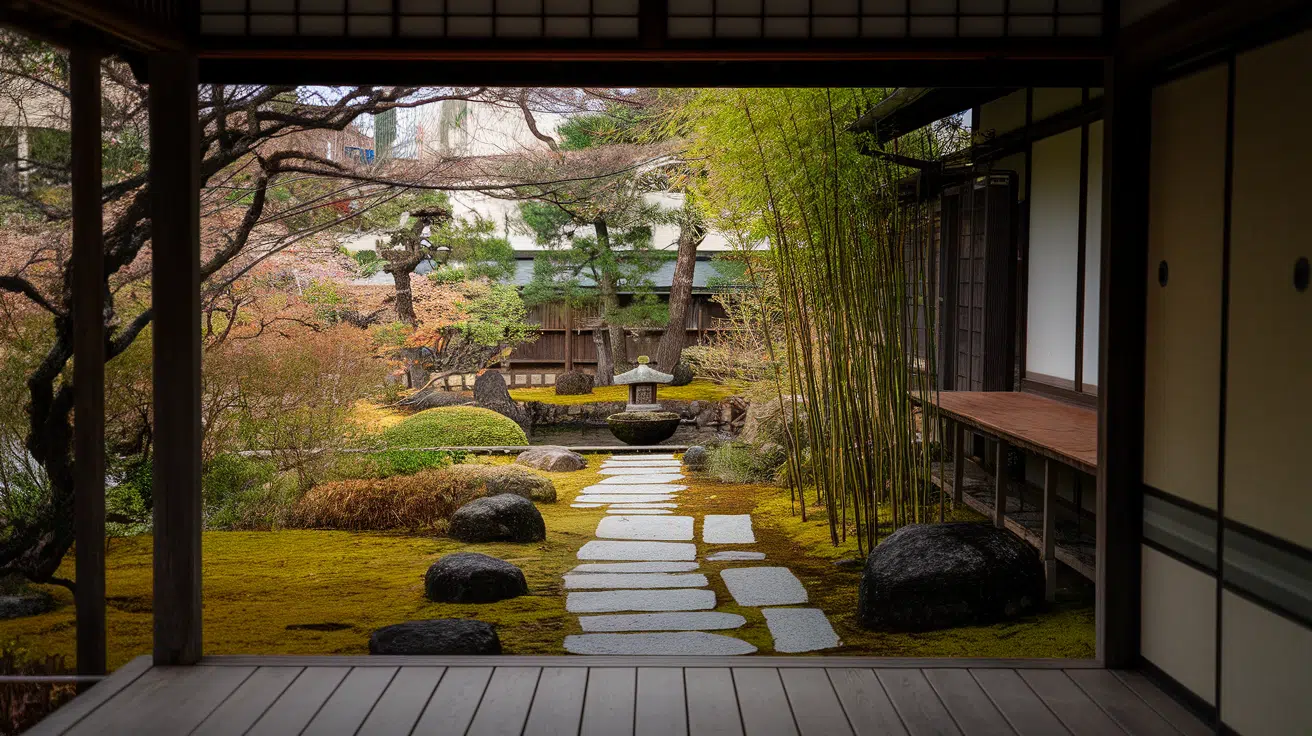
Outdoor areas bring balance and peace to the home.
A small garden with stones, simple plants, and soft paths can create a lovely view from inside. You can add a wooden deck or narrow walkway, similar to an engawa, to connect the house to the outdoors.
Keep the shapes natural and the layout simple. Even a small water bowl or fountain adds a soft sound.
This area should feel low-maintenance and relaxing to look at. It becomes a natural part of your home.
8. Guestroom
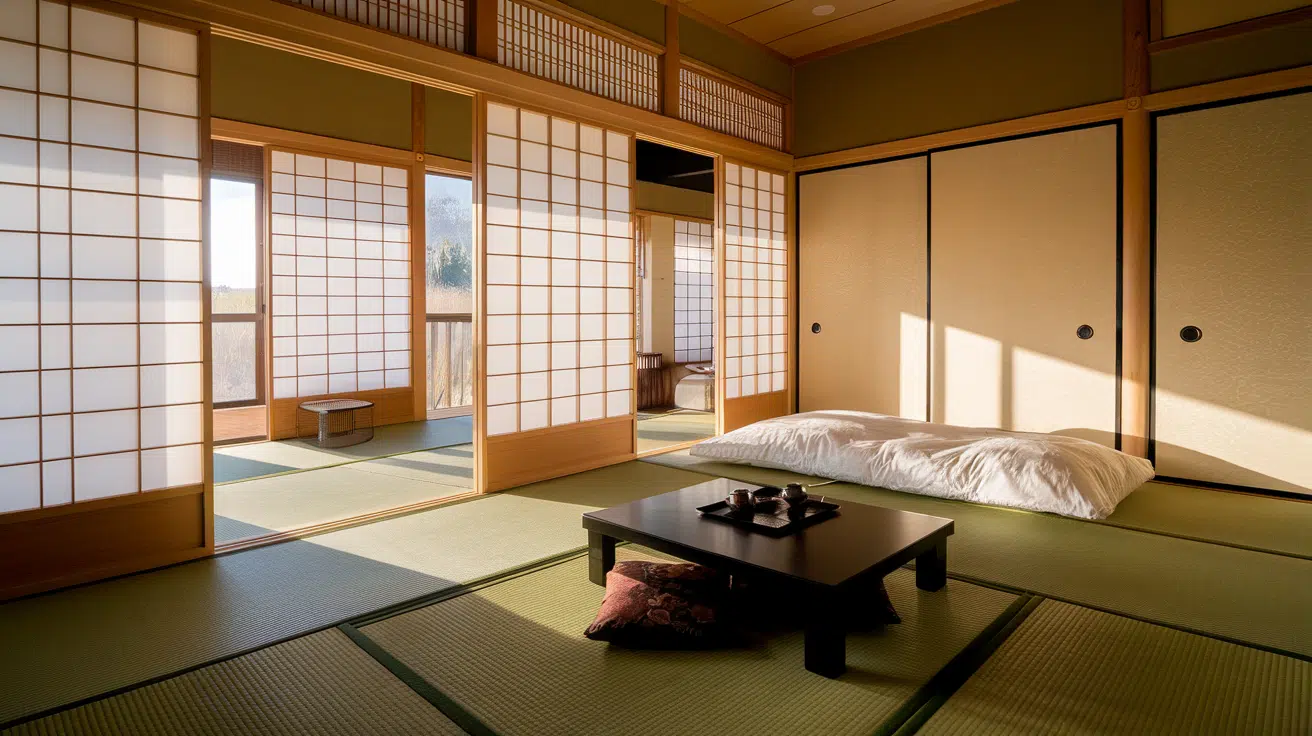
A Japanese-style guestroom feels warm, simple, and easy to use.
You can keep the room open with a low bed that folds away when not needed. Soft lighting helps the space feel relaxed. Use natural tones for bedding and curtains so the room stays gentle.
Add a small table or cushion for comfort without crowding the space.
The idea is to give guests a quiet place where they can rest and feel welcome without too much décor.
9. Patio
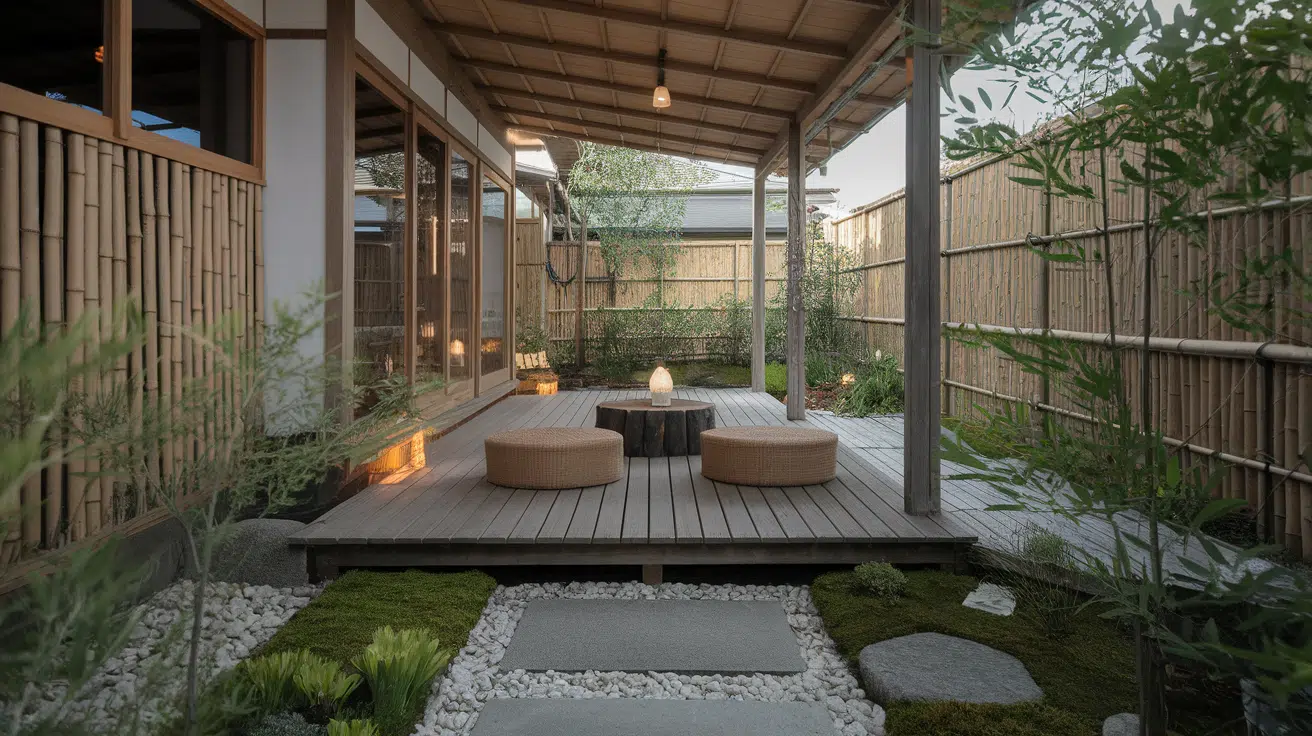
A patio inspired by Japanese homes should feel open, natural, and easy to enjoy. Use wood or stone for the floor to keep the space grounded.
Simple seating or a low bench works well without taking up the much space.
Add a few plants with soft shapes, such as small shrubs or bamboo.
Soft outdoor lights help the patio feel calm at night. Keep the layout simple so the space connects smoothly with the inside of the home.
Costs and Smart Ways to Save
Building or designing a Japanese-style house can range in cost depending on materials, layout, and location. Natural wood and custom sliding doors may raise the price, but you can still create the look without overspending.
One smart way to save is to use simple layouts with fewer walls, which lowers labor costs.
Choose affordable woods or wood-look finishes instead of premium options. Keep furniture low, light, and minimal so you don’t need many pieces.
Shoji-style screens made from modern materials can also cost less than traditional ones.
Focus on good lighting and clear floors instead of buying lots of decor. If you already have a garden, shape a small corner with stones or plants to mimic the outdoor feel.
These choices help you get the calm style without a high budget.
Common Mistakes to Avoid
Even a small design mistake can take away the calm feeling of a Japanese-style house. With a few careful choices, you can keep your home simple, natural, and balanced.
- Mixing modern, rustic, and Japanese styles can make the space look messy. Try to stick to one clean theme.
- Filling rooms with too much furniture blocks light and air. Keep pieces low and few.
- Forgetting the link between indoors and outdoors takes away the peaceful mood. Add windows or small gardens.
- Bright colors and strong lights break the gentle tone. Use soft colors and warm lighting.
- Skipping care for wood and paper details can make them age poorly. A bit of cleaning keeps them fresh.
A bit of planning helps avoid these issues. Keep things light, open, and natural so the home stays calm and comfortable to live in.
Conclusion
A Japanese-style house is more than a design. It’s about balance, calm, and how each space connects to nature. What I’ve learned is that simplicity takes thought, not less effort.
The right mix of open space, soft light, and natural materials makes daily life easier and more peaceful.
You don’t need to copy everything from traditional homes. Even small touches, like wood textures or open layouts, can bring that same calm energy.
Building this kind of home outside Japan might take planning, but it’s worth it.
When you walk into a space that feels quiet, open, and connected to the outdoors, you’ll see why this style is loved for generations.
Keep it light, natural, and simple, and start creating your own Japanese-inspired home today.