
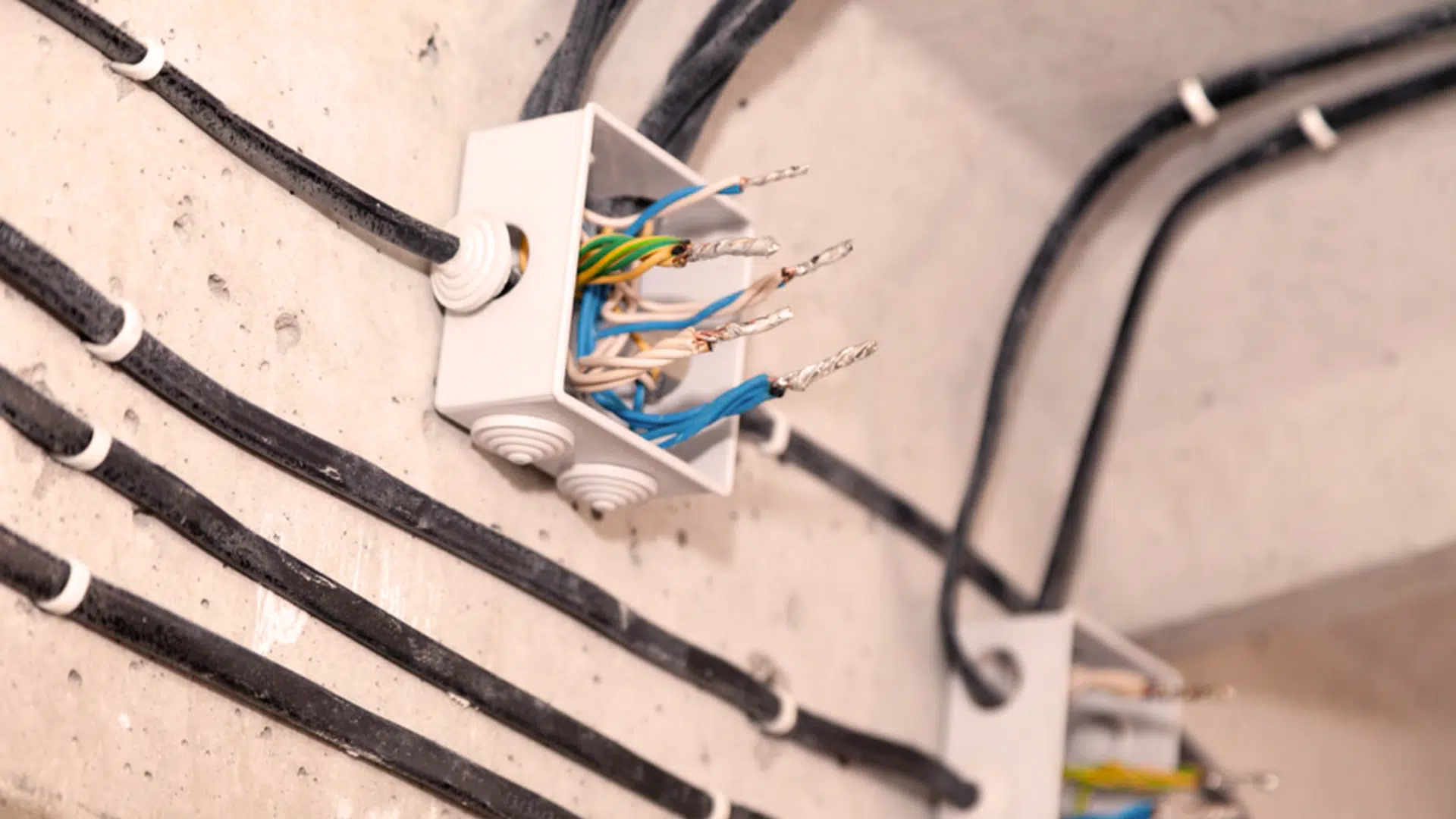
Rewiring a house can feel like a big job, and I’ve learned that most people don’t really know what to expect until they’re in the middle of it.
I’ve been through this process myself, and I know how confusing it can be to figure out what’s needed, how long it takes, and what it might cost. If you’re thinking about rewiring your home, you’re not alone.
I’ll walk you through the signs your home needs new wiring and how the rewiring process works.
You’ll also see tips that come from real experiences, not just technical advice.
My goal is to help you feel ready, informed, and confident as you plan your next steps. By the end, you’ll know exactly what to look for and what to expect.
What House Rewiring Really Means?
House rewiring means replacing the old electrical wires, outlets, and switches in your home with safer, updated parts.
It’s a full reset of the system that powers your lights, appliances, and devices. Many older homes still use wiring that can overheat or fail, so a rewire brings everything up to today’s safety rules.
During this work, an electrician removes outdated wires and installs new ones that can handle modern power needs.
You may also get new outlets and a better breaker panel. A rewire isn’t just about fixing problems. It helps prevent hazards and supports the way you use power now.
The main goal is to keep your home safe and make sure your electrical system can handle everyday use.
A full rewire gives you a clean, stable starting point for all your future electrical needs.
How the Rewiring Process Usually Works?
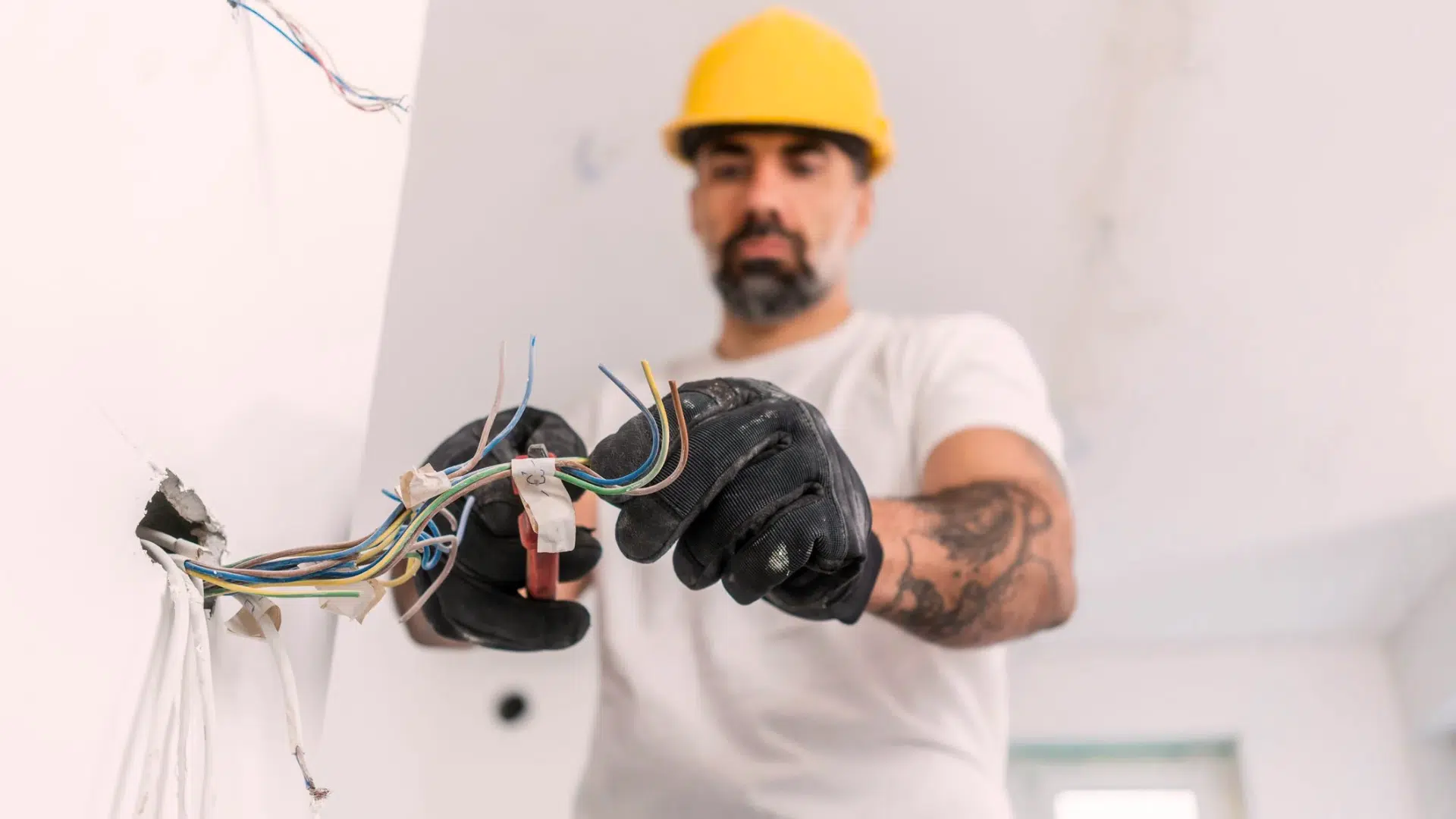
Below is a simple look at how the rewiring process moves from start to finish. These steps help you understand what happens in your home and why each stage matters.
1. Inspection and Planning
The electrician starts by checking your current wiring to see what needs to be replaced.
They look at the panel, outlets, and visible wires. Then they create a plan that outlines the work, materials, and timeline.
This step helps you understand what to expect and gives the electrician a clear path to follow.
It also helps prevent problems later by making sure everything is mapped out before the real work begins.
2. Shutting Off Power and Removing Old Wiring
The power is turned off to keep your home safe while the electrician works.
They remove old wires, outlets, and switches that can no longer handle modern power needs. Walls or ceilings may need small openings so they can reach hidden wires.
This step clears out everything that could cause issues later.
It also prepares the space for new wiring that meets today’s safety rules and works better with your everyday electrical use.
3. Installing New Wiring and Updating Outlets
Fresh wiring is added throughout the home, along with new outlets and switches where needed.
The electrician makes sure every wire is placed safely and connected correctly. They may also update the breaker panel if your home needs more power support.
This step builds the main structure of your new electrical system.
It sets things up so your home can handle modern appliances and keeps the wiring safe for long-term use.
4. Testing and Final Safety Checks
Once all new wiring is in place, the electrician tests every part of the system.
They check outlets, switches, and circuits to make sure everything works without issues. They also look for any signs of loose connections or wiring errors.
This step confirms that your home meets electrical codes and is safe to use.
After testing, the electrician seals any wall openings and cleans up the work areas, leaving your home ready for normal use again.
Real Homeowner Experiences with Rewiring

Many homeowners on Reddit shared what it was really like to take on a house rewire, and their stories show how different the experience can be.
Some said a rewire felt more like gutting the house, with walls opened, plaster removed, and weeks of dust and noise.
Others explained that once an electrician touches old wiring, everything connected to it often has to be brought up to code, which can turn small upgrades into a full overhaul.
A few people said the job left their home in disarray for a while, but they felt it was worth it for long-term safety and fewer surprises later.
Homeowners with very old wiring, like knob-and-tube or cloth-covered wires, said rewiring gave them peace of mind and even helped their insurance and resale value.
Many agreed that if the house is already empty, doing the full rewire now can save time, stress, and future repairs.
Signs Your House May Need New Wiring
These signs can help you spot electrical problems before they turn serious. If you notice any of them, it may be time to call a licensed electrician.
1. Frequent Tripped Breakers
If your breakers trip often, your wiring may not handle the power your home uses now.
This can happen when older wires struggle with modern appliances and devices. You may also notice dimming lights or small outages when several items run at once.
These issues point to wiring that’s working too hard.
When your system becomes overloaded, it’s a clear sign that an upgrade may be needed to keep things safe and reliable.
2. Flickering or Dimming Lights
Lights that flicker or dim without warning may show that your wiring is loose or aging.
This often happens when lights share circuits with large appliances. The extra load can strain weak wires and create short drops in power.
You might see the problem more during busy times of day.
While a single flicker isn’t a big deal, repeated dimming usually means your system needs attention. It’s a common early warning sign of failing wires.
3. Burning Smells or Warm Outlets
A burning smell near outlets or switches is something you should never ignore. It can mean wires are overheating behind the wall.
Outlets that feel warm or show scorch marks are also signs of trouble.
These problems can happen when wires break down or loosen with age. If you notice heat or odd smells, turn off the power to that area right away.
This usually means the wiring needs to be checked and replaced before the issue becomes dangerous.
4. Old or Damaged Wiring
Homes with wiring more than a few decades old often need an update. Materials from past decades can’t handle today’s electrical demands.
You might see brittle wires, cracked insulation, or outdated two-prong outlets.
Some older homes still have aluminum or knob-and-tube wiring, which wears down faster. These older systems can’t support the power needs of modern appliances and tend to fail over time.
If your wiring looks worn or outdated, a full inspection is a smart next step.
Safety Tips You Should Know Before Starting
These tips help you stay safe and avoid common risks during a rewiring project. Use them to plan better and protect your home before any work begins.
- Turn off the power to the area before touching any outlets or switches.
- Have a licensed electrician inspect your wiring before you start.
- Wear gloves and safety glasses when working near exposed wires.
- Keep water, tools, and cords away from damp areas.
- Make sure your breaker panel is clearly labeled to avoid mistakes.
- Never overload temporary circuits while work is in progress.
- Seal off work zones to keep kids and pets out.
- Use only approved electrical parts that meet local codes.
- Keep fire extinguishers nearby in case of emergencies.
- Stop work right away if you smell burning or see sparks.
Final Checks After the Work Is Done
Final checks after a rewire help you make sure everything is safe, working, and up to code. Start by walking through your home with the electrician to confirm every outlet, switch, and fixture operates correctly.
Ask them to show you the new circuits on the breaker panel, so you know what each one controls.
Look for any missed wall patches, loose plates, or areas that still need cleanup. Make sure all permits were closed and that you received any required inspection reports.
It’s also a good time to test smoke detectors and confirm grounding in areas like the kitchen and bathroom.
If you upgraded outlets or added circuits, check that the placement matches your original plan.
A careful review will help you avoid small issues turning into bigger problems later and give you confidence that your home is ready for normal use again.
Conclusion
Rewiring a house is a major project, but it becomes much easier to handle when you understand what to expect and why each step matters.
By now, you’ve seen how signs of old wiring, the rewiring process, and the final checks all fit together to keep your home safe and ready for everyday use.
The goal is not just to update your electrical system but to give you confidence in the place you live.
If you’re planning a rewire or have recently finished one, your experience can help others who feel unsure about starting.
Share what you learned, what surprised you, or what you wish you knew earlier in the comments below. Your story might be the guidance someone else needs.